0%

Table of Contents

The hand reaper binder machine represents a crucial advancement in agricultural efficiency, particularly for smallholder farmers and regions where mechanized harvesting is impractical or cost-prohibitive. These machines, blending reaping and binding functionalities, significantly reduce labor requirements and post-harvest losses, leading to increased yields and improved livelihoods. Understanding their mechanics, applications, and future potential is vital for addressing global food security challenges and promoting sustainable agricultural practices.

Globally, the demand for efficient agricultural tools is escalating due to population growth and shrinking arable land. The hand reaper binder machine offers a bridge between traditional manual labor and expensive, large-scale machinery. The UN’s Sustainable Development Goal 2 (Zero Hunger) directly benefits from innovations that improve agricultural productivity. These machines are especially important in developing countries where a large portion of the population relies on agriculture for sustenance and income, often facing labor shortages and limited access to modern technology.

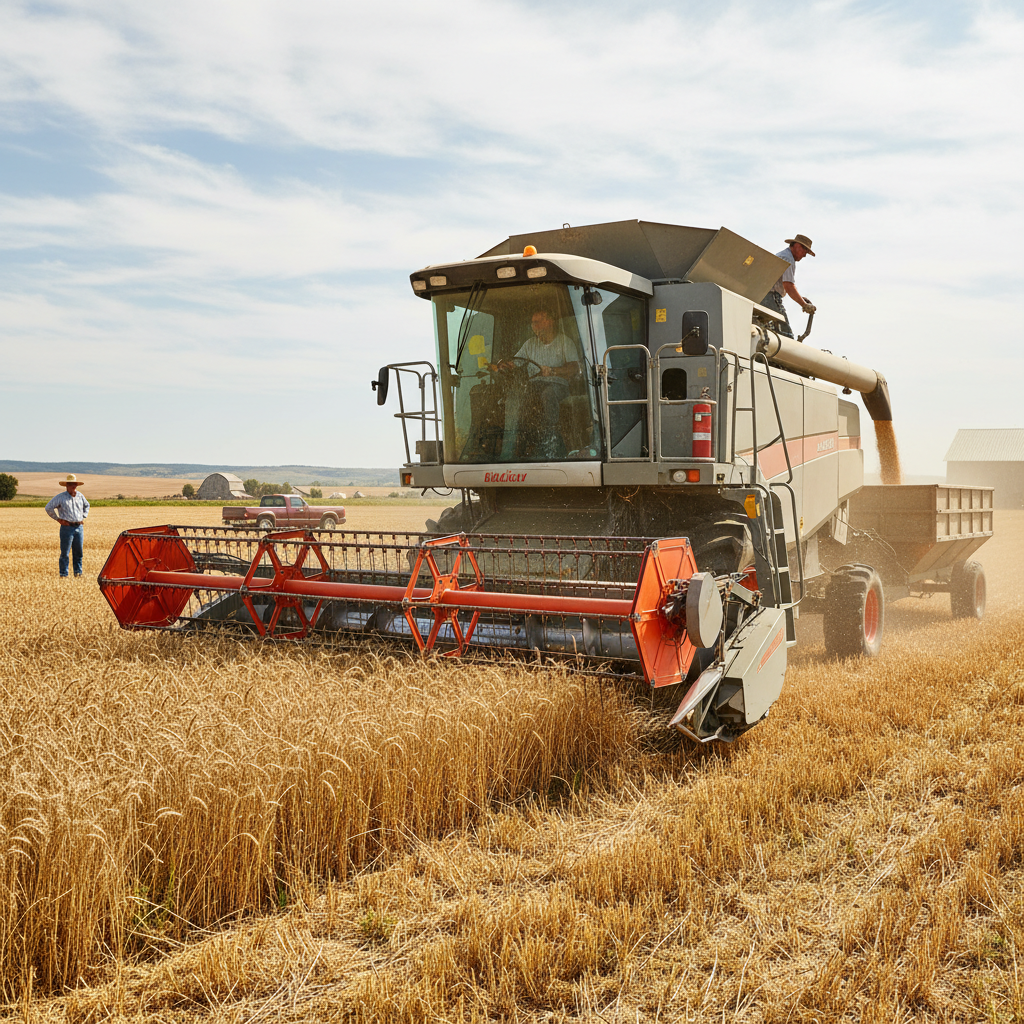
The hand reaper binder machine addresses the fundamental challenges of harvesting crops like wheat, rice, barley, and soybeans by simultaneously cutting, gathering, and tying the stalks into bundles. This minimizes field losses associated with traditional manual methods where crops are often left exposed to the elements or pests. It represents a tangible solution for improving efficiency and sustainability in agricultural workflows.
Advancing Agricultural Efficiency with the Hand Reaper Binder Machine

The Significance of Hand Reaper Binder Machines

Advancing Agricultural Efficiency with the Hand Reaper Binder Machine

The hand reaper binder machine isn’t merely a tool; it’s a facilitator of economic empowerment in rural communities. By reducing the physical strain and time commitment of harvesting, it allows farmers to dedicate more resources to other critical activities like land preparation, irrigation, and marketing. This translates to higher incomes and improved quality of life.

Furthermore, the use of a hand reaper binder machine minimizes crop wastage during harvesting, which is particularly crucial in regions prone to food insecurity. The efficient binding process protects the harvested crop from weather damage and pest infestations, ensuring a larger proportion of the yield reaches the market. hand reaper binder machine manufacturers are continuously improving designs for greater efficiency.

Defining the Hand Reaper Binder Machine

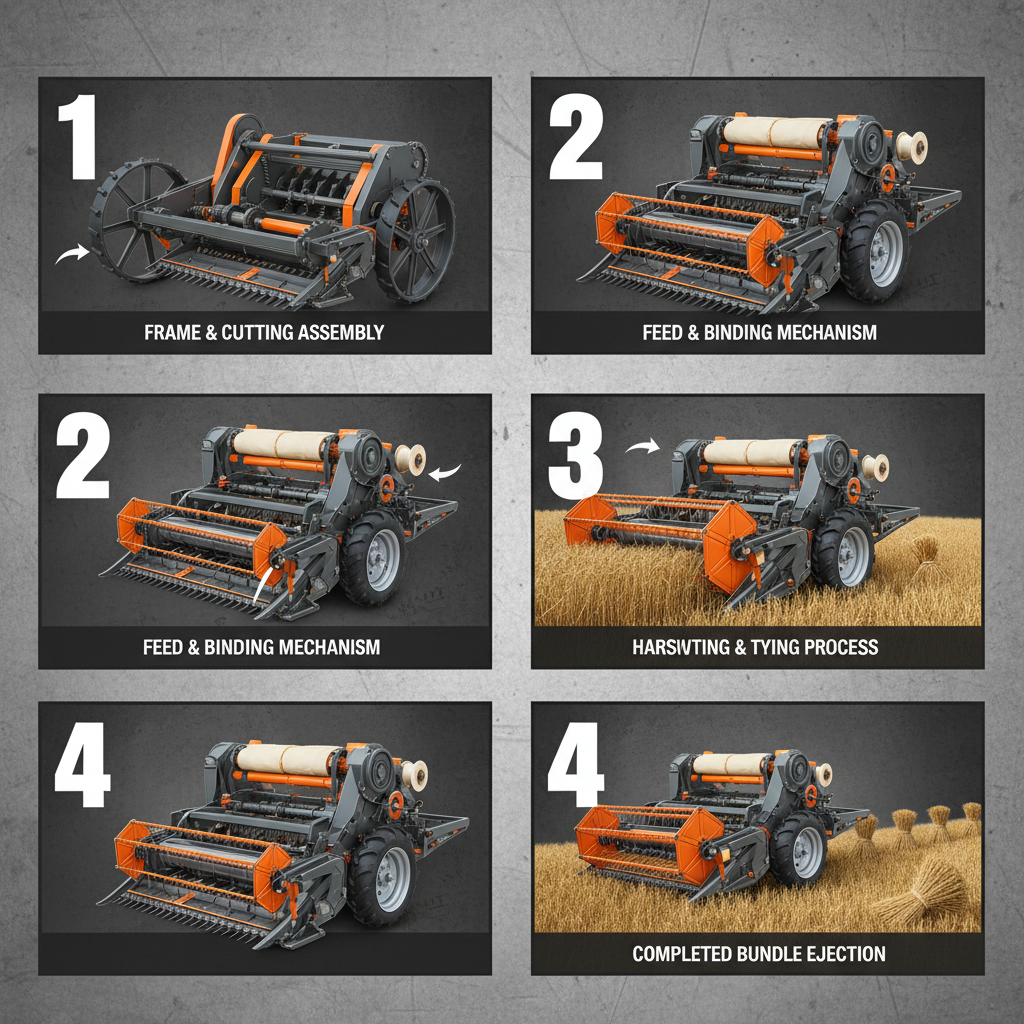
A hand reaper binder machine is a manually operated agricultural implement designed to simultaneously cut, gather, and tie crop stalks into bundles. Unlike traditional scythes or sickles that require separate binding processes, this machine integrates both functions, streamlining the harvesting workflow. It typically consists of a cutting blade, a reel mechanism to gather the cut crop, and a binding apparatus that uses twine or rope.

Its connection to modern industry lies in its role as a cost-effective and adaptable solution for agricultural production in developing nations and smaller farms. While large-scale farming relies on combines, the hand reaper binder machine offers a viable alternative where capital investment is limited or terrain is unsuitable for heavier machinery.

It addresses humanitarian needs by increasing food production efficiency, reducing post-harvest losses, and improving the livelihoods of farmers in food-insecure regions. The machine embodies a practical application of engineering principles to tackle real-world challenges related to agricultural productivity and food security.

Core Components and Functionality

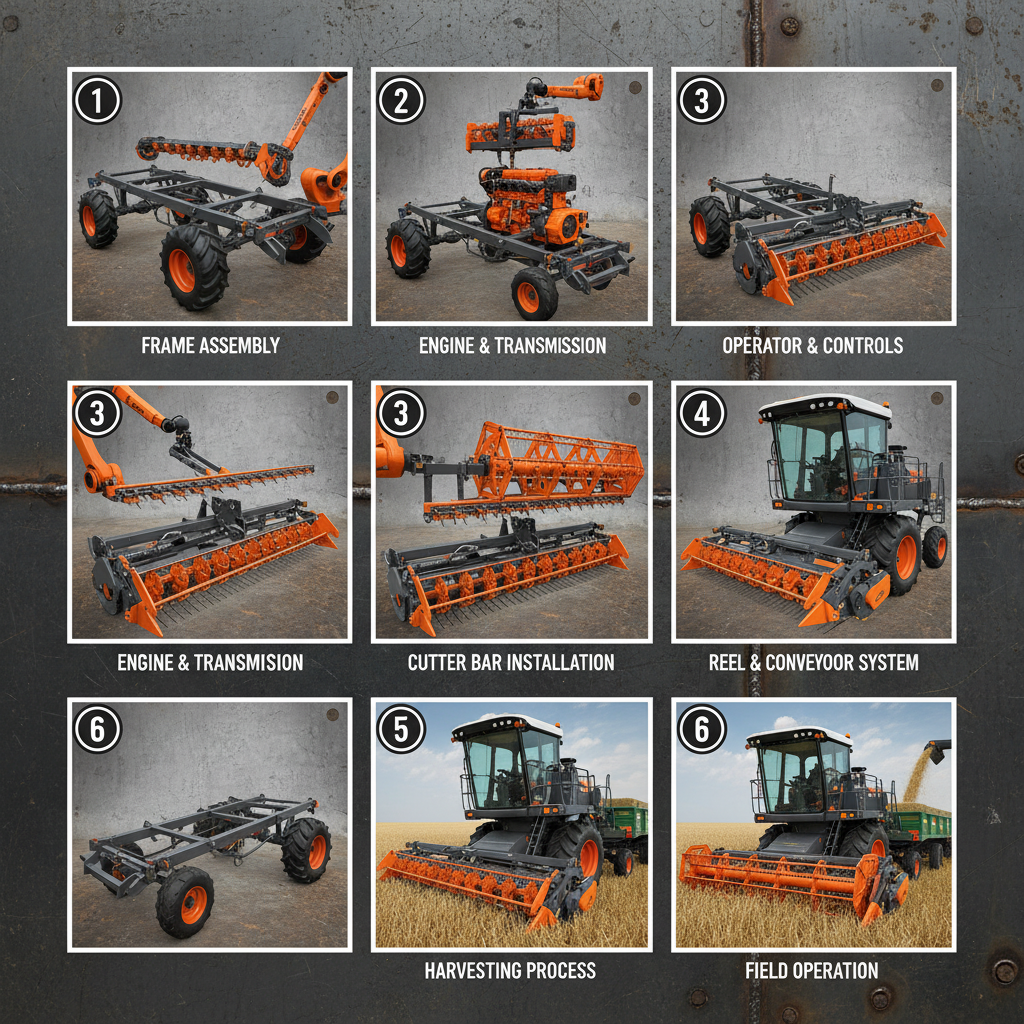
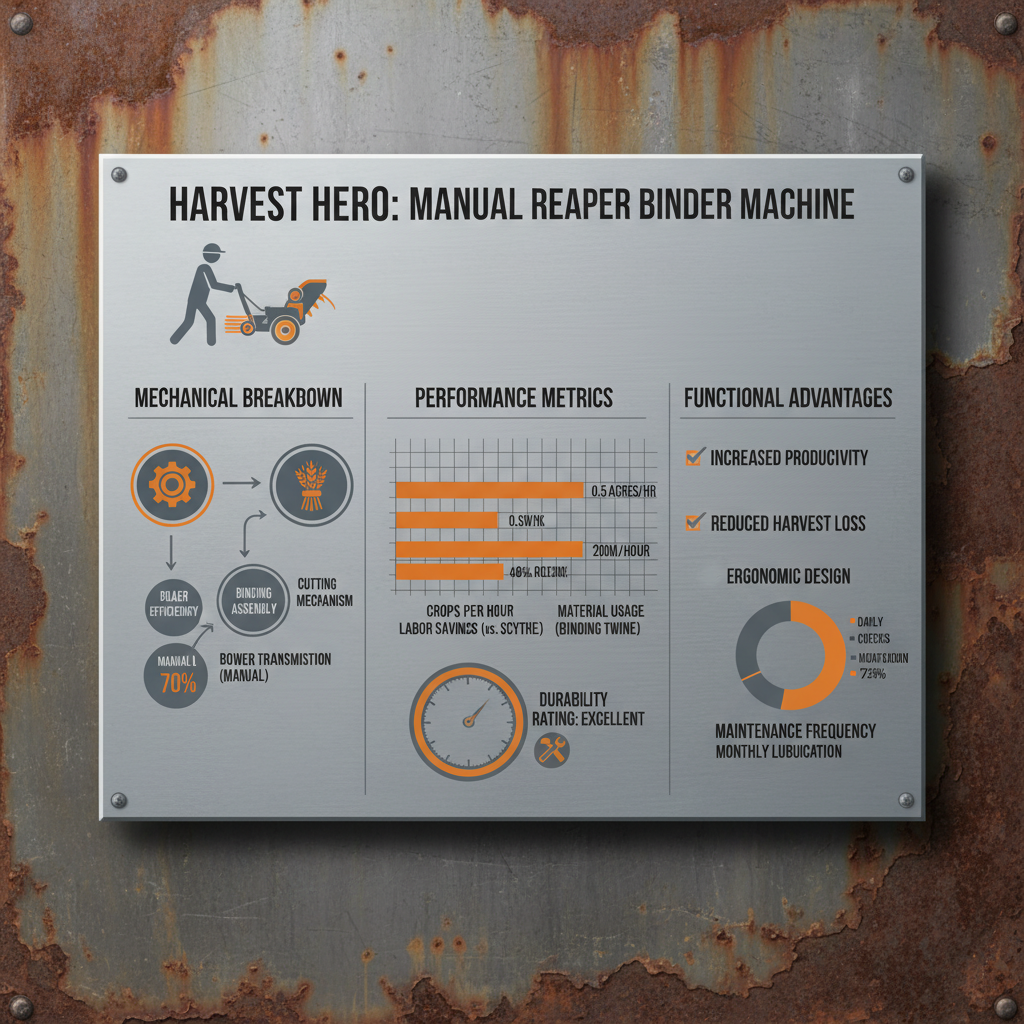
The core functionality of a hand reaper binder machine relies on a synergistic interplay of its key components. These include the cutting blade, which cleanly slices through crop stalks; the reel, which gently gathers the cut material; the binding mechanism, which uses twine to secure the bundles; and the frame, which provides structural support and ensures stable operation.

Understanding how each component works in harmony is crucial for effective operation and maintenance. For instance, the adjustability of the cutting height and binding tightness allows farmers to tailor the machine to specific crop types and field conditions. Proper maintenance, including regular lubrication and blade sharpening, extends the machine's lifespan and ensures optimal performance.

The operation involves pushing the machine forward through the standing crop. The rotating blade cuts the stalks, while the reel gathers them and feeds them into the binding mechanism. The operator then manually triggers the binding process, creating a neat and secure bundle of harvested crop. The efficiency of this integrated process significantly reduces harvesting time and labor costs.

Key Factors Influencing Performance

Several key factors dictate the performance of a hand reaper binder machine. Durability is paramount, as the machine must withstand the rigors of field operation and frequent use. Material quality, weld strength, and overall construction play a critical role in ensuring longevity.

Ease of operation and maintenance are also significant. A user-friendly design that requires minimal training and simple maintenance procedures ensures wider adoption and reduces downtime. Ergonomics, such as adjustable handles and a comfortable grip, contribute to operator comfort and reduce fatigue.

Hand Reaper Binder Machine Performance Metrics


Global Applications and Use Cases

The hand reaper binder machine finds widespread application in regions where small-scale farming is prevalent, such as Southeast Asia, parts of Africa, and South America. In these areas, it empowers farmers to harvest crops like rice, wheat, and barley more efficiently, increasing their yields and incomes.

In post-disaster relief operations, these machines can be crucial for rapidly harvesting crops and ensuring food security for affected populations. Their portability and ease of use make them ideal for deployment in remote or difficult-to-access areas.

Organizations like the Food and Agriculture Organization (FAO) often promote the use of these machines in developing countries as part of their efforts to improve agricultural productivity and reduce poverty. The machine's affordability and adaptability make it a valuable tool for sustainable agricultural development.

Advantages and Long-Term Value

The advantages of utilizing a hand reaper binder machine extend far beyond immediate harvesting efficiency. Cost-effectiveness is a primary benefit, as it eliminates the need for expensive motorized machinery and reduces labor costs. Its durability translates to a long operational lifespan, minimizing replacement expenses.

The social impact is substantial, providing farmers with greater control over their livelihoods and reducing their physical burden. The machine promotes dignity and self-reliance, empowering communities to achieve food security. The reliability of the machine offers peace of mind, knowing that harvests can be completed efficiently and effectively, even in challenging conditions.

Future Trends and Innovations

Future trends in hand reaper binder machine technology are focused on enhancing efficiency, ergonomics, and sustainability. Innovations include lighter materials, improved blade designs for cleaner cuts, and automated binding mechanisms that further reduce operator fatigue.

The integration of renewable energy sources, such as solar-powered binding systems, is gaining traction, contributing to environmentally friendly agricultural practices. Digital transformation plays a role with potential for sensors to monitor performance and provide data-driven insights for optimization.

Focusing on circular economy principles, manufacturers are exploring the use of recycled materials and designing machines for easy disassembly and component reuse, promoting sustainability and reducing waste. hand reaper binder machine designers are prioritizing sustainable practices.

FAQS

What crops are most suitable for harvesting with a hand reaper binder machine?

Hand reaper binder machines are particularly effective for crops with tall, slender stalks that can be easily bundled, such as wheat, rice, barley, oats, and soybeans. They are less suitable for crops with bushy or sprawling growth habits. The machine’s adjustability allows for some adaptation to different crop heights and densities, but optimal performance is achieved with crops falling within the typical range for this type of machine.

How does the maintenance requirements compare to powered harvesters?

Maintenance requirements for a hand reaper binder machine are significantly lower compared to powered harvesters. They primarily involve regular lubrication of moving parts, sharpening of the cutting blade, and occasional tightening of bolts. There are no complex engines or hydraulic systems to maintain, reducing the need for specialized tools or trained technicians. This simplicity makes them ideal for farmers with limited mechanical expertise.

What is the typical lifespan of a well-maintained hand reaper binder machine?

With proper care and maintenance, a hand reaper binder machine can have a lifespan of 10-15 years or even longer. Regular cleaning, lubrication, and timely replacement of worn parts are essential for maximizing its longevity. Protecting the machine from the elements when not in use will also extend its lifespan. High-quality materials and robust construction contribute to its durability.

Are there different sizes or models available to suit varying farm sizes?

Yes, hand reaper binder machines are available in various sizes and models to accommodate different farm sizes and crop types. Some models are designed for small-scale operations, while others are larger and more robust for larger farms. The cutting width and binding capacity may also vary between models, allowing farmers to choose a machine that best suits their specific needs.

What is the average harvesting rate for an experienced operator?

The average harvesting rate for an experienced operator typically ranges from 0.2 to 0.5 hectares per day, depending on the crop type, field conditions, and operator skill. Factors like crop density, terrain, and the machine’s adjustability can also influence the harvesting rate. The efficiency gained compared to manual harvesting is substantial, reducing labor time and costs.

What type of twine or binding material is recommended for optimal results?

Natural fiber twine, such as sisal or jute, is generally recommended for binding crops with a hand reaper binder machine. These materials are biodegradable and pose minimal environmental impact. Synthetic twine can also be used, but it’s important to choose a type that is strong, durable, and resistant to UV degradation. The twine should be of appropriate thickness to ensure secure binding without damaging the crop.

Conclusion

In conclusion, the hand reaper binder machine stands as a testament to the power of appropriate technology in addressing global agricultural challenges. Its ability to increase efficiency, reduce labor costs, and minimize post-harvest losses makes it an invaluable tool for smallholder farmers and a vital component of sustainable food production systems. Its relative simplicity, affordability, and durability ensure its continued relevance in regions where access to advanced machinery is limited.

Looking ahead, continued innovation in materials, design, and integration of renewable energy sources will further enhance the performance and sustainability of these machines. Investing in research, development, and dissemination of this technology will empower farmers, promote food security, and contribute to a more equitable and resilient agricultural landscape. Visit our website: www.hbniuboshi.com to learn more.


Kevin Garcia

Kevin Garcia

Kevin Garcia is a Technical Support Specialist at Hebei Niuboshi Machinery Equipment Co., Ltd. He provides crucial support to our customers, assisting with installation, maintenance, and troubleshooting of our machinery. Kevin has a strong technical aptitude and is dedicated to ensuring customer satisfaction. He joined Niuboshi in 2020 after completing
Previous Advancements in Mechanical Rice Reaper Technology for Efficient Harvesting
Next Advancing Agricultural Efficiency with the Four Wheel Reaper Binder