The four wheel reaper binder represents a significant advancement in agricultural efficiency, streamlining the harvesting process and contributing to global food security. Its impact extends beyond simply reducing labor costs; it also minimizes crop loss and improves the quality of harvested materials. Understanding the nuances of this technology is crucial for farmers, agricultural engineers, and policymakers alike, as it shapes the future of food production and distribution.
Globally, the demand for increased agricultural output is driven by a growing population and changing dietary habits. The four wheel reaper binder addresses this demand by providing a scalable and efficient solution for harvesting a wide variety of crops. Its adoption is particularly important in developing nations where labor shortages and traditional harvesting methods can hinder agricultural productivity.
Investing in and understanding four wheel reaper binder technology isn’t just about improving yields; it’s about ensuring a sustainable and resilient food supply chain for the future, empowering farmers, and promoting economic growth in agricultural communities worldwide. Furthermore, advances in automation and precision agriculture continue to enhance the capabilities of these machines.
The Core Principles of four wheel reaper binder
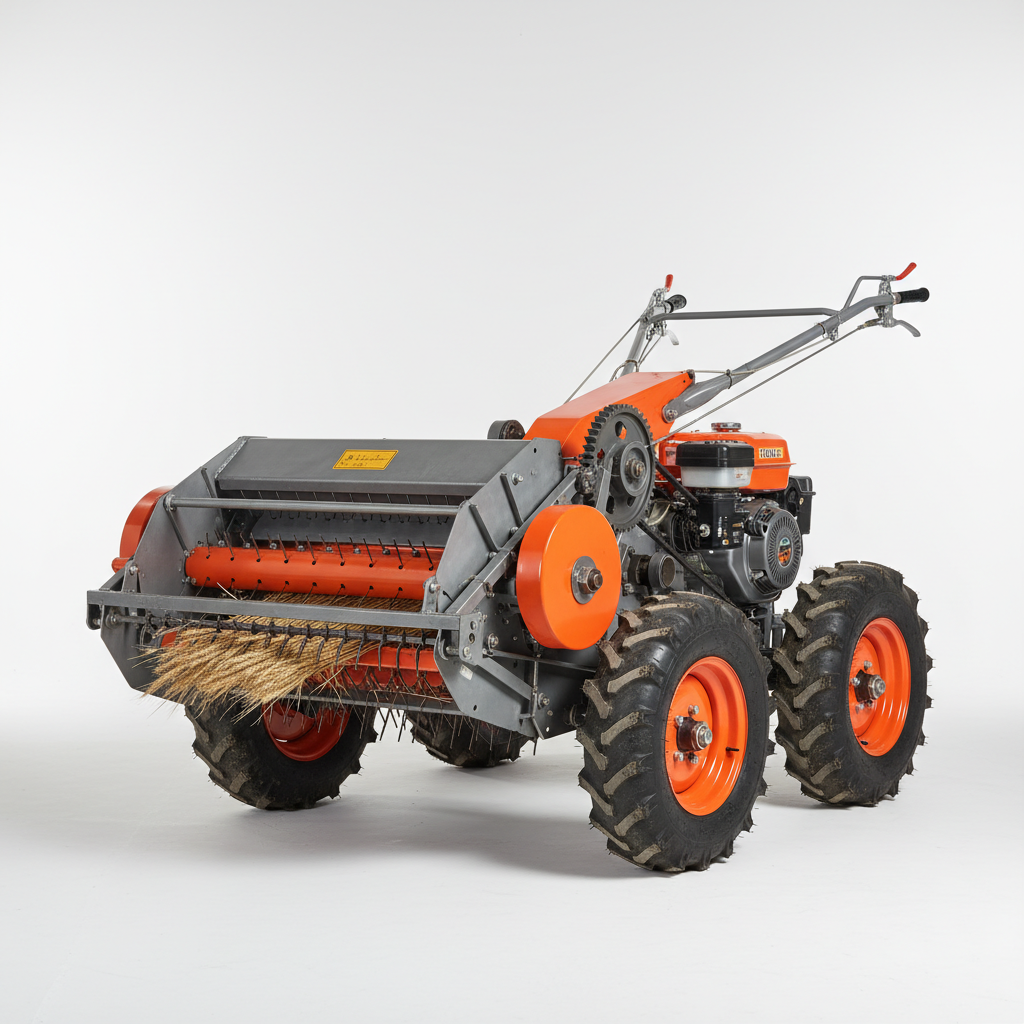
At its core, the four wheel reaper binder combines reaping, cutting, and binding functionalities into a single machine. This integrated approach dramatically reduces the time and labor required for harvesting compared to traditional manual methods. The four-wheel drive system ensures stability and maneuverability even in challenging terrains.
The design principles focus on minimizing crop damage during harvesting and ensuring efficient binding for easy handling and storage. Modern four wheel reaper binders often incorporate sensors and automation features to optimize performance and reduce waste, significantly contributing to overall agricultural yield. A key component is the precise cutting mechanism, carefully designed to avoid damaging the crop stalks.
The Global Impact of four wheel reaper binder
The impact of the four wheel reaper binder is felt globally, particularly in regions heavily reliant on agriculture. Countries like India, China, and Brazil, with large agricultural sectors, have seen significant increases in harvesting efficiency with the adoption of this technology. This leads to reduced food prices and improved food security for their populations.
According to the Food and Agriculture Organization (FAO) of the United Nations, increasing agricultural productivity is critical to meeting the needs of a growing global population. The four wheel reaper binder plays a pivotal role in achieving this goal by enabling farmers to harvest larger areas of land more quickly and efficiently. It also supports sustainable agricultural practices by reducing the need for excessive labor.
Furthermore, the adoption of four wheel reaper binder technology has a ripple effect throughout the agricultural supply chain, impacting transportation, storage, and processing industries. It creates economic opportunities and contributes to overall economic growth in agricultural communities.
Defining four wheel reaper binder: A Technical Overview
A four wheel reaper binder is a sophisticated agricultural machine designed to harvest grain crops such as wheat, barley, oats, and rice. It combines the functions of reaping (cutting the crop), binding (tying the cut stalks into sheaves), and often, threshing (separating the grain from the stalk). The "four wheel" designation refers to the machine’s drive system, which provides superior traction and maneuverability in various field conditions.
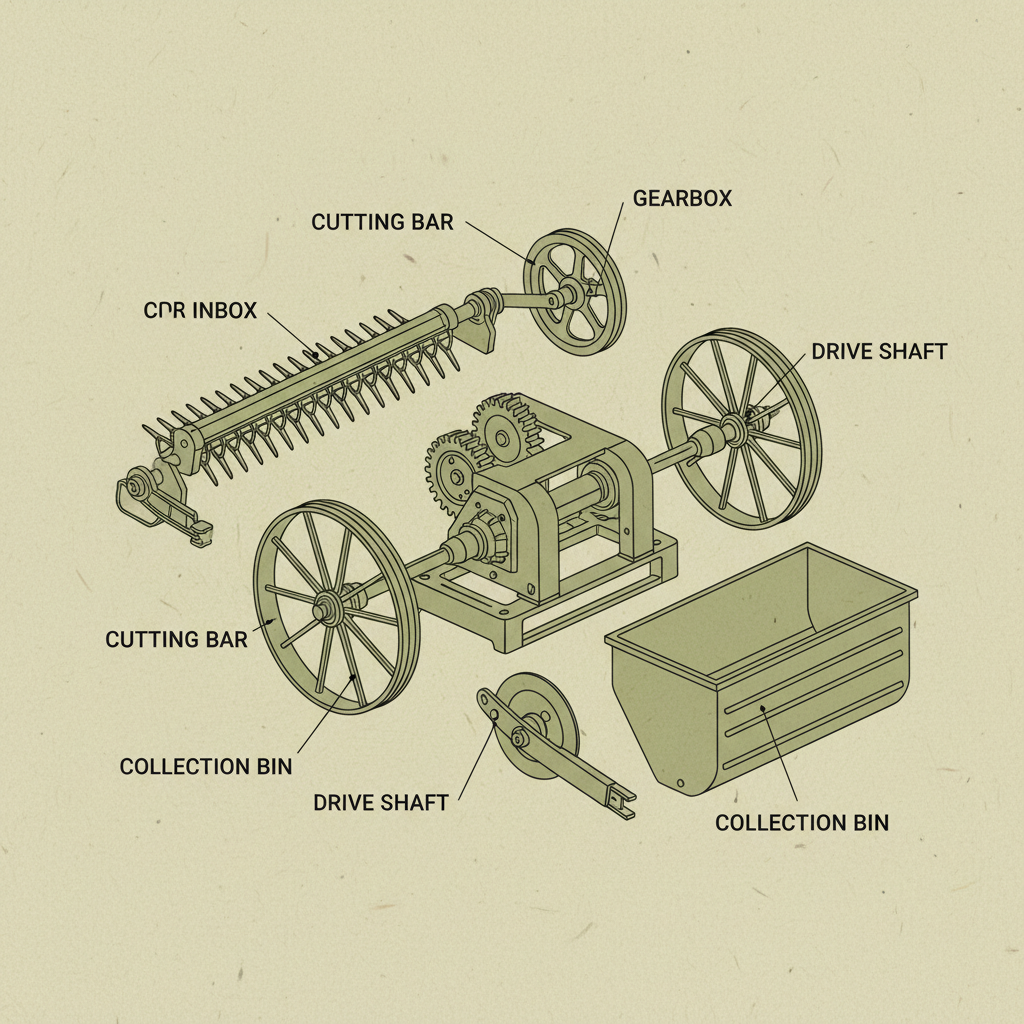
The core components of a four wheel reaper binder include a cutting platform, a reel to guide the crop into the machine, a binding apparatus, and a power source – typically an internal combustion engine or electric motor. Modern models often feature computer-controlled systems for optimizing cutting height, binding tension, and overall harvesting efficiency. The binder itself can use twine, wire, or biodegradable materials.
The development of the four wheel reaper binder represents a significant evolution from earlier harvesting methods, which were primarily labor-intensive manual processes. This machine’s ability to automate the harvesting process dramatically reduces the time and cost associated with crop production, making it an essential tool for modern agriculture.
Key Performance Indicators of four wheel reaper binder
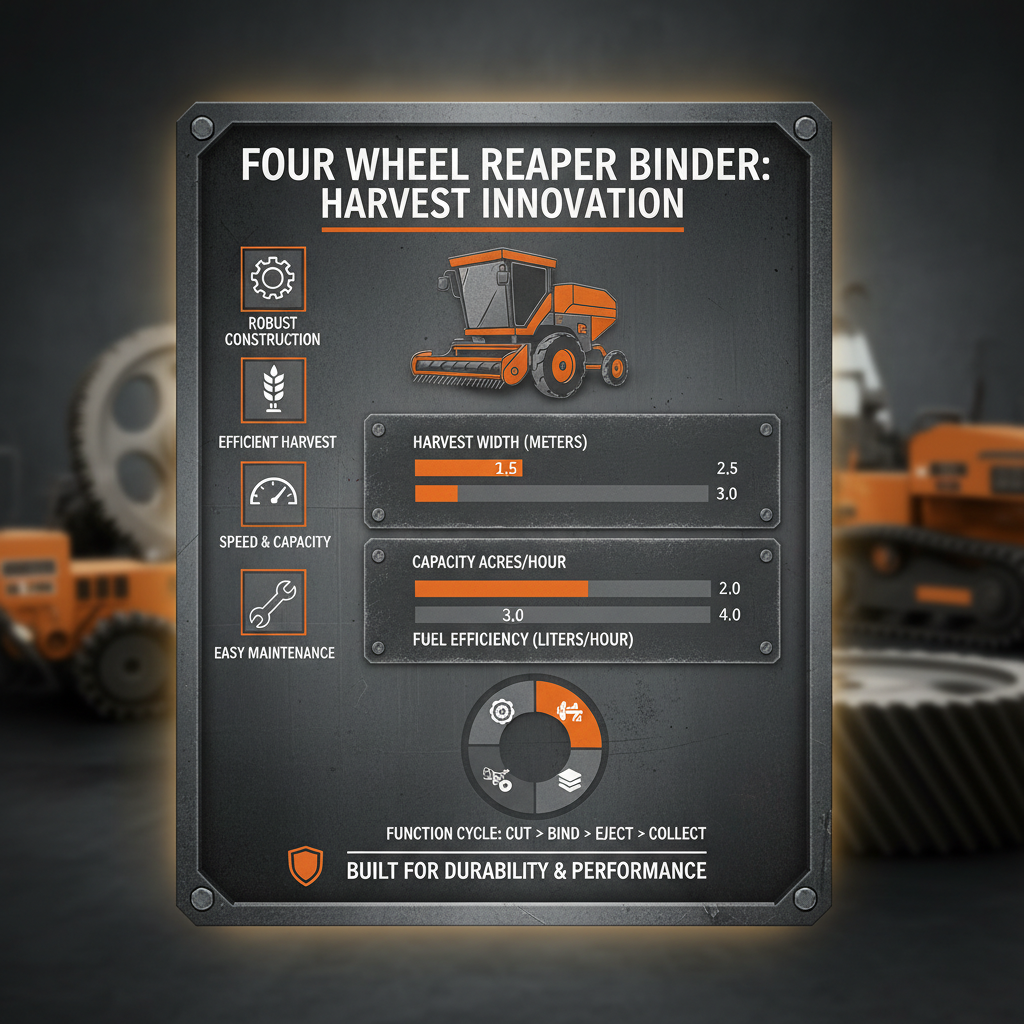
Evaluating the performance of a four wheel reaper binder requires considering several key indicators. These metrics allow farmers and agricultural professionals to assess efficiency, optimize operations, and make informed investment decisions. Accurate data collection is crucial for continuous improvement.
These indicators go beyond simple harvest speed; they include assessments of grain loss, binding quality, fuel efficiency, and overall machine reliability. Analyzing these factors helps to maximize yield and minimize operational costs.
Four Wheel Reaper Binder Performance Metrics
Real-World Applications of four wheel reaper binder
The four wheel reaper binder finds widespread application in large-scale commercial farming operations, particularly in regions cultivating wheat, rice, barley, and other grain crops. Its ability to handle vast acreages efficiently makes it ideal for these settings.
Beyond commercial farms, it's also employed by agricultural cooperatives and government agencies to support food production initiatives and disaster relief efforts. In post-disaster scenarios, rapid harvesting capabilities can be critical for securing food supplies.
Advantages and Economic Benefits of four wheel reaper binder
The advantages of utilizing a four wheel reaper binder are numerous. Foremost is the substantial reduction in labor costs, as a single machine can perform the work of many manual laborers. This translates directly into increased profitability for farmers.
Furthermore, the enhanced harvesting speed minimizes crop loss due to weather damage or other factors, leading to higher yields and improved grain quality. The machine's efficiency also contributes to reduced fuel consumption per unit of harvested crop, lowering operational expenses.
Future Innovations in four wheel reaper binder Technology
The future of four wheel reaper binder technology is focused on increased automation, precision agriculture, and sustainability. We can anticipate the integration of advanced sensors, artificial intelligence, and GPS technology to optimize harvesting operations in real-time.
The development of electric-powered models will reduce reliance on fossil fuels and minimize carbon emissions. Furthermore, research into biodegradable binding materials will contribute to environmentally friendly agricultural practices. The incorporation of drone technology for crop monitoring and yield assessment will further enhance efficiency.
The integration of data analytics and machine learning will enable predictive maintenance, minimizing downtime and maximizing the lifespan of these crucial machines, ultimately leading to more resilient and sustainable agricultural systems.
Summary of Future Innovations in four wheel reaper binder
| Innovation Area |
Current Status |
Potential Impact |
Implementation Timeline |
| Automation & Robotics |
Early adoption of GPS-guided steering |
Significant reduction in operator fatigue and increased precision |
5-10 years |
| Electric Power |
Prototype models undergoing testing |
Reduced emissions and lower operating costs |
3-7 years |
| Biodegradable Binding |
Research and development phase |
Reduced environmental impact and improved sustainability |
7-12 years |
| Sensor Integration |
Limited use of crop sensors |
Optimized harvesting parameters and reduced grain loss |
2-5 years |
| Data Analytics |
Basic data logging capabilities |
Predictive maintenance and optimized resource allocation |
3-8 years |
| Drone Integration |
Initial trials for yield mapping |
Real-time crop health assessment and optimized harvesting routes |
5-10 years |
FAQS
A well-maintained four wheel reaper binder can typically last between 5,000 to 10,000 operating hours, or roughly 15 to 20 years, depending on the frequency of use and the quality of maintenance. Regular servicing, including oil changes, filter replacements, and component inspections, is crucial for maximizing its lifespan. Proper storage during off-season is also essential to prevent corrosion and damage.
Four wheel reaper binders are significantly more fuel-efficient than traditional harvesting methods. While manual harvesting relies entirely on human labor, a four wheel reaper binder can harvest significantly larger areas with considerably less fuel consumption per unit of crop. Modern models with advanced engine technology and optimized hydraulics offer even greater fuel efficiency, reducing operational costs and environmental impact.
Four wheel reaper binders are most effectively used for harvesting grain crops with relatively long stalks, such as wheat, barley, oats, rice, and rye. While they can be adapted for other crops, such as soybeans and lentils, adjustments to the cutting and binding mechanisms may be necessary. The ideal crop height and density are factors to consider for optimal performance.
Essential maintenance procedures include regular engine oil changes, air filter cleaning/replacement, hydraulic fluid checks, chain lubrication, and blade sharpening. Inspecting belts, bearings, and other critical components for wear and tear is also vital. Following the manufacturer’s recommended maintenance schedule is crucial for preventing breakdowns and ensuring long-term reliability.
Safety is paramount when operating a four wheel reaper binder. Operators should always wear appropriate personal protective equipment (PPE), including safety glasses, gloves, and hearing protection. Ensure all safety guards and shields are in place and functioning correctly. Avoid operating the machine on steep slopes or uneven terrain, and always follow the manufacturer's safety guidelines. Proper training is essential.
Choosing the right four wheel reaper binder involves considering factors such as the size of your farm, the types of crops you grow, the terrain, and your budget. Assess your harvesting capacity needs, and consider features like engine power, cutting width, binding capacity, and available attachments. Consult with agricultural equipment dealers and compare different models to find the best fit for your operation.
Conclusion
The four wheel reaper binder stands as a cornerstone of modern agriculture, offering substantial improvements in harvesting efficiency, reduced labor costs, and enhanced food security. Its impact resonates globally, particularly in regions striving to increase agricultural productivity and meet the demands of a growing population. The continuous advancements in technology promise to further refine its capabilities, making it an increasingly indispensable tool for farmers worldwide.
Looking ahead, embracing innovation in automation, sustainable practices, and data-driven optimization will be crucial for maximizing the benefits of four wheel reaper binder technology. By investing in research and development, promoting responsible manufacturing, and providing comprehensive training, we can unlock the full potential of this machine and ensure a sustainable and resilient future for agriculture. Visit our website at HB NiuBoshi to learn more about our four wheel reaper binders.