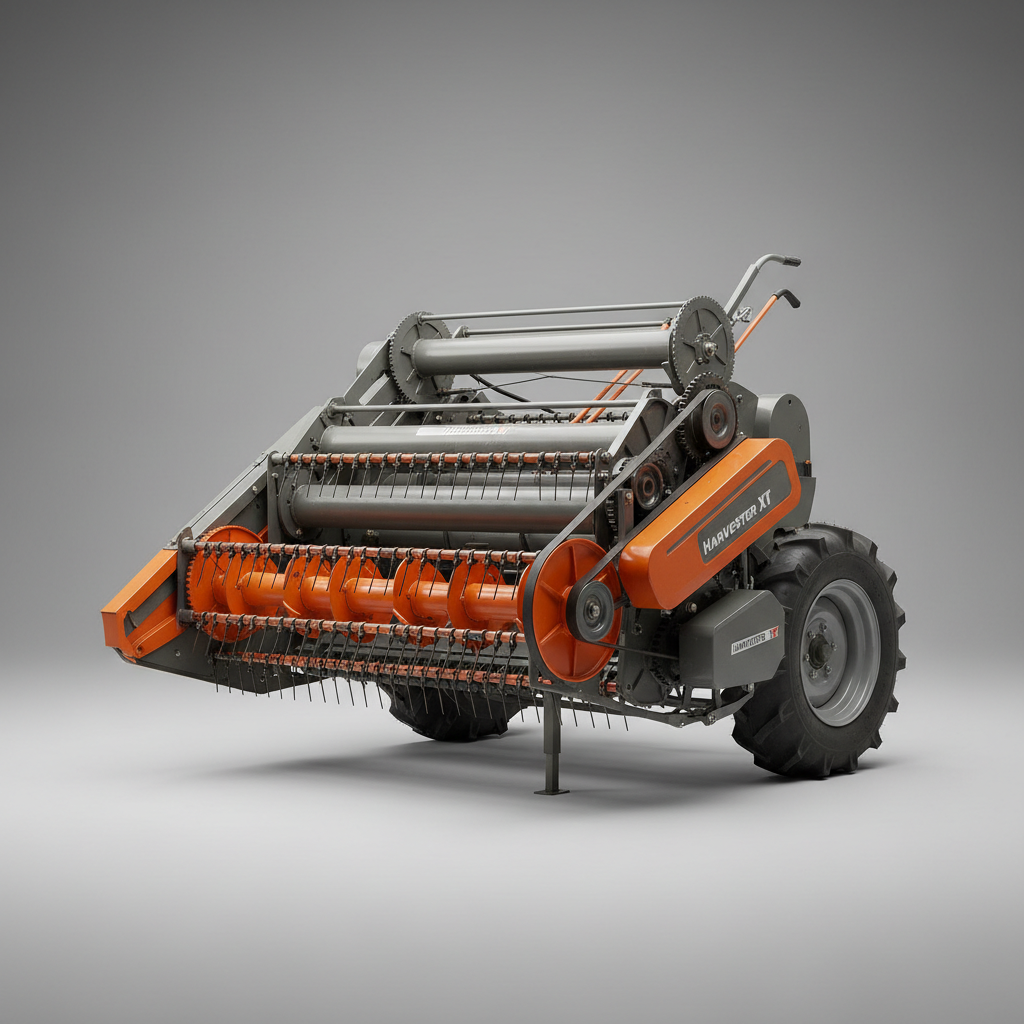
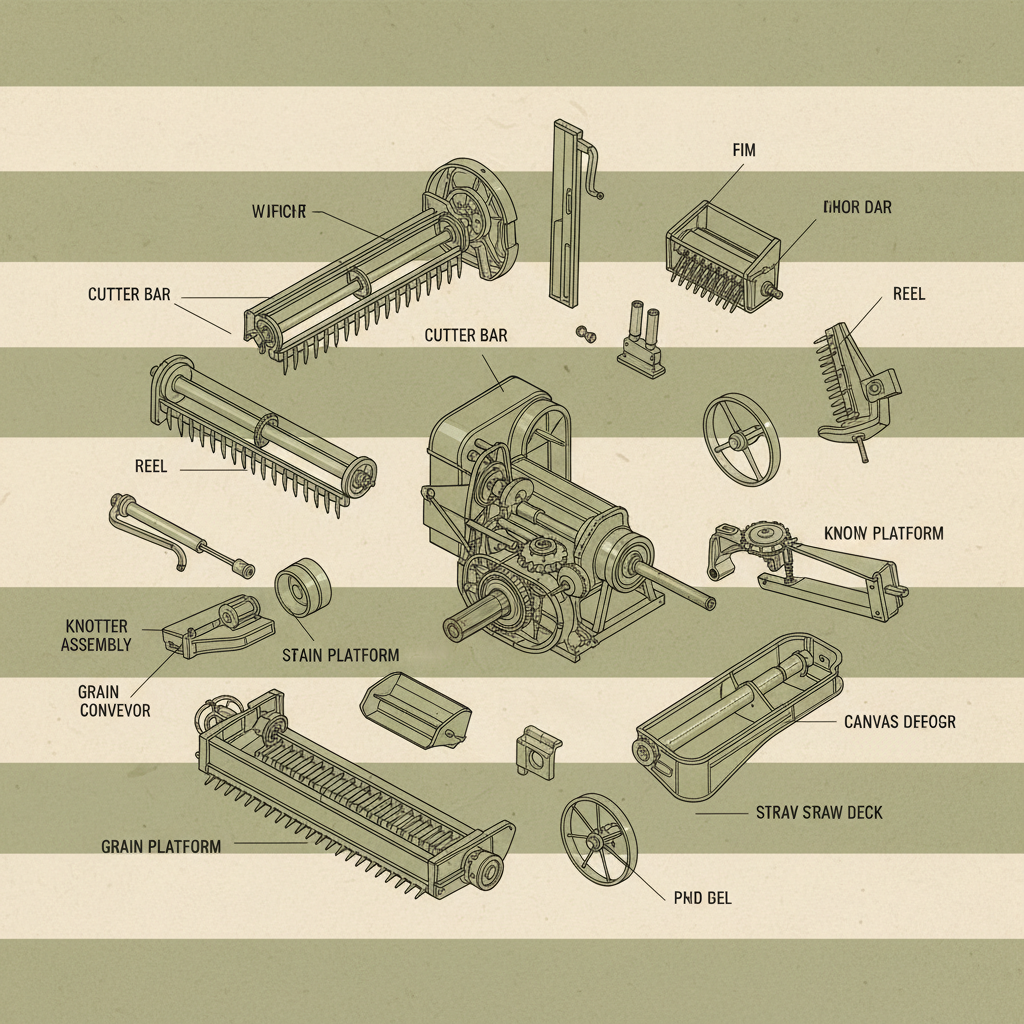
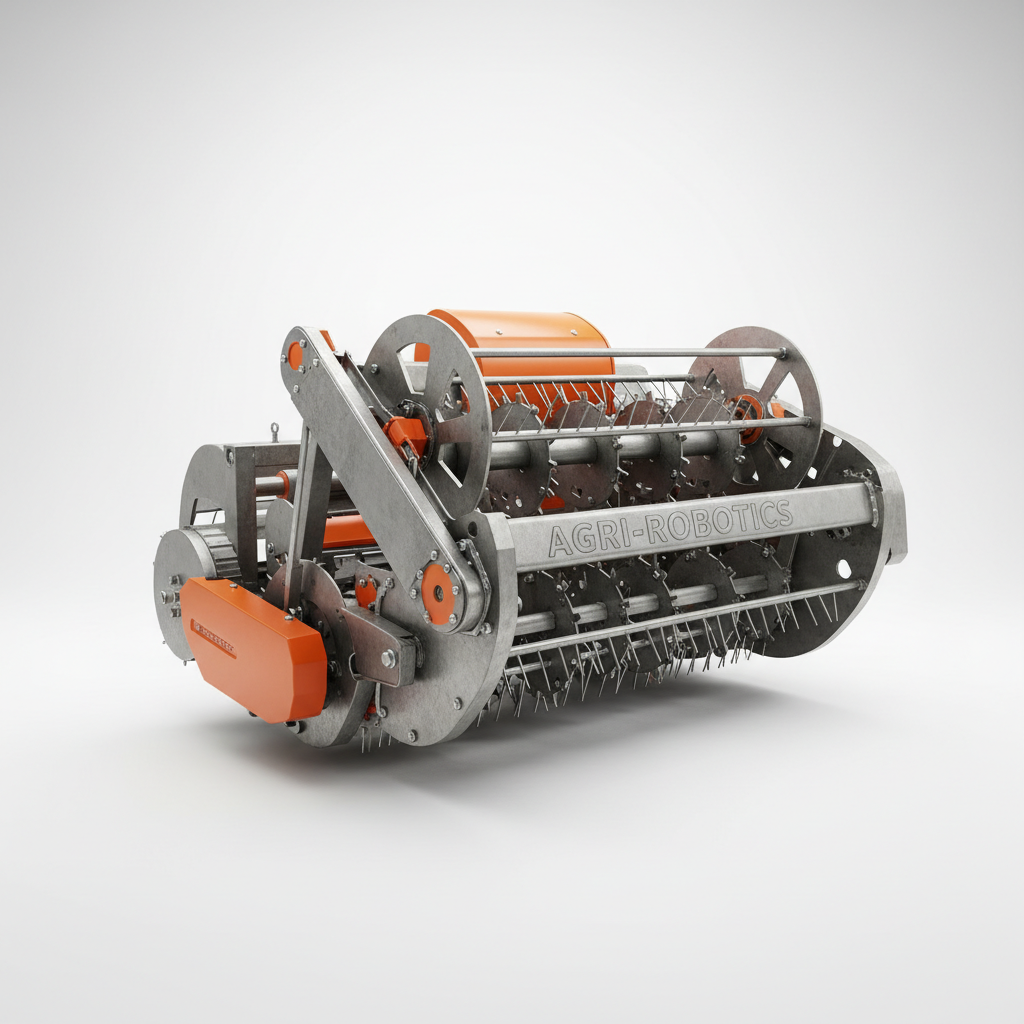
The efficiency of agricultural practices is a global concern, impacting food security and economic stability. The hand reaper machine represents a crucial technology in addressing these challenges, particularly in regions where large-scale mechanization is impractical or economically unfeasible. These machines bridge the gap between manual labor and fully automated harvesting, offering a viable solution for small and medium-sized farms.
Worldwide, a significant portion of agricultural work is still performed manually, particularly in developing nations. This reliance on manual labor is often associated with low productivity, high labor costs, and physically demanding conditions for workers. The adoption of a hand reaper machine can substantially increase yields, reduce harvesting time, and improve the working conditions for agricultural laborers. Data from the UN Food and Agriculture Organization (FAO) highlights the need for sustainable agricultural intensification, which can be partially achieved through optimized harvesting tools.
The increasing demand for food, coupled with a shrinking agricultural workforce in many regions, necessitates innovative solutions like the hand reaper machine. It’s not simply about replacing human effort, but augmenting it, allowing farmers to achieve greater output with the same or even reduced input. This has implications for both profitability and the long-term sustainability of agricultural practices.
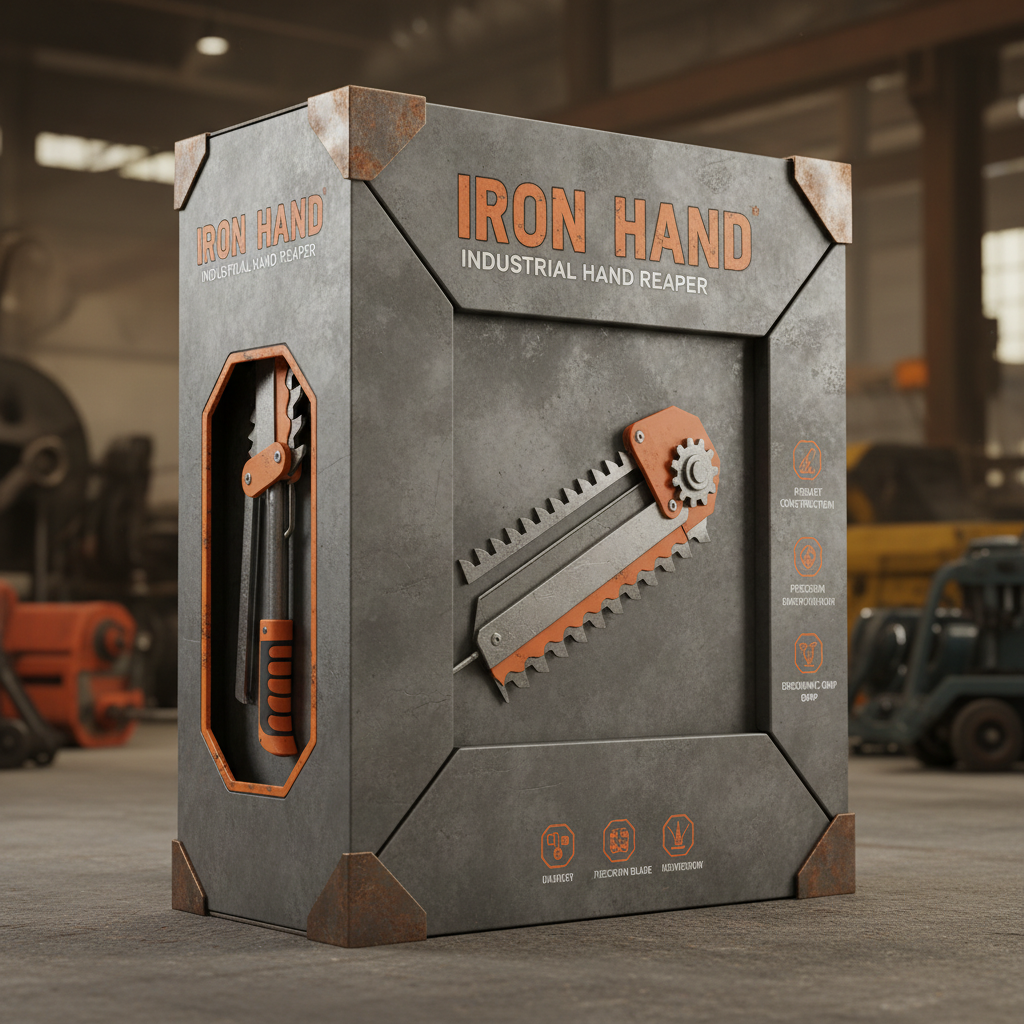
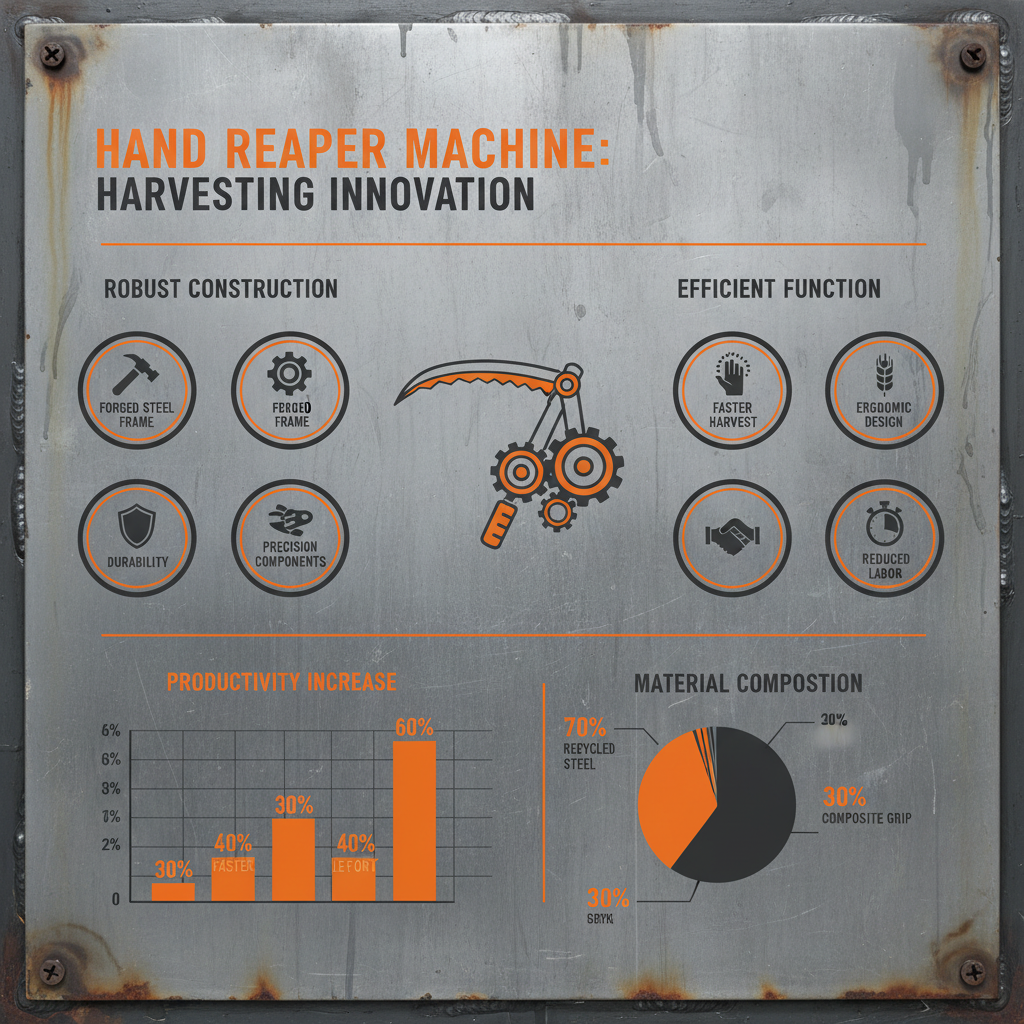
The hand reaper machine represents a significant advancement in small-scale agricultural technology. It empowers farmers to significantly increase harvesting efficiency compared to traditional manual methods, reducing both time and labor requirements. This directly translates to increased profitability and improved livelihoods.
These machines are particularly valuable in regions where access to large, expensive agricultural machinery is limited. They offer a cost-effective solution for farmers who need to harvest crops quickly and efficiently, without relying solely on manual labor. The simplicity of operation and relatively low maintenance requirements further contribute to their widespread appeal.
A hand reaper machine is versatile and can be used for a wide variety of crops, including rice, wheat, barley, soybeans, corn (depending on the stalk size), and various types of forage grasses. The specific suitability depends on the machine's design and the crop's stem strength and density. Adjustable cutting heights and blade types are often available to optimize performance for different crops. It's important to check the manufacturer's specifications for recommended crops.
The cost of a hand reaper machine varies significantly depending on its features, power source, and brand. Manual push-type machines typically cost between $500 and $1000, while self-propelled gasoline models can range from $1500 to $3000 or more. Electric powered versions tend to fall in between. Factors influencing the price include engine size, build quality, cutting width, presence of automatic binding features, and dealer markup.
Maintenance requirements vary depending on the machine type. Gasoline-powered machines require regular oil changes, air filter cleaning, and spark plug replacement. Manual machines require minimal maintenance, primarily lubrication of moving parts. Electric models may require battery maintenance. Regular blade sharpening is crucial for all types. Proper storage during the off-season is also important to prevent corrosion and damage. Routine inspections are recommended to identify and address potential issues before they escalate.
The suitability of a hand reaper machine for hilly or uneven terrain depends on its design and features. Self-propelled models with larger wheels and adjustable suspension are generally better suited for such conditions than manual push-type machines. Machines with good ground clearance and a low center of gravity will also provide more stability. It’s crucial to choose a machine specifically designed for challenging terrain and operate it with caution.
Safety is paramount when operating a hand reaper machine. Always wear appropriate personal protective equipment (PPE), including safety glasses, gloves, and sturdy footwear. Keep hands and feet away from the cutting mechanism. Never operate the machine while under the influence of drugs or alcohol. Inspect the machine before each use to ensure all safety features are functioning correctly. Be aware of your surroundings and potential hazards.
The hand reaper machine promotes sustainable agriculture by reducing reliance on heavy machinery and fossil fuels, especially the electric models. By increasing harvesting efficiency, it minimizes crop losses and waste. Its affordability makes it accessible to smallholder farmers, empowering them to improve their livelihoods and adopt more sustainable farming practices. Moreover, reducing the physical labor involved can encourage younger generations to stay in agriculture.
In conclusion, the hand reaper machine stands as a pivotal tool in modernizing agricultural practices, particularly for small and medium-sized farms. Its blend of affordability, efficiency, and adaptability makes it an invaluable asset in regions striving for food security and economic development. From minimizing labor costs to reducing crop waste, the benefits are far-reaching and contribute significantly to sustainable agricultural systems.
Looking ahead, continued innovation in this field – focusing on energy efficiency, automation, and smart technologies – will further enhance the capabilities of hand reaper machines. Investing in and promoting the adoption of these machines is crucial for building a more resilient and sustainable agricultural future. Visit our website at www.hbniuboshi.com to learn more and explore our range of solutions.