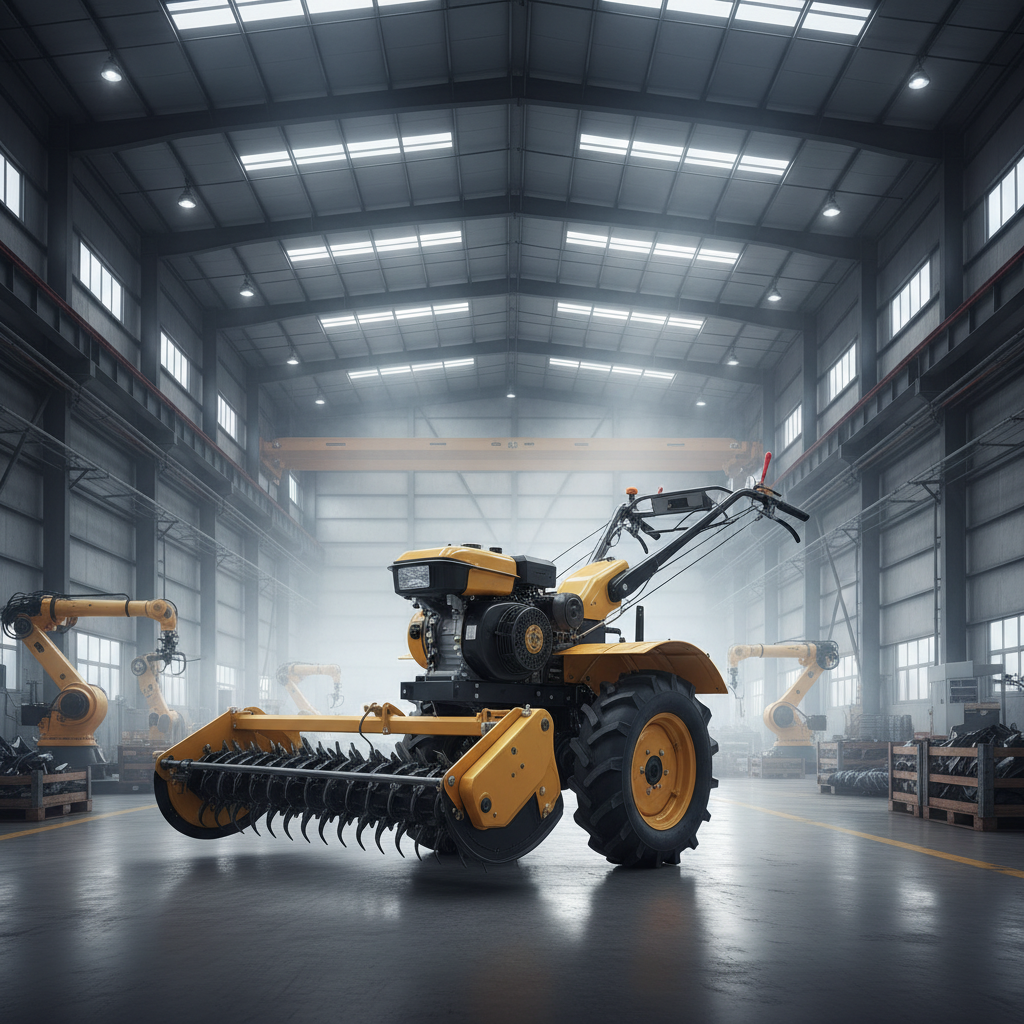
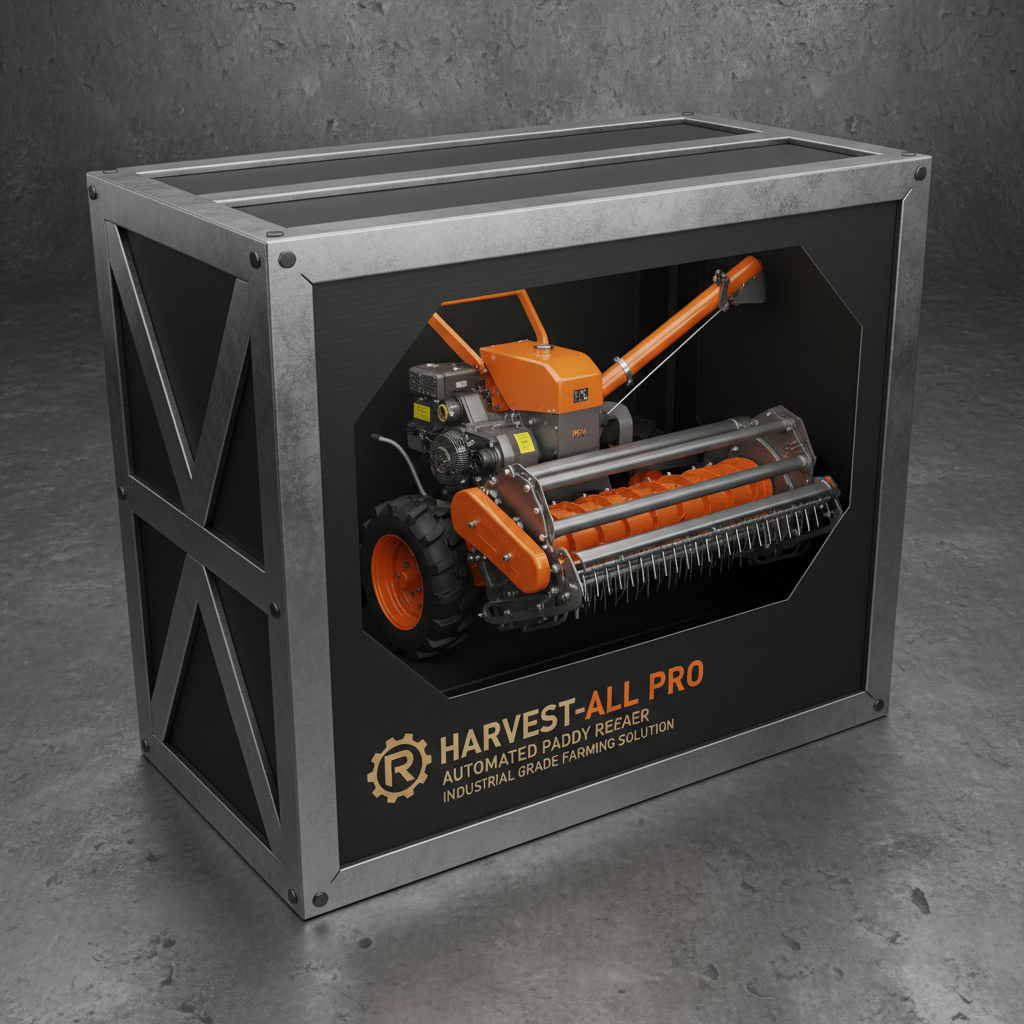
The global demand for efficient harvesting solutions is continuously rising, driven by factors like increasing population, shrinking arable land, and the need for sustainable agricultural practices. The harvester reaper is pivotal in meeting this demand, representing a significant leap in agricultural technology. It enables faster, more precise, and less labor-intensive harvesting, contributing directly to food security and economic growth, particularly in developing nations.
Modern agriculture faces unprecedented challenges, including climate change, labor shortages, and the need to maximize yields. The harvester reaper addresses these issues by offering a reliable and scalable solution for various crop types and terrains. Its adoption is becoming increasingly critical for farmers seeking to improve efficiency and profitability in a competitive market. It’s not just about automation; it's about building resilience into our food systems.
Beyond agriculture, the principles behind the harvester reaper – efficient resource utilization, precision, and automation – are finding applications in diverse fields like forestry, waste management, and even disaster relief, highlighting its broader impact on global sustainability and resource management.
The Evolution and Significance of harvester reaper
The history of the harvester reaper is a story of continuous innovation, starting with rudimentary manual tools and progressing to sophisticated, computer-controlled machines. Early harvesting methods were incredibly labor-intensive and inefficient, often leading to significant crop losses. The development of mechanized harvesters, like the McCormick reaper in the 19th century, marked a turning point in agricultural productivity.
Today’s harvester reaper represents a significant upgrade. The advancements in sensor technology, GPS navigation, and automation have transformed harvesting into a precision operation, minimizing waste and maximizing yields. This evolution is directly linked to the increasing need for sustainable food production and the efficient use of agricultural resources.
Defining the harvester reaper
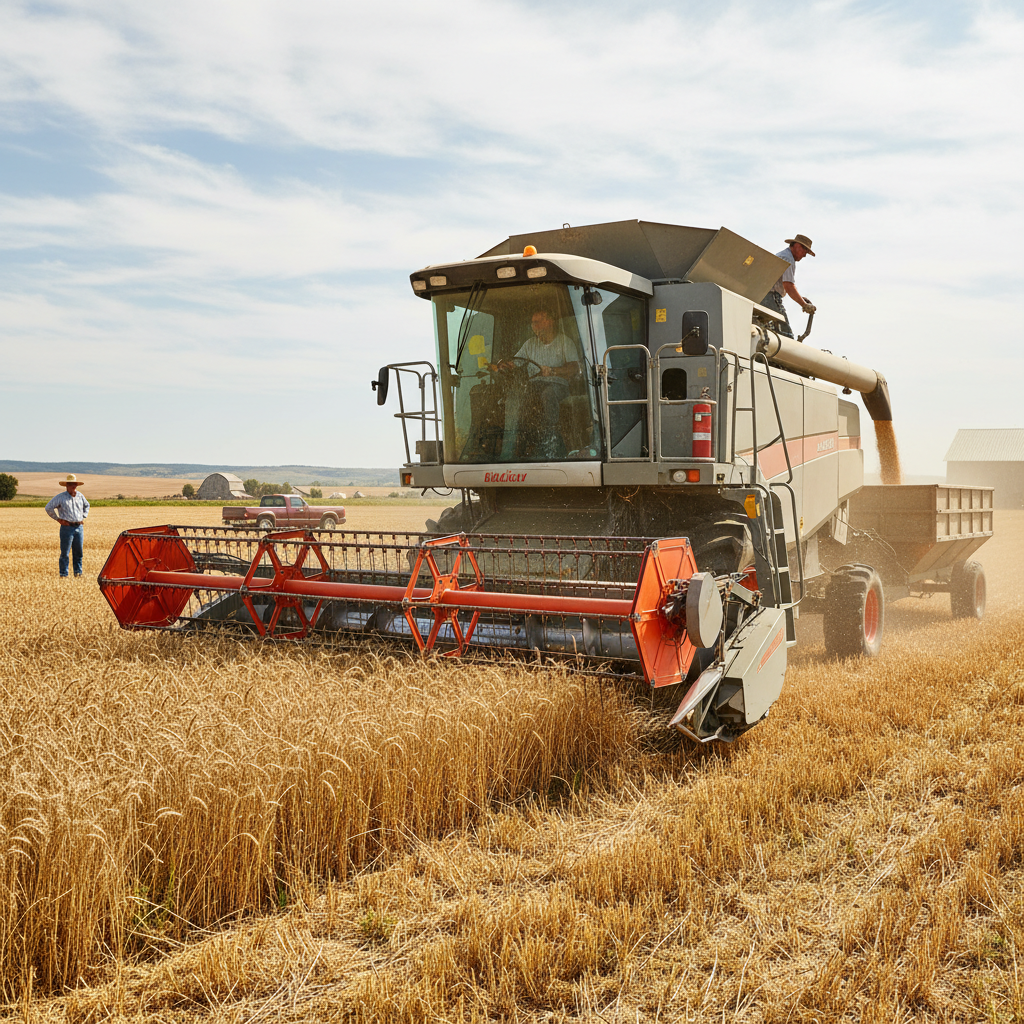
A harvester reaper is a specialized machine designed to efficiently and effectively gather a mature crop from the fields. Unlike simple manual harvesting, a reaper combines multiple functions – cutting, gathering, and often, threshing – into a single, automated process. This dramatically reduces the time and labor required for harvesting, leading to increased productivity and reduced costs.
The connection to modern industry goes beyond just agriculture. The principles of automated harvesting are now being adapted for use in forestry, biomass collection, and even recycling operations. The demand for machines that can efficiently collect and process natural resources is constantly growing, making the harvester reaper a foundational technology.
In humanitarian contexts, efficient harvesting facilitated by the harvester reaper ensures faster and more reliable food supplies to communities in need, particularly after natural disasters or in regions facing food insecurity.
Core Components of a Modern harvester reaper
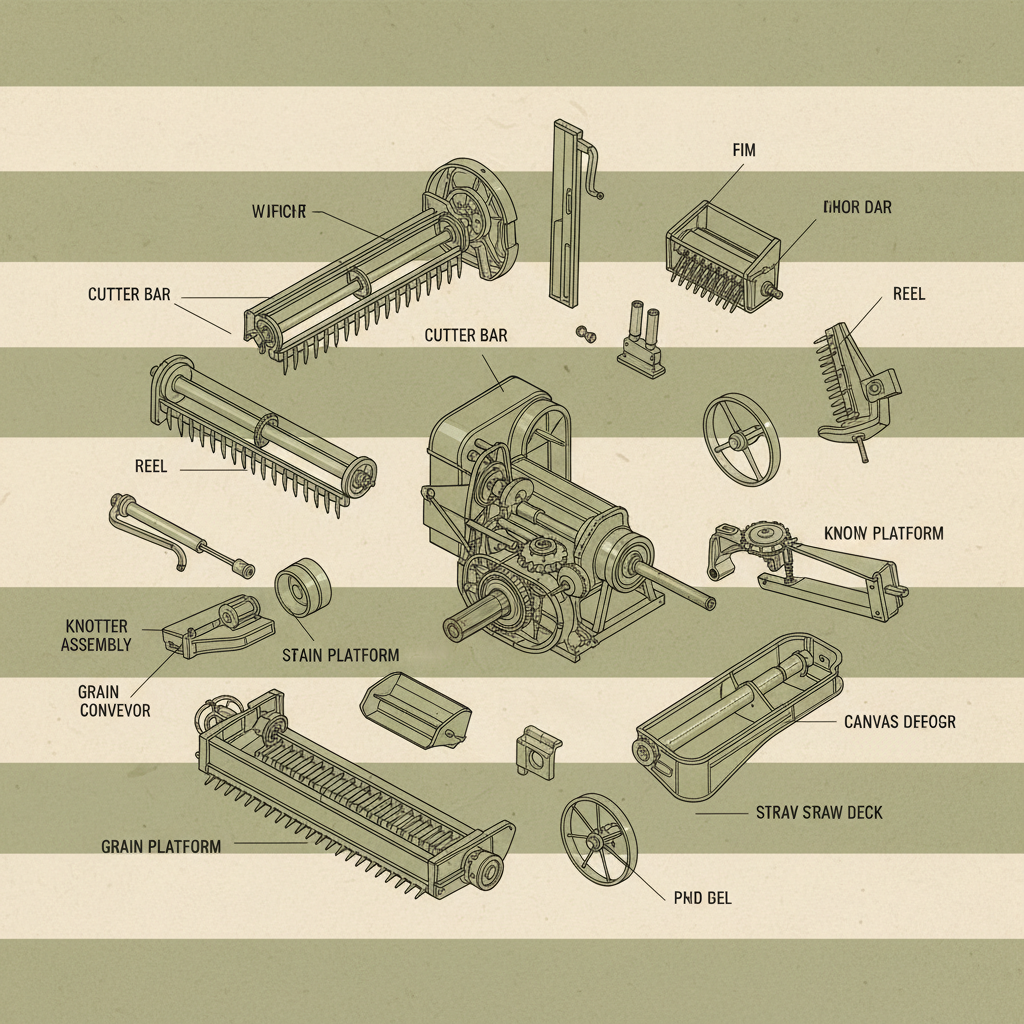
Modern harvester reaper machines are complex systems comprised of several key components. The cutting mechanism, often utilizing rotating blades or laser technology, cleanly severs the crop stems. The gathering mechanism then collects the cut material and feeds it into the threshing or separating unit.
The threshing unit separates the grain or seed from the plant material, while the cleaning system removes any remaining debris. Advanced models integrate GPS navigation and automated steering systems for precise operation. Finally, the storage unit holds the harvested crop until it can be unloaded. Each component is optimized for efficiency and reliability, contributing to the overall performance of the machine.
Control systems are also integral, utilizing sensors and computer algorithms to monitor crop conditions, adjust harvesting parameters, and diagnose potential problems. The overall design prioritizes minimizing crop damage and maximizing harvest quality.
Key Performance Indicators of harvester reaper
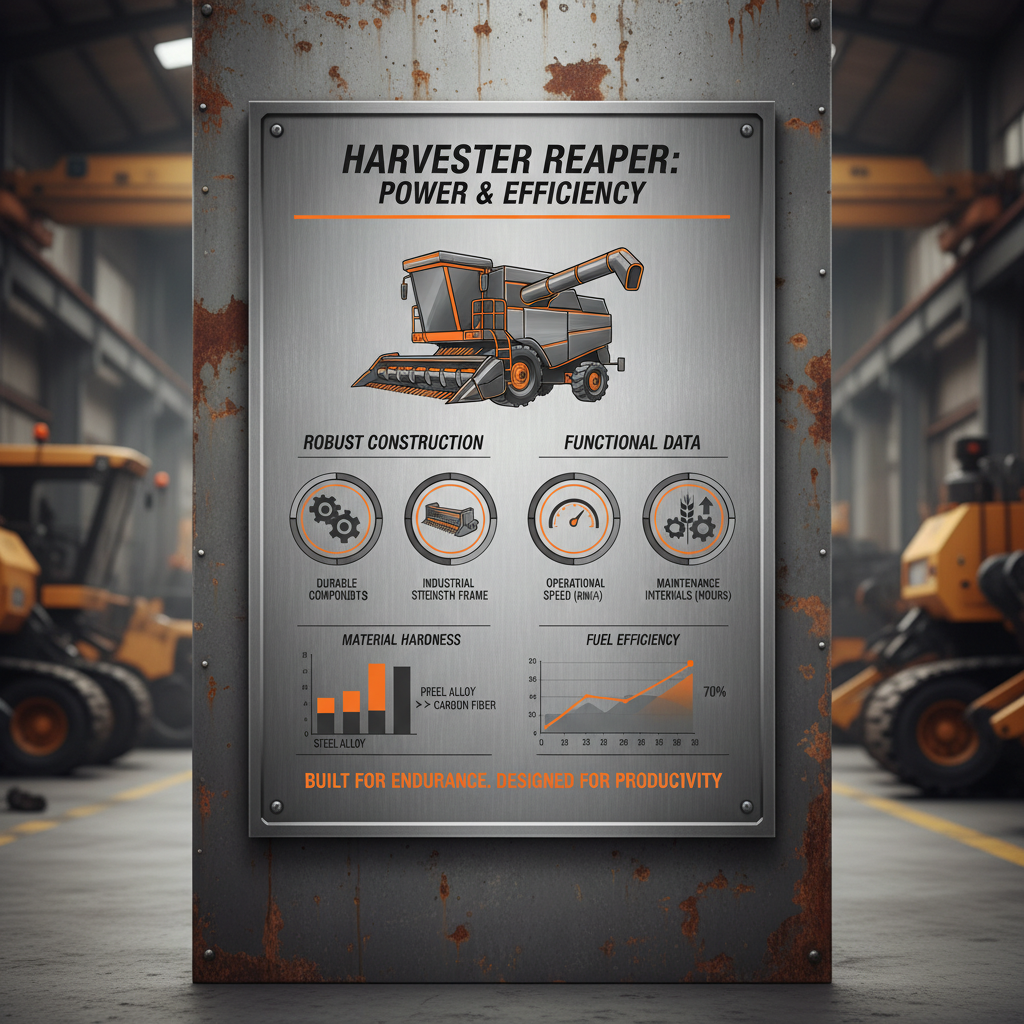
Evaluating the effectiveness of a harvester reaper requires considering several key performance indicators (KPIs). Harvesting speed, measured in acres per hour, is a primary metric, directly impacting productivity. Another critical KPI is grain loss, representing the percentage of crop left unharvested in the field.
Fuel efficiency is also paramount, impacting operating costs and environmental sustainability. Machine reliability, measured by uptime and maintenance requirements, is crucial for minimizing downtime and maximizing harvesting capacity.
harvester reaper Performance Comparison
Global Applications and Impact of harvester reaper
Harvester reaper technology is implemented globally, adapting to diverse crops and environmental conditions. In North America, large-scale grain farms rely heavily on combine harvesters to efficiently process vast fields of wheat, corn, and soybeans. In Europe, specialized harvesters are used for vineyards, orchards, and sugar beet production.
Asia presents a unique set of challenges and opportunities, with the harvester reaper being adapted for rice paddies and smaller farms. In Africa, the adoption of mechanized harvesting is slowly increasing, driven by the need to improve food security and reduce post-harvest losses. In post-disaster relief operations, rapid deployment harvesting machines can swiftly gather remaining crops and provide immediate sustenance to affected populations.
Across all regions, the harvester reaper contributes significantly to reducing labor costs, increasing crop yields, and improving the overall efficiency of agricultural production.
Advantages and Long-Term Value Proposition of harvester reaper
The advantages of utilizing a harvester reaper extend far beyond simply reducing manual labor. The increased efficiency translates directly into lower production costs, making food more affordable and accessible. Improved harvest quality, due to reduced crop damage, also contributes to higher market value.
The long-term value lies in the sustainability it promotes. By minimizing waste and optimizing resource utilization, the harvester reaper supports environmentally responsible agricultural practices. Furthermore, the improved working conditions and reduced physical strain on farm laborers contribute to a more dignified and sustainable workforce.
Future Trends and Innovations in harvester reaper Technology
The future of harvester reaper technology is focused on greater automation, precision, and sustainability. The integration of artificial intelligence (AI) and machine learning will enable harvesters to adapt to varying crop conditions in real-time, optimizing harvesting parameters for maximum yield and quality. Developments in sensor technology will provide even more detailed data about crop health and maturity.
We are also seeing a move toward more environmentally friendly designs, with electric-powered harvesters becoming increasingly common. The use of biodegradable materials in construction will further reduce the environmental impact of these machines. Digital transformation, including the use of cloud-based data analytics, will allow farmers to remotely monitor and control their harvesters, enhancing efficiency and responsiveness.
Challenges and Solutions in harvester reaper Implementation
Despite the numerous benefits, implementing harvester reaper technology faces certain challenges. The high initial investment cost can be prohibitive for small-scale farmers, particularly in developing countries. The complexity of these machines requires skilled operators and maintenance personnel, creating a need for specialized training programs.
Solutions include government subsidies and financing options to make harvesters more affordable. The development of user-friendly interfaces and remote diagnostics can reduce the need for highly skilled technicians. Furthermore, collaborative ownership models, where farmers share the cost and operation of a harvester, can make this technology accessible to a wider range of agricultural producers.
Addressing these challenges will unlock the full potential of harvester reaper technology and contribute to a more sustainable and food-secure future.
harvesters: Comparative Analysis of Key Factors
| Harvester Type |
Initial Investment (USD) |
Maintenance Complexity (1-10) |
Applicable Crop Types |
| Combine Harvester |
$300,000 - $700,000 |
8 |
Wheat, Corn, Soybeans, Rice |
| Forage Harvester |
$200,000 - $400,000 |
7 |
Alfalfa, Grass, Corn Silage |
| Root Crop Harvester |
$100,000 - $250,000 |
6 |
Potatoes, Sugar Beets, Carrots |
| Vineyard Harvester |
$150,000 - $300,000 |
7 |
Grapes |
| Orchard Harvester |
$120,000 - $280,000 |
6 |
Apples, Pears, Cherries |
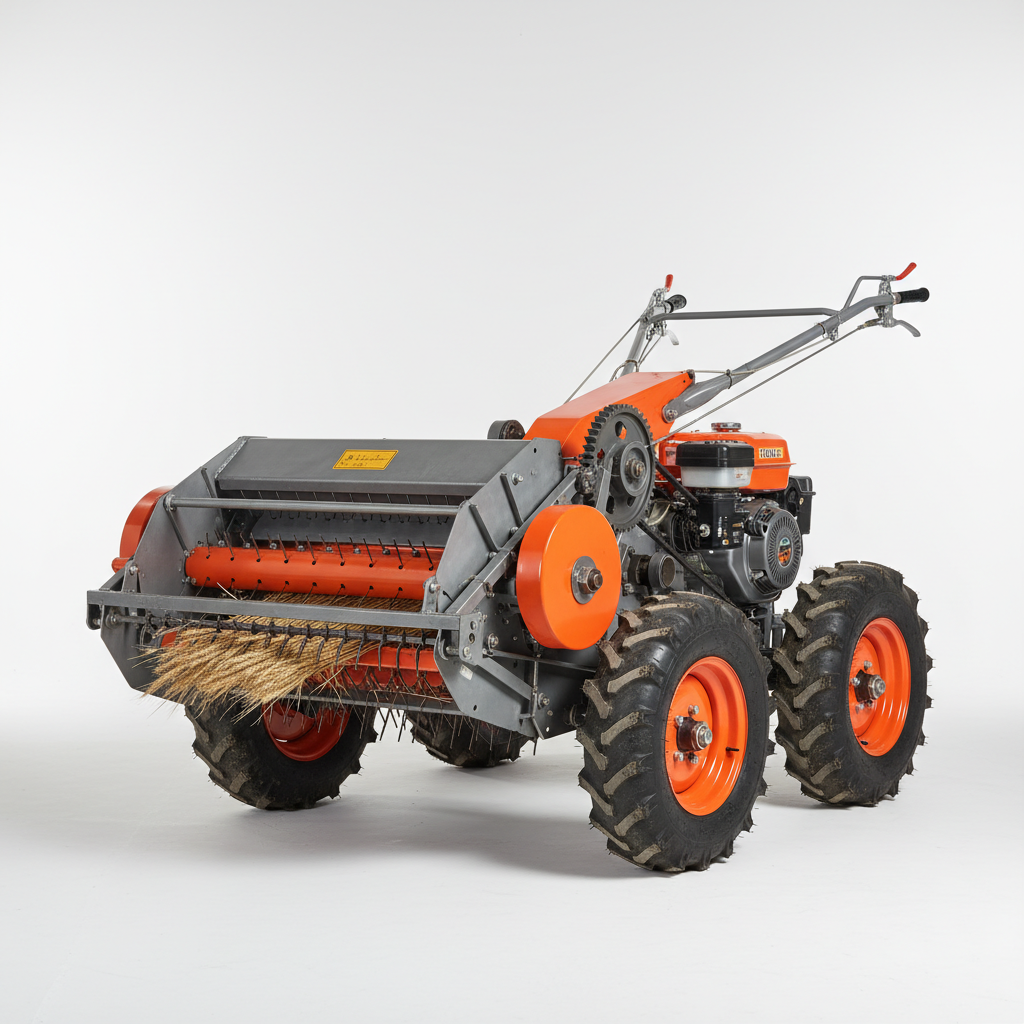
| Small-Scale Reaper |
$20,000 - $50,000 |
4 |
Rice, Wheat, Smaller Grains |
FAQS
Switching to a harvester reaper drastically reduces labor requirements, accelerates harvesting speed, minimizes crop losses due to weather or inefficient handling, and generally improves the overall quality of the harvested yield. Manual harvesting is time-consuming, prone to errors, and relies on a readily available workforce which is becoming increasingly scarce. A reaper streamlines the entire process, offering significant cost savings and increased efficiency. The automation minimizes human error, leading to more consistent harvesting results.
A well-maintained modern harvester reaper typically has a lifespan of 10-15 years, or even longer with meticulous care. Regular maintenance includes daily checks of fluid levels, filters, and belts, as well as periodic servicing of the engine, hydraulics, and threshing mechanisms. Annual inspections by qualified technicians are crucial for identifying and addressing potential issues before they become major problems. Proper storage during off-season is also essential for preventing corrosion and damage.
While traditional harvester reaper models can have significant carbon emissions, newer models are increasingly incorporating fuel-efficient engines, optimized designs, and even electric-powered options. Utilizing precision harvesting techniques minimizes crop waste, reducing the need for replanting and further lessening the environmental impact. The overall environmental footprint is also reduced by lessening the need for human transportation to and from fields. Manufacturers are actively pursuing more sustainable practices in production and operation.
Operating a harvester reaper requires comprehensive training that covers safety procedures, machine operation, basic maintenance, and troubleshooting. Training programs typically involve both classroom instruction and hands-on experience. Operators should be familiar with the machine's controls, warning systems, and emergency procedures. Maintenance training equips individuals with the skills to perform routine checks, replace parts, and diagnose common issues. Certification programs are often available to demonstrate proficiency.
Import costs for a harvester reaper vary significantly based on the country of origin, the destination country’s import regulations, and the specific model. Costs include the purchase price of the machine, shipping fees (which can be substantial for large equipment), import duties, taxes (such as VAT or sales tax), and potential customs clearance fees. It’s crucial to consult with a freight forwarder and customs broker to get accurate cost estimates and ensure compliance with all import requirements.
Selecting the right harvester reaper depends on several factors, including the type of crop you’re harvesting, the size of your farm, the terrain, and your budget. Consider the capacity of the machine, its ability to handle different crop conditions, and its fuel efficiency. For smaller farms, a smaller, more versatile reaper may be sufficient, while large-scale operations may require a high-capacity combine harvester. Consulting with agricultural equipment specialists and comparing different models is essential.
Conclusion
The harvester reaper has revolutionized agricultural practices, offering significant improvements in efficiency, productivity, and sustainability. From its humble beginnings to its current state-of-the-art form, this technology has consistently addressed the evolving challenges of food production. By minimizing waste, reducing labor costs, and maximizing yields, it plays a crucial role in ensuring global food security.
Looking ahead, continued innovation in automation, AI, and sustainable materials will further enhance the capabilities of the harvester reaper. Embracing these advancements is essential for building a resilient and environmentally responsible agricultural system. Visit our website at www.hbniuboshi.com to learn more about our range of harvesting solutions and how we can help you optimize your operations.