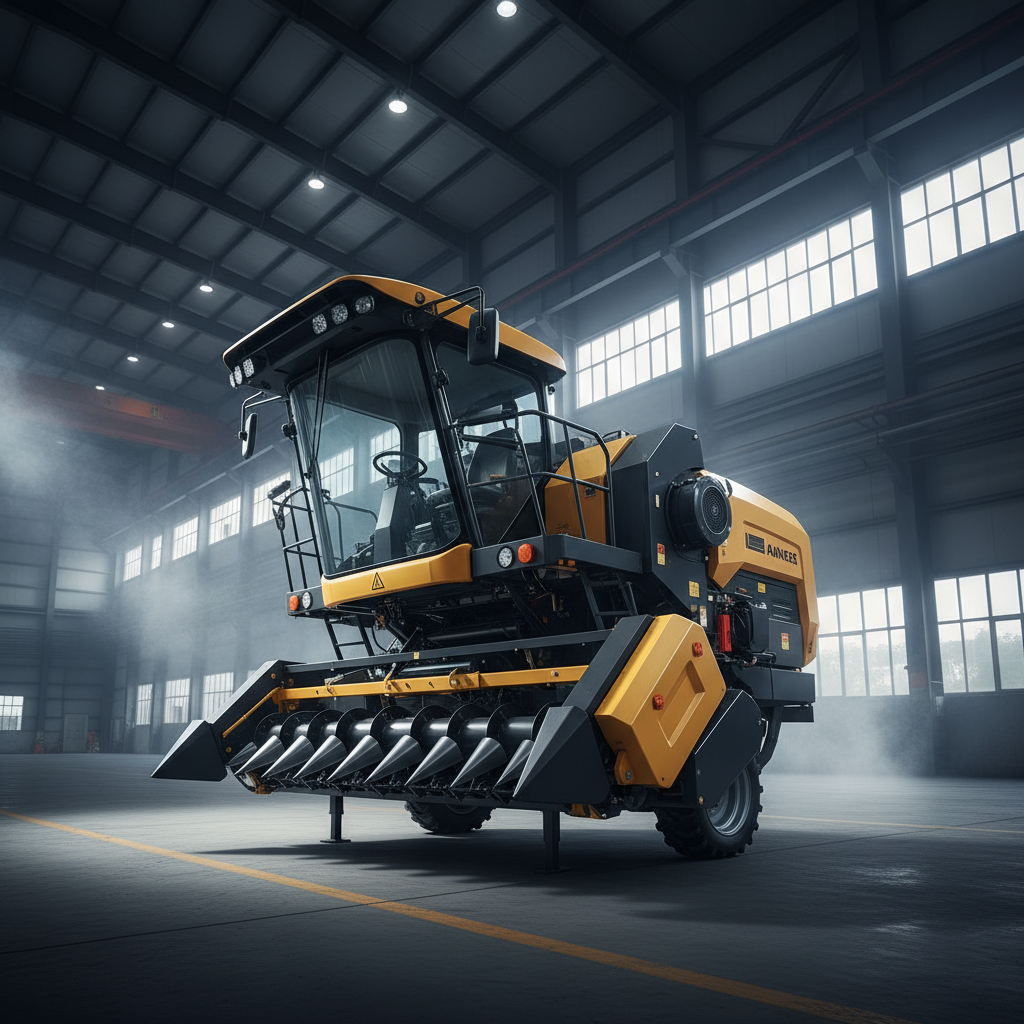
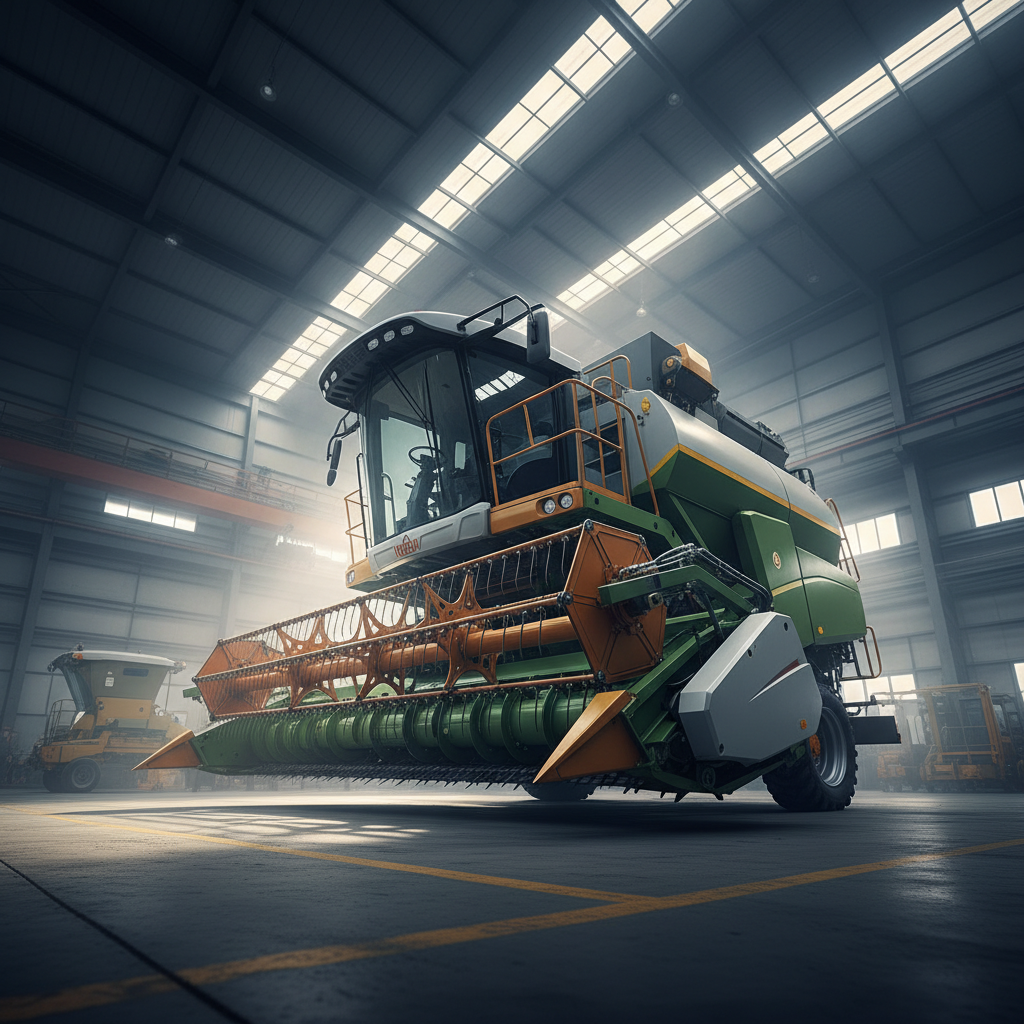
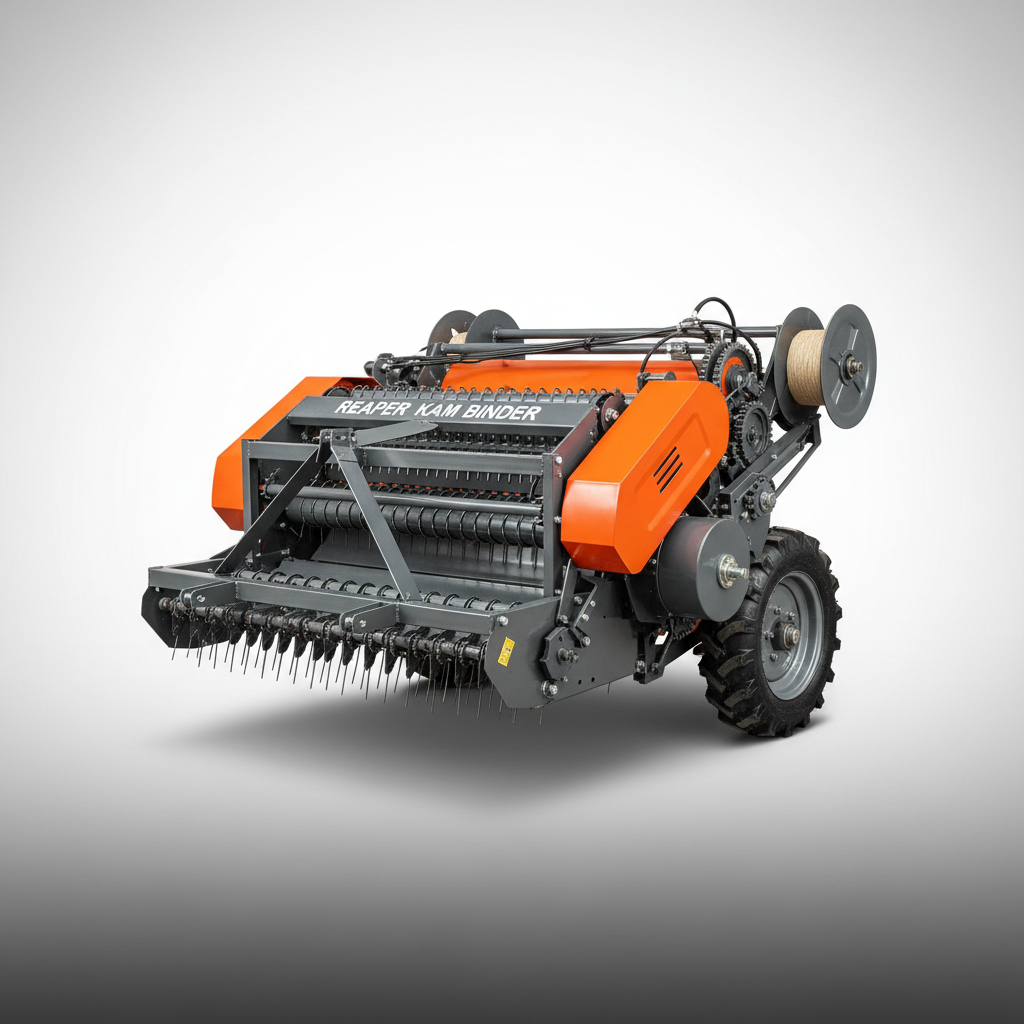
The maize reaper machine represents a pivotal advancement in agricultural technology, dramatically increasing efficiency and reducing labor costs associated with maize harvesting. Globally, maize is a staple crop, feeding billions and driving economies across continents. The efficient harvest of this crucial grain is paramount to food security and economic stability. Understanding the functionality, applications, and future trends surrounding the maize reaper machine is crucial for farmers, agricultural businesses, and policymakers alike.
The demand for maize continues to rise, fueled by population growth and increasing demand for animal feed and industrial products. Traditional harvesting methods often struggle to meet this demand, resulting in significant crop loss and increased labor expenses. The maize reaper machine directly addresses these challenges by offering a mechanized solution that significantly improves harvesting speed, minimizes grain loss, and reduces reliance on manual labor.
This technology isn’t just about increased productivity; it’s about sustainability, profitability, and empowering agricultural communities. Innovations in maize reaper machine design are constantly emerging, further enhancing performance and addressing evolving agricultural needs.
The Global Significance of the Maize Reaper Machine
The maize reaper machine plays a crucial role in global food security. According to the Food and Agriculture Organization (FAO) of the United Nations, maize is the third most important cereal crop globally, after rice and wheat. The ability to efficiently harvest this crop is vital for ensuring stable food supplies and preventing price fluctuations. Developing nations, in particular, benefit from the increased efficiency offered by these machines, allowing them to maximize yields and reduce post-harvest losses.
The increasing demand for maize, coupled with labor shortages in agricultural areas, drives the adoption of maize reaper machines worldwide. Statistics from the World Bank demonstrate a consistent rise in global maize production, largely attributed to advancements in agricultural technology, including mechanized harvesting. Furthermore, improvements in machine design are focused on reducing environmental impact and promoting sustainable agricultural practices.
Defining the Maize Reaper Machine
A maize reaper machine is a specialized agricultural machine designed to harvest maize crops efficiently and effectively. Unlike traditional manual harvesting methods, which are time-consuming and labor-intensive, a maize reaper machine automates the process of cutting, collecting, and sometimes even threshing the maize stalks. Modern machines often incorporate features like self-propelled operation, adjustable cutting heights, and grain separation systems.
The connection to modern industry lies in the integration of advanced engineering, materials science, and automation technologies. The design and manufacturing of these machines support a diverse range of industries, including metal fabrication, electronics, and software development. The ongoing research and development contribute to continuous innovation in agricultural machinery.
In terms of humanitarian needs, the maize reaper machine can greatly improve food production in regions facing food insecurity. By increasing harvesting efficiency, these machines can help ensure a stable food supply, particularly in areas where manual labor is scarce or unreliable. The increased yields can contribute to improved nutrition and economic stability for farming communities.
Core Components and Operational Principles
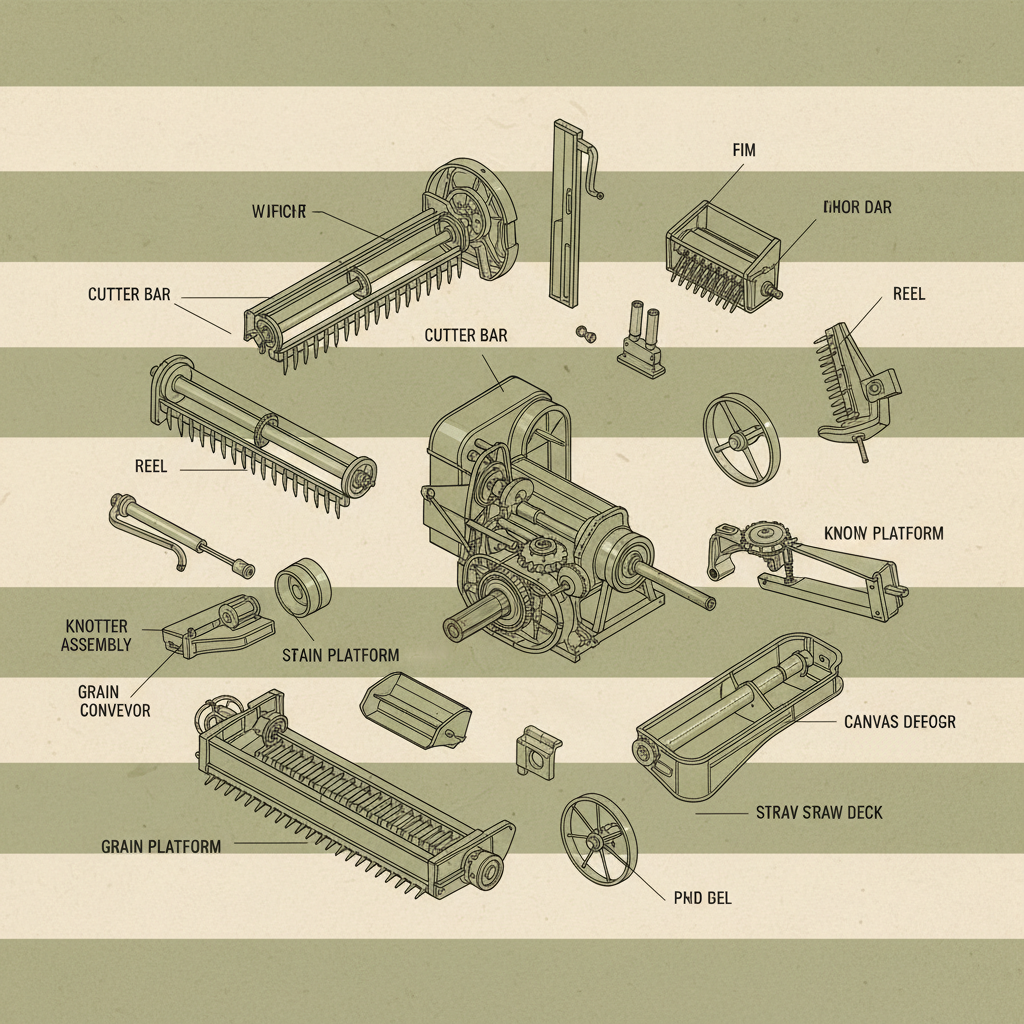
The core of a maize reaper machine lies in its cutting mechanism, typically consisting of rotating blades or reciprocating knives. These components efficiently sever the maize stalks at the base. The harvested stalks are then conveyed to a separating system, which removes the ears of maize from the stalks. The ears are then collected in a grain tank for later unloading. Essential components include the engine, transmission system, hydraulic system, and control panel.
Durability is a critical factor. High-quality steel and robust construction ensure the machine can withstand the rigors of field operation. Scalability relates to the machine’s ability to adapt to different farm sizes and field conditions. Cost efficiency is achieved through reduced labor requirements, minimized grain loss, and lower overall harvesting costs. Maintenance accessibility is key to minimizing downtime and maximizing productivity. Proper lubrication and timely replacement of wear parts are vital for optimal performance.
Modern maize reaper machines also incorporate sophisticated technologies like GPS guidance systems and yield monitoring sensors. These features allow farmers to optimize harvesting routes, track crop yields, and identify areas for improvement. The integration of these technologies enhances efficiency and contributes to precision agriculture practices.
Key Performance Indicators of Maize Reaper Machines
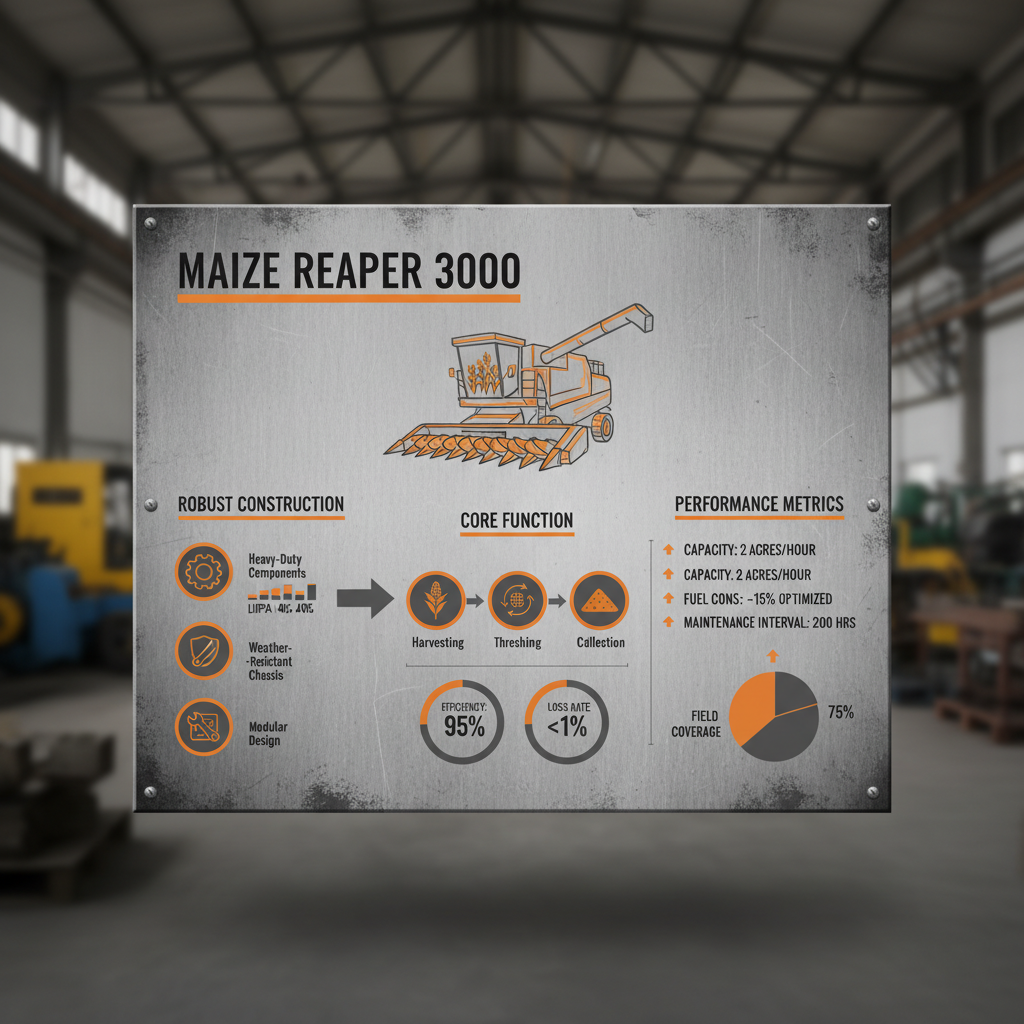
Evaluating the performance of a maize reaper machine requires consideration of several key indicators. These metrics allow farmers and agricultural businesses to assess the machine’s efficiency, reliability, and overall value. Crucially, minimizing grain loss during harvesting is a primary concern, directly impacting profitability.
Field capacity, measured in hectares per hour, determines the amount of land a machine can harvest in a given timeframe. Harvest efficiency, expressed as a percentage, indicates the proportion of maize ears successfully collected. Fuel consumption, measured in liters per hectare, is a key factor in assessing operational costs.
Maize Reaper Machine Performance Comparison
Global Applications and Regional Impact
Maize reaper machines are widely employed in major maize-producing regions worldwide, including the United States, China, Brazil, and Mexico. In the US Midwest, large-scale agricultural operations rely heavily on these machines to harvest vast maize fields efficiently. China's increasing demand for maize has driven the adoption of mechanized harvesting techniques.
In Brazil, the expansion of maize cultivation has led to a growing market for maize reaper machines, particularly in the central-west region. These machines are also gaining traction in African countries, where they are helping to improve food security and reduce post-harvest losses. In post-disaster relief operations, quick and efficient harvesting can be critical for providing emergency food supplies.
Advantages and Long-Term Value Proposition
The advantages of utilizing a maize reaper machine extend beyond simply reducing labor costs. These machines significantly reduce harvesting time, enabling farmers to complete the harvest quickly and efficiently, minimizing potential losses due to adverse weather conditions. The reduction in grain loss translates directly into increased profits.
The long-term value proposition encompasses sustainability and economic empowerment. By promoting efficient resource utilization, these machines contribute to sustainable agricultural practices. Furthermore, they empower farmers by increasing their productivity and profitability, improving their livelihoods and contributing to rural economic development.
The reliability and safety features of modern maize reaper machines also offer tangible benefits. These machines are designed with operator safety in mind, incorporating features like emergency shut-off mechanisms and protective guarding. This promotes a safer working environment for agricultural workers.
Future Trends and Technological Advancements
The future of maize reaper machine technology is poised for further innovation, driven by trends like automation, precision agriculture, and sustainable practices. Autonomous maize reaper machines, capable of operating without direct human intervention, are already under development and are expected to become more prevalent in the coming years.
The integration of artificial intelligence (AI) and machine learning (ML) will enable these machines to optimize harvesting parameters in real-time, adapting to varying field conditions and maximizing efficiency. The use of renewable energy sources, such as electric or hybrid power systems, will further reduce the environmental impact of these machines.
Digital platforms and data analytics will play an increasingly important role in managing and optimizing maize harvesting operations. Farmers will be able to access real-time data on crop yields, machine performance, and operational costs, enabling them to make informed decisions and improve their overall profitability.
Challenges and Solutions
Despite their numerous benefits, maize reaper machines also face certain challenges. Initial investment costs can be high, particularly for smallholder farmers. The complexity of the machines requires skilled operators and maintenance personnel, which may not be readily available in all regions. Furthermore, adapting the machines to diverse terrain and crop varieties can pose logistical challenges.
Solutions include exploring financing options and subsidy programs to make machines more affordable for smallholder farmers. Providing comprehensive training programs for operators and maintenance technicians is crucial. Developing modular and adaptable machine designs can cater to a wider range of field conditions and crop types. maize reaper machine manufacturers must prioritize reliability and ease of use.
Another challenge is ensuring proper disposal of outdated or damaged machines to minimize environmental impact. Implementing recycling programs and promoting the use of biodegradable components can contribute to a more sustainable lifecycle for these machines.
Summarizing Key Attributes of Maize Reaper Machine Performance and Suitability
| Farm Size (Hectares) |
Terrain Complexity |
Operator Skill Level |
Maintenance Requirements |
| Small (Under 50) |
Relatively Flat |
Moderate |
Regular |
| Medium (50-200) |
Gentle Slopes |
High |
Scheduled |
| Large (Over 200) |
Varied |
High |
Proactive |
| Small (Under 50) |
Hilly |
Moderate |
Frequent |
| Medium (50-200) |
Flat |
Moderate |
Routine |
| Large (Over 200) |
Flat |
High |
Minimal |
FAQS
Maize reaper machines offer significant advantages over hand harvesting, including dramatically increased speed, reduced labor costs, and minimized grain loss. Hand harvesting is time-consuming and requires a large workforce, making it expensive and inefficient. Machines can harvest much larger areas in a shorter amount of time, reducing the risk of spoilage due to weather delays. The precise cutting and collection mechanisms minimize grain waste, leading to higher yields and increased profitability.
Several factors are crucial when selecting a maize reaper machine. Farm size and terrain are primary considerations. Larger farms generally require machines with higher capacity. The complexity of the terrain will influence the need for features like four-wheel drive or adjustable suspension. Operator skill level, maintenance capabilities, and budget constraints are also important factors. Consider the type of maize variety grown and the desired level of automation.
With regular maintenance and proper care, a well-built maize reaper machine can have a lifespan of 10-15 years or even longer. Regular lubrication, timely replacement of wear parts, and adherence to the manufacturer's recommended maintenance schedule are essential. Protecting the machine from the elements during storage can also extend its lifespan. Investing in quality components and skilled maintenance personnel is key to maximizing longevity.
Routine maintenance includes daily checks of fluid levels (oil, coolant, hydraulic fluid), inspection of belts and hoses, and cleaning of filters. Scheduled maintenance involves replacing wear parts like blades, bearings, and filters at recommended intervals. Regular lubrication of moving parts is also crucial. Annual inspections by a qualified technician are recommended to identify and address potential issues before they become major problems.
Safety is paramount when operating a maize reaper machine. Always wear appropriate personal protective equipment (PPE), including safety glasses, gloves, and hearing protection. Thoroughly inspect the machine before each use, ensuring all safety guards are in place and functioning correctly. Never operate the machine under the influence of drugs or alcohol. Be aware of your surroundings and maintain a safe distance from other people and obstacles. Follow all manufacturer’s safety guidelines.
Many governments and agricultural organizations offer subsidies or financial assistance programs to help farmers purchase modern agricultural machinery, including maize reaper machines. These programs often aim to promote agricultural modernization, increase food security, and support rural economic development. Researching local and national programs can help offset the initial investment cost. Often, these programs are targeted toward small and medium-sized farms.
Conclusion
In conclusion, the maize reaper machine represents a significant advancement in agricultural technology, offering substantial benefits in terms of efficiency, productivity, and sustainability. From streamlining harvesting operations to reducing labor costs and minimizing grain loss, these machines play a vital role in ensuring global food security and supporting agricultural communities worldwide. Understanding the core components, performance indicators, and future trends surrounding these machines is crucial for maximizing their potential.
Looking ahead, continued innovation in automation, precision agriculture, and sustainable practices will further enhance the capabilities of maize reaper machines. Investing in research and development, promoting access to financing, and providing comprehensive training programs will be essential to unlock the full potential of this technology and ensure a more secure and sustainable future for maize production. Visit our website at www.hbniuboshi.com to learn more about our maize reaper machine offerings.