The efficiency of rice harvesting is paramount to global food security, and the paddy reaper and binder plays a crucial role in achieving this. From smallholder farms to large-scale agricultural operations, these machines represent a significant advancement over traditional manual methods, reducing labor costs and increasing yield potential. Understanding the nuances of paddy reaper and binder technology is vital for optimizing agricultural productivity and ensuring a sustainable food supply for a growing global population.
Globally, rice cultivation supports the livelihoods of billions, particularly in Asia, where it is a staple food for over half the world’s population. The paddy reaper and binder addresses key challenges in this sector, including labor shortages, post-harvest losses, and the need for faster harvesting cycles. Innovations in this field directly impact farmers’ incomes, reduce food waste, and contribute to overall economic development in rice-producing regions.
The benefits of adopting these technologies extend beyond mere efficiency. Modern paddy reaper and binder designs incorporate features that minimize grain damage, improve harvesting quality, and reduce environmental impact through optimized fuel consumption. This makes them an increasingly attractive and essential tool for modern agriculture.
The Importance of Paddy Reaper and Binder
The paddy reaper and binder has revolutionized rice harvesting, significantly increasing efficiency and reducing manual labor demands. Traditional harvesting methods are often time-consuming, labor-intensive, and prone to significant grain losses. The introduction of mechanized solutions, like the paddy reaper and binder, provides a pathway to higher yields and improved profitability for farmers.
These machines are not merely about speed; they also contribute to improved grain quality. By minimizing grain damage during the harvesting process, they ensure a higher market value for the harvested rice, directly benefiting the farmer’s income. This is particularly crucial in regions where rice is a primary source of livelihood.
Global Context and Agricultural Significance
Rice is a staple food for over 3.5 billion people worldwide, with Asia accounting for the vast majority of production and consumption. According to the Food and Agriculture Organization of the United Nations (FAO), global rice production in 2023 reached approximately 525 million tonnes. However, significant post-harvest losses – estimated at around 10-20% – continue to pose a major challenge to food security.
The paddy reaper and binder directly addresses these losses by accelerating the harvesting process and minimizing grain damage. Countries like India, China, Vietnam, Thailand, and Indonesia, which are major rice producers, have seen increased adoption of these machines, leading to improved yields and reduced food waste.
Furthermore, the increasing demand for rice globally, driven by population growth and changing dietary preferences, necessitates the adoption of more efficient harvesting technologies. Without such advancements, meeting future food security needs will become increasingly difficult.
Defining Paddy Reaper and Binder Technology
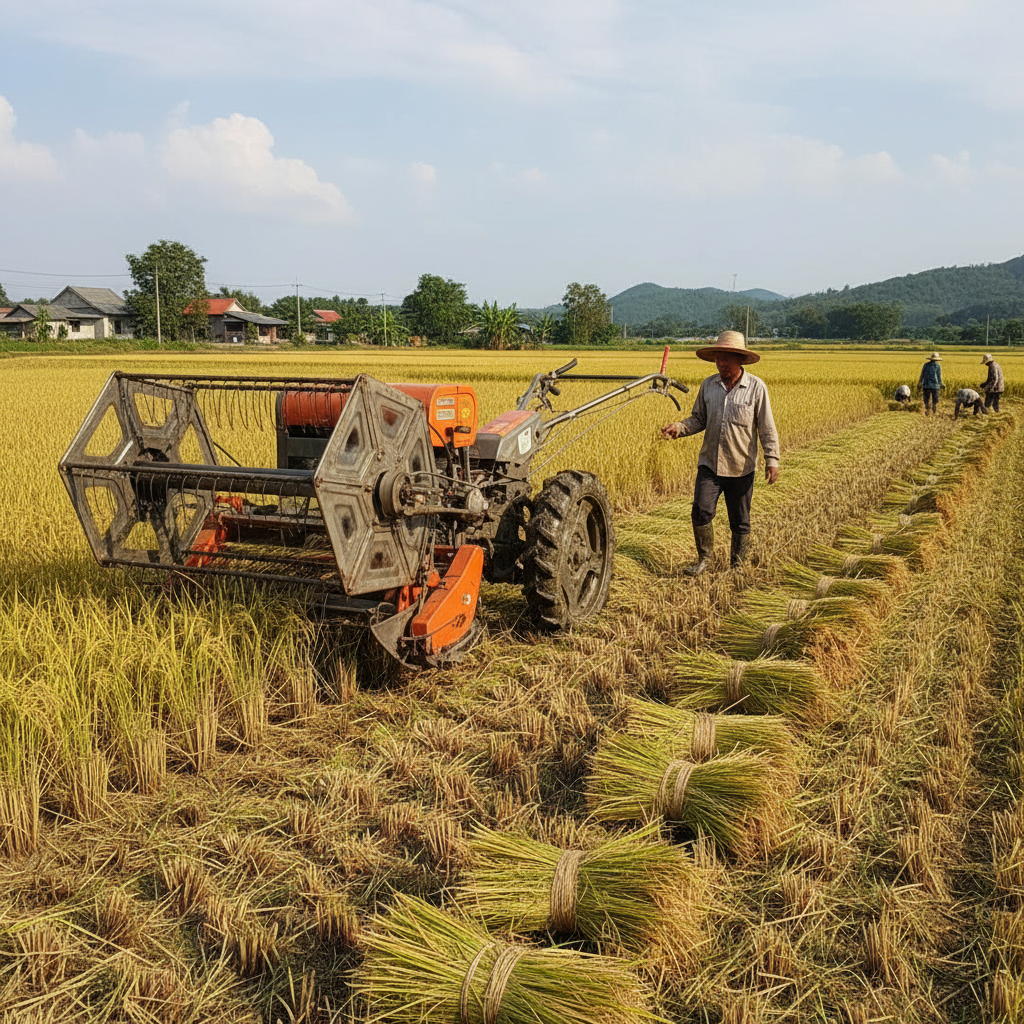
A paddy reaper and binder is a mechanized agricultural machine designed to harvest rice crops efficiently. It combines the functions of reaping (cutting the rice stalks) and binding (tying them into sheaves) in a single operation. This eliminates the need for separate manual labor for each task, significantly reducing the time and effort required for harvesting.
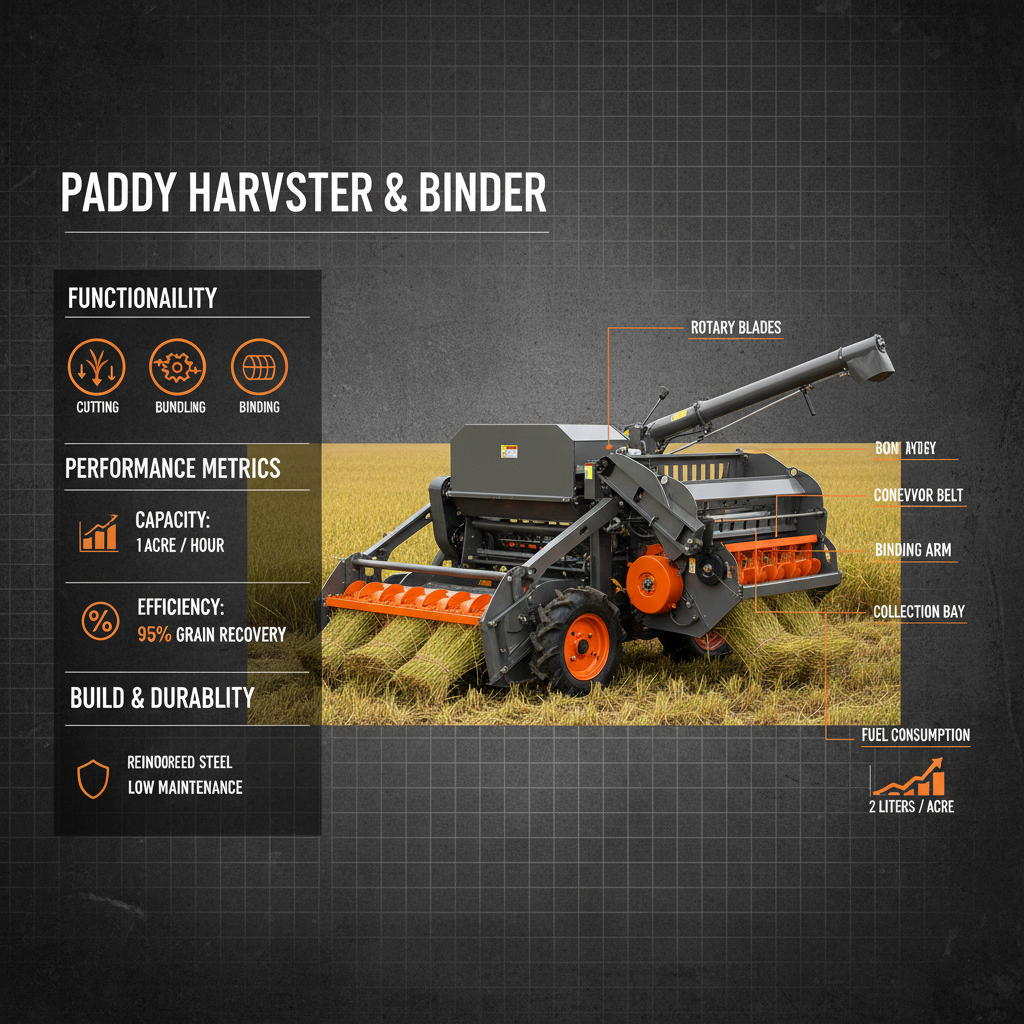
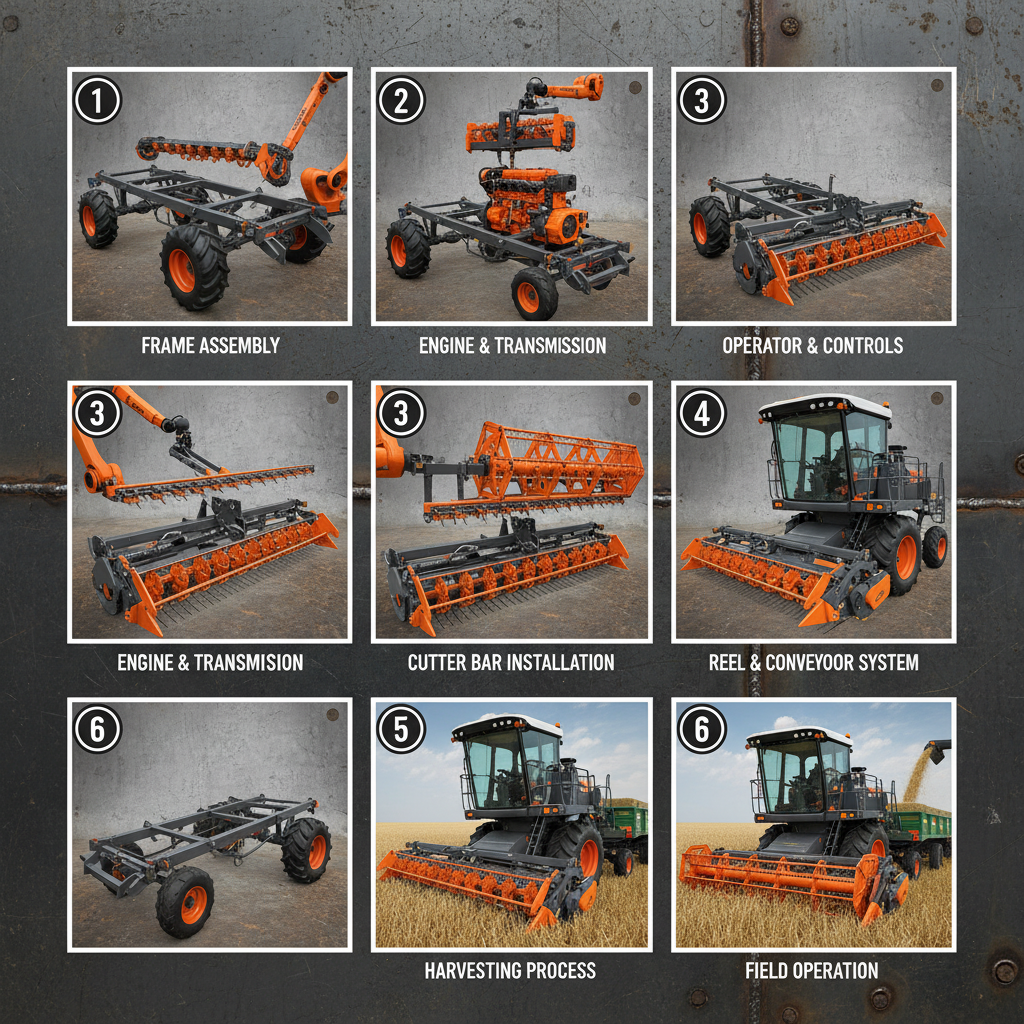
These machines typically consist of a cutting mechanism, a conveying system to gather the cut stalks, and a binding apparatus that uses twine or rope to tie the sheaves. Modern paddy reaper and binders often incorporate self-propelled features, allowing for greater maneuverability and efficiency in the field. They represent a crucial step toward modernizing agricultural practices.
The technology is particularly vital in regions with labor shortages or where the cost of manual labor is high. It bridges the gap between traditional farming methods and fully automated agricultural systems, offering a practical and affordable solution for improving harvesting efficiency and ensuring a sustainable rice supply.
Key Features and Core Components
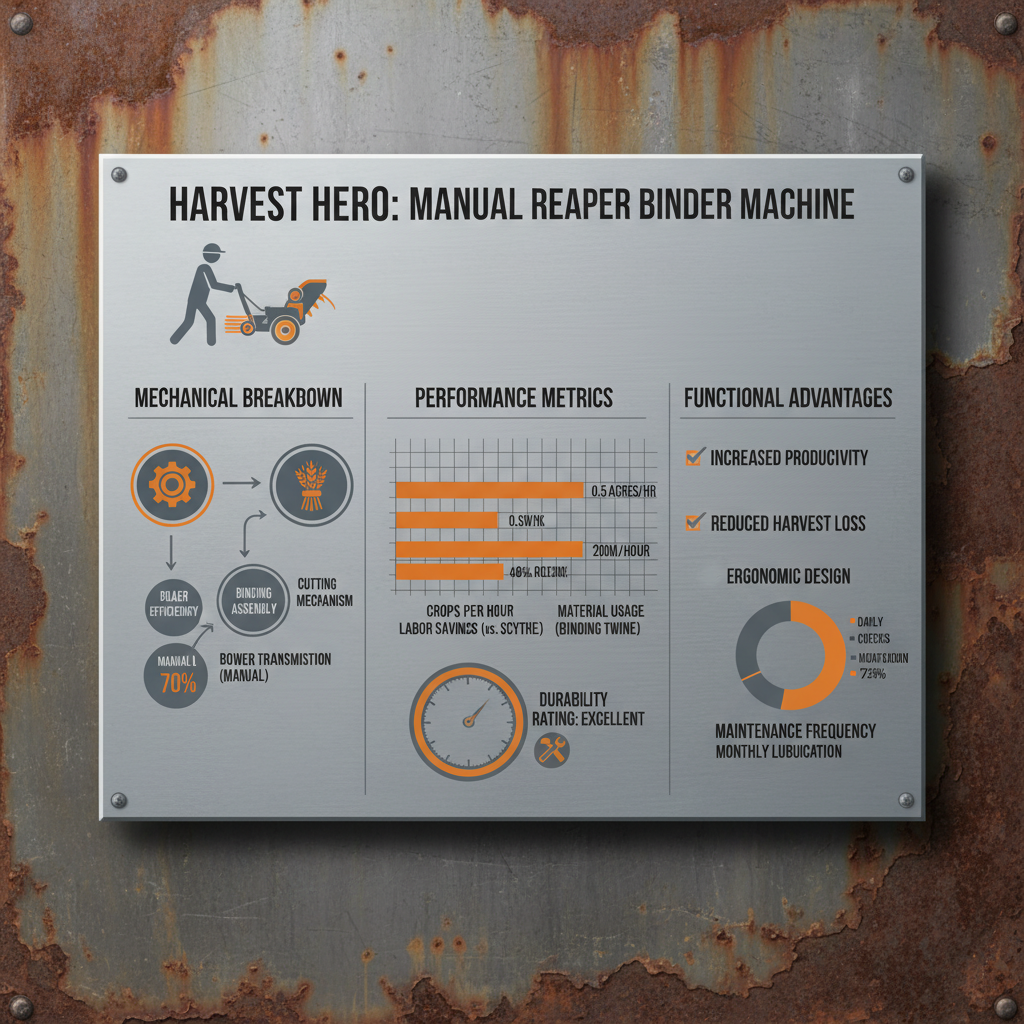
Several core components contribute to the functionality and effectiveness of a paddy reaper and binder. These include the cutting reel, which cleanly slices through the rice stalks; the conveying system, which gathers and feeds the cut stalks to the binding mechanism; and the binding apparatus, responsible for tying the sheaves securely.
Durability is a critical factor, as these machines operate in harsh agricultural environments. Scalability refers to the ability to adapt to different farm sizes and field conditions. Cost efficiency is vital for making the technology accessible to smallholder farmers. Furthermore, ease of maintenance and repair is essential for ensuring long-term usability and minimizing downtime.
Performance Metrics of Different Paddy Reaper and Binder Models
Global Applications and Real-World Use Cases
The paddy reaper and binder finds widespread application in rice-producing regions across Asia, particularly in countries like India, China, Vietnam, Thailand, and Bangladesh. These machines are utilized by both large-scale commercial farms and smallholder farmers, depending on their scale of operation.
In post-disaster relief operations following floods or typhoons, efficient harvesting is crucial for salvaging crops and preventing further food shortages. Paddy reaper and binders can play a vital role in accelerating the harvesting process in these emergency situations. In remote industrial zones, they help in providing a stable food supply for the local workforce.
Advantages and Long-Term Value Proposition
The tangible benefits of using a paddy reaper and binder are numerous. Reduced labor costs, increased harvesting speed, and minimized grain losses all contribute to improved profitability for farmers. From a sustainability perspective, optimized fuel consumption and reduced post-harvest waste align with environmentally responsible agricultural practices.
Beyond the economic and environmental advantages, these machines also offer social benefits. By reducing the physical strain associated with manual harvesting, they improve the working conditions for agricultural laborers. Furthermore, they promote innovation and trust within the agricultural community, encouraging the adoption of modern technologies.
Future Trends and Emerging Innovations
The future of paddy harvesting is likely to be shaped by advancements in automation, digital technology, and sustainable practices. Self-propelled paddy reaper and binders with GPS guidance and automated steering systems are already emerging, offering even greater efficiency and precision.
The integration of sensor technology and data analytics will enable farmers to monitor crop conditions in real-time and optimize harvesting strategies. The development of bio-based binding materials and the use of renewable energy sources to power these machines will further enhance their sustainability profile.
The rise of precision agriculture and the increasing adoption of Industry 4.0 technologies will drive further innovation in the paddy reaper and binder sector, leading to more efficient, sustainable, and intelligent harvesting solutions.
Summary of Challenges and Potential Solutions in Paddy Reaper and Binder Technology
| Challenge |
Impact on Paddy Reaper and Binder Performance |
Potential Solution |
Implementation Cost (Scale 1-10) |
| Field Variability |
Reduced Harvesting Efficiency, Increased Grain Loss |
Implementation of Sensor-Based Adaptability |
7 |
| Maintenance Complexity |
High Downtime, Increased Operating Costs |
Modular Design for Easy Repair and Replacement |
6 |
| Fuel Consumption |
High Operating Costs, Environmental Impact |
Hybrid or Electric Power Systems |
8 |
| Operator Skill Requirement |
Inconsistent Performance, Potential Damage |
Automated Control Systems and Training Programs |
5 |
| Grain Damage |
Reduced Grain Quality, Lower Market Value |
Optimized Cutting and Conveying Mechanisms |
4 |
| Accessibility for Small Farmers |
Limited Adoption, Continued Reliance on Manual Labor |
Subsidized Purchase Programs and Rental Services |
7 |
FAQS
Self-propelled models offer greater maneuverability and independence from tractors, making them ideal for smaller or irregularly shaped fields. They typically have higher upfront costs but can provide greater efficiency in the long run. Tractor-pulled versions are more affordable but require a tractor for operation, increasing overall costs if a tractor isn't already owned. The choice depends on farm size, field conditions, and available resources.
While the initial investment in a paddy reaper and binder can be significant, it often proves more cost-effective than manual harvesting in the long run. Manual harvesting requires a substantial labor force, which is subject to fluctuating wages and potential labor shortages. A reaper and binder reduces labor costs, increases harvesting speed, and minimizes grain losses, leading to higher profitability.
Regular maintenance is crucial for ensuring the longevity and optimal performance of a paddy reaper and binder. This includes lubricating moving parts, checking and adjusting belts, sharpening blades, and inspecting the engine. Following the manufacturer’s recommendations for maintenance schedules and using genuine spare parts are essential for preventing breakdowns and maximizing the machine’s lifespan.
Most paddy reaper and binder models are designed to accommodate a wide range of rice varieties, including both long-grain and short-grain types. However, some adjustments may be necessary depending on the height and density of the rice stalks. It's important to consult the manufacturer’s specifications to ensure compatibility with the specific rice variety being harvested.
Safety is paramount when operating a paddy reaper and binder. Operators should wear appropriate personal protective equipment (PPE), including safety glasses, gloves, and sturdy footwear. It's crucial to familiarize yourself with the machine's controls and safety features before operation. Never attempt to repair or adjust the machine while it is running, and always disconnect the power source before performing any maintenance.
Many governments in rice-producing regions offer subsidies or financial assistance programs to encourage the adoption of modern agricultural technologies, including paddy reaper and binder. These programs often aim to improve farm productivity, reduce post-harvest losses, and enhance the livelihoods of farmers. It’s advisable to check with your local agricultural authorities to learn about available support options.
Conclusion
In conclusion, the paddy reaper and binder represents a pivotal advancement in rice harvesting technology. Its impact extends beyond mere efficiency gains, encompassing economic benefits for farmers, enhanced food security, and a more sustainable agricultural landscape. Understanding its functionality, applications, and future trends is crucial for all stakeholders involved in the rice production chain.
Looking ahead, continued innovation in automation, data analytics, and sustainable energy solutions will further enhance the capabilities of these machines. Embracing these advancements will be essential for meeting the growing global demand for rice while minimizing environmental impact and ensuring the long-term viability of rice farming communities. Visit our website at www.hbniuboshi.com to learn more about our paddy reaper and binder solutions.