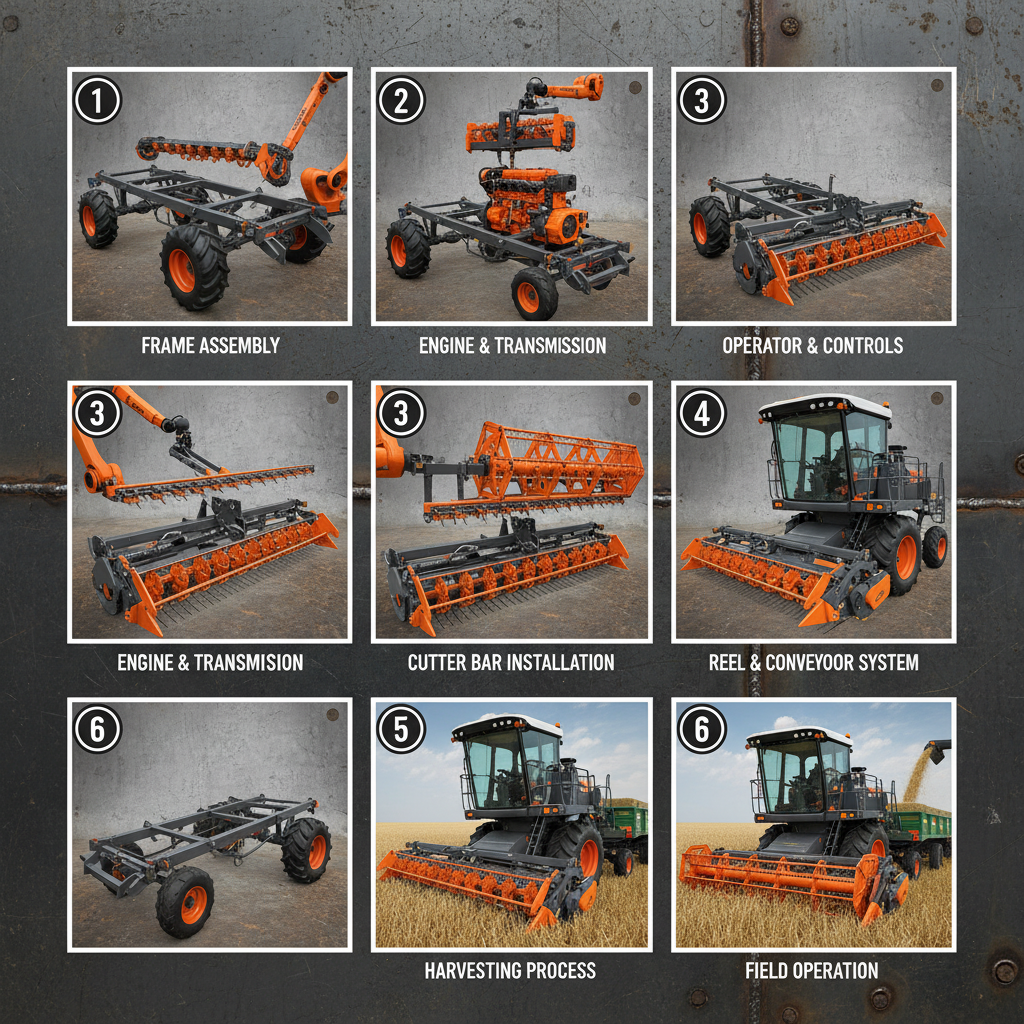
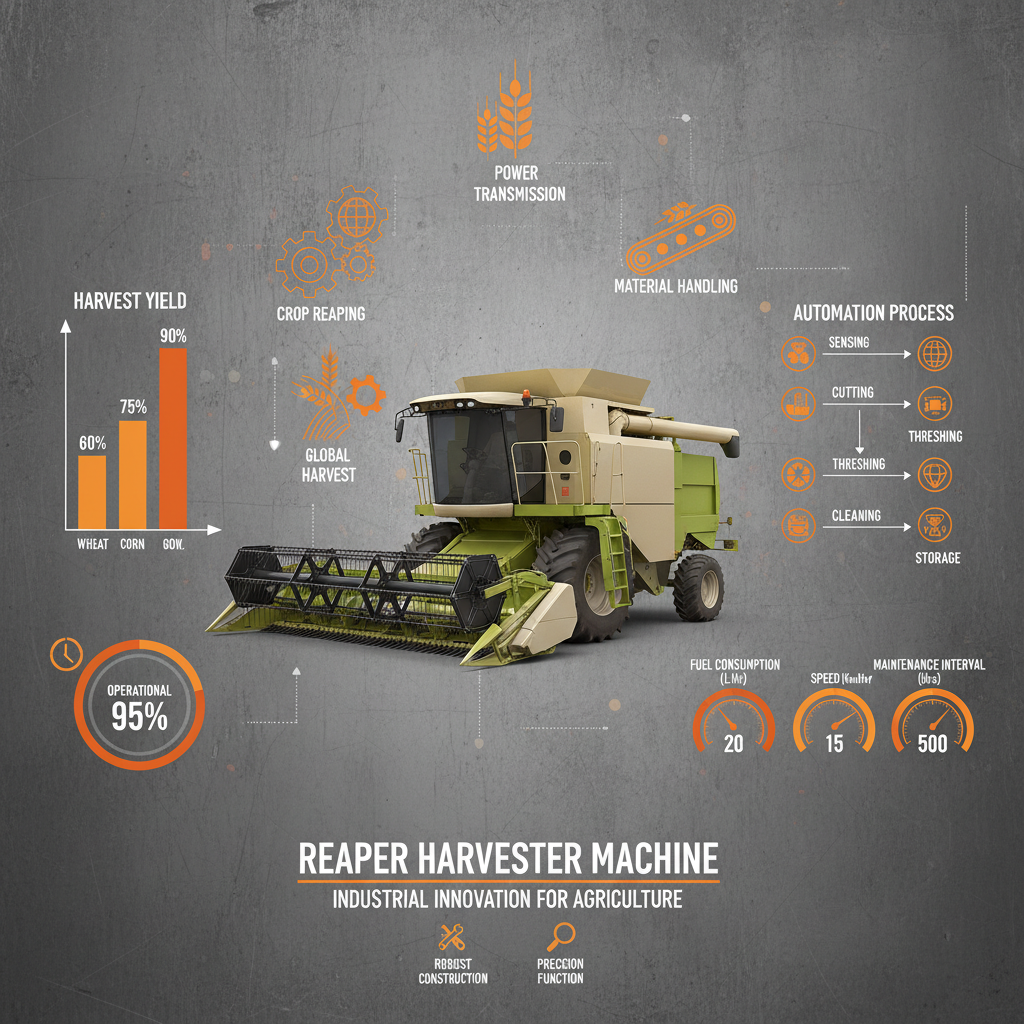
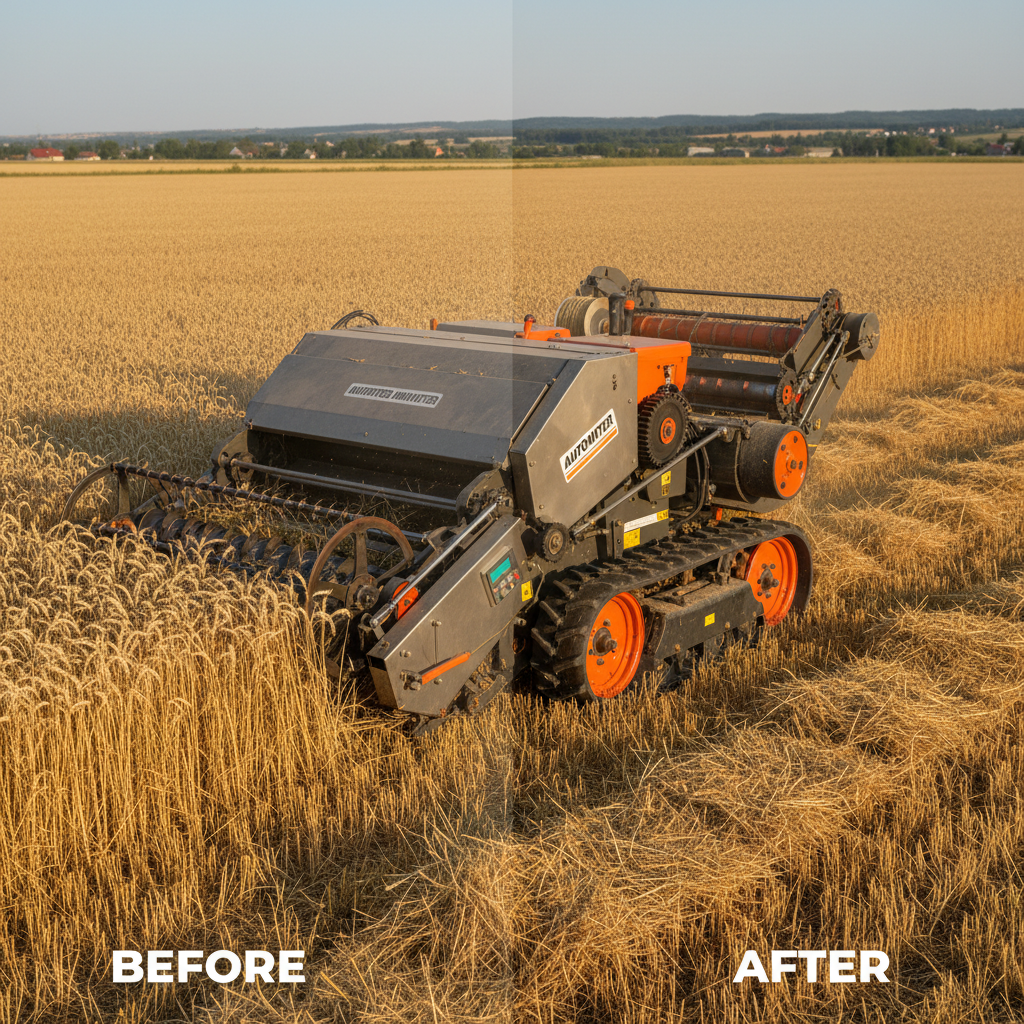
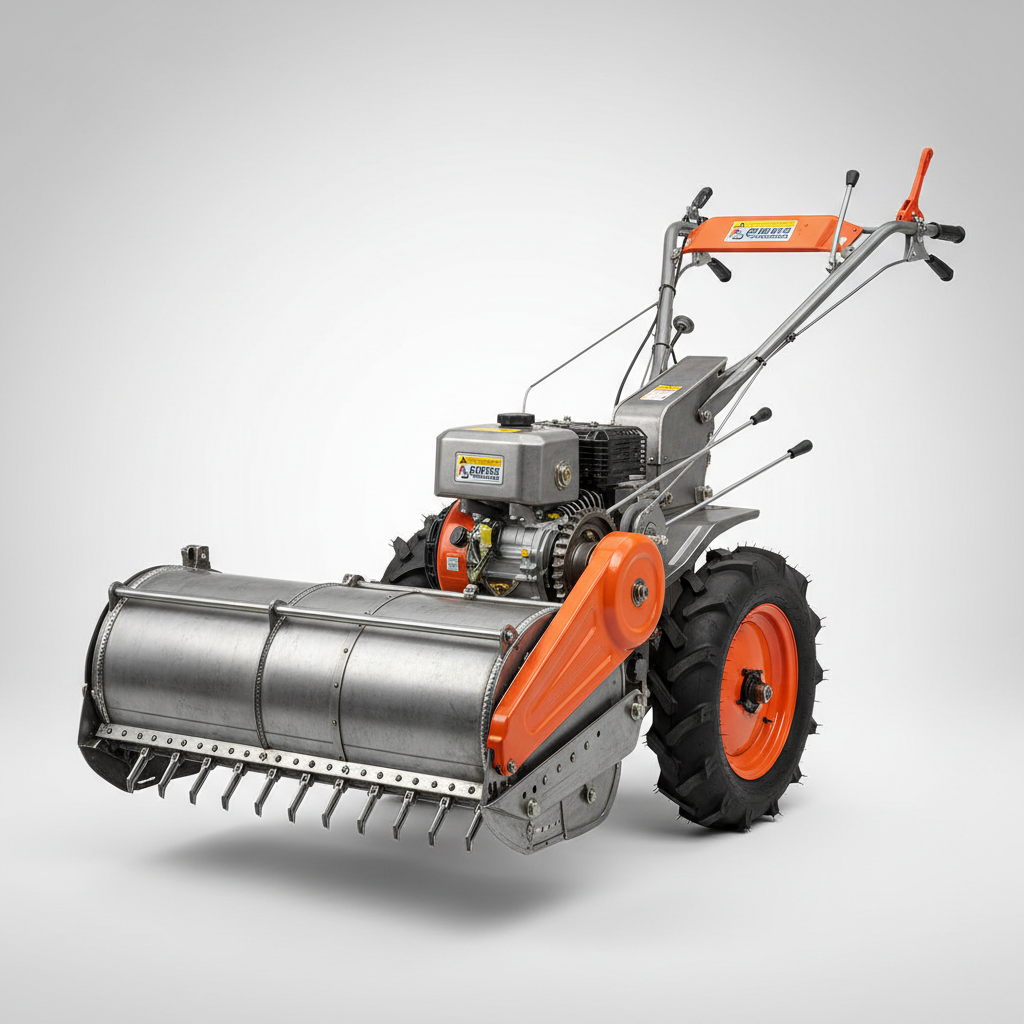
The reaper harvester machine stands as a cornerstone of modern agriculture, dramatically improving efficiency and reducing labor costs in crop harvesting. Globally, these machines are vital for ensuring food security, particularly in regions with large-scale farming operations. Understanding the intricacies of reaper harvester machines – from their operational mechanics to their various applications – is crucial for optimizing agricultural output and achieving sustainable farming practices.
The demand for reaper harvester machines is steadily increasing worldwide, driven by factors such as a growing global population and the need for increased agricultural productivity. This rising demand presents significant opportunities for manufacturers and suppliers, but also necessitates continuous innovation to address evolving agricultural challenges, like varying terrain and diverse crop types. The adoption rate is particularly high in countries with substantial arable land and a focus on mechanized farming.
Investing in a high-quality reaper harvester machine is not simply an expenditure; it’s a strategic investment that yields significant returns through enhanced productivity, reduced harvest times, and improved crop yields. Furthermore, advancements in reaper harvester machine technology, such as self-propelled models and precision harvesting capabilities, are playing an increasingly important role in the development of sustainable agriculture.
The Role of Reaper Harvester Machines in Global Agriculture
Reaper harvester machines play a pivotal role in ensuring global food security by significantly increasing harvesting efficiency and reducing post-harvest losses. According to the Food and Agriculture Organization of the United Nations (FAO), approximately one-third of food produced globally is lost or wasted. Efficient harvesting practices, facilitated by machines like the reaper harvester machine, are crucial in mitigating these losses.
The agricultural sector is facing mounting pressures to produce more food with fewer resources. Reaper harvester machines address this challenge by enabling farmers to harvest larger areas of land in shorter periods, optimizing labor utilization, and minimizing crop damage during the harvesting process. This translates into increased yields and improved profitability for farmers worldwide.
Understanding the Reaper Harvester Machine: A Definition
A reaper harvester machine is an agricultural machine designed to efficiently cut, collect, and sometimes thresh crops. Historically, reaping was a labor-intensive manual process. The invention and subsequent development of the reaper, and later the reaper-harvester, revolutionized agriculture by automating this crucial task. Modern reaper harvester machines represent a significant advancement over earlier models, offering greater capacity, precision, and versatility.
The connection of the reaper harvester machine to modern industry extends beyond simply automating a farm task. It’s deeply intertwined with advancements in engineering, materials science, and precision agriculture. It contributes to the development of advanced manufacturing processes and creates employment opportunities in both the agricultural and industrial sectors.
In essence, the reaper harvester machine embodies a critical link between technological innovation and the fundamental human need for sustenance, reflecting a continued pursuit of efficiency and sustainability in food production.
Key Components and Operational Factors
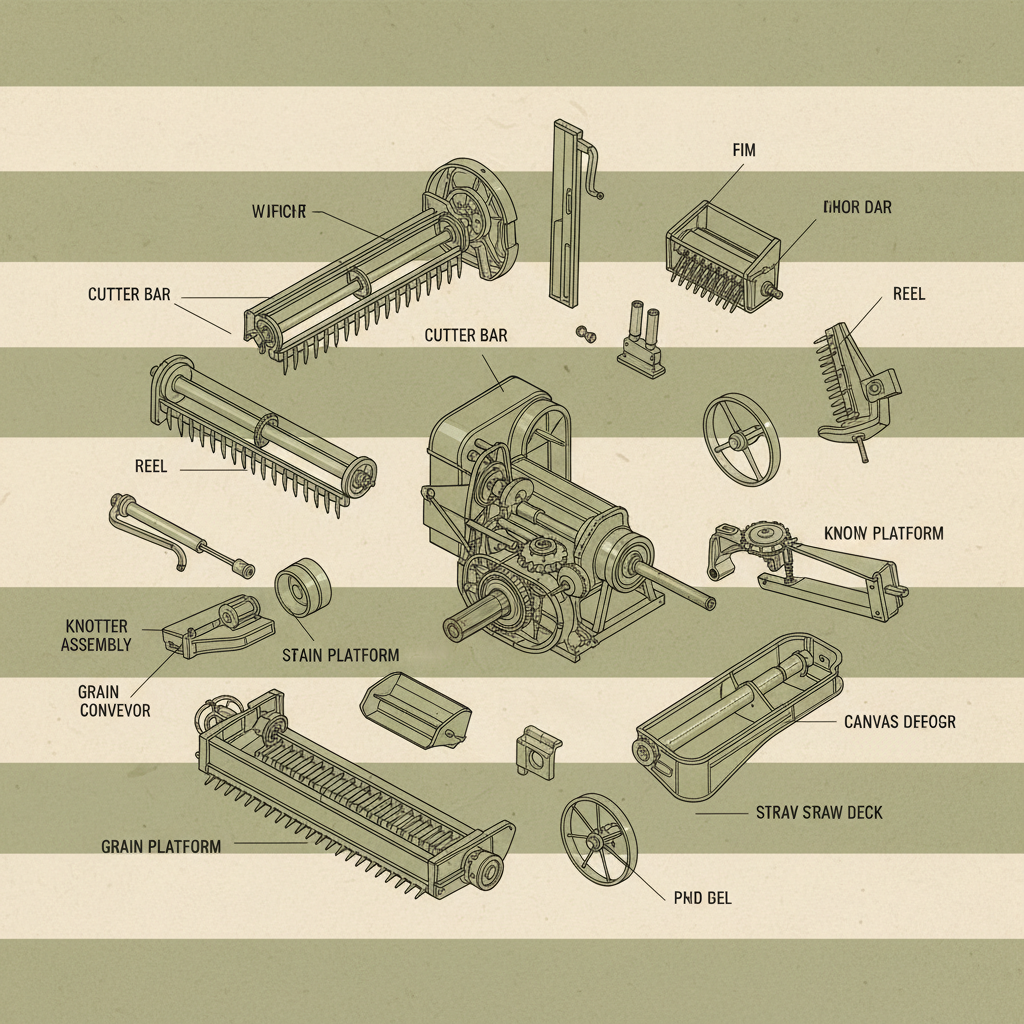
Several key components contribute to the effective operation of a reaper harvester machine. These include the cutting mechanism (sickle bar or rotary cutter), the conveying system (belts or augers), the threshing unit (for combine harvesters), and the cleaning system (to separate grain from chaff). The efficiency of each component directly impacts the overall performance and output of the machine.
Operational factors, such as crop type, field conditions, and machine settings, also significantly influence harvesting efficiency. For example, adjusting the cutting height and speed to match the crop characteristics is crucial for minimizing losses. Similarly, operating the machine on level terrain and avoiding excessive speed can prevent damage and ensure consistent performance. Proper maintenance and regular inspections are also vital for prolonging the machine’s lifespan and optimizing its functionality.
The design of a reaper harvester machine must also account for the physical properties of the crop being harvested. Variables like stem strength, grain size, and moisture content impact the selection of cutting mechanisms, threshing systems, and cleaning processes. Optimized coordination between these elements leads to efficient and reliable harvesting results.
Global Applications and Diverse Use Cases
Reaper harvester machines are employed across a wide range of agricultural landscapes worldwide. In North America and Europe, they are commonly used for harvesting wheat, barley, oats, and soybeans on large-scale commercial farms. In Asia, particularly in countries like China and India, they are increasingly adopted for harvesting rice, wheat, and other staple crops.
The applications of reaper harvester machines extend beyond traditional arable farming. They are also utilized in specialized agriculture, such as harvesting forage crops for livestock feed. In post-disaster relief operations, reaper harvester machines can be deployed to quickly harvest crops and provide food aid to affected communities.
Furthermore, in remote industrial zones with large agricultural operations, efficient reaper harvesting is critical to maintain supply chains. The versatility of modern reaper harvester machines allows them to adapt to diverse crops and terrains, solidifying their role as essential equipment in a globalized agricultural system.
Reaper Harvester Machine Performance by Method
Advantages and Long-Term Value Proposition
The advantages of utilizing a reaper harvester machine are numerous. Tangible benefits include reduced labor costs, increased harvesting speed, and minimized crop losses. Beyond these economic gains, a reaper harvester machine contributes to improved crop quality by reducing field exposure time and minimizing damage during harvesting.
From a sustainability perspective, efficient harvesting reduces soil compaction and minimizes fuel consumption per unit of harvested crop. The long-term value proposition extends to enhanced farm profitability, improved resource management, and a more reliable food supply.
Future Trends and Innovations in Reaper Harvesting
The future of reaper harvesting is poised for significant advancements, driven by technological innovations and a growing emphasis on sustainability. Precision agriculture technologies, such as GPS guidance, automated steering, and yield monitoring, are being integrated into reaper harvester machines to optimize performance and reduce waste.
The development of autonomous reaper harvester machines, powered by artificial intelligence and sensor technologies, promises to further revolutionize the industry. These machines will be capable of operating independently, adapting to changing field conditions, and maximizing harvesting efficiency. Furthermore, the use of renewable energy sources, such as electric motors and solar power, will contribute to a more sustainable harvesting process.
Challenges and Solutions in Reaper Harvester Machine Implementation
Despite their numerous benefits, the implementation of reaper harvester machines can present certain challenges. These include the high initial investment cost, the need for skilled operators, and the potential for soil compaction in certain field conditions.
Solutions to these challenges include exploring financing options such as leasing or government subsidies, providing comprehensive training programs for operators, and adopting soil conservation practices such as controlled traffic farming. Furthermore, ongoing research and development efforts are focused on designing reaper harvester machines that minimize soil compaction and maximize fuel efficiency.
Ultimately, overcoming these challenges is essential for unlocking the full potential of reaper harvester machine technology and ensuring a sustainable and efficient agricultural sector.
Key Performance Indicators for Reaper Harvester Machine Implementation
| Operational Efficiency |
Maintenance Costs |
Fuel Consumption |
Crop Loss Rate |
| Harvested Area per Hour |
Annual Repair Expenses |
Liters per Hectare |
Percentage of Crop Left in Field |
| Operator Skill Level (1-10) |
Preventive Maintenance Frequency |
Engine Efficiency Rating (1-10) |
Impact of Field Conditions |
| Machine Uptime (Percentage) |
Spare Parts Availability |
Fuel Type and Quality |
Cutting Height Accuracy |
| Terrain Adaptability Score (1-10) |
Warranty Coverage |
Operator Training Hours |
Machine Speed Optimization |
| Harvesting Time Reduction (%) |
Technician Response Time |
Impact of Environmental Factors |
Crop Density Variation |
| Overall Harvesting Cost per Hectare |
Long-Term Reliability Assessment |
Carbon Footprint Analysis |
Minimizing Crop Damage |
FAQS
The lifespan of a reaper harvester machine typically ranges from 10 to 20 years, depending on factors such as usage intensity, maintenance practices, and environmental conditions. Regular maintenance, including lubrication, filter changes, and component inspections, is crucial for maximizing the machine's lifespan. Investing in high-quality components and adhering to manufacturer recommendations can also extend its operational life.
Essential maintenance includes daily inspections for wear and tear, regular lubrication of moving parts, filter changes (oil, air, fuel), blade sharpening or replacement, and periodic checks of hydraulic systems and electrical components. Detailed maintenance schedules are typically outlined in the machine's operator manual and should be strictly followed to prevent breakdowns and ensure optimal performance.
Terrain significantly impacts the efficiency and safety of reaper harvester machine operation. Uneven terrain can lead to increased stress on the machine, reduced harvesting speed, and potential damage. Machines designed with adjustable suspension systems and robust chassis are better suited for challenging terrains. Operators must exercise caution and adjust speed and settings accordingly.
Safety is paramount when operating a reaper harvester machine. Operators should always wear appropriate personal protective equipment (PPE), including safety glasses, gloves, and hearing protection. It’s crucial to understand the machine’s operating manual, avoid operating on steep slopes, and maintain a safe distance from other personnel and obstacles. Regular safety checks are essential.
Crop moisture content has a significant influence on harvesting efficiency. Harvesting crops with excessively high moisture content can lead to clogging, reduced threshing quality, and increased energy consumption. Conversely, harvesting overly dry crops can result in excessive grain shattering and losses. Optimal moisture levels vary depending on the crop type and machine settings.
Advancements in automation include GPS-guided steering, automatic header height control, and yield mapping systems. These technologies improve harvesting precision, reduce operator fatigue, and optimize crop recovery. The development of fully autonomous reaper harvester machines is underway, promising to revolutionize the agricultural landscape by minimizing labor costs and maximizing efficiency.
Conclusion
In conclusion, the reaper harvester machine represents a cornerstone of modern agriculture, driving increased efficiency, productivity, and sustainability in crop harvesting. Its evolution has been marked by continuous innovation, adapting to meet the evolving needs of farmers and the growing global demand for food. Understanding its key components, operational factors, and future trends is crucial for optimizing its performance and maximizing its long-term value.
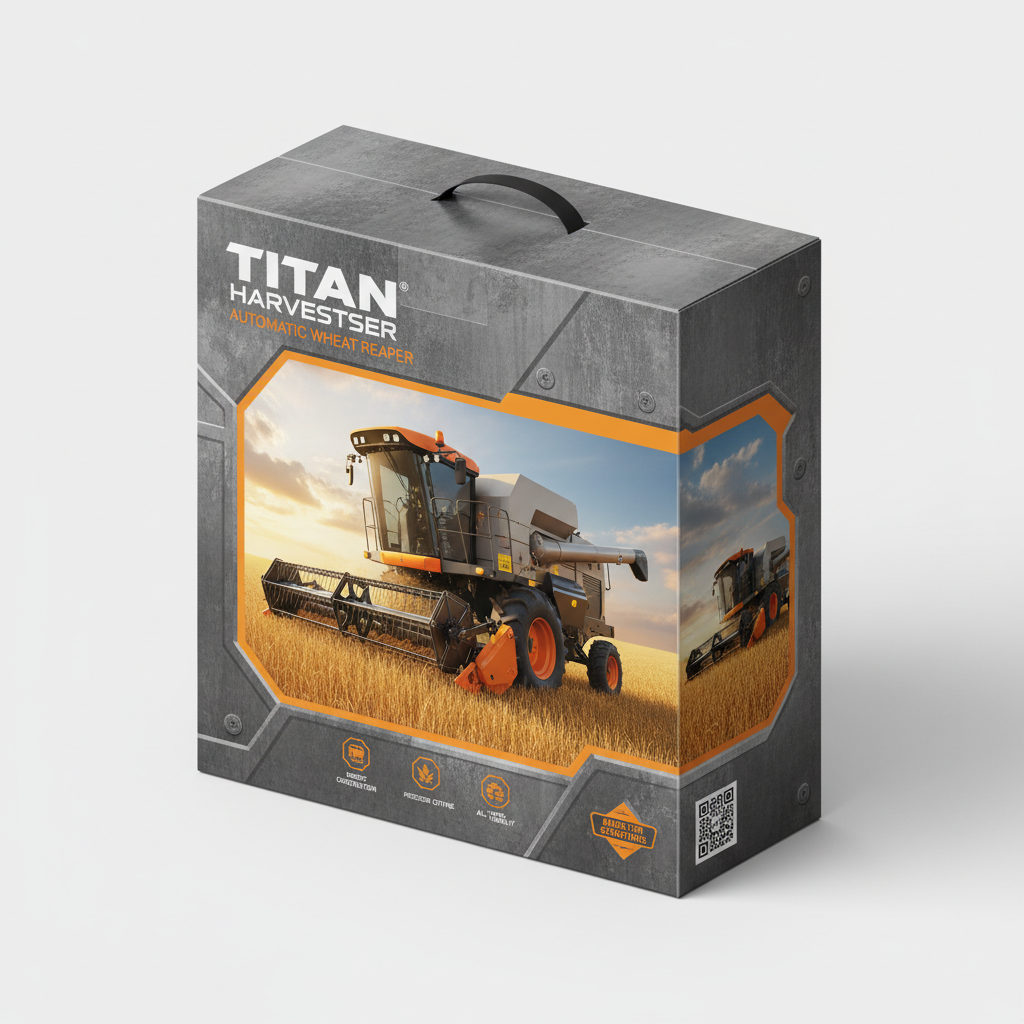
Looking ahead, continued advancements in automation, precision agriculture, and sustainable technologies will further enhance the capabilities of reaper harvester machines. Investing in these technologies is not merely an upgrade; it's a strategic investment in the future of food security and a commitment to a more sustainable and efficient agricultural ecosystem. Visit our website at www.hbniuboshi.com to explore our range of reaper harvester machine solutions.