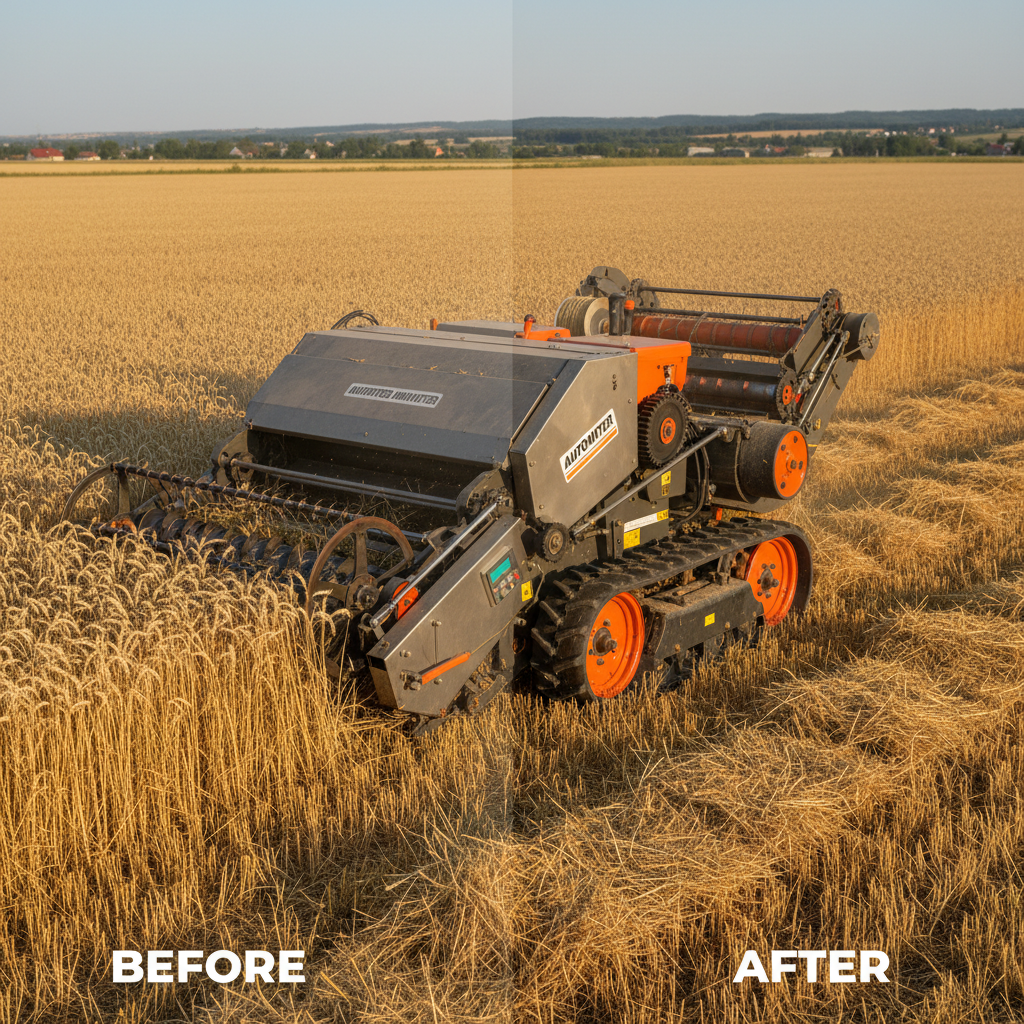
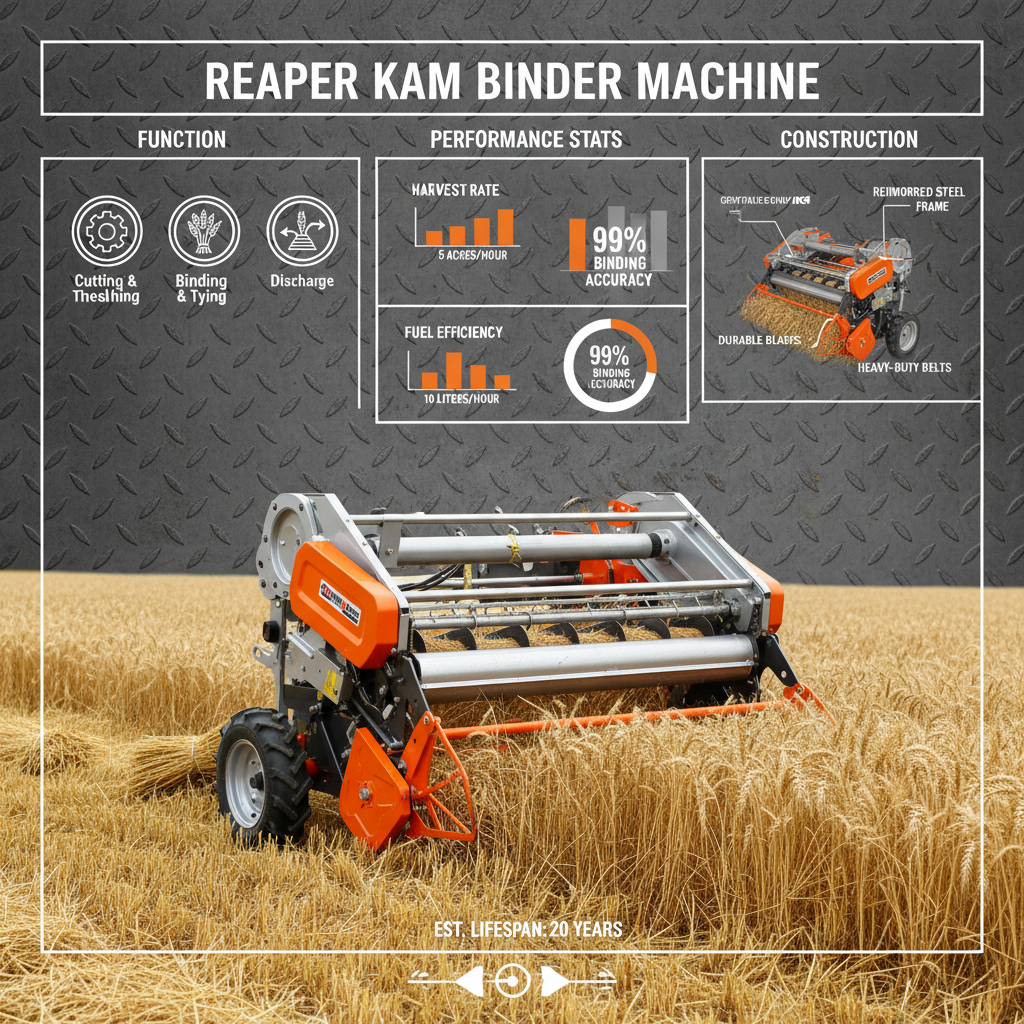
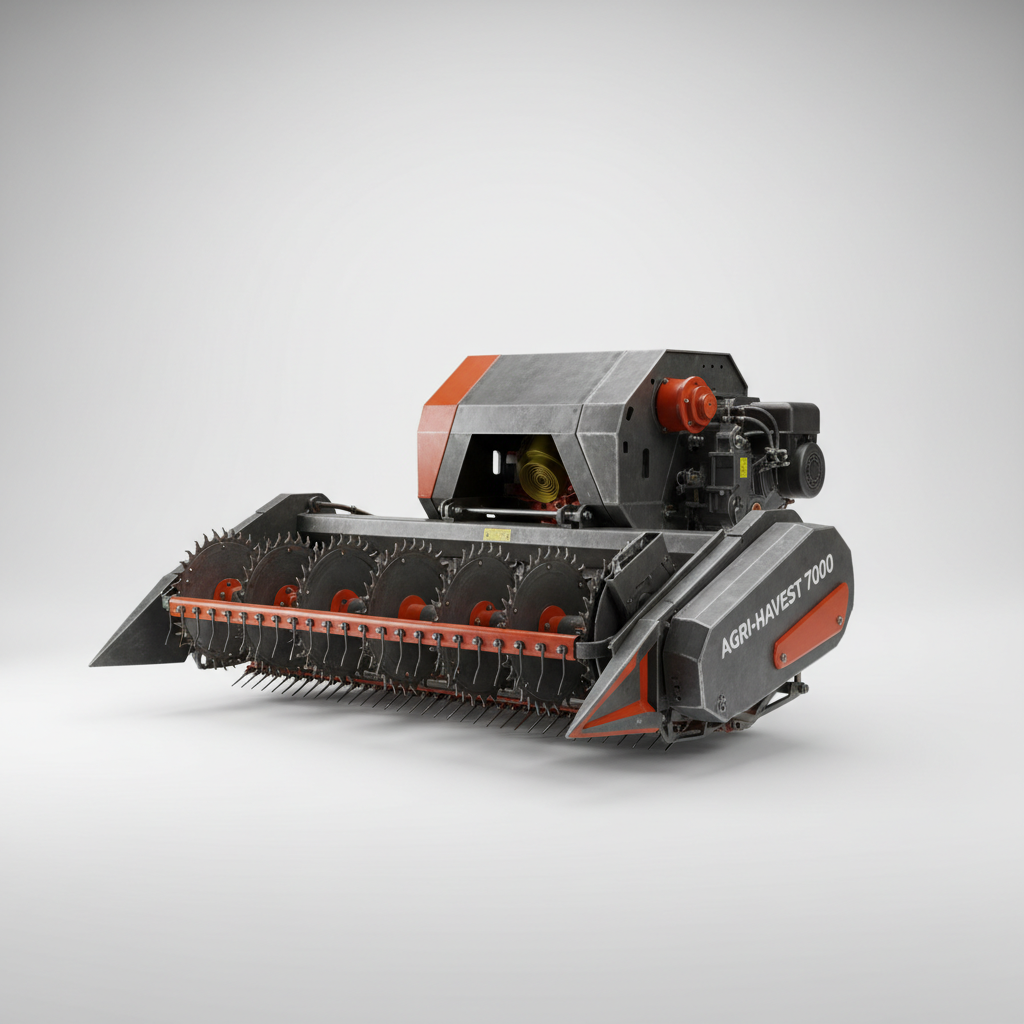
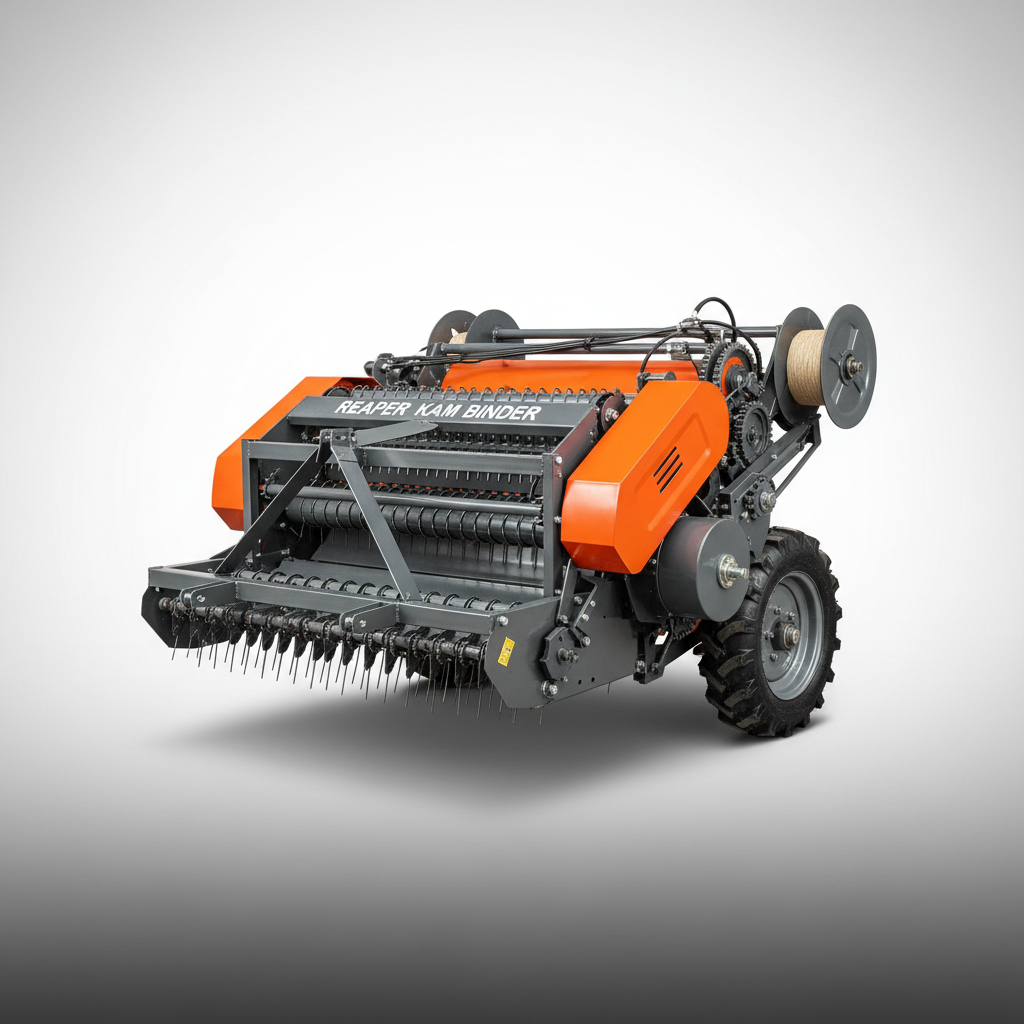
The modernization of agriculture depends heavily on the efficiency of harvest cycles, and the reaper kam binder machine stands as a pivotal innovation in this journey. By integrating the cutting and bundling processes into a single operation, these machines eliminate the exhaustive manual labor previously required to gather and tie crops, significantly reducing post-harvest losses.
Across the globe, from the vast plains of Asia to the diversified farms of Europe, the adoption of the reaper kam binder machine has transformed the economic viability of small to medium-sized grain farms. This technology ensures that crops are handled with precision, maintaining grain quality while accelerating the turnaround time for field preparation for the next planting season.
Understanding the technical nuances and operational benefits of the reaper kam binder machine is essential for any agribusiness looking to scale its productivity. By transitioning from traditional reaping to automated binding, farmers can optimize their labor costs and ensure a more sustainable approach to food security in an era of rising global demand.
Global Relevance of Reaper Kam Binder Machine
In the context of global food security, the reaper kam binder machine addresses a critical bottleneck in the crop production chain. According to data reflecting agricultural trends in developing economies, a significant percentage of grain loss occurs during the manual harvesting and bundling phase. By automating the binding process, these machines minimize the time crops spend exposed to environmental degradation on the field.
Furthermore, the global shift toward reduced rural labor availability has made mechanized solutions indispensable. The reaper kam binder machine allows a single operator to achieve the work of dozens of manual laborers, ensuring that the harvest is completed within the optimal moisture window, which is crucial for maintaining the market value of the grain.
Defining the Reaper Kam Binder Machine Mechanism
At its core, a reaper kam binder machine is a specialized agricultural implement designed to cut cereal crops and immediately tie them into neat sheaves. Unlike a simple reaper that leaves the crop in windrows, the binder mechanism utilizes a knotting system to secure the stalks, making them easy to collect and transport for threshing.
This technology is particularly vital for farmers who utilize traditional threshing methods or who need to store their crops in stacks to prevent soil-borne contamination. The synergy between the cutting bar and the binder arm represents a leap in mechanical engineering, allowing for a seamless transition from growth to storage.
Modern iterations of the reaper kam binder machine are often compatible with various tractor power take-offs (PTO), ensuring that they can be integrated into existing farm fleets without requiring massive capital reinvestment in new prime movers.
Core Components for Maximum Efficiency
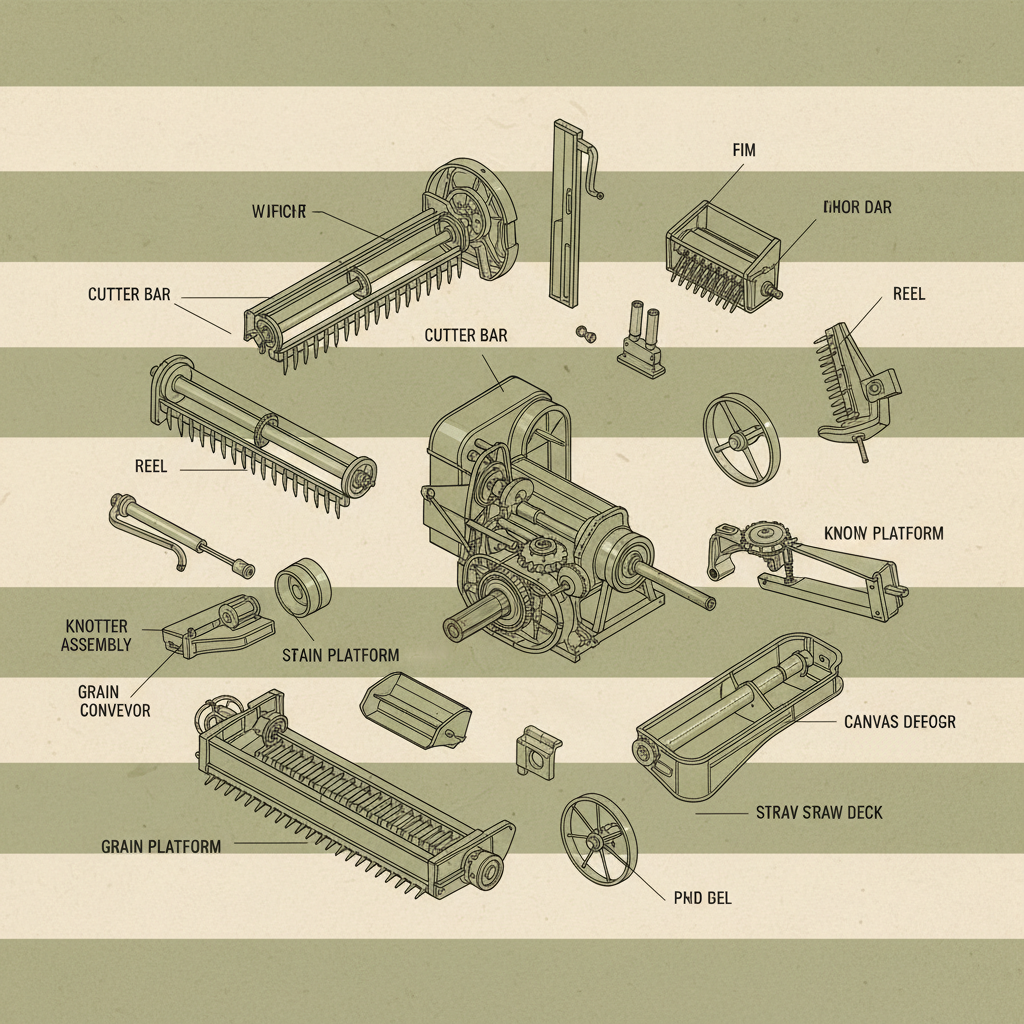
The efficiency of a reaper kam binder machine is primarily driven by its cutting assembly. High-carbon steel blades are used to ensure a clean cut through dense stalks, preventing the "shattering" of grains which often occurs with dull or low-quality equipment.
Central to the operation is the knotter mechanism of the reaper kam binder machine. This component must operate with extreme precision to tie the twine around the bundle securely; any failure here results in loose sheaves and significant operational delays.
Durability and chassis stability are the final pillars. Since these machines operate in uneven terrains, a reinforced frame and high-quality bearings are essential to prevent mechanical fatigue and ensure a long service life across multiple harvest seasons.
Practical Applications and Regional Use Cases
The deployment of the reaper kam binder machine varies significantly by region. In South Asia, for instance, it is widely used for wheat and paddy harvests in small-scale fragmented plots where large combine harvesters cannot navigate. The compact nature of the binder allows for high maneuverability.
In remote industrial agricultural zones, these machines are often used as a precursor to specialized drying processes. By binding the crop into sheaves, farmers can move the material to ventilated areas more efficiently than by hauling loose straw.
Comparative Efficiency of Reaper Kam Binder Machine Variations
Economic and Operational Advantages
The primary advantage of investing in a reaper kam binder machine is the dramatic reduction in labor costs. By consolidating cutting and binding, the farm's overhead is slashed, and the reliance on seasonal labor—which is often unreliable—is minimized.
Beyond the financial metrics, there is a significant improvement in crop safety. Rapid binding prevents the crop from lying on damp soil, which reduces the risk of fungal infections and mold, thereby increasing the total yield of high-grade grain available for sale.
Future Trends in Harvesting Automation
The next generation of the reaper kam binder machine is leaning heavily toward digital integration. We are seeing the emergence of sensor-based cutting height adjustment, which allows the machine to adapt in real-time to the varying height of the crop, reducing waste and improving uniformity.
Sustainability is also driving innovation, with new biodegradable twine materials being integrated into the binding process. This ensures that the environmental footprint of the reaper kam binder machine is reduced, aligning agricultural practices with global "green" mandates.
Additionally, the move toward lightweight composite materials for the machine chassis is reducing the soil compaction caused by heavy equipment, which preserves the long-term fertility and structure of the farmland.
Overcoming Challenges in Machine Implementation
Despite its benefits, the adoption of the reaper kam binder machine can be hindered by the initial cost and the technical skill required for maintenance. To overcome this, many manufacturers are introducing modular designs that allow farmers to replace individual worn parts without needing an entire overhaul.
Another challenge is the adjustment of the machine for different crop densities. Expert insights suggest that implementing a standardized calibration protocol before the harvest season can eliminate most binding errors and increase the overall throughput of the machine.
Education and training remain key. By providing comprehensive manuals and digital tutorials, the learning curve for operating a reaper kam binder machine is flattened, empowering small-scale farmers to maximize their ROI through proper machine tuning.
Technical Performance Analysis of Reaper Kam Binder Machine Models
| Machine Model |
Cutting Width (m) |
Binding Speed (sheaves/min) |
Reliability Score (1-10) |
| Standard Kam-B1 |
1.2m |
8-10 |
7.5 |
| Pro-Binder 200 |
1.5m |
12-15 |
8.2 |
| Eco-Reaper S |
1.0m |
6-8 |
9.0 |
| Ultra-Bind Max |
1.8m |
18-22 |
8.8 |
| Compact Kam-B2 |
0.8m |
7-9 |
8.5 |
| Industrial Binder X |
2.0m |
20-25 |
9.2 |
FAQS
A combine harvester performs cutting, threshing, and cleaning in one go, whereas a reaper kam binder machine focuses on cutting and binding the stalks into sheaves. This makes the binder ideal for farmers who prefer to thresh their grain separately or who operate on smaller, uneven terrains where a full combine is too cumbersome.
The knotter is the heart of the reaper kam binder machine. It requires regular lubrication with high-grade grease to prevent friction and periodic cleaning to remove crop residue and dust. Ensuring the twine tension is correctly calibrated is also vital to avoid jamming during peak harvest hours.
Yes, the reaper kam binder machine is versatile and can be used for various cereal crops and some forage grasses. However, adjustments to the cutting bar height and the binder's timing may be necessary depending on the thickness and moisture level of the specific crop being harvested.
Most models are specifically designed for versatility. They typically connect via a standard PTO shaft, making them compatible with a wide range of small to medium four-wheel tractors. Always check the horsepower requirements in the technical manual to ensure optimal performance.
To minimize waste, ensure you are using high-quality, uniform twine. Additionally, regularly checking the twine delivery arm for smooth movement and adjusting the binding tension according to the crop's density will prevent unnecessary twine breakage and excess usage.
With proper maintenance and seasonal servicing, a high-quality reaper kam binder machine can last 10 to 15 years. The key to longevity is replacing wear-and-tear parts, such as the blades and belts, promptly to prevent secondary damage to the drive system.
Conclusion
The implementation of the reaper kam binder machine represents a strategic upgrade for any farming operation seeking to balance tradition with efficiency. By optimizing the cutting and bundling process, these machines not only secure higher yields through reduced grain loss but also provide a sustainable solution to the ongoing labor shortages affecting global agriculture.
Looking ahead, the integration of smarter sensors and eco-friendly materials will further cement the role of the reaper kam binder machine in the modern agricultural landscape. We encourage farmers and agribusinesses to invest in high-quality, durable machinery to ensure long-term productivity and operational resilience. Visit our website for more details: www.hbniuboshi.com