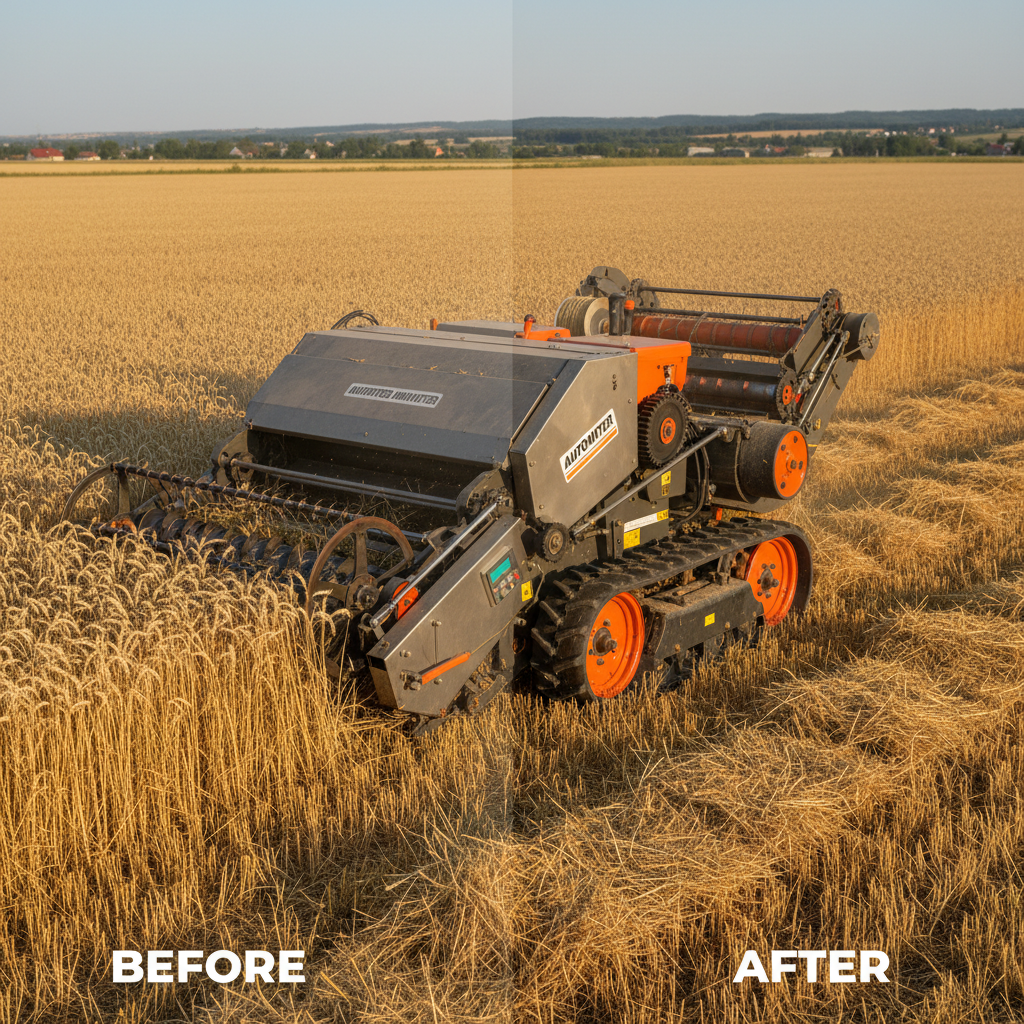
The mechanical rice reaper represents a pivotal advancement in agricultural technology, addressing the critical need for efficient harvesting in rice-producing regions worldwide. As a key component of modern farming practices, it significantly impacts food security and economic stability, particularly in developing nations where manual harvesting remains prevalent. Understanding the nuances of mechanical rice reaper – its types, applications, and future trends – is paramount for stakeholders across the agricultural sector.
Globally, rice is a staple food for over half the world’s population. The efficiency of its harvest directly affects supply chains, market prices, and overall food accessibility. Traditional manual harvesting is labor-intensive, time-consuming, and susceptible to losses. The introduction of the mechanical rice reaper offers a solution to these challenges, increasing productivity and reducing post-harvest waste. This technology isn't merely about automation; it's about empowering farmers and strengthening food systems.
The increasing global population demands innovative solutions in agriculture, and the mechanical rice reaper stands as a powerful response. Its impact extends beyond just yield optimization; it contributes to improved working conditions for agricultural laborers and supports sustainable farming practices. Continuous development in this field promises even more efficient and environmentally friendly harvesting methods in the future.
Introduction to Mechanical Rice Reaper
The mechanical rice reaper has revolutionized rice harvesting, moving away from traditional, labor-intensive methods towards greater efficiency and output. This machine, often self-propelled, cuts and gathers rice stalks, significantly reducing the time and manpower required for this crucial agricultural process. Its development marks a significant step in modernizing farming practices worldwide.
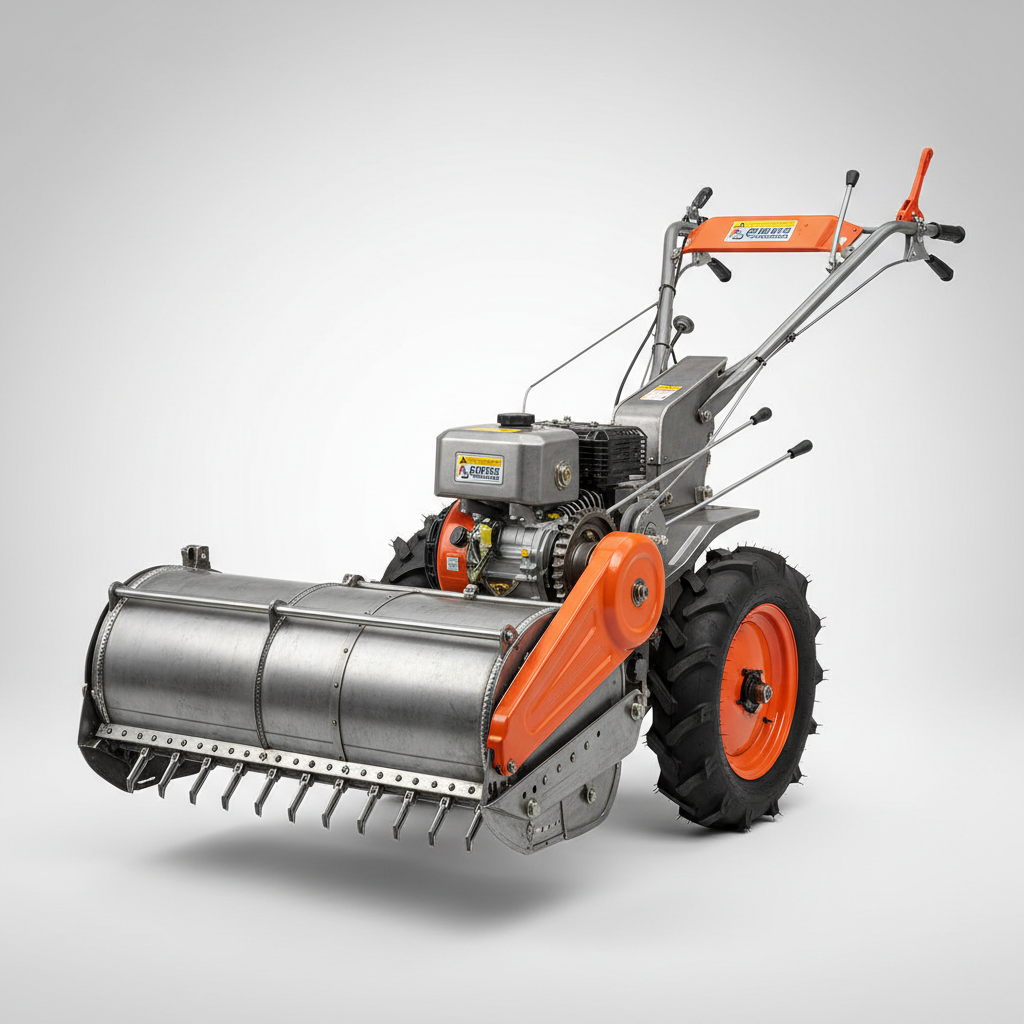
The core function of a mechanical rice reaper is to automate the cutting and collecting of ripe rice crops. Different types exist, ranging from smaller, walk-behind models suitable for small farms to larger, combine harvester-style machines designed for large-scale commercial operations. Regardless of size, the fundamental principle remains the same: to streamline the harvesting process and minimize losses.
Defining the Mechanical Rice Reaper
A mechanical rice reaper is an agricultural machine specifically designed to harvest rice crops. It differentiates itself from general-purpose combine harvesters by focusing specifically on the unique characteristics of rice plants and the harvesting conditions in paddy fields. While some combine harvesters can harvest rice, a dedicated rice reaper is optimized for this task.
The importance of this technology extends beyond mere productivity. In many parts of the world, particularly in Asia, rice farming is a primary source of livelihood. A mechanical rice reaper empowers farmers by reducing their physical strain, increasing their yield, and improving their economic prospects. It is a crucial tool in addressing global food security challenges.
The connection to modern industry and humanitarian needs is also significant. Manufacturers of mechanical rice reapers are continually innovating, developing more efficient and sustainable models. These advancements contribute to the growth of the agricultural machinery industry while simultaneously providing a vital resource for communities reliant on rice production.
Key Components and Features
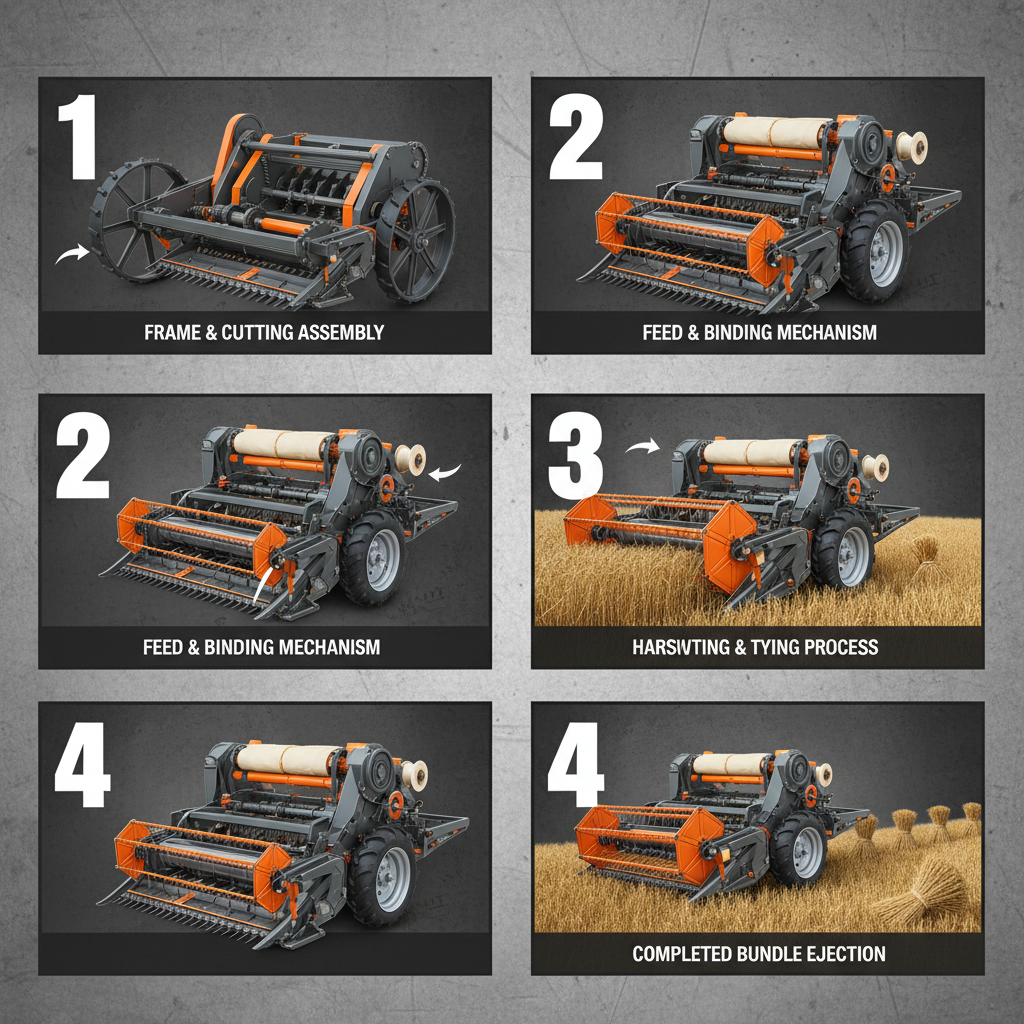
One of the core aspects of a mechanical rice reaper is its Cutting Mechanism. This typically involves a reciprocating blade or rotating drum designed to cleanly cut the rice stalks at the base. The design must be robust enough to handle varying rice densities and stalk heights while minimizing damage to the grains. Ensuring a clean cut is vital for preventing losses during threshing.
Mobility and Traction are equally critical, especially in muddy paddy fields. Many mechanical rice reapers utilize specialized tires or tracks to provide sufficient grip and prevent sinking. The ability to navigate challenging terrain directly impacts harvesting efficiency. Effective traction also protects the delicate paddy field ecosystem from excessive compaction.
Threshing and Separation systems are integrated into most mechanical rice reapers, separating the rice grains from the stalks. These systems often employ rotating drums or augers to loosen the grains, followed by sieves and fans to remove chaff and other debris. The efficiency of this process significantly impacts the quality of the harvested rice.
Applications in Global Agriculture
Mechanical rice reapers find extensive application in the vast rice-growing regions of Asia, including countries like China, India, Vietnam, and Thailand. These nations rely heavily on rice production to feed their populations and contribute to global exports, and the use of mechanical harvesters is becoming increasingly widespread.
In regions like the United States (Arkansas, California, Louisiana) and Brazil, where large-scale rice farms are common, self-propelled combine harvesters equipped with rice-specific headers are utilized. These machines are capable of handling vast acreages and offer high harvesting capacities.
Furthermore, the adoption of mechanical rice reapers is growing in Africa, particularly in countries like Nigeria and Madagascar, where rice production is being prioritized to reduce dependence on imports. Smaller, more affordable models are making the technology accessible to smaller-scale farmers, contributing to increased local food production.
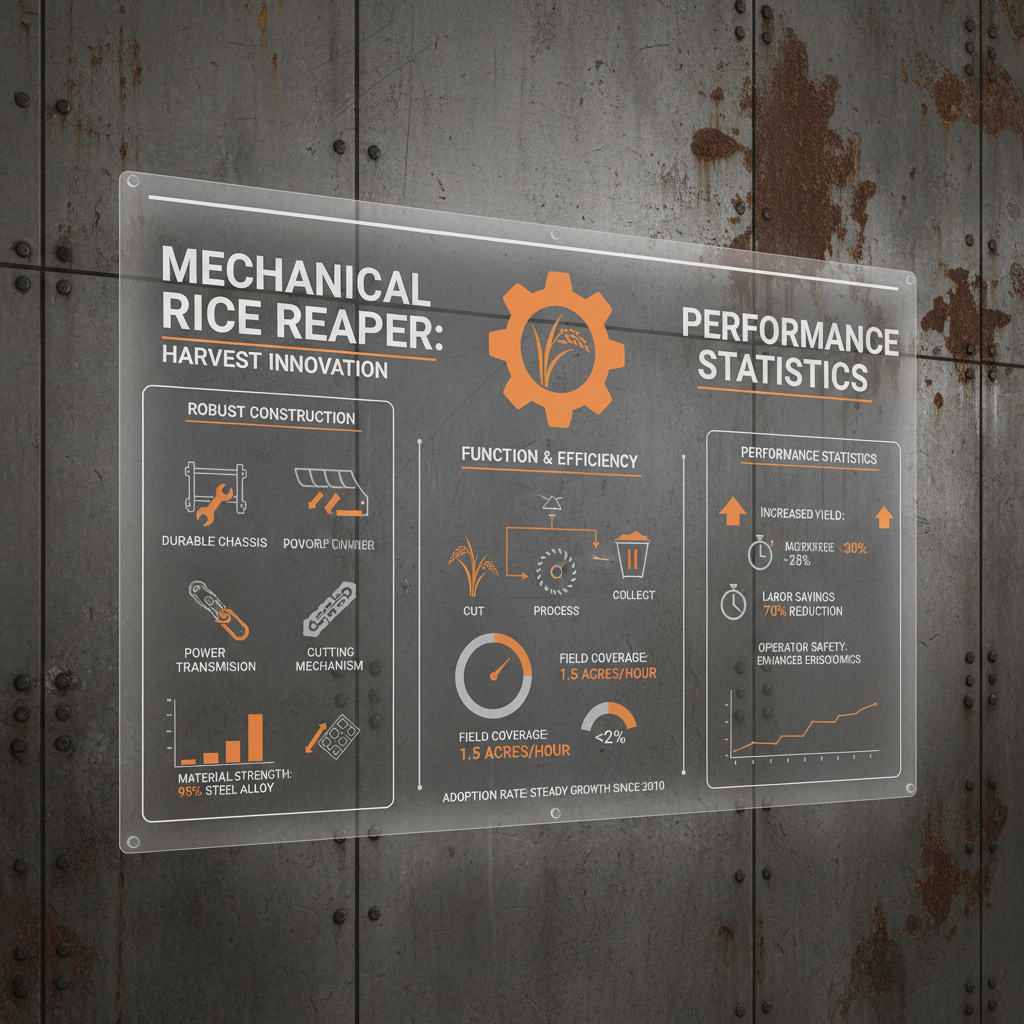
Mechanical Rice Reaper Efficiency Comparison
Advantages and Long-Term Value
The most tangible benefit of adopting a mechanical rice reaper is increased Cost Efficiency. While the initial investment may be significant, the reduced labor costs, increased yield, and minimized grain loss quickly offset the expense. Farmers can harvest larger areas with fewer workers, leading to substantial savings over time.
From a sustainability perspective, mechanical rice reapers can contribute to Reduced Waste. By harvesting crops more efficiently and minimizing grain loss during the process, they help to conserve valuable resources. Furthermore, newer models are often designed with fuel efficiency in mind, reducing their environmental impact.
Future Innovations in Rice Harvesting
The future of mechanical rice reaping lies in automation and precision agriculture. We are seeing the development of autonomous rice reapers equipped with GPS technology and sensors to navigate fields independently and optimize harvesting routes. This reduces the need for skilled operators and improves harvesting accuracy.
Another key trend is the integration of data analytics and machine learning. Rice reapers can be equipped with sensors to collect data on crop health, yield, and environmental conditions, providing farmers with valuable insights to improve their farming practices and optimize their harvests.
Challenges and Potential Solutions
One significant challenge is the High Initial Cost of mechanical rice reapers, making them inaccessible to smallholder farmers in developing countries. Solutions include government subsidies, microfinance programs, and the development of more affordable, locally manufactured models.
Another challenge is the Suitability for Small and Irregular Fields. Traditional mechanical reapers may struggle to maneuver in these conditions. Developing smaller, more agile machines and employing precision guidance systems can address this issue.
Finally, Maintenance and Repair can be a concern in remote areas. Establishing local service networks and providing training to farmers on basic maintenance procedures are crucial for ensuring the long-term viability of these machines.
Summary of Mechanical Rice Reaper Challenges and Solutions
| Challenge |
Impact on Rice Harvesting |
Potential Solution |
Implementation Cost (Scale 1-10) |
| High Initial Cost |
Limited adoption by smallholder farmers |
Government subsidies & microfinance |
7 |
| Suitability for Small Fields |
Reduced efficiency and increased damage |
Smaller, agile machine designs |
6 |
| Maintenance & Repair |
Downtime and reduced lifespan |
Local service networks & training |
5 |
| Operator Skill Requirement |
Inefficient operation and potential damage |
Comprehensive operator training programs |
4 |
| Fuel Consumption |
High operational costs & environmental impact |
Fuel-efficient engine designs & alternative fuels |
6 |
| Terrain Challenges (Muddy Fields) |
Reduced traction & machine sinking |
Specialized tires/tracks & improved weight distribution |
7 |
FAQS
While combine harvesters can harvest rice, dedicated mechanical rice reapers are specifically designed and optimized for the unique characteristics of rice crops and paddy field conditions. Rice reapers generally have specialized cutting mechanisms, traction systems, and threshing processes tailored to rice, leading to reduced grain loss and increased efficiency in rice harvesting operations.
The cost of a mechanical rice reaper can vary significantly based on size, features, and brand. Smaller, walk-behind models may range from $2,000 to $5,000, while larger, self-propelled reapers can cost between $15,000 and $50,000 or more. Factors influencing the price include engine power, harvesting capacity, automation level, and the inclusion of features like GPS guidance and yield monitoring.
Regular maintenance is crucial for ensuring the longevity and performance of a mechanical rice reaper. This includes daily checks of fluid levels, regular cleaning of filters and screens, lubrication of moving parts, and periodic inspection of blades and belts. Annual servicing by a qualified technician is also recommended to address more complex maintenance tasks.
Many governments in rice-producing regions offer subsidies or financial assistance programs to encourage the adoption of modern agricultural machinery like mechanical rice reapers. These programs may include direct financial grants, low-interest loans, or tax incentives. Farmers should check with their local agricultural authorities for details on available programs.
Safety is paramount when operating a mechanical rice reaper. Operators should always wear appropriate personal protective equipment (PPE), including eye protection, hearing protection, and sturdy footwear. They should also receive proper training on the machine’s operation and safety features. Never operate the machine near bystanders or obstacles, and always follow the manufacturer’s safety guidelines.
Mechanical rice reapers can contribute to sustainable agriculture by reducing grain loss, minimizing soil compaction (with appropriate tire choices), and enabling more precise harvesting operations. This leads to increased resource efficiency and reduced environmental impact. Furthermore, the adoption of fuel-efficient models and alternative fuels can further enhance the sustainability of rice harvesting.
Conclusion
The mechanical rice reaper has undeniably transformed the landscape of rice harvesting, offering substantial benefits in terms of efficiency, cost-effectiveness, and sustainability. From smallholder farms to large commercial operations, this technology empowers farmers, strengthens food security, and contributes to the economic development of rice-producing regions globally. Understanding its core components, applications, and future trends is crucial for stakeholders across the agricultural sector.
Looking ahead, continued innovation in automation, precision agriculture, and sustainable design will further enhance the capabilities of mechanical rice reapers. By addressing the challenges of affordability, accessibility, and maintenance, we can unlock the full potential of this technology and ensure a more efficient and sustainable future for rice production worldwide. Learn more and explore our range of solutions at mechanical rice reaper.