The global need for efficient land management and agricultural practices has driven innovation in tools like the grass cutter reaper. These machines aren't simply about cutting grass; they represent a significant leap in productivity for farmers, landscapers, and agricultural businesses worldwide. The impact extends to food security, efficient resource utilization, and even environmental sustainability by reducing manual labor and optimizing harvesting processes. Understanding the advancements in grass cutter reaper technology is crucial for anyone involved in agriculture or land management.
The demand for grass cutter reapers stems from the increasing pressures on agricultural systems to produce more with less. Globally, factors such as a growing population, climate change, and limited arable land necessitate more efficient farming methods. Grass cutter reapers, ranging from manual push-type models to sophisticated self-propelled machines, address this challenge by dramatically reducing the time and labor required for harvesting. This is particularly critical in developing nations where manual harvesting is still prevalent.
Beyond agriculture, grass cutter reapers find application in landscaping, roadside maintenance, and pasture management, demonstrating their versatility. The ongoing development of these machines focuses on improved ergonomics, fuel efficiency, and automation, further enhancing their value and contribution to various industries. The evolution of this tool showcases a continuous effort to balance productivity with sustainability.
Introduction to grass cutter reaper
A grass cutter reaper, in its most basic form, is a mechanical device designed to efficiently cut and gather grass or grain crops. However, the modern grass cutter reaper is a far cry from its historical predecessors, incorporating advanced engineering and technology to maximize output and minimize effort. Understanding the evolution of this tool is key to appreciating its current capabilities and potential.
The versatility of the grass cutter reaper is one of its defining characteristics. It's employed in a wide range of agricultural settings, from small family farms to large-scale commercial operations. This adaptability, coupled with continuous improvements in design and functionality, makes the grass cutter reaper an invaluable asset to the agricultural sector, helping to address global food production demands.
Defining the grass cutter reaper
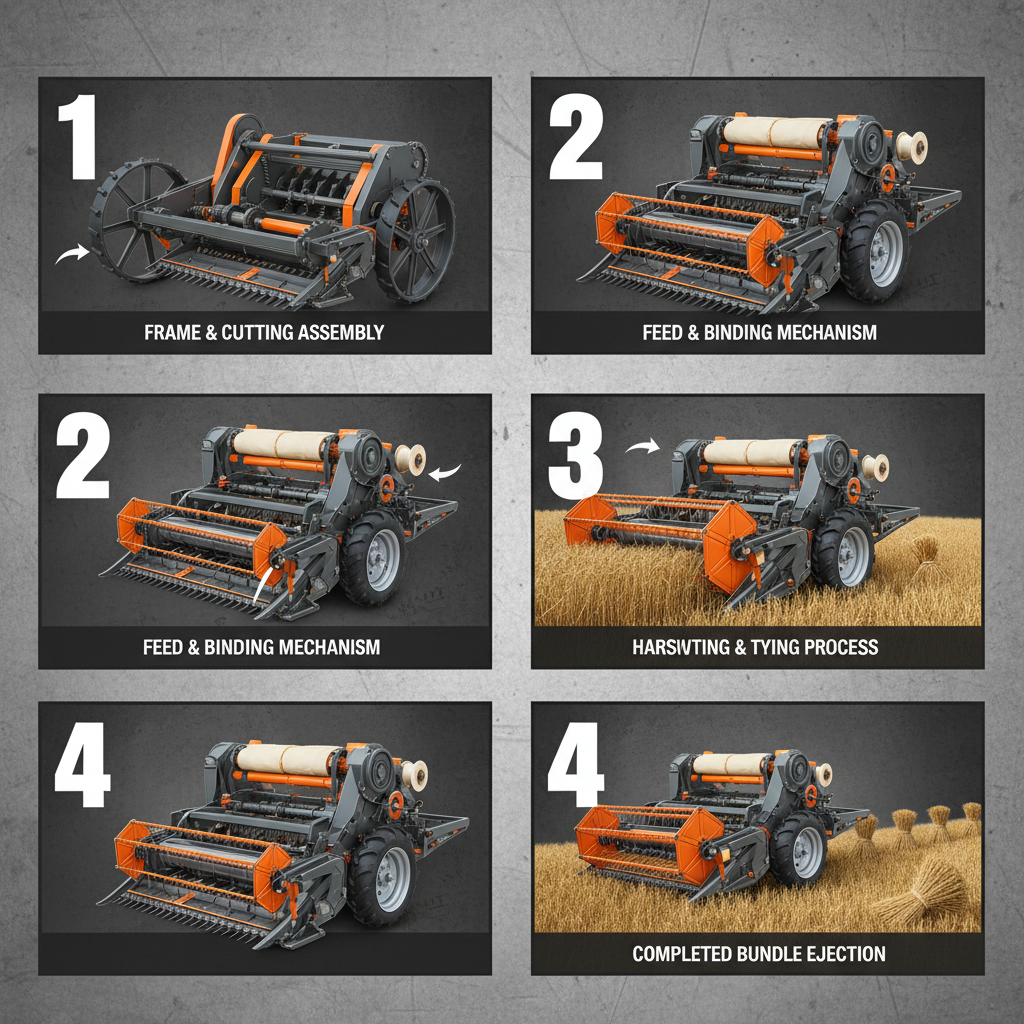
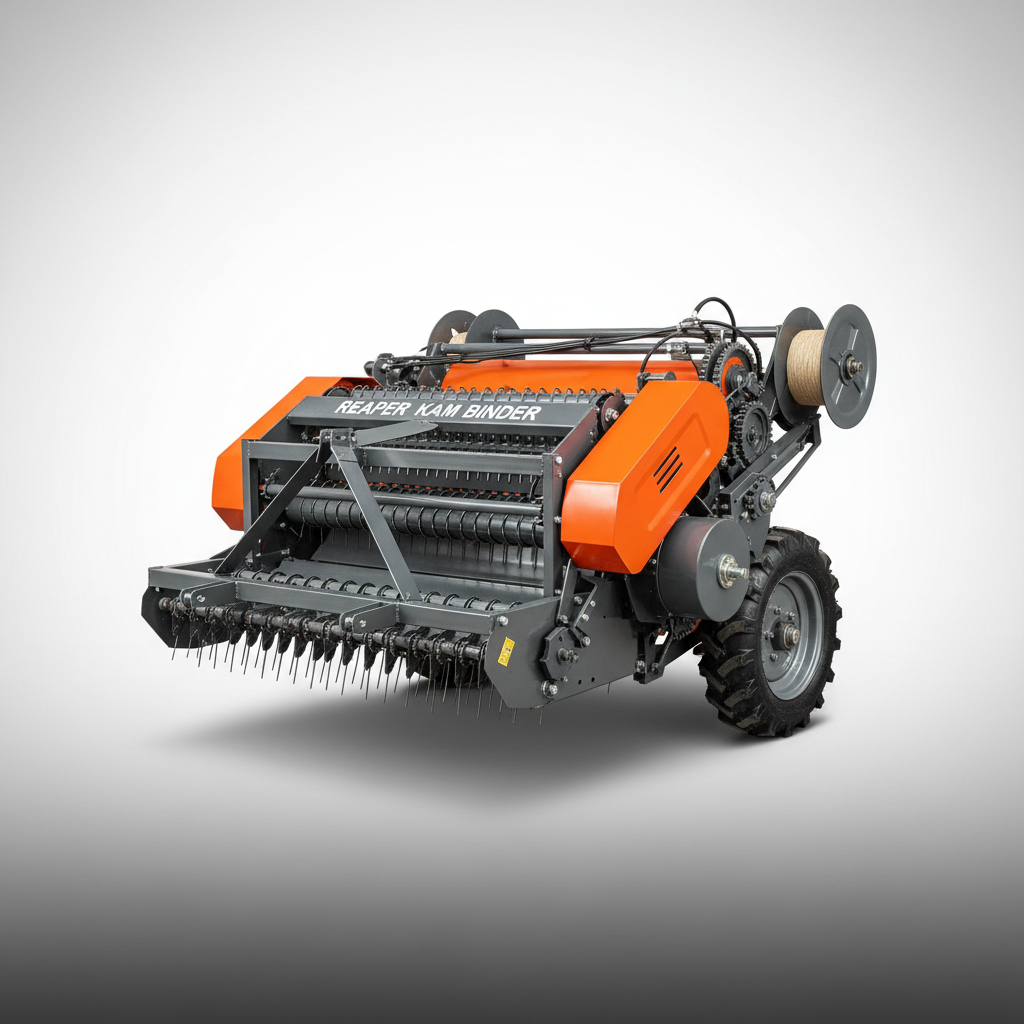
A grass cutter reaper is a farm implement used to harvest crops. It’s designed to cut the plants close to the ground and, in many models, to gather them into rows or windrows for easier collection. Historically, these were manually operated, but modern versions are largely powered by tractors or self-propelled engines. This transition has dramatically increased efficiency and reduced the physical strain on agricultural workers.
The connection between the grass cutter reaper and modern industry lies in its continuous evolution driven by technological advancements. Innovations in materials science, engine technology, and automation have all contributed to more efficient, reliable, and user-friendly designs. The grass cutter reaper has become a crucial piece of equipment in supporting both large-scale agricultural production and smaller, more sustainable farming practices.
Beyond simply harvesting, advanced grass cutter reapers often incorporate features such as adjustable cutting heights, automatic crop tying, and even real-time data collection for yield monitoring. These features demonstrate how the tool is adapting to the increasing demands for precision agriculture and sustainable land management.
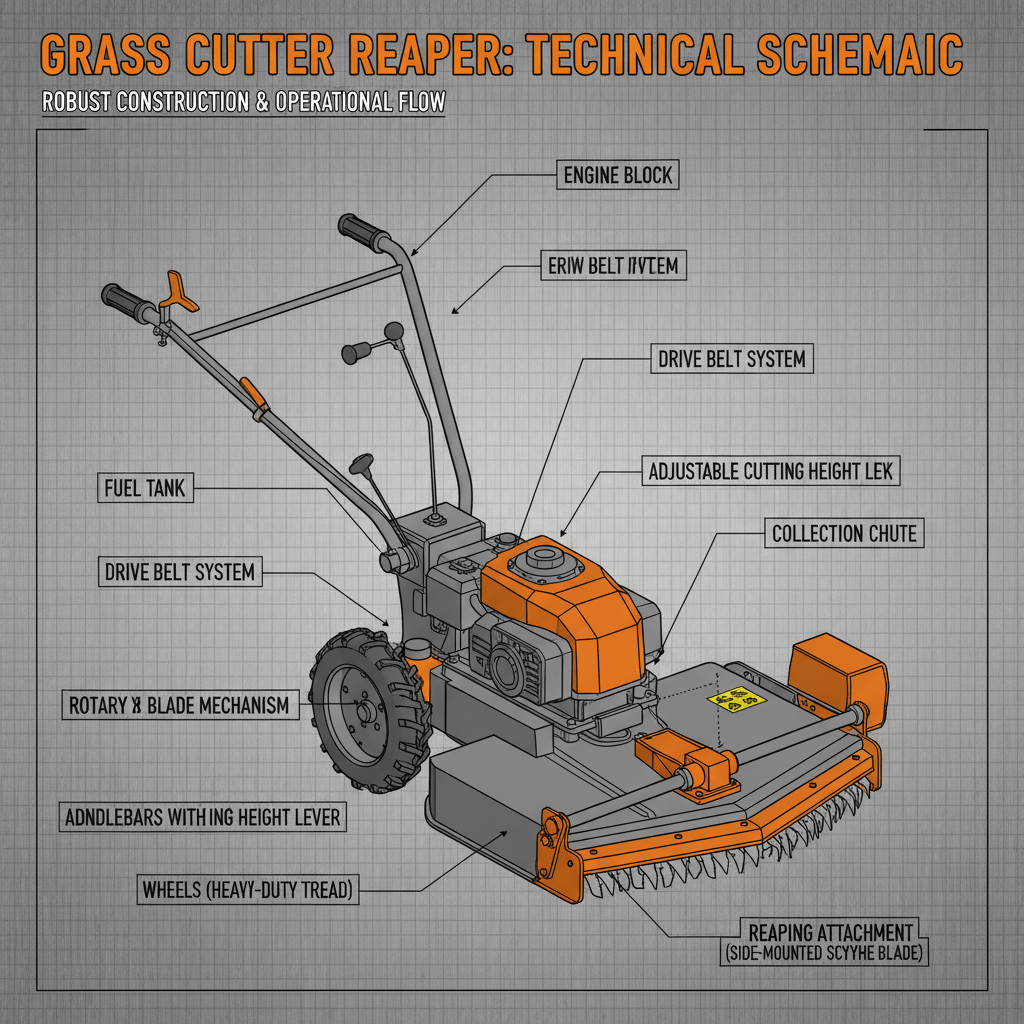
Core Components of a grass cutter reaper
The durability of a grass cutter reaper hinges on its construction materials and design. High-quality steel frames, hardened cutting blades, and robust drive systems are essential for withstanding the rigors of daily agricultural use. Regular maintenance and the use of corrosion-resistant coatings further contribute to the machine’s longevity, reducing downtime and replacement costs.
Scalability refers to the ability of a grass cutter reaper to adapt to different farm sizes and crop types. Models range from compact, walk-behind reapers suitable for small gardens to large, tractor-pulled machines capable of harvesting vast fields. This adaptability ensures that farmers of all scales can find a machine that meets their specific needs and budget.
Cost efficiency is a critical factor for farmers. The initial investment in a grass cutter reaper must be balanced against its long-term operating costs, including fuel, maintenance, and repairs. More efficient models, with lower fuel consumption and reduced maintenance requirements, offer a significant return on investment over their lifespan. The availability of affordable spare parts also contributes to overall cost-effectiveness.
Applications in Global Agriculture
Grass cutter reapers are vital in regions with extensive grain production, like the American Midwest and the Ukrainian steppes, where large-scale harvesting is paramount. These machines contribute significantly to the efficient production of wheat, barley, and other key cereal crops, ensuring a reliable supply of food.
In developing nations across Africa and Asia, grass cutter reapers are increasingly being used to enhance smallholder farmers' productivity. By reducing manual labor and improving harvest yields, these machines empower farmers to increase their income and improve their livelihoods, ultimately contributing to food security within their communities.
Beyond grain crops, grass cutter reapers find application in harvesting forage for livestock. In countries with extensive livestock farming, such as Argentina and Australia, efficient forage harvesting is crucial for maintaining healthy animal populations and maximizing agricultural output. The use of these machines ensures a consistent supply of quality feed for livestock.
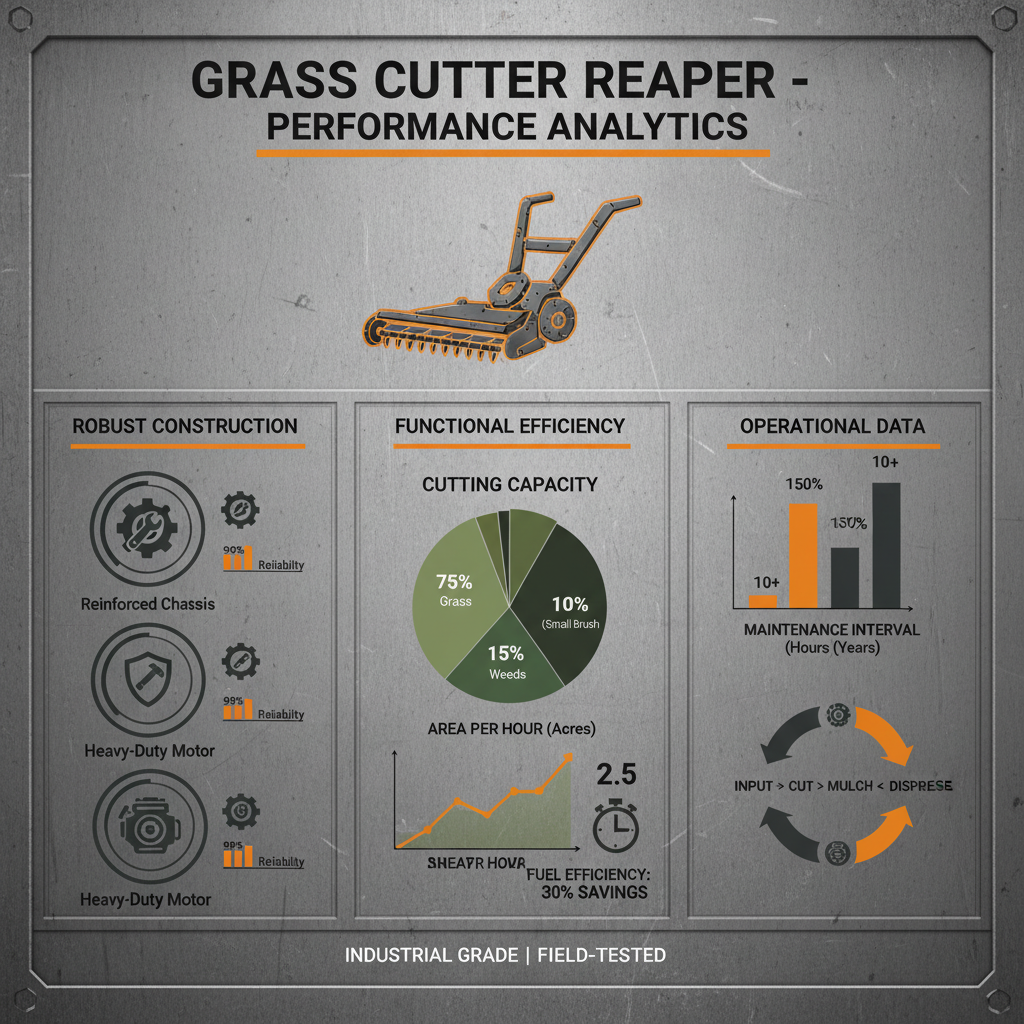
grass cutter reaper Performance Comparison
Benefits and Long-Term Value
The primary benefit of utilizing a grass cutter reaper is significant cost reduction through lowered labor expenses. Automated harvesting reduces the need for large teams of manual laborers, leading to substantial savings, especially for large-scale agricultural operations. This economic advantage allows farmers to reinvest in their businesses and improve their profitability.
From a sustainability perspective, modern grass cutter reapers often feature improved fuel efficiency and reduced emissions compared to older models. This contributes to a smaller carbon footprint and aligns with environmentally responsible farming practices. Furthermore, some models are designed to minimize soil compaction, preserving soil health and fertility.
Future Trends in grass cutter reaper Technology
The integration of GPS technology and automated steering systems is a key trend in the development of grass cutter reapers. This allows for precise harvesting paths, minimizing overlap and maximizing efficiency, particularly in large, complex fields. Real-time data collection and analysis further contribute to optimized harvesting strategies.
The development of electric and hybrid-powered grass cutter reapers represents a significant step towards sustainable agriculture. These machines reduce reliance on fossil fuels, lowering emissions and minimizing environmental impact. Advancements in battery technology are crucial for increasing the runtime and performance of these eco-friendly alternatives.
Robotics and artificial intelligence (AI) are poised to revolutionize harvesting operations. Autonomous grass cutter reapers, equipped with AI-powered vision systems, will be able to identify and selectively harvest crops, minimizing waste and maximizing yield. This technology has the potential to transform the agricultural landscape.
Challenges and Solutions
A common challenge is the high initial cost of advanced grass cutter reaper models, which can be prohibitive for smallholder farmers. Solutions include government subsidies, microfinance programs, and the development of more affordable, yet efficient, machines designed specifically for smaller-scale operations.
Maintenance and repair can be another hurdle, particularly in remote areas where access to skilled technicians and spare parts is limited. Establishing localized maintenance networks, providing training for local mechanics, and ensuring the availability of affordable spare parts are crucial for addressing this challenge.
Adapting grass cutter reapers to diverse crop types and terrains can also be difficult. Developing modular designs and adjustable settings that allow machines to be customized for specific applications is essential. Ongoing research and development are needed to create versatile reapers that can effectively harvest a wide range of crops in various environments.
Summary of Challenges and Solutions for grass cutter reaper
| Challenge |
Impact on grass cutter reaper Adoption |
Proposed Solution |
Implementation Feasibility (1-10) |
| High Initial Cost |
Limits access for smallholder farmers |
Subsidies, Microfinance, Affordable Models |
7 |
| Maintenance & Repair Access |
Increases downtime, reduces lifespan |
Local Networks, Training, Spare Parts Availability |
8 |
| Terrain & Crop Adaptability |
Limits versatility, reduces efficiency |
Modular Designs, Adjustable Settings, R&D |
6 |
| Operator Skill Requirement |
Requires specialized training |
Simplified Controls, User-Friendly Interfaces, Training Programs |
9 |
| Fuel Consumption |
Environmental impact, operational cost |
Electric/Hybrid Models, Engine Optimization |
7 |
| Data Integration & Analytics |
Lack of real-time insights for optimization |
Sensor Integration, Cloud Connectivity, Data Analytics Platforms |
5 |
FAQS
With regular maintenance, including lubrication, blade sharpening, and engine servicing, a high-quality grass cutter reaper can easily last for 5,000 to 10,000 operating hours. The lifespan also depends on the intensity of use and the operating environment. Protecting the machine from harsh weather conditions and storing it properly during off-season periods can further extend its life. Regular inspections for wear and tear, and prompt replacement of worn parts are crucial for maximizing longevity.
Safety is paramount. Always wear appropriate personal protective equipment (PPE), including safety glasses, gloves, and sturdy footwear. Before operation, inspect the machine for any loose parts or damage. Ensure the surrounding area is clear of people and obstacles. Never attempt to clear a jammed machine while the engine is running. Follow the manufacturer's instructions carefully and undergo proper training before operating the equipment. Regularly check the safety guards and shields to ensure they are functioning correctly.
Blade sharpness directly impacts cutting efficiency and fuel consumption. The frequency of sharpening depends on the type of crop being harvested and the soil conditions. As a general guideline, blades should be sharpened after every 25-50 acres of harvesting or at least once per season. Dull blades cause the engine to work harder, leading to increased fuel consumption and potentially damaging the machine. Regular inspection will reveal if sharpening is needed.
Self-propelled models offer greater maneuverability, particularly in smaller fields or areas with obstacles. They eliminate the need for a separate tractor, reducing overall equipment costs. Many self-propelled reapers are also equipped with more advanced features, such as adjustable cutting heights and automatic crop tying. They provide a more streamlined and efficient harvesting process for specific applications, although they might have a smaller capacity than larger tractor-pulled machines.
Yes, many countries offer government programs and incentives to support agricultural modernization, which may include assistance with the purchase of equipment like grass cutter reapers. These programs can take the form of subsidies, low-interest loans, or tax credits. The availability and specifics of these programs vary depending on the region and local regulations. It’s recommended to consult with local agricultural agencies or extension offices to determine eligibility and application procedures.
Proper storage is crucial for preserving the machine's condition. Clean the reaper thoroughly, removing any debris or crop residue. Drain all fluids, including fuel, oil, and coolant, to prevent corrosion. Store the machine in a dry, sheltered location, protected from the elements. Cover the machine to prevent dust and moisture accumulation. Disconnect the battery to prevent it from draining. Regularly inspect the machine during storage and address any minor issues before the next harvest season.
Conclusion
In conclusion, the grass cutter reaper stands as a pivotal tool in modern agriculture and land management. Its evolution, from basic manual implements to sophisticated, technologically advanced machines, reflects a commitment to enhancing efficiency, sustainability, and productivity. Understanding its core components, applications, and future trends is essential for anyone involved in these sectors. The benefits extend beyond mere cost savings, impacting food security, environmental sustainability, and the livelihoods of farmers worldwide.
Looking ahead, continued innovation in areas like automation, electric power, and data analytics will further refine the capabilities of the grass cutter reaper, paving the way for even more efficient and sustainable agricultural practices. Investing in this technology and supporting its development is crucial for addressing the global challenges of food production and environmental stewardship. Visit our website at www.hbniuboshi.com to learn more about our range of grass cutter reaper solutions.