0%

Table of Contents

The grass cutting reaper represents a significant advancement in agricultural efficiency, particularly vital in regions with extensive land requiring regular maintenance. From smallholder farms to large-scale commercial operations, the ability to quickly and effectively cut grass and other vegetation translates directly into increased productivity and reduced labor costs. Understanding the nuances of these machines – from their mechanical components to their operational best practices – is crucial for maximizing their benefits and contributing to global food security.

Globally, the demand for efficient grass cutting solutions is driven by the expanding agricultural sector and the increasing need to optimize land use. The advent of the grass cutting reaper addresses critical challenges faced by farmers, including labor shortages, rising operational expenses, and the need to improve harvesting yields. Innovations in this field directly impact economies reliant on agricultural output, influencing factors such as export potential and domestic food supply.

The grass cutting reaper isn't merely a piece of machinery; it's a facilitator of economic growth, increased agricultural yields, and improved quality of life for those involved in farming. As the world's population continues to grow, the demand for efficient and sustainable agricultural practices will only intensify, further solidifying the role of the grass cutting reaper in shaping the future of food production.
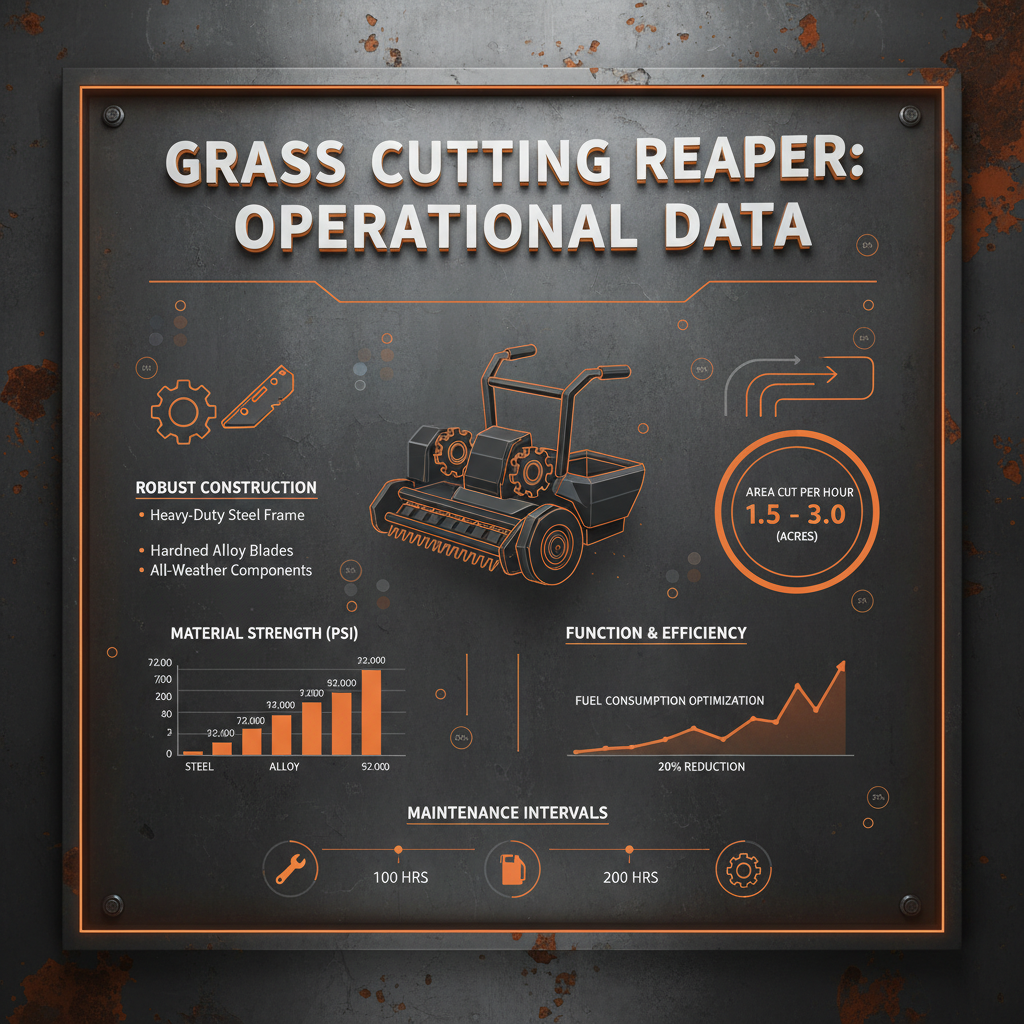
Advancements in Agricultural Efficiency with the Grass Cutting Reaper

The Core Functionality of grass cutting reaper

Advancements in Agricultural Efficiency with the Grass Cutting Reaper

At its core, a grass cutting reaper is engineered to efficiently harvest grass and similar vegetation. This is achieved through a combination of rotating blades, a cutting mechanism, and a conveyance system, all working in concert to separate the cut material from the standing crop. Modern reapers incorporate various technologies to optimize cutting height, minimize crop damage, and ensure a consistent harvest.

The primary function extends beyond simple cutting; many grass cutting reaper models also include features for raking, windrowing, and even baling, streamlining the entire harvesting process. This integrated approach significantly reduces the time and labor required, allowing farmers to maximize their output and optimize resource allocation.

Historical Development of grass cutting reaper

The evolution of the grass cutting reaper traces back to the need for more efficient harvesting methods than manual labor. Early iterations, dating back to the 19th century, involved horse-drawn machines with simple cutting bars. These initial designs significantly reduced the physical strain on workers, but were limited in speed and capacity.

The 20th century saw the introduction of tractor-powered reapers, ushering in a new era of agricultural mechanization. Further advancements included self-propelled models, hydraulic systems, and improved blade designs, steadily increasing the efficiency and reliability of these machines. Today’s grass cutting reaper leverages GPS technology, automated controls, and advanced sensor systems for precision harvesting.

Continuous innovation, driven by the demands of modern agriculture, has transformed the grass cutting reaper from a simple labor-saving device into a sophisticated piece of equipment essential for large-scale food production.

Key Mechanical Components of grass cutting reaper

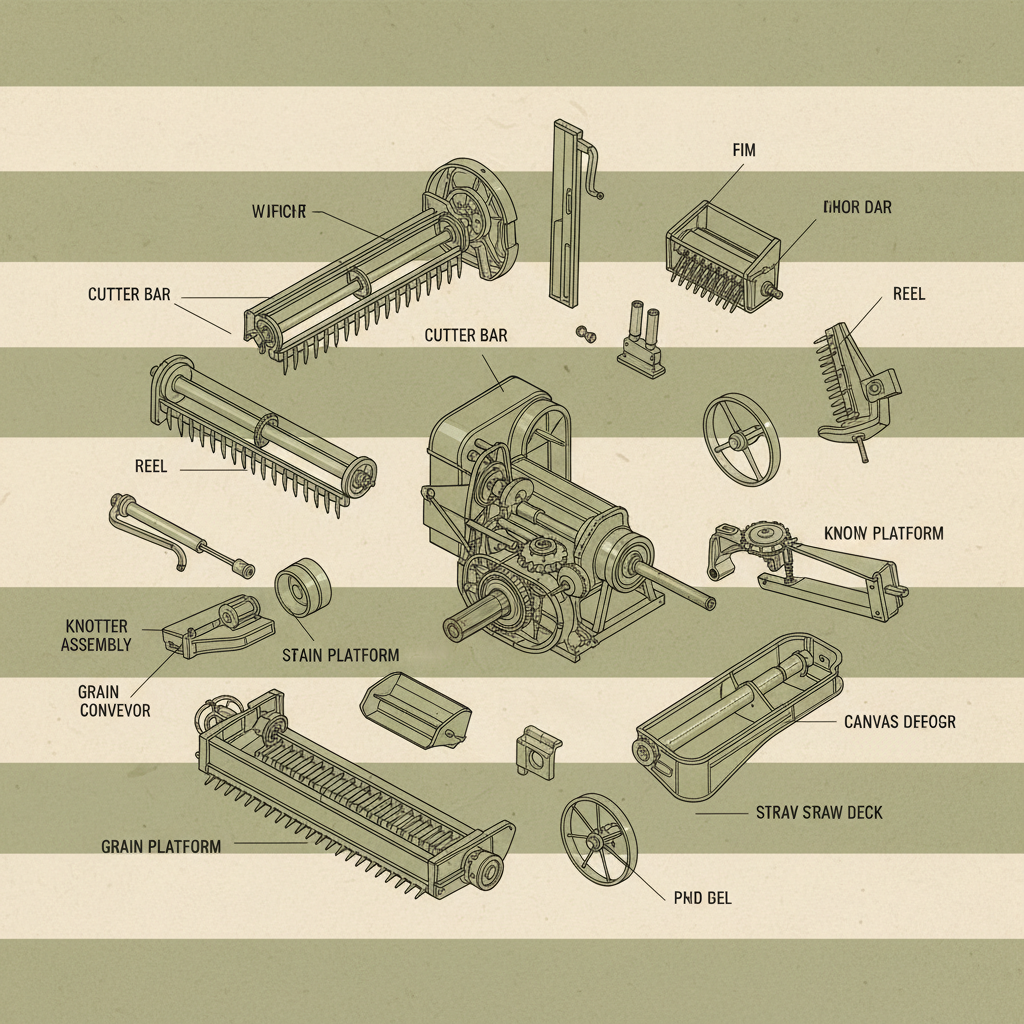
A grass cutting reaper comprises several key mechanical components working in unison. The cutting mechanism, typically featuring rotating blades or sickle bars, is responsible for severing the vegetation. A reel, often with closely spaced fingers, gently feeds the crop towards the cutting edge for a clean cut.

The power transmission system, usually a combination of gears, chains, and belts, transfers energy from the engine or tractor to the cutting and conveyance mechanisms. Finally, the conveyance system – often an auger or conveyor belt – moves the cut material away from the cutting area, depositing it into windrows or directly onto a trailer.

The precise design and arrangement of these components vary depending on the specific model and intended application, but they all share the common goal of efficiently and effectively harvesting grass and related crops.

Performance Metrics of grass cutting reaper

Evaluating the performance of a grass cutting reaper requires considering several key metrics. Cutting capacity, measured in hectares or acres per hour, indicates the area that can be harvested within a given timeframe. Loss rate, representing the amount of crop left unharvested in the field, is a critical indicator of efficiency.

Fuel consumption, often expressed as liters or gallons per hectare, directly impacts operational costs. Furthermore, maintenance frequency and downtime are crucial factors to consider, as they influence overall productivity and profitability.

grass cutting reaper Performance Comparison


Global Applications of grass cutting reaper

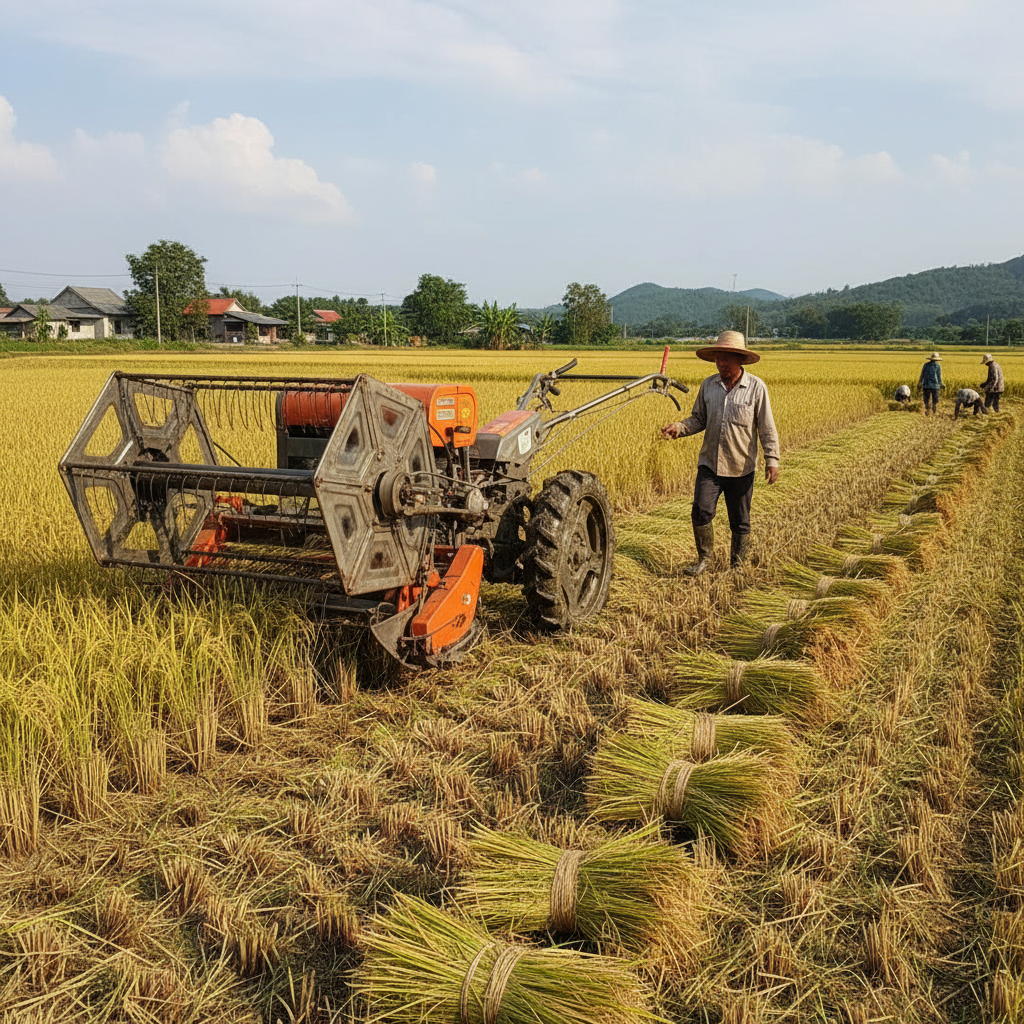
The grass cutting reaper finds widespread application in diverse agricultural settings globally. In North America and Europe, it's a mainstay for harvesting hay, alfalfa, and silage for livestock feed. In Asia, it's used extensively for rice straw harvesting and forage production.

Across South America, it plays a vital role in the production of pasture grasses for cattle ranching. Even in regions with smaller-scale farming operations, the grass cutting reaper provides significant benefits, reducing labor demands and improving overall efficiency.

Economic Impact of grass cutting reaper

The economic impact of the grass cutting reaper is substantial. By reducing labor costs and increasing harvesting efficiency, it directly boosts farm profitability. Increased yields and improved forage quality contribute to higher livestock production, further enhancing economic returns.

The ripple effect extends beyond the farm gate, supporting industries involved in machinery manufacturing, maintenance, and agricultural supply chains. The accessibility of affordable and reliable grass cutting reaper technology empowers farmers, promoting economic growth and rural development.

Furthermore, efficient harvesting reduces post-harvest losses, maximizing the value of agricultural output and contributing to food security.

Maintenance and Longevity of grass cutting reaper

Proper maintenance is crucial for ensuring the longevity and optimal performance of a grass cutting reaper. Regular inspections, lubrication of moving parts, and blade sharpening are essential preventative measures.

Timely replacement of worn components, such as belts, bearings, and seals, prevents more significant and costly repairs. Adhering to the manufacturer's recommended maintenance schedule is vital for maximizing the machine's lifespan and minimizing downtime.

Investing in quality parts and skilled maintenance personnel ensures that the grass cutting reaper continues to deliver reliable service for years to come, maximizing the return on investment.

Summary of Key Maintenance Practices for grass cutting reaper

Maintenance Task Frequency Estimated Cost (USD) Impact on Performance
Blade Sharpening Every 25-50 acres $50 - $150 Improved cutting efficiency, reduced fuel consumption
Lubrication of Moving Parts Every 8-12 hours of operation $20 - $50 Reduced wear and tear, smoother operation
Belt and Chain Inspection/Replacement Annually or as needed $100 - $300 Prevents breakdowns, maintains power transmission
Hydraulic System Check Annually $75 - $200 Ensures proper operation of hydraulic components
Bearing Inspection and Replacement Every 2-3 seasons $50 - $150 per bearing Reduces friction, prevents overheating
Overall System Inspection Annually $100 - $250 Identifies potential issues before they become major problems

FAQS

What is the typical lifespan of a well-maintained grass cutting reaper?

A grass cutting reaper, with diligent maintenance including regular lubrication, blade sharpening, and timely replacement of worn parts, can typically operate effectively for 10-15 years or even longer. Factors like operating conditions (e.g., terrain, crop type), the quality of initial construction, and the frequency of use all influence its lifespan. Proper storage during off-season months is also crucial for preventing corrosion and degradation.

What safety precautions should be followed when operating a grass cutting reaper?

Safety is paramount. Always wear appropriate personal protective equipment (PPE), including safety glasses, gloves, and sturdy footwear. Before operation, thoroughly inspect the machine for any loose parts or damage. Keep bystanders clear of the cutting area, and never attempt to adjust or repair the machine while it's running. Always follow the manufacturer’s operating instructions and adhere to local safety regulations.

How do I choose the right grass cutting reaper for my farm?

Selecting the appropriate reaper depends on several factors. Consider the size of your farm, the type of crop you're harvesting, the terrain, and your budget. Determine whether you need a pull-type or self-propelled model. Assess the cutting capacity required to meet your harvesting needs. It's beneficial to consult with agricultural experts and compare different models before making a decision.

What is the best way to store a grass cutting reaper during the off-season?

Proper storage is essential to prevent damage during the off-season. Clean the machine thoroughly, removing any crop residue. Lubricate all moving parts to prevent corrosion. Store the reaper in a dry, sheltered location, preferably indoors. Cover the machine to protect it from dust and the elements. If stored outdoors, elevate it off the ground to prevent moisture damage.

What are the common problems encountered with grass cutting reapers and how can they be resolved?

Common issues include blade dullness, belt slippage, and clogging of the cutting mechanism. Dull blades can be sharpened or replaced. Belt slippage can be addressed by tightening the belt or replacing it if worn. Clogging can be prevented by operating at the correct speed and avoiding overly dense crop conditions. Regularly inspect and maintain the machine to identify and address potential problems early on.

Are there any government subsidies or financial assistance programs available for purchasing a grass cutting reaper?

Many governments and agricultural organizations offer subsidies or financial assistance programs to support farmers in acquiring modern agricultural equipment like grass cutting reapers. These programs vary by region and may be subject to specific eligibility requirements. Research local and national agricultural agencies to identify available funding opportunities. These programs aim to enhance agricultural productivity and promote sustainable farming practices.

Conclusion

In conclusion, the grass cutting reaper has evolved from a simple labor-saving device into a sophisticated piece of agricultural machinery, playing a critical role in modern food production. Its ability to enhance efficiency, reduce costs, and improve yields makes it an invaluable asset for farmers worldwide. Understanding its core functionality, historical development, and key components is vital for maximizing its benefits and ensuring its long-term sustainability.

Looking ahead, continued innovation in the grass cutting reaper space will focus on automation, precision technology, and environmentally friendly designs. Investing in regular maintenance, adopting best operating practices, and exploring available financial assistance programs will further empower farmers to leverage the full potential of this essential agricultural tool. Visit our website at www.hbniuboshi.com to learn more about our range of grass cutting reapers and how we can help optimize your harvesting operations.


Michael Thompson

Michael Thompson

Michael Thompson is a seasoned Product Manager at Hebei Niuboshi Machinery Equipment Co., Ltd., with a focus on lawn mowers and landscaping equipment. He’s responsible for understanding market needs and translating them into practical product specifications. Michael has been with Niuboshi since 2019, and has significantly expanded our lawn mower
Previous Advancing Agricultural Efficiency with the Hand Reaper Machine Technology
Next Advancements in Grass Cutter Reaper Technology for Efficient Land Management