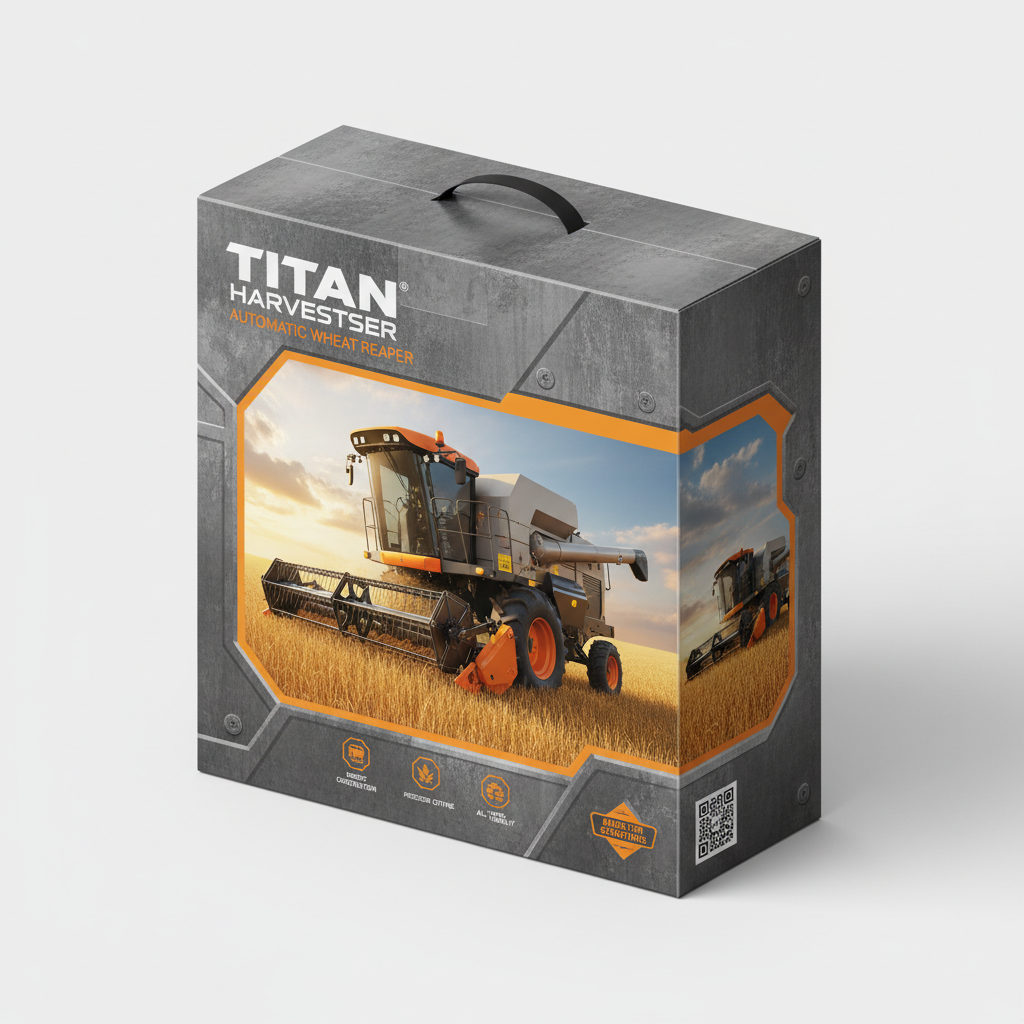
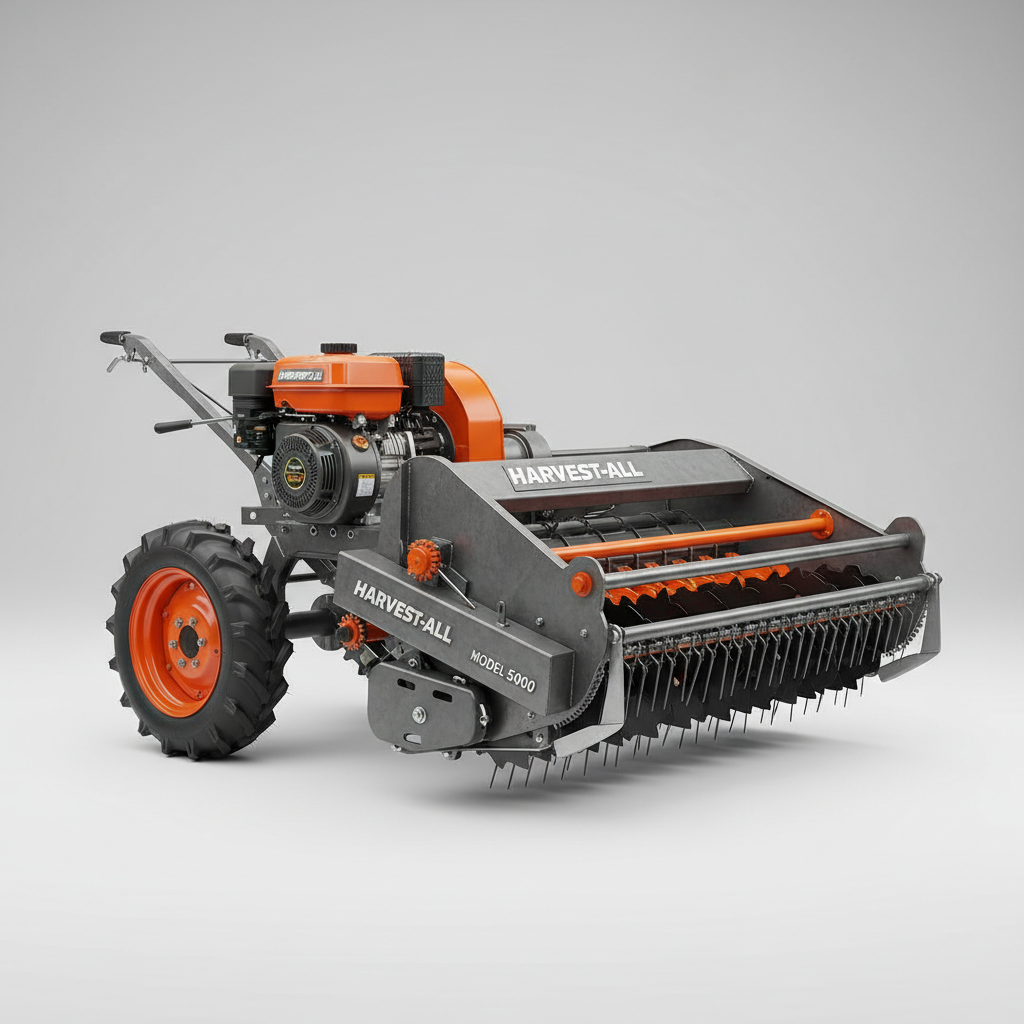
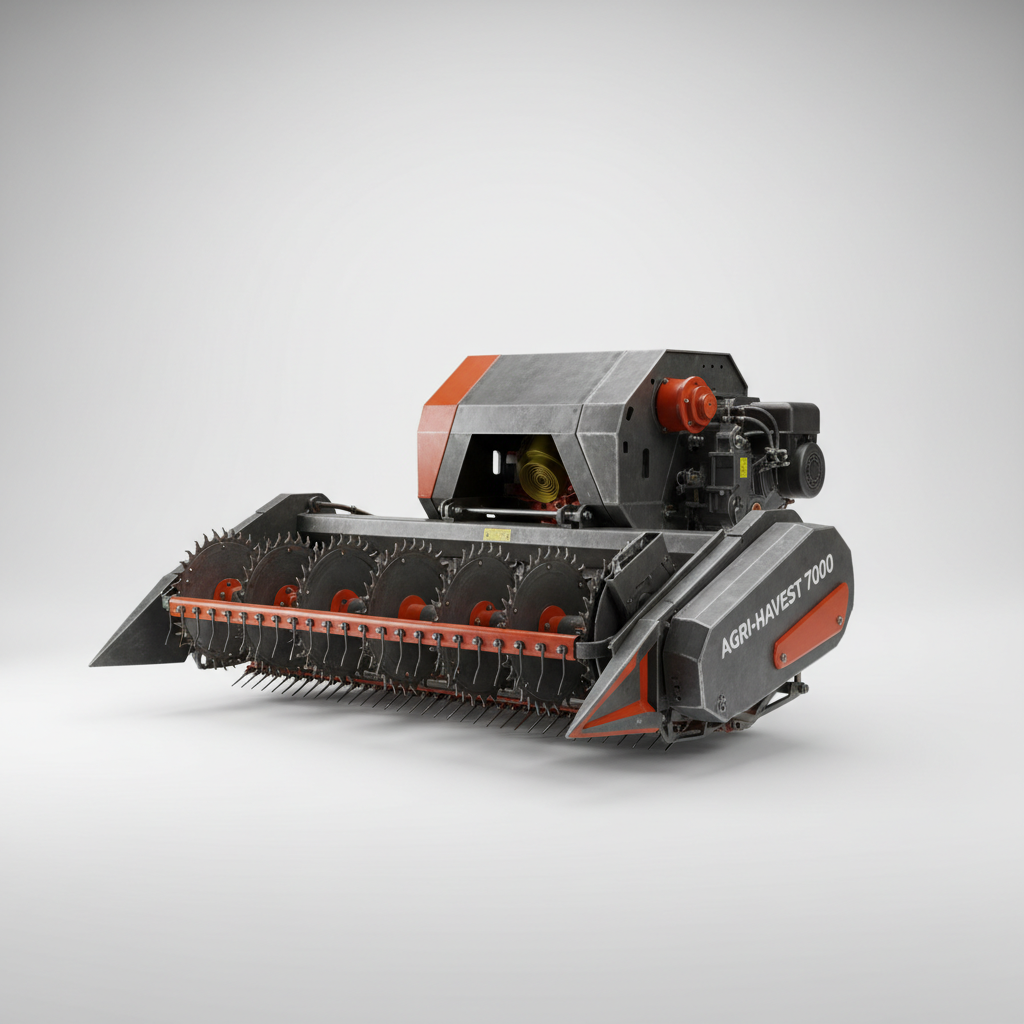
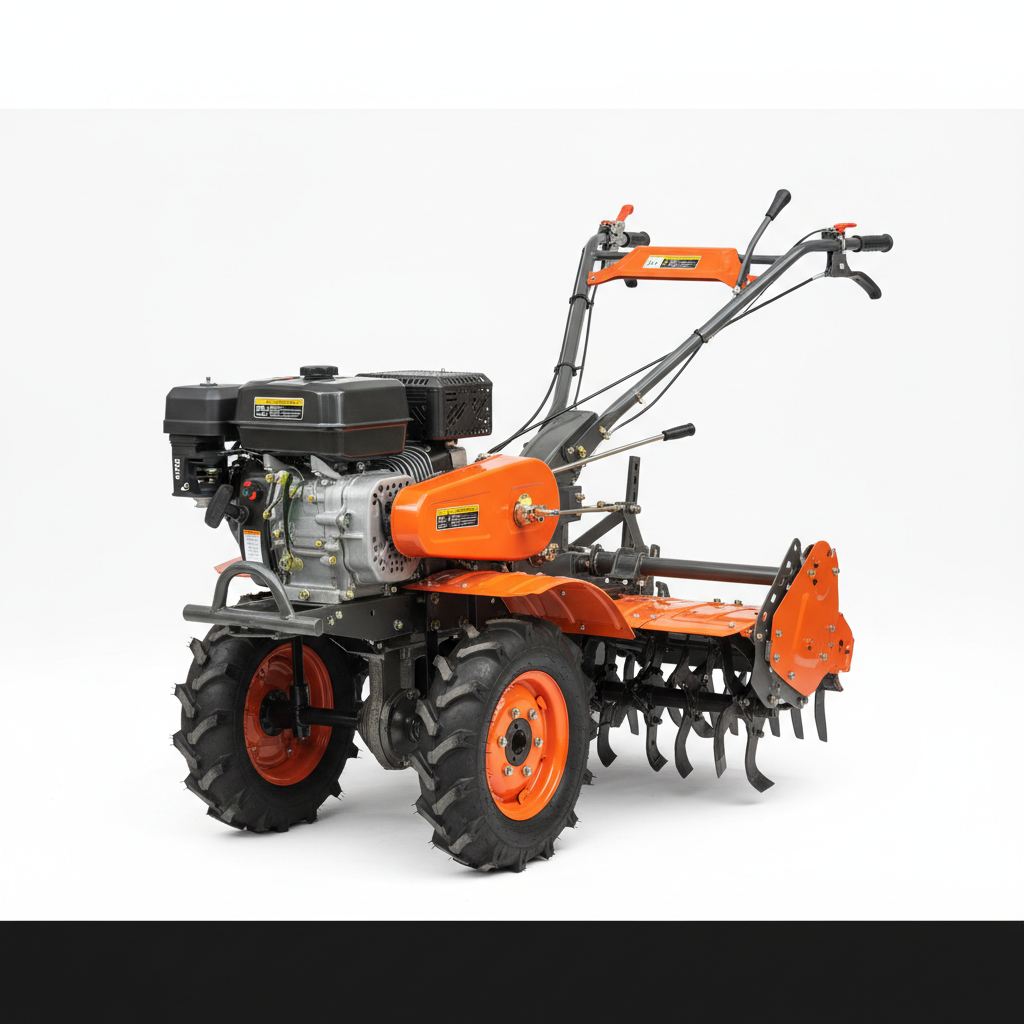
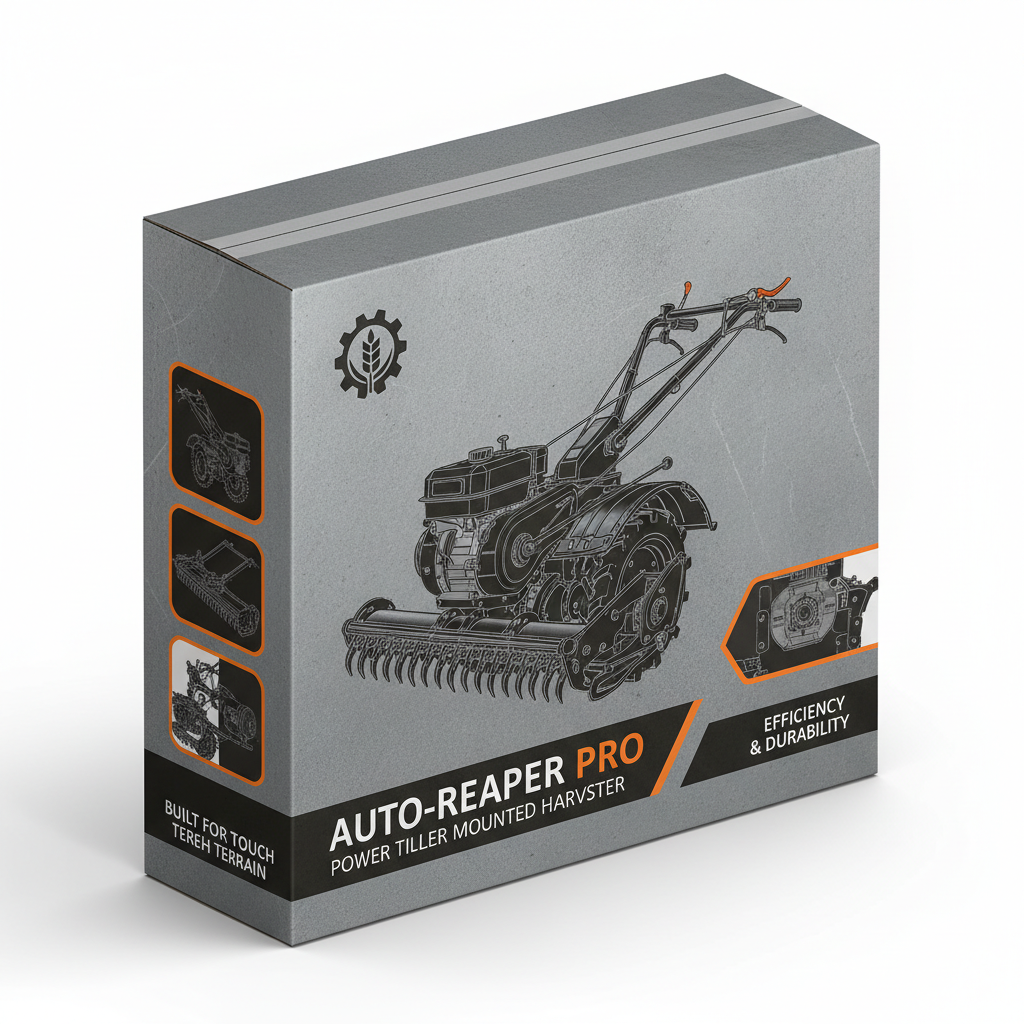
Look, I’ve spent the last fifteen years knee-deep in dust and steel, watching harvests fail because of outdated equipment. A reliable reaper for harvesting wheat isn't just about efficiency; it's about livelihoods. It's about feeding families and keeping pace with a growing world. We’re talking about reducing waste, maximizing yield, and ultimately, putting more money in the pockets of the people who actually do the hard work. Seeing fields flattened by inefficient machinery, and grain left rotting – it's a waste that’s been gnawing at me for years.
The biggest issue isn’t necessarily if you can harvest, but how much you lose in the process. Old machines break down, they're difficult to repair, and they leave a significant amount of crop behind. This impacts not only the farmer’s income but also the overall food supply chain. A modern reaper for harvesting wheat is an investment, plain and simple, and it needs to be built to withstand the rigors of real-world farming, not just look good in a brochure.
What I've consistently seen is the demand for a solution that's not just powerful, but adaptable. Different terrains, different crop densities, different climates – a one-size-fits-all approach simply doesn't cut it. That's why the new generation of reaper for harvesting wheat focuses on modularity and customization, allowing farmers to tailor the machine to their specific needs.
The Importance of a Reliable Reaper
Let’s be clear: a reaper for harvesting wheat isn't a luxury; it’s a necessity. Globally, we're facing increasing demands for food production, coupled with a shrinking agricultural workforce. We need to maximize every single kernel harvested. A breakdown in the field during peak season can be catastrophic, leading to significant financial losses for farmers and potential disruptions in the food supply.
I've seen too many farms operate on the edge, relying on aging equipment that requires constant patching and repair. The downtime alone negates any potential cost savings. What farmers really need is a machine they can depend on, day in and day out, without the constant fear of mechanical failure. That reliability is priceless.
Defining Modern Reaper Technology
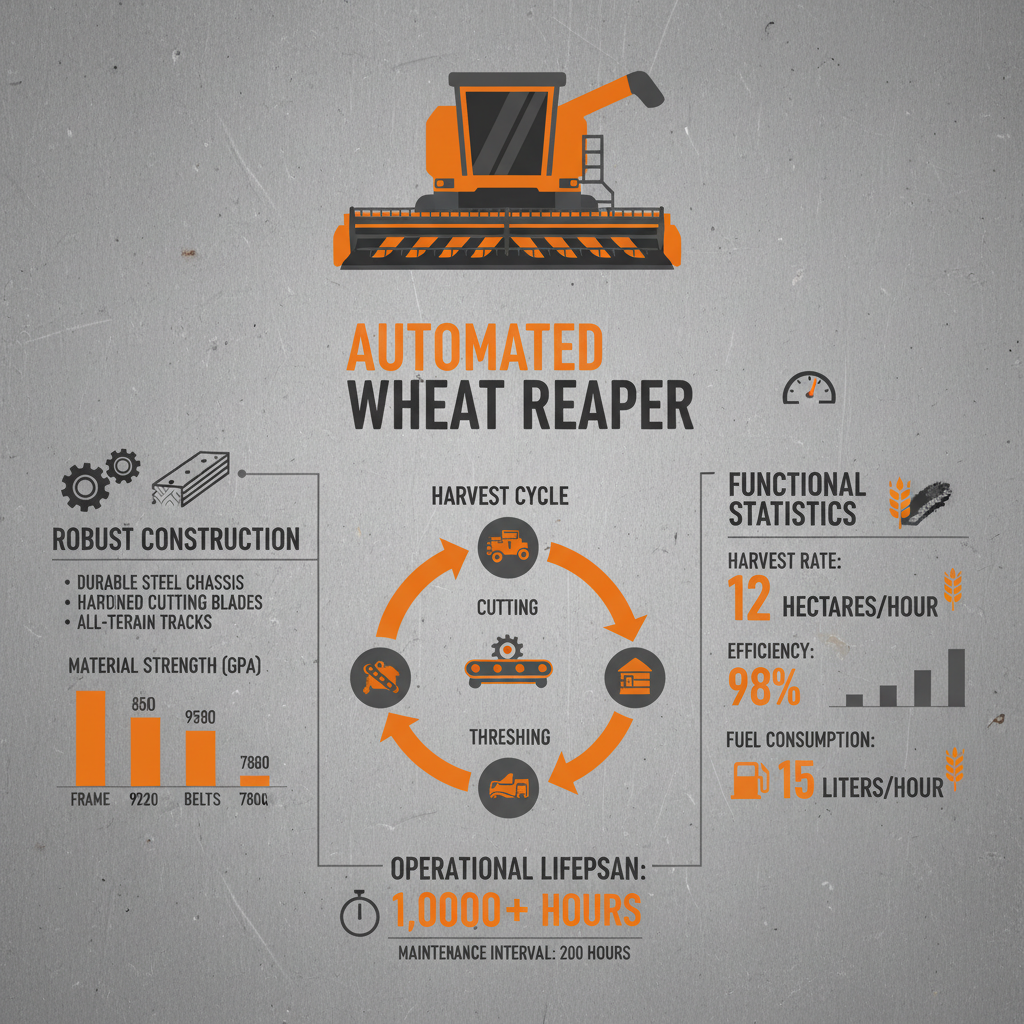
When we talk about a modern reaper for harvesting wheat, we're talking about a lot more than just a cutting blade. It's a sophisticated system integrating precision sensors, automated controls, and data analytics. Think self-leveling headers that adapt to uneven terrain, GPS-guided steering for efficient row following, and real-time monitoring of crop yield and machine performance.
This technology allows for optimized harvesting speed and minimal grain loss. It’s about maximizing efficiency, reducing operator fatigue, and providing valuable data insights that can help farmers improve their overall operations. We're moving beyond simply collecting the harvest to understanding the harvest.
Ultimately, these advancements aren’t about replacing the farmer; they’re about empowering them with tools that allow them to work smarter, not harder. A good machine should be an extension of the farmer's skill and experience, not a hindrance.
Key Factors: Durability and Performance
From my time on the ground, the two biggest concerns I hear are durability and performance. Farmers need machines that can withstand the harsh conditions of the field – scorching sun, torrential rain, rocky terrain. Cheap materials and flimsy construction simply won’t cut it. We're talking about hardened steel, reinforced components, and rigorous testing to ensure longevity.
Performance is equally crucial. A reaper for harvesting wheat needs to be able to handle different crop types and densities efficiently. It needs to minimize grain loss, even in challenging conditions. That means precise cutting mechanisms, effective threshing systems, and efficient grain separation. And it all needs to be easily adjustable to suit varying field conditions.
It's a balancing act. You want a powerful machine, but you also want one that's fuel-efficient and easy to maintain. That's where smart engineering and advanced materials come into play.
Global Applications and Impact
The need for an efficient reaper for harvesting wheat extends far beyond developed nations. In developing countries, where manual harvesting is still prevalent, these machines can dramatically improve productivity and reduce post-harvest losses. This isn't just about economics; it's about food security.
We’re seeing increased demand in regions like Sub-Saharan Africa and Southeast Asia, where smallholder farmers are increasingly adopting mechanized agriculture. However, these farmers often have limited access to capital and technical support. That's why affordability and ease of maintenance are critical factors.
I've been involved in projects that introduce these machines to communities that have traditionally relied on back-breaking manual labor. The impact is transformative. It frees up labor for other essential tasks, improves income levels, and empowers farmers to invest in their futures.
Harvest Efficiency by Reaper Model
Advantages & Long-Term Value Proposition
Investing in a high-quality reaper for harvesting wheat delivers tangible benefits across the board. Reduced labor costs, increased yields, and minimized grain loss translate directly into higher profits for farmers. But it goes beyond the financial.
Consider the social impact: Safer working conditions, reduced physical strain, and the ability to attract younger generations back to farming. These machines aren't just tools; they're enablers of sustainable agricultural practices and thriving rural communities.
Future Trends and Innovations
We're on the cusp of a new era in agricultural technology. Expect to see even greater integration of automation, artificial intelligence, and data analytics in reaper for harvesting wheat designs. Things like autonomous harvesting systems and predictive maintenance will become increasingly commonplace.
Sustainability is also a major driving force. We're exploring alternative fuels, more efficient engine designs, and the use of bio-based materials in machine construction to minimize environmental impact.
The future isn't just about building better machines; it's about building smarter and more sustainable machines.
Challenges & Sustainable Solutions
Despite all the advancements, challenges remain. The initial investment cost can be prohibitive for smallholder farmers. Access to spare parts and qualified technicians can be limited in remote areas. And the environmental impact of manufacturing and operating these machines needs to be carefully considered.
We need to address these challenges through innovative financing models, improved training programs, and the development of more durable and environmentally friendly machines. Collaboration between manufacturers, governments, and NGOs is essential.
The goal isn’t just to sell machines; it’s to build a sustainable agricultural ecosystem that benefits everyone involved – from the farmer in the field to the consumer at the table.
Summary of Long-Term Sustainability Challenges for Reaper Technology
| Challenge Category |
Specific Obstacle |
Potential Impact (Scale 1-10) |
Proposed Solution |
| Economic Accessibility |
High upfront cost of machines |
8 |
Subsidized loan programs, leasing options |
| Technological Infrastructure |
Limited access to repair technicians |
7 |
Mobile repair units, remote diagnostics |
| Environmental Impact |
Fuel consumption and emissions |
6 |
Biofuel adoption, hybrid technology |
| Skills & Training |
Lack of operator training |
5 |
Comprehensive training programs, user-friendly interfaces |
| Spare Parts Availability |
Long lead times for replacement parts |
7 |
Localized manufacturing, robust supply chains |
| Data Security |
Protecting farmer data from misuse |
4 |
Secure data storage, transparent data usage policies |
FAQS
With regular servicing – oil changes, filter replacements, and careful attention to wear and tear – a well-built reaper can easily last 10,000-15,000 hours. That translates to 15-20 years of reliable service for many farmers, especially with advancements in component durability. We build these machines to withstand years of tough use.
Newer models benefit from engine advancements and optimized designs, resulting in significantly improved fuel efficiency. You can expect a reduction of 15-25% in fuel consumption compared to older machines. This not only saves money but also reduces the environmental impact of harvesting.
While modern reapers have advanced features, they are designed with user-friendliness in mind. Basic operation requires minimal training, but more complex maintenance tasks may require a skilled technician. We offer comprehensive training programs to equip operators with the necessary skills.
Yes, we work with various financial institutions to offer flexible financing options tailored to the needs of farmers. These options may include subsidized loans, leasing programs, and installment plans. We understand that the initial investment can be significant, and we’re committed to making our machines accessible.
Our reapers are designed for versatility. Adjustable header heights, cutting speeds, and threshing settings allow operators to adapt to various wheat varieties and field conditions – from short-strawed varieties to uneven terrain. Advanced sensor technology further optimizes performance in challenging environments.
Safety is paramount. Modern reapers are equipped with numerous safety features, including emergency stop buttons, rollover protection structures (ROPS), and shielding around moving parts. We also prioritize clear warning labels and operator training to minimize the risk of accidents.
Conclusion
A reliable reaper for harvesting wheat is more than just a machine; it’s an investment in food security, economic stability, and sustainable agriculture. From reducing post-harvest losses to improving farmer livelihoods, the benefits are far-reaching. The ongoing integration of technology, coupled with a commitment to durability and environmental responsibility, will continue to drive innovation in this critical sector.
Looking ahead, the key will be to make these advancements accessible to farmers of all sizes and in all regions. By fostering collaboration between manufacturers, governments, and NGOs, we can ensure that the benefits of modern harvesting technology are shared equitably, contributing to a more sustainable and food-secure future. Visit our website today at www.hbniuboshi.com to learn more about how we can help you maximize your harvest.