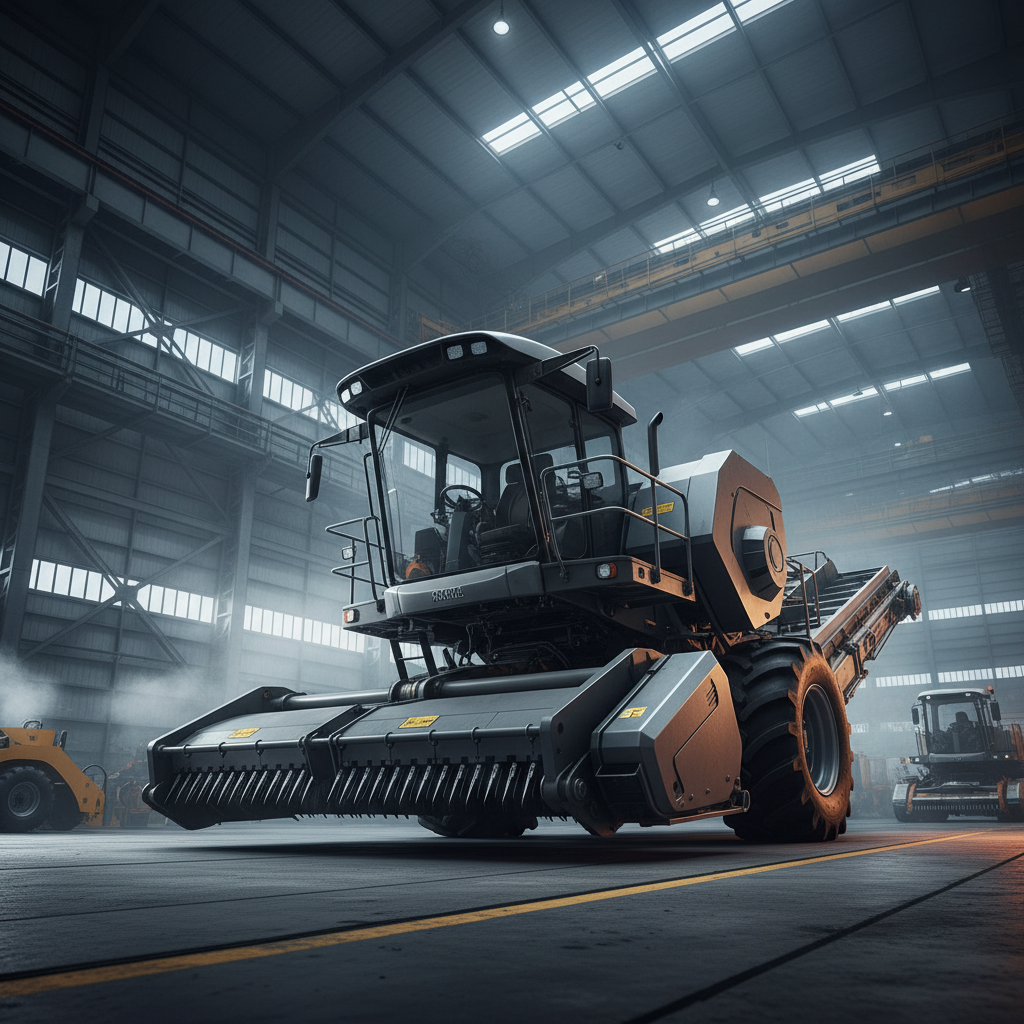
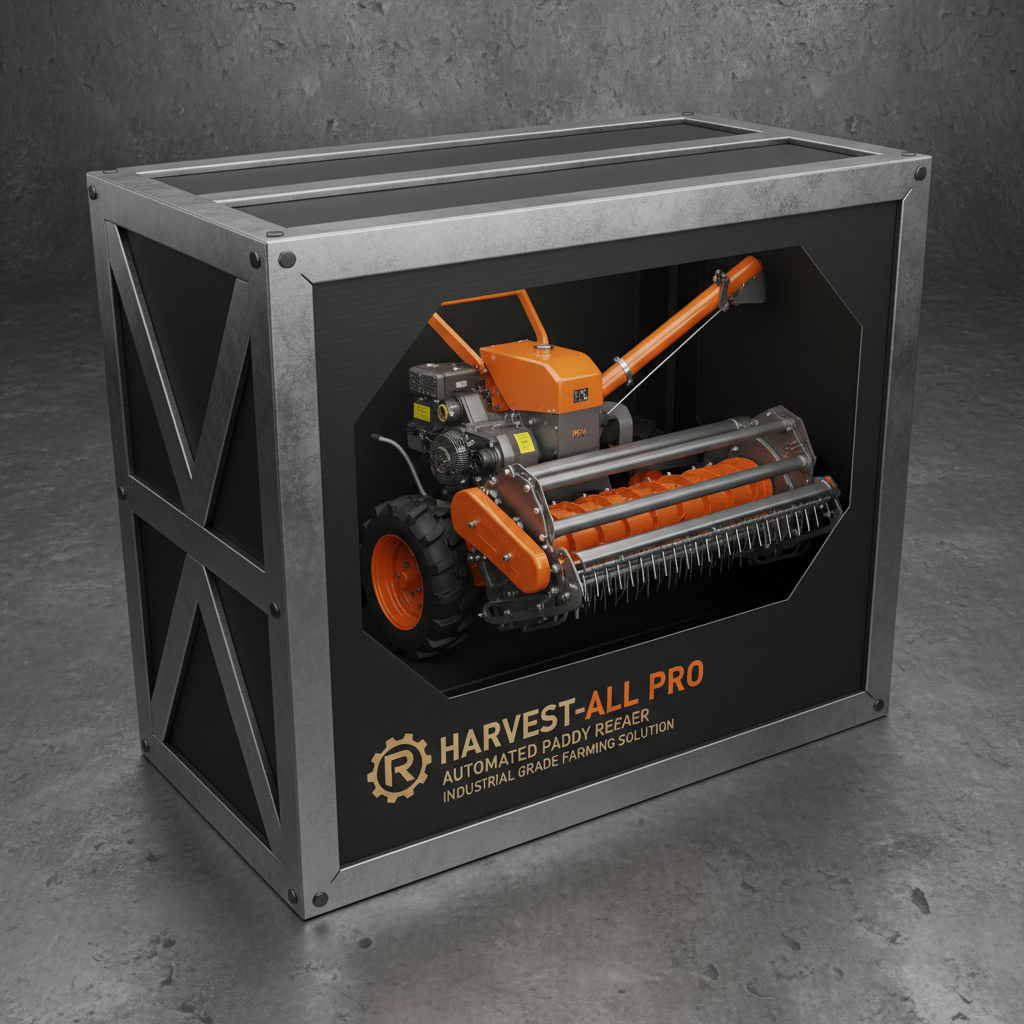
The world relies heavily on efficient rice harvesting, and for decades, that meant back-breaking labor. But things are changing, and quickly. We're seeing a real shift toward mechanized solutions, and at the heart of that is the modern reaper for harvesting rice. It’s not just about replacing manual work, it's about doing it better – maximizing yields, minimizing loss, and improving the livelihoods of farmers. I've spent years on the ground with these machines, watching them evolve from basic concepts to the sophisticated tools they are today.
What I’ve learned is that it’s not a one-size-fits-all solution. Rice paddies vary dramatically - terrain, rice variety, climate… it all matters. That’s why we’re seeing a diversification of reaper designs, from self-propelled models for large-scale farms to smaller, more adaptable options for smaller plots. The impact goes beyond just the field, influencing everything from post-harvest processing to transportation logistics. It’s a complex system, and the reaper is a critical piece.
And it's not just about the big commercial operations. I’ve seen first-hand how access to a reliable reaper for harvesting rice can transform a small family farm, freeing up time and resources for other vital activities. It’s a game-changer, and the demand is only going to increase as the global population continues to grow.
The Core Principles of reaper for harvesting rice
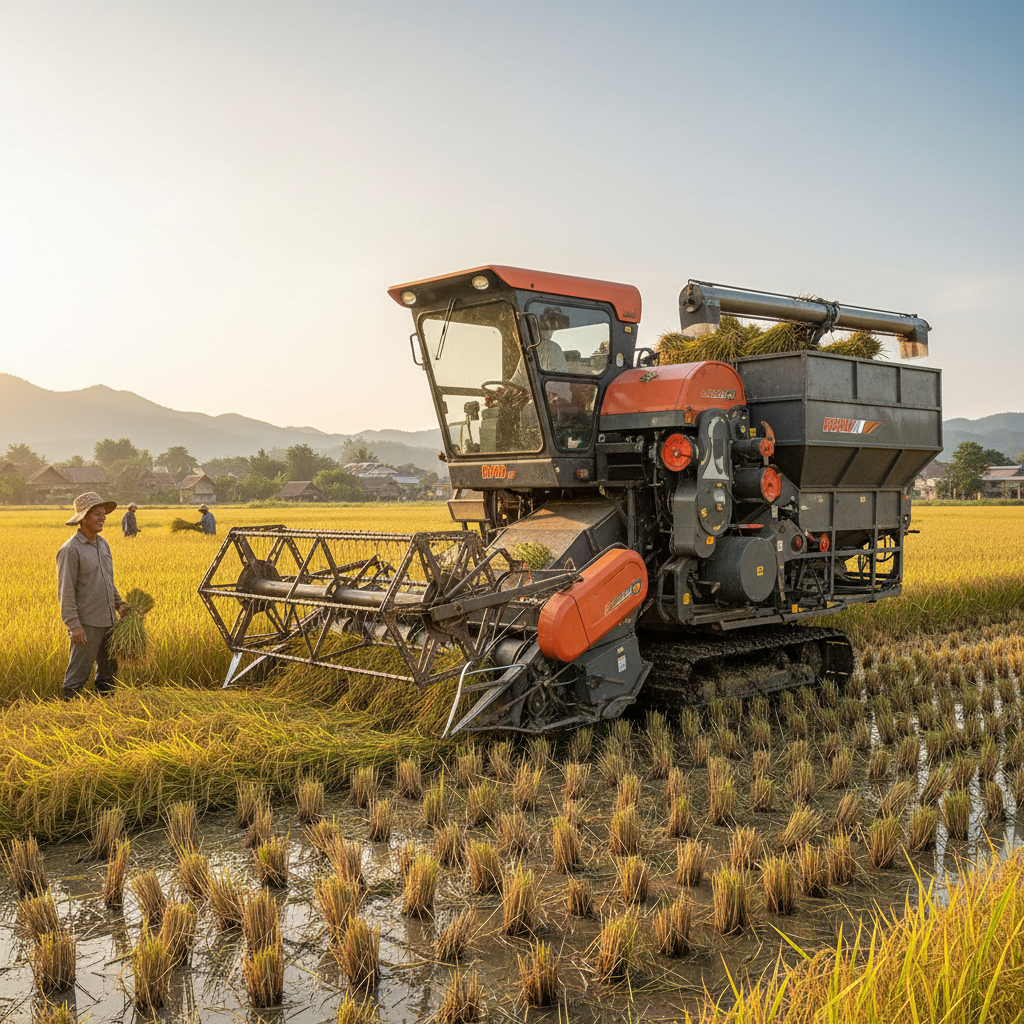
At its most basic, a reaper for harvesting rice is about efficiently separating the rice grain from the stalk. But it's far more complex than that. Modern reapers integrate cutting mechanisms, conveying systems, threshing components, and cleaning systems, all working in concert. Durability is key – these machines take a beating in muddy fields, under intense sun, and with continuous operation during harvest.
From my experience, the best machines are built with robust materials, corrosion-resistant coatings, and readily available replacement parts. Downtime during harvest is unacceptable, so reliability is paramount. It’s about keeping the machine running, day in and day out, under the toughest conditions.
Global Impact and Agricultural Relevance
Rice is a staple food for over half the world’s population. The Food and Agriculture Organization of the United Nations estimates that over 500 million people depend on rice farming for their livelihoods. That's a staggering number. The efficiency of rice harvesting directly impacts global food security. Inefficient harvesting leads to grain loss, reduced yields, and increased costs, ultimately affecting food prices and availability.
The demand for reaper for harvesting rice is particularly strong in Asia, where the majority of the world’s rice is grown. Countries like China, India, Vietnam, and Indonesia are major consumers, and the need for increased mechanization is driven by labor shortages, rising wages, and the desire to improve productivity.
But it's not limited to Asia. We’re also seeing increased adoption in parts of Africa and South America as countries strive to enhance their agricultural output and achieve self-sufficiency in food production.
Defining reaper for harvesting rice: A Practical Overview
A reaper for harvesting rice, in the simplest terms, is a machine designed to cut, thresh, and clean rice plants in a single operation. Historically, this was all done manually, a labor-intensive and time-consuming process. Modern reapers come in various forms, from self-propelled combine harvesters to tractor-mounted or walk-behind reapers, offering options for farms of all sizes.
The core principle remains the same: to minimize grain loss and maximize efficiency. This involves precise cutting at the base of the rice stalk, effective threshing to separate the grain from the husk, and a cleaning system to remove chaff and other impurities. The best machines are designed to handle different rice varieties and field conditions without significant adjustments.
Importantly, it's about more than just the machine itself. It’s about the entire ecosystem surrounding it – the availability of skilled operators, access to maintenance and repair services, and the infrastructure to support post-harvest processing and storage.
Key Performance Indicators for reaper for harvesting rice
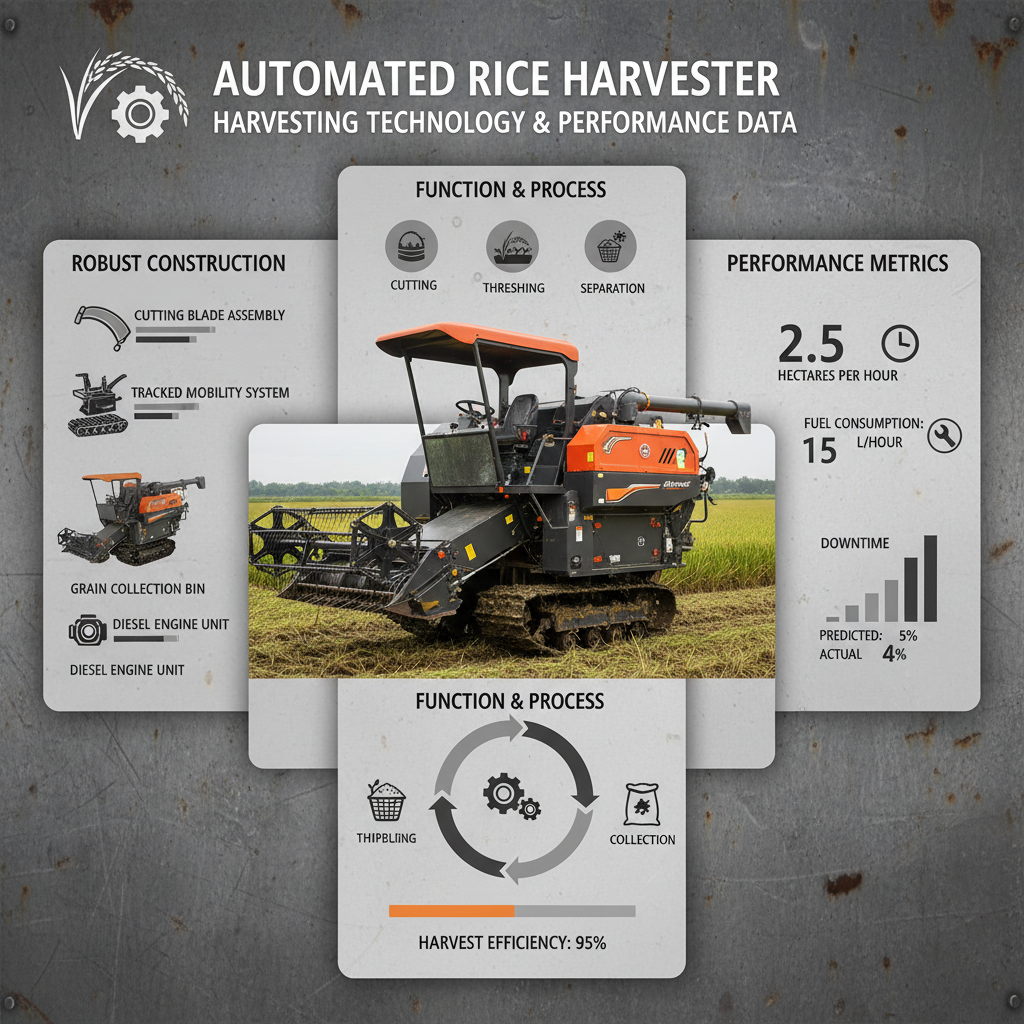
When evaluating a reaper for harvesting rice, several KPIs are critical. First, is Harvest Efficiency – the percentage of rice grain successfully harvested compared to the total yield. You want to be as close to 100% as possible. Second, is Grain Loss – the amount of grain lost during the harvesting process. This is directly tied to efficiency and impacts profitability.
Third, Downtime – the amount of time the machine is out of service for maintenance or repairs. Minimizing downtime is crucial, especially during the peak harvest season. Then there’s Fuel Consumption – a significant operating cost. A more fuel-efficient machine translates directly into savings.
Comparative Performance of Different reaper for harvesting rice Types
Real-World Applications of reaper for harvesting rice
I’ve seen these machines put to work in diverse environments. In large-scale commercial farms in California, they are used to harvest hundreds of acres of rice efficiently and quickly. In smaller, family-run farms in Vietnam, a smaller, more maneuverable reaper can make the difference between a successful harvest and a significant loss.
In post-disaster relief operations, where time is of the essence, mobile reaper for harvesting rice units can be deployed to quickly harvest rice crops and provide food aid to affected communities. They're even adapting to specialized environments - some models are designed for operation on steep slopes, while others can handle flooded fields.
Long-Term Advantages and Sustainable Value
Investing in a quality reaper for harvesting rice isn’t just about immediate gains; it’s about long-term sustainability. Reduced labor costs, increased yields, and minimized grain loss translate into higher profits for farmers. It also promotes better working conditions, reducing the physical strain on laborers and improving their overall quality of life.
From a broader perspective, efficient rice harvesting contributes to food security, reduces the environmental impact of agriculture (by minimizing waste), and supports economic growth in rural communities. It’s a virtuous cycle, and the reaper is a key enabler.
Future Innovations in reaper for harvesting rice Technology
We’re on the cusp of some exciting advancements. I’m seeing increasing interest in GPS-guided reapers, which can optimize harvesting routes and minimize overlap. Sensor technology is being integrated to monitor grain quality in real-time, allowing for adjustments during the harvesting process.
And of course, the move towards automation and robotics is inevitable. Self-driving reapers, powered by artificial intelligence, could revolutionize rice harvesting, reducing the need for manual labor even further. There is also an emphasis on more sustainable designs, utilizing biofuels and energy-efficient components.
Data analytics will play a huge role, providing farmers with insights into harvest performance, optimizing machine settings, and predicting maintenance needs. It’s a future where technology and agriculture converge to create a more efficient, sustainable, and resilient food system.
Key Comparison of reaper for harvesting rice Features
| Category |
Performance |
Reliability |
Cost-Effectiveness |
| Self-Propelled Combine Harvesters |
9/10 |
8/10 |
7/10 |
| Tractor-Mounted Reapers |
7/10 |
9/10 |
8/10 |
| Walk-Behind Reapers |
6/10 |
7/10 |
9/10 |
| Automated Reaper Prototypes |
8/10 |
6/10 |
5/10 |
| GPS-Guided Reapers |
9/10 |
8/10 |
6/10 |
| Sensor-Equipped Reapers |
8/10 |
7/10 |
7/10 |
FAQS
For small farms, maneuverability and affordability are paramount. Look for a lighter-weight, tractor-mounted or walk-behind reaper that’s easy to operate and maintain. Consider the size of your paddies and the rice variety you’re growing to ensure the machine is appropriately sized and capable. Don't overspend on features you won't use. Simplicity and reliability are key for smaller operations.
Terrain plays a huge role. Flat, well-drained paddies can accommodate almost any type of reaper. However, if you’re dealing with steep slopes, uneven ground, or flooded conditions, you’ll need a specialized machine designed for those challenges. Tracked reapers offer better stability on slopes, while amphibious reapers can navigate flooded fields. It’s crucial to choose a machine that can handle the specific terrain of your farm.
A well-maintained reaper can last anywhere from 5 to 15 years, depending on the quality of the machine, the intensity of use, and the environmental conditions. Regular maintenance, including lubrication, blade sharpening, and engine servicing, is crucial for extending its lifespan. Promptly addressing any repairs will also prevent minor issues from escalating into major problems.
Operating costs include fuel, maintenance, repairs, and operator labor. Fuel consumption varies depending on the machine’s size and efficiency. Maintenance costs can be minimized through regular preventative maintenance. Repair costs can be unpredictable, so it’s wise to have a contingency fund. Operator labor is a significant cost, but it can be offset by the increased efficiency of the reaper.
Many governments offer subsidies or financial assistance programs to encourage the adoption of agricultural machinery, including reapers. These programs vary by country and region, so it’s essential to research the available options in your area. These programs can significantly reduce the upfront cost of purchasing a reaper and make it more accessible to smallholder farmers.
Establish a regular maintenance schedule and follow the manufacturer’s recommendations. Keep a log of all maintenance and repairs performed. Train operators on proper machine operation and maintenance procedures. Establish a relationship with a reputable repair service provider and keep a stock of essential spare parts. Preventative maintenance is always cheaper than reactive repairs.
Conclusion
The reaper for harvesting rice has fundamentally transformed rice agriculture, increasing efficiency, reducing labor costs, and improving food security. From the simple machines of the past to the sophisticated technology of today, this tool continues to evolve, adapting to the changing needs of farmers and the demands of a growing global population. Investing in a reliable, well-maintained reaper isn't just a practical decision; it's an investment in the future of food production.
Looking ahead, we can expect to see even greater advancements in automation, sensor technology, and data analytics, further optimizing rice harvesting operations. By embracing these innovations and addressing the challenges of sustainability and accessibility, we can ensure that the reaper continues to play a vital role in feeding the world for generations to come. Visit our website at www.hbniuboshi.com to learn more about our range of reapers and how we can help you improve your rice harvesting efficiency.