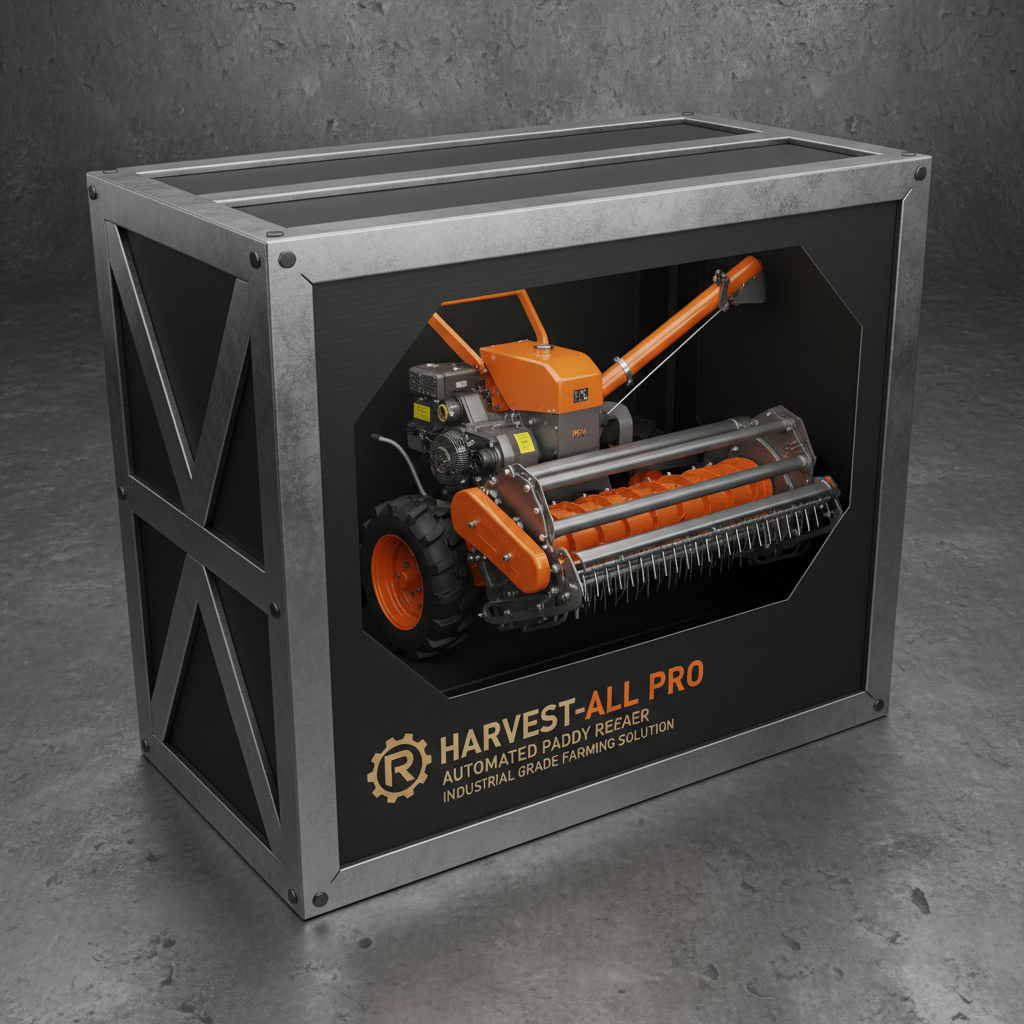
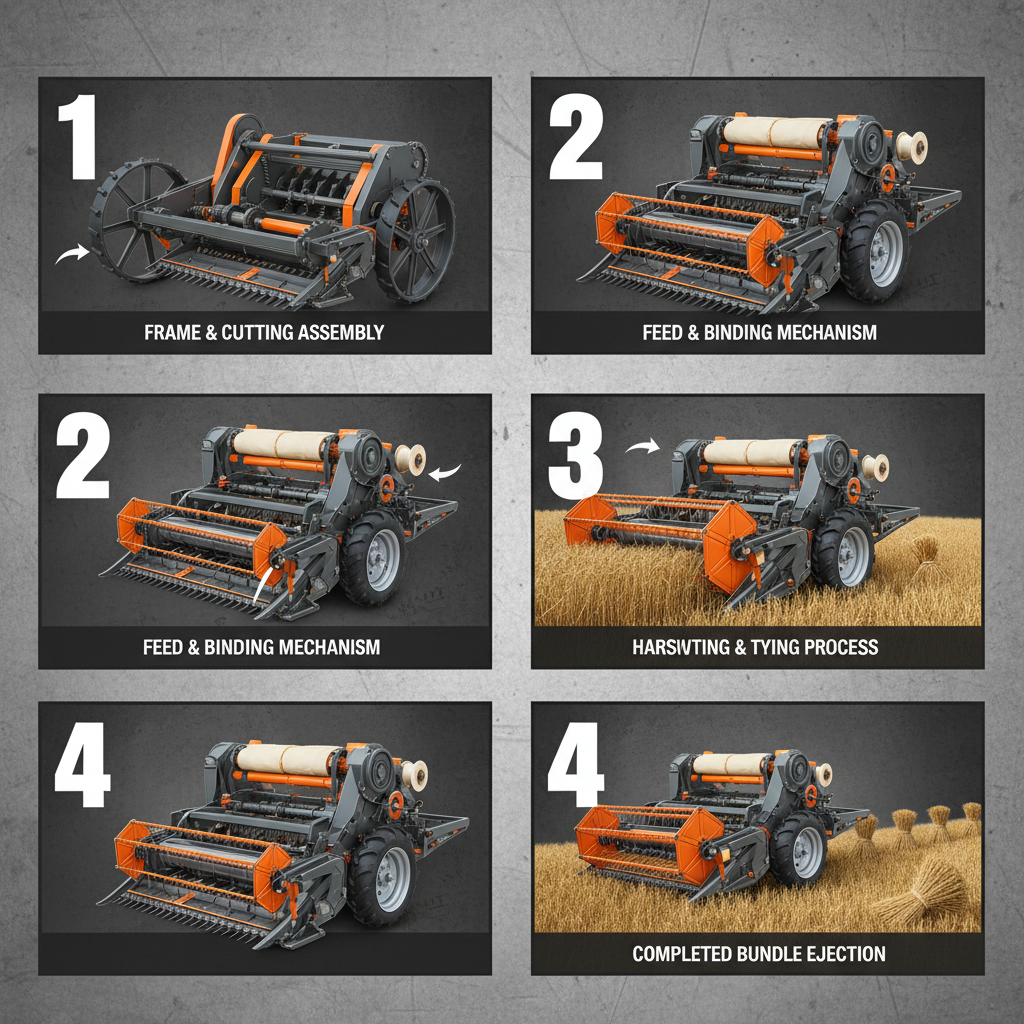
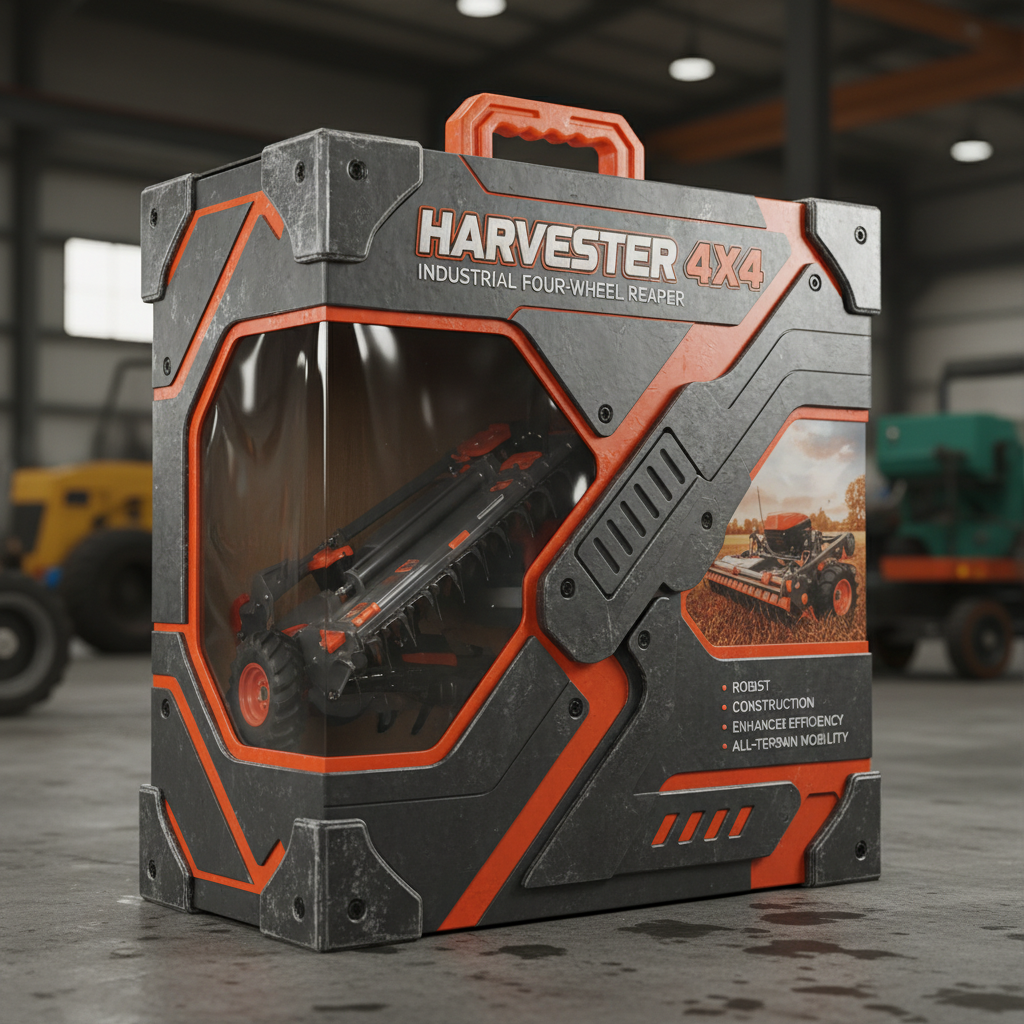
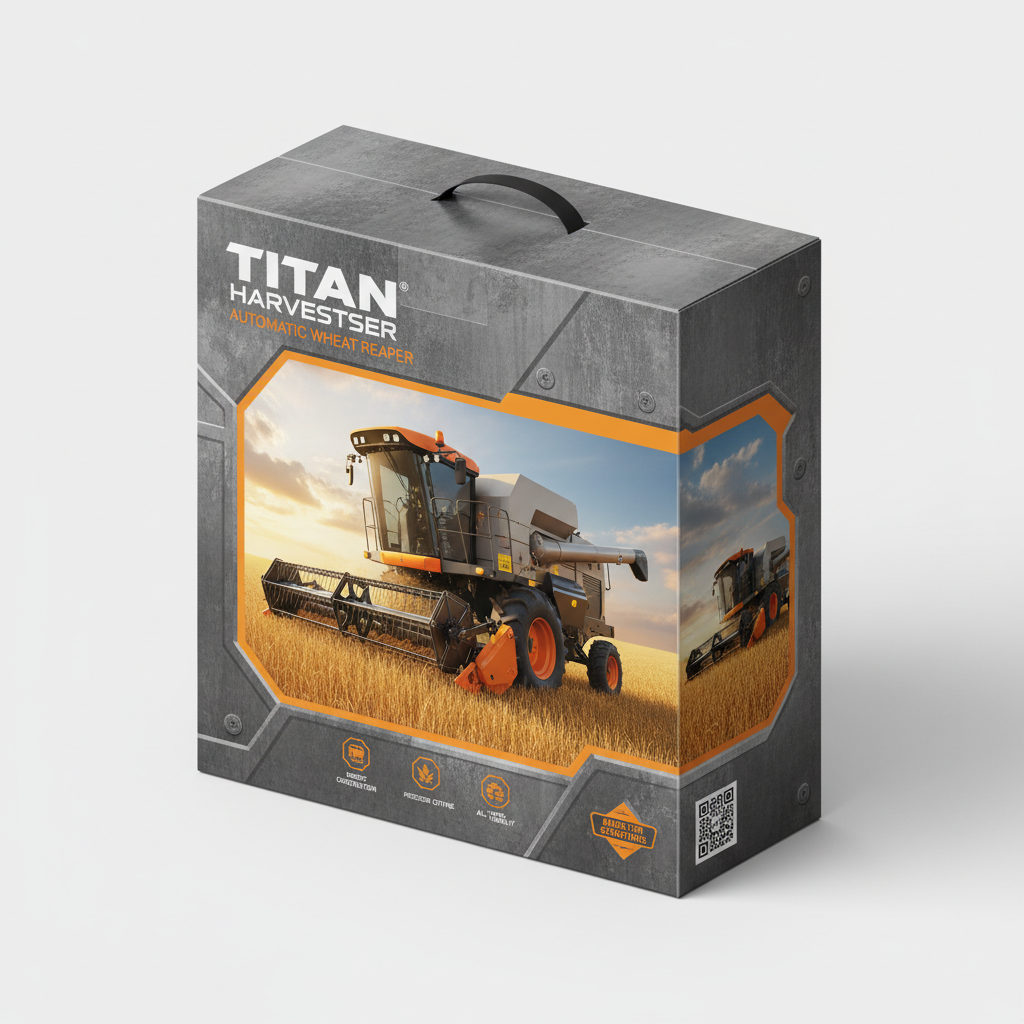
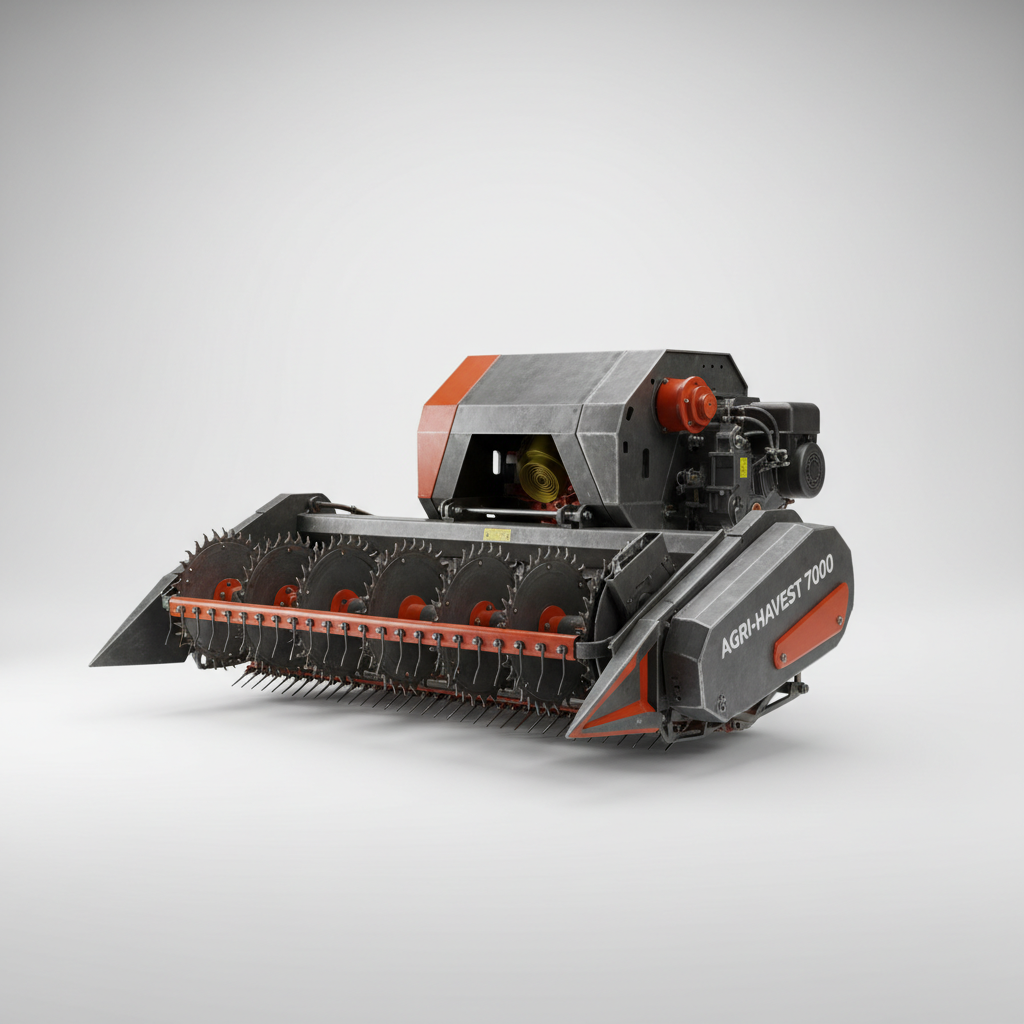
The global demand for efficient agricultural machinery is continuously rising, driven by the need to feed a growing population and optimize farming practices. Central to this demand is the paddy reaper harvester, a machine designed to significantly reduce labor costs and harvesting time for rice crops. Understanding the advancements and applications of this technology is crucial for ensuring food security and improving the livelihoods of farmers worldwide.
The significance of the paddy reaper harvester extends beyond simple efficiency gains. It addresses critical challenges in rural economies, like labor shortages, post-harvest losses, and the need for sustainable agricultural practices. Technological progress in this area directly impacts the ability of farming communities to thrive, especially in developing nations where rice production is a cornerstone of the economy.
Investing in and understanding the functionality and capabilities of the paddy reaper harvester is no longer just a matter of technological advancement, but a strategic imperative for global food systems. This necessitates a focus on affordability, accessibility, and training to ensure widespread adoption and maximum impact.
Introduction: Global or Industry Context
The global rice market is a multi-billion dollar industry, supporting the livelihoods of billions of people, particularly in Asia. According to the Food and Agriculture Organization of the United Nations (FAO), rice is a staple food for over half the world’s population. Increasing demands, coupled with climate change and limited arable land, necessitate innovative solutions to enhance harvesting efficiency. The paddy reaper harvester directly addresses this need, offering a viable solution for increasing yield and reducing waste.
The shift towards mechanization in agriculture, particularly in developing countries, is a key trend. Data from the World Bank shows a growing investment in agricultural technology across Asia and Africa. However, the affordability and accessibility of advanced machinery like the paddy reaper harvester remain significant challenges. Bridging this gap is essential for realizing the full potential of modern farming techniques.
One of the central problems facing rice farmers worldwide is the high labor cost and time-consuming nature of manual harvesting. This leads to delayed planting of subsequent crops and increases the risk of post-harvest losses due to weather conditions. The paddy reaper harvester offers a solution by automating this process, reducing labor requirements, and improving harvesting speed and efficiency.
Definition & Meaning
A paddy reaper harvester is a specialized agricultural machine designed to efficiently cut, gather, and sometimes thresh rice crops in the field. Unlike traditional manual harvesting, which involves significant labor and time, a reaper harvester automates this process, drastically reducing the workload and increasing productivity. These machines are typically self-propelled and can navigate various terrains.
The adoption of paddy reaper harvester technology represents a crucial step towards modernizing agricultural practices. It connects directly to the need for increased food production to meet the demands of a growing global population. Beyond just increasing yield, it allows for better quality control and reduces post-harvest losses, contributing to a more sustainable food system.
In the broader context of industrial development, the paddy reaper harvester exemplifies the power of engineering to address real-world challenges. The development and manufacturing of these machines contribute to economic growth, creating jobs and stimulating innovation within the agricultural machinery sector.
Key Factors or Core Components
Durability: A robust construction is paramount for a paddy reaper harvester, given the challenging field conditions it operates in. High-quality materials and rigorous testing are essential to ensure longevity and minimize downtime. This translates to lower maintenance costs and a greater return on investment for farmers.
Harvesting Capacity: The width of the cutting head and the speed of operation dictate the amount of rice a paddy reaper harvester can process per hour. Higher capacity models are suitable for large-scale farms, while smaller, more maneuverable units are ideal for smaller plots or areas with complex terrain.
Threshing Efficiency: Many modern paddy reaper harvester models incorporate threshing mechanisms that separate the rice grains from the stalk. The efficiency of this process directly impacts the amount of usable rice recovered and reduces the need for secondary threshing operations.
Maneuverability: The ability to navigate uneven terrain, tight corners, and flooded fields is crucial. Machines with advanced steering systems and appropriate tire designs offer greater flexibility and allow farmers to harvest more effectively in diverse environments.
Fuel Efficiency: Rising fuel costs represent a significant expense for farmers. Paddy reaper harvester models with fuel-efficient engines and optimized designs help minimize operating costs and maximize profitability.
Automation & Controls: Advanced harvesters utilize automated systems for tasks like height adjustment, speed control, and grain separation. Intuitive controls and user-friendly interfaces enhance operator comfort and efficiency.
Global Applications & Use Cases
The paddy reaper harvester is widely utilized across Asia, the world’s largest rice-producing region. Countries like India, China, Vietnam, Thailand, and Indonesia rely heavily on these machines to meet domestic and international demands. The scale of application varies, from smallholder farms adopting shared-ownership models to large-scale agricultural enterprises employing fleets of harvesters.
In post-disaster relief operations, efficient harvesting is crucial for restoring food security. Paddy reaper harvesters can quickly clear flooded fields and salvage remaining crops, providing essential sustenance to affected communities. NGOs and government agencies often deploy these machines in areas impacted by floods or other natural disasters.
Beyond Asia, the paddy reaper harvester is gaining traction in other rice-producing regions, including parts of Africa and South America. As these regions invest in agricultural modernization, the demand for efficient harvesting solutions is expected to grow. The adaptability of modern harvesters to different rice varieties and growing conditions is a key factor driving this expansion.
Advantages & Long-Term Value
The most tangible benefit of the paddy reaper harvester is its cost efficiency. Reduced labor requirements translate directly into lower harvesting expenses. Furthermore, faster harvesting allows farmers to optimize land use and increase overall crop yields. This economic advantage is especially significant for smallholder farmers.
From a sustainability perspective, modern paddy reaper harvester designs incorporate features that minimize environmental impact. Efficient engines reduce fuel consumption and emissions. Precise harvesting reduces crop damage and waste, contributing to a more sustainable agricultural system. The social impact is equally important – reducing the physical burden on farmers and improving working conditions.
Investing in a paddy reaper harvester is a long-term investment in the future of farming. The reliability and durability of these machines, coupled with readily available spare parts and maintenance services, ensure consistent performance and minimal downtime. This fosters trust and confidence among farmers, encouraging them to embrace technology and improve their livelihoods.
paddy reaper harvester Performance Metrics
Future Trends & Innovations
The future of paddy reaper harvester technology is inextricably linked to advancements in automation and artificial intelligence. Self-driving harvesters, equipped with sensors and machine learning algorithms, are already under development, promising even greater efficiency and precision. These machines will be able to navigate fields autonomously, optimizing harvesting routes and minimizing crop damage.
Another emerging trend is the integration of renewable energy sources. Electric-powered paddy reaper harvester models are being explored as a way to reduce carbon emissions and reliance on fossil fuels. Solar-powered charging stations could further enhance the sustainability of these machines, particularly in remote agricultural areas.
Challenges & Solutions
One of the primary challenges facing the widespread adoption of paddy reaper harvester technology is its initial cost, which can be prohibitive for smallholder farmers. Innovative financing models, such as leasing programs and cooperative ownership schemes, are needed to make these machines more accessible.
Another challenge is the lack of skilled operators and maintenance technicians. Investing in training programs and establishing local service centers are essential for ensuring the long-term sustainability of this technology. Remote diagnostics and predictive maintenance, enabled by IoT sensors, can also help minimize downtime and reduce repair costs.
Finally, adapting paddy reaper harvester technology to diverse rice varieties and growing conditions remains an ongoing challenge. Continuous research and development are needed to create machines that can effectively harvest a wider range of crops and operate in various terrains.
Summary of Paddy Reaper Harvester Solutions & Challenges
| Challenge Area |
Severity (1-10) |
Proposed Solution |
Implementation Cost (USD) |
| High Initial Investment |
9 |
Leasing Programs & Subsidies |
50,000 |
| Lack of Skilled Operators |
7 |
Comprehensive Training Programs |
20,000 |
| Maintenance & Repair Access |
8 |
Establish Local Service Centers |
100,000 |
| Terrain Adaptability |
6 |
Develop Specialized Models |
150,000 |
| Parts Availability |
7 |
Efficient Supply Chain Management |
30,000 |
| Integration with Smart Farming |
5 |
IoT Sensor Integration & Data Analytics |
75,000 |
FAQS
The lifespan of a paddy reaper harvester typically ranges from 5 to 10 years, depending on factors like usage intensity, maintenance practices, and operating conditions. Regular servicing, including oil changes, filter replacements, and component inspections, is crucial for maximizing its lifespan. Higher-quality machines with robust construction tend to last longer and require less frequent repairs. Proper storage during the off-season also contributes to longevity.
Regular maintenance for a paddy reaper harvester includes daily checks of fluid levels (oil, coolant, hydraulic fluid), tire pressure, and belt tension. Periodic servicing, conducted every 50-100 hours of operation, should include oil and filter changes, lubrication of moving parts, and inspection of wear items. Annual maintenance should involve a thorough inspection of the engine, transmission, and harvesting components.
Fuel consumption varies depending on the model, engine size, and operating conditions. Generally, a paddy reaper harvester consumes between 8 to 15 liters of fuel per hour. Optimizing harvesting speed, reducing unnecessary idling, and ensuring proper engine maintenance can help minimize fuel consumption. Newer models often incorporate fuel-efficient technologies to reduce operating costs.
Safety is paramount when operating a paddy reaper harvester. Operators should always wear appropriate personal protective equipment (PPE), including safety glasses, gloves, and hearing protection. Before starting the machine, ensure the harvesting area is clear of obstacles and people. Never attempt to repair or adjust the machine while it's running. Follow all manufacturer’s safety guidelines and receive proper training before operating the equipment.
The cost of a paddy reaper harvester varies considerably depending on its size, features, and brand. Smaller, self-propelled models can range from $5,000 to $15,000, while larger, more advanced machines with full threshing capabilities can cost between $20,000 and $50,000 or more. Financing options and government subsidies are often available to help farmers afford these machines.
A paddy reaper harvester contributes to sustainable agriculture by reducing post-harvest losses, minimizing soil compaction (compared to heavier equipment), and enabling more efficient use of land and resources. Faster harvesting allows for timely planting of subsequent crops, improving soil health and reducing the need for chemical inputs. Modern models with fuel-efficient engines also help reduce carbon emissions.
Conclusion
In conclusion, the paddy reaper harvester is more than just a piece of agricultural machinery; it’s a catalyst for progress in the global food system. Its ability to increase efficiency, reduce costs, and improve sustainability makes it an indispensable tool for modern rice farming. From smallholder farms to large-scale agricultural enterprises, the benefits are widespread and significant.
Looking ahead, continued innovation in this field is crucial. Developing more affordable, accessible, and environmentally friendly paddy reaper harvester models will be essential for ensuring food security and supporting the livelihoods of farmers worldwide. Visit our website at www.hbniuboshi.com to learn more about our range of paddy reaper harvesters and how we can help you optimize your rice harvesting operations.