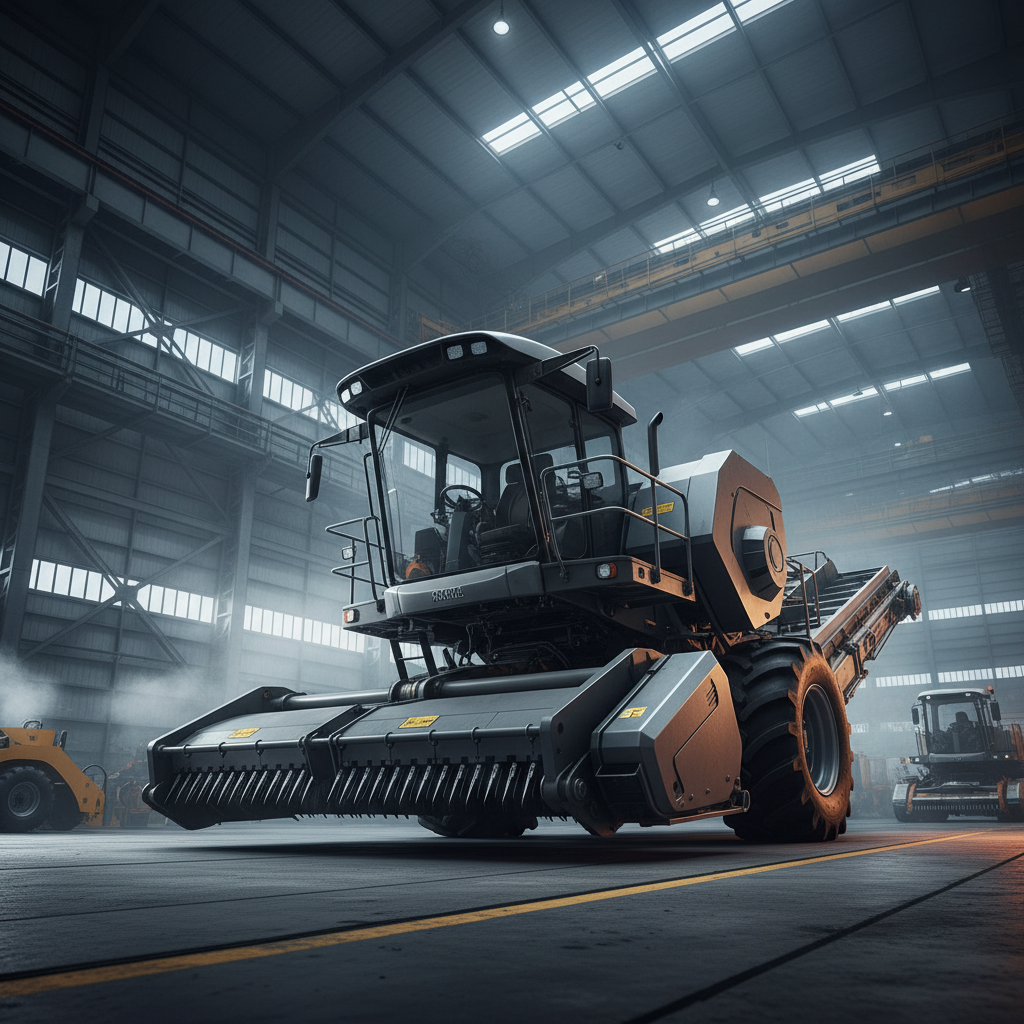
The paddy reaper binder machine represents a significant advancement in agricultural technology, particularly for rice harvesting. Globally, rice is a staple food for over half the world's population, and efficient harvesting is critical to ensuring food security. This machine addresses the challenges of manual labor, time constraints, and grain loss inherent in traditional harvesting methods, contributing to increased productivity and economic benefits for farmers. Understanding the functionality, applications, and future trends of the paddy reaper binder machine is crucial for optimizing agricultural practices worldwide.
The demand for increased agricultural efficiency is driven by a growing global population and the need to minimize environmental impact. Paddy reaper binder machines play a key role in modernizing rice farming, reducing labor costs, and enabling quicker harvesting cycles, particularly important during short harvesting windows. The technology’s evolution is increasingly focused on automation and sustainability, making it a central component of smart agriculture initiatives.
The integration of the paddy reaper binder machine into agricultural workflows offers substantial improvements in harvesting yields and reduces post-harvest losses. Its contribution to streamlining rice production impacts not only farmers but also the broader food supply chain, ultimately influencing global food prices and availability.
The Evolution of Paddy Reaper Binder Machines
Early versions of paddy reaper binder machines were largely mechanical, relying on manual operation and animal power. These early models, while providing some labor savings, were often inefficient and required significant physical exertion. The development of motorized versions, beginning in the mid-20th century, marked a crucial turning point, significantly increasing harvesting speed and capacity.
Today's paddy reaper binder machine designs incorporate advanced features such as self-propelled mechanisms, automated binding systems, and improved cutting technology. These advancements not only enhance efficiency but also reduce grain loss and improve the quality of the harvested rice. The continued focus on innovation is driving further improvements in performance and reliability.
Defining Paddy Reaper Binder Machine Technology
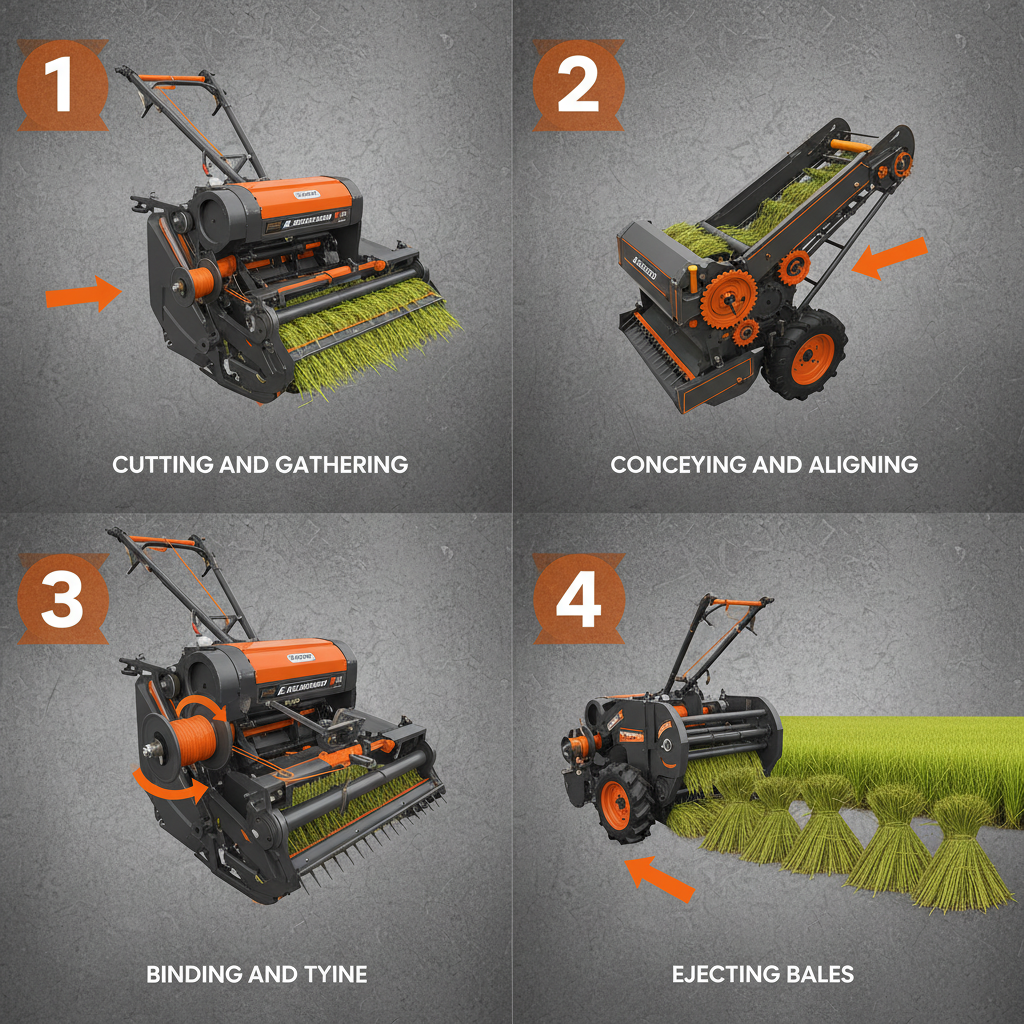
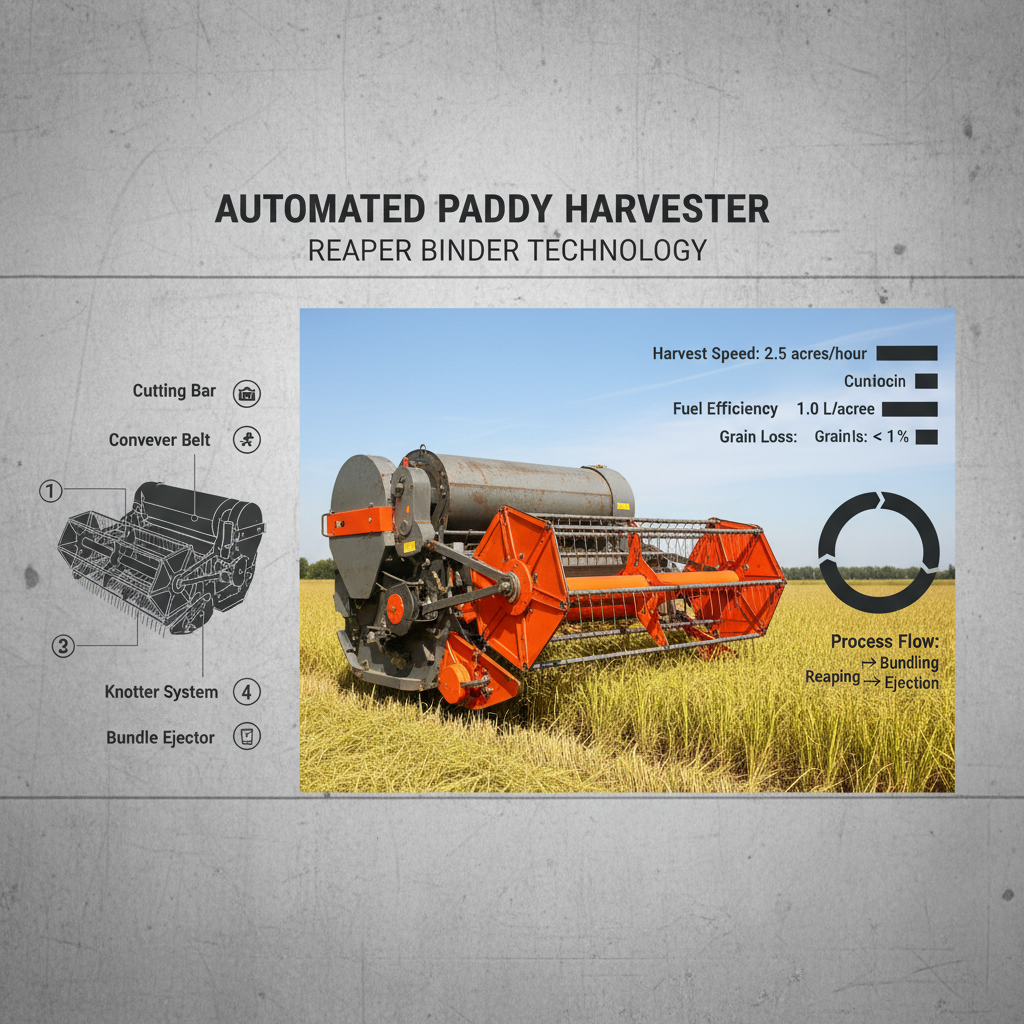
A paddy reaper binder machine is a specialized agricultural implement designed to simultaneously reap (cut) and bind rice stalks into sheaves (bundles). This process streamlines the harvesting workflow, replacing the labor-intensive manual methods traditionally used in rice cultivation. The machine typically consists of a cutting mechanism, a conveying system, a binding apparatus, and a discharge unit.
The technology directly supports modern agricultural practices by increasing efficiency and reducing reliance on manual labor. It addresses the critical need for timely harvesting, which is especially important for rice crops susceptible to weather-related losses. The machine's operation significantly lowers post-harvest losses by gently handling the rice stalks during the reaping and binding process.
The connection to modern industry and humanitarian needs lies in its ability to enhance food security and support economic development in rice-producing regions. By increasing agricultural output and reducing labor costs, the paddy reaper binder machine contributes to improved livelihoods for farmers and sustainable agricultural practices.
Core Components and Operational Factors
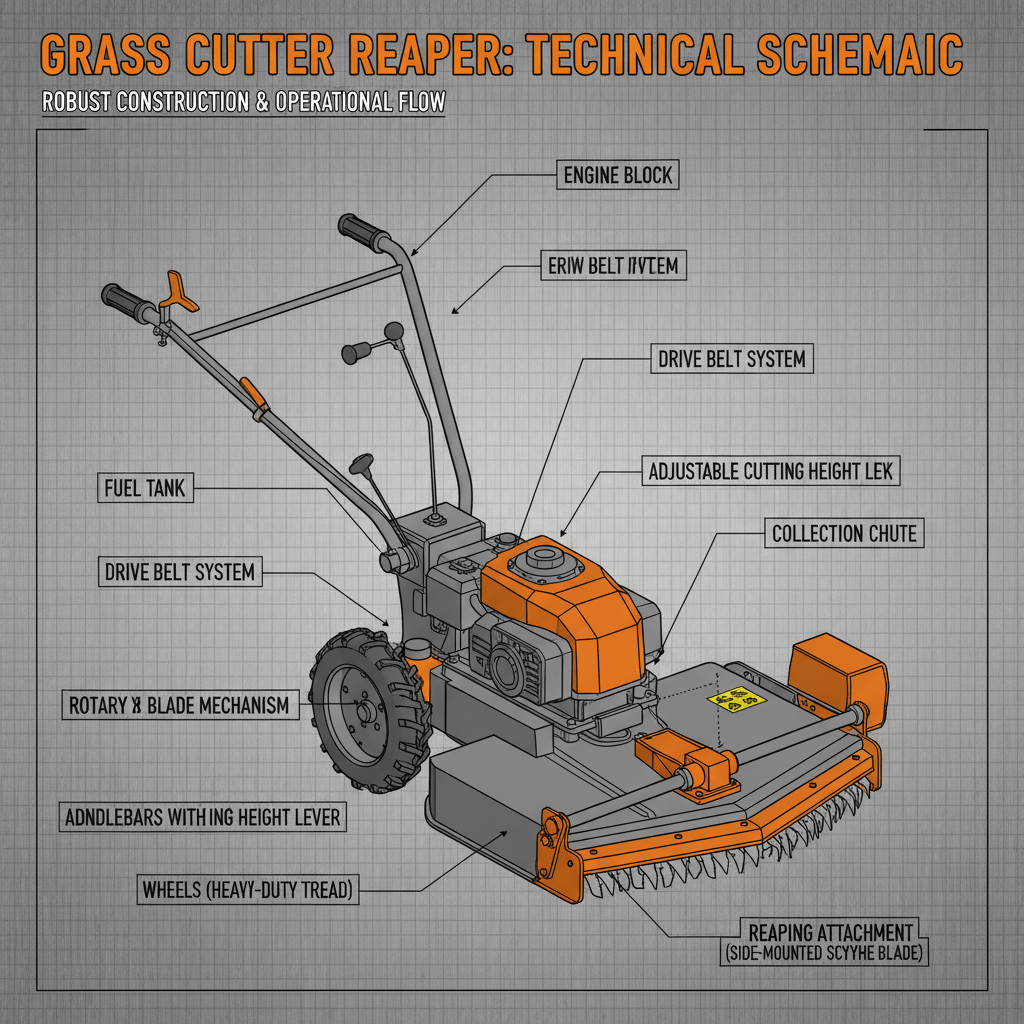
The key components of a paddy reaper binder machine include the cutter bar, which precisely cuts the rice stalks; the reel, which guides the stalks onto the conveying system; the binding mechanism, which uses twine to create sheaves; and the discharge system, which ejects the bound sheaves. The engine provides the power necessary to operate these components.
Operational factors significantly impacting performance include field conditions (e.g., terrain, moisture content of rice stalks), machine settings (e.g., cutting height, binding tension), and operator skill. Proper maintenance, including regular lubrication and blade sharpening, is crucial for ensuring reliable operation and maximizing harvesting efficiency.
Durability, scalability, cost-efficiency, and ease of maintenance are crucial considerations in the design and selection of paddy reaper binder machines. A robust machine with readily available spare parts and a straightforward operating system will offer long-term value and minimize downtime, particularly in remote agricultural areas.
Global Applications and Regional Adoption
Paddy reaper binder machines are widely used in major rice-producing regions across Asia, including China, India, Vietnam, Thailand, and Indonesia. These countries rely heavily on rice cultivation as a primary source of food and income, and the adoption of this technology has significantly boosted their agricultural productivity.
The machines are also gaining traction in parts of Africa and Latin America where rice production is expanding. In post-disaster relief operations, where rapid harvesting is crucial for providing food aid, the machines can be deployed to quickly gather rice crops and prevent further losses.
In remote industrial zones with large-scale rice farms, the paddy reaper binder machine are employed for efficient and large-scale harvesting. Organizations involved in agricultural development projects often utilize these machines to support local farmers and improve food security.
Harvesting Efficiency Comparison by Paddy Reaper Binder Machine Method
Advantages and Long-Term Economic Value
The advantages of using a paddy reaper binder machine are numerous. Significant cost savings are achieved through reduced labor requirements, lowering overall harvesting expenses. Increased harvesting speed allows farmers to complete the harvest more quickly, minimizing losses due to unfavorable weather conditions.
Long-term economic value is realized through improved grain quality, increased yields, and enhanced profitability for farmers. The machine's contribution to sustainable agriculture stems from its ability to minimize waste and optimize resource utilization. Beyond the economic benefits, the machines contribute to the safety and well-being of agricultural workers.
Future Trends in Paddy Reaper Binder Technology
Future trends in paddy reaper binder machine technology are focused on automation, precision agriculture, and sustainability. The integration of GPS technology and sensor systems will enable autonomous operation, allowing machines to navigate fields and optimize harvesting routes without human intervention.
The development of electric-powered machines will reduce reliance on fossil fuels and minimize environmental impact. Data analytics and machine learning will be used to optimize machine performance, predict maintenance needs, and improve harvesting efficiency. The emergence of digitally connected machines will facilitate remote monitoring and control.
Challenges and Optimization Strategies
Common challenges associated with paddy reaper binder machines include the cost of acquisition, the need for skilled operators, and the potential for mechanical breakdowns. Addressing these challenges requires innovative financing models, comprehensive training programs, and robust maintenance support.
Optimization strategies include designing machines that are adaptable to different rice varieties and field conditions, developing remote diagnostic tools to identify and resolve mechanical issues quickly, and promoting the adoption of preventative maintenance practices.
Further research and development focused on improving machine durability, reducing energy consumption, and enhancing operational efficiency will be critical for ensuring the long-term sustainability of paddy reaper binder machine technology. The paddy reaper binder machine represents a vital tool in modernizing rice farming and addressing global food security challenges.
Analysis of Paddy Reaper Binder Machine Performance Metrics
| Machine Model |
Harvesting Speed (hectares/hour) |
Grain Loss Rate (%) |
Maintenance Cost (USD/year) |
| Model A100 |
0.8 |
2.5 |
500 |
| Model B200 |
1.2 |
1.8 |
750 |
| Model C300 |
1.5 |
1.2 |
1000 |
| Model D400 |
1.0 |
2.0 |
600 |
| Model E500 |
1.8 |
0.8 |
1200 |
| Model F600 |
2.0 |
0.5 |
1500 |
FAQS
Operational costs for a paddy reaper binder machine typically include fuel, maintenance (oil changes, blade sharpening, filter replacements), operator labor, and potential repair costs. Fuel consumption will vary depending on the machine's engine size and operating conditions. Regular preventative maintenance is crucial for minimizing unexpected repair expenses and extending the machine's lifespan. Budgeting approximately 10-15% of the machine’s initial cost annually for maintenance and repairs is a reasonable starting point.
A paddy reaper binder machine is significantly more efficient than manual harvesting. A single machine can harvest several hectares of rice per day, compared to the limited amount achievable by manual laborers. This increased efficiency translates to reduced labor costs, faster harvesting times, and minimized post-harvest losses. Machines also offer more consistent binding quality and can operate in various field conditions where manual harvesting might be challenging.
Essential maintenance practices include regular lubrication of moving parts, sharpening or replacing cutting blades, checking and adjusting belt tension, cleaning air filters, and inspecting the engine for leaks or malfunctions. Following the manufacturer's recommended maintenance schedule is crucial. Proper storage during the off-season, protecting the machine from the elements, also contributes to its longevity.
Safety precautions include wearing appropriate personal protective equipment (PPE) such as safety glasses, gloves, and sturdy footwear. Operators should be thoroughly trained on the machine’s operation and safety features. Ensure the surrounding area is clear of people and obstacles before starting the machine. Never attempt repairs while the engine is running, and always disconnect the power supply before performing maintenance.
While versatile, the suitability of a paddy reaper binder machine depends on the specific conditions of the rice paddies. Machines typically perform best in relatively flat and well-drained fields. Excessively muddy or uneven terrain can pose challenges. Certain models are designed for specific rice varieties or field conditions, so selecting the right machine for the environment is critical.
Financing options vary depending on the region and the vendor. Some manufacturers offer direct financing plans or lease-to-own options. Agricultural banks and government programs often provide loans or subsidies to help farmers purchase agricultural machinery. Exploring these options can significantly reduce the upfront cost of acquiring a paddy reaper binder machine.
Conclusion
The paddy reaper binder machine represents a transformative technology in rice harvesting, offering significant advantages in efficiency, cost-effectiveness, and grain quality. From its humble beginnings to the sophisticated automated models of today, this machine has played a crucial role in modernizing agriculture and ensuring food security globally. Its ability to reduce labor requirements, minimize losses, and improve overall productivity makes it an indispensable tool for rice farmers.
Looking ahead, the continued development of sustainable, automated, and data-driven paddy reaper binder machines will further enhance agricultural practices and contribute to a more resilient and efficient food system. We encourage farmers and agricultural stakeholders to explore the benefits of this technology and invest in solutions that will drive productivity and sustainability. For more information and to explore our range of paddy reaper binder machines, visit our website: www.hbniuboshi.com