The paddy reaper binder represents a crucial advancement in agricultural technology, particularly for regions heavily reliant on rice cultivation. Its significance stems from its ability to dramatically improve harvesting efficiency, reduce labor costs, and minimize grain loss – factors vital for food security globally. Understanding the nuances of this machinery, from its core components to its latest innovations, is paramount for farmers, agricultural engineers, and policymakers alike seeking to optimize rice production and enhance rural livelihoods.
Globally, rice feeds over half the world’s population, making its efficient production a cornerstone of global food systems. However, traditional harvesting methods are often time-consuming, labor-intensive, and prone to significant grain losses. The paddy reaper binder addresses these challenges by mechanizing the cutting and bundling process, streamlining the harvest and reducing the reliance on manual labor. This is especially critical in developing countries where labor shortages and increasing costs are hindering agricultural productivity.
The adoption of the paddy reaper binder not only boosts crop yields but also contributes to economic development in rural communities, offering opportunities for increased income and improved living standards. As demand for rice continues to rise, the role of efficient harvesting technology like the paddy reaper binder will only become more critical in ensuring a sustainable and secure food supply for the world.
Introduction to Paddy Reaper Binders
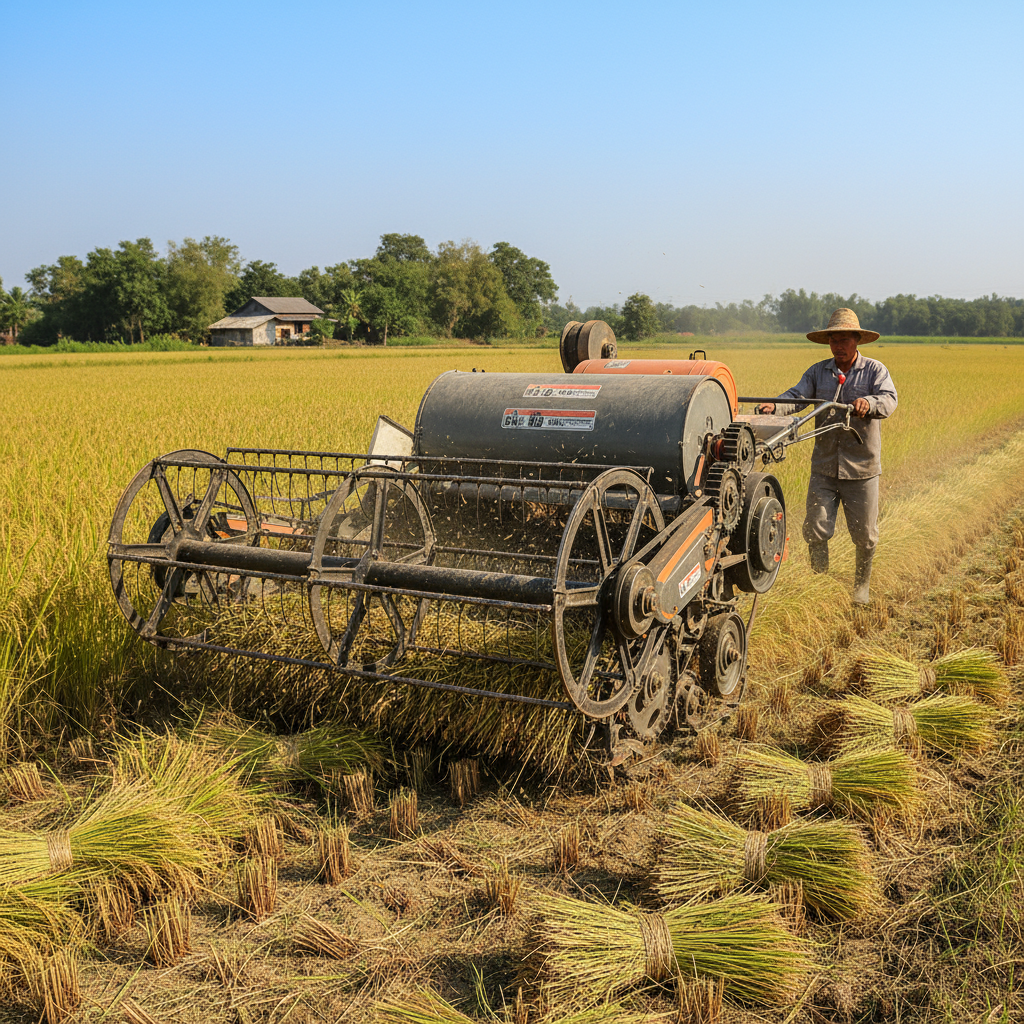
The paddy reaper binder, at its core, is a mechanized tool designed to efficiently harvest rice crops. It combines the functions of cutting, reaping, and bundling the rice stalks, significantly reducing the time and labor required compared to traditional manual methods. This is particularly impactful in regions where labor costs are high or labor availability is limited.
Modern paddy reaper binders utilize a combination of rotating blades, conveyor belts, and bundling mechanisms to streamline the harvesting process. The binder’s effectiveness is directly linked to minimizing grain loss during harvest – a significant concern for farmers aiming to maximize their yields and profits. Recent advancements focus on enhancing durability, adaptability to different rice varieties, and ease of maintenance.
Global Relevance and Challenges
Rice production is concentrated in Asia, accounting for over 90% of global output, with countries like China, India, Indonesia, and Bangladesh being major producers. These regions often face challenges related to labor availability, rising wages, and the need for increased efficiency to meet growing food demands. The paddy reaper binder offers a practical solution to these pressures, allowing farmers to harvest larger areas with fewer workers.
According to the UN Food and Agriculture Organization (FAO), increasing agricultural productivity is crucial to achieving food security for a growing global population. Mechanization, including the use of paddy reaper binders, plays a vital role in this effort. However, adoption rates vary significantly based on factors such as farm size, economic conditions, and access to financing.
A key challenge remains the affordability of paddy reaper binders for smallholder farmers. While the long-term benefits outweigh the initial investment, access to credit and government subsidies are often necessary to facilitate wider adoption. Furthermore, proper training and maintenance support are essential to ensure the machines are operated efficiently and remain in good working order.
Defining the Paddy Reaper Binder
A paddy reaper binder is a self-propelled or tractor-drawn agricultural machine specifically designed for harvesting rice. It differs from a simple reaper in that it not only cuts the rice stalks but also ties them into bundles, ready for threshing and processing. This integrated process significantly reduces the manual labor required, increasing efficiency and reducing harvesting time.
The development of the paddy reaper binder represents a significant shift from traditional harvesting methods, which involved manual cutting with sickles followed by manual bundling. This modernization aligns with broader trends in agricultural technology aimed at increasing productivity and reducing reliance on physical labor. The machine connects directly to the demands of modern rice farming, promoting greater scalability.
Today’s paddy reaper binders are not merely mechanical devices; they increasingly incorporate electronic controls, sensors, and automated features to optimize performance and minimize grain loss. These advancements demonstrate a commitment to continuous improvement and adaptation to the evolving needs of the agricultural industry.
Key Components and Features
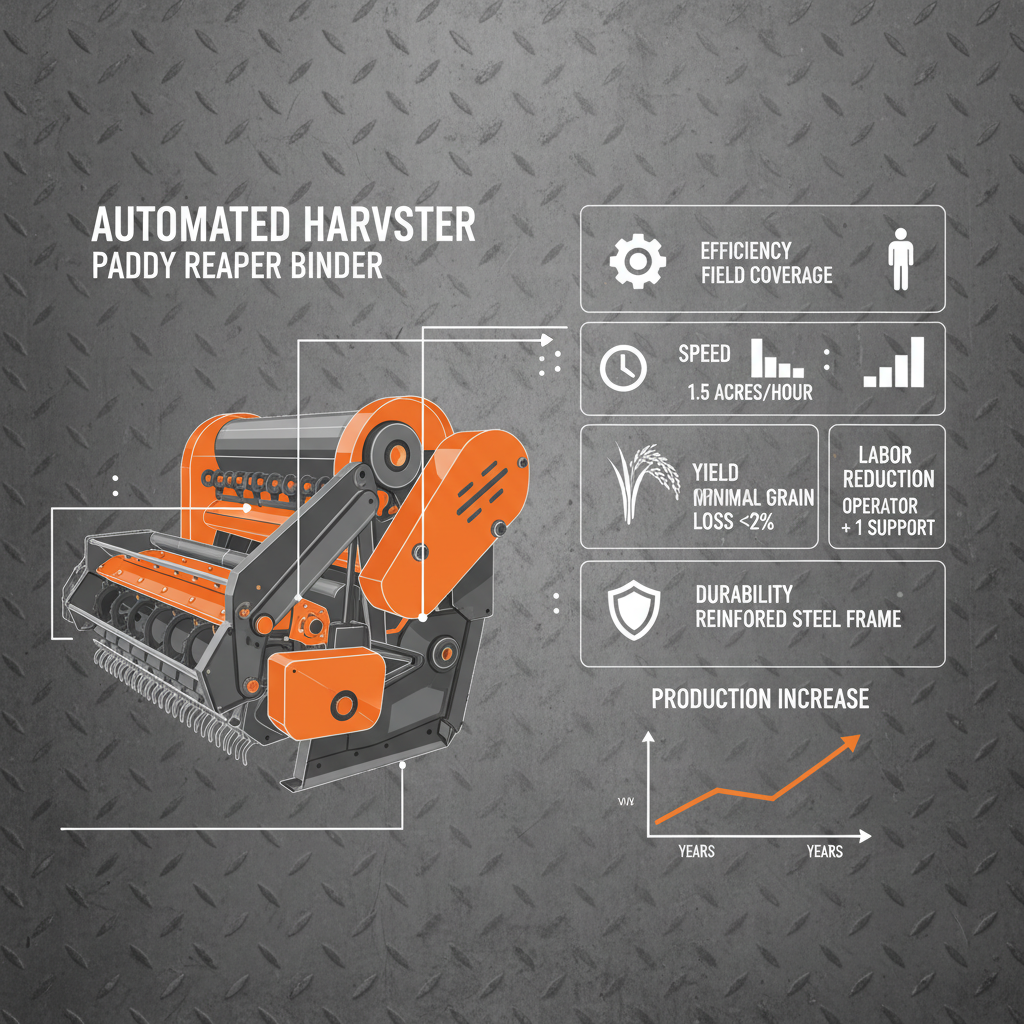
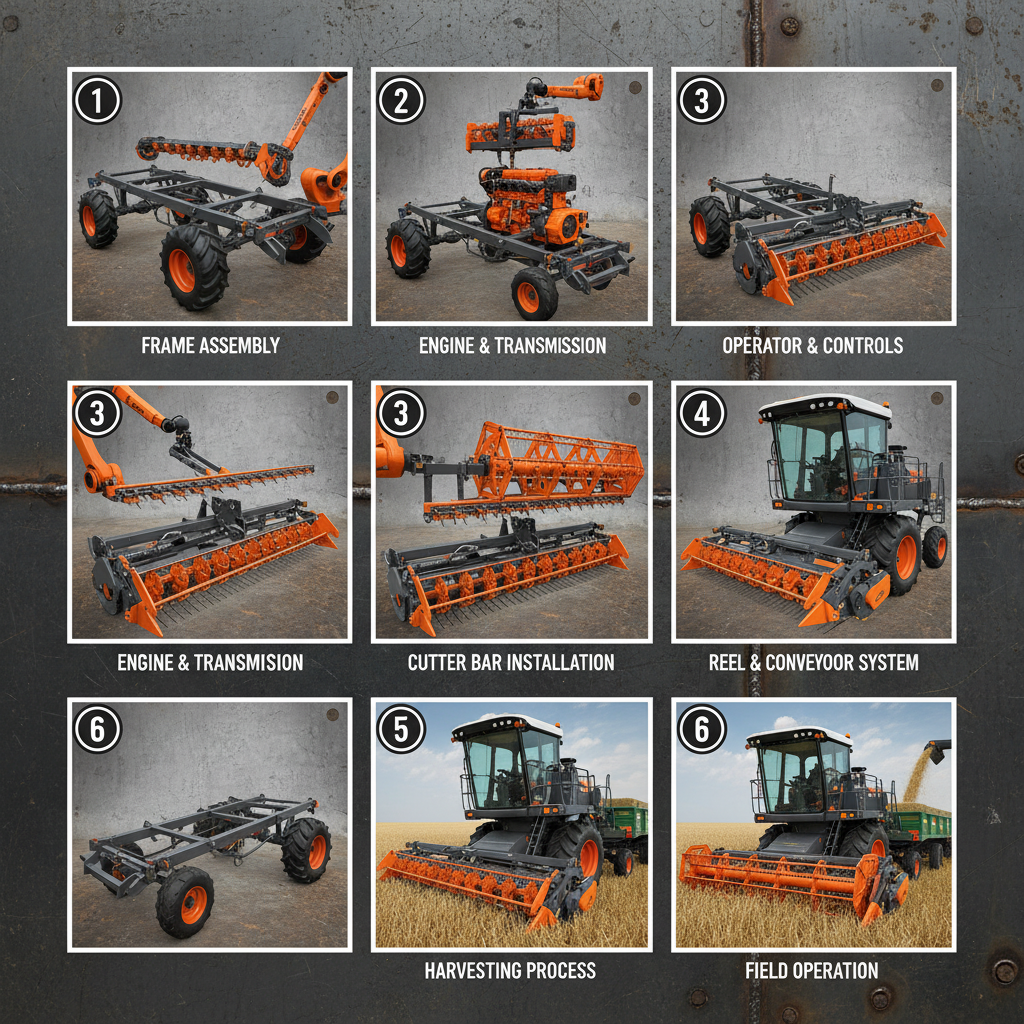
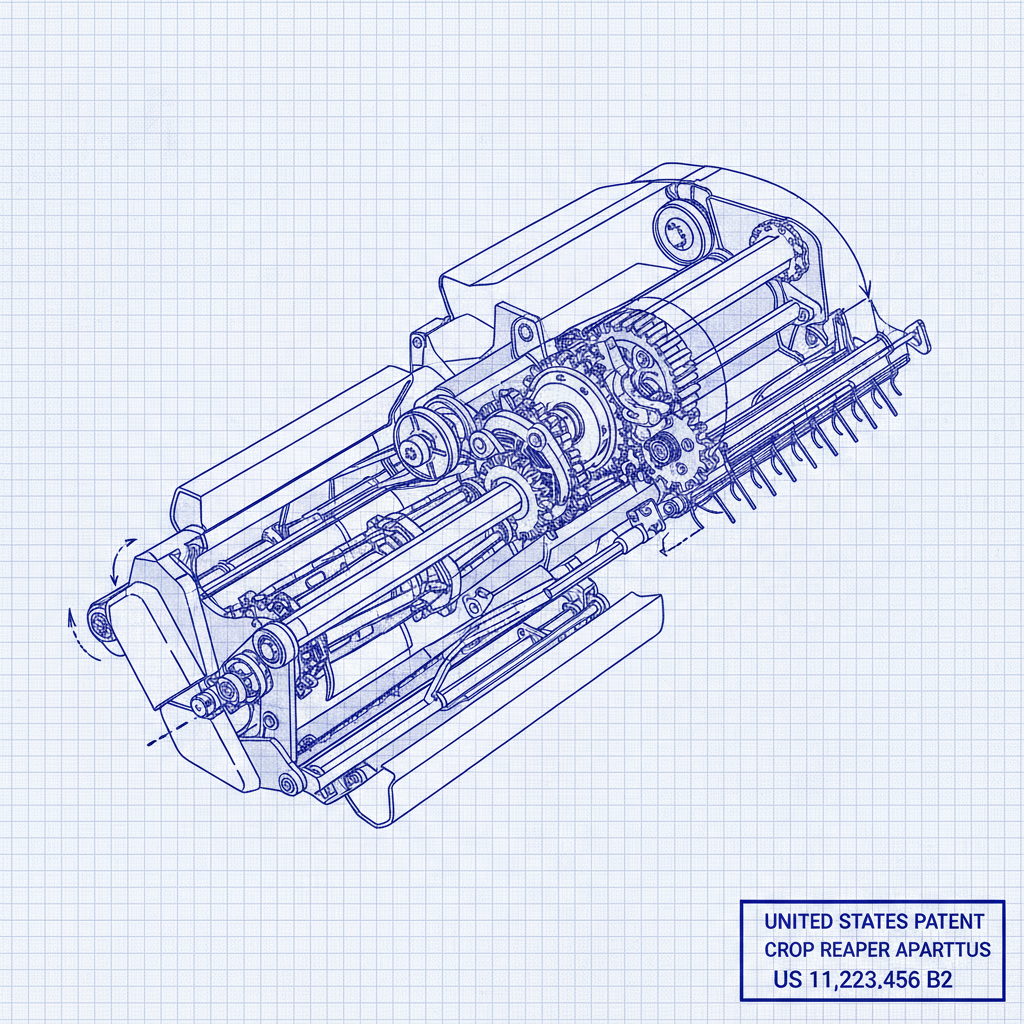
The functionality of a paddy reaper binder relies on several key components working in harmony. These include the cutting mechanism (typically rotating blades), the reel (which guides the rice stalks towards the cutter), the conveyor system (which transports the cut stalks), and the bundling mechanism (which ties the stalks into bundles). Each component contributes to the overall efficiency and effectiveness of the machine.
Beyond the core components, modern paddy reaper binders often feature adjustable cutting heights, variable speed controls, and safety mechanisms to protect the operator. The durability of the materials used in construction is also crucial, as the machine must withstand harsh field conditions and prolonged use.
Component Efficiency Ratings for Paddy Reaper Binders
Global Applications and Use Cases
Paddy reaper binders are widely used throughout Asia, particularly in countries like China, India, Vietnam, and Thailand, where rice is a staple crop. In these regions, they are employed on both small-scale family farms and large commercial agricultural operations. The use of these binders has resulted in substantial improvements to crop yields and economic efficiencies.
Beyond Asia, the technology is gaining traction in other rice-producing regions, including parts of Africa and South America. In post-disaster relief operations, for example, the ability to quickly harvest rice crops can be crucial for providing food security to affected populations. In remote industrial zones, the paddy reaper binder provides an efficient solution to crop harvesting.
Advantages and Long-Term Value
The advantages of using a paddy reaper binder are numerous. First and foremost, it significantly reduces labor costs, making rice farming more economically viable. It also minimizes grain loss during harvest, leading to higher yields and increased profits for farmers. Furthermore, the faster harvesting speed allows for more efficient land utilization and potentially multiple cropping cycles.
The long-term value extends beyond economic benefits. By reducing the physical strain on farm workers, the paddy reaper binder promotes improved working conditions and reduces the risk of injuries. It empowers farmers, increasing their independence and contributing to the overall sustainability of the agricultural sector. Investing in this technology is an investment in a more secure and prosperous future for rice-growing communities.
Future Trends and Innovations
Future innovations in paddy reaper binder technology are likely to focus on automation, precision farming techniques, and sustainable practices. We can expect to see the integration of GPS technology, sensors, and data analytics to optimize harvesting routes, monitor crop conditions, and minimize environmental impact. The development of self-driving paddy reaper binders is also a growing area of research.
The use of lighter, more durable materials, as well as the incorporation of renewable energy sources, such as solar power, will further enhance the sustainability of these machines. Furthermore, advancements in digital connectivity will enable remote monitoring, diagnostics, and maintenance, reducing downtime and maximizing efficiency.
Policy changes promoting the adoption of sustainable agricultural practices and providing financial incentives for farmers to invest in modern machinery will also play a crucial role in shaping the future of the paddy reaper binder industry. The convergence of these trends promises a more efficient, sustainable, and resilient rice production system.
FAQS
Paddy reaper binders offer significant advantages over manual harvesting, primarily by reducing labor costs, increasing harvesting speed, and minimizing grain loss. Manual harvesting is labor-intensive and time-consuming, while binders can cover larger areas quickly and efficiently. This results in higher yields and increased profitability for farmers. They also reduce the physical strain on workers, improving their overall well-being.
With proper maintenance and care, a paddy reaper binder can typically last between 5 to 10 years. Regular servicing, including lubrication, blade sharpening, and component replacements, is crucial for extending its lifespan. Factors like usage intensity, operating conditions, and the quality of the machine itself also influence its durability. Investing in a robust model and adhering to the manufacturer’s maintenance schedule is essential.
While most paddy reaper binders are designed for relatively flat paddies, some models are equipped with adjustable features and specialized tires to handle uneven terrain. It’s important to select a machine that is specifically suited to the conditions of your paddy field. Factors to consider include ground clearance, wheel configuration, and the ability to navigate obstacles. Consulting with an agricultural equipment specialist can help you choose the right binder.
Basic operation of a paddy reaper binder is relatively straightforward, but some level of technical understanding is required for proper maintenance. Farmers should receive comprehensive training on operation, troubleshooting, and routine servicing. More complex repairs may require the assistance of a qualified mechanic. Regular maintenance, such as blade sharpening and lubrication, can be performed by the farmer with appropriate guidance.
Safety is paramount when operating a paddy reaper binder. Operators should always wear appropriate personal protective equipment (PPE), including safety glasses, gloves, and sturdy footwear. Ensure the machine is properly maintained and that all safety guards are in place. Avoid operating the binder on steep slopes or in wet and slippery conditions. Always follow the manufacturer’s safety guidelines.
Many governments offer subsidies or financial assistance programs to encourage the adoption of modern agricultural machinery, including paddy reaper binders. These programs aim to improve agricultural productivity and support farmers. The availability of such programs varies by region and country. Contacting your local agricultural extension office or government agency can provide information on available funding opportunities.
Conclusion
In conclusion, the paddy reaper binder stands as a transformative technology in rice harvesting, offering substantial benefits to farmers and contributing to global food security. From reducing labor costs and minimizing grain loss to enhancing efficiency and promoting sustainable agricultural practices, its impact is far-reaching. The continual advancements in automation, precision farming, and eco-friendly materials are poised to further elevate its role in modern agriculture.
Looking ahead, wider adoption of the paddy reaper binder requires addressing challenges related to affordability and access for smallholder farmers. Increased investment in training, maintenance support, and financial assistance programs will be crucial. By embracing innovation and fostering collaboration between researchers, manufacturers, and policymakers, we can unlock the full potential of this technology and build a more resilient and sustainable rice production system for the future.