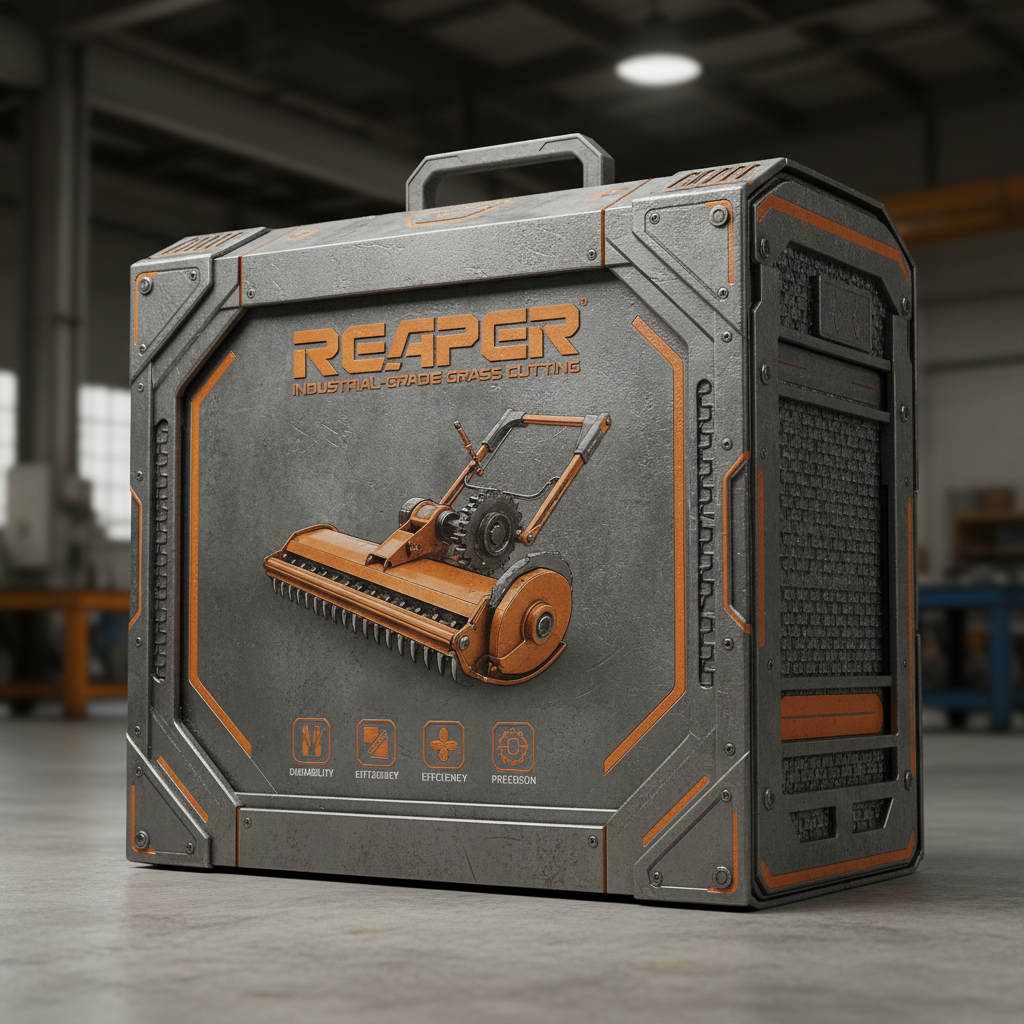
The efficient harvesting of paddy rice is crucial to global food security, particularly in Asia where it is a staple crop. The increasing demand for rice, coupled with labor shortages in agricultural sectors, has driven the need for innovative harvesting solutions. The paddy reaper machine represents a significant advancement in agricultural technology, offering a faster, more efficient, and less labor-intensive method for rice harvesting compared to traditional manual techniques.
Globally, rice production feeds billions, and losses during harvest significantly impact availability and price. Traditional methods are time-consuming, and susceptible to weather conditions, impacting yield quality. Modern paddy reaper machines are designed to mitigate these issues, ensuring a greater percentage of the crop reaches consumers. These machines are becoming increasingly important as countries strive to modernize their agricultural practices and improve food production efficiency.
The adoption of paddy reaper machine technology isn’t merely about increasing yields; it's about improving the livelihoods of farmers, reducing post-harvest losses, and contributing to a more sustainable food system. They represent a key component in the modernization of agriculture, particularly in developing nations.
Introduction to Paddy Reaper Machines
Paddy reaper machines are specialized agricultural implements designed to harvest rice crops efficiently. They automate the process of cutting, gathering, and sometimes threshing paddy, significantly reducing the time and labor required compared to manual harvesting methods. These machines are particularly vital in regions with large-scale rice cultivation.
The fundamental principle behind a paddy reaper machine is to mimic and improve upon the traditional scythe harvesting technique, but with mechanical power and precision. This allows for faster completion of the harvest, minimizing crop losses due to weather or other factors. The machine's design varies based on field conditions and crop type, but the core function remains consistent.
Global Significance and Challenges
Rice is a staple food for over half the world's population, and its production is concentrated in Asia. The timely and efficient harvesting of rice is paramount to ensure food security and stabilize rice prices. The global demand for rice is projected to increase significantly in the coming decades, placing greater pressure on agricultural systems. Paddy reaper machine technology directly addresses this challenge by increasing harvesting capacity and reducing losses.
However, the adoption of paddy reaper machines isn’t without its challenges. These include the initial investment cost, the need for skilled operators, and the suitability of the machine to varying field terrains. In some regions, fragmented land holdings make it difficult to utilize large-scale machinery effectively. Addressing these issues requires innovative financing models, training programs, and the development of machines tailored to specific local conditions.
According to the Food and Agriculture Organization of the United Nations (FAO), post-harvest losses can account for up to 10-20% of the total rice production. The timely utilization of a reliable paddy reaper machine can drastically curtail these losses, thereby improving food availability and farmers’ income.
Defining the Paddy Reaper Machine
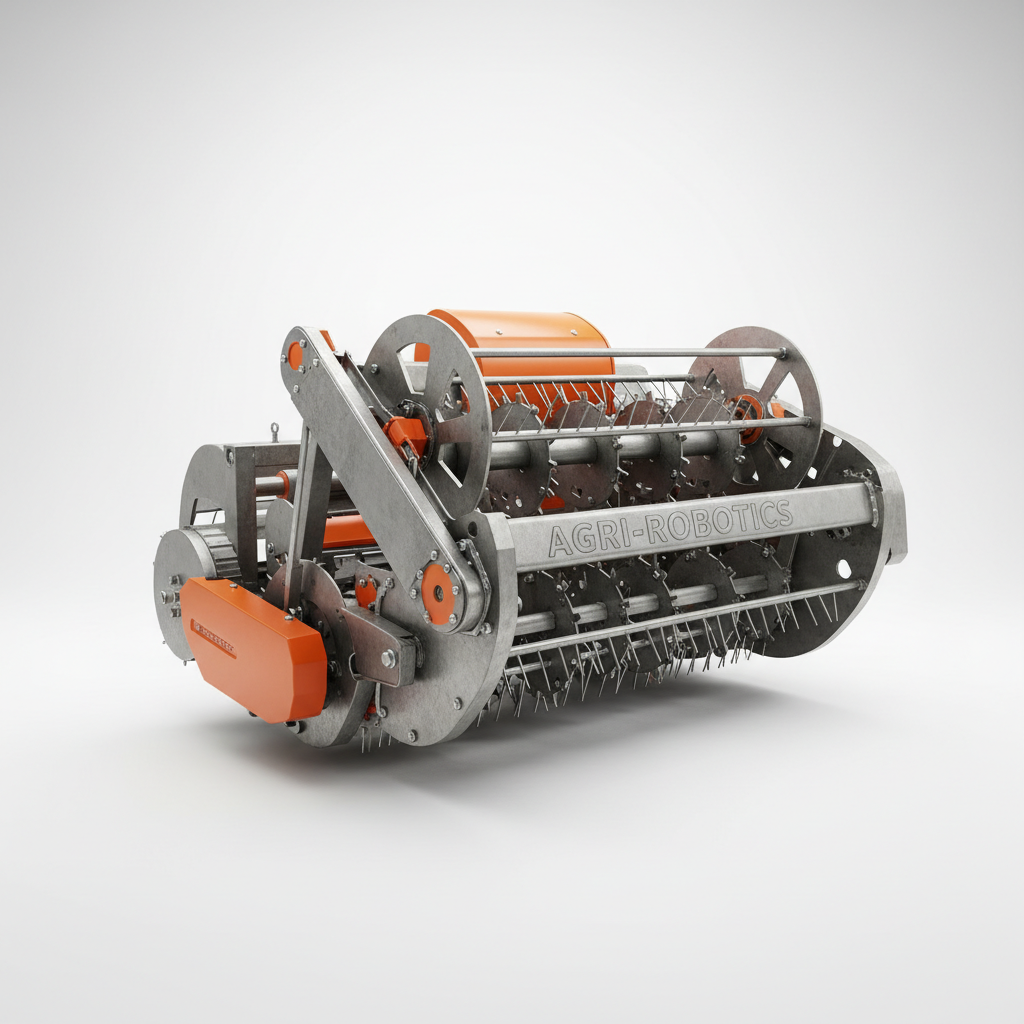
A paddy reaper machine is an agricultural vehicle designed specifically for harvesting rice. It combines the functions of cutting, reeling, and often threshing the rice plants in a single operation. Unlike combine harvesters which handle multiple crops, paddy reapers are optimized for the specific characteristics of rice, such as its lodging tendency (falling over) and the need for careful grain separation.
The connection between the paddy reaper machine and modern industry lies in its integration of mechanical engineering, hydraulics, and increasingly, sensor technology and automation. The production of these machines requires skilled manufacturing processes and a robust supply chain. Its role in humanitarian needs stems from its ability to rapidly harvest crops in disaster-affected areas, ensuring food supplies and supporting recovery efforts.
There are different types of paddy reaper machines, ranging from self-propelled models to tractor-mounted versions. The choice of machine depends on the scale of the farm, the terrain, and the available budget. Modern machines are increasingly equipped with features such as GPS guidance, yield monitoring, and automatic adjustments to optimize performance.
Key Components and Operational Factors
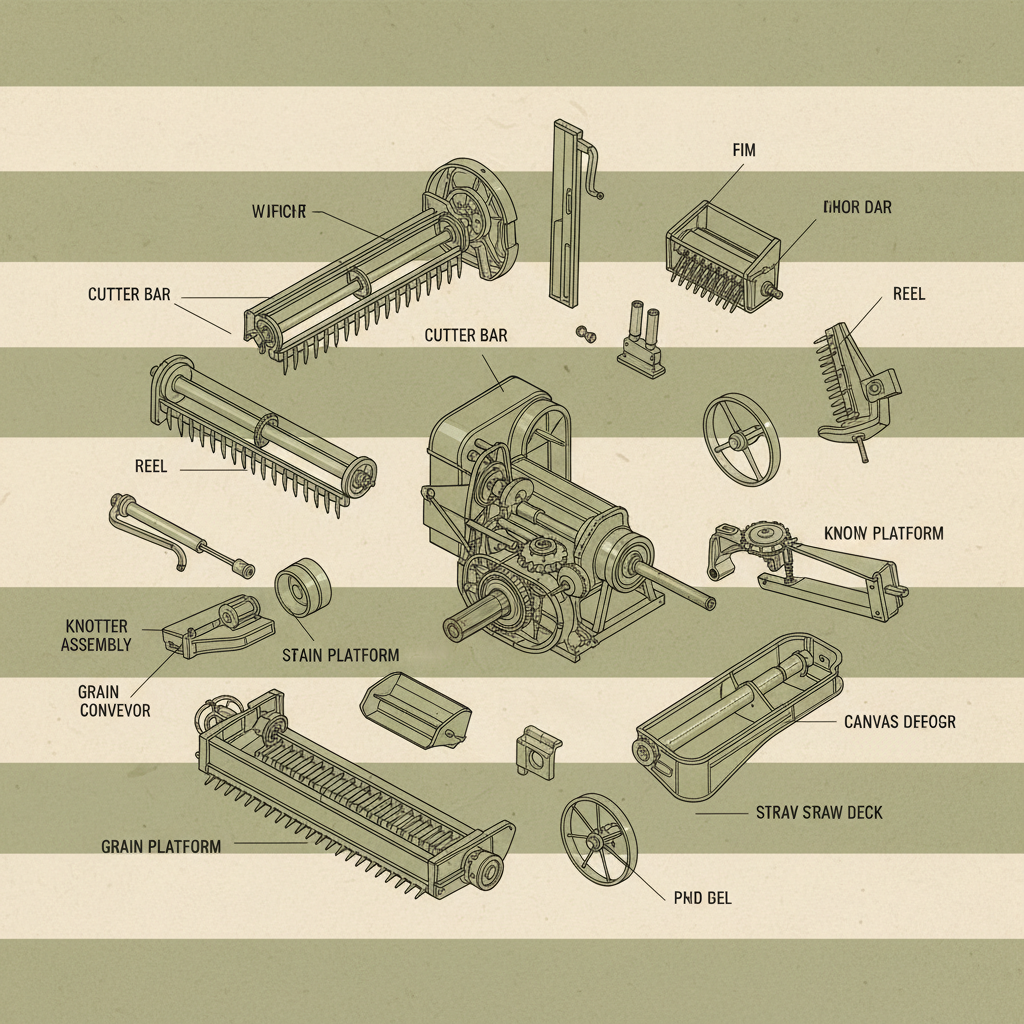
Several core components determine the efficiency and reliability of a paddy reaper machine. These include the cutting blade system (responsible for cleanly severing the rice stalks), the reeling mechanism (which gathers the cut stalks), the threshing unit (which separates the grain from the stalks), and the power transmission system (providing the necessary energy to operate all components).
Operational factors significantly impact performance. Proper adjustment of the cutting height, forward speed, and threshing intensity are crucial for minimizing grain losses and ensuring a clean harvest. Regular maintenance, including lubrication and blade sharpening, is also essential for extending the machine’s lifespan and maintaining optimal performance.
Paddy Reaper Machine Performance Metrics
Global Applications and Regional Impacts
Paddy reaper machine technology is widely adopted in major rice-producing countries like China, India, Vietnam, Thailand, and Indonesia. These countries have seen significant increases in rice production and reductions in post-harvest losses due to the widespread use of these machines. In these regions, the machines are employed on farms ranging from small family-owned plots to large-scale commercial operations.
In post-disaster relief operations, paddy reaper machines can be crucial for quickly harvesting remaining crops and preventing further losses due to flooding or other natural disasters. This ensures a food supply for affected populations and aids in the recovery process. Similarly, in remote agricultural zones with limited labor availability, these machines provide a viable solution for harvesting rice efficiently.
Advantages and Long-Term Value Proposition
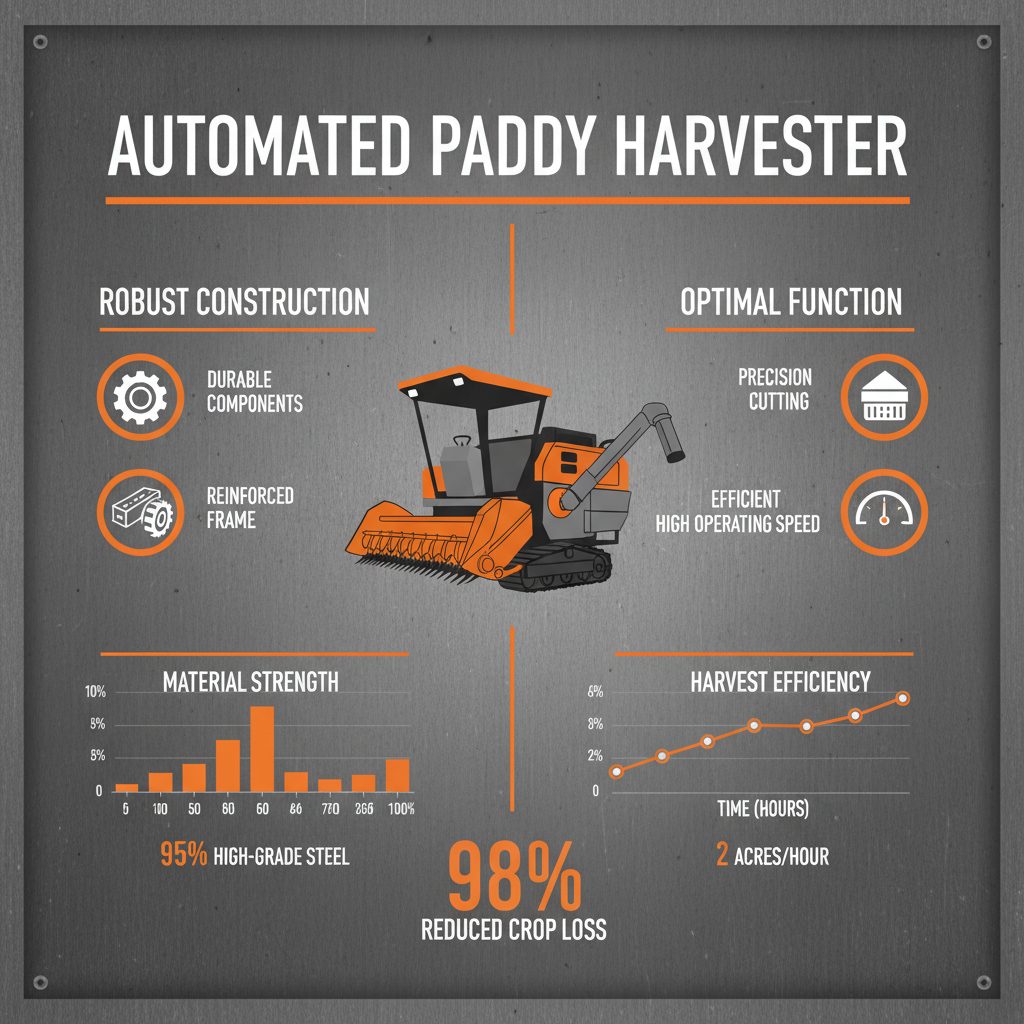
The advantages of using a paddy reaper machine are numerous. These include significantly reduced harvesting time, lower labor costs, minimized grain losses, and improved grain quality. The increased efficiency translates directly into higher profits for farmers.
Beyond the economic benefits, the adoption of paddy reaper machine technology contributes to a more sustainable agricultural system. Reduced reliance on manual labor alleviates physical strain on farmworkers, and the efficient harvesting minimizes crop waste. These factors promote a more responsible and ethical food production process.
Future Trends and Technological Advancements
The future of paddy reaper machines is likely to be shaped by advancements in automation, sensor technology, and data analytics. Self-driving reaper machines, guided by GPS and equipped with obstacle detection systems, are already under development. These machines will further reduce labor requirements and improve harvesting precision.
Integration with IoT (Internet of Things) platforms will allow for real-time monitoring of machine performance, yield data collection, and predictive maintenance. This data-driven approach will optimize harvesting operations and minimize downtime. Furthermore, the development of more energy-efficient machines and the use of renewable energy sources will contribute to a more sustainable agricultural sector.
The use of AI-powered image recognition to identify and avoid obstacles in the field and optimize harvesting parameters based on crop conditions is also an emerging trend. This technology promises to significantly enhance the efficiency and adaptability of paddy reaper machines.
Challenges and Solutions
Despite their numerous benefits, paddy reaper machines face certain limitations. High initial costs can be a barrier to entry for small-scale farmers. The machines may not be suitable for all types of terrain, particularly uneven or muddy fields. Furthermore, a lack of skilled operators and maintenance services can hinder their widespread adoption.
To address these challenges, innovative financing models, such as leasing programs and government subsidies, can make the machines more accessible to smallholder farmers. The development of more versatile machines capable of operating on various terrains is also crucial. Investing in training programs and establishing local maintenance networks will ensure that farmers have the necessary support to operate and maintain the machines effectively.
Analysis of Paddy Reaper Machine Operational Parameters
| Operational Environment |
Machine Type |
Harvest Efficiency (Scale 1-10) |
Maintenance Frequency (Months) |
| Flat, Dry Field |
Self-Propelled Reaper |
9 |
6 |
| Sloping Field |
Tractor-Mounted Reaper |
7 |
4 |
| Muddy Field |
Tracked Reaper |
6 |
3 |
| Small, Fragmented Field |
Walk-Behind Reaper |
8 |
5 |
| Large, Commercial Farm |
Automated Reaper |
10 |
12 |
| Remote, Isolated Area |
Manual-Assist Reaper |
5 |
2 |
FAQS
With consistent maintenance, including regular lubrication, blade sharpening, and component inspections, a well-built paddy reaper machine can typically last between 8 to 12 years. The actual lifespan depends on the intensity of usage, the operating environment, and the quality of the machine itself. Following the manufacturer's recommended maintenance schedule is critical to maximizing longevity.
The cost of a paddy reaper machine varies significantly based on its size, features, and brand. Prices can range from $5,000 for a basic tractor-mounted model to $30,000 or more for a high-end, self-propelled machine. Financing options may include agricultural loans from banks, government subsidies, leasing programs, and cooperative purchasing schemes. Exploring these options can make the machines more affordable for smallholder farmers.
Paddy reaper machines perform optimally on relatively flat and evenly leveled fields. However, modern machines are increasingly designed to handle moderately sloping terrain. Tracked models are particularly effective in muddy or soft ground conditions. It’s crucial to select a machine appropriate for the specific field conditions to ensure efficient harvesting and prevent damage to the machine.
Proper operator training is essential for safe and efficient operation. Training should cover machine operation, maintenance, safety procedures, and troubleshooting. This training should focus on understanding the machine’s controls, recognizing potential hazards, and performing basic maintenance tasks. Certified training programs are available in many regions.
Key maintenance requirements include regular lubrication of moving parts, sharpening or replacing cutting blades, checking and adjusting belts and chains, cleaning filters, and inspecting hydraulic systems. It is crucial to follow the manufacturer’s recommended maintenance schedule and use genuine replacement parts to ensure optimal performance and prevent breakdowns.
Paddy reaper machines contribute to sustainable agriculture by reducing post-harvest losses, minimizing the need for manual labor (reducing physical strain on workers), and improving harvesting efficiency. This results in reduced waste and increased food security. Modern machines are also increasingly designed with fuel efficiency and lower emissions in mind, further promoting sustainability.
Conclusion
In conclusion, the paddy reaper machine is a transformative technology in rice harvesting, addressing critical challenges related to labor shortages, post-harvest losses, and the increasing global demand for food. Its efficient operation, coupled with ongoing technological advancements, positions it as a cornerstone of modern and sustainable agricultural practices. The benefits extend beyond economic gains, contributing to improved livelihoods and a more secure food supply.
Looking ahead, continued investment in research and development, coupled with accessible financing options and comprehensive operator training, will be essential to unlock the full potential of this technology. Embracing these innovations will pave the way for a more resilient and efficient rice production system, benefiting farmers, consumers, and the environment alike. Visit our website to learn more: www.hbniuboshi.com