The power reaper binder represents a crucial innovation in agricultural technology, offering a pathway to increased efficiency and reduced labor demands in harvesting. Its global relevance stems from the pressing need to enhance food security, particularly in regions facing labor shortages and the impacts of climate change on crop yields. Understanding the principles and applications of the power reaper binder is paramount for optimizing agricultural practices and building sustainable food systems. This technology is not just about mechanization; it's about empowering farmers and ensuring a more resilient future for food production.
The implications of the power reaper binder extend far beyond individual farms. It directly addresses the UN Sustainable Development Goals related to zero hunger and decent work, providing opportunities for economic growth in rural communities. Data indicates a growing trend towards agricultural mechanization globally, with the Asia-Pacific region experiencing the most significant increase in demand for harvesting machinery. This demonstrates the widespread recognition of the benefits of technology like the power reaper binder in modernizing agriculture.
Ultimately, the power reaper binder serves as a tangible solution to the challenges of feeding a growing global population, while simultaneously addressing concerns regarding labor availability and agricultural sustainability. Investing in and adopting this technology is a step towards a more secure and equitable food future.
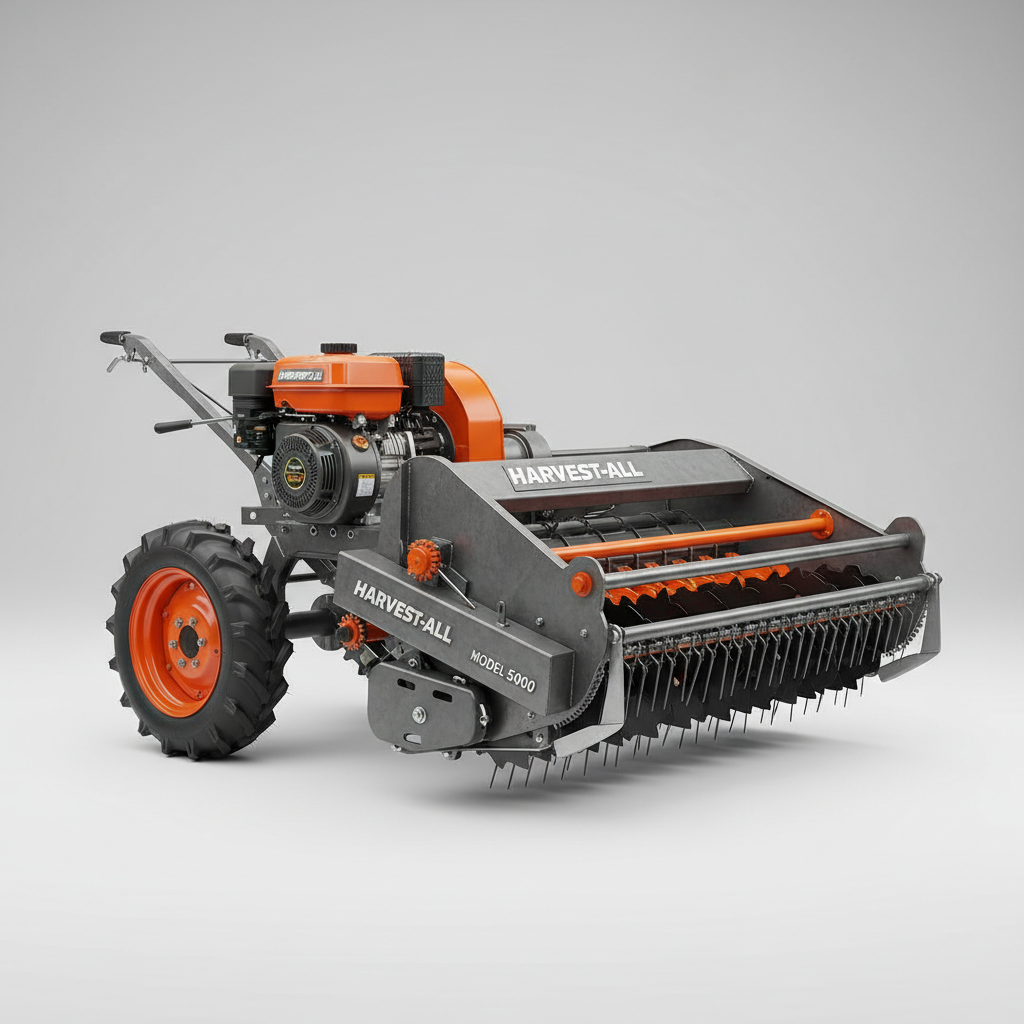
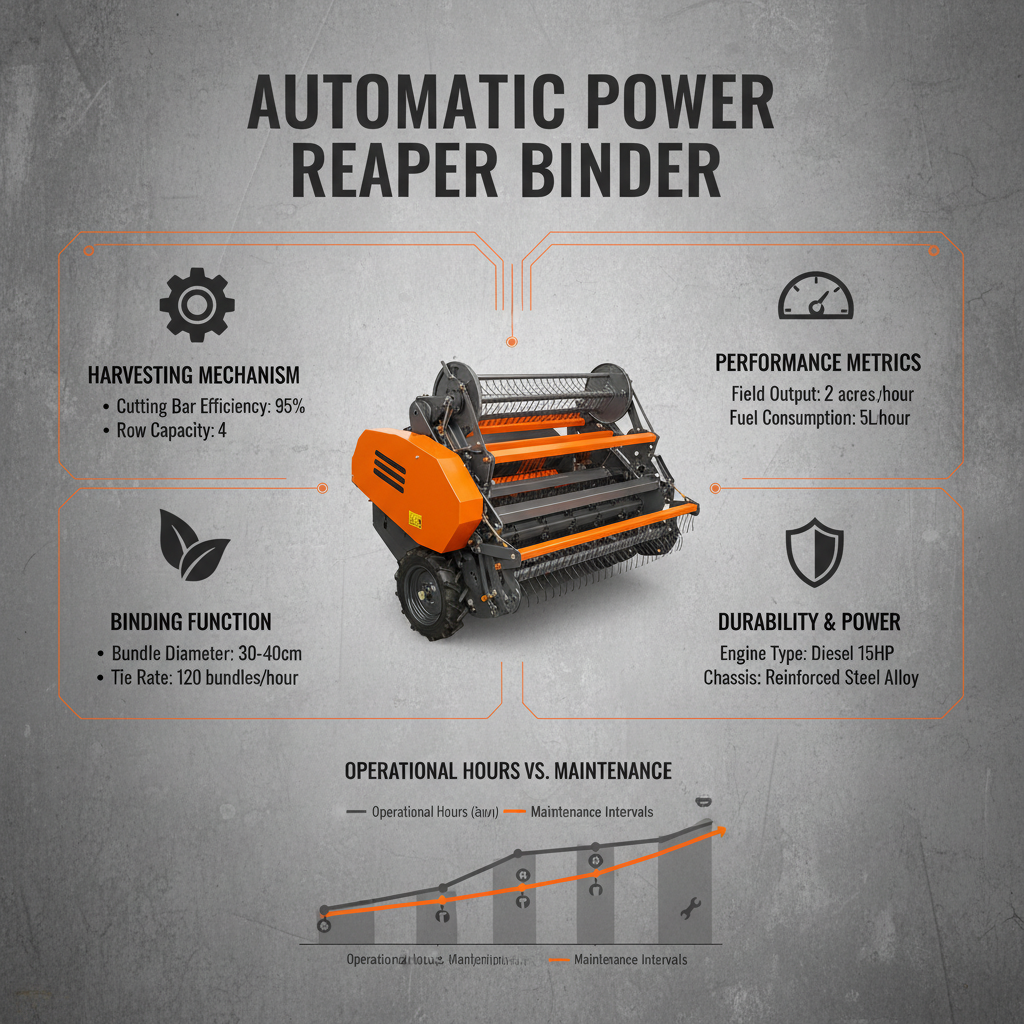
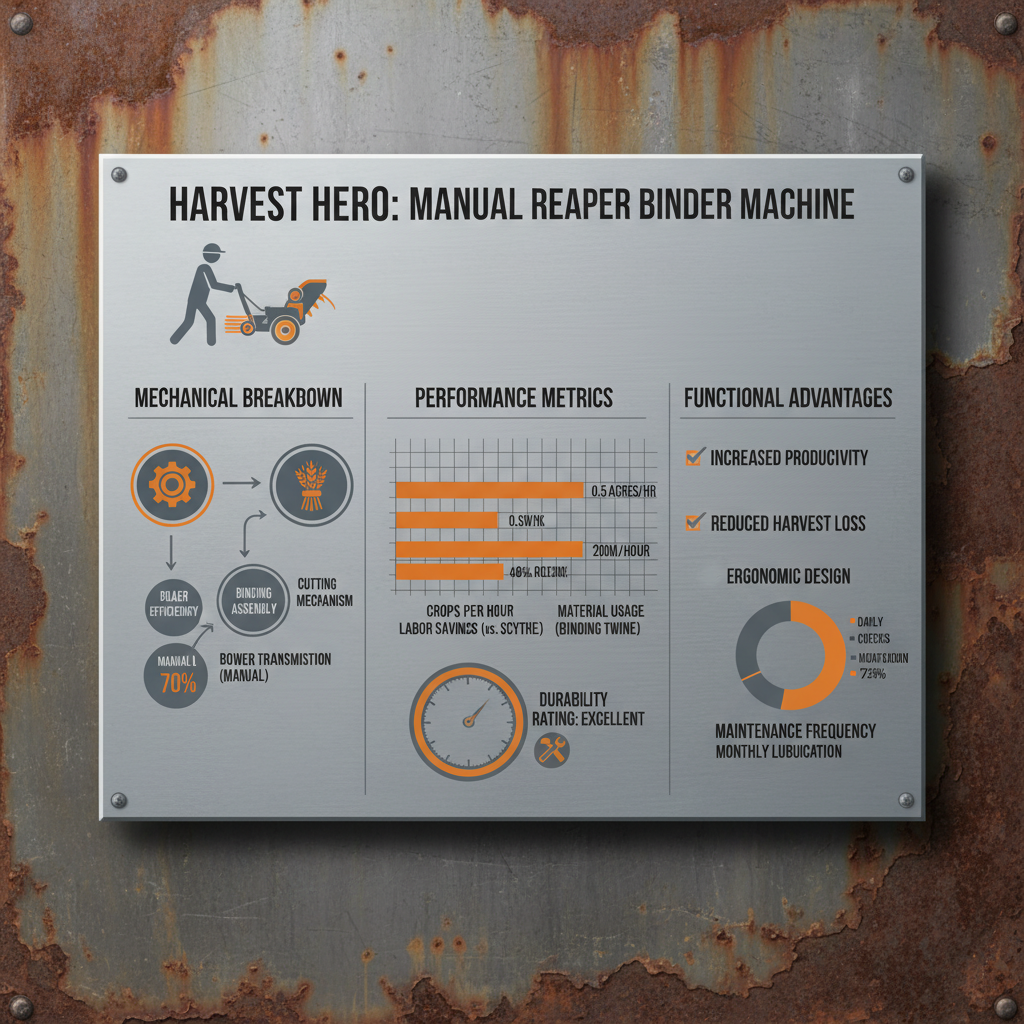
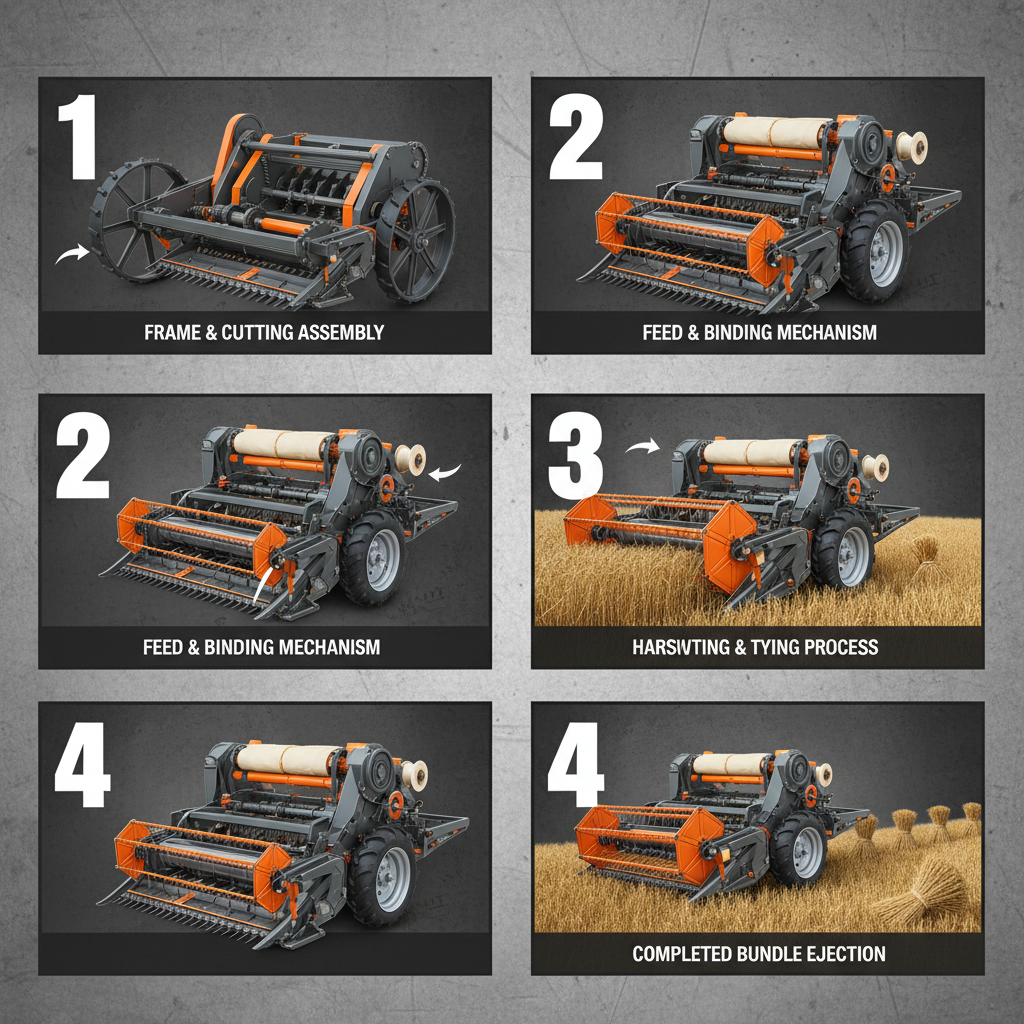
The power reaper binder, in its essence, represents a significant advancement in agricultural harvesting. It's more than just a machine; it's a sophisticated system designed to efficiently cut, gather, and bind crops for easier collection. This is particularly important for crops like wheat, barley, rice and oats, where manual harvesting is labor-intensive and time-consuming. power reaper binder efficiency leads to significant cost savings for farmers.
Modern power reaper binders incorporate advanced features such as self-propelled operation, adjustable cutting heights, and automated binding mechanisms. These features not only improve harvesting speed but also reduce crop loss and minimize the physical strain on agricultural workers. The integration of digital technologies, such as GPS and sensor systems, further enhances precision and optimizes performance.
With regular maintenance, including oil changes, filter replacements, and timely repairs, a well-built power reaper binder can typically last between 10,000 to 20,000 operating hours. This translates to roughly 20-40 years of reliable service, depending on the intensity of use and operating conditions. Implementing a preventative maintenance schedule is crucial for maximizing the machine's lifespan and minimizing costly breakdowns.
Power reaper binders generally have a lower initial cost than combine harvesters, making them a more accessible option for smaller farms. However, combine harvesters offer greater efficiency as they combine reaping, threshing, and winnowing into a single operation. Power reaper binders require a separate threshing process. For large-scale operations, the combined efficiency of a combine harvester often outweighs the initial cost advantage of a power reaper binder.
Safety is paramount when operating a power reaper binder. Operators should always wear appropriate personal protective equipment (PPE), including safety glasses, gloves, and hearing protection. Ensure all safety guards are in place and functioning correctly. Never attempt repairs while the machine is running. Thoroughly inspect the operating area for obstacles before starting the machine, and maintain a safe distance from bystanders.
Power reaper binders are most effective for harvesting grain crops with relatively long, straight stems, such as wheat, barley, oats, and rye. They are less suitable for crops with short stems, irregular growth patterns, or high moisture content. Adjustments can be made to accommodate various crop types, but optimal performance is achieved with crops that align with the machine's design.
Yes, various financing options are typically available for purchasing agricultural machinery like power reaper binders. These options include loans from banks and agricultural credit institutions, leasing agreements, and government-sponsored programs designed to support farmers. It's advisable to compare different financing options to determine the most suitable terms and interest rates for your specific needs.
Several maintenance tasks can be easily performed by the operator to extend the life of the power reaper binder. These include regularly checking oil levels, cleaning air filters, lubricating moving parts, inspecting belts and chains for wear, and tightening loose bolts. Following the manufacturer's recommended maintenance schedule is crucial for preventing major issues and ensuring optimal performance.
In conclusion, the power reaper binder remains a vital piece of agricultural technology, bridging the gap between traditional harvesting methods and modern efficiency. Its ability to streamline harvesting processes, reduce labor costs, and enhance crop yields makes it an indispensable tool for farmers globally. Understanding its core components, applications, and future trends is essential for maximizing its potential and contributing to a more sustainable food system.
Looking ahead, continued innovation in automation, sustainability, and precision agriculture will further elevate the power reaper binder's role in feeding a growing world. Investing in research and development, promoting responsible operation, and ensuring accessibility for smallholder farmers will be key to realizing the full benefits of this transformative technology. For more information and to explore our range of power reaper binder solutions, visit our website today.