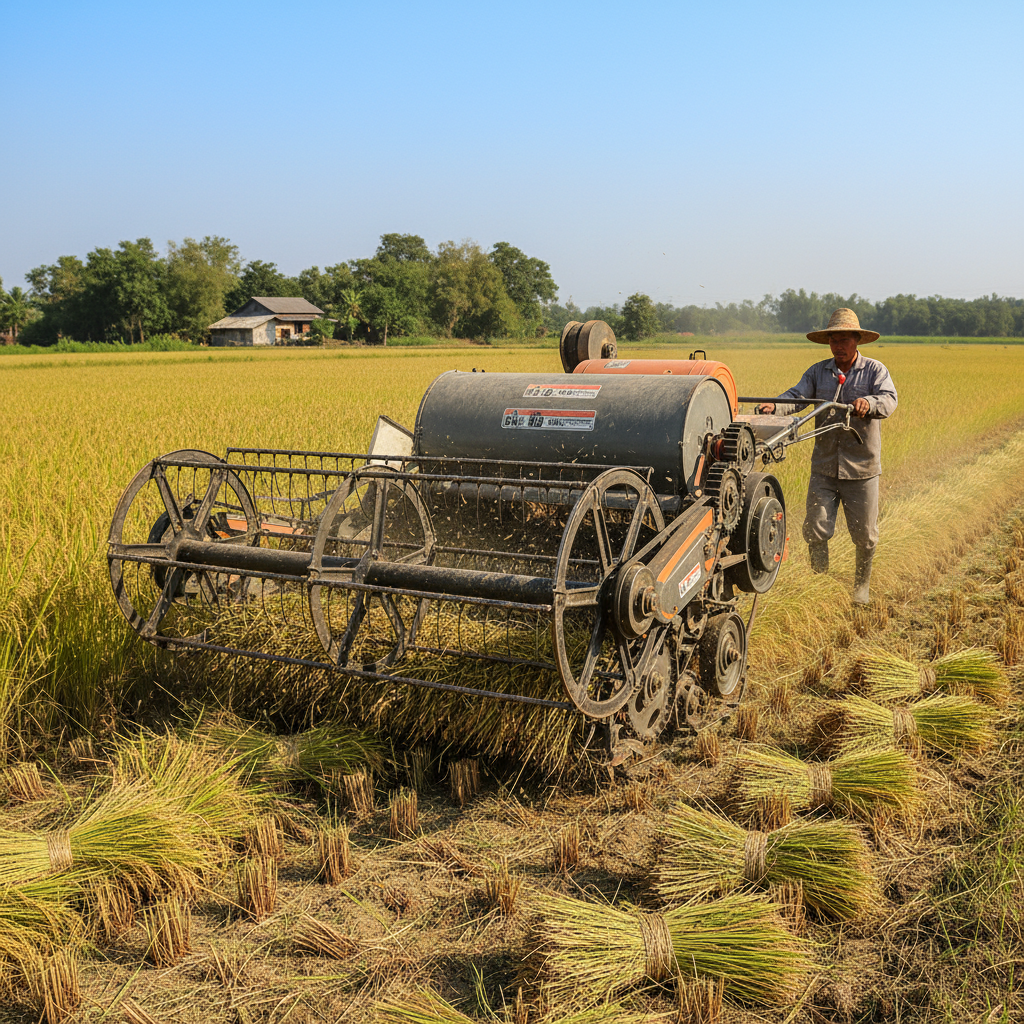
The power tiller mounted reaper represents a crucial advancement in agricultural technology, particularly for smallholder farmers globally. These machines significantly reduce labor requirements for harvesting crops like rice, wheat, and soybeans, leading to increased efficiency and yields. Understanding their operation, benefits, and evolving technologies is vital for enhancing food security and improving the livelihoods of farming communities worldwide. The increasing demand for efficient harvesting solutions, coupled with the need to minimize post-harvest losses, underscores the importance of this technology.
Globally, agricultural productivity faces increasing pressure from factors such as climate change, shrinking arable land, and a growing population. The power tiller mounted reaper addresses these challenges by providing a cost-effective and accessible solution for farmers in developing nations. According to the Food and Agriculture Organization (FAO) of the United Nations, reducing post-harvest losses is critical to meeting global food demands, and mechanized harvesting plays a significant role in achieving this goal. These reapers are becoming increasingly important as governments and NGOs seek to support sustainable agricultural practices.
The implementation of efficient harvesting tools like the power tiller mounted reaper is not simply about increasing food production; it's about empowering farmers, reducing rural poverty, and fostering sustainable agricultural development. They represent a key step towards modernizing farming practices and ensuring a more secure and equitable food system for all. By understanding the capabilities and limitations of these machines, stakeholders can make informed decisions about their adoption and integration into existing agricultural ecosystems.
The Role of Power Tiller Mounted Reapers in Modern Agriculture
The power tiller mounted reaper is transforming agricultural practices, particularly in regions where manual harvesting is still prevalent. By attaching to existing power tillers, these reapers offer a relatively affordable and efficient solution for farmers who may not have the resources to invest in larger, more complex harvesting machinery. This adaptability is a key factor in their widespread adoption.
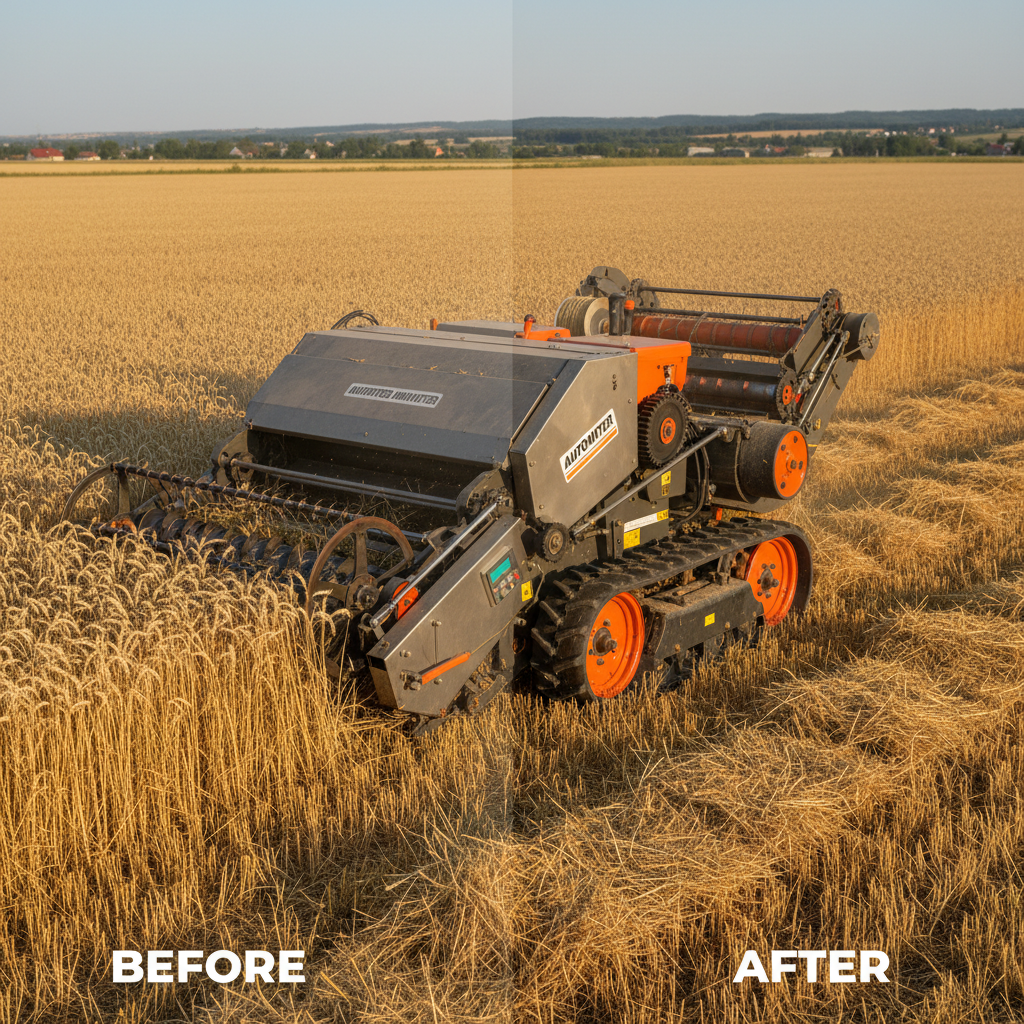
The impact extends beyond simply reducing labor costs. The use of reapers also leads to faster harvesting times, minimizing crop losses due to weather damage or pest infestations. This is especially critical for perishable crops, where timely harvesting is essential for maintaining quality and market value.
Understanding Power Tiller Mounted Reapers: A Global Perspective
The demand for power tiller mounted reapers is particularly high in Asian countries like India, China, and Vietnam, where rice cultivation is a dominant agricultural practice. These nations often have a large population of smallholder farmers who rely on labor-intensive methods. The introduction of mechanized harvesting has the potential to significantly improve their productivity and income.
Beyond Asia, these reapers are gaining traction in Africa, where small-scale farming is widespread and access to modern agricultural technology is often limited. NGOs and government initiatives are increasingly promoting the use of reapers to enhance food security and empower rural communities. The adaptability of the reaper to various crop types further expands its appeal.
The global market for agricultural machinery, including power tiller mounted reapers, is projected to continue growing in the coming years, driven by factors such as increasing population, rising food demand, and the need for sustainable agricultural practices. The focus on efficiency and reduced post-harvest losses will undoubtedly fuel this growth.
Defining the Power Tiller Mounted Reaper
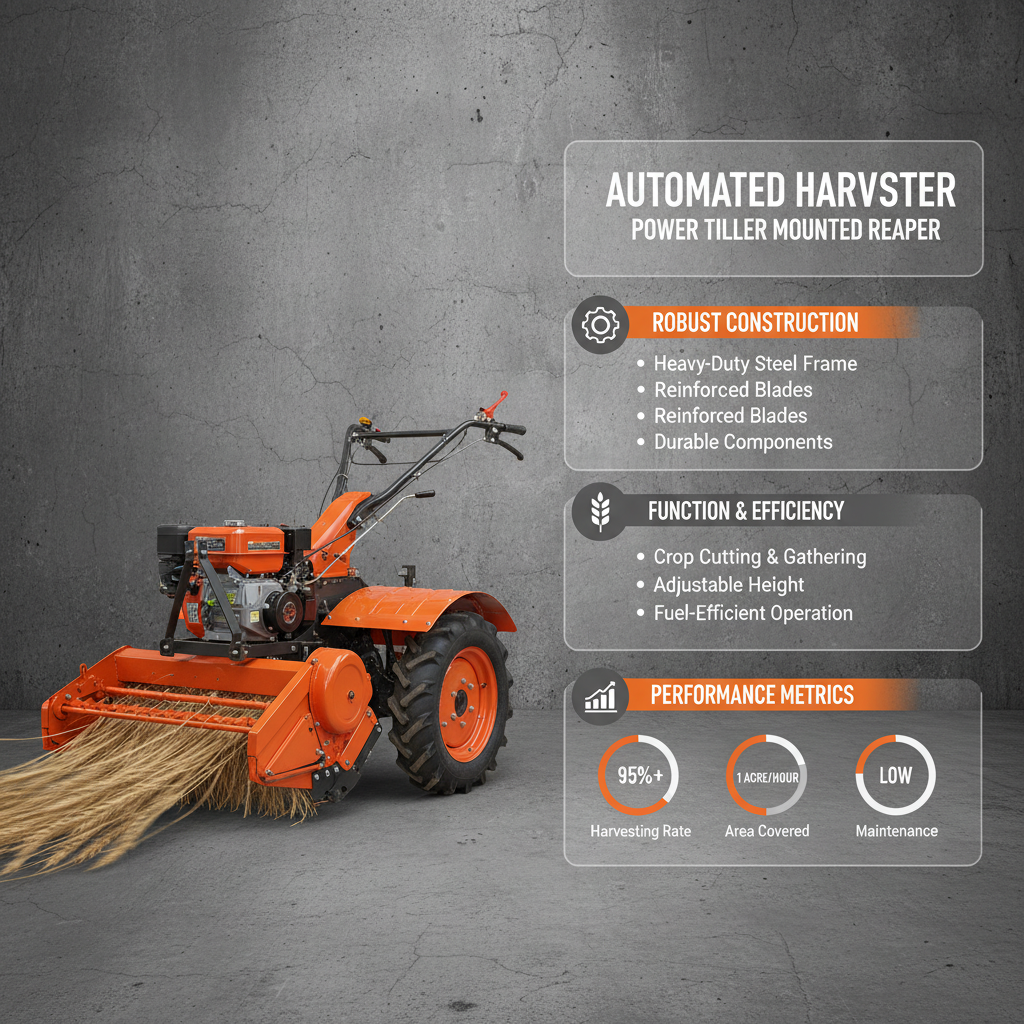
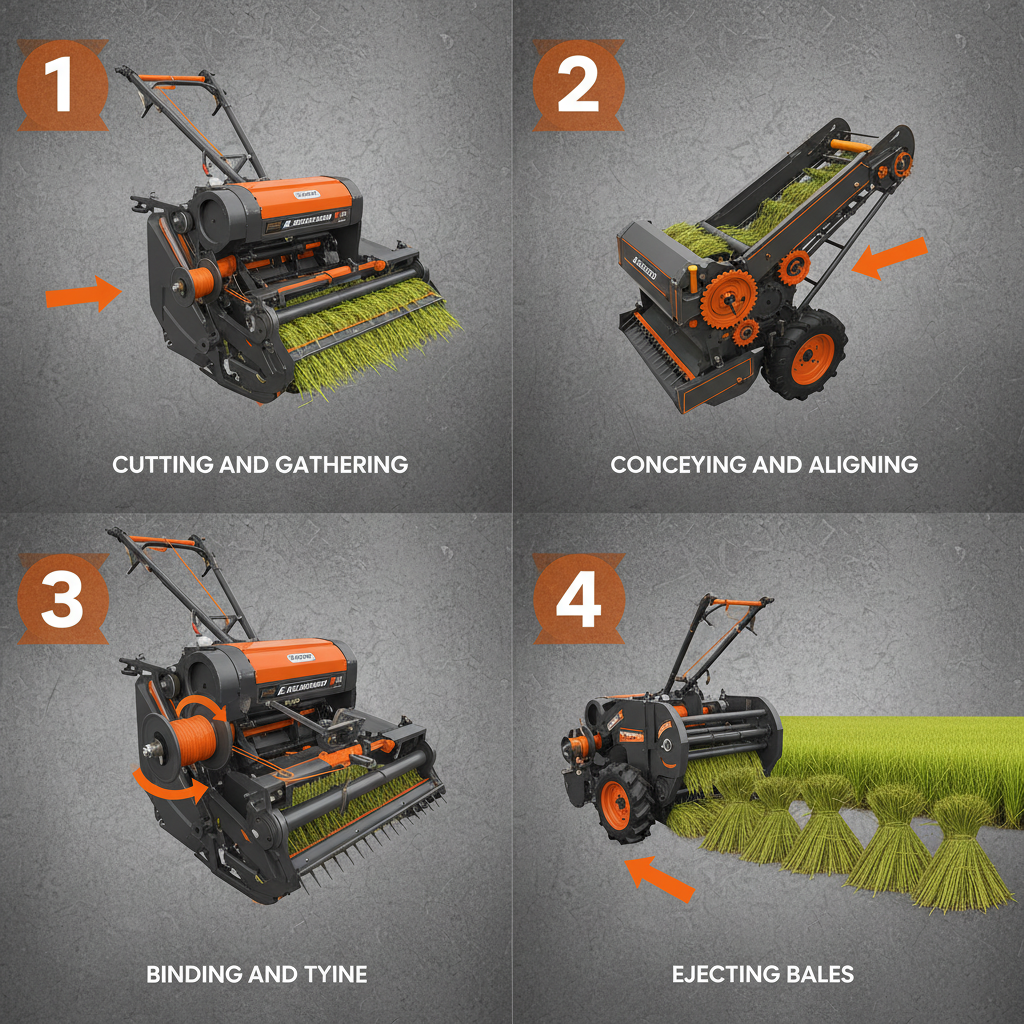
A power tiller mounted reaper is an agricultural implement designed to efficiently cut and gather crops, typically cereals like rice, wheat, and barley, and attach to a walking tractor or power tiller. It consists of a cutting mechanism, a conveying system, and often a bagging or bundling attachment. It fundamentally simplifies the harvesting process, drastically reducing manual labor.
Unlike combine harvesters which are self-propelled and perform multiple operations (reaping, threshing, and cleaning), the power tiller mounted reaper primarily focuses on reaping and sometimes light bundling. This targeted functionality contributes to its lower cost and simpler operation, making it more accessible to small-scale farmers. It represents a crucial step toward mechanization without the significant investment required for a full combine.
The connection to the power tiller provides the motive force, and the operator controls both machines simultaneously. This integration represents a practical solution for farmers already equipped with a power tiller, maximizing the utility of their existing investment and increasing overall agricultural efficiency.
Key Factors Influencing Reaper Performance
Several key factors influence the performance and effectiveness of a power tiller mounted reaper. These include the sharpness and design of the cutting blades, the efficiency of the conveying system, and the overall build quality and durability of the machine.
Proper maintenance is also crucial. Regular lubrication, blade sharpening, and inspection of the conveyor belt are essential for ensuring optimal performance and preventing breakdowns. The suitability of the reaper to the specific crop type and field conditions also plays a significant role in its effectiveness.
Power Tiller Mounted Reaper Performance Metrics
Global Applications and Real-World Use Cases
In post-disaster relief operations, power tiller mounted reapers can be rapidly deployed to harvest remaining crops and provide food for affected communities. Their portability and ease of use make them ideal for emergency situations.
In remote industrial zones where large-scale farming operations are expanding, these reapers provide a cost-effective solution for harvesting crops in areas with limited access to infrastructure and skilled labor. They are particularly useful for cultivating rice paddies and other staple crops.
Advantages and Long-Term Value Proposition
The advantages of using a power tiller mounted reaper are numerous, including reduced labor costs, increased harvesting speed, and minimized crop losses. These benefits translate directly into higher profits for farmers. The long-term value lies in improved agricultural productivity and sustainable farming practices.
Beyond the economic benefits, these reapers also contribute to social improvements by reducing the physical strain on farmworkers and providing opportunities for them to engage in other productive activities. They also promote a sense of dignity and empowerment among farming communities.
Future Trends and Innovations in Reaper Technology
Future innovations in power tiller mounted reaper technology are likely to focus on automation, precision harvesting, and integration with digital farming platforms. The development of sensor-based systems that can optimize cutting height and speed based on crop characteristics is one promising area of research.
The integration of GPS technology and remote monitoring capabilities will enable farmers to track reaper performance, identify areas for improvement, and optimize their harvesting operations. Furthermore, the adoption of sustainable materials and energy-efficient designs will contribute to a more environmentally friendly approach to agriculture.
The trend toward electrification and the use of renewable energy sources to power these reapers is also gaining momentum, reducing their carbon footprint and promoting a more sustainable agricultural system.
Summary of Key Challenges and Potential Solutions for Power Tiller Mounted Reapers
| Challenge |
Impact on Efficiency |
Potential Solution |
Implementation Cost (1-10) |
| Uneven Terrain |
Reduced harvesting speed and increased crop damage |
Implement adjustable cutter bars and improved suspension systems |
6 |
| Crop Lodging |
Difficulty in cutting and conveying lodged crops |
Develop reaper designs with enhanced lifting mechanisms |
7 |
| Blade Durability |
Frequent blade replacements increase downtime and costs |
Utilize hardened steel alloys and advanced blade coatings |
5 |
| Operator Skill Level |
Inadequate operator training leads to inefficient operation and damage |
Provide comprehensive training programs and user-friendly manuals |
4 |
| Maintenance Access |
Difficult access to key components hinders timely maintenance |
Design reapers with modular components and easily accessible maintenance points |
3 |
| Limited Crop Adaptability |
Not suitable for all crop types and densities |
Develop interchangeable cutting attachments for different crops |
8 |
FAQS
The lifespan of a power tiller mounted reaper typically ranges from 5 to 10 years, depending on usage frequency, maintenance practices, and the quality of materials used in its construction. Regular maintenance, including lubrication, blade sharpening, and component inspections, significantly extends its operational life. Harsh operating conditions and infrequent maintenance can reduce its lifespan.
Power tiller mounted reapers are most effectively used for harvesting cereal crops such as rice, wheat, barley, and oats. They are also suitable for harvesting certain types of legumes and forage crops. The reaper's performance is optimized when the crop is relatively uniform in height and density. Adjustments may be needed for different crop types and field conditions.
The cost of a power tiller mounted reaper can vary significantly based on its features, capacity, and manufacturer. Generally, prices range from $500 to $2,000 USD. The specific model, any included attachments, and shipping costs will all influence the final price. It’s an affordable alternative to larger combine harvesters.
Regular maintenance includes lubricating moving parts, sharpening or replacing cutting blades, inspecting and tightening bolts, and checking the conveyor belt for wear and tear. It's also crucial to clean the reaper after each use to prevent corrosion and buildup of debris. Following the manufacturer’s maintenance schedule is essential for optimal performance and longevity.
Yes, proper training is essential for safe and effective operation. Operators should be familiar with the reaper’s controls, safety features, and maintenance procedures. Training should cover pre-operation checks, safe operating speeds, and emergency shutdown procedures. Understanding these aspects minimizes the risk of accidents and maximizes harvesting efficiency.
Always wear appropriate personal protective equipment (PPE), including safety glasses, gloves, and sturdy footwear. Ensure the harvesting area is free of obstacles and bystanders. Never operate the reaper at excessive speeds. Always disengage the blades before performing any maintenance or adjustments. Be aware of your surroundings and potential hazards.
Conclusion
The power tiller mounted reaper represents a vital innovation in agricultural technology, offering a cost-effective and efficient solution for smallholder farmers worldwide. Its ability to reduce labor costs, increase harvesting speed, and minimize crop losses makes it an invaluable tool for improving agricultural productivity and ensuring food security. The continuous advancements in reaper technology, coupled with a growing emphasis on sustainable farming practices, promise even greater benefits in the years to come.
Looking ahead, continued research and development focused on automation, precision harvesting, and integration with digital farming platforms will further enhance the capabilities of these reapers. Investing in training programs for operators and promoting access to affordable maintenance services will also be crucial for maximizing their impact. Visit our website at www.hbniuboshi.com to learn more about our range of power tiller mounted reapers and how they can benefit your farming operation.