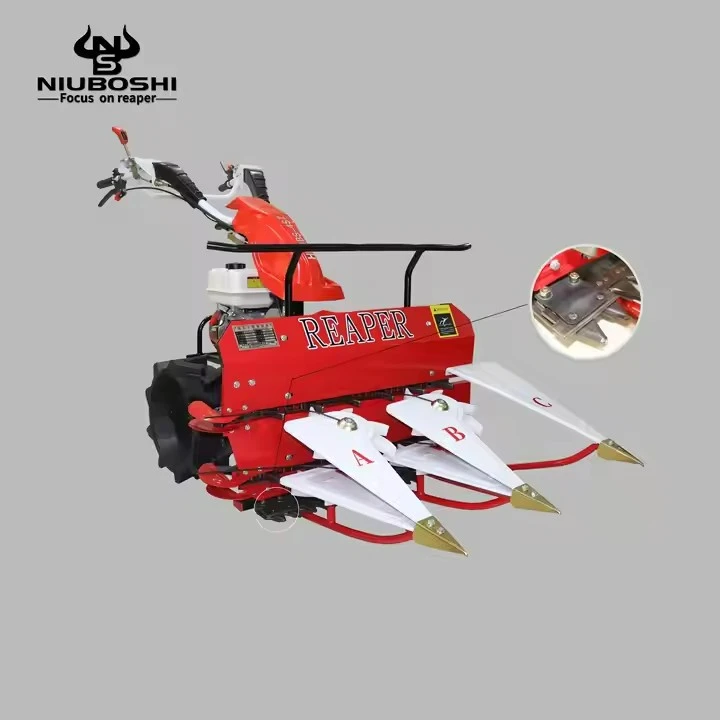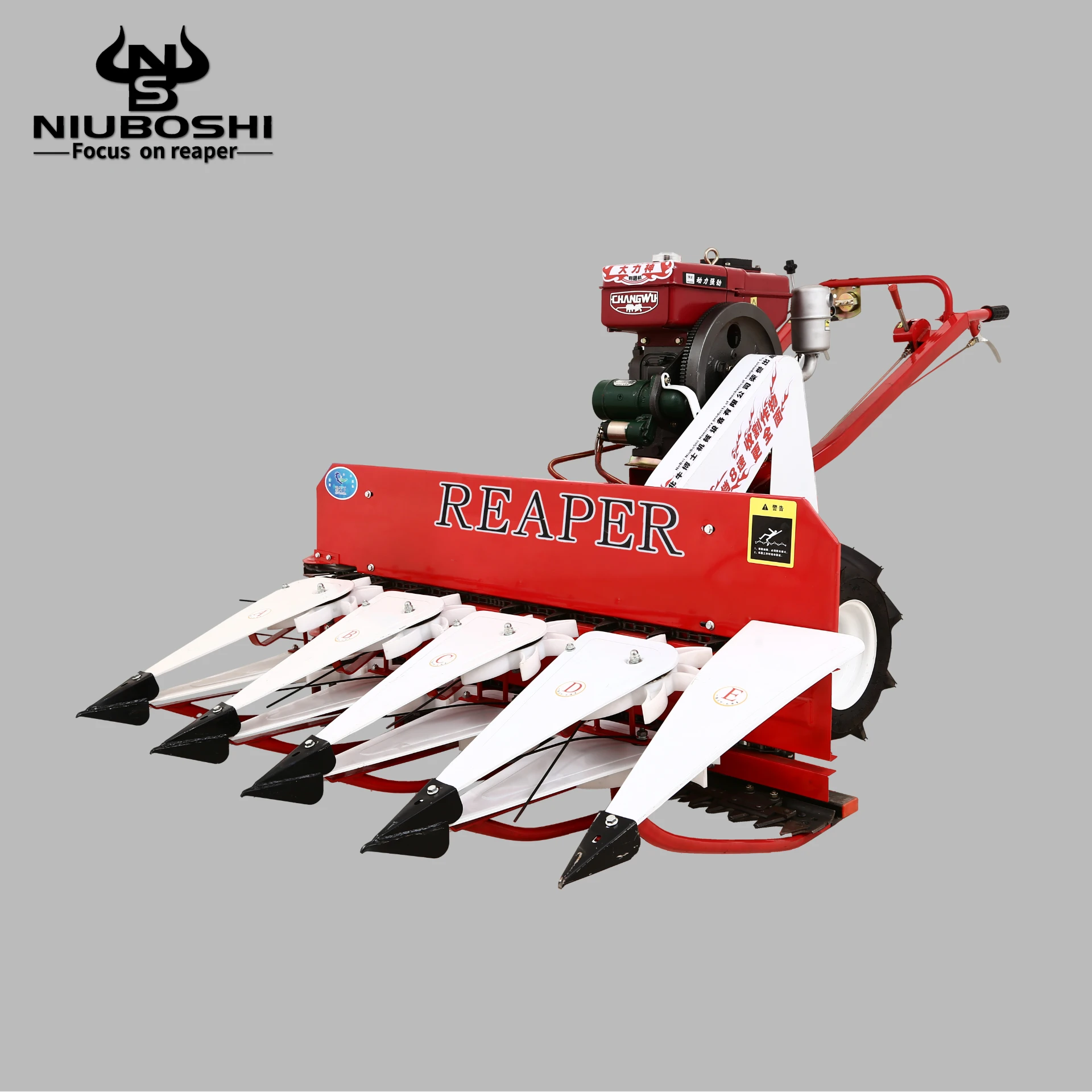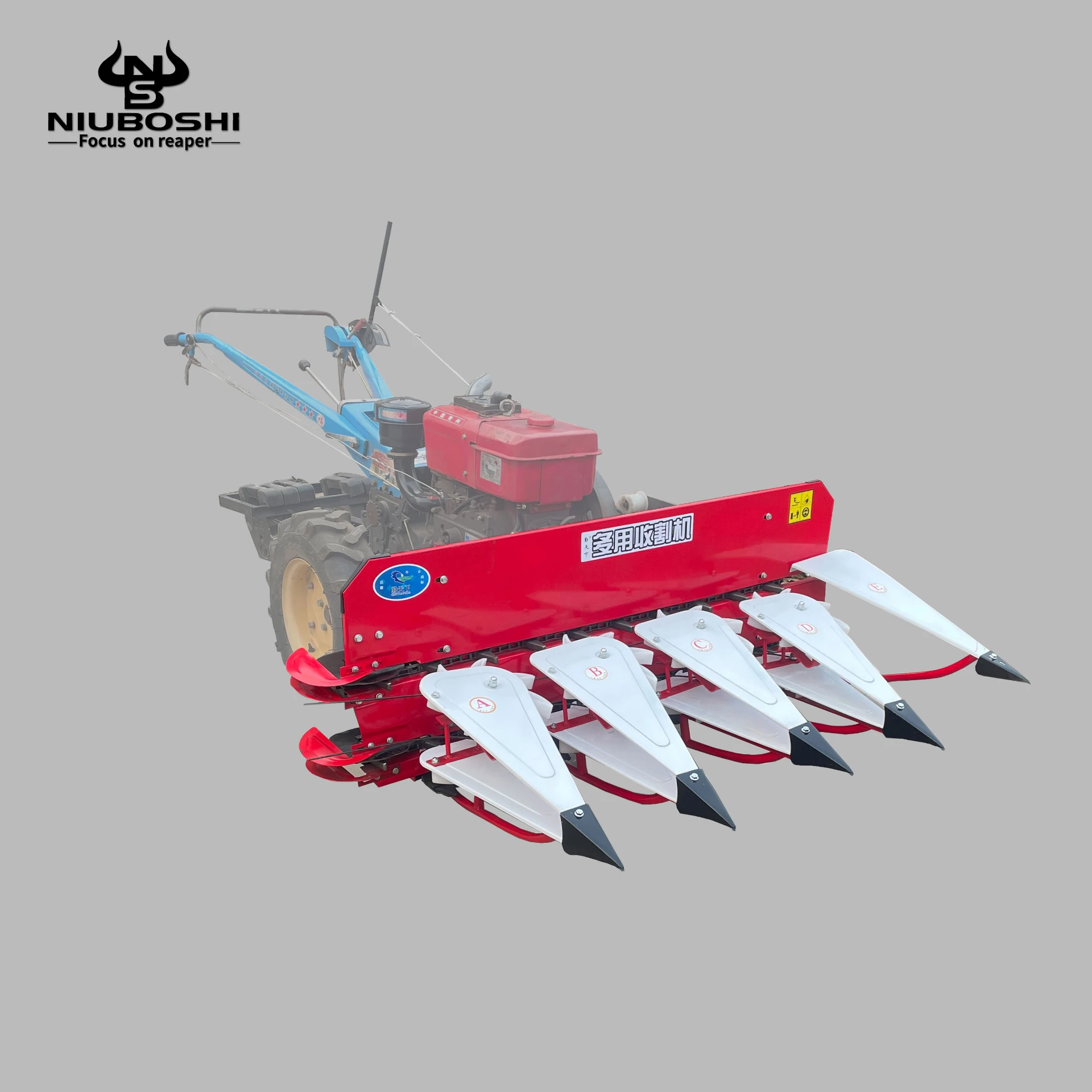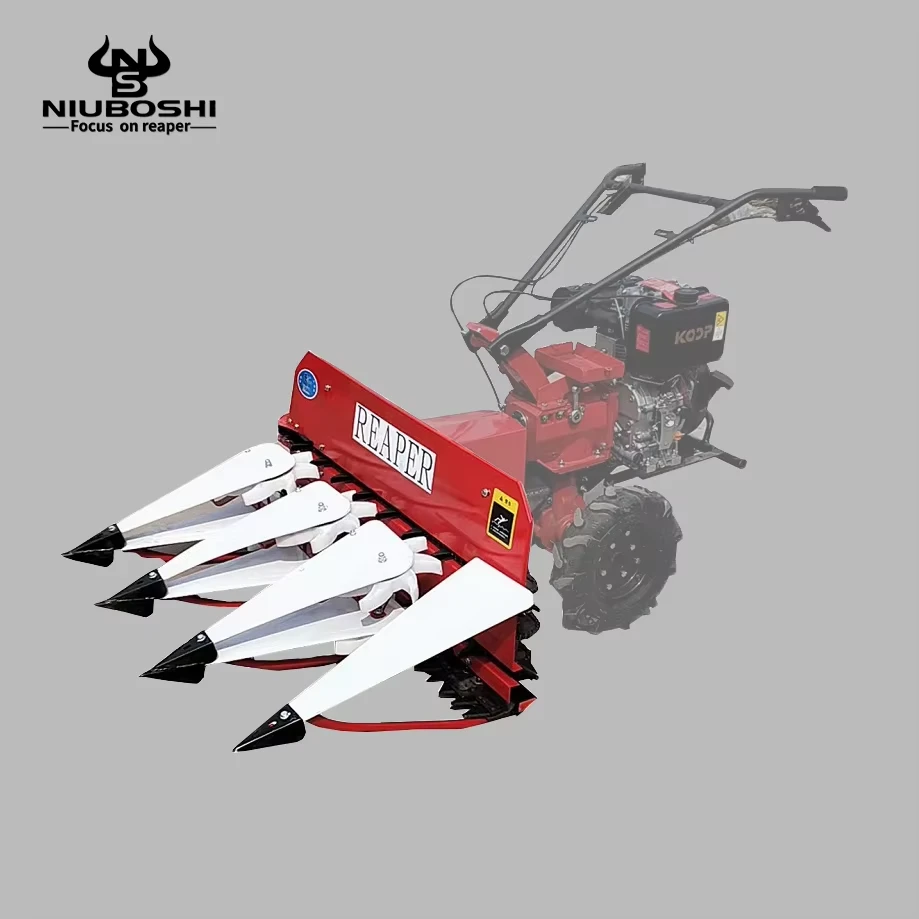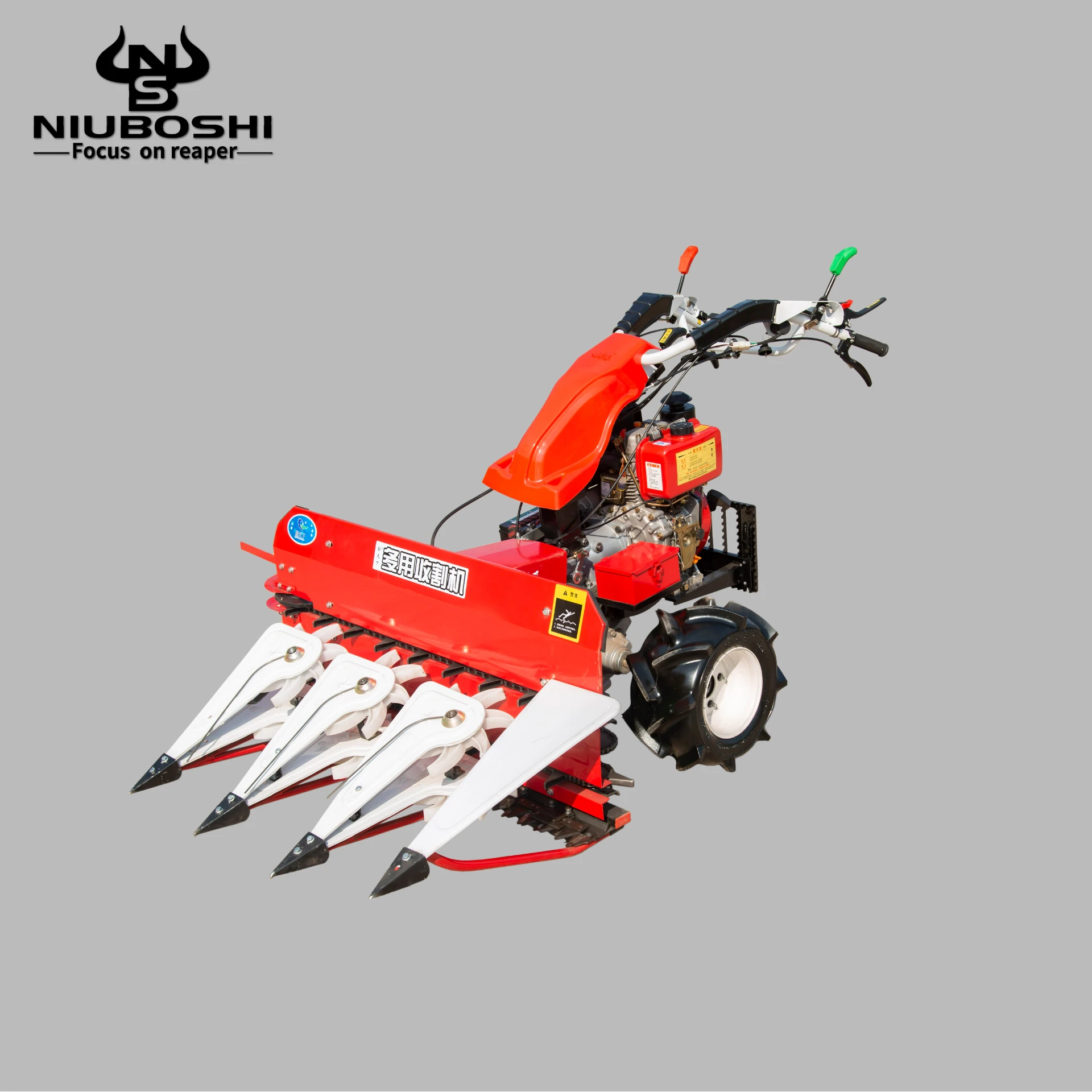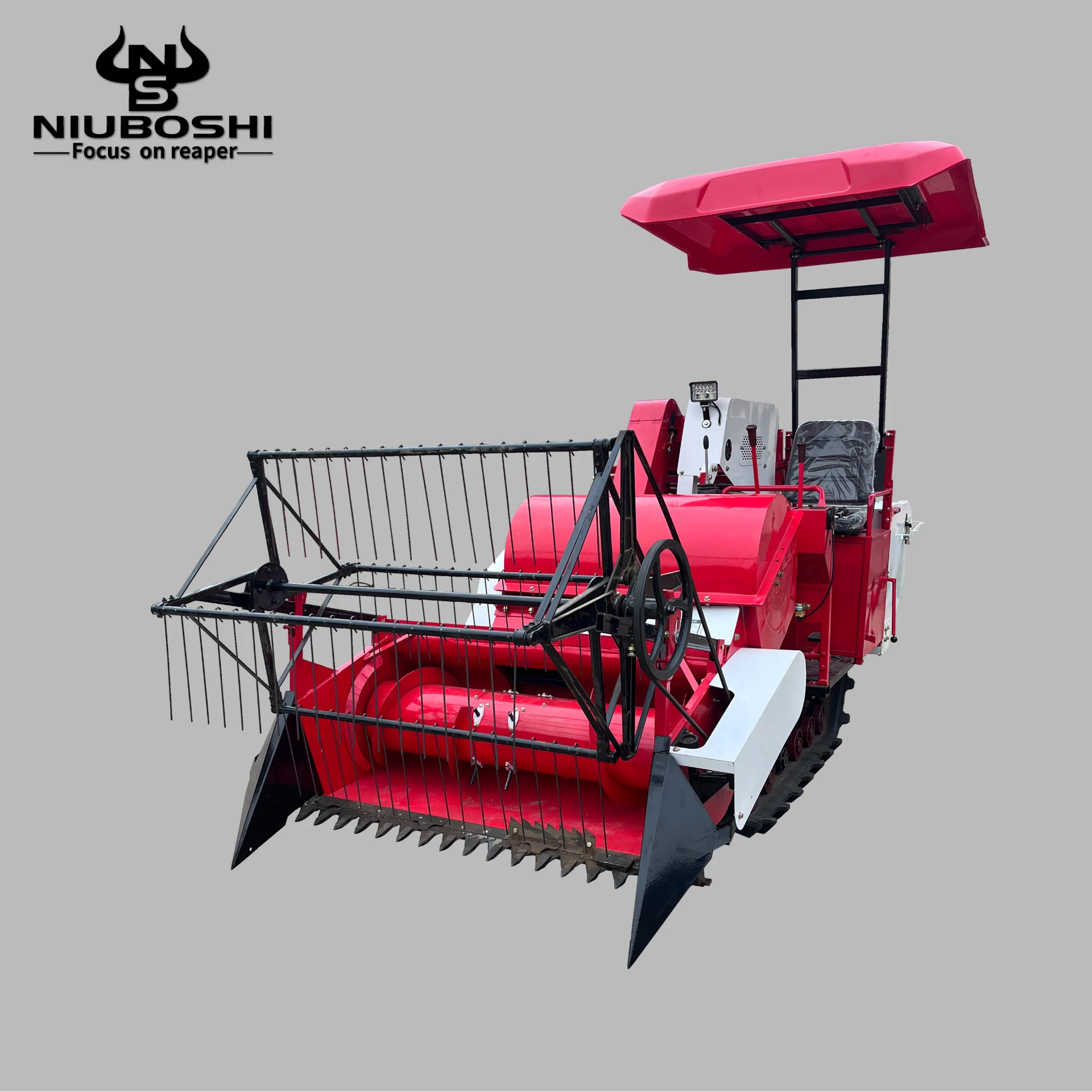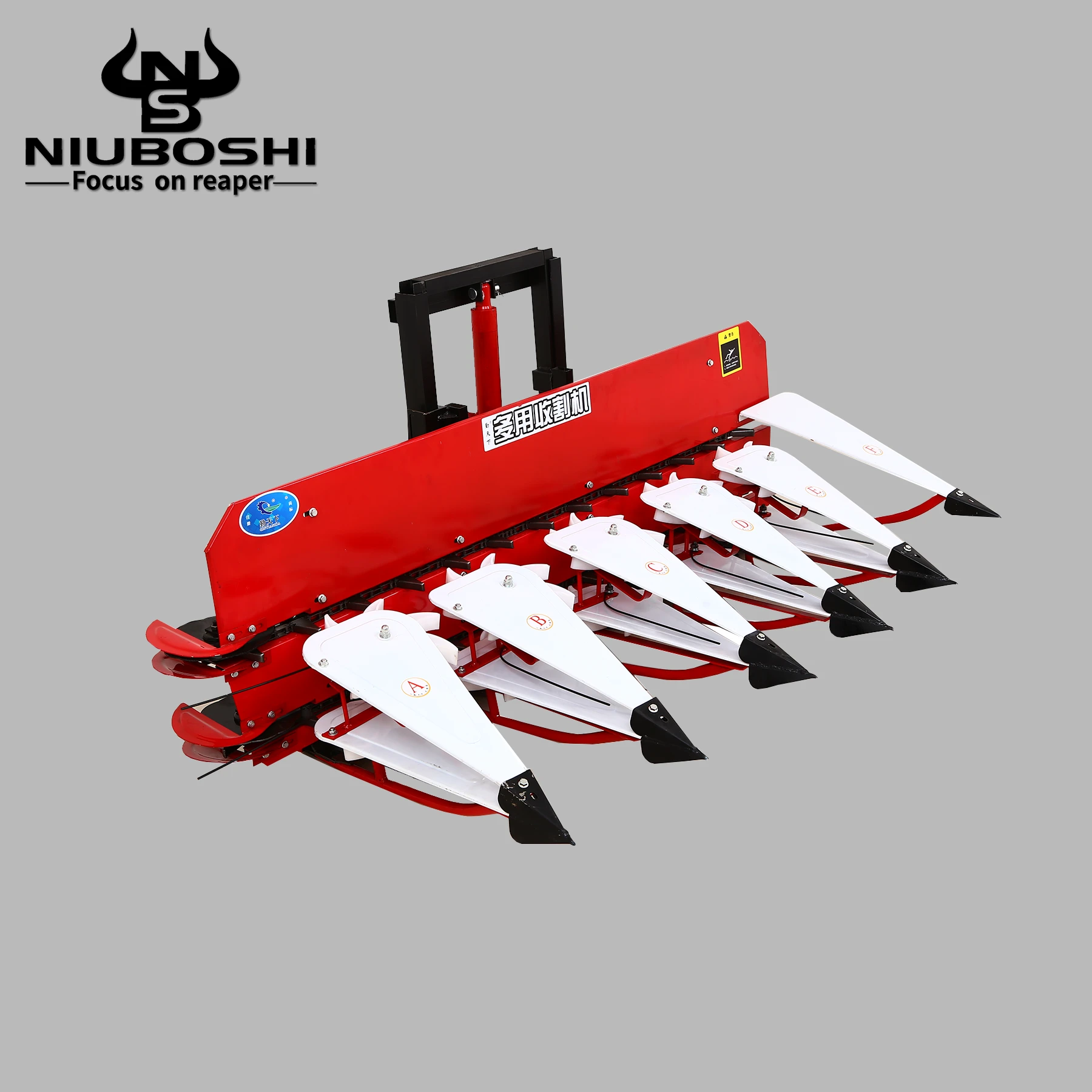
Boost Harvest Efficiency with the Best Agriculture Reaper Machine
Maximizing Harvest Efficiency with the Right Agriculture Reaper Machine
In the modern era of farming, the transition from manual labor to automation is no longer a luxury but a necessity for survival and growth. The agriculture reaper machine has revolutionized how farmers approach the harvesting process, significantly reducing the time and physical strain required to gather crops. By integrating precision engineering with robust durability, these machines ensure that crops are cut cleanly and efficiently, minimizing waste and maximizing yield. Whether you are managing a small family plot or a large-scale commercial estate, understanding the capabilities of these machines is the first step toward optimizing your agricultural productivity.
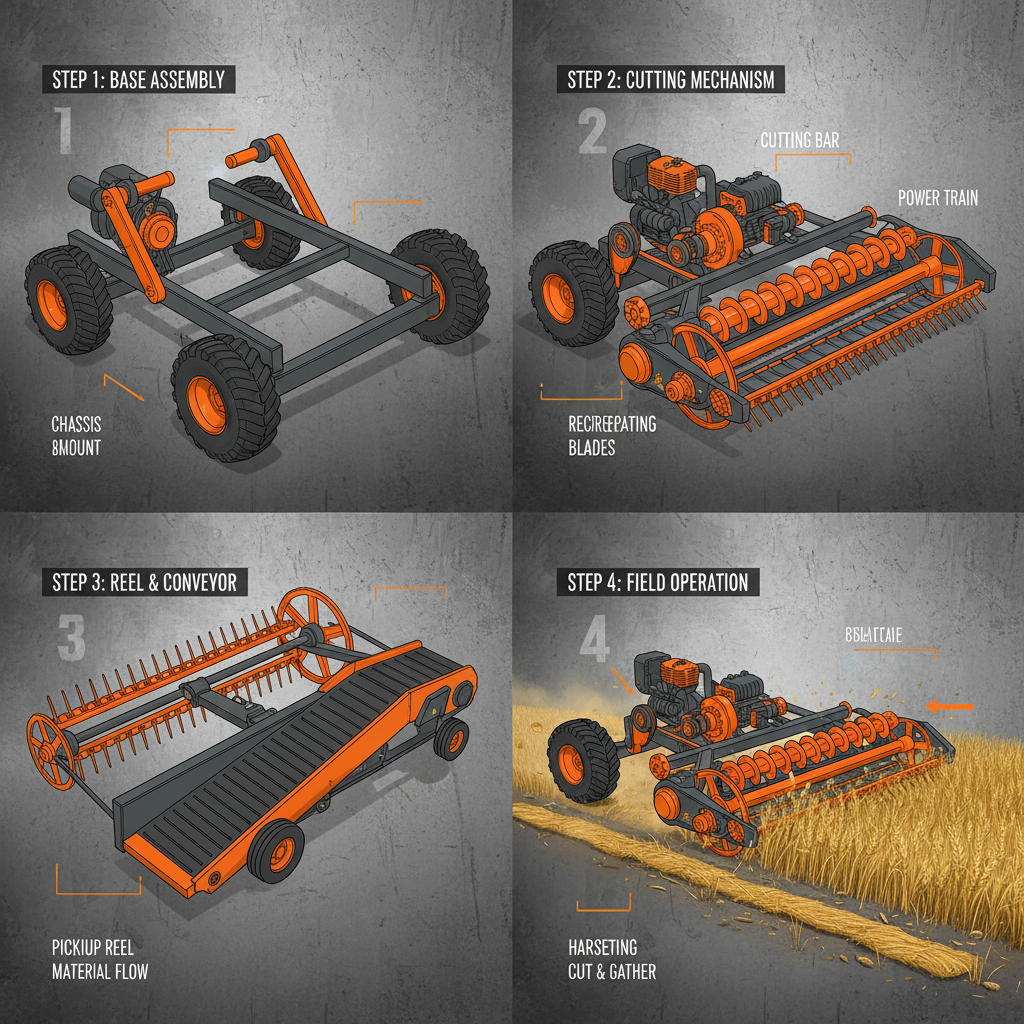
How an Agriculture Reaper Machine Transforms Crop Harvesting
The primary function of an agriculture reaper machine is to automate the cutting of grain crops, such as wheat, rice, and soybeans. Unlike traditional scythes, these machines use a reciprocating blade system that slices through stems with surgical precision. This automation prevents the "lodging" of crops (where plants fall over), ensuring that the grain remains upright and easy to collect. Furthermore, modern reapers are designed to operate across various soil conditions, from dry plains to slightly damp terrains, ensuring that the harvest window is never missed due to weather fluctuations.
Key Advantage: Automation reduces harvesting time by up to 80% compared to manual labor, allowing farmers to move their produce to market faster and reduce the risk of field spoilage.
Choosing the Best Agriculture Reaper Machine for Your Land
Not all fields are created equal, and neither are the machines used to harvest them. When selecting an agriculture reaper machine, one must consider the terrain, crop density, and available power sources. For small, fragmented plots, a walk-behind reaper offers unmatched maneuverability. Conversely, for vast hectares, tractor-mounted reapers provide the speed and scale necessary for commercial viability. The balance between cutting width and engine horsepower determines how many acres can be covered per hour, directly impacting the overall operational cost of the farm.
Technical Comparison: Manual vs. Mechanical Reaping
To truly appreciate the value of a mechanical agriculture reaper machine, it is helpful to compare its performance against traditional manual methods. While manual harvesting is low-cost in terms of initial investment, the long-term labor costs and the risk of human error make it inefficient for growing businesses. Mechanical reapers provide consistency in cut height, which is essential for maintaining seed quality and preparing the field for the next planting cycle.
Maintenance Tips for Your Agriculture Reaper Machine
To ensure the longevity of your agriculture reaper machine, a strict maintenance schedule is imperative. The most critical component is the blade; dull blades not only increase fuel consumption but can also damage the crop stems, leading to lower grain quality. Regular lubrication of the moving joints and checking the belt tension prevents unexpected breakdowns during the peak of the harvest season. Additionally, cleaning the machine after each use prevents the buildup of corrosive organic matter, which can lead to rust and structural weakness over time.
Technical Specifications of Modern Reaper Models
When browsing the catalog of an agriculture reaper machine, you will encounter various specifications. Understanding these numbers allows you to match the machine to your specific crop type. For instance, the "Working Width" determines how many passes you need to make across your field, while "Engine Displacement" indicates the power available to handle thick, dense vegetation. Below is a specification table representing a standard high-efficiency model commonly used in medium-sized farms.
Conclusion: Scaling Your Farm with the Right Technology
Investing in a high-quality agriculture reaper machine is more than just a purchase; it is a strategic move toward sustainable and profitable farming. By reducing labor dependency and increasing the speed of the harvest, farmers can focus more on crop quality and market expansion. With proper selection, regular maintenance, and a clear understanding of technical specifications, these machines become the backbone of a successful agricultural operation. Embrace the power of automation to ensure your farm thrives in an increasingly competitive global market.
Frequently Asked Questions (FAQs)
Which crops are most suitable for an agriculture reaper machine?
The agriculture reaper machine is primarily designed for cereal crops and grains. This includes wheat, rice, barley, oats, and soybeans. Because these crops typically grow in dense, upright stands, they are perfectly suited for the reciprocating blade mechanism. However, it is important to ensure the machine is adjusted to the specific height of the crop to avoid cutting too low into the soil or leaving too much stalk behind, which could interfere with subsequent field preparation.
How often should I sharpen the blades of my reaper?
Blade sharpening frequency depends on the soil grit and the toughness of the crop stalks. As a general rule, blades should be inspected daily during the harvest season. If you notice the machine is "tearing" the stalks rather than slicing them cleanly, or if fuel consumption increases, it is time to sharpen. For most users, a thorough sharpening every 20-40 hours of operation is recommended to maintain peak efficiency and reduce strain on the engine.
Can this machine be used on hilly or uneven terrain?
Yes, but it depends on the model. Walk-behind reapers are generally better for uneven terrain because they are lighter and more maneuverable. For hilly areas, we recommend models with adjustable cutting heights and reinforced chassis to prevent the blades from hitting rocks or uneven soil. Always operate the machine with caution on slopes to avoid tipping and ensure that the operator is positioned on the uphill side for maximum safety.
What is the expected lifespan of a professional agriculture reaper machine?
With proper maintenance and storage, a professional-grade agriculture reaper machine can last between 8 to 15 years. The key to longevity is preventing rust and ensuring the engine is serviced regularly. Storing the machine in a dry, covered environment and applying a protective anti-rust coating to the blades during the off-season can significantly extend its life. Investing in genuine replacement parts from the manufacturer also ensures that the machine continues to operate at its original efficiency.
Latest news
-
Maximize Harvest Efficiency with the Agro Reaper Binder MachineNewsApr.16,2026
-
Revolutionizing Agriculture with the Efficient Agriculture Power ReaperNewsApr.07,2026
-
Comprehensive Guide to the 4 Wheel Reaper Binder for Efficient HarvestingNewsApr.04,2026
-
Comprehensive Guide to Reaperbinder Technology for Efficient Hay and Crop HarvestingNewsMar.31,2026
-
Mastering the Art of Reaper Cutting for Enhanced Agricultural EfficiencyNewsMar.28,2026