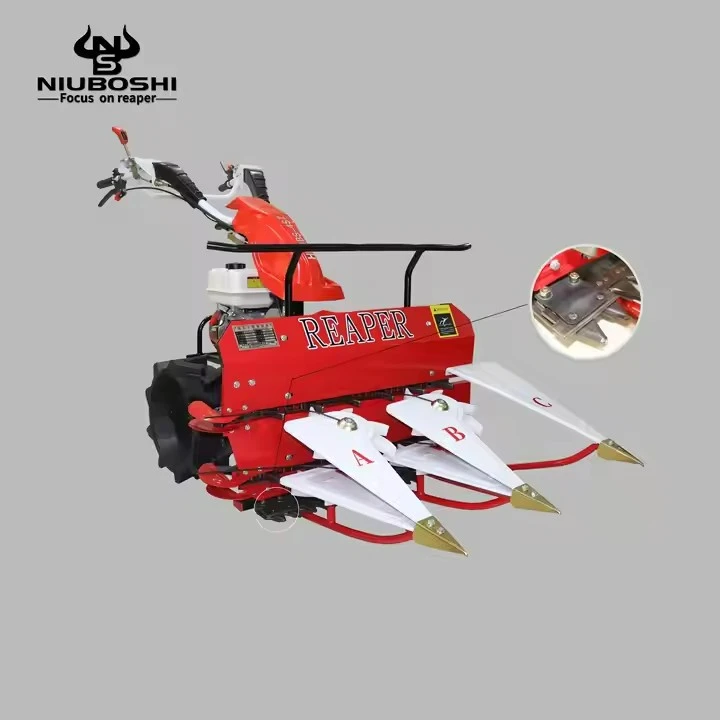
High-Efficiency reaper harvester Solutions for Egypt Agriculture

Empowering Egyptian farmers with advanced harvesting technology to maximize yield and reduce labor costs in the Nile Delta and beyond.

High-Efficiency reaper harvester Solutions for Egypt Agriculture

Our comprehensive range of harvesting machinery is specifically engineered to handle the diverse crop conditions of Egypt, ensuring precision cutting and optimal efficiency for every farm size.

Agricultural Harvesting Landscape in Egypt

Analyzing the transition from manual labor to mechanical precision in the heart of North Africa.

Agriculture in Egypt is characterized by the fertile lands of the Nile Delta and Valley, where crop density is high but land fragmentation is common. Traditionally, the use of a reaper machine was rare, with most farmers relying on manual sickles, leading to significant harvest losses and extreme labor dependency during peak seasons.

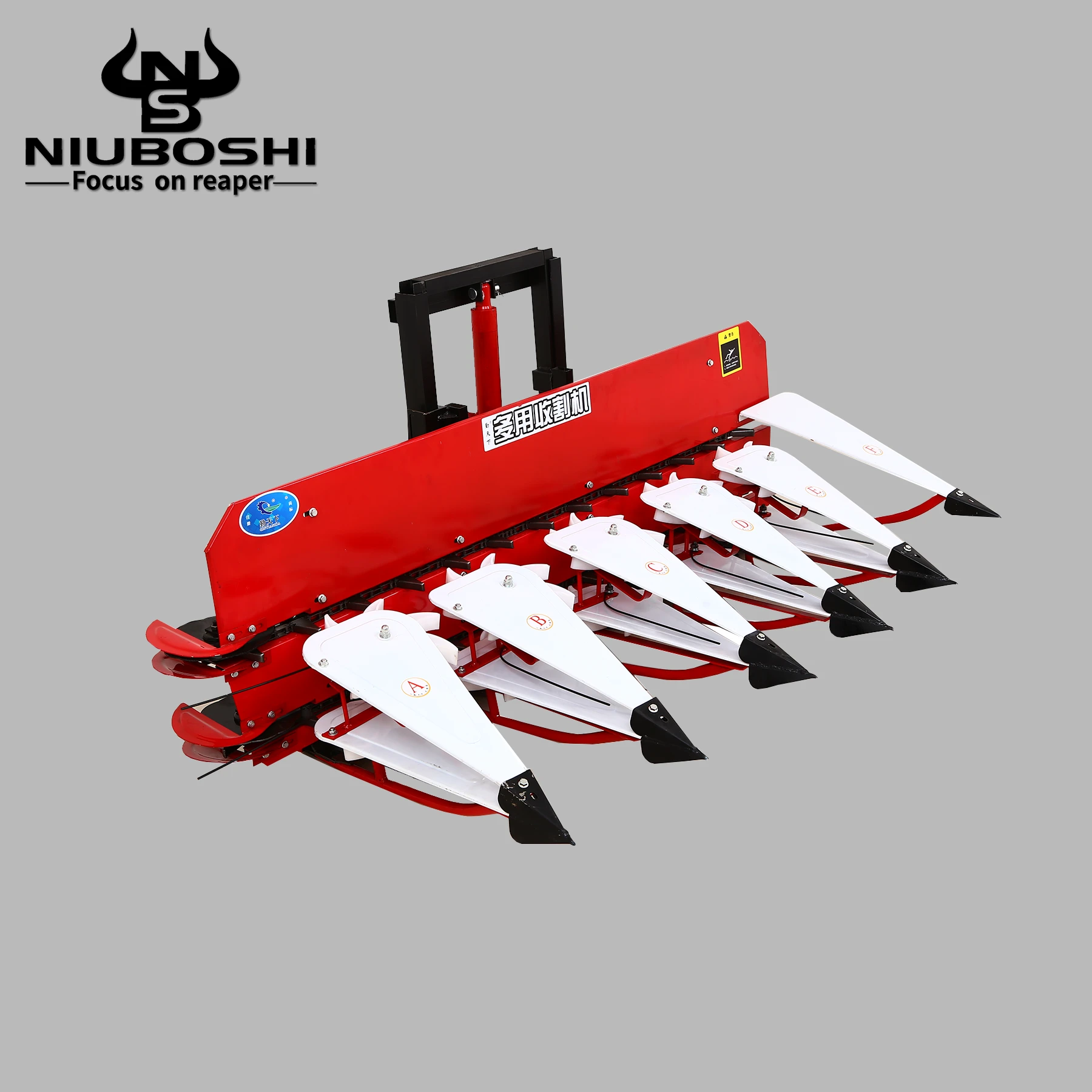
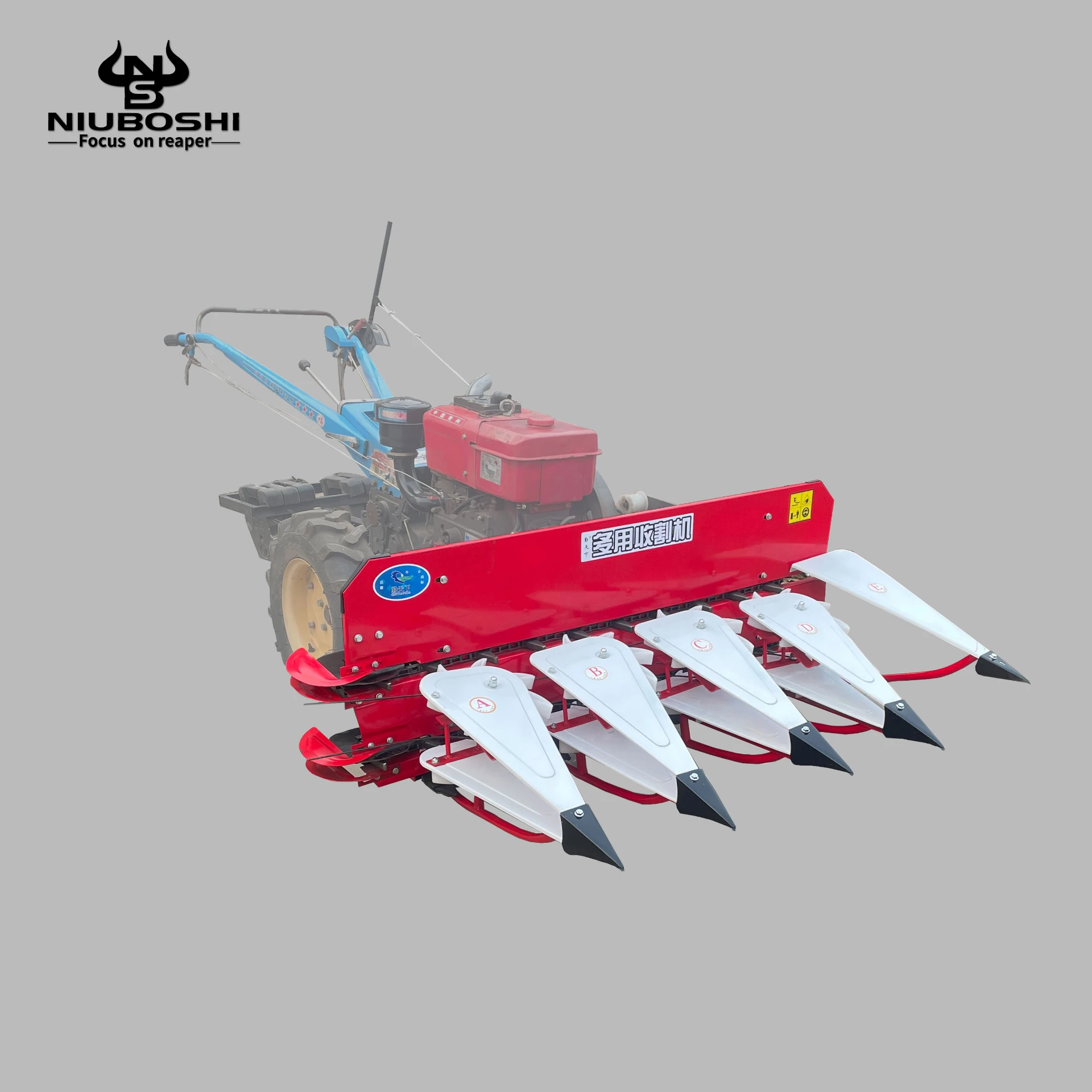
Currently, the Egyptian market is seeing a surge in the adoption of the mini reaper binder due to the prevalence of small-scale family farms. These compact machines allow for efficient operation in narrow fields where larger combine harvesters cannot maneuver, effectively bridging the gap between traditional methods and industrial farming.

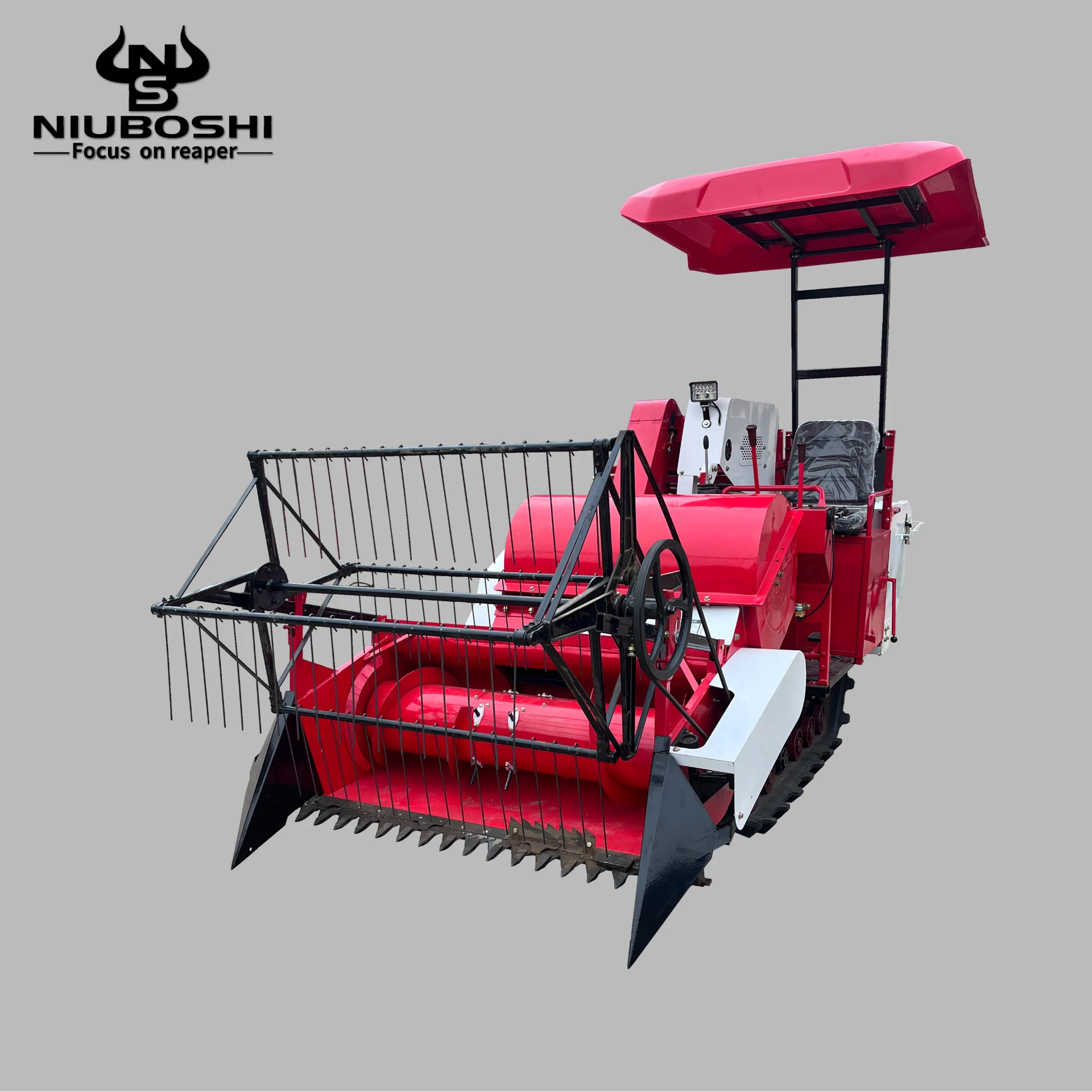
However, the harsh desert climate and sandy soils of the outskirts require machinery with high durability and low maintenance. The integration of a robust forage harvester has become essential for the growing livestock sector in Egypt, providing a steady supply of high-quality fodder to sustain animal husbandry.
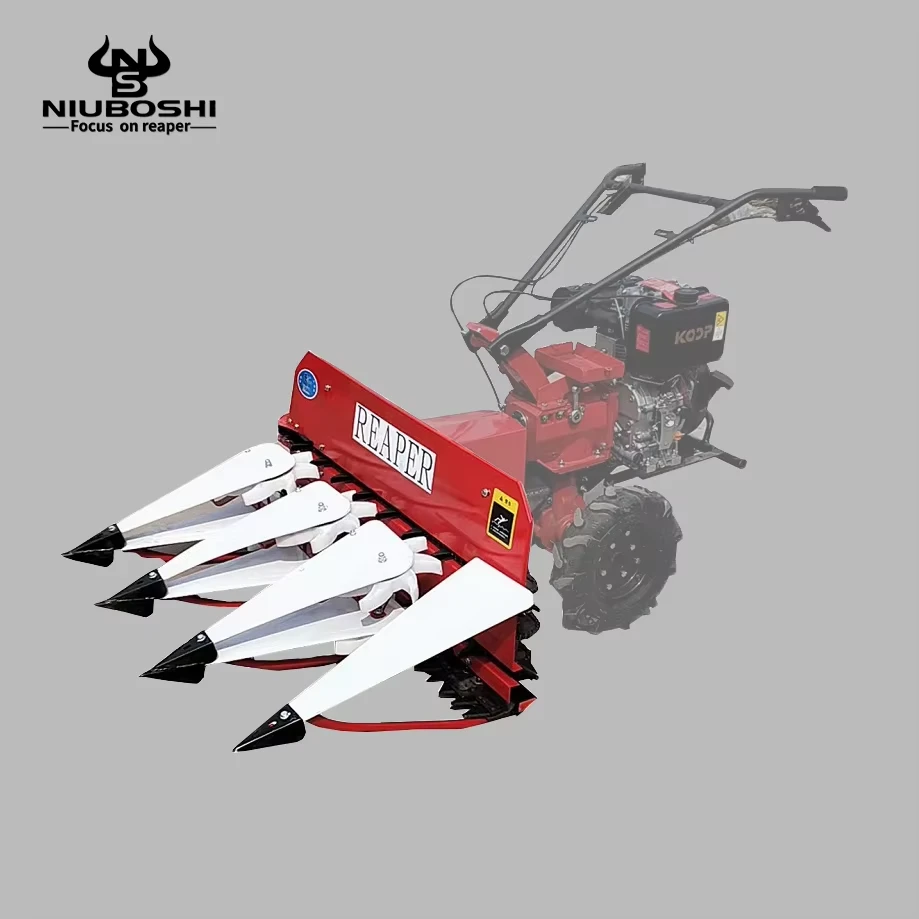
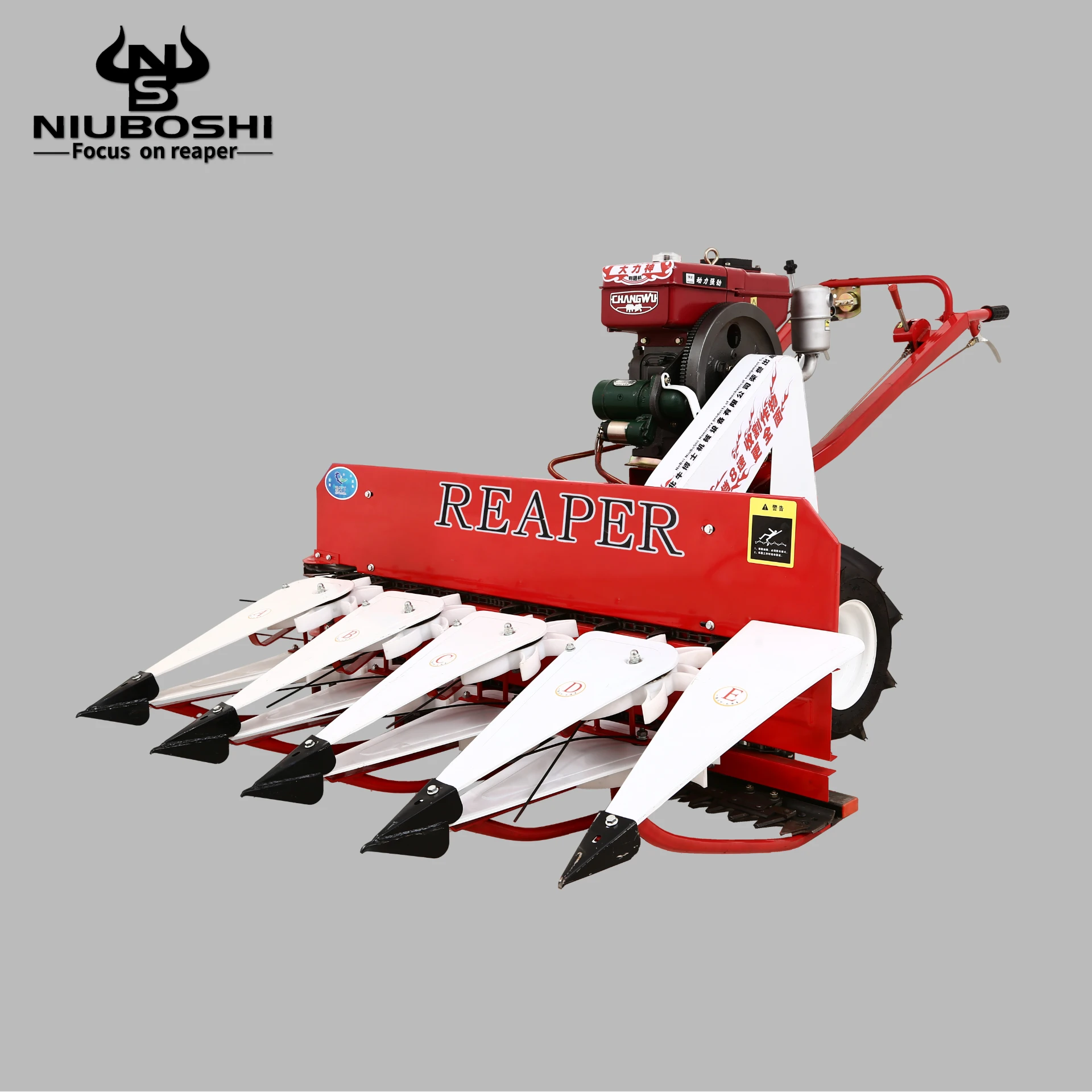
Evolution and Trajectory of Harvesting Tech

From ancestral tools to smart mechanical automation in the Egyptian fields.

Market Development History

Prior to the 1990s, harvesting in Egypt was almost entirely manual. The first wave of mechanization introduced basic tractor-drawn implements, but they lacked the precision required for delicate cereal crops, often resulting in high grain shatter losses.

Between 2000 and 2015, the introduction of the grass reaper machine revolutionized the forage sector. Farmers began transitioning toward motorized cutting tools that could handle the dense vegetation of the Nile banks, significantly reducing the time required for first-cut grass.

From 2016 to the present, the focus has shifted toward "precision miniaturization." The rise of specialized mini-harvesting equipment has allowed Egyptian farmers to maintain high throughput while navigating the complex irrigation canal networks typical of the region.

Future Development Trends

AI-Driven Crop Sensing

Integrating sensors to detect crop maturity in real-time, allowing the machinery to adjust cutting height automatically to minimize waste.

Eco-Friendly Power Trains

A shift towards hybrid or electric propulsion for small-scale harvesters to reduce carbon emissions in sensitive agricultural zones.

Modular Attachment Systems

Developing universal chassis that can switch between a binder and a forage unit, maximizing the ROI for smallholder farmers.

Industry Trends and Future Outlook

Projecting the next 5 years of agricultural innovation in the Egyptian market.

Micro-Farm Optimization
Increased demand for ultra-compact machinery to fit the fragmented land patterns of the Nile Delta.
Climate-Resilient Design
Development of dust-proof and heat-resistant components to withstand the Egyptian summer heat.
Labor Cost Mitigation
Accelerated shift toward automation to counter the rising cost of seasonal agricultural labor.
Integrated Supply Chains
Growing synergy between harvesting machinery and local processing plants for immediate silage production.

Industry Outlook

Google search trends in Egypt indicate a significant rise in queries for "low-cost mechanization" and "small scale harvesting," suggesting that the market is moving away from massive machinery toward agile, efficient tools. The future lies in the democratization of technology for the smallholder.

We anticipate that the next three years will see a 20% increase in the adoption of automated binding and cutting systems, as the Egyptian government pushes for modernized agricultural practices to ensure food security.

Localized Application Scenarios in Egypt

Real-world implementations tailored to the unique geography of Egypt.

01. Nile Delta Wheat Harvesting

Utilizing the mini reaper binder in fragmented wheat plots to ensure rapid harvest before the onset of seasonal humidity, reducing grain spoilage.

02. Alfalfa Production for Livestock

Deploying high-capacity forage harvester units to process alfalfa in the Upper Egypt regions, ensuring high-nutrient silage for dairy cattle.

03. Small-Scale Maize Cutting

Integrating the reaper machine for maize stalks in mixed-crop farms, allowing farmers to clear fields quickly for the next planting cycle.

04. Green Fodder Collection

Using a grass reaper machine for cutting clover and other green fodder in riverside plots where manual labor is scarce.

05. Commercial Grain Enterprises

Implementing large-scale reaper harvester fleets for corporate agricultural projects in the New Delta, focusing on maximum acreage per hour.

Brand Story

Global Development Journey of Hebei Niuboshi Mechanical Equipment Co., Ltd.

Engineering Foundations

Founded with a vision to solve the inefficiency of manual harvesting, we began by perfecting the blade geometry for diverse crop types.

Technological Breakthroughs

We pioneered the compact binding mechanism that allows small machines to perform industrial-grade bundling of crops.

Global Market Expansion

Expanding our footprint into Africa and the Middle East, adapting our designs to the sandy soils and heat of the region.

Commitment to Farmers

Establishing a support network that ensures parts availability and technical training for operators in rural Egypt.

Vision for the Future

Leading the transition toward smart, sustainable harvesting to ensure global food security through mechanical innovation.

Complete Product Portfolio for the Egyptian Market

A curated selection of machinery designed to handle everything from small garden plots to vast commercial estates.

Egyptian Farmer's Common Questions

Technical guidance and procurement advice for harvesting machinery in Egypt.

Which mini reaper binder is best for small wheat plots in the Nile Delta?

For fragmented plots, we recommend our ultra-compact models that feature a tight turning radius and automated binding, which significantly reduces the need for manual gathering.

How does a forage harvester perform in sandy Egyptian soil?

Our machines are equipped with reinforced air filtration systems and heavy-duty chassis to prevent sand ingress and ensure stable operation in arid conditions.

Can a grass reaper machine handle thick clover in Upper Egypt?

Yes, our grass reaper models use high-torque cutters and optimized blade angles specifically designed to slice through dense forage without clogging.

What is the maintenance cycle for a reaper machine used daily?

We recommend a daily check of the cutting blades and weekly lubrication of the drive chain to ensure longevity under the intense Egyptian sun.

Is the reaper harvester compatible with local tractor brands?

Our equipment uses universal PTO (Power Take-Off) standards, making it compatible with most major tractor brands commonly found in Egypt.

How to reduce grain loss when using a reaper machine?

Adjusting the cutting height based on the crop's lodging state and ensuring blades are sharpened before the season are the best ways to minimize loss.

Request a Technical Consultation

Get expert advice on the best harvesting machinery for your specific land conditions in Egypt.

Contact Us Now

If you are interested in our products, you can choose to leave your information here, and we will be in touch with you shortly.