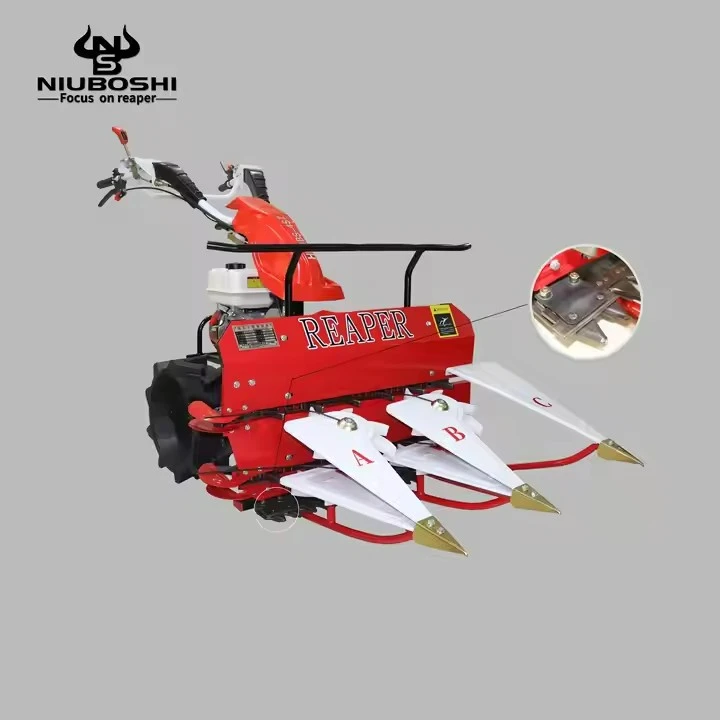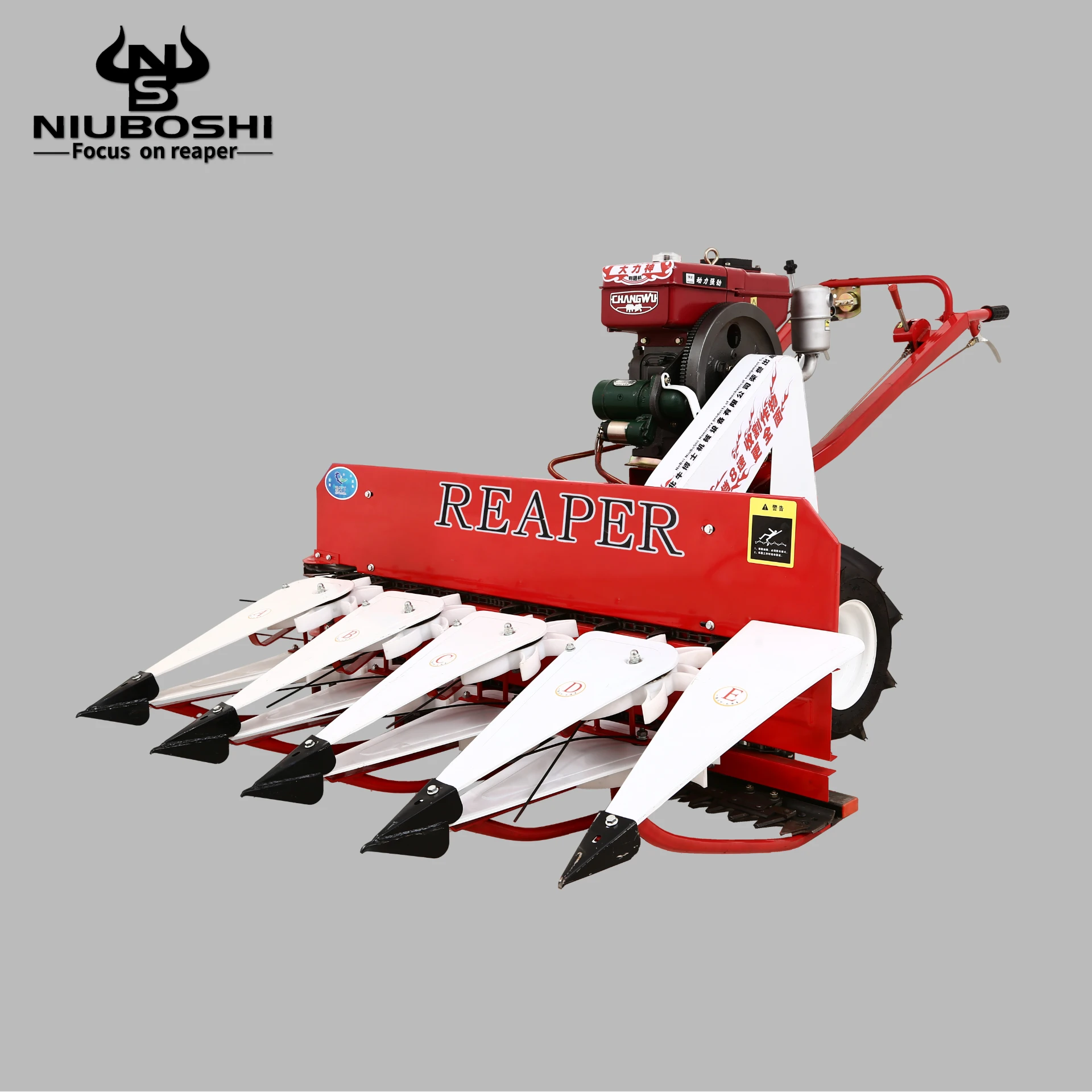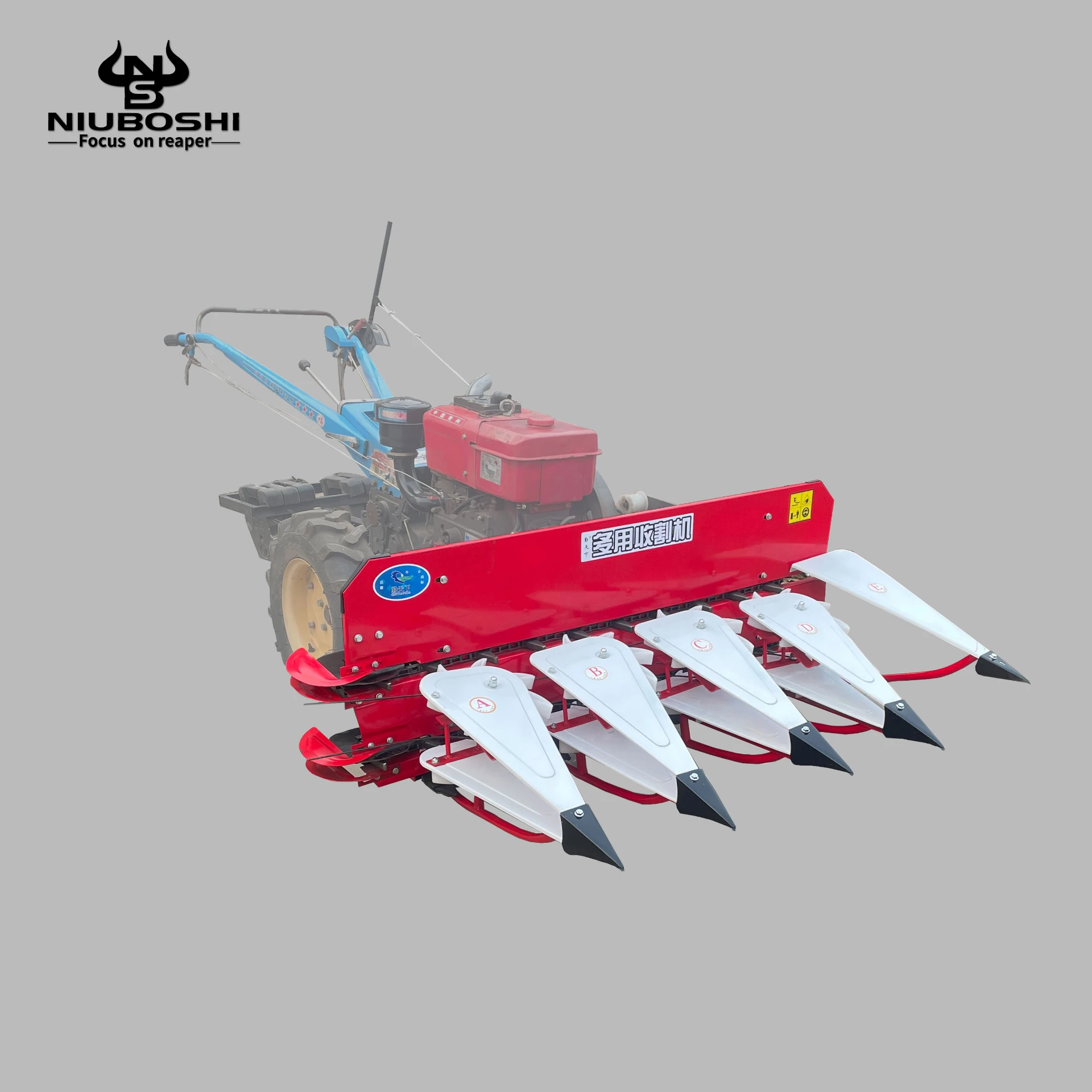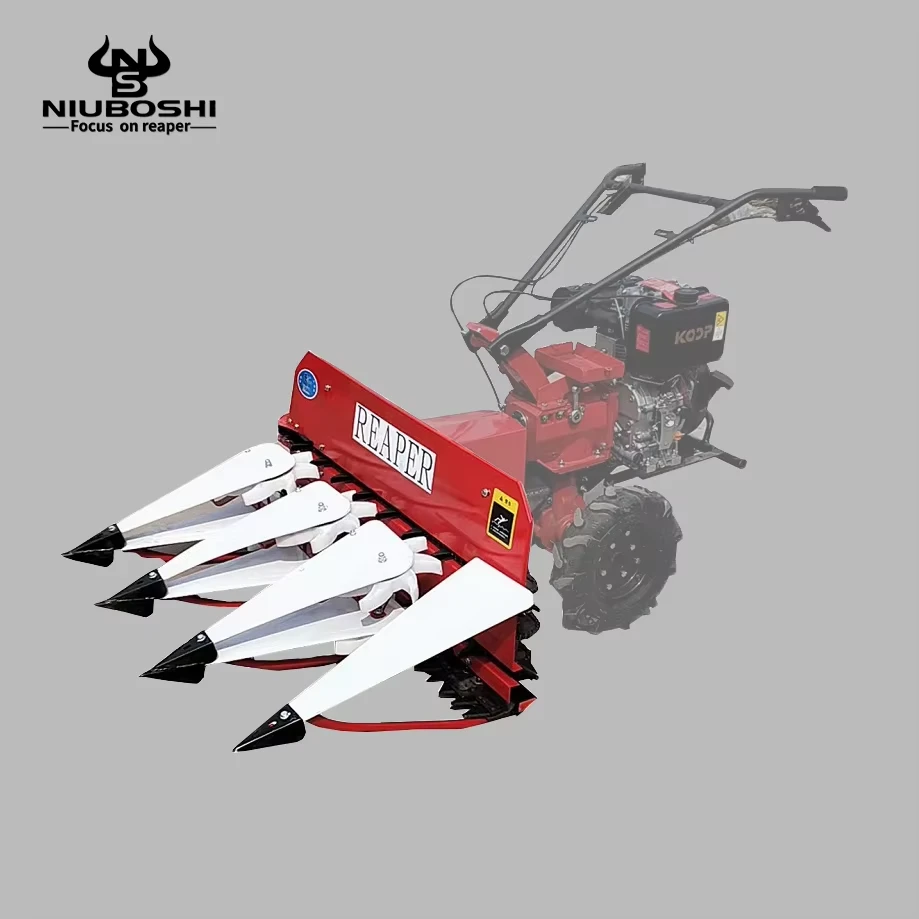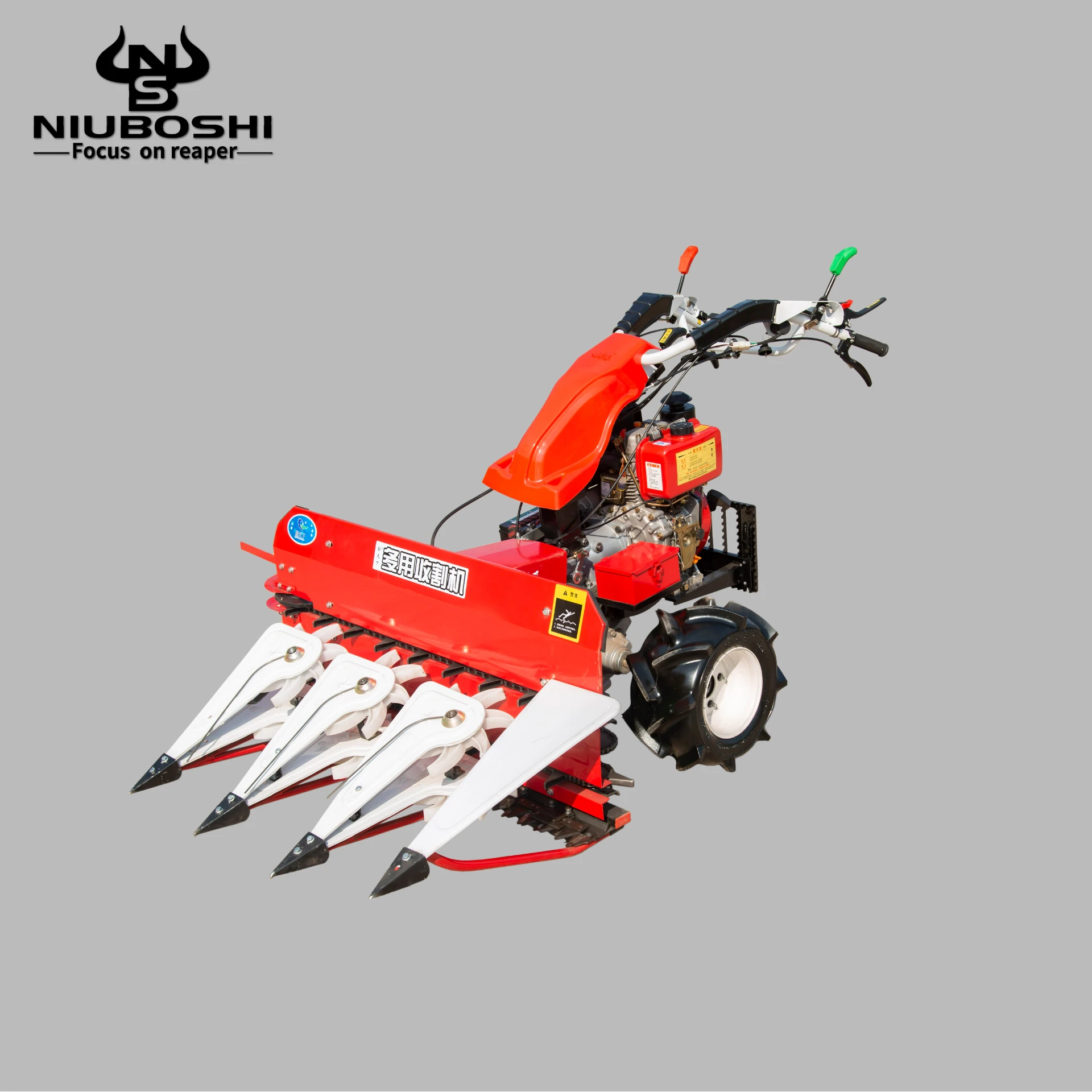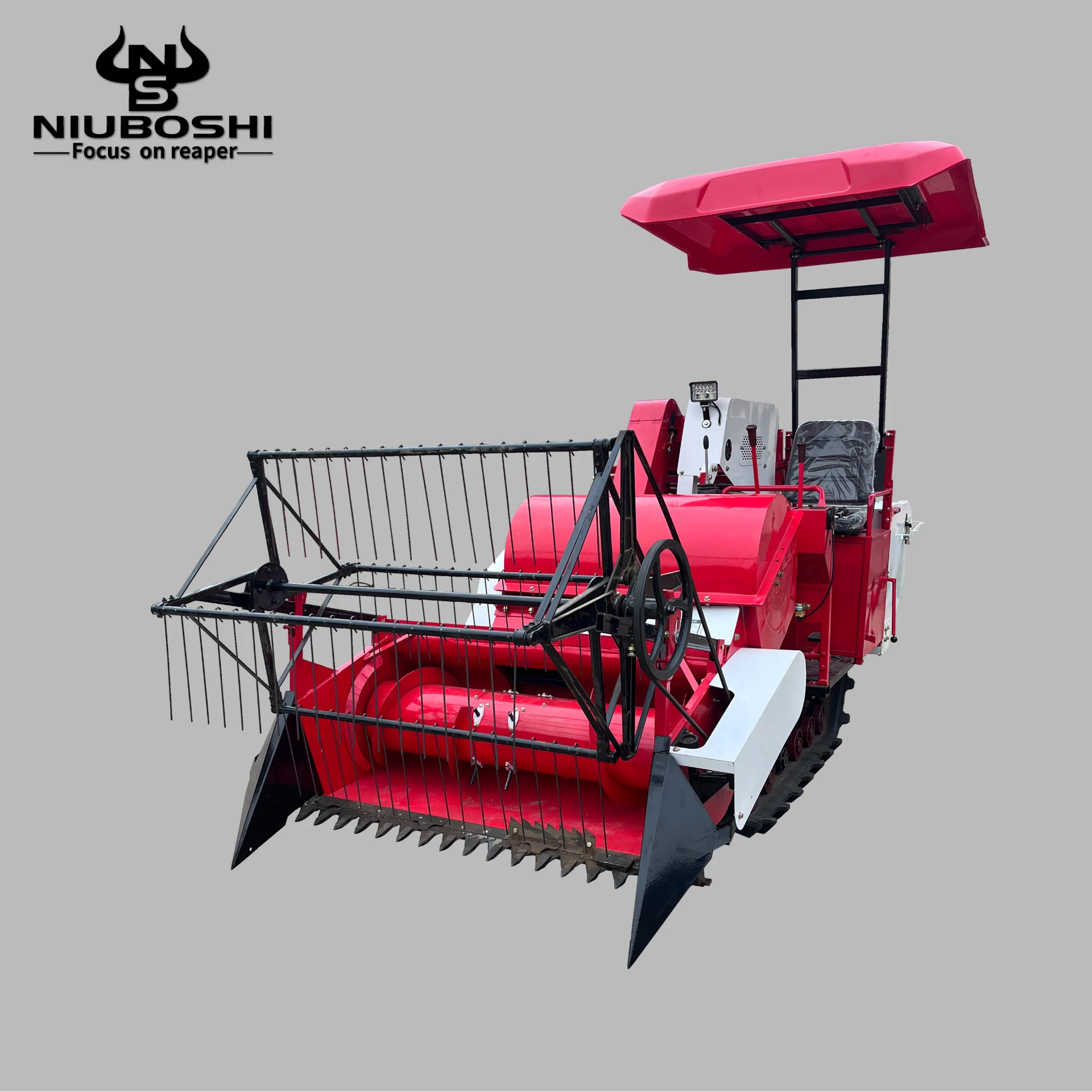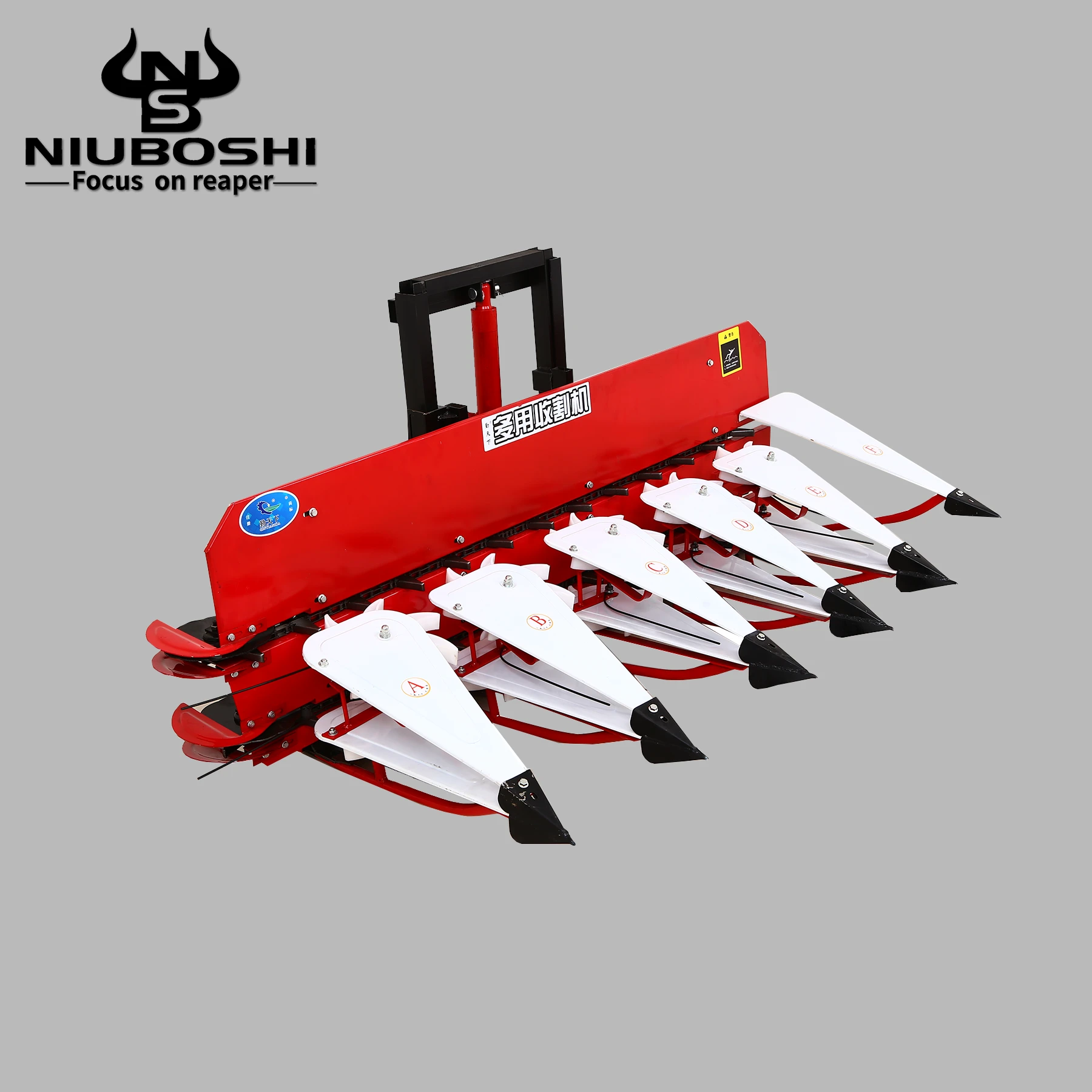
Maximize Harvest Efficiency with the Agro Reaper Binder Machine
Maximizing Harvest Efficiency with the Agro Reaper Binder
For modern farmers, the challenge of harvesting grains quickly and efficiently is a constant struggle. The agro reaper binder emerges as a transformative solution, combining the critical tasks of cutting and binding crops into a single, streamlined process. By reducing the reliance on manual labor and accelerating the field-to-storage timeline, this machinery ensures that crop quality is preserved and waste is minimized. Whether you are managing a small family plot or a larger commercial enterprise, understanding the capabilities of this equipment is the first step toward optimizing your agricultural output.
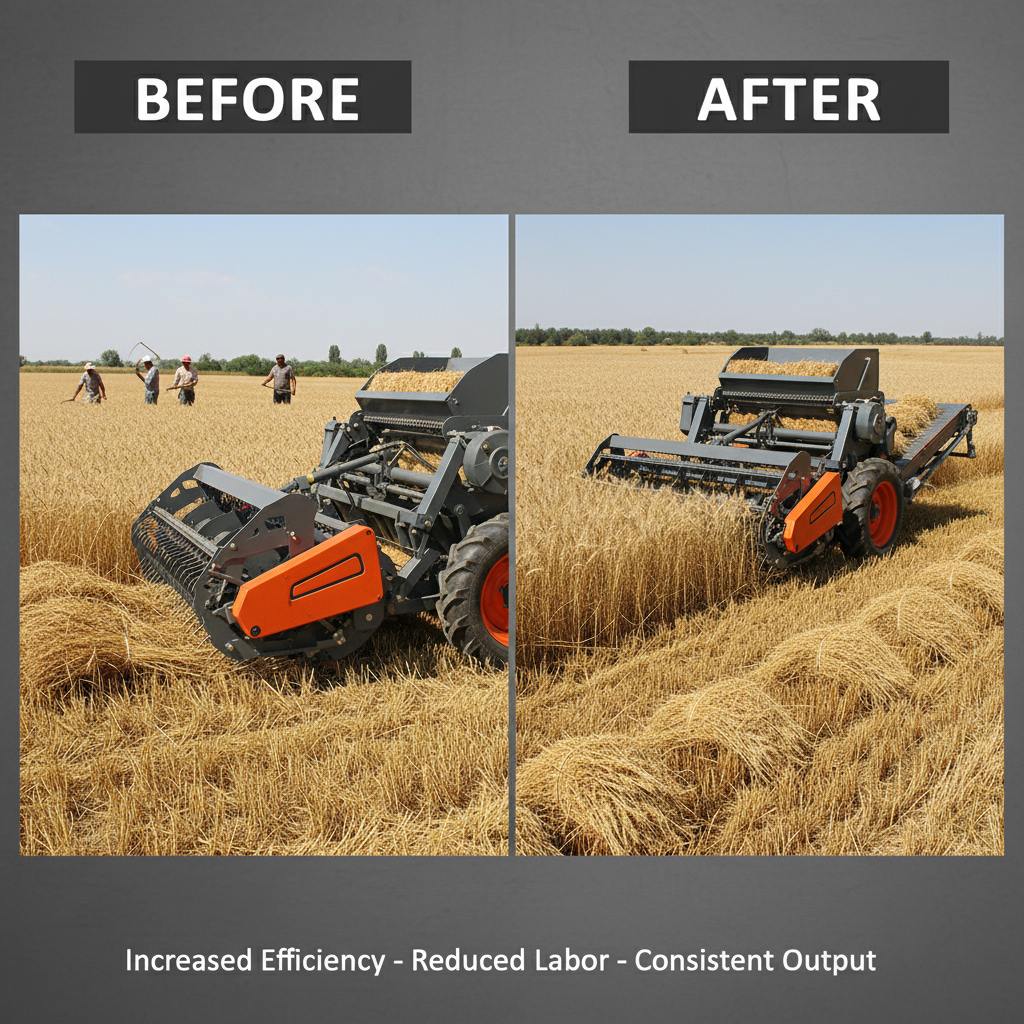
How the Agro Reaper Binder Works
The mechanism of an agro reaper binder is a marvel of mechanical engineering designed for the field. It operates by utilizing a reciprocating cutter bar that slices through the stalks of wheat, rice, or barley with precision. Once cut, the crops are conveyed toward a binding mechanism that automatically ties them into neat, manageable sheaves. This elimination of the manual binding process saves hundreds of man-hours during the peak harvest season. The synchronization between the cutting speed and the binding interval is key to ensuring that bundles are uniform in size and weight.
Operational Advantage: By integrating cutting and binding, farmers can reduce crop lodging and prevent the grain from falling on the ground, significantly increasing the overall yield recovery rate.
Comparing Agro Reaper Binder vs. Manual Harvesting
When comparing the traditional method of manual reaping to using an agro reaper binder, the difference in productivity is staggering. Manual harvesting is not only slow but is highly susceptible to labor shortages and human error. In contrast, mechanical binding ensures a consistent quality of sheaves that are easier to transport and stack. The speed of operation allows farmers to harvest crops at the absolute peak of their maturity, reducing the risk of losses due to unexpected weather changes or pest infestations.
Key Benefits of Using an Agro Reaper Binder
The adoption of an agro reaper binder offers a range of economic and operational benefits. First and foremost is the drastic reduction in labor costs; since one machine does the work of dozens of people, the overhead per acre drops significantly. Secondly, the uniformity of the bound sheaves makes the subsequent threshing process much more efficient. Furthermore, these machines are designed to be versatile, often capable of handling various crop densities and heights, making them an essential tool for diverse agricultural landscapes.
Core Advantages:
• Rapid harvest cycle reduces weather-related risks
• Uniform bundling simplifies logistics and transport
• Lowered dependency on seasonal hired labor
• Increased precision in cutting height
Technical Specifications for Agro Reaper Binder
To choose the right equipment, it is essential to look at the technical specifications. A high-quality agro reaper binder is built with reinforced steel and precision-engineered gears to withstand the harsh conditions of the field. From the width of the cutting bar to the fuel efficiency of the power unit, every detail matters. Below is a general specification table for a standard industrial-grade model to help you understand the performance benchmarks.
Maintenance Tips for Longevity
To ensure your agro reaper binder remains in peak condition for years, a strict maintenance schedule is required. The cutter bar should be sharpened regularly to avoid crushing the stalks, and all moving joints must be lubricated to prevent friction-induced wear. After every harvest season, it is recommended to clean the machine thoroughly to remove organic debris, which can cause rust over time. Checking the tension of the binding belts and the integrity of the twine feeder is also critical to avoid mid-field breakdowns.
Choosing the Right Model for Your Farm
Not all farms are created equal, and therefore, the choice of an agro reaper binder should be based on specific land requirements. For those with smaller, irregularly shaped plots, a compact, highly maneuverable model is ideal. For larger industrial farms, a wide-cutting, high-capacity machine is the better investment to maximize throughput. Factors such as the type of soil, the specific variety of crop, and the available power source (tractor vs. self-propelled) should all be weighed carefully before purchasing.
Conclusion: Elevating Agriculture with Automation
The integration of an agro reaper binder into your farming operations is more than just a purchase; it is a strategic investment in efficiency and sustainability. By automating the cutting and binding process, farmers can secure their yields, reduce operational costs, and significantly improve their quality of life. As agricultural demands continue to grow, embracing this technology is the most effective way to ensure a productive and profitable harvest year after year.
Frequently Asked Questions (FAQs)
Which crops are most suitable for an agro reaper binder?
The agro reaper binder is primarily designed for cereal crops that grow in upright stalks. This includes wheat, barley, oats, and certain varieties of rice. The machine works best when the crop is uniform in height and has a relatively low moisture content at the time of harvest. If the crop is too wet, the binding mechanism may struggle to create tight knots, whereas if it is too dry and brittle, the stalks may break. Always ensure your crop is at the optimal maturity stage before deploying the machinery.
How does the binding mechanism prevent crop waste?
Unlike simple reapers that leave the crop in windrows on the ground, the binder immediately secures the cut stalks into sheaves. This prevents the grain from spilling out of the head during the cutting process and protects the crop from ground moisture and pests. By keeping the grain bundled and elevated, the agro reaper binder ensures that a much higher percentage of the harvest reaches the threshing floor, directly increasing the farmer's net profit.
Is it difficult to operate an agro reaper binder?
While the machine is highly automated, it does require a basic level of training to operate safely and effectively. The operator needs to monitor the feeding rate of the crop to avoid clogging the binder and ensure the cutting height is correctly set for the specific crop variety. Most modern models are designed with user-friendly controls, making them accessible to those with basic mechanical knowledge. For comprehensive support and operational guides, you can visit the official website.
What are the common causes of binding failure?
Binding failure is typically caused by three main factors: poor twine quality, incorrect tension settings, or debris buildup in the knotter mechanism. If the twine is too weak, it will snap under the pressure of the bundle; if the tension is too loose, the sheaves will fall apart. Regular cleaning of the binder's internal components and using high-grade agricultural twine are the best ways to prevent these issues. Routine calibration before the harvest season begins is highly recommended.
Latest news
-
Boost Harvest Efficiency with the Best Agriculture Reaper MachineNewsApr.09,2026
-
Revolutionizing Agriculture with the Efficient Agriculture Power ReaperNewsApr.07,2026
-
Comprehensive Guide to the 4 Wheel Reaper Binder for Efficient HarvestingNewsApr.04,2026
-
Comprehensive Guide to Reaperbinder Technology for Efficient Hay and Crop HarvestingNewsMar.31,2026
-
Mastering the Art of Reaper Cutting for Enhanced Agricultural EfficiencyNewsMar.28,2026