
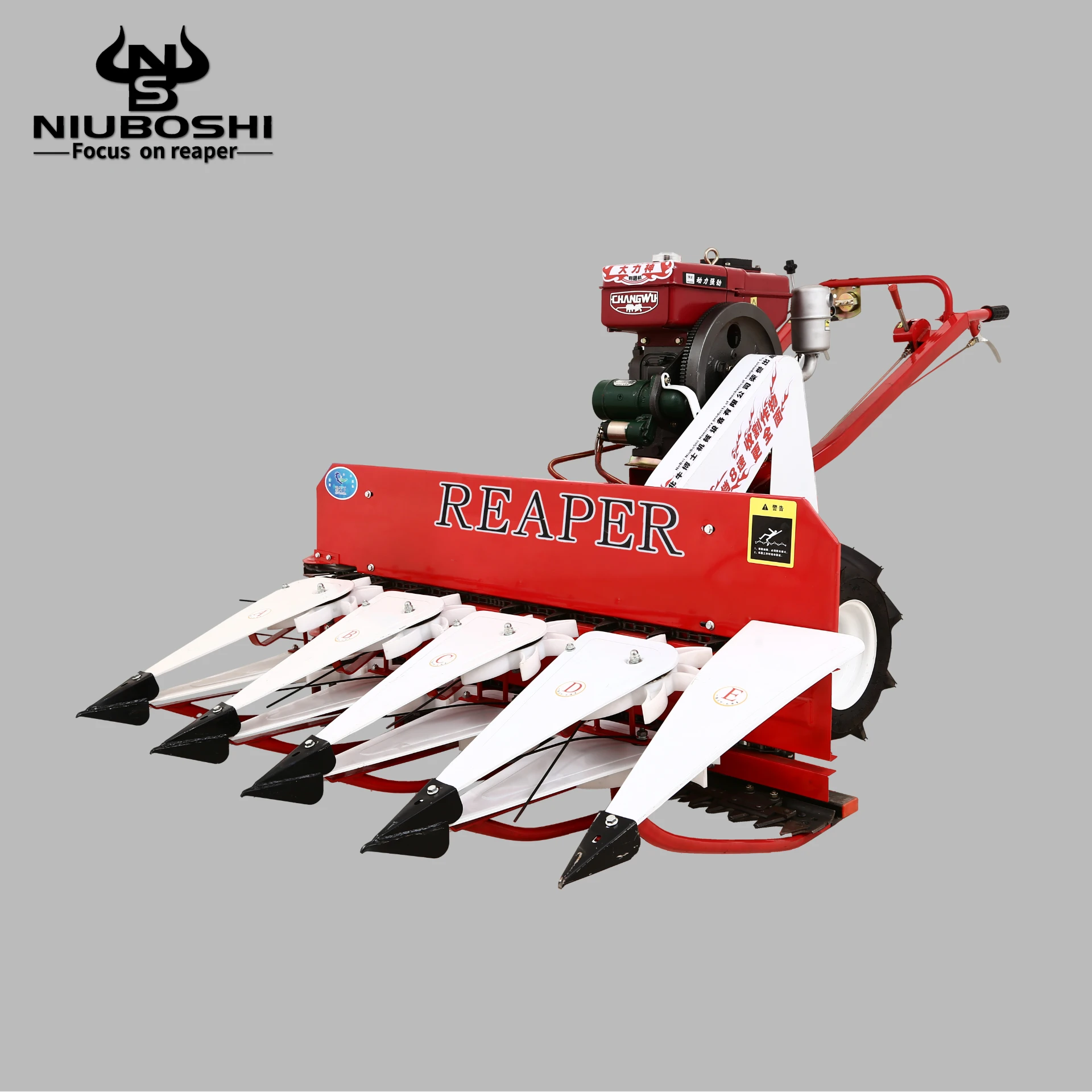
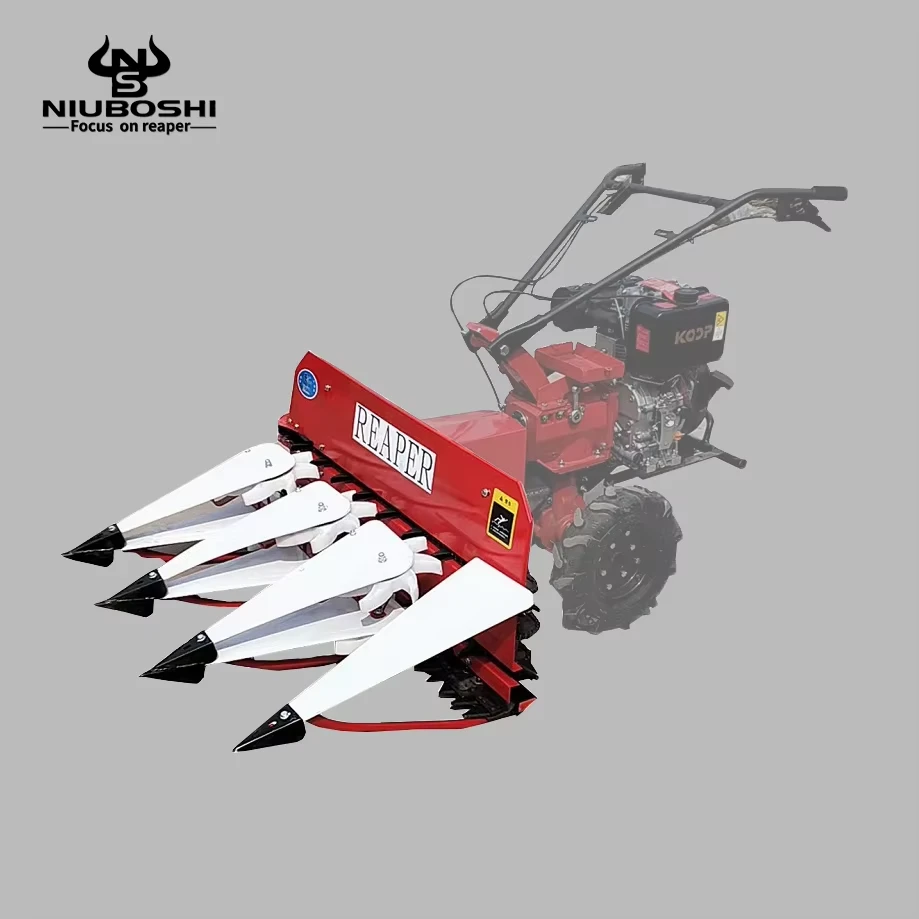
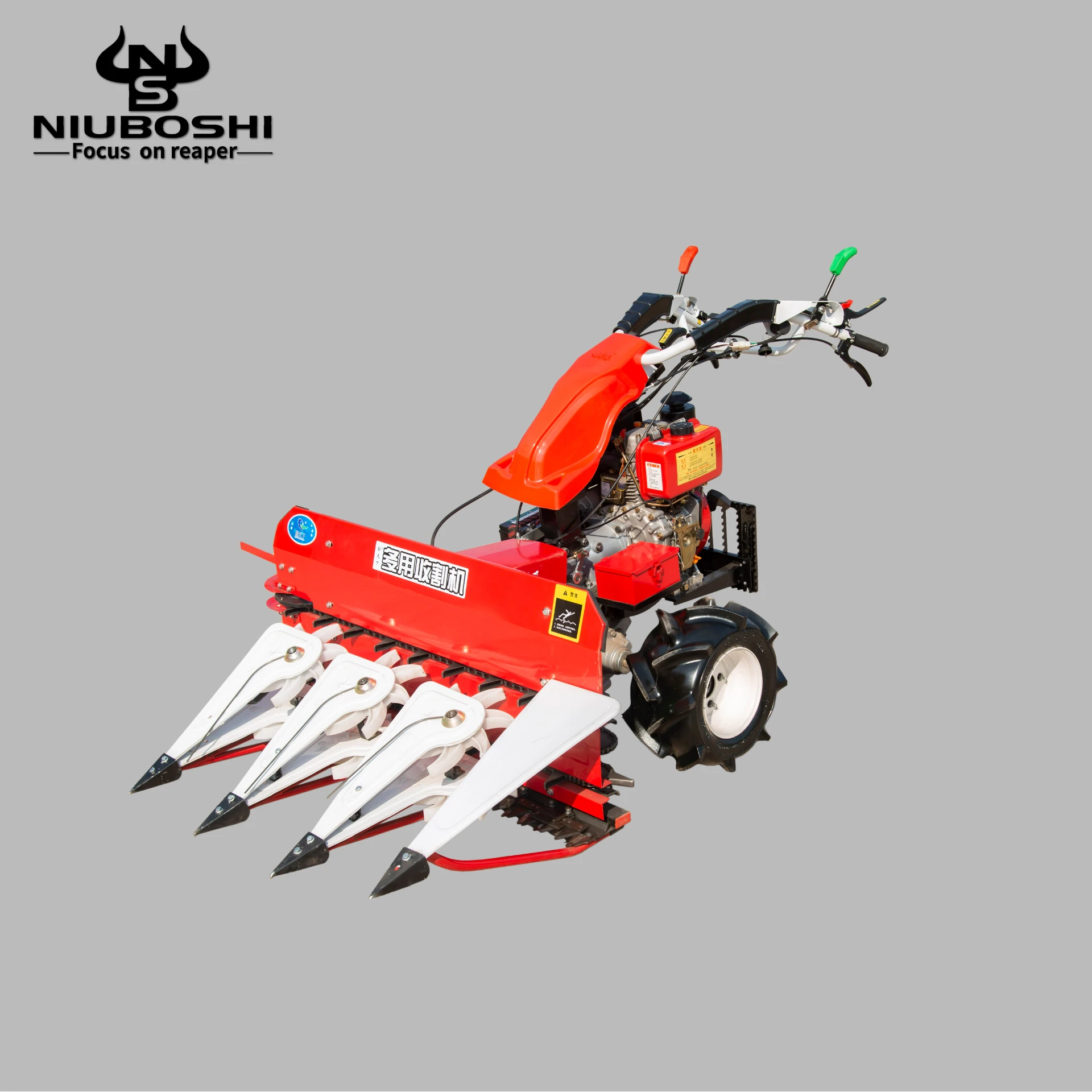
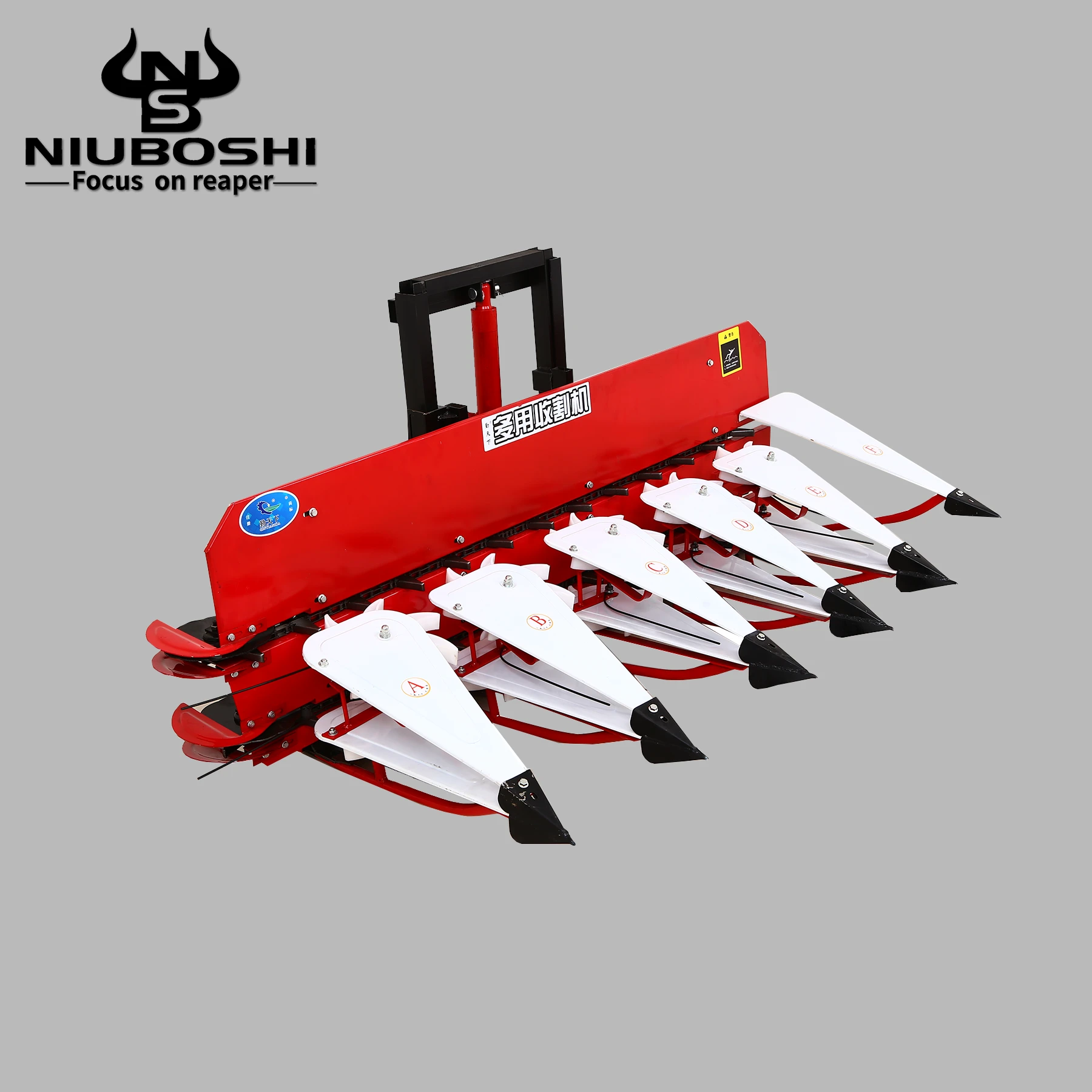
Advanced forage harvester Solutions for New Zealand Pastoral Farming

Optimizing crop recovery and fodder quality across the diverse terrains of Oceania with precision-engineered harvesting technology.

Advanced forage harvester Solutions for New Zealand Pastoral Farming

Providing high-efficiency harvesting machinery tailored to the specific humidity and topography of the New Zealand agricultural landscape to maximize yield and nutritional value.

Current State of Harvesting Machinery in New Zealand

Analyzing the operational dynamics of the Oceania agricultural sector.

New Zealand's agriculture is characterized by its undulating hills and high rainfall, which demands highly versatile equipment. The current reliance on a reaper machine varies significantly between the large-scale dairy farms of the Waikato and the rugged terrains of the South Island, where maneuverability is paramount.

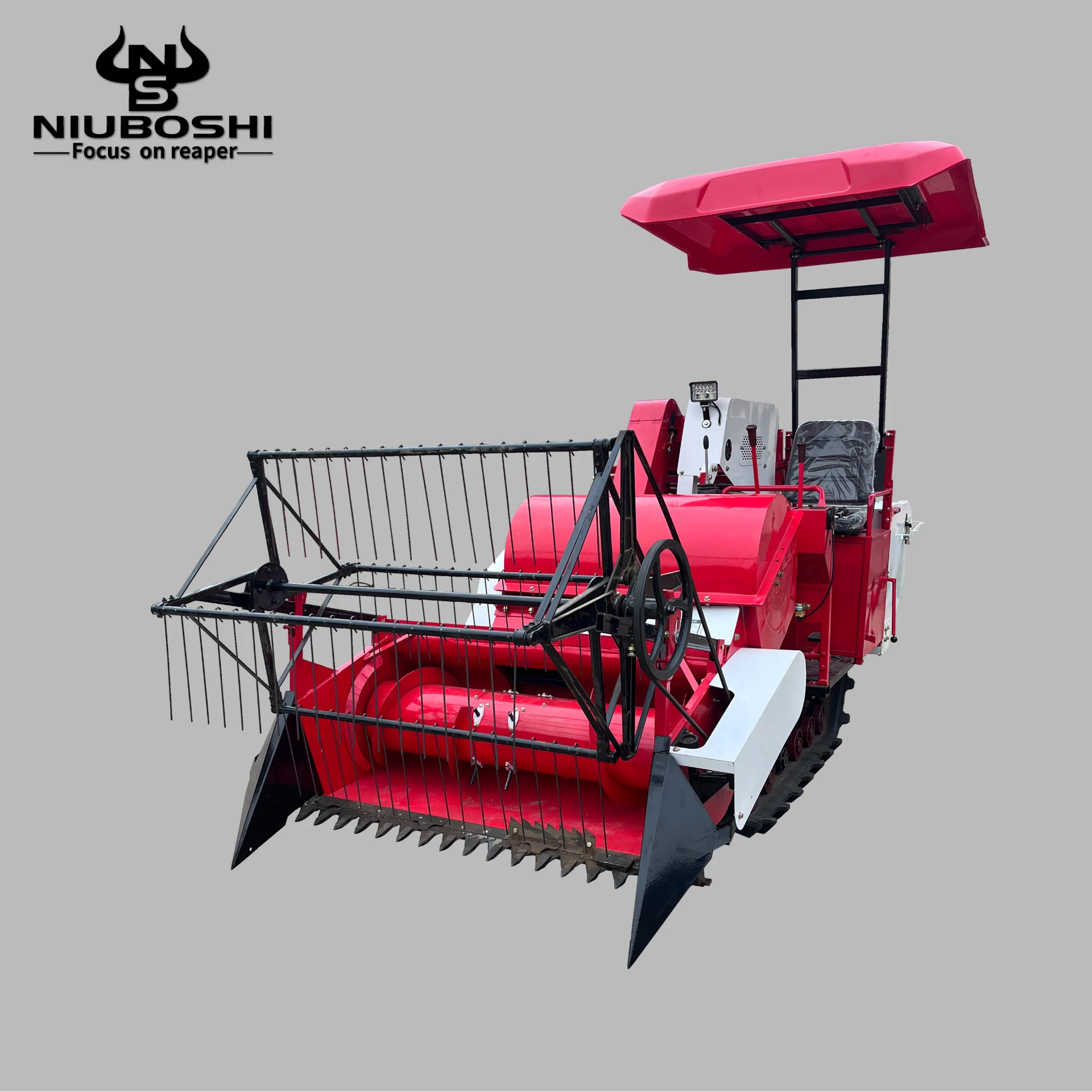
Labor shortages in the Oceania region have accelerated the shift toward automation. Farmers are increasingly seeking a reliable reaper harvester that can operate with minimal manual intervention while maintaining the integrity of the forage crops essential for winter livestock feeding.

The demand for precision is higher than ever, with a growing market for a mini reaper binder to handle smaller plots and specialty crops, ensuring that harvesting doesn't lead to soil compaction in New Zealand's sensitive ecological zones.
Evolution and Technical Trajectory of Harvesting Equipment

From manual labor to intelligent automated recovery systems.

Market Development History

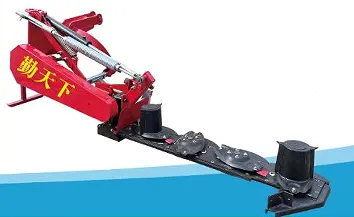
In the early 20th century, New Zealand relied heavily on manual scything and animal-drawn tools. The first major shift occurred in the 1950s-60s with the introduction of mechanical grass reaper machine technology, which drastically reduced the time required for hay production.

By the 1990s, the focus shifted toward versatility and power. The integration of hydraulic systems allowed for more complex movements, leading to the rise of the heavy-duty forage harvester capable of processing high volumes of biomass in a single pass.

Entering the 2010s, the "miniaturization" trend took hold. The development of the mini reaper binder allowed smaller family farms to achieve commercial-grade efficiency without the overhead of massive machinery.

Future Development Trends

IoT-Integrated Harvesting

Integration of real-time moisture sensors and GPS mapping to optimize the cutting path based on crop density across New Zealand's varied topography.

Electrification of Small-Scale Machinery

A shift toward electric power for mini-reapers to align with New Zealand's strict environmental goals and reduce carbon emissions in rural areas.

AI-Driven Crop Recognition

Implementation of computer vision to distinguish between desired forage and invasive weeds, ensuring only high-quality feed is harvested.

Industry Trends and Future Outlook

Strategic forecasts for the New Zealand harvesting machinery market.

Precision Agriculture Integration
Combining harvesting hardware with satellite data to maximize forage quality in the Oceania region.
Carbon-Neutral Engineering
Developing machinery with lower emission profiles to meet New Zealand's strict environmental regulations.
Modular Component Design
Increasing the lifespan of equipment through easily replaceable wear-parts specifically for abrasive NZ soil.
Autonomous Field Operation
Reducing reliance on seasonal labor through semi-autonomous harvesting paths and remote monitoring.

Industry Outlook

Looking forward, the New Zealand market will move toward "smart-harvesting." Google search trends indicate a rising interest in "sustainable fodder production" and "compact agricultural robotics," suggesting that the next generation of machinery will be smaller, smarter, and more efficient.

The focus will shift from sheer capacity to nutrient preservation. Machinery that can harvest at the exact physiological maturity of the plant will become the industry standard to support the high-yield requirements of New Zealand's dairy and beef sectors.

Localized Application Scenarios in New Zealand

Real-world deployments across different New Zealand agricultural zones.

1. Waikato Dairy Pasture Management

Implementing high-capacity forage harvesters to manage rapid grass growth during peak spring months, ensuring consistent silage quality for winter herds.

2. Canterbury Plain Grain Harvesting

Utilizing precision reaper harvesters to efficiently collect cereal crops and seed grasses on large, flat expanses with minimal grain loss.

3. South Island Hill Country Forage

Deploying the compact mini reaper binder to navigate steep slopes and fragmented plots where traditional large machinery cannot operate safely.

4. Northland Specialty Crop Recovery

Using a versatile reaper machine to handle a variety of mixed forage and specialty crops in humid, subtropical conditions.

5. Otago Organic Farm Maintenance

Applying the grass reaper machine for low-impact, chemical-free weed and grass management to maintain organic certification standards.

Brand Story

Global Development Journey of Hebei Niuboshi Machinery Equipment Co., Ltd.

Founding Vision

Started with a mission to solve the inefficiency of manual harvesting, focusing on robust mechanical designs for tough environments.

Technological Breakthrough

Developed advanced cutting mechanisms that reduced crop waste by 15%, setting a new standard for reaper technology.

Global Expansion

Expanded operations into Oceania, adapting machinery to handle the specific grass types and soil conditions of New Zealand.

Innovation Leadership

Integrated AI and smart sensors into our latest line of harvesters to lead the transition toward precision agriculture.

Sustainable Future

Committed to creating carbon-neutral machinery that empowers farmers worldwide to feed the planet sustainably.

Complete Harvesting Portfolio for the New Zealand Market

A comprehensive range of equipment from compact binders to industrial-scale forage harvesters.

Frequently Asked Questions in New Zealand

Expert answers to common queries regarding forage harvesting machinery.

Which reaper machine is best for New Zealand's hilly terrain?

For hilly areas, we recommend a mini reaper binder due to its low center of gravity and exceptional maneuverability on slopes.

How does a forage harvester improve silage quality?

Our forage harvesters ensure a precise chop length, which increases the density of the silage pit and reduces oxygen exposure, preserving more nutrients.

What is the maintenance cycle for a grass reaper machine in humid climates?

In New Zealand's humid environment, we suggest a bi-weekly check of blade sharpness and a daily lubrication of moving joints to prevent rust and wear.

Can a reaper harvester handle different types of forage crops?

Yes, our reaper harvesters are designed with adjustable cutting heights and speeds to accommodate everything from rye grass to alfalfa.

Are mini reaper binders suitable for organic farming?

Absolutely. They provide a mechanical alternative to chemical weed control, allowing for clean harvesting without soil contamination.

How to choose between a reaper machine and a full forage harvester?

Choose a reaper machine for simple cutting and windrowing, and a forage harvester if you require immediate chopping and loading for silage production.

Ready to Optimize Your Harvest?

Contact our engineering team today for customized harvesting solutions tailored to the specific agricultural needs of New Zealand.

Contact Us Now

If you are interested in our products, you can choose to leave your information here, and we will be in touch with you shortly.