Revolutionizing Agriculture with the Efficient Agriculture Power Reaper
Agriculture Power Reaper: Boosting Farm Efficiency
In today's competitive agricultural landscape, efficiency is paramount. The agriculture power reaper has emerged as a game-changer, significantly reducing labor costs and increasing harvesting speed. This article will delve into the features, benefits, applications, and considerations when choosing a power reaper for your farm. We’ll explore how these machines are revolutionizing the way crops are harvested, enabling farmers to maximize their yield and profitability. Investing in the right power reaper is crucial for modern farming operations.
Understanding the Agriculture Power Reaper
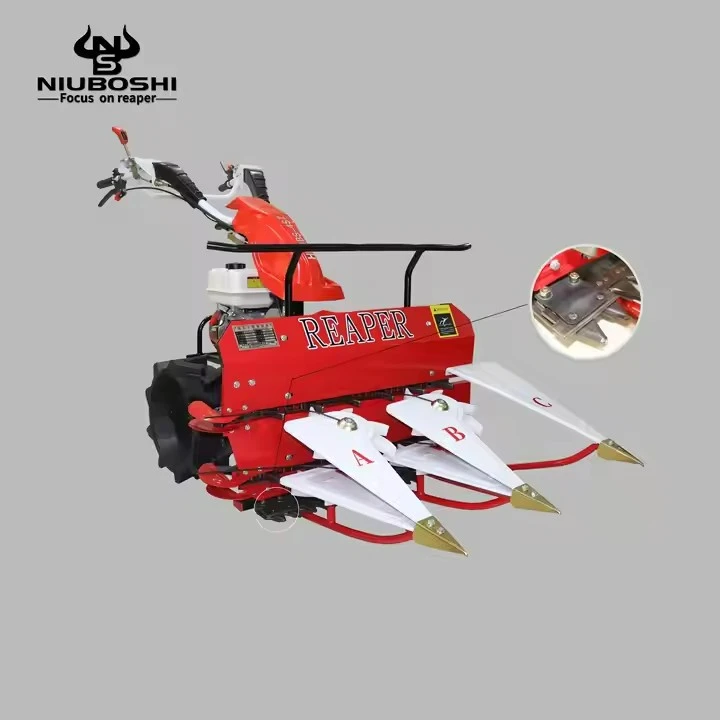
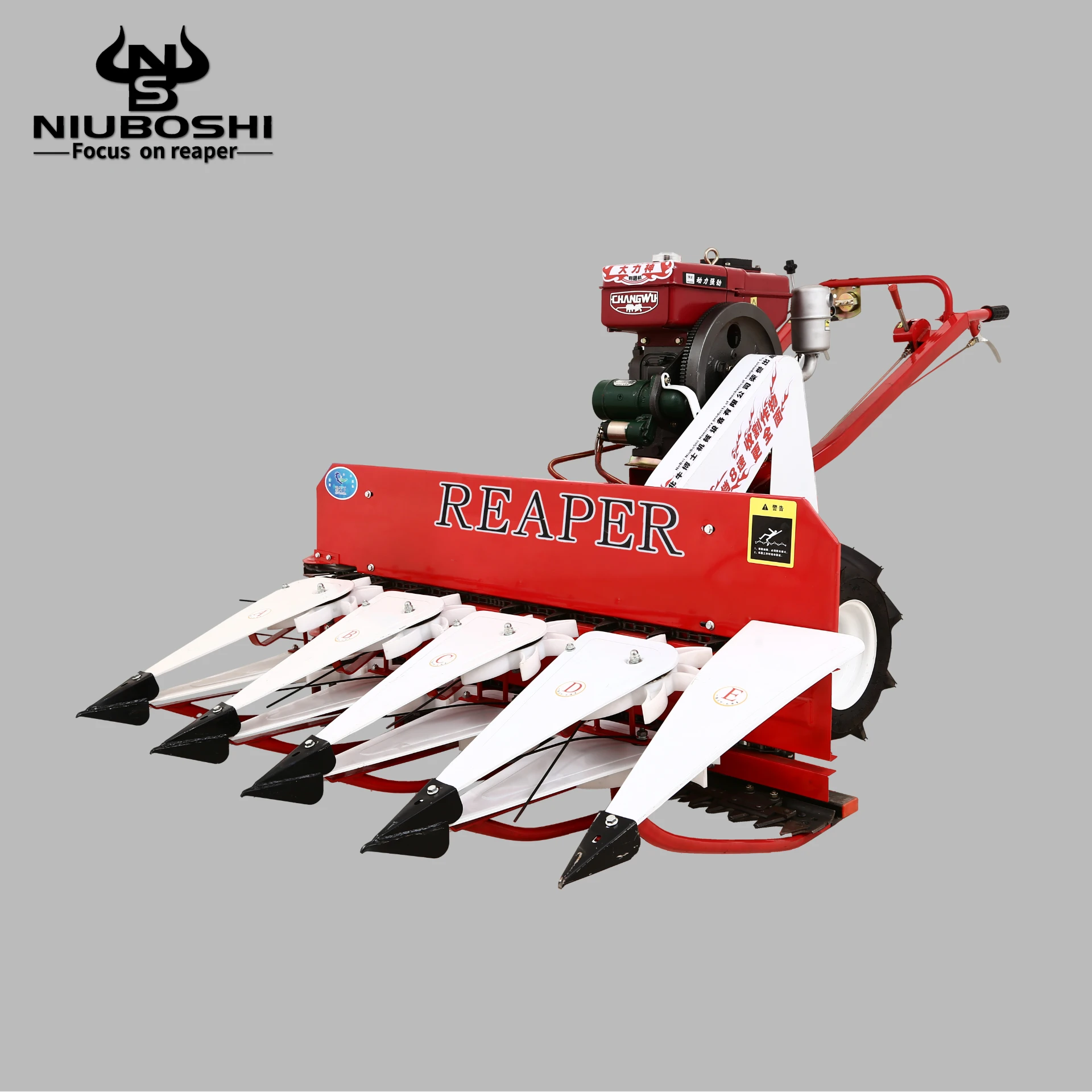
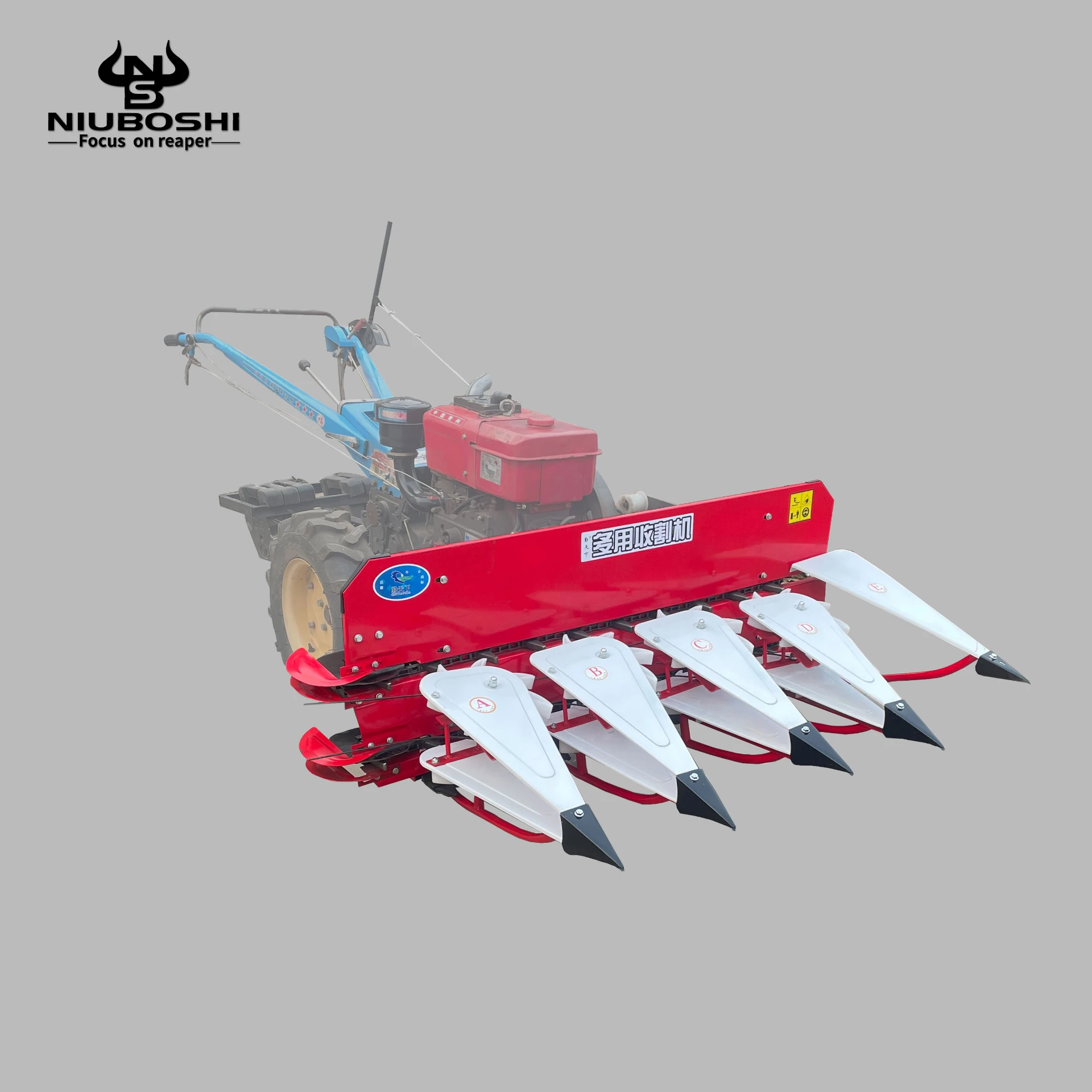
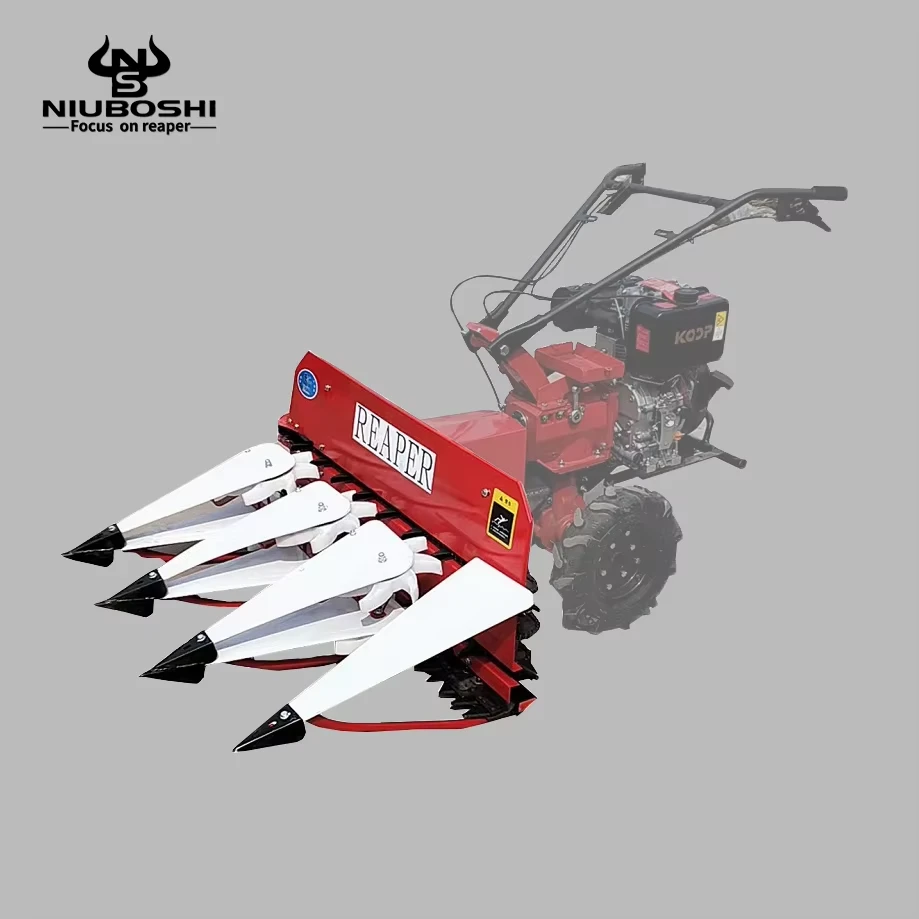
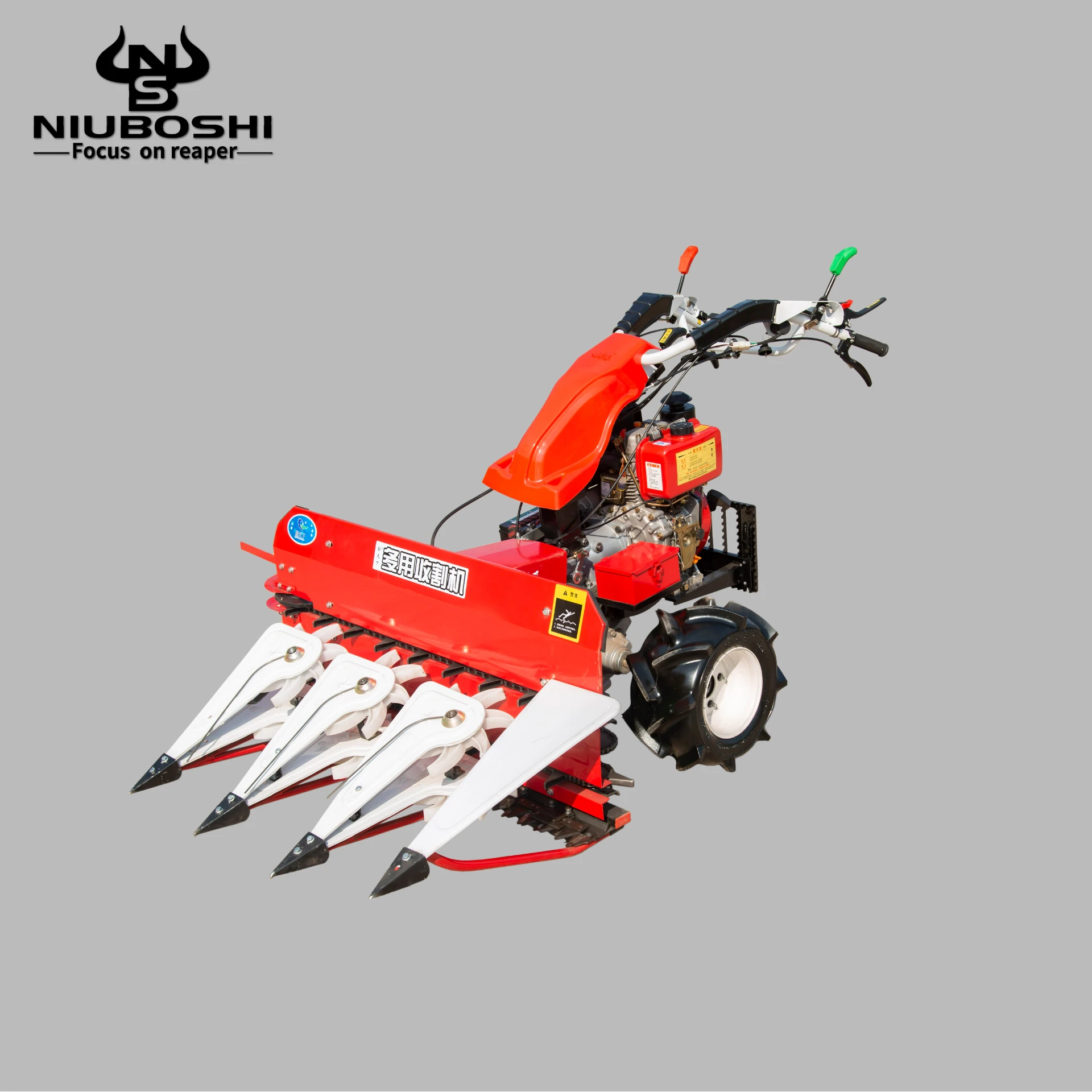
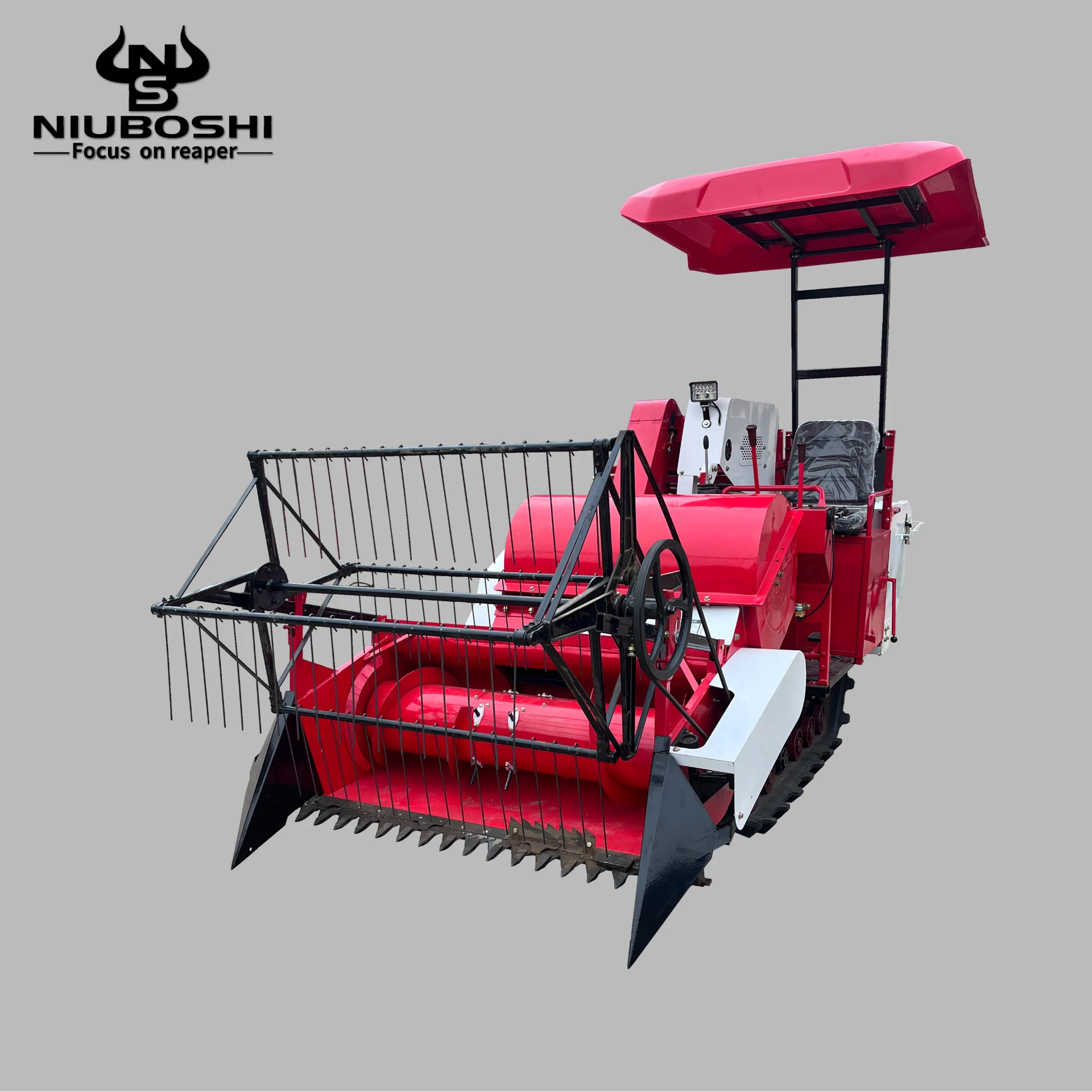
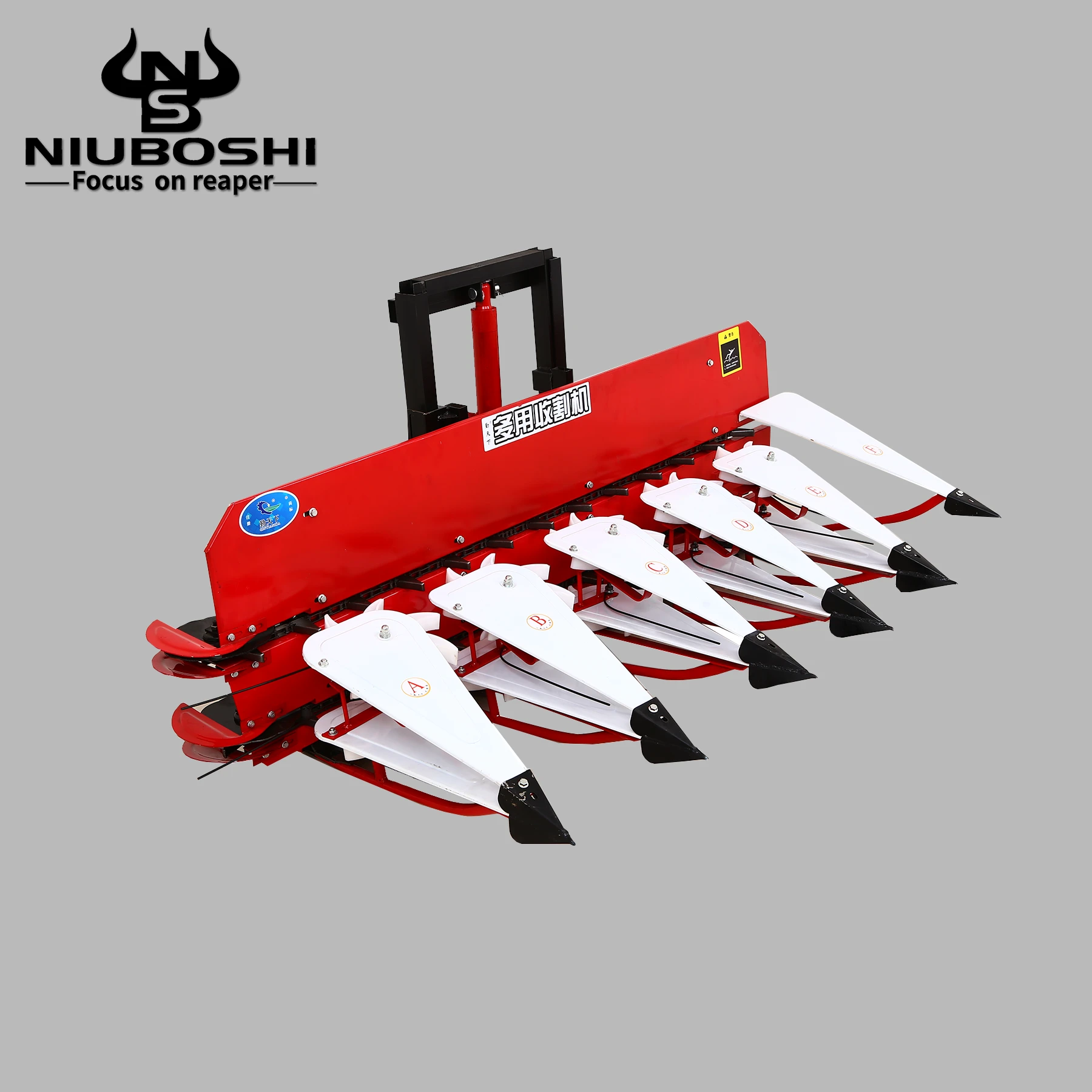
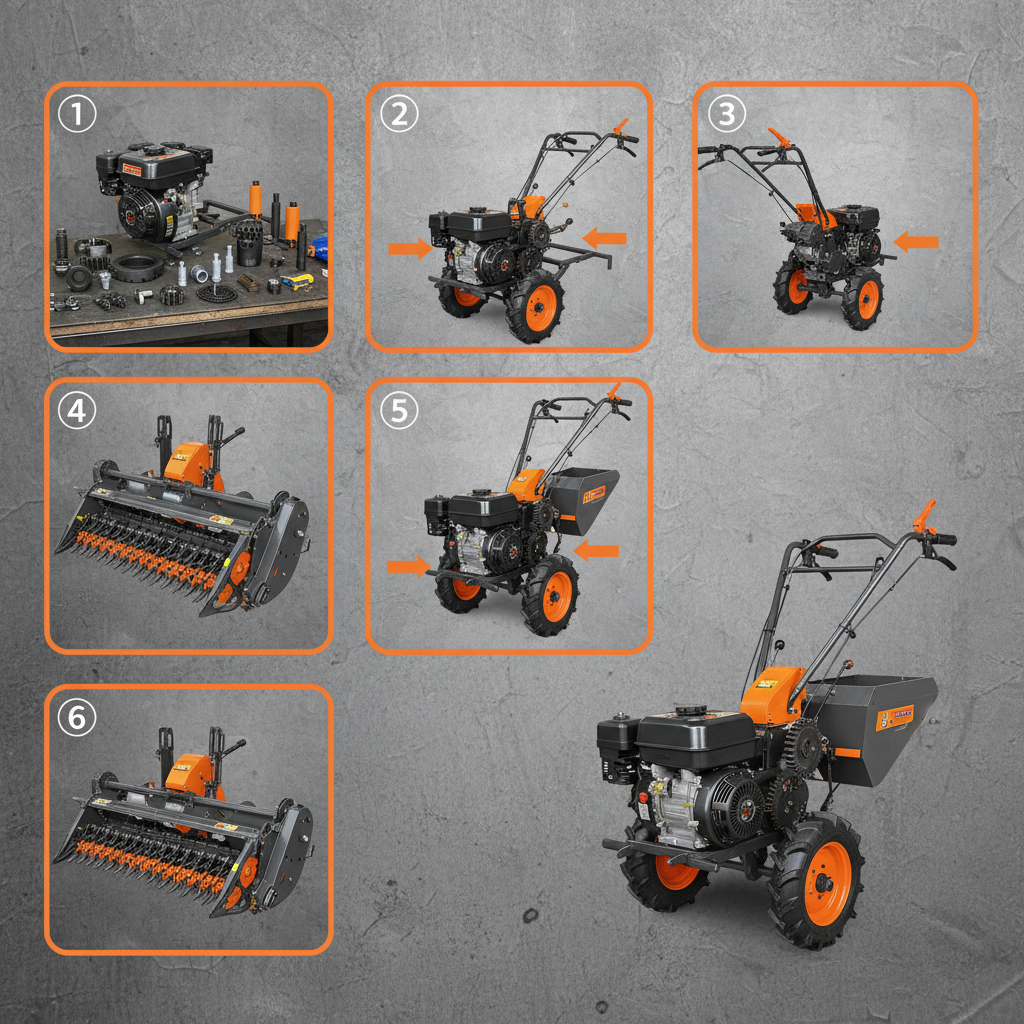
An agriculture power reaper is a mechanized harvesting tool designed to efficiently cut and gather various crops, including rice, wheat, soybeans, and barley. Unlike traditional manual harvesting methods, these reapers utilize an engine to power blades that cut the crops, and a conveyor system to collect and bundle them. This reduces the physical strain on farmworkers and drastically increases the speed of harvest. Modern reapers often incorporate adjustable cutting heights and bundling options to accommodate different crop types and field conditions. The power reaper from HB Niuboshi is a testament to this innovation, offering reliable performance and ease of use.
Key Benefits: Reduced labor costs, Increased harvesting speed, Improved efficiency, Adaptability to various crops, and Minimization of crop loss.
Types of Agriculture Power Reapers
There are several types of agriculture power reapers available, each suited to different farm sizes and crop types. These include self-propelled reapers, which have their own engine and driving system, and tractor-mounted reapers, which are attached to a tractor for power and maneuverability. Walk-behind reapers are ideal for smaller farms and irregular fields, while combine harvesters are large, complex machines that handle both reaping and threshing. The choice depends on your specific needs, budget, and scale of operation. Understanding the differences is crucial for selecting the most appropriate reaper for your farm’s requirements.
Reaper Type Overview:
• Self-Propelled: Independent power source, high capacity.
• Tractor-Mounted: Relies on tractor power, versatile.
• Walk-Behind: Compact, suitable for small farms.
• Combine Harvesters: Complete harvesting solution.
Agriculture Power Reaper Comparison
Choosing the right agriculture power reaper involves comparing different models based on their features, capabilities, and price. Here’s a comparison of some common types:
HB Niuboshi Agriculture Power Reaper: Specifications
The HB Niuboshi agriculture power reaper is designed for reliability and performance. Here are some key specifications:
Conclusion: Embrace Efficiency with the Right Power Reaper
Investing in an agriculture power reaper is a crucial step towards modernizing your farm and maximizing productivity. The HB Niuboshi reaper offers a blend of performance, reliability, and affordability. By carefully considering your farm's specific needs and choosing the right reaper, you can significantly reduce labor costs, increase harvesting speed, and improve overall efficiency. Don't hesitate to explore the options available and take the leap towards a more profitable future.
Frequently Asked Questions (FAQs)
What type of maintenance is required for a power reaper?
Regular maintenance is crucial for ensuring the longevity and performance of your power reaper. This includes cleaning the machine after each use, lubricating moving parts, checking and replacing worn blades, and inspecting the engine for any issues. Following the manufacturer’s guidelines for oil changes, filter replacements, and other scheduled maintenance tasks is essential. Proper maintenance can prevent costly repairs and downtime during the harvesting season. HB Niuboshi provides comprehensive maintenance guides and support to assist you.
What crops can the HB Niuboshi power reaper harvest?
The HB Niuboshi power reaper is versatile and can effectively harvest a variety of crops, including rice, wheat, soybeans, barley, oats, and other similar grains. Adjusting the cutting height and bundling settings allows you to customize the reaper for different crop types and field conditions. However, it is primarily designed for these types of cereal and grain crops. For specialized crops, it's best to consult with HB Niuboshi to ensure compatibility.
What safety precautions should be taken when operating a power reaper?
Safety is paramount when operating a power reaper. Always wear appropriate personal protective equipment (PPE), including safety glasses, gloves, and sturdy footwear. Before starting the machine, ensure the surrounding area is clear of obstacles and people. Never operate the reaper on steep slopes or uneven terrain. Familiarize yourself with the machine’s controls and safety features, and always follow the manufacturer’s instructions. Regularly inspect the reaper for any damage or malfunctions. Always switch off the engine and disconnect the power source before performing any maintenance or repairs.
Latest news
-
Maximize Harvest Efficiency with the Agro Reaper Binder MachineNewsApr.16,2026
-
Boost Harvest Efficiency with the Best Agriculture Reaper MachineNewsApr.09,2026
-
Comprehensive Guide to the 4 Wheel Reaper Binder for Efficient HarvestingNewsApr.04,2026
-
Comprehensive Guide to Reaperbinder Technology for Efficient Hay and Crop HarvestingNewsMar.31,2026
-
Mastering the Art of Reaper Cutting for Enhanced Agricultural EfficiencyNewsMar.28,2026