Comprehensive Guide to Wheat Harvester Machine Price and Purchasing Options
Understanding Wheat Harvester Machine Price and Options
Investing in a wheat harvester machine is a significant decision for any agricultural business. The wheat harvester machine price can vary dramatically depending on the size, features, and brand. This article will provide a comprehensive overview of factors influencing the price, different types of harvesters available, and what to consider when making a purchase. Understanding these details is critical for maximizing your investment and ensuring efficient harvesting operations. We'll explore the landscape of wheat harvesting technology to help you navigate this complex purchase.
Factors Influencing Wheat Harvester Machine Price
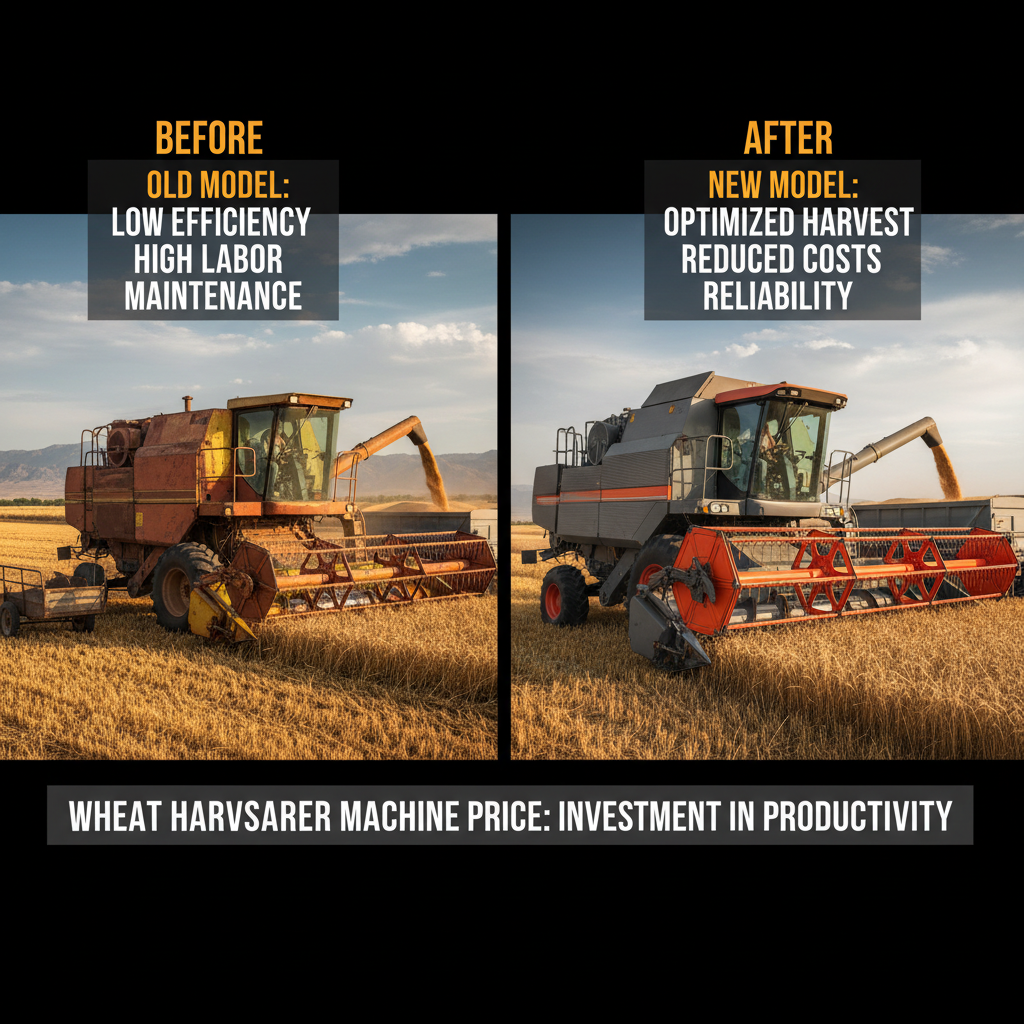
Several key factors determine the wheat harvester machine price. The size and capacity of the machine are primary determinants – larger harvesters capable of processing more wheat per hour will naturally be more expensive. The level of automation also plays a role; self-propelled harvesters with advanced features like GPS guidance and automatic yield monitoring cost more than simpler, pull-type models. Brand reputation, engine power, and the inclusion of features like grain tanks size and unloading rate all contribute to the overall cost. Furthermore, import duties and shipping costs can significantly increase the price, especially for international buyers. Finally, technological advancements drive up prices but also offer increased efficiency and performance.
Key Price Influencers: Machine size, automation level, brand reputation, engine power, grain tank capacity, and import costs.
Types of Wheat Harvester Machines and Their Price Ranges
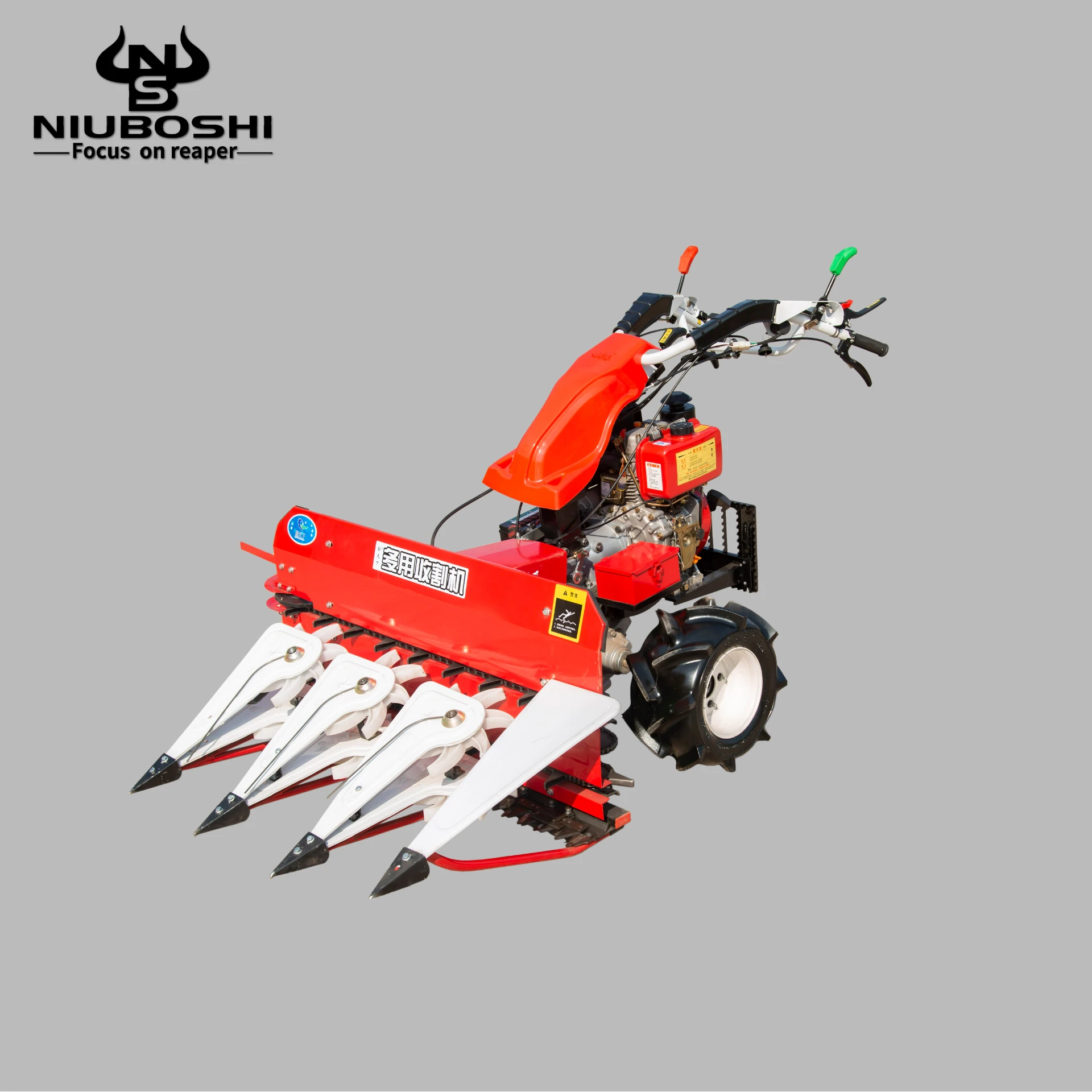
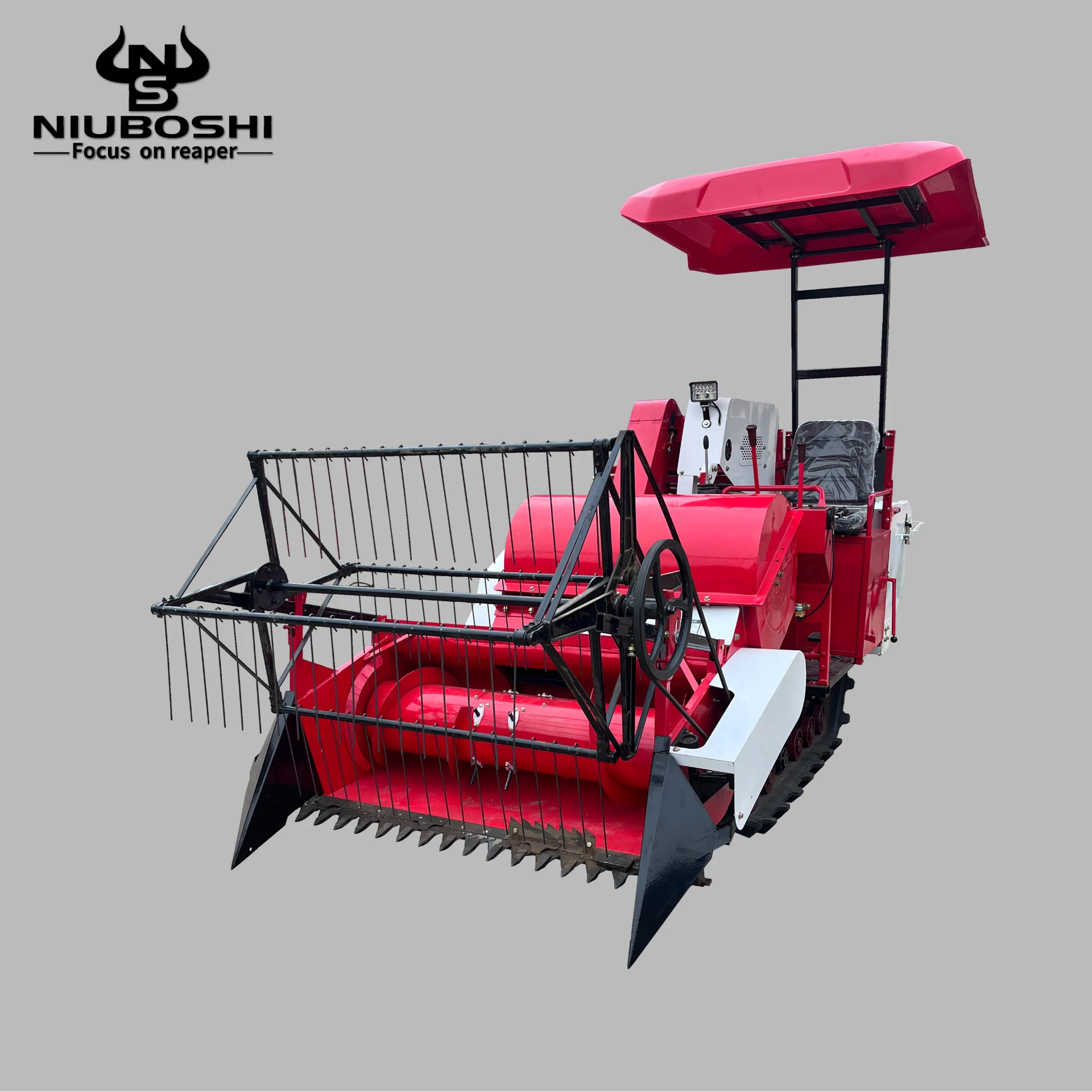
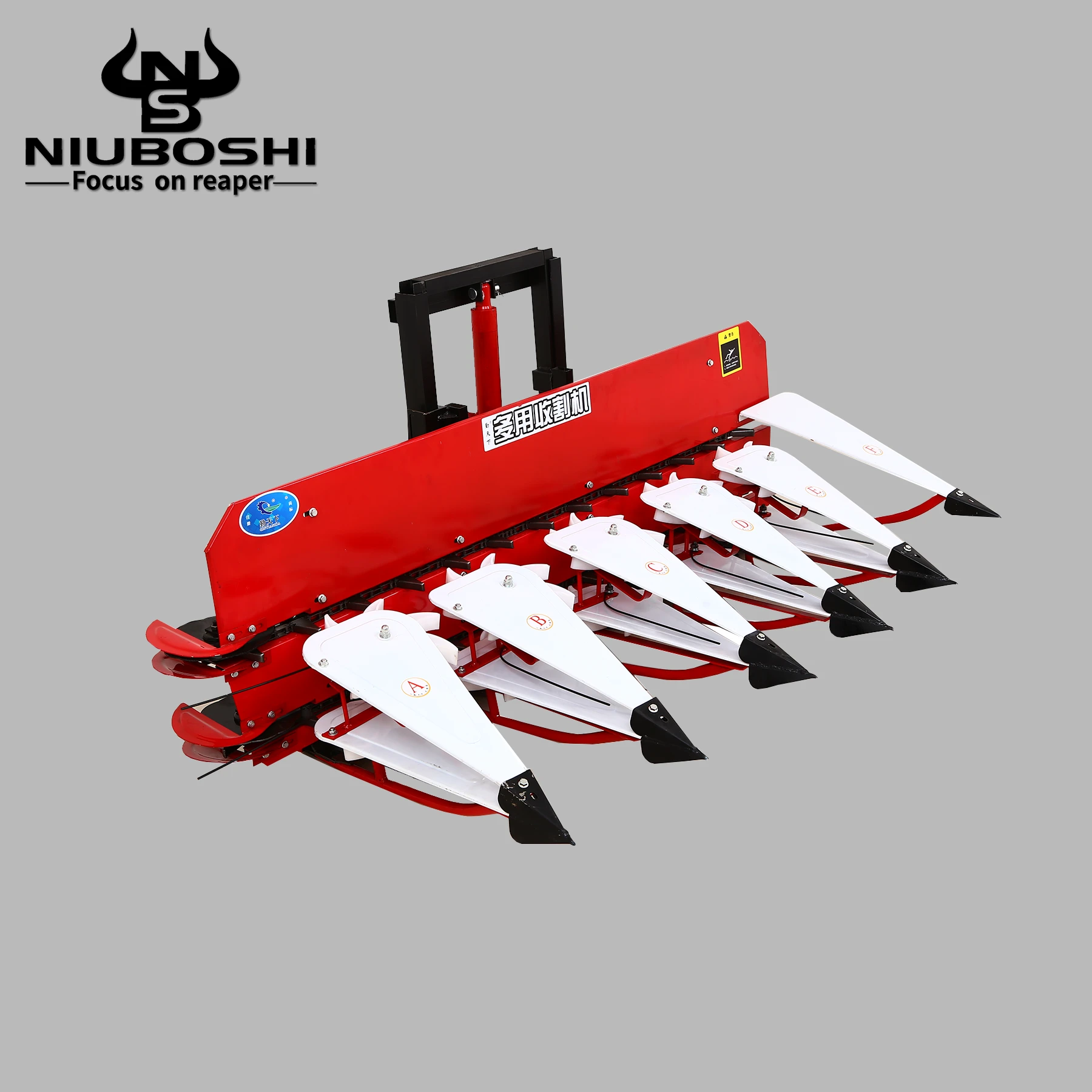
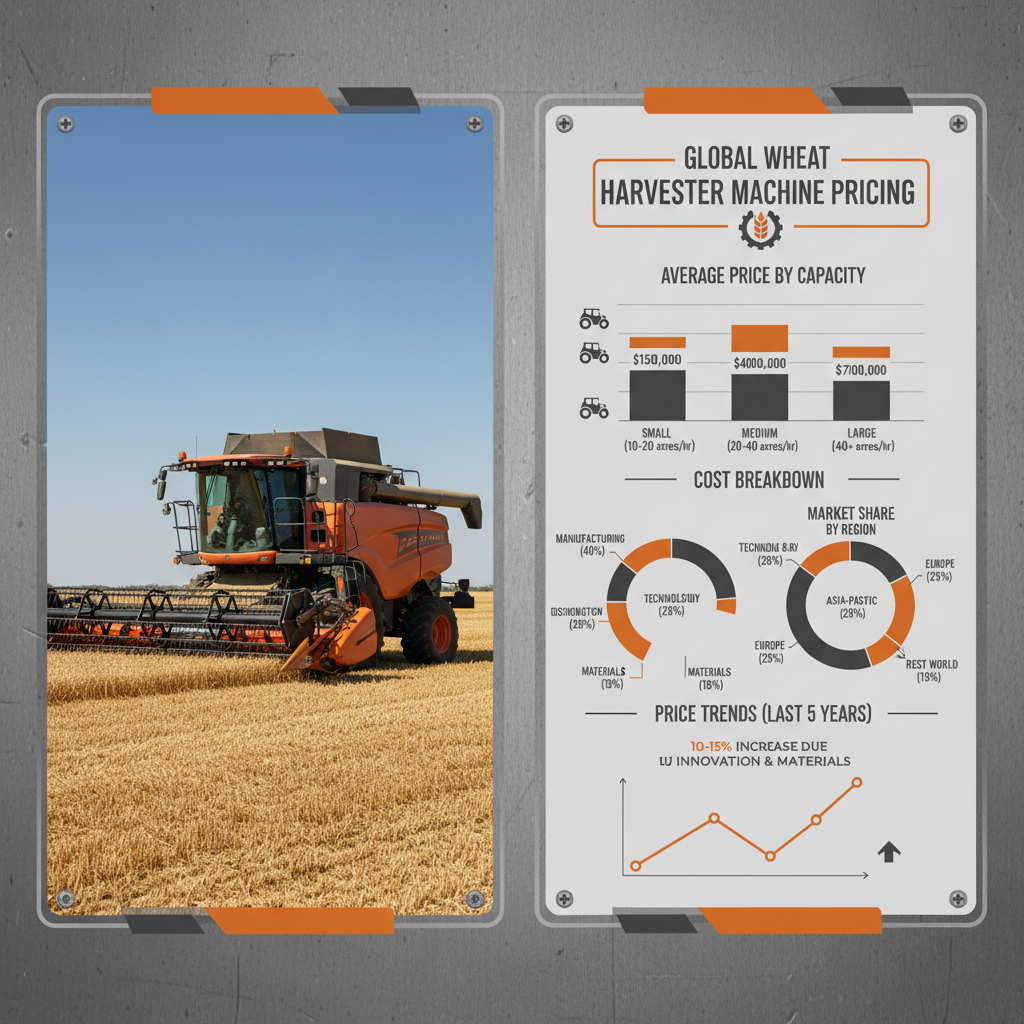
Wheat harvester machines come in several types, each suited to different farm sizes and budgets. Pull-type harvesters are the most affordable option, typically ranging from $30,000 to $60,000, but require a tractor for operation. Self-propelled harvesters offer greater efficiency and maneuverability, but come with a higher price tag, starting around $80,000 and exceeding $400,000 for models with advanced features. Combine harvesters, which combine reaping, threshing, and winnowing in one process, are a popular choice for large-scale farms. Smaller, more specialized harvesters designed for hilly terrain or specific wheat varieties are also available, offering tailored solutions at varying price points. Choosing the right type depends on your specific needs and resources.
Harvester Type Overview:
• Pull-Type: $30,000 - $60,000 (Requires Tractor)
• Self-Propelled: $80,000 - $400,000+
• Combine Harvesters: $90,000 - $450,000+
A Comparative Look at Popular Wheat Harvester Models
When considering a wheat harvester machine, comparing different models is essential. Here's a quick overview of some popular options and their approximate price ranges:
Beyond the Purchase Price: Operating and Maintenance Costs
The initial wheat harvester machine price is only one part of the total cost of ownership. You must also factor in operating and maintenance expenses. These include fuel, lubricants, spare parts (like blades, belts, and filters), and regular servicing. Larger, more complex machines typically have higher maintenance requirements and costs. Consider the availability of local service and parts suppliers when making your decision. Investing in a machine with readily available support can save you significant time and money in the long run.
Conclusion: Making an Informed Investment
Choosing the Right Wheat Harvester
The optimal wheat harvester machine depends on your unique needs and financial situation. Carefully evaluate your farm size, budget, and the specific requirements of your wheat crops. Consider both the initial purchase price and the long-term operating and maintenance costs. HB NiuBoshi offers a range of high-quality wheat harvesters designed to meet diverse agricultural demands. Contact us today for a consultation and find the perfect machine for your farm.
Frequently Asked Questions (FAQs)
What factors should I consider when choosing between a pull-type and a self-propelled wheat harvester?
The primary considerations are farm size, budget, and efficiency needs. Pull-type harvesters are more affordable and suitable for smaller farms with existing tractors. However, they require more manual operation and have lower harvesting capacity. Self-propelled harvesters offer greater efficiency, maneuverability, and automation, but come with a significantly higher price tag. Consider the number of acres you harvest annually, the terrain, and your labor costs. If you harvest large areas and prioritize speed and efficiency, a self-propelled harvester is likely the better choice. If you have a smaller acreage and are looking for a cost-effective solution, a pull-type harvester may suffice.
What is the typical lifespan of a wheat harvester machine?
With proper maintenance, a wheat harvester machine can last for 10-20 years or even longer. The lifespan depends on several factors, including the quality of the machine, the frequency of use, and the operating conditions. Regular servicing, including oil changes, filter replacements, and blade sharpening, is crucial for maximizing the lifespan. Avoiding overloading the machine and operating it within its specifications will also contribute to its longevity. Investing in a reputable brand with readily available parts and service support is also important.
How can I reduce the operating costs of my wheat harvester?
Several strategies can help reduce operating costs. Optimizing harvesting speed and adjusting the machine's settings to minimize grain loss can improve efficiency. Regularly maintaining the machine, including keeping blades sharp and belts properly tensioned, can reduce fuel consumption and prevent breakdowns. Using high-quality lubricants and filters can also extend the lifespan of components. Consider implementing precision farming techniques to optimize yield and reduce waste. Finally, proper storage during the off-season will protect the machine from the elements and minimize maintenance needs.
What kind of warranty does HB NiuBoshi offer on its wheat harvesters?
HB NiuBoshi provides a comprehensive warranty on its wheat harvesters, covering defects in materials and workmanship. The standard warranty period is typically one year from the date of purchase, with extended warranty options available. The warranty covers parts and labor for repairs performed by authorized service centers. Detailed warranty information can be found on our website at HB NiuBoshi or by contacting our sales team.
Latest news
-
Maximize Harvest Efficiency with the Agro Reaper Binder MachineNewsApr.16,2026
-
Boost Harvest Efficiency with the Best Agriculture Reaper MachineNewsApr.09,2026
-
Revolutionizing Agriculture with the Efficient Agriculture Power ReaperNewsApr.07,2026
-
Comprehensive Guide to the 4 Wheel Reaper Binder for Efficient HarvestingNewsApr.04,2026
-
Comprehensive Guide to Reaperbinder Technology for Efficient Hay and Crop HarvestingNewsMar.31,2026
-
Mastering the Art of Reaper Cutting for Enhanced Agricultural EfficiencyNewsMar.28,2026