Comprehensive Guide to Wheat Harvesting Machine Selection and Operation
Wheat Harvesting Machine: A Comprehensive Guide
The demand for efficient and reliable grain harvesting is constantly growing with the global population. A wheat harvesting machine is an essential piece of equipment for farmers aiming to maximize yields and minimize losses. This article provides an in-depth look at these machines, covering their types, benefits, key features, and considerations for selecting the right model. We'll explore how modern wheat harvesting technology can revolutionize your agricultural operations, increasing efficiency and profitability.
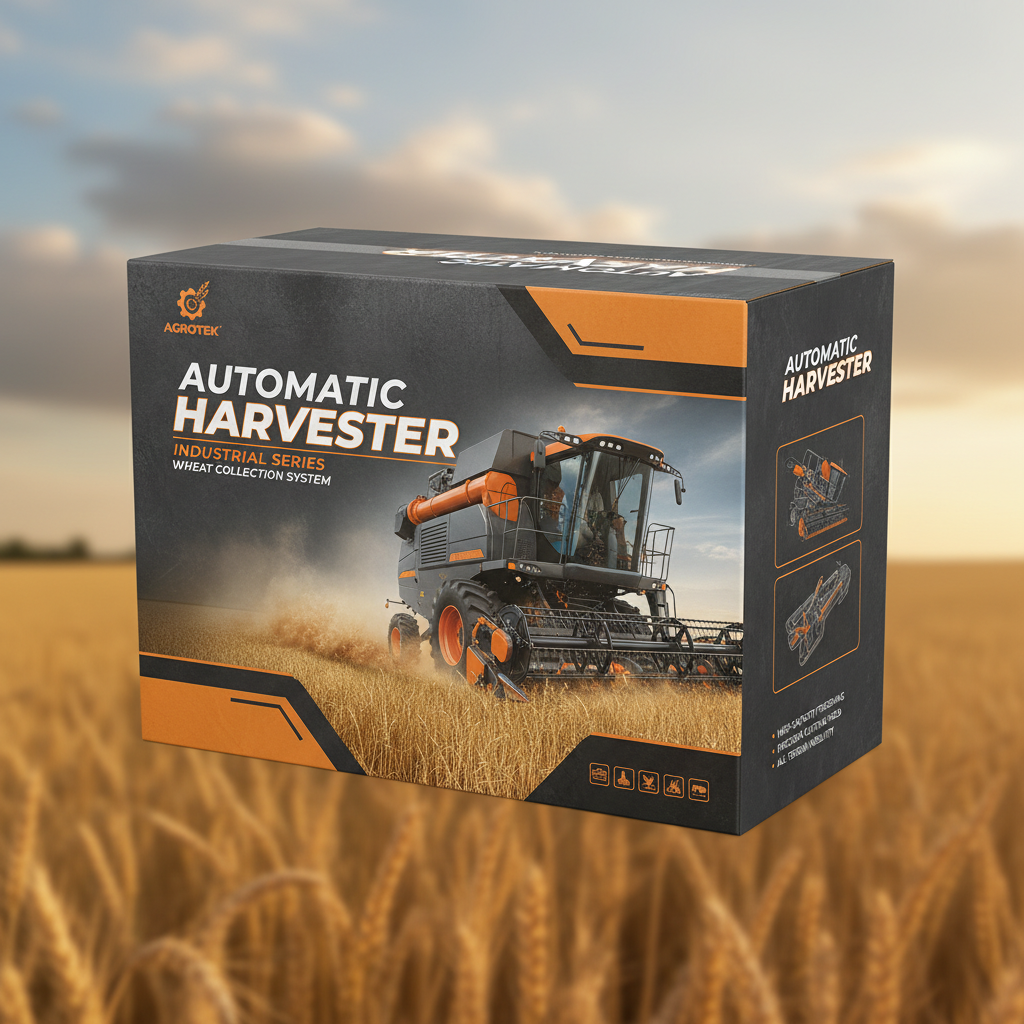
Understanding Different Types of Wheat Harvesting Machines
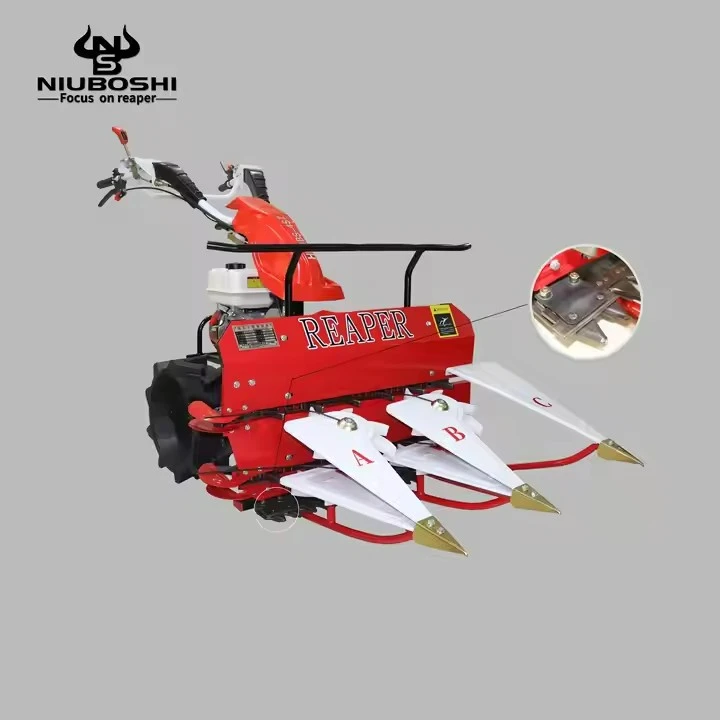
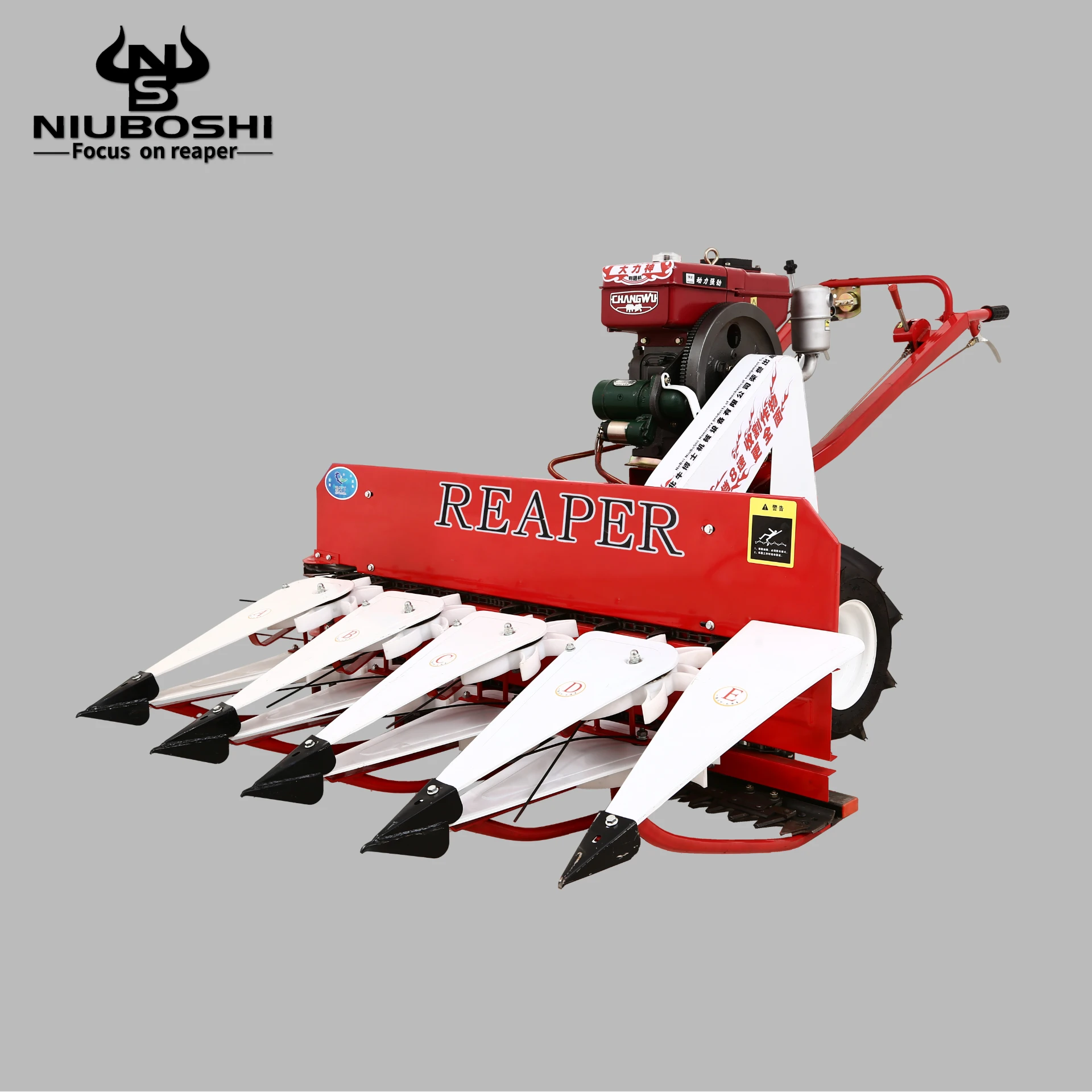
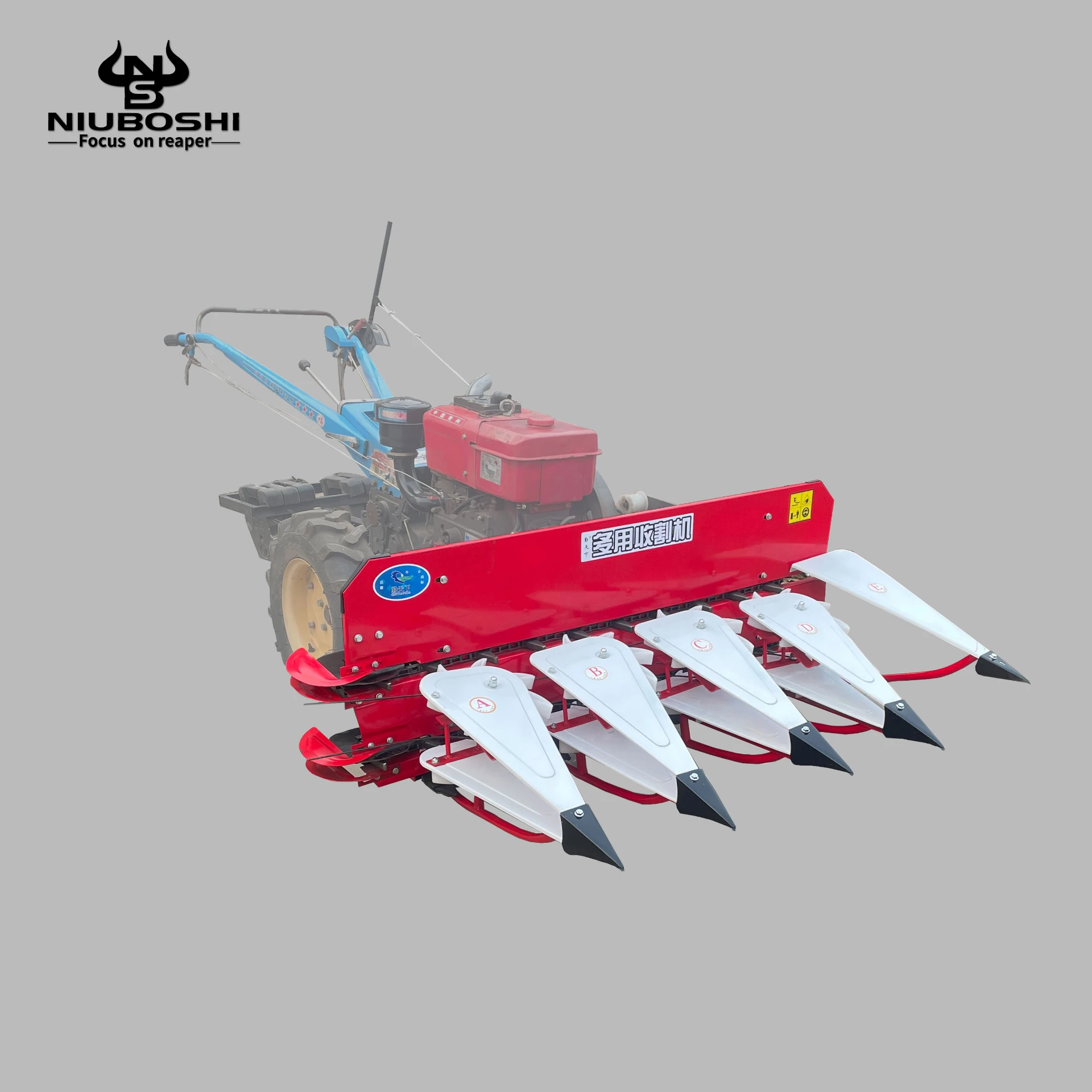
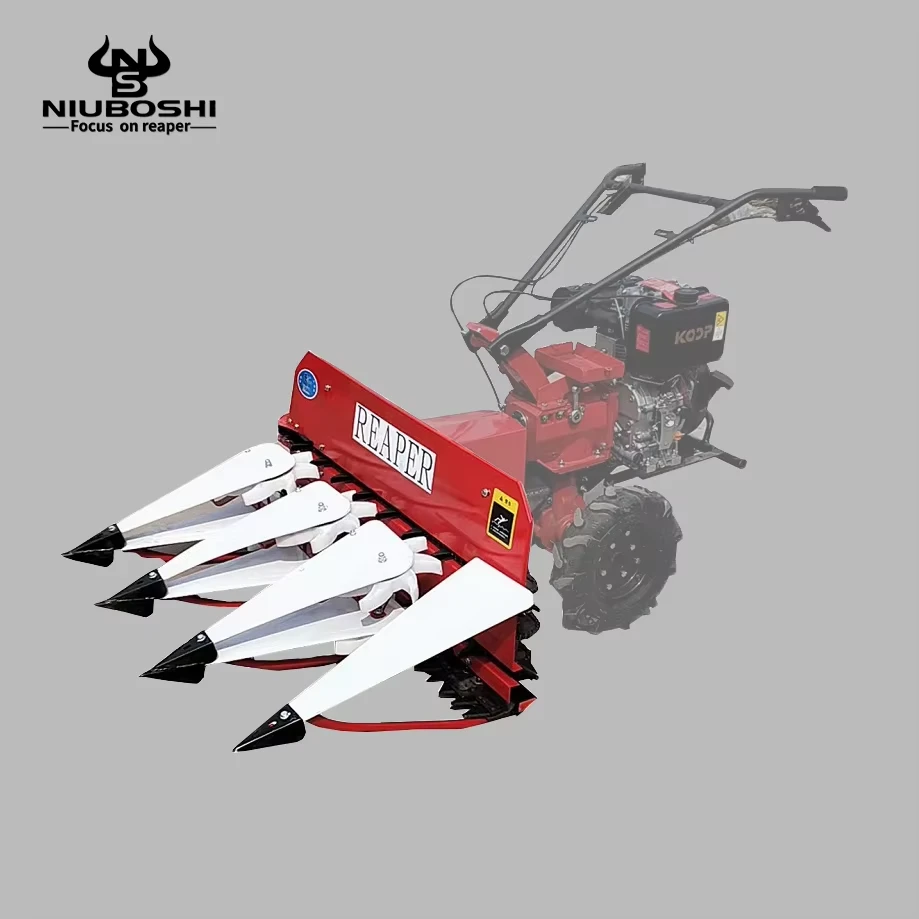
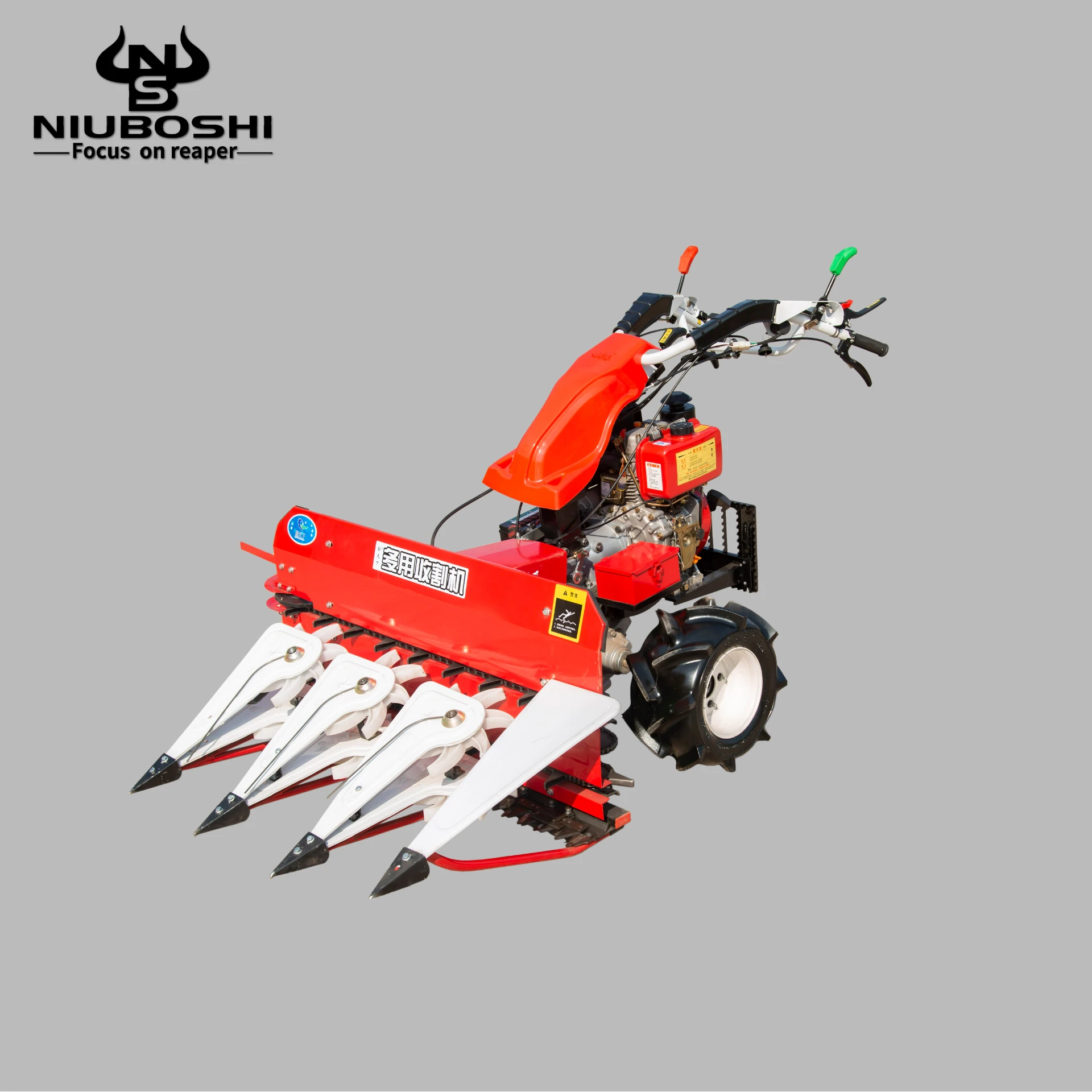
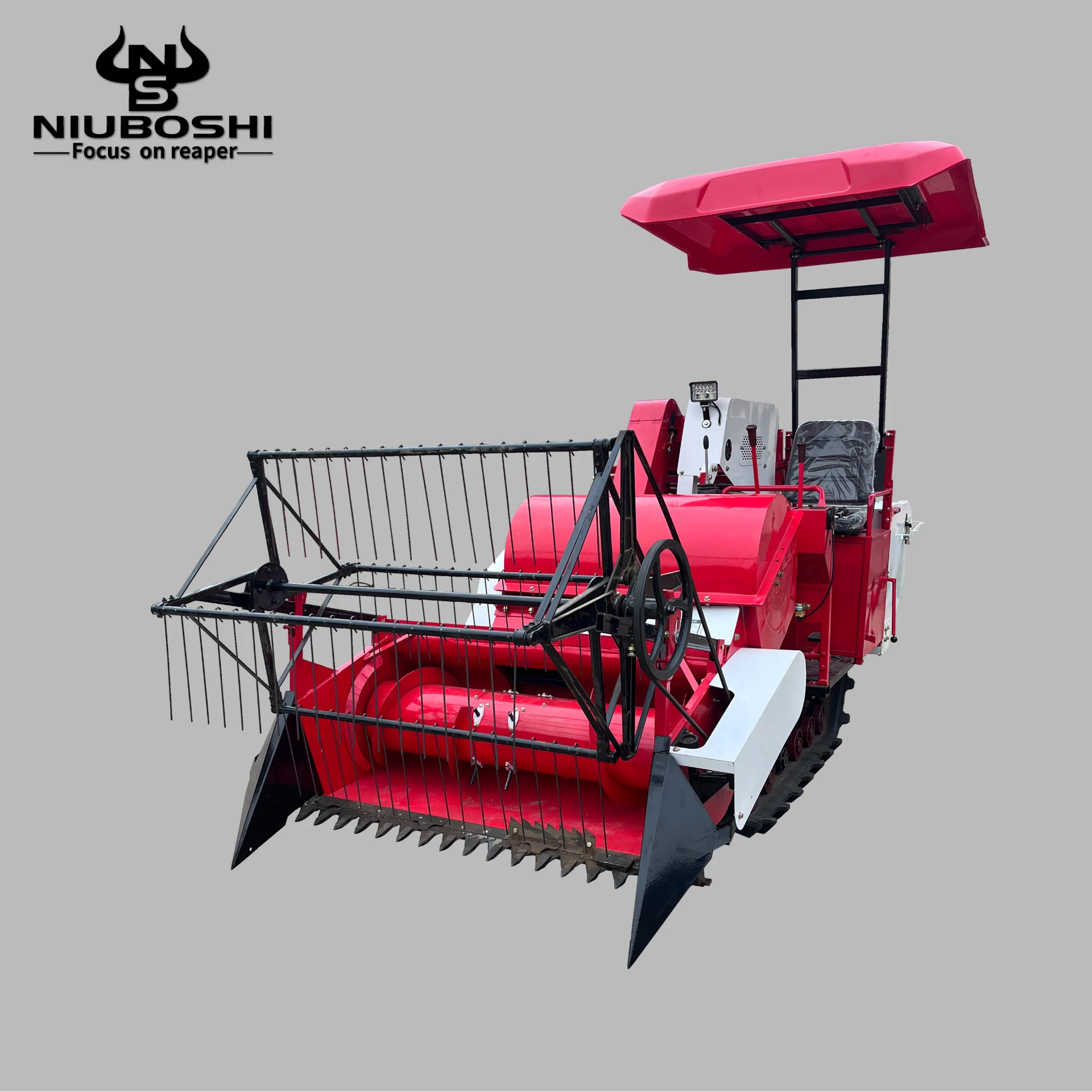
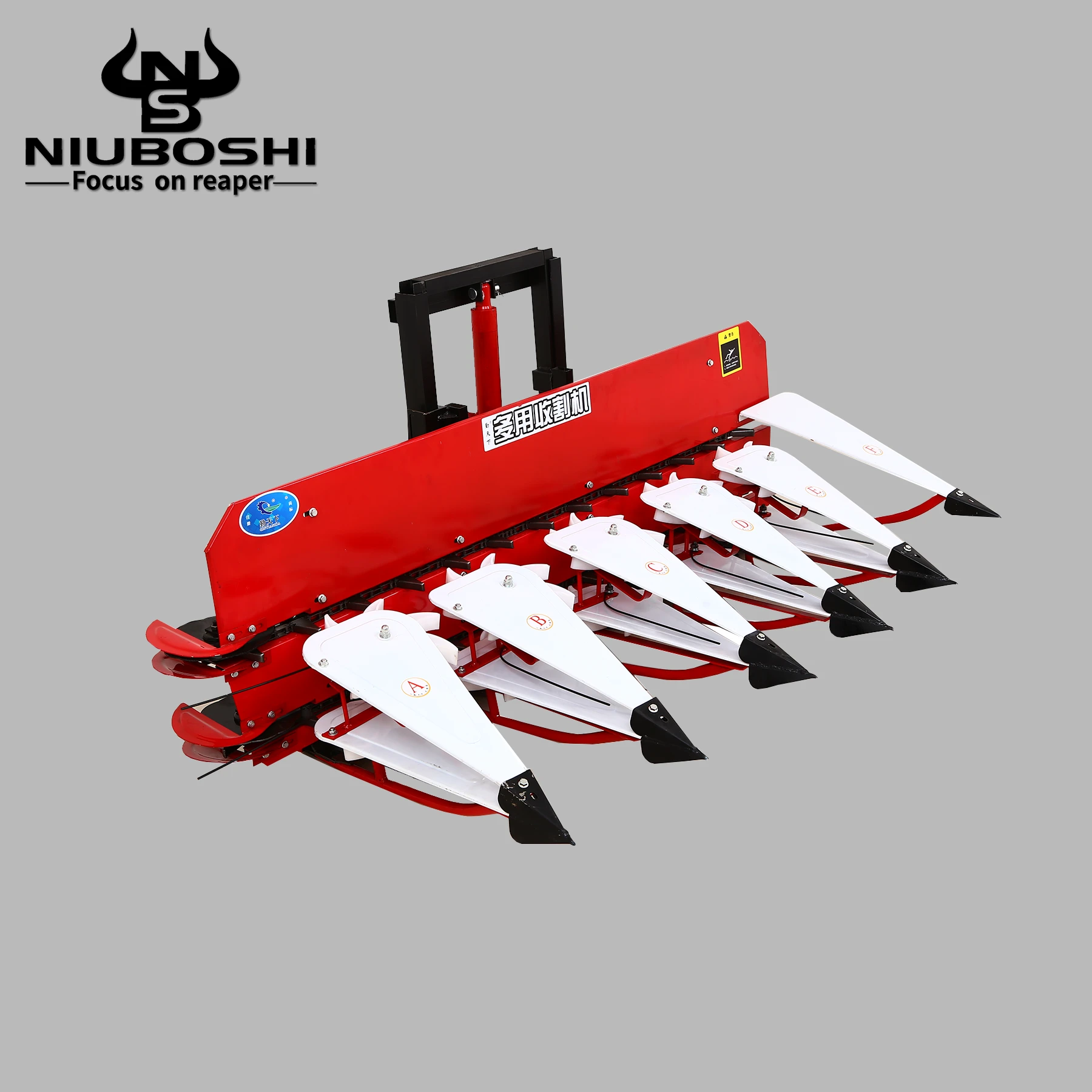
Wheat harvesting machines come in several types, each suited for different farm sizes and harvesting needs. The most common include self-propelled combine harvesters, which perform reaping, threshing, and winnowing in a single operation, and tractor-pulled combine harvesters, offering a more economical option for smaller farms. There are also specialized machines like windrowers, used to cut and lay the wheat into windrows for later pickup by a combine. Choosing the right type depends on factors like acreage, budget, and desired level of automation. A modern wheat harvesting machine represents a significant investment, so careful consideration is vital.
Key Considerations: When choosing a machine, consider factors like the size of your wheat fields, the type of terrain, your budget, and the level of automation you desire. Proper maintenance is also crucial for maximizing the machine’s lifespan and efficiency.
Benefits of Utilizing a Wheat Harvesting Machine
Investing in a wheat harvesting machine offers numerous benefits. It dramatically reduces labor costs compared to manual harvesting, significantly increases harvesting speed, and minimizes grain loss due to efficient threshing and collection systems. Moreover, these machines improve the quality of the harvested grain by reducing contamination and damage. A well-maintained wheat harvesting machine can translate to higher yields and increased profits for farmers.
Key Benefits:
• Reduced Labor Costs
• Increased Harvesting Speed
• Minimized Grain Loss
• Improved Grain Quality
Wheat Harvesting Machine Comparison: Key Features and Specifications
Selecting the right wheat harvesting machine requires a careful comparison of features and specifications. Factors to consider include engine power, cutting width, grain tank capacity, threshing cylinder speed, and the efficiency of the cleaning system. Here's a comparative overview of popular models:
Factors to Consider When Purchasing a Wheat Harvesting Machine
Before making a purchase, assess your specific needs. Consider your farm size, the type of wheat you grow, the terrain, and your budget. Look for machines with robust construction, reliable engines, and efficient threshing and cleaning systems. Also, consider the availability of spare parts and after-sales service from the manufacturer. Reputable brands like HB Niuboshi offer comprehensive support to ensure your machine operates optimally.
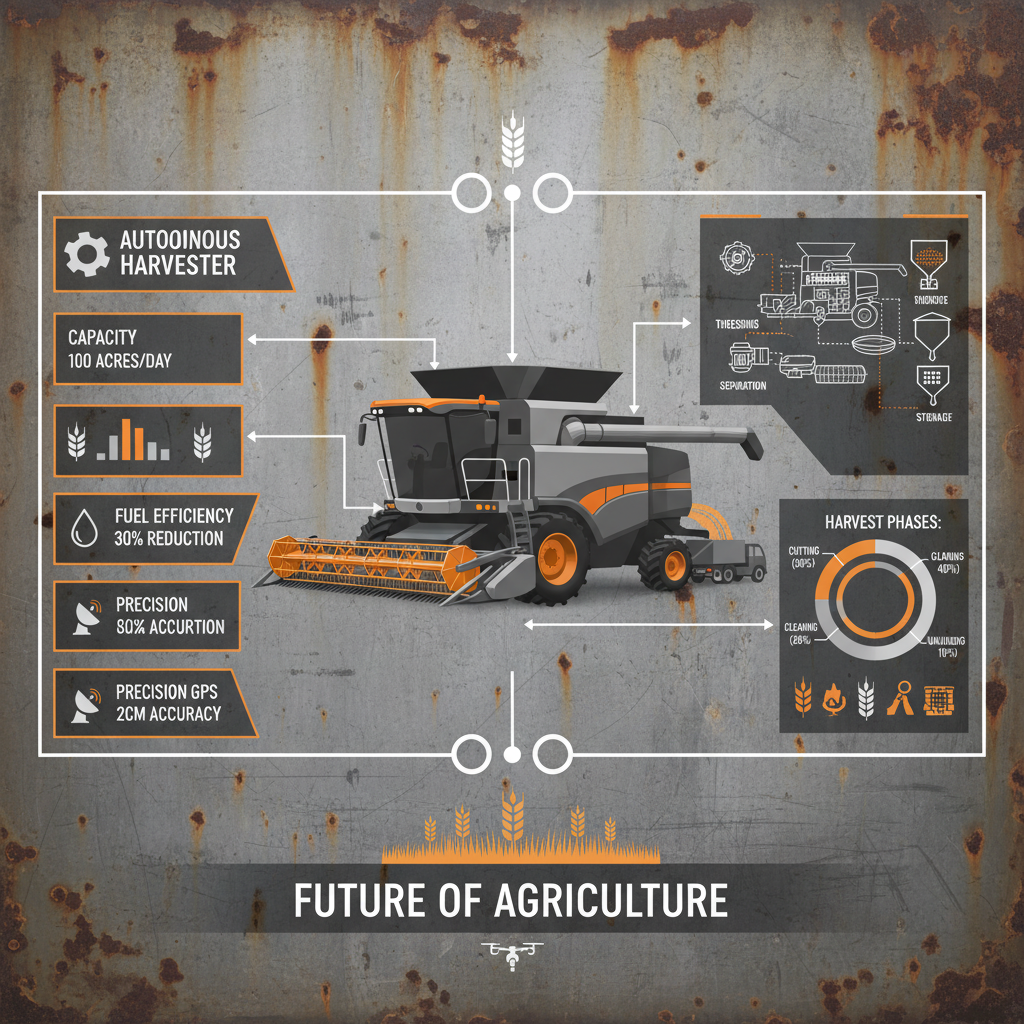
Maintaining Your Wheat Harvesting Machine for Longevity
Regular maintenance is crucial for extending the life of your wheat harvesting machine. This includes daily checks of fluid levels, regular cleaning of components, and periodic inspections by qualified technicians. Follow the manufacturer's recommended maintenance schedule, and address any issues promptly to prevent costly repairs. Proper storage during the off-season is also essential to protect the machine from the elements. Investing in preventative maintenance will ensure your wheat harvesting machine continues to perform reliably for years to come.
Conclusion: Optimizing Your Harvest with the Right Machine
Choosing the right wheat harvesting machine is a critical decision for any farmer. By carefully considering your needs, comparing available models, and prioritizing regular maintenance, you can maximize your yields, reduce costs, and ensure a profitable harvest. Invest in quality and reliability for long-term success.
Frequently Asked Questions (FAQs)
What is the typical fuel consumption of a wheat harvesting machine?
Fuel consumption varies depending on the machine's size, engine power, and operating conditions. Generally, self-propelled combine harvesters consume between 10 to 20 gallons of fuel per hour. Tractor-pulled models typically have lower fuel consumption rates. Factors like terrain, crop density, and harvesting speed also influence fuel efficiency. Modern machines often feature fuel-saving technologies to optimize performance and reduce operating costs. Choosing a machine with efficient engine technology can significantly lower your fuel expenses.
How much does a wheat harvesting machine cost?
The cost of a wheat harvesting machine can vary widely depending on the type, size, and features. Tractor-pulled combine harvesters generally range from $20,000 to $60,000. Self-propelled combine harvesters can cost anywhere from $50,000 to $450,000 or more. Used machines are available at lower prices, but it's important to assess their condition and maintenance history carefully. Brands like HB Niuboshi offer competitive pricing and a range of models to suit different budgets.
What safety precautions should be taken when operating a wheat harvesting machine?
Safety is paramount when operating a wheat harvesting machine. Always wear appropriate personal protective equipment (PPE), including safety glasses, gloves, and a dust mask. Ensure the machine is properly maintained and all safety features are functioning correctly. Never operate the machine under the influence of alcohol or drugs. Be aware of your surroundings and keep bystanders away from the harvesting area. Always follow the manufacturer's safety guidelines and receive proper training before operating the machine.
Latest news
-
Maximize Harvest Efficiency with the Agro Reaper Binder MachineNewsApr.16,2026
-
Boost Harvest Efficiency with the Best Agriculture Reaper MachineNewsApr.09,2026
-
Revolutionizing Agriculture with the Efficient Agriculture Power ReaperNewsApr.07,2026
-
Comprehensive Guide to the 4 Wheel Reaper Binder for Efficient HarvestingNewsApr.04,2026
-
Comprehensive Guide to Reaperbinder Technology for Efficient Hay and Crop HarvestingNewsMar.31,2026
-
Mastering the Art of Reaper Cutting for Enhanced Agricultural EfficiencyNewsMar.28,2026