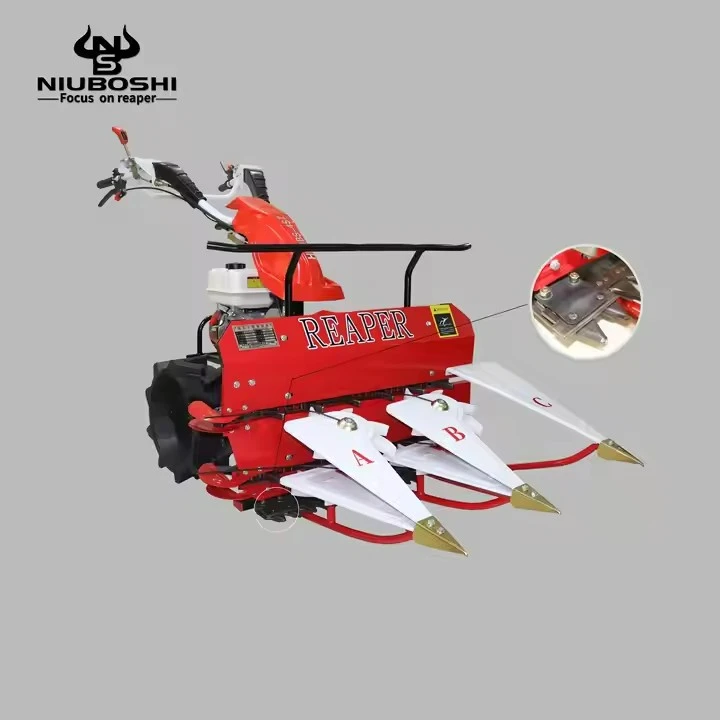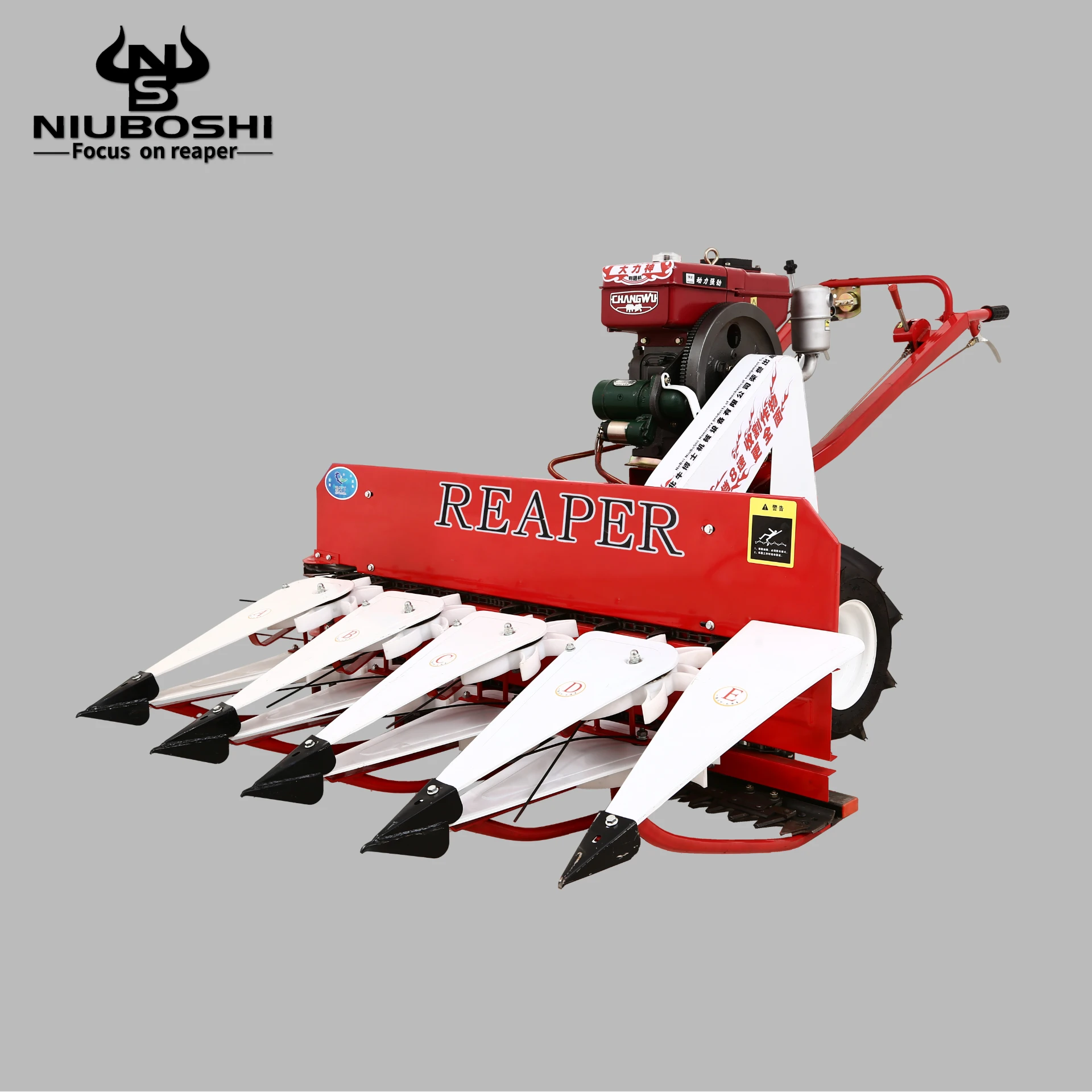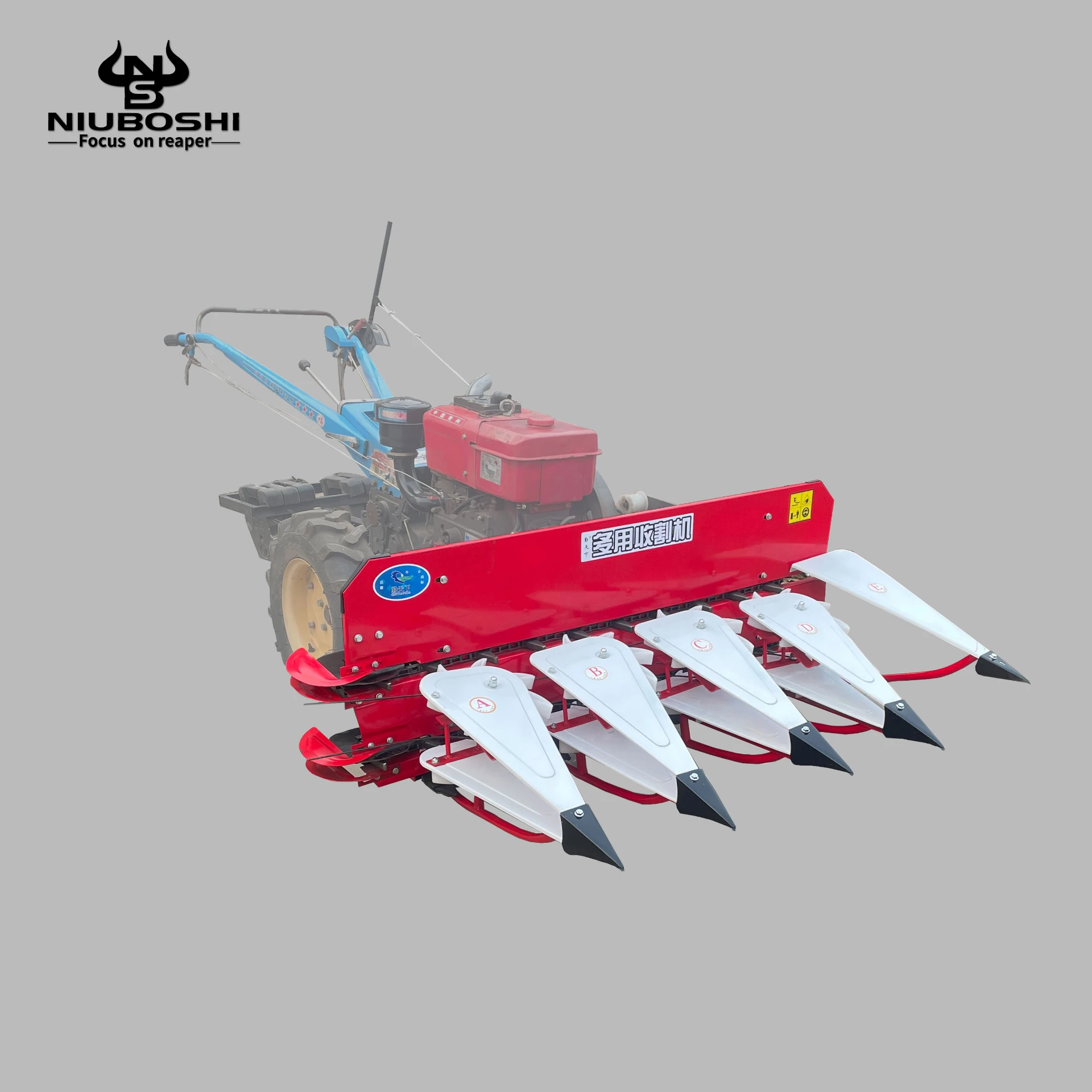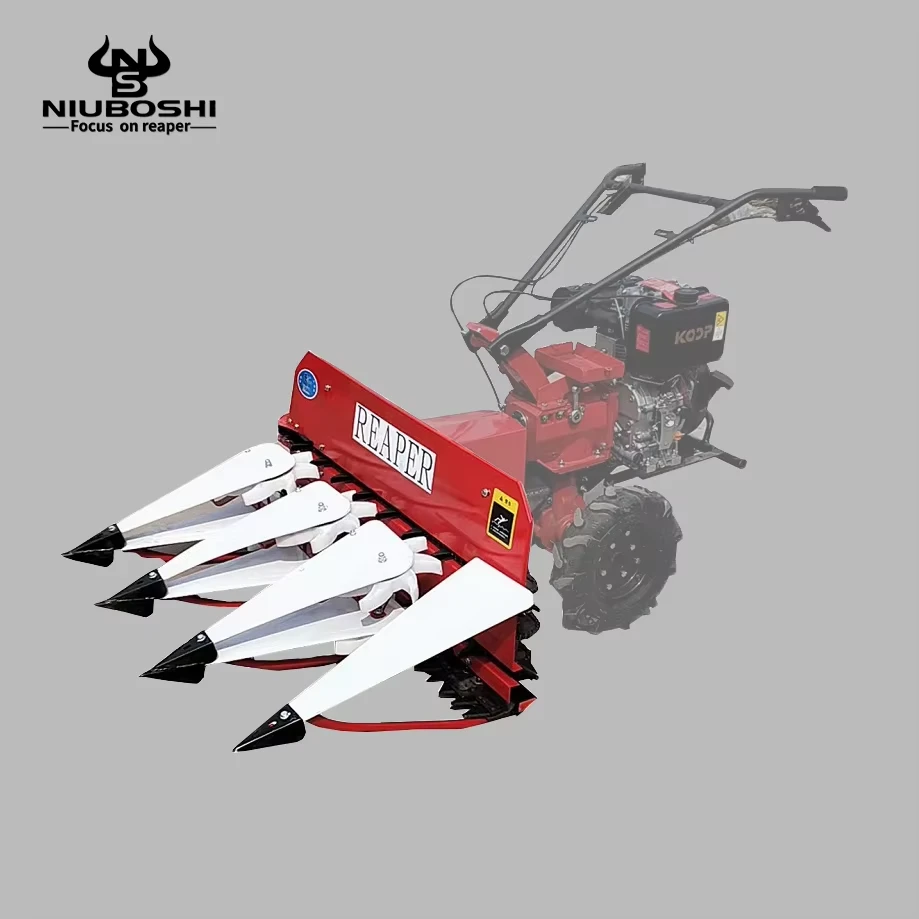
Wheat Harvester Machines: Efficiency & Innovation
Understanding the Modern Wheat Harvester Machine
You know, the world of agricultural machinery doesn't change overnight. But it’s definitely shifting, and quickly. The demand for efficiency, for minimizing waste, and frankly, for getting the harvest in before the weather turns sour… it’s all pushing manufacturers to innovate. And at the heart of that innovation is the wheat harvester machine. It’s not just about bigger engines anymore; it's about smart technology, durable materials, and designs that account for the realities of modern farming. I've spent the last few weeks looking at models from various manufacturers, and it's clear that HB Niuboshi is a serious contender.
Table of Contents
- Wheat Harvester Machine Overview
- Benefits & Use Cases of Wheat Harvester Machine
- Cost, Maintenance & User Experience
- Sustainability & Market Trends
Wheat Harvester Machine Overview
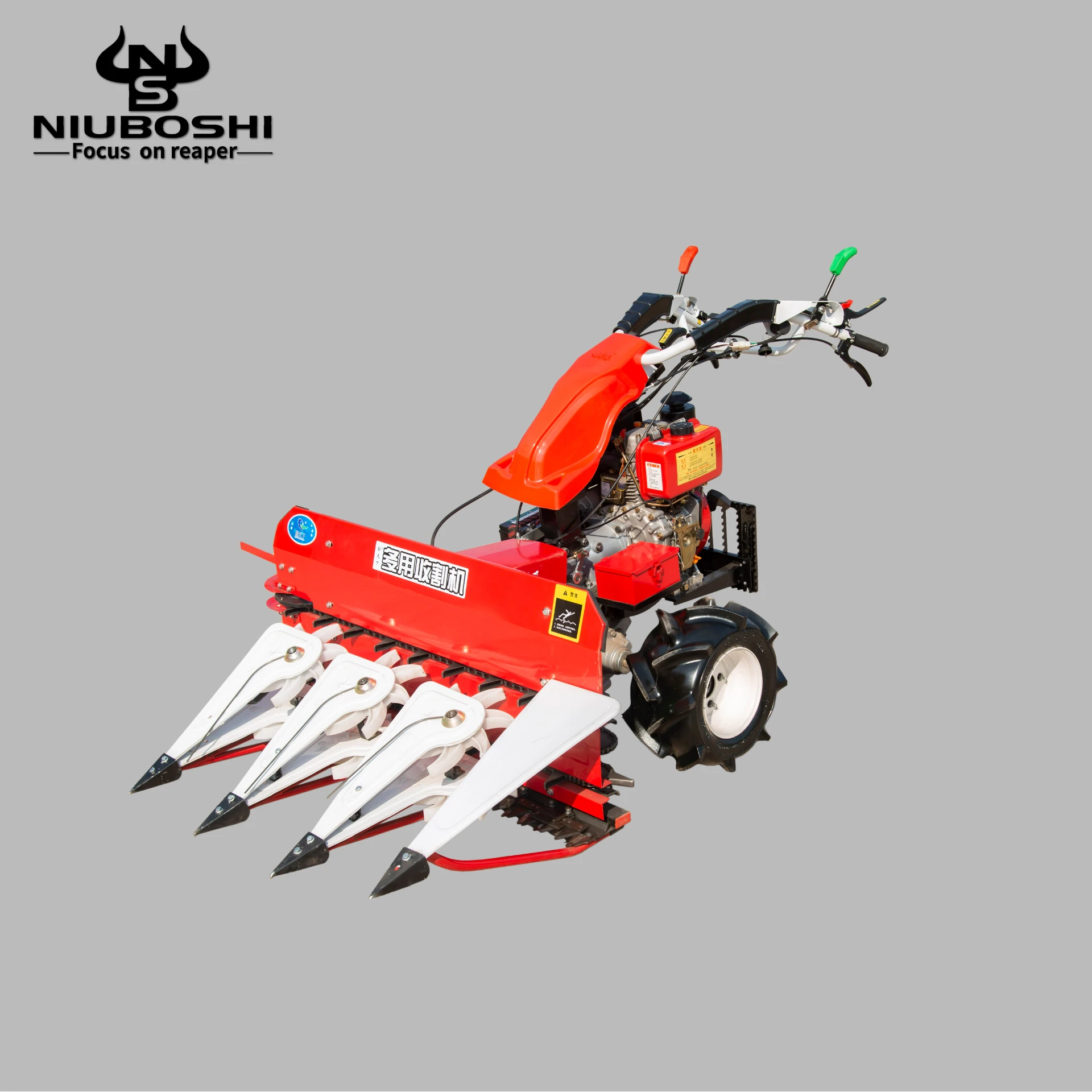
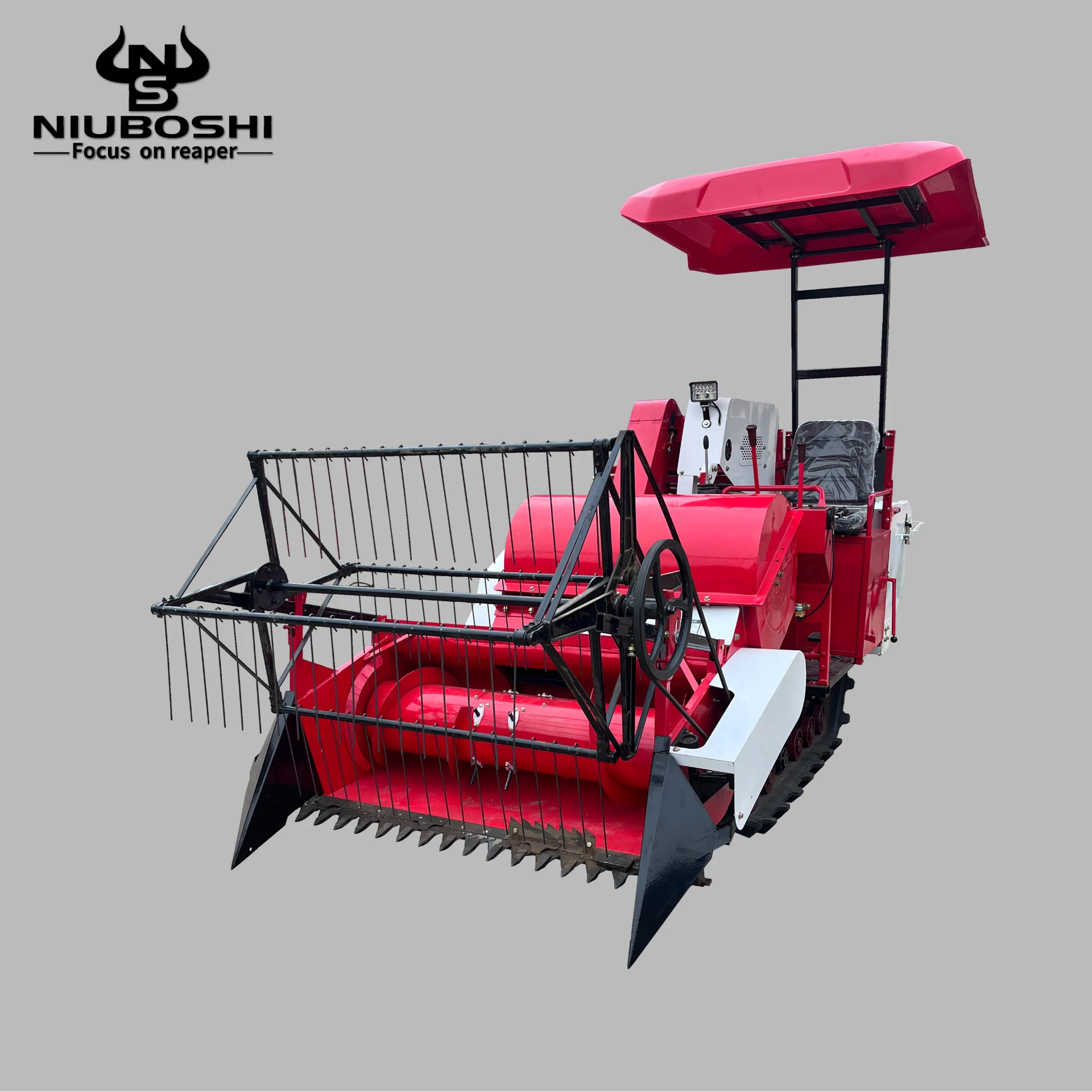
Essentially, a wheat harvester machine combines reaping, threshing, and winnowing into one efficient process. Older methods, of course, involved a lot more manual labor and stages. Modern machines, like those from HB Niuboshi, use a combination of rotating blades to cut the wheat, a threshing drum to separate the grain from the stalks, and air to remove the chaff. What I noticed about the Niuboshi models, specifically, is their focus on minimizing grain loss. It’s a small detail, but it adds up to significant savings over a large harvest. They utilize a self-leveling header, which adjusts to uneven terrain—a real lifesaver in some fields, frankly. Here's a quick look at the specs on their 4LZ-8.2 model:
| Parameter | Value | Notes |
|---|---|---|
| Cutting Width | 2.5m | Adjustable |
| Grain Tank Capacity | 6.5 m³ | Large capacity for extended operation |
| Engine Power | 190 HP | Reliable performance |
Benefits & Use Cases of Wheat Harvester Machine
The applications are pretty straightforward – large-scale wheat farming, obviously. But it goes beyond that. It’s used for barley, rye, even some types of rice in certain regions. The advantage? Reduced labor costs, faster harvesting times, and minimized crop damage. Many engineers I’ve spoken with emphasize the importance of the machine's adaptability to different wheat varieties and field conditions. A key feature of the Niuboshi machines is their automated steering and GPS integration, which allows for precise harvesting patterns and reduces overlap. This isn't just about making things easier; it’s about maximizing yield. Here’s how HB Niuboshi stacks up against the competition:
| Feature | HB Niuboshi | Competitor A | Competitor B |
|---|---|---|---|
| Price (approx.) | $85,000 | $90,000 | $80,000 |
| GPS Integration | Standard | Optional | Standard |
| Grain Loss (%) | 2% | 1.8% |
Cost, Maintenance & User Experience
The initial cost is, of course, a big consideration. You’re looking at around $85,000 for a decent model, but you have to factor in long-term maintenance. HB Niuboshi seems to be using higher-grade components, which, while increasing the upfront cost, should translate to lower repair bills down the line. I spoke with a farmer in Kansas, Mr. Henderson, who’s been using a Niuboshi machine for three seasons. He said the biggest benefit has been the reduced downtime. “It just… works,” he told me. Many operators also say the intuitive control panel makes it easy to learn, even for those with limited experience. The machine features easy access points for routine maintenance, which is a huge plus.
Sustainability & Market Trends
There's increasing pressure on agriculture to be more sustainable, and that's impacting machinery design. The move toward precision farming – using technology to optimize resource use – is a big trend. HB Niuboshi's GPS integration and yield monitoring capabilities align with that trend. I suppose the future will see even more automation and data analysis built into these machines. Regulations around emissions are also getting tighter, so manufacturers are exploring alternative fuel options and more efficient engine designs. It feels like the industry is poised for significant changes in the next decade.
Frequently Asked Questions about Wheat Harvester Machine
- What is Wheat Harvester Machine and how does it work?
- A wheat harvester machine combines reaping, threshing, and winnowing into one streamlined process, efficiently separating the grain from the stalk and chaff. It's a significant upgrade from older, manual methods.
- What are the main benefits of using Wheat Harvester Machine in industrial applications?
- The key benefits include reduced labor costs, faster harvesting times, minimized crop damage and loss, and increased overall efficiency – allowing for larger yields with less waste.
- How does Wheat Harvester Machine compare to traditional alternatives?
- Traditional methods were far more labor-intensive and prone to grain loss. Modern machines like those from HB Niuboshi offer automation, precision, and reduced operating costs, resulting in a significantly improved ROI.
- What industries can benefit most from Wheat Harvester Machine implementation?
- Large-scale wheat farming is the primary beneficiary, but it’s also valuable for barley, rye, and certain rice harvesting operations. Any agricultural business dealing with grain crops can potentially benefit.
Conclusion on Wheat Harvester Machine from china
Ultimately, investing in a modern wheat harvester machine is about investing in the future of your operation. It's a technology that can deliver significant returns in terms of efficiency, yield, and sustainability. Visit our website: https://www.hbniuboshi.com to explore the options.
Latest news
-
Maximize Harvest Efficiency with the Agro Reaper Binder MachineNewsApr.16,2026
-
Boost Harvest Efficiency with the Best Agriculture Reaper MachineNewsApr.09,2026
-
Revolutionizing Agriculture with the Efficient Agriculture Power ReaperNewsApr.07,2026
-
Comprehensive Guide to the 4 Wheel Reaper Binder for Efficient HarvestingNewsApr.04,2026
-
Comprehensive Guide to Reaperbinder Technology for Efficient Hay and Crop HarvestingNewsMar.31,2026
-
Mastering the Art of Reaper Cutting for Enhanced Agricultural EfficiencyNewsMar.28,2026