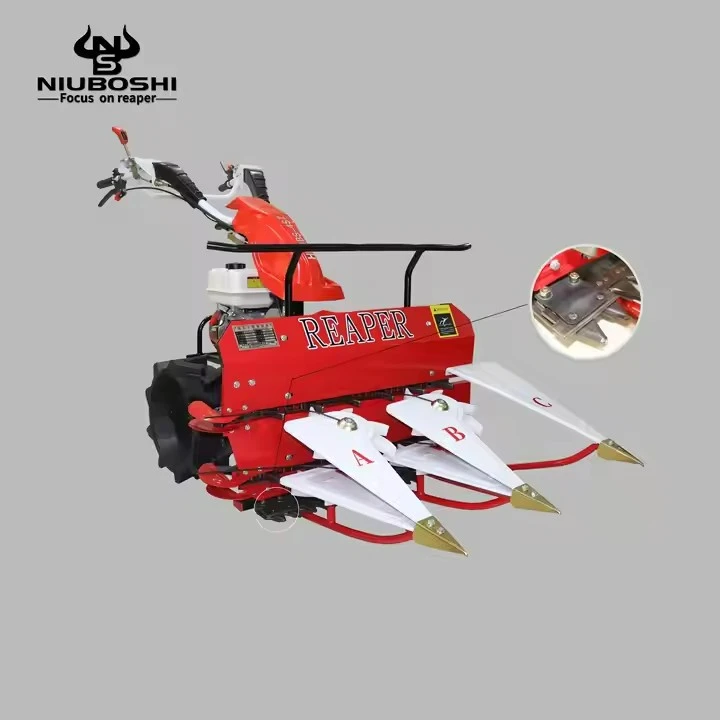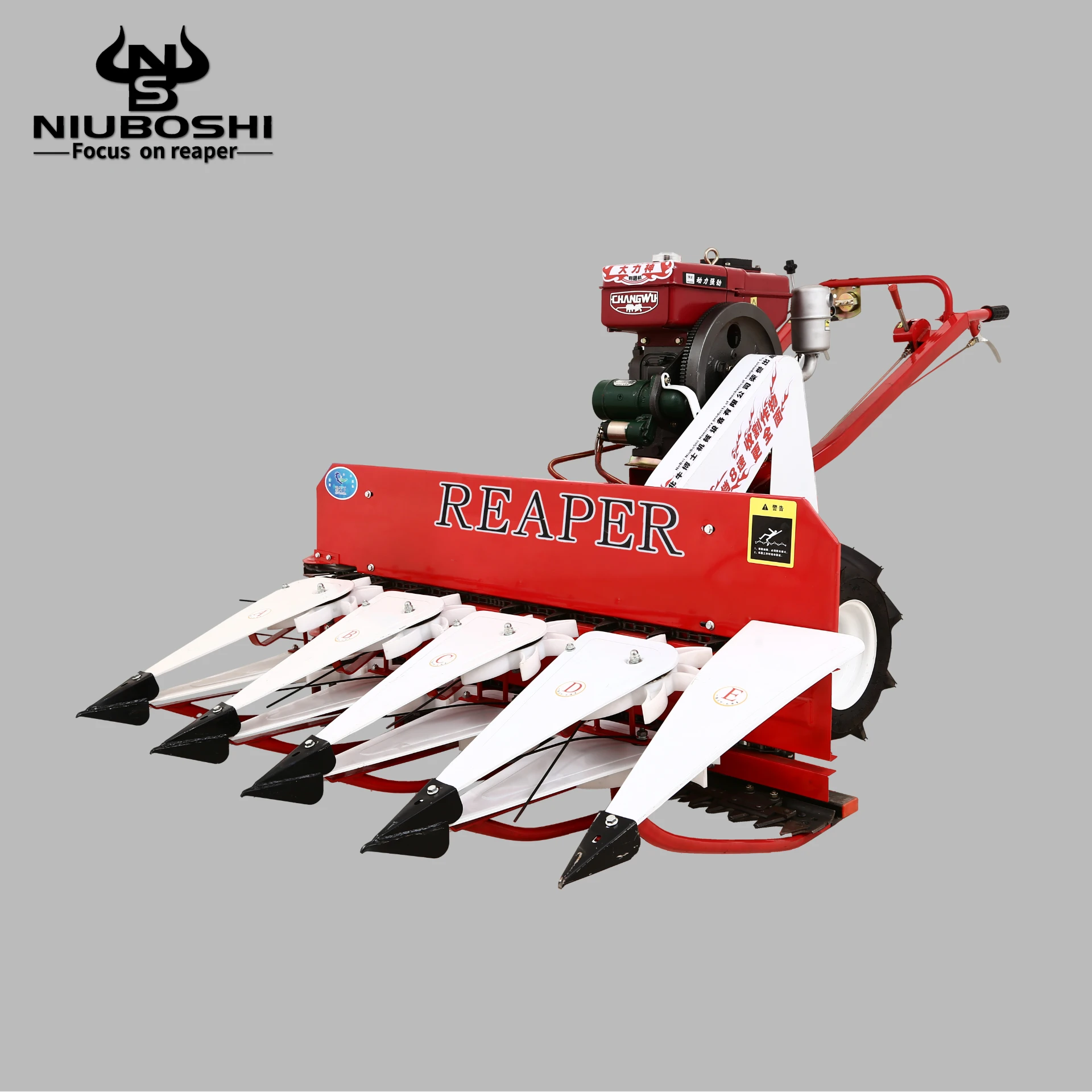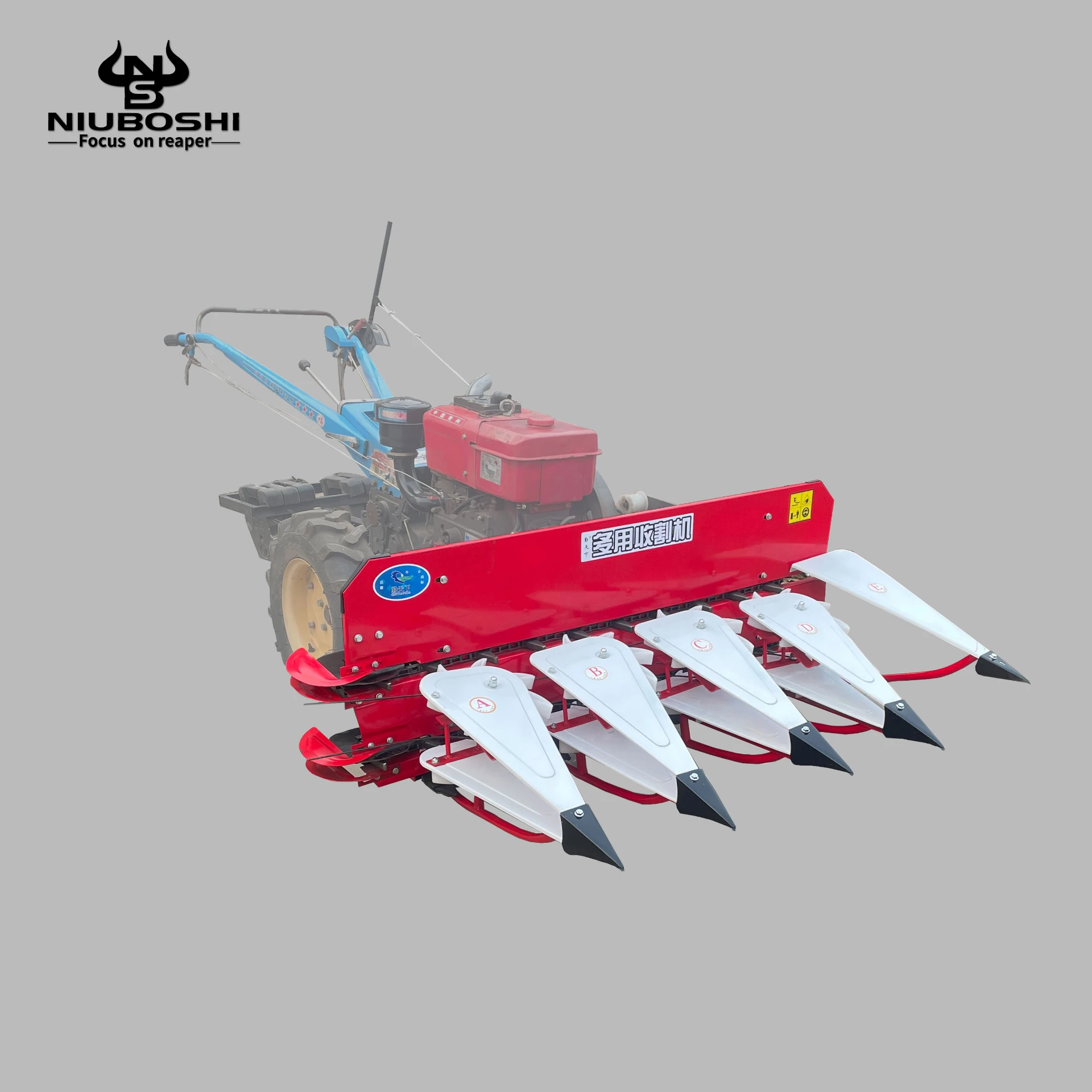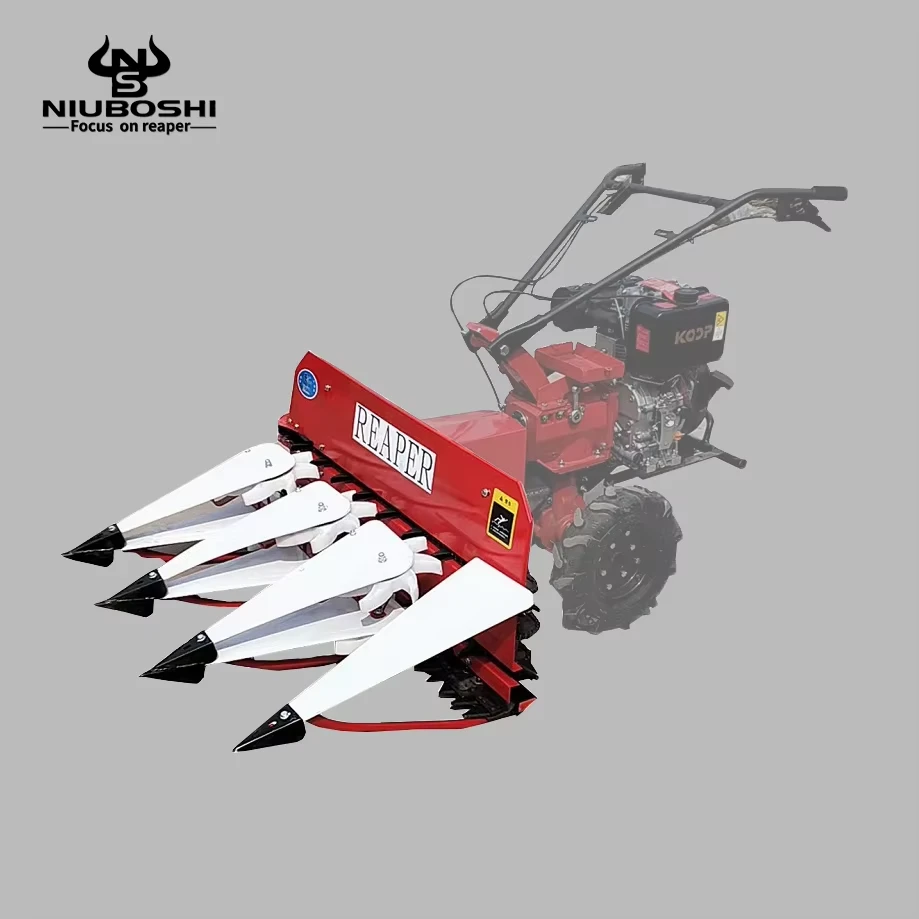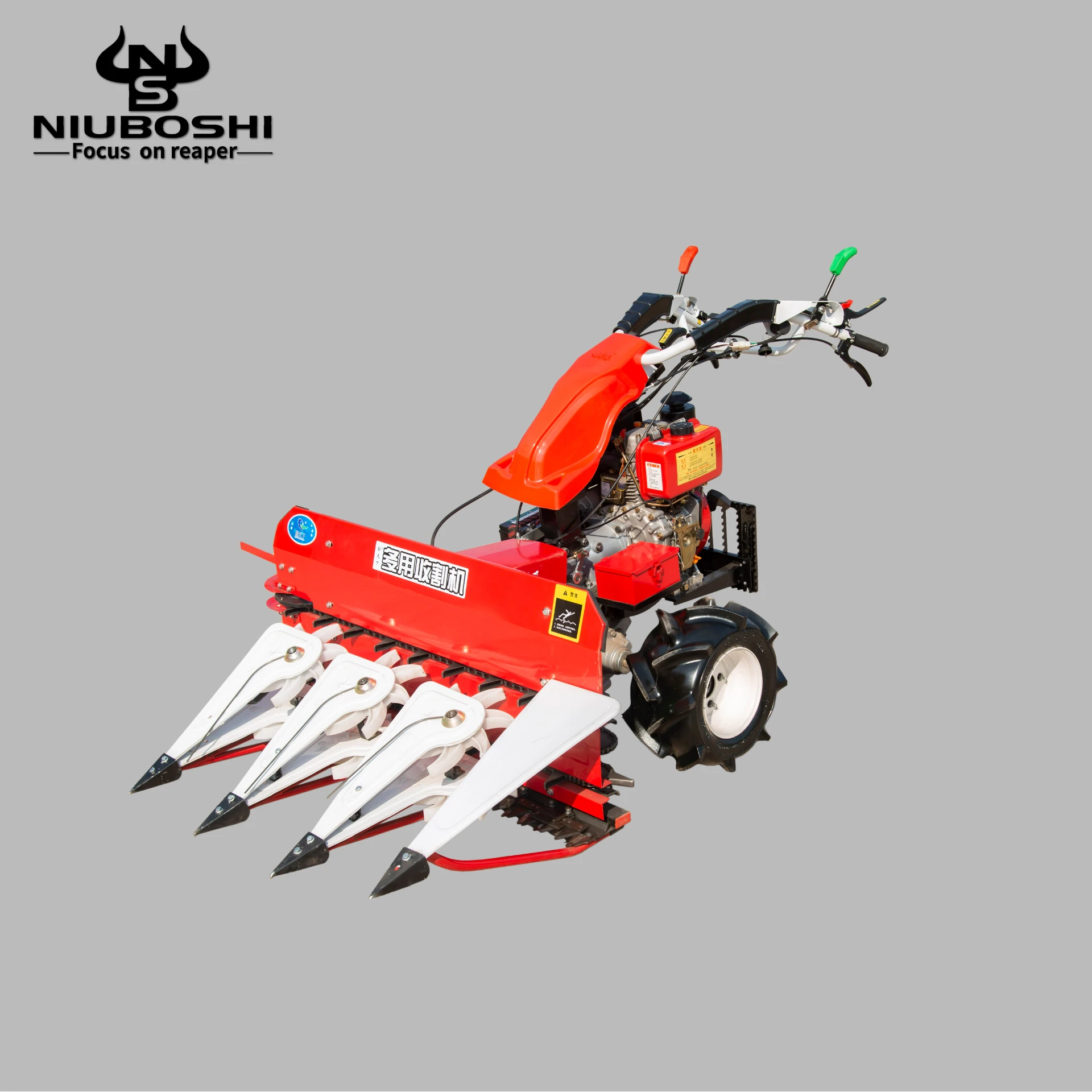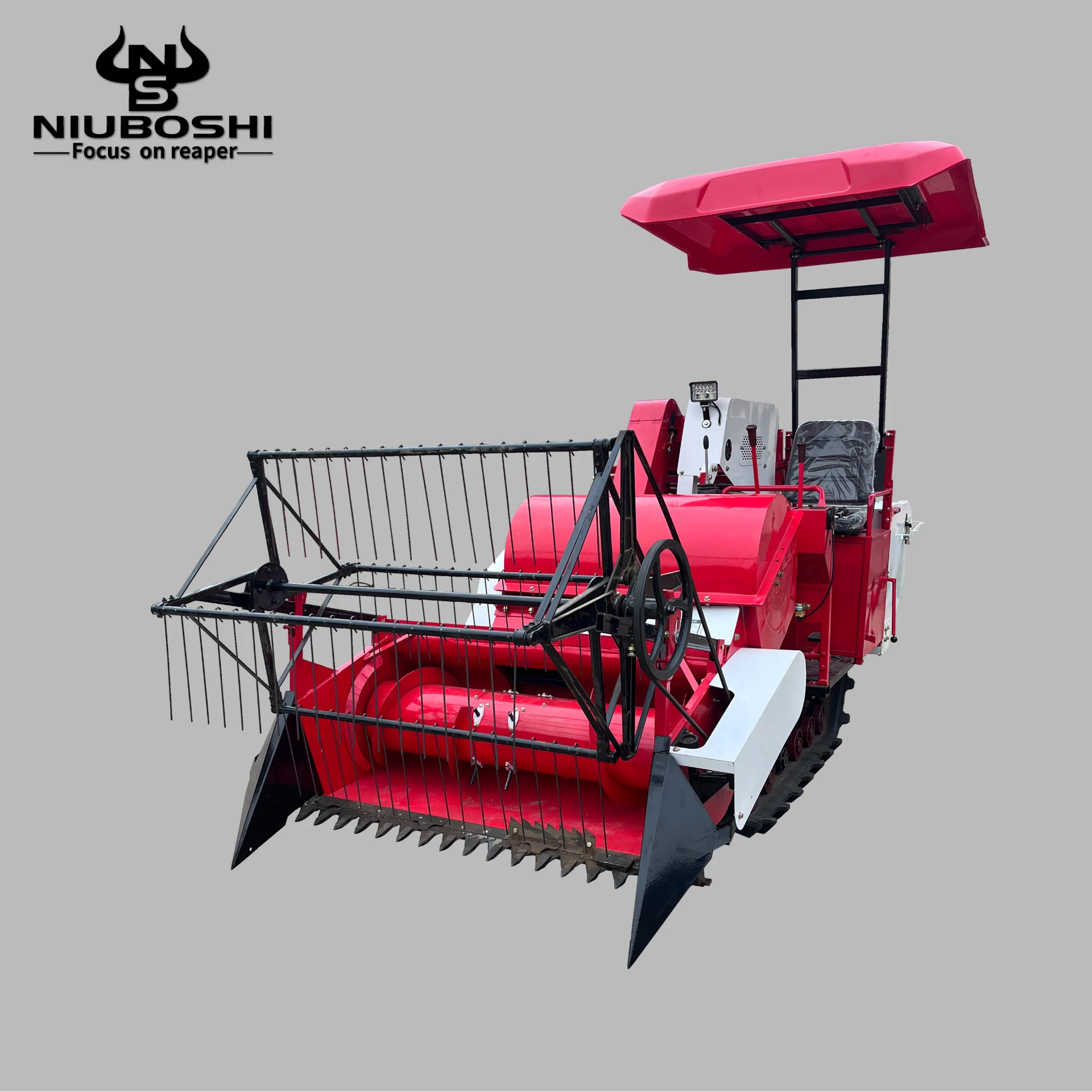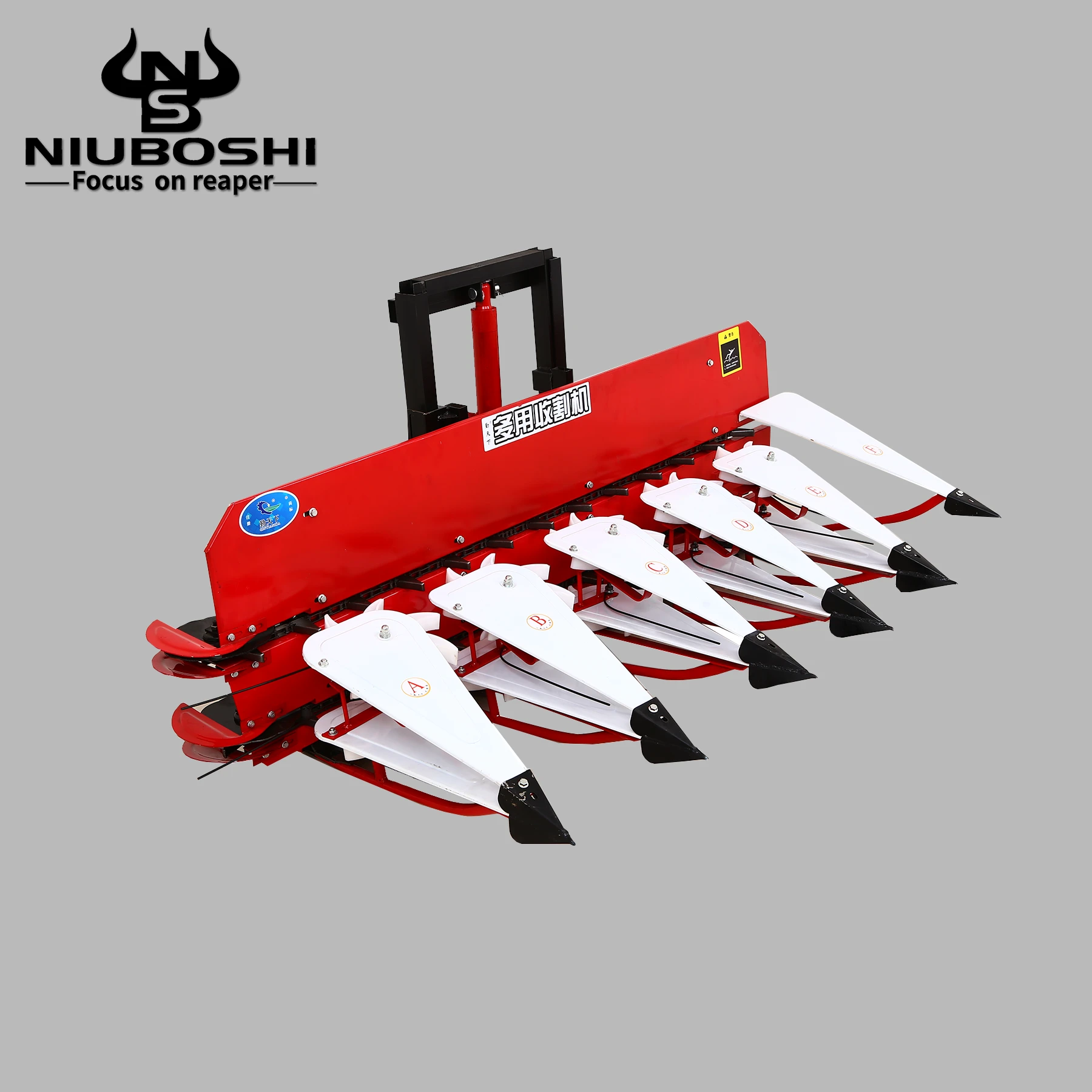
Comprehensive Guide to Wheat Combine Harvester Selection and Operation
Wheat Combine Harvester: A Comprehensive Guide
The demand for efficient grain harvesting has never been higher, and a wheat combine harvester is the cornerstone of modern agriculture. These powerful machines significantly reduce harvest time and labor costs, increasing overall productivity. This article explores the key features, benefits, types, and considerations when choosing a wheat combine harvester, providing valuable insights for farmers and agricultural professionals. Investing in the right machinery is crucial for a successful harvest. NiuBoshi offers a wide range of high-performance combine harvesters designed to meet diverse farming needs.
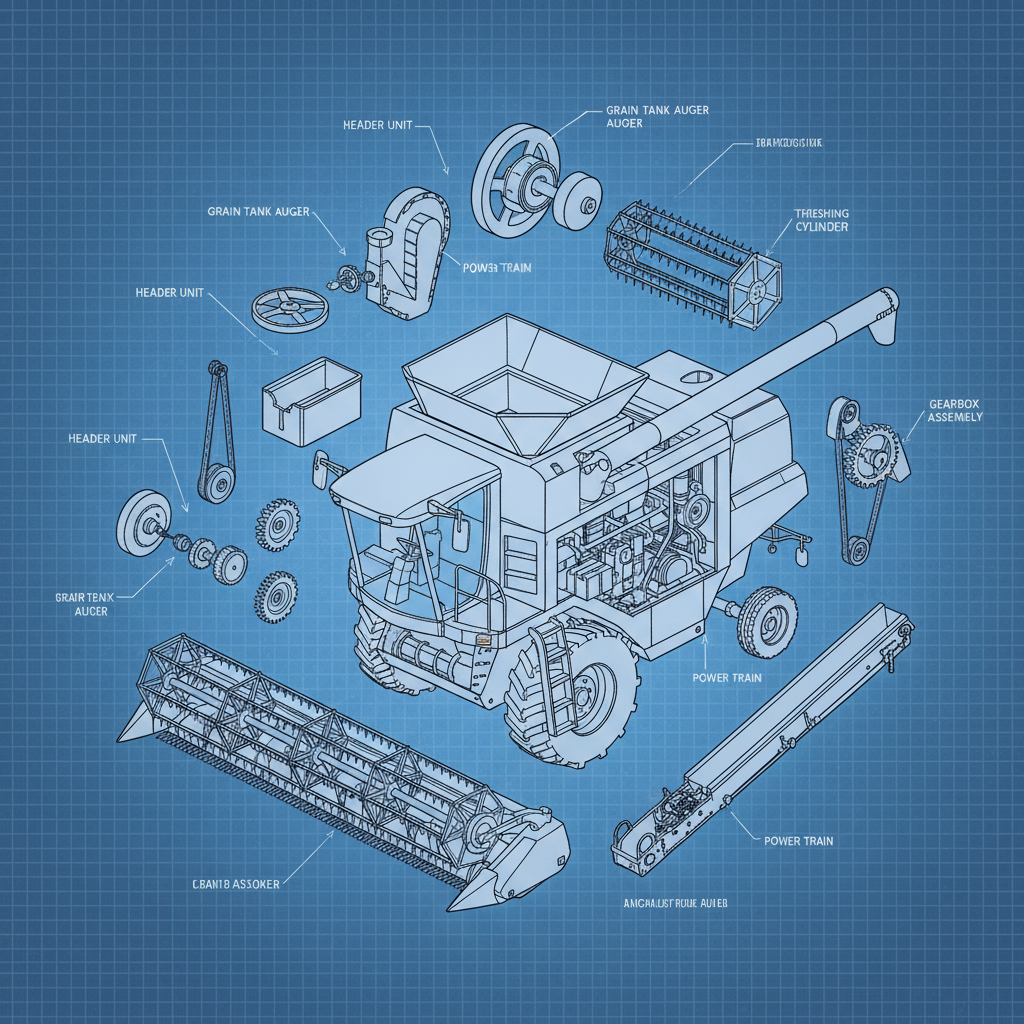
Understanding the Core Components of a Wheat Combine Harvester
A wheat combine harvester integrates several complex systems to efficiently harvest, thresh, and clean wheat. The key components include the header, which cuts and gathers the wheat; the threshing system, which separates the grain from the stalks; the separation system, which further cleans the grain; the cleaning system, which removes chaff and other debris; and the grain tank, which stores the harvested grain. Modern combine harvesters also incorporate advanced technologies like GPS guidance, yield monitoring, and automatic settings adjustments for optimal performance. Understanding these components is vital for effective operation and maintenance.
Key Benefits: Reduces harvest time, minimizes grain loss, improves grain quality, lowers labor costs, and increases overall farm efficiency.
Types of Wheat Combine Harvesters
Wheat combine harvesters come in several types, categorized by size, capacity, and features. Conventional combine harvesters use a traditional threshing cylinder and straw walkers. Rotary combine harvesters employ a rotor for threshing and separation, offering higher throughput and reduced grain damage. There are also self-propelled combine harvesters, which are the most common type, and pull-type combine harvesters, which are towed by tractors. The choice depends on farm size, wheat yield, and budget. NiuBoshi provides a range of both rotary and conventional combine harvesters to suit diverse needs.
Combine Harvester Types:
• Conventional: Traditional threshing system.
• Rotary: High throughput, reduced grain damage.
• Self-propelled: Most common, independent operation.
• Pull-type: Towed by a tractor, suitable for smaller farms.
Wheat Combine Harvester Comparison: Conventional vs. Rotary
Choosing between a conventional and rotary wheat combine harvester involves considering several factors. Rotary combine harvesters generally offer higher capacity and gentler grain handling, reducing damage and improving quality. However, they tend to be more expensive and complex to maintain. Conventional combine harvesters are more affordable and simpler to operate, making them suitable for smaller farms or those with limited budgets. NiuBoshi’s expert team can assist you in evaluating your specific needs and selecting the optimal machine.
Factors to Consider When Choosing a Wheat Combine Harvester
Several factors should influence your decision when purchasing a wheat combine harvester. Farm size and acreage are primary considerations. Wheat yield and grain quality expectations also play a role. Budget constraints and available maintenance resources are crucial. Furthermore, consider the terrain of your fields and the availability of spare parts and service support. Carefully evaluating these factors will help you select a machine that maximizes efficiency and profitability.
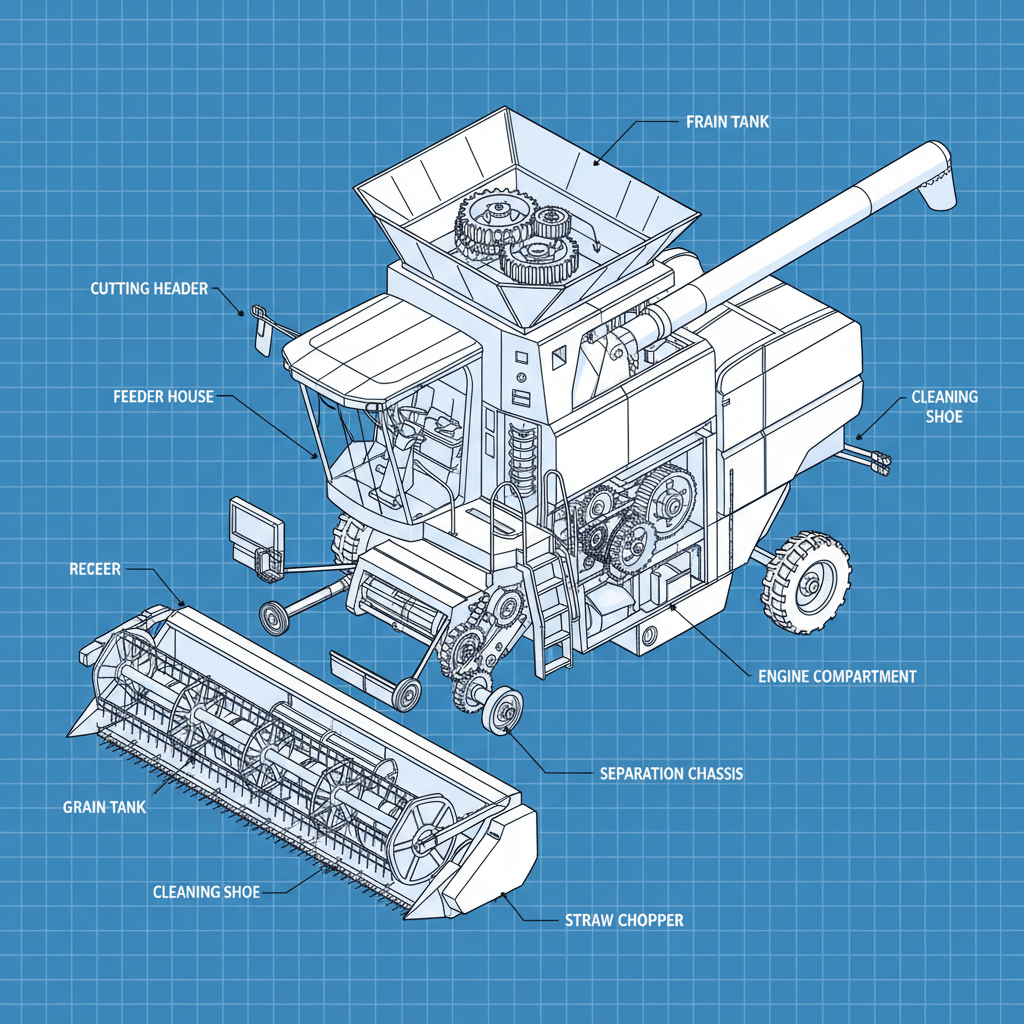
NiuBoshi Wheat Combine Harvester Specifications
NiuBoshi offers a range of wheat combine harvesters to meet diverse farming needs. Here are specifications for our popular 4LZ-4.0G model:
Conclusion: Maximizing Your Harvest with the Right Machine
Investing in a wheat combine harvester is a significant decision for any farmer. By carefully considering your specific needs and choosing a reliable machine like those offered by NiuBoshi, you can maximize your harvest yield, reduce labor costs, and improve overall farm profitability. Don’t hesitate to contact us for a consultation and find the perfect combine harvester for your operation.
Frequently Asked Questions (FAQs)
What maintenance is required for a wheat combine harvester?
Regular maintenance is crucial for ensuring the longevity and performance of your wheat combine harvester. This includes daily checks of fluid levels, belts, and chains. Periodic lubrication of moving parts, air filter cleaning, and blade sharpening are essential. Annual maintenance should include a thorough inspection of the engine, transmission, and hydraulic systems. Following the manufacturer’s recommended maintenance schedule will help prevent costly breakdowns and extend the life of your machine. NiuBoshi provides comprehensive maintenance services and support to our customers.
How can I minimize grain loss during harvest?
Minimizing grain loss requires careful operation and proper machine adjustment. Ensure the header is set at the correct height to avoid cutting too high or too low. Adjust the threshing cylinder and rotor speed according to the crop conditions. Regularly check and adjust the sieves and fan speed to optimize grain cleaning. Avoid operating the combine harvester at excessive speeds, as this can lead to increased grain loss. Proper operator training is also crucial.
What safety precautions should I take when operating a wheat combine harvester?
Operating a wheat combine harvester involves inherent risks. Always wear appropriate personal protective equipment (PPE), including safety glasses, ear protection, and a dust mask. Ensure all guards and shields are in place and functioning correctly. Never attempt to clear a clogged machine while it is running. Be aware of your surroundings and avoid operating near power lines or obstacles. Proper training and adherence to safety guidelines are essential.
Does NiuBoshi offer financing options for combine harvesters?
Yes, NiuBoshi offers various financing options to help make our combine harvesters more accessible to farmers. We work with leading financial institutions to provide competitive rates and flexible payment plans. Our sales team can discuss your specific financing needs and help you find the best solution. Contact us today to learn more about our financing options.
Latest news
-
Maximize Harvest Efficiency with the Agro Reaper Binder MachineNewsApr.16,2026
-
Boost Harvest Efficiency with the Best Agriculture Reaper MachineNewsApr.09,2026
-
Revolutionizing Agriculture with the Efficient Agriculture Power ReaperNewsApr.07,2026
-
Comprehensive Guide to the 4 Wheel Reaper Binder for Efficient HarvestingNewsApr.04,2026
-
Comprehensive Guide to Reaperbinder Technology for Efficient Hay and Crop HarvestingNewsMar.31,2026
-
Mastering the Art of Reaper Cutting for Enhanced Agricultural EfficiencyNewsMar.28,2026