
News
-
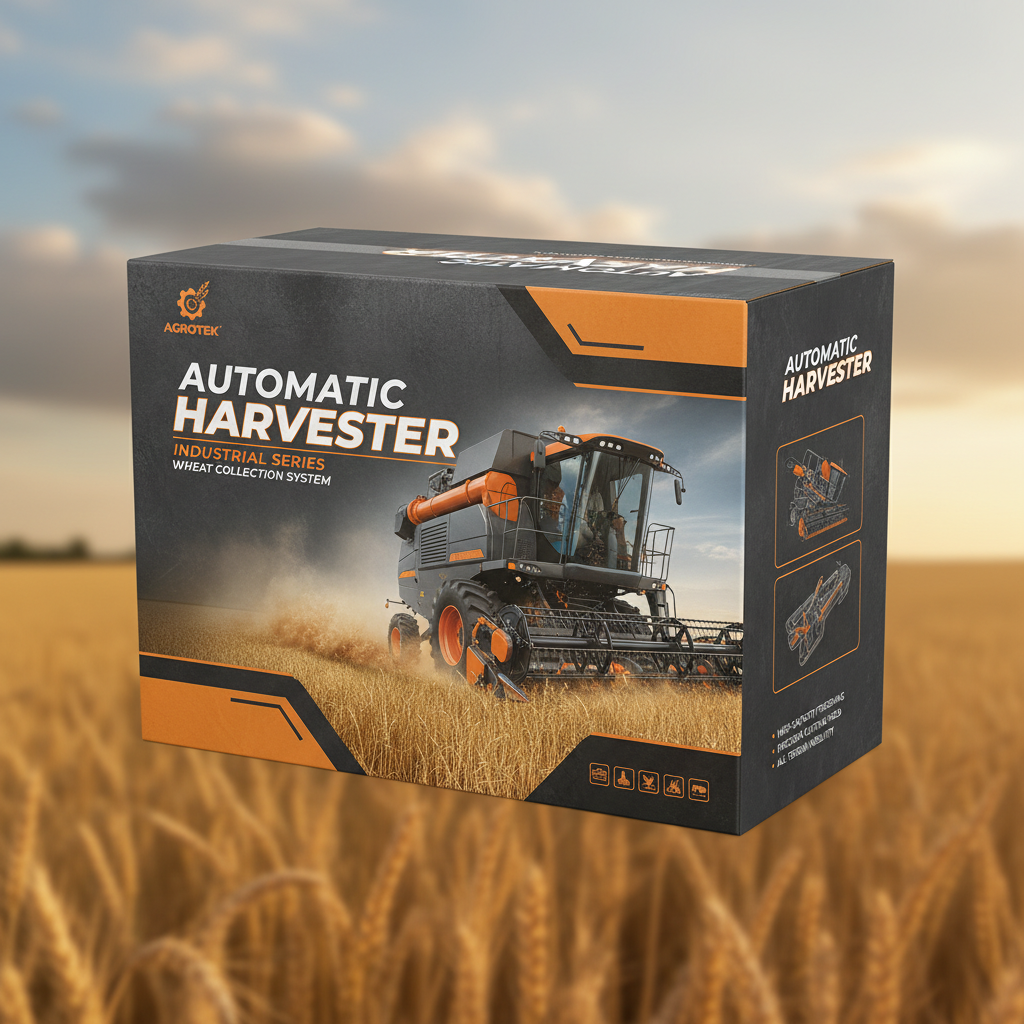 The demand for efficient and reliable grain harvesting is constantly growing with the global population. A wheat harvesting machine is an essential piece of equipment for farmers aiming to maximize yields and minimize losses. This article provides an in-depth look at these machines, covering their types, benefits, key features, and considerations for selecting the right model. We'll explore how modern wheat harvesting technology can revolutionize your agricultural operations, increasing efficiency and profitability. Wheat harvesting machines come in several types, each suited for different farm sizes and harvesting needs. The most common include self-propelled combine harvesters, which perform reaping, threshing, and winnowing in a single operation, and tractor-pulled combine harvesters, offering a more economical option for smaller farms. There are also specialized machines like windrowers, used to cut and lay the wheat into windrows for later pickup by a combine. Choosing the right type depends on factors like acreage, budget, and desired level of automation.Read more
-
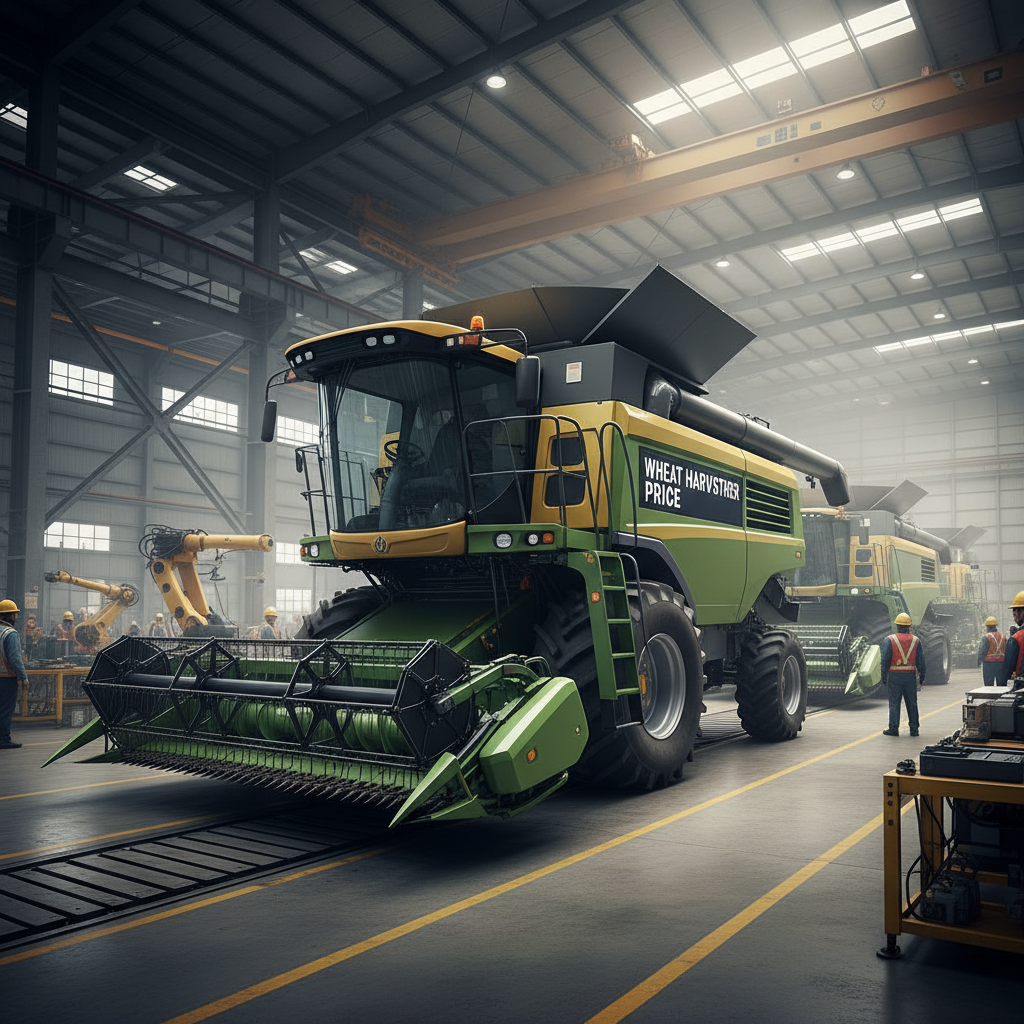 Understanding the cost of a wheat harvester is crucial for farmers and agricultural businesses. The NiuBoshi wheat harvesters offer a range of models to suit different farm sizes and budgets. This guide explores the factors influencing wheat harvester price, available options, and what to expect when making this significant investment. Choosing the right harvester can dramatically improve efficiency and yields during harvest season, but careful consideration of price and features is essential. Several key factors contribute to the overall cost of a wheat harvester. The most significant is the harvester’s capacity and size. Larger harvesters capable of covering more acreage quickly command higher prices. Engine power is another critical component; more powerful engines translate to increased efficiency but also higher costs. Technology plays a substantial role, with advanced features like self-leveling systems, GPS guidance, and automatic yield monitoring driving up the price.Read more
-
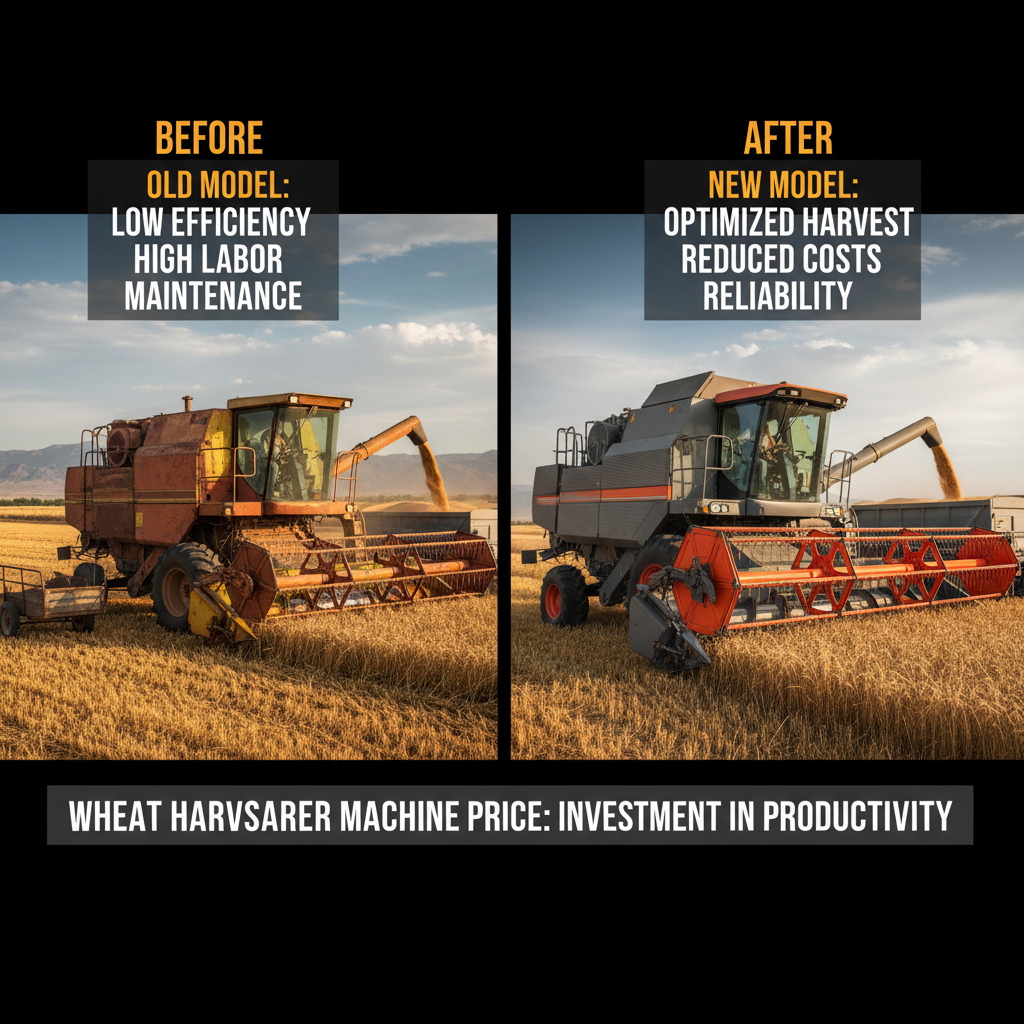 Investing in a wheat harvester machine is a significant decision for any agricultural business. The wheat harvester machine price can vary dramatically depending on the size, features, and brand. This article will provide a comprehensive overview of factors influencing the price, different types of harvesters available, and what to consider when making a purchase. Understanding these details is critical for maximizing your investment and ensuring efficient harvesting operations. We'll explore the landscape of wheat harvesting technology to help you navigate this complex purchase. Several key factors determine the wheat harvester machine price. The size and capacity of the machine are primary determinants – larger harvesters capable of processing more wheat per hour will naturally be more expensive. The level of automation also plays a role; self-propelled harvesters with advanced features like GPS guidance and automatic yield monitoring cost more than simpler, pull-type models. Brand reputation, engine power, and the inclusion of features like grain tanks size and unloading rate all contribute to the overall cost.Read more
-
Choosing the right wheat combine harvester is a significant investment for any agricultural operation. Understanding the factors that influence wheat combine harvester price is crucial for making an informed decision. This article will explore the various types of harvesters available, the features that impact cost, typical price ranges, and what to consider when purchasing from HB NiuBoshi Machinery. We’ll also discuss maintenance costs and potential return on investment. Several key factors contribute to the overall price of a wheat combine harvester. These include the size and capacity of the machine, the level of technology incorporated, the manufacturer's brand reputation, and the availability of optional features. Larger harvesters with higher grain tank capacities naturally command a higher price. Advanced features like self-leveling systems, GPS guidance, and automated settings also add to the cost.Read more
-
The demand for efficient harvesting solutions has driven significant interest in wheat cutting machines. These machines are crucial for farmers aiming to maximize yield and minimize labor costs. Understanding the factors that influence the price of wheat cutting machine is essential for making informed purchasing decisions. This article provides a comprehensive overview of the costs involved, the features that affect pricing, and where to find reliable machines. We’ll explore the range of prices available and what you can expect to get for your investment. Several key factors determine the price of a wheat cutting machine. The most significant is the machine's size and capacity. Larger machines capable of handling extensive acreage generally come with a higher price tag. Another crucial aspect is the level of automation. Self-propelled machines with advanced features like automatic steering and yield monitoring are considerably more expensive than manually operated or tractor-pulled models.Read more
-
Investing in a cane harvesting machine can significantly boost efficiency and reduce labor costs for sugarcane farmers. However, understanding the cane harvesting machine price and the factors influencing it is crucial for making an informed decision. This article provides a detailed overview of the costs associated with these machines, different types available, and what to consider when purchasing one. We'll explore various options and help you determine the best machine for your specific needs. Several factors contribute to the final cane harvesting machine price. These include the machine’s size, capacity, level of automation, brand reputation, and any additional features. Larger machines designed for extensive sugarcane fields will naturally command a higher price than smaller, more compact models.Read more
-
Investing in a wheat combine is a significant decision for any agricultural operation. A reliable combine maximizes harvesting efficiency and minimizes grain loss, directly impacting profitability. This article provides a detailed overview of wheat combines, factors to consider when purchasing, and why HB Niuboshi offers excellent options. We’ll explore different combine types, crucial specifications, and the benefits of choosing a combine tailored to your specific needs. Understanding these factors is crucial to finding the perfect wheat combine for sale that delivers optimal performance and a strong return on investment. Wheat combines come in several configurations, each suited to different farm sizes and harvesting requirements. Conventional combines are the most common and typically more affordable, employing a traditional threshing cylinder and walkers. Rotary combines, on the other hand, utilize rotors for threshing and separation, offering higher throughput and reduced grain damage, particularly in challenging conditions. There are also hybrid combines, combining elements of both conventional and rotary systems. Choosing the right type depends on factors like acreage, crop conditions, and budget.Read more
-
Investing in a wheat harvester is a significant decision for any agricultural business. A reliable and efficient machine can drastically improve harvest yields and reduce labor costs. This article provides a detailed overview of wheat harvesters, focusing on key considerations when buying, popular models, maintenance, and where to find quality machines. We will explore the features that differentiate various harvesters and help you make an informed purchasing decision. Wheat harvesters come in several types, each suited for different farm sizes and needs. The most common types include self-propelled harvesters, which are highly efficient for large-scale operations, and pull-type harvesters, which are more affordable and suitable for smaller farms. There are also combine harvesters, which perform multiple operations – reaping, threshing, gathering, and winnowing – in a single process. When evaluating wheat harvesters, several key features should be prioritized. Cutting width determines the area harvested per pass. Grain tank capacity affects the frequency of unloading. Engine power impacts performance on hilly or challenging terrains. The market offers a wide range of wheat harvester models. Regular maintenance is crucial for maximizing the lifespan and efficiency of your wheat harvester. This includes daily inspections, lubrication of moving parts, filter replacements, and timely repairs.Read more
-
Harvesting wheat efficiently and effectively is crucial for farmers worldwide. A hand held wheat harvester offers a practical solution for small to medium-sized farms, providing maneuverability and cost-effectiveness. This article delves into the benefits, features, and considerations when choosing the right hand held wheat harvester, with a focus on models from HB Niuboshi. Understanding these tools can significantly improve your harvest yield and reduce labor costs. Compared to traditional manual harvesting methods, a hand held wheat harvester drastically reduces the time and labor required. These harvesters are particularly well-suited for fields where larger combine harvesters struggle to maneuver, such as those with uneven terrain or smaller plots. They also offer a lower initial investment cost, making them accessible to a wider range of farmers. Furthermore, the reduced physical strain on workers leads to increased productivity and improved working conditions.Read more
-
The durum wheat harvest is a critical time for farmers and the food industry alike. Durum wheat, renowned for its high protein content and golden color, is the primary ingredient in pasta and couscous. Understanding the nuances of the harvest – from optimal timing to storage considerations – is essential for maximizing yield and quality. This article dives deep into the durum wheat harvest process, exploring best practices, common challenges, and the role of technological advancements. Successful durum wheat production begins with a carefully managed harvest. Determining the precise moment for harvest is paramount. Harvesting too early results in lower yields and immature grain, while delaying too long can lead to shattering (grain loss) and reduced quality due to weather damage. The ideal moisture content of durum wheat at harvest is typically between 12% and 14%. Farmers assess maturity through visual inspection, checking for the characteristic hard, glassy endosperm. Additionally, grain hardness testers are employed for accurate measurement. Modern durum wheat harvesting relies heavily on combine harvesters. These machines efficiently cut, thresh, and separate the grain from the chaff.Read more
-
The small grain harvester is a crucial piece of equipment for farmers and agricultural businesses focused on efficient grain harvesting. This guide provides an in-depth look at these machines, covering their benefits, types, key features, maintenance, and how to select the right one for your needs. Efficient grain harvesting is paramount for maximizing yields and minimizing losses, and a well-chosen small grain harvester can significantly contribute to achieving these goals. NiuBoshi offers a range of high-quality small grain harvesters designed to meet diverse agricultural requirements. Investing in a small grain harvester offers numerous advantages over traditional harvesting methods. Firstly, it significantly reduces labor costs. Secondly, harvesting time is dramatically shortened, allowing for faster turnaround and timely planting of subsequent crops. These machines also minimize grain loss during harvesting, leading to higher yields and increased profitability.Read more
-
Investing in a small farm combine harvester can significantly boost efficiency and yield on your agricultural operation. But with various models available, selecting the right machine requires careful consideration. This guide will walk you through the essential factors, benefits, and considerations when choosing a combine harvester perfectly suited to the scale and needs of your small farm. From understanding the different types to evaluating features and costs, we’ll provide you with the knowledge to make an informed decision. Ultimately, a well-chosen combine will streamline your harvesting process and contribute to a more profitable farming business. Combine harvesters come in various sizes and configurations. For small farms, self-propelled models are often the most practical choice, offering maneuverability and efficiency. However, pull-type combine harvesters can be a more cost-effective option, particularly for farms with existing tractors. The key difference lies in the power source and overall size.Read more