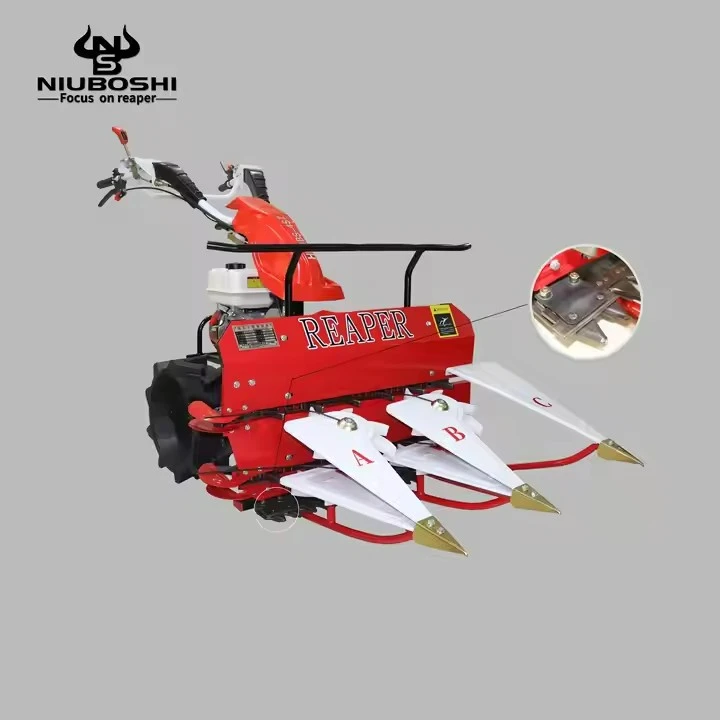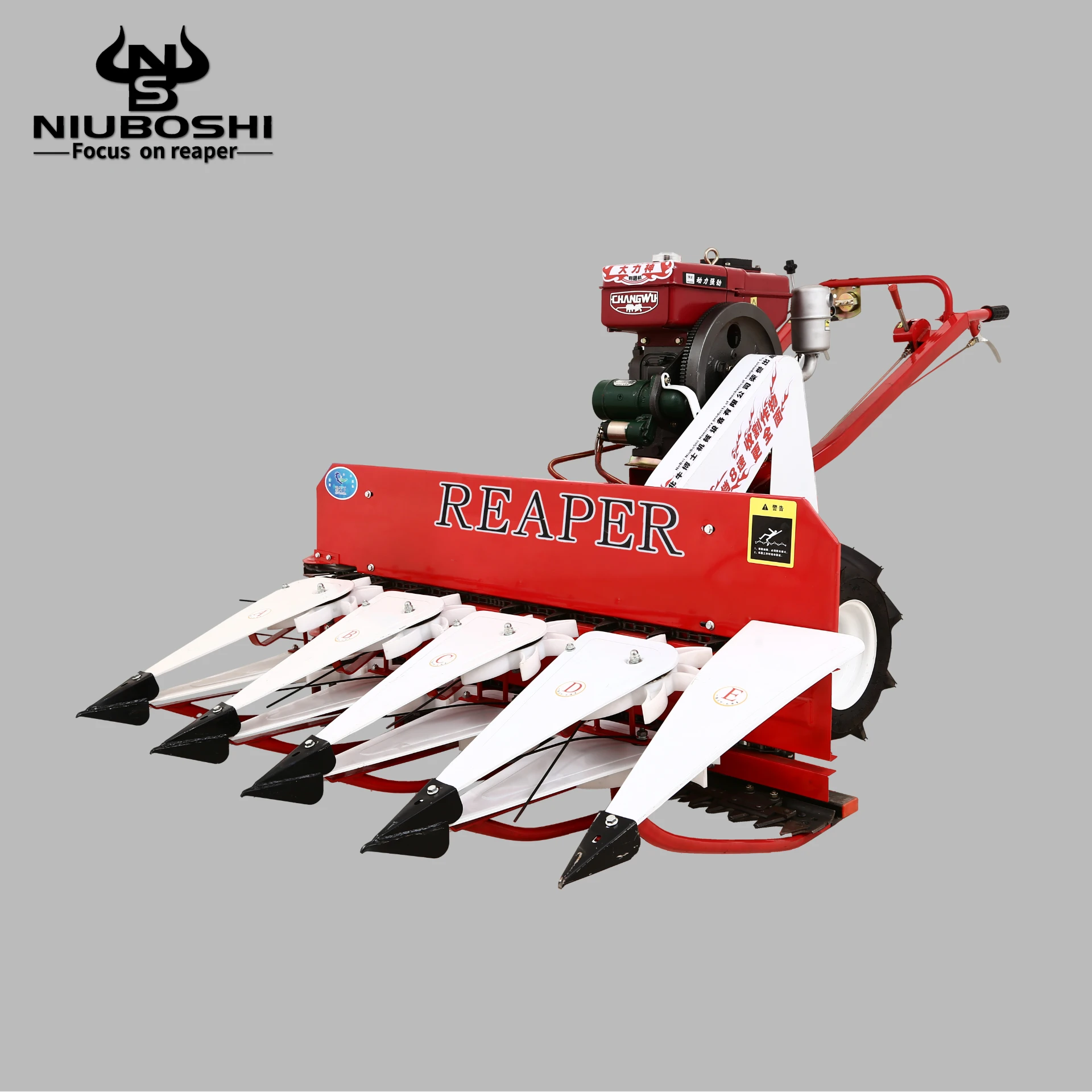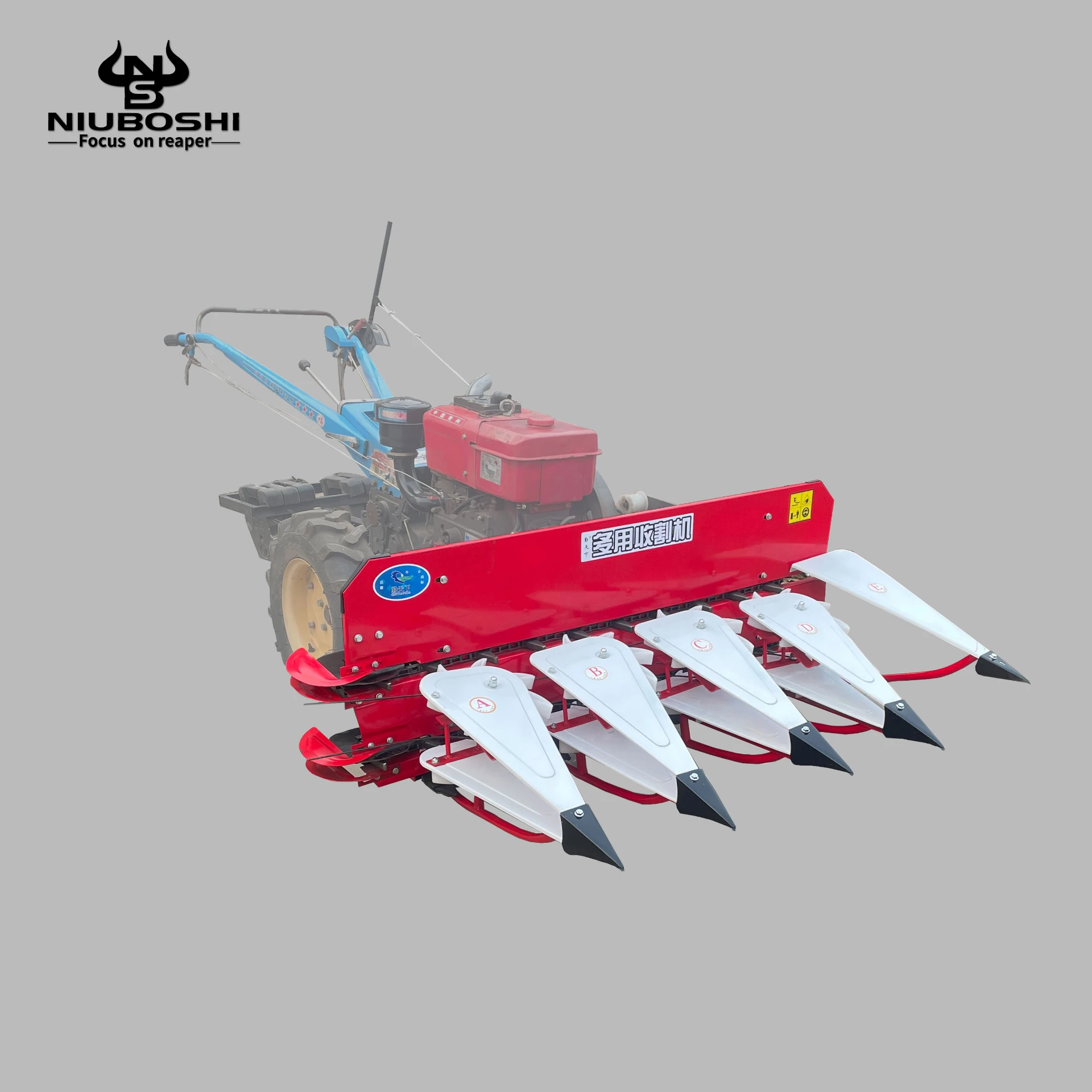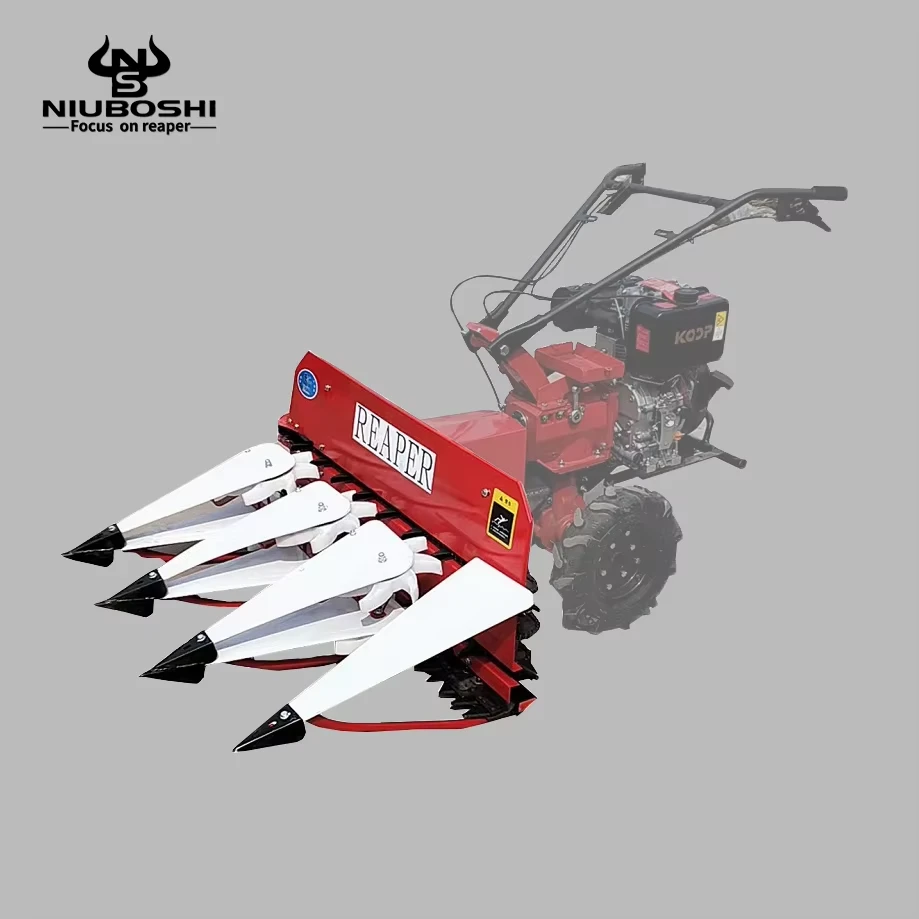
Maximize Wheat Harvest Efficiency with a Hand Held Wheat Harvester
The Ultimate Guide to Hand Held Wheat Harvesters
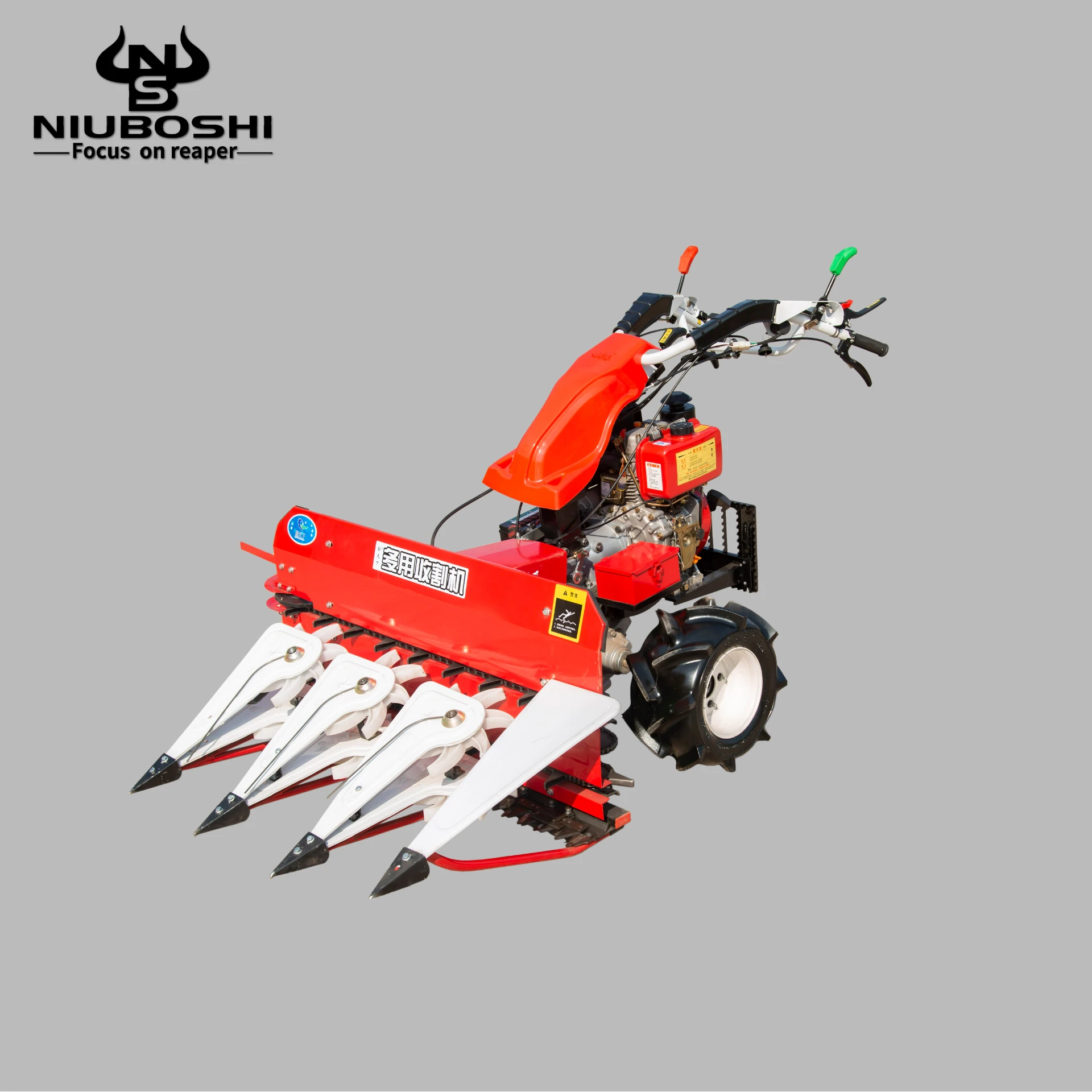
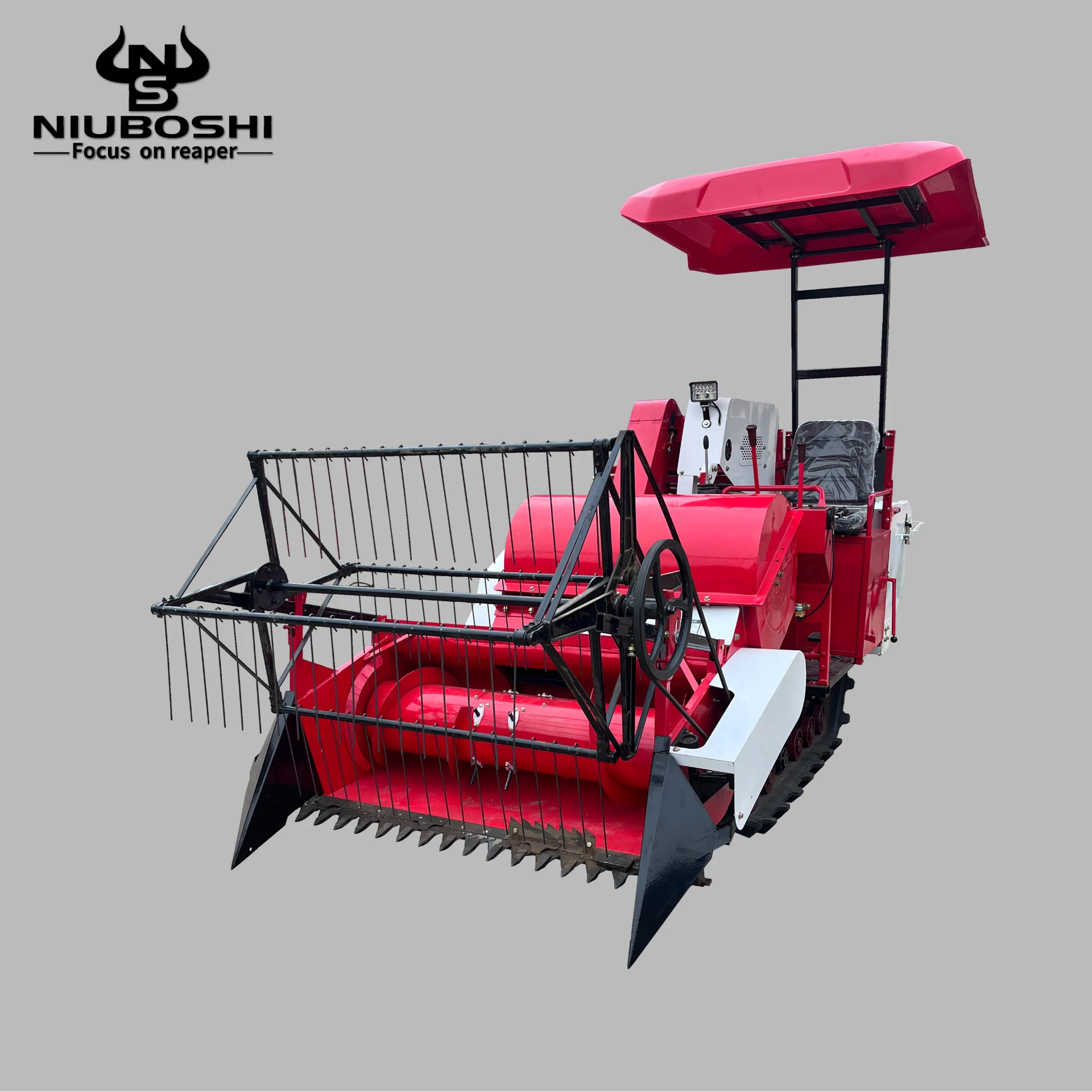
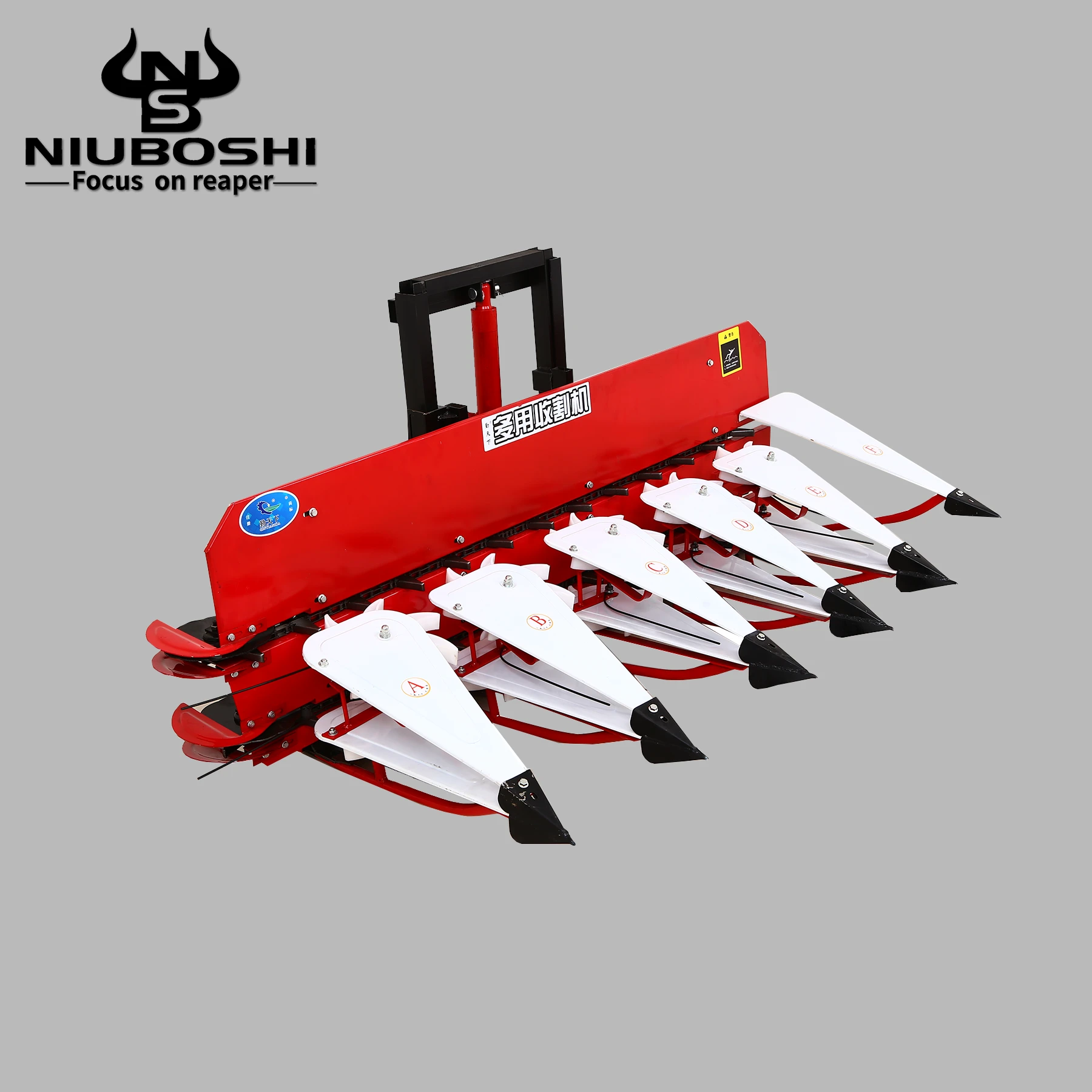
Harvesting wheat efficiently and effectively is crucial for farmers worldwide. A hand held wheat harvester offers a practical solution for small to medium-sized farms, providing maneuverability and cost-effectiveness. This article delves into the benefits, features, and considerations when choosing the right hand held wheat harvester, with a focus on models from HB Niuboshi. Understanding these tools can significantly improve your harvest yield and reduce labor costs.
Benefits of Using a Hand Held Wheat Harvester
Compared to traditional manual harvesting methods, a hand held wheat harvester drastically reduces the time and labor required. These harvesters are particularly well-suited for fields where larger combine harvesters struggle to maneuver, such as those with uneven terrain or smaller plots. They also offer a lower initial investment cost, making them accessible to a wider range of farmers. Furthermore, the reduced physical strain on workers leads to increased productivity and improved working conditions. The efficiency gains translate directly into increased profitability.
Key Advantages: Reduced labor costs, improved efficiency, maneuverability in tight spaces, lower initial investment, and decreased physical strain on workers.
Choosing the Right Hand Held Wheat Harvester: Key Considerations
Selecting the ideal hand held wheat harvester requires careful consideration of several factors. Field size is a primary determinant – larger fields may benefit from wider cutting widths. The type of wheat variety and its lodging characteristics (tendency to fall over) also influence the required harvester capabilities. Engine power, fuel efficiency, and ease of maintenance are also crucial. Finally, consider the availability of spare parts and after-sales service. HB Niuboshi offers a range of models designed to meet diverse farming needs.
Key Factors to Consider:
• Field Size and Terrain
• Wheat Variety and Lodging
• Engine Power and Fuel Efficiency
• Maintenance and Spare Parts Availability
Hand Held Wheat Harvester: HB Niuboshi Models and Specifications
HB Niuboshi specializes in high-quality, durable hand held wheat harvesters. We offer several models tailored to different farm sizes and harvesting requirements. Our machines are designed for easy operation, minimal maintenance, and long-lasting performance. The following table details the specifications of our most popular models:
Maintenance and Longevity of Your Harvester
Regular maintenance is key to extending the lifespan of your hand held wheat harvester. This includes cleaning the cutting blades after each use, checking and tightening bolts, and regularly inspecting the engine. Proper storage during the off-season is also crucial – protect the harvester from the elements by storing it in a dry, sheltered location. Following the manufacturer's recommendations for oil changes and filter replacements will also contribute to long-term reliability. HB Niuboshi provides detailed maintenance guides and readily available spare parts.
Conclusion: Invest in Efficient Wheat Harvesting
Maximize Your Harvest with the Right Tool
Investing in a hand held wheat harvester from HB Niuboshi is a smart choice for farmers seeking to improve efficiency and reduce labor costs. With a range of models to suit various needs, coupled with our commitment to quality and after-sales support, we provide the tools you need to succeed. Don't delay – streamline your harvest today!
Frequently Asked Questions (FAQs)
What safety precautions should I take when operating a hand held wheat harvester?
Safety is paramount when operating any agricultural machinery. Always wear appropriate personal protective equipment (PPE), including safety glasses, gloves, and sturdy footwear. Ensure the harvesting area is clear of obstacles and bystanders. Never attempt to repair or adjust the harvester while the engine is running. Familiarize yourself with the machine's operating manual and follow all safety guidelines. Regularly inspect the machine for any damage or malfunctions before each use. Always disconnect the spark plug before performing any maintenance.
How do I choose the right cutting width for my field?
The optimal cutting width depends on the size and layout of your field. For larger, open fields, a wider cutting width can significantly increase harvesting speed. However, for smaller or irregularly shaped fields, a narrower cutting width offers greater maneuverability. Consider the terrain – uneven terrain may require a narrower width to prevent scalping or damage to the crop. It's often best to start with a smaller width and gradually increase it as you gain experience and assess the machine's performance.
What is the typical lifespan of a HB Niuboshi hand held wheat harvester?
With proper maintenance and care, a HB Niuboshi hand held wheat harvester can provide reliable service for many years. The average lifespan is typically 5-10 years, but can be extended with consistent servicing and adherence to the manufacturer's recommendations. Regularly cleaning the machine, lubricating moving parts, and addressing any issues promptly will significantly contribute to its longevity. HB Niuboshi uses high-quality components designed for durability.
Where can I find spare parts and service for my HB Niuboshi harvester?
HB Niuboshi provides a comprehensive network of spare parts and service support. You can easily order spare parts directly from our website at www.hbniuboshi.com. We also have authorized service centers located in various regions. Our customer support team is available to assist you with any questions or concerns regarding maintenance, repairs, or parts ordering. We prioritize customer satisfaction and strive to provide prompt and efficient service.
Latest news
-
Maximize Harvest Efficiency with the Agro Reaper Binder MachineNewsApr.16,2026
-
Boost Harvest Efficiency with the Best Agriculture Reaper MachineNewsApr.09,2026
-
Revolutionizing Agriculture with the Efficient Agriculture Power ReaperNewsApr.07,2026
-
Comprehensive Guide to the 4 Wheel Reaper Binder for Efficient HarvestingNewsApr.04,2026
-
Comprehensive Guide to Reaperbinder Technology for Efficient Hay and Crop HarvestingNewsMar.31,2026
-
Mastering the Art of Reaper Cutting for Enhanced Agricultural EfficiencyNewsMar.28,2026