Optimizing Durum Wheat Harvest for Quality and Yield Enhancement
Durum Wheat Harvest: A Comprehensive Overview
The durum wheat harvest is a critical time for farmers and the food industry alike. Durum wheat, renowned for its high protein content and golden color, is the primary ingredient in pasta and couscous. Understanding the nuances of the harvest – from optimal timing to storage considerations – is essential for maximizing yield and quality. This article dives deep into the durum wheat harvest process, exploring best practices, common challenges, and the role of technological advancements. Successful durum wheat production begins with a carefully managed harvest.
Optimal Timing for the Durum Wheat Harvest
Determining the precise moment for harvest is paramount. Harvesting too early results in lower yields and immature grain, while delaying too long can lead to shattering (grain loss) and reduced quality due to weather damage. The ideal moisture content of durum wheat at harvest is typically between 12% and 14%. Farmers assess maturity through visual inspection, checking for the characteristic hard, glassy endosperm. Additionally, grain hardness testers are employed for accurate measurement. The HB NiuBoshi team emphasizes monitoring weather forecasts closely to avoid harvesting during rain or high humidity.
Key Considerations: Accurate moisture content measurement, visual assessment of grain maturity, and proactive weather monitoring are crucial for determining the optimal harvest window.
Harvesting Techniques and Machinery
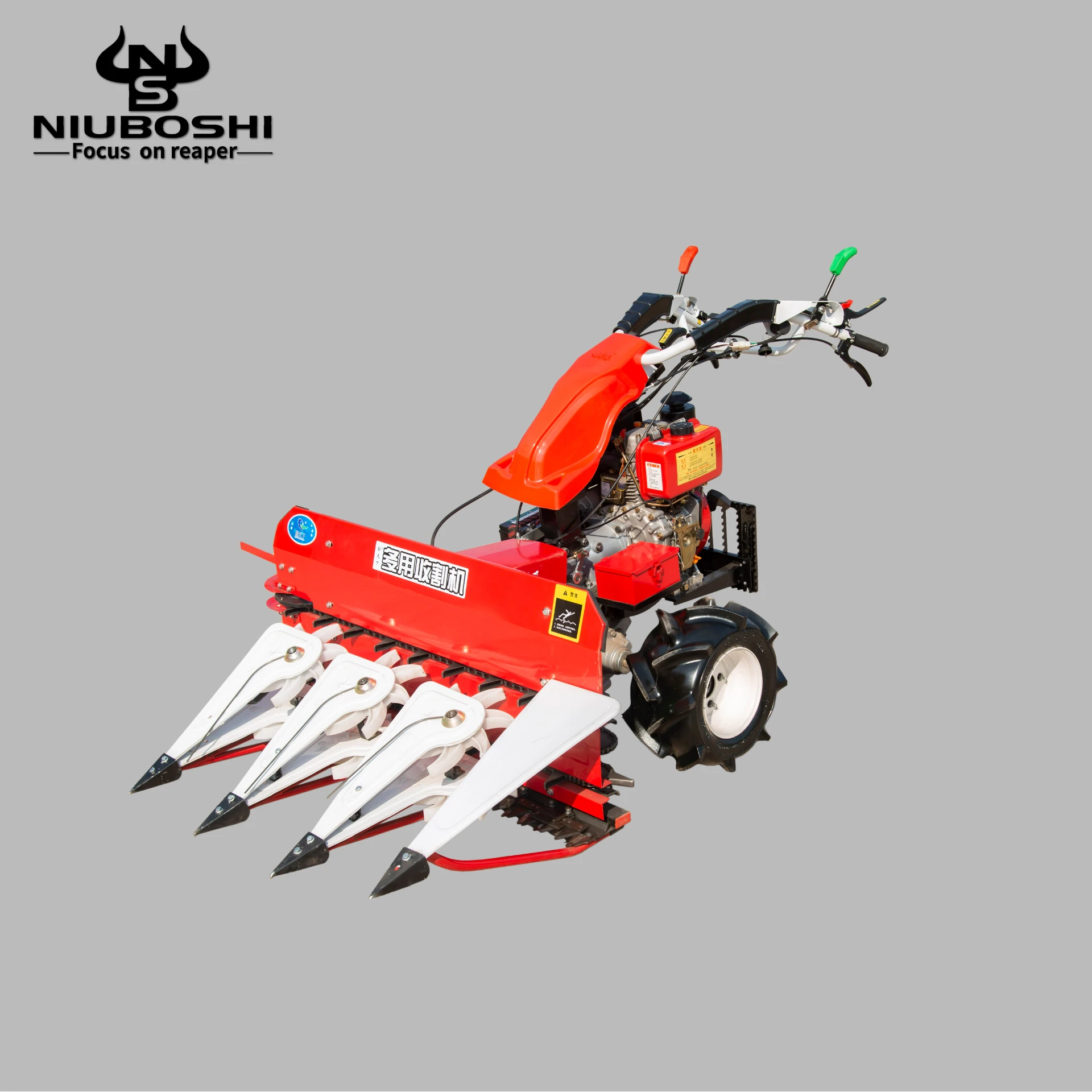
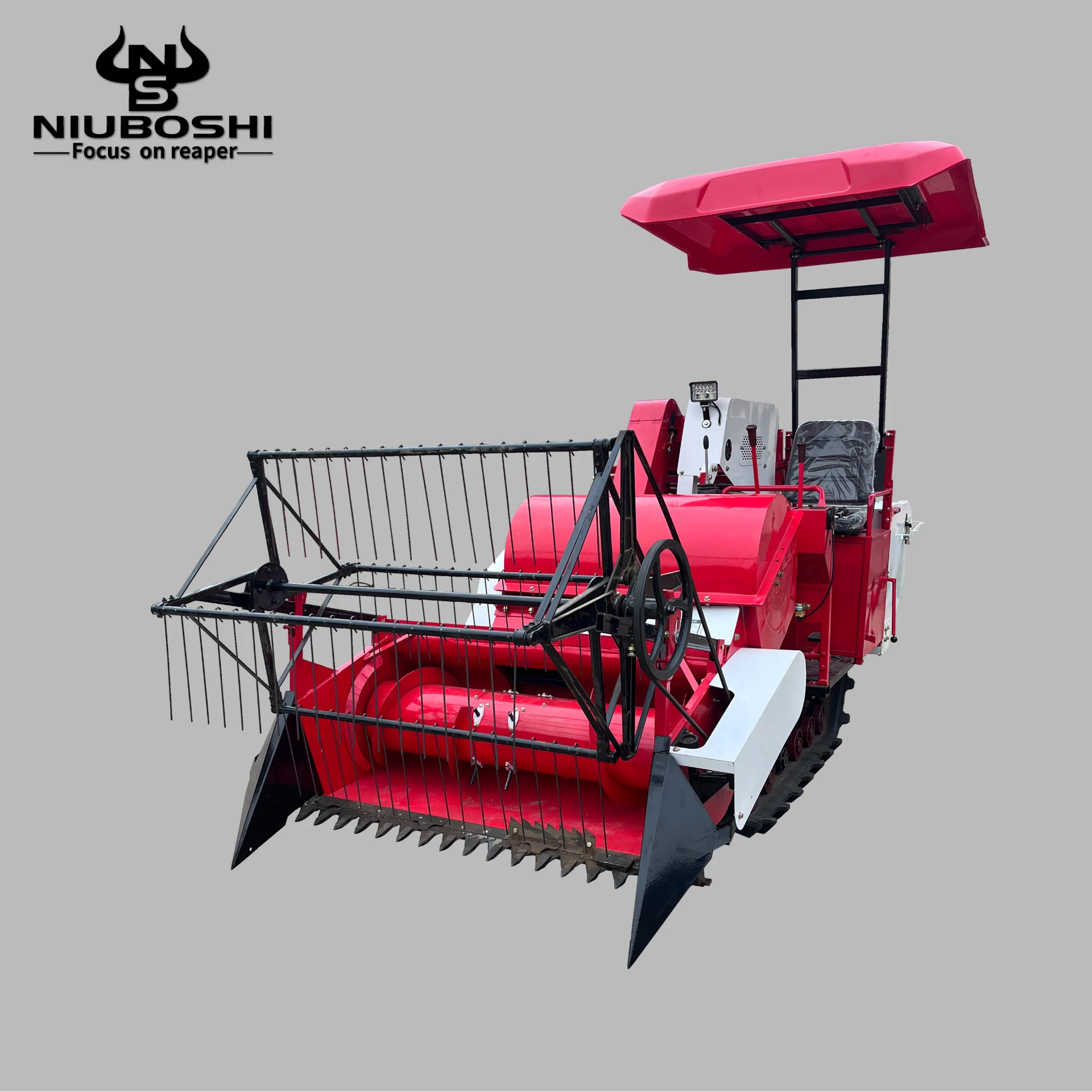
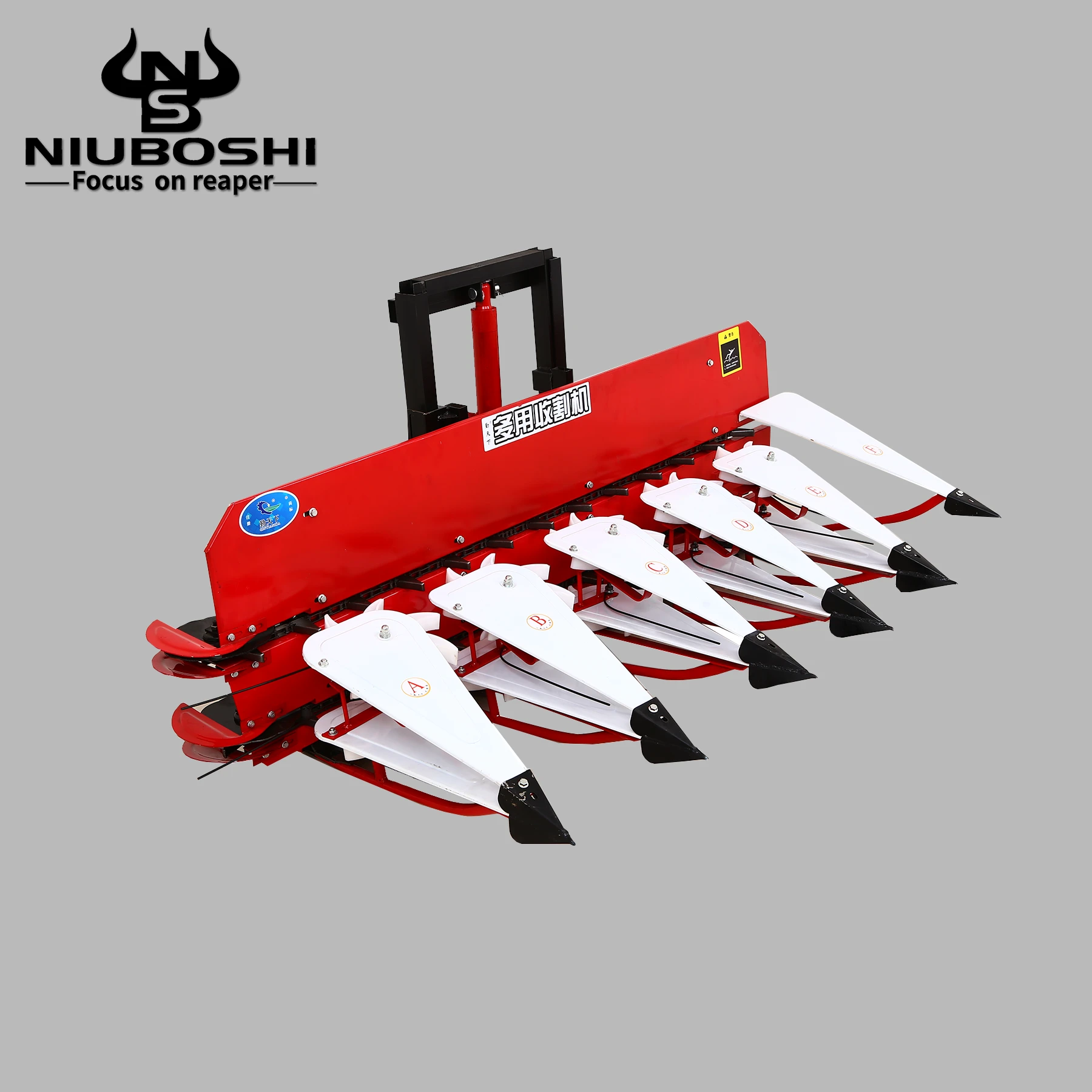
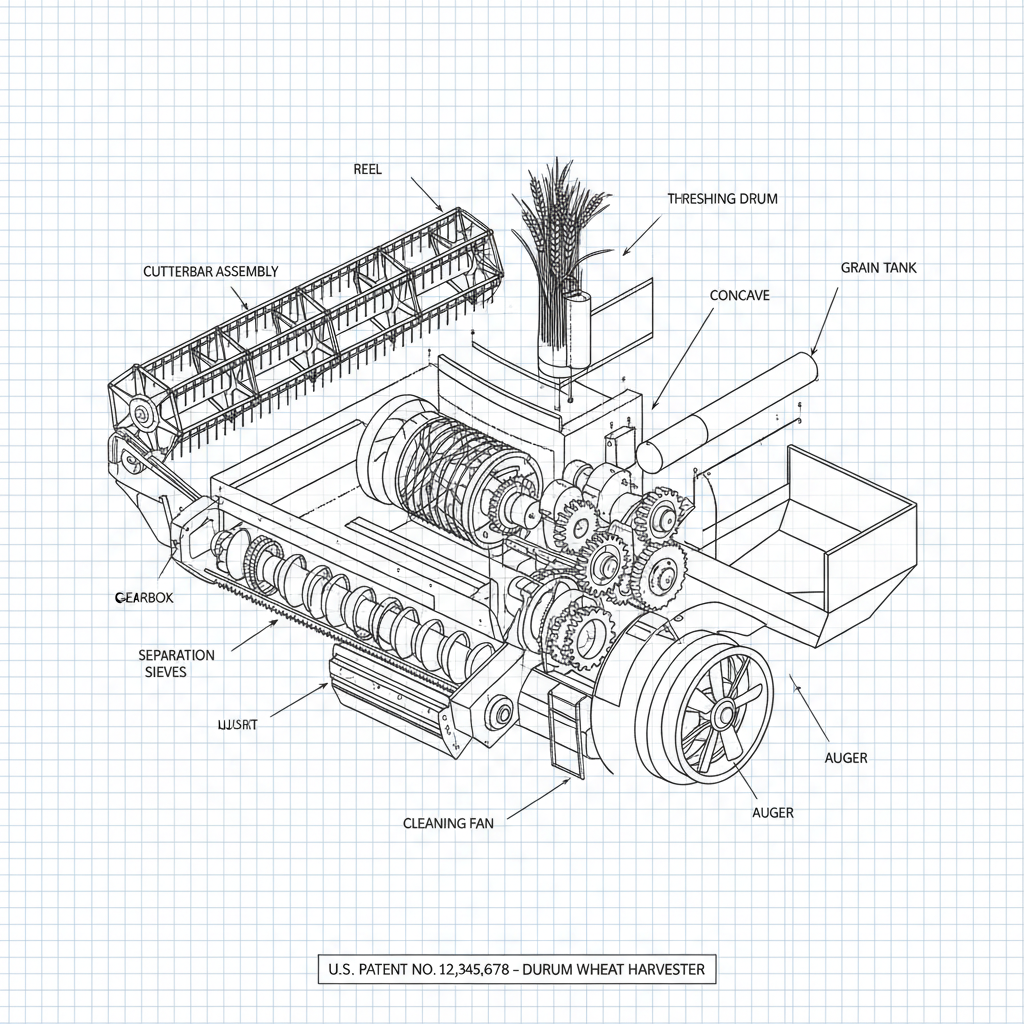
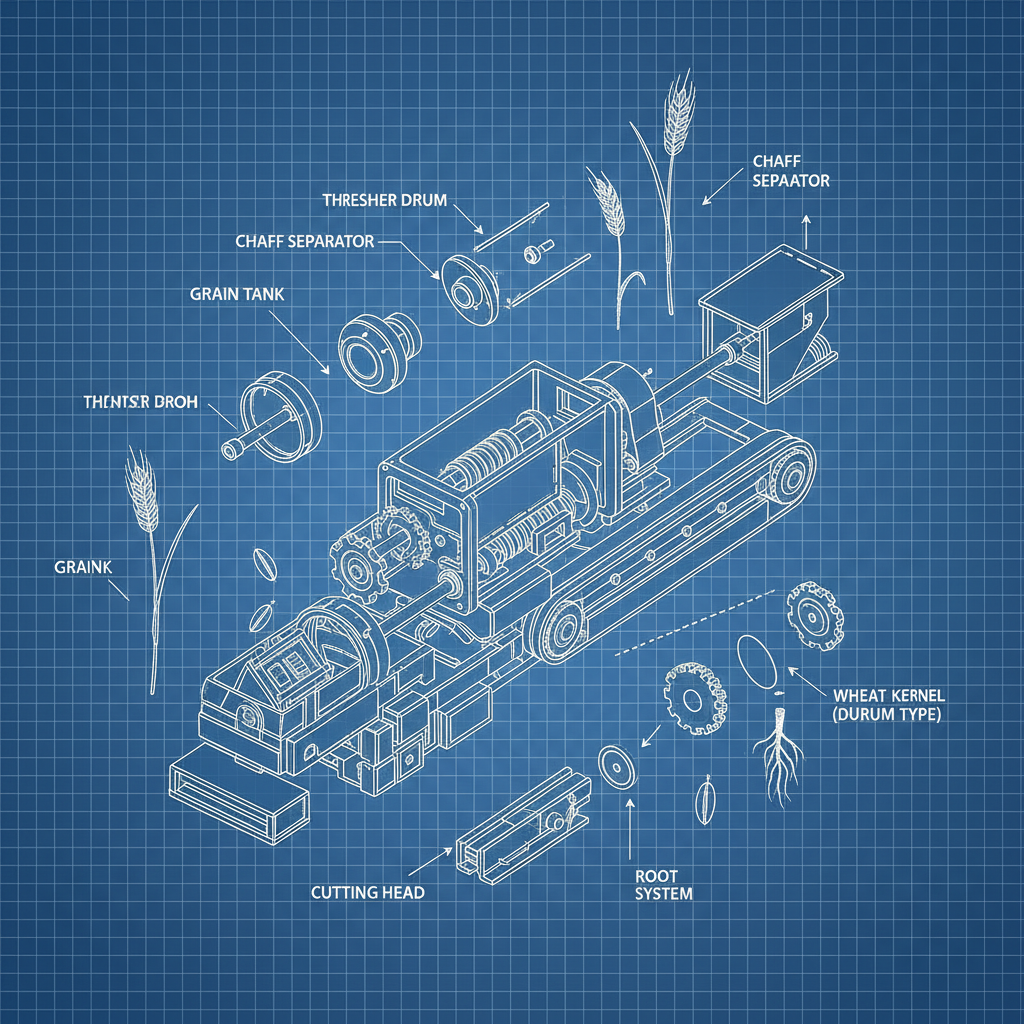
Modern durum wheat harvesting relies heavily on combine harvesters. These machines efficiently cut, thresh, and separate the grain from the chaff. Proper combine settings are essential to minimize grain loss and damage. Adjustments should be made based on crop conditions and grain moisture content. Common settings include rotor speed, concave clearance, and fan speed. Pre-harvest weed control is also vital, as weeds can contaminate the harvested grain. Furthermore, regular maintenance of harvesting machinery is necessary to ensure smooth operation and prevent breakdowns during this critical period.
Harvesting Best Practices:
• Optimize combine settings for minimal grain loss.
• Ensure pre-harvest weed control.
• Maintain harvesting machinery regularly.
• Monitor grain quality throughout the harvest.
Durum Wheat Quality Parameters at Harvest
Beyond moisture content, several quality parameters are assessed during and after the durum wheat harvest. These include protein content, gluten strength, vitreousness (the proportion of hard, glassy endosperm), and kernel size. High protein content and strong gluten are crucial for pasta-making quality. Vitreousness is a key indicator of pasta's cooking firmness. Contamination with foreign material (straw, weeds, etc.) should be minimized. Regular sampling and testing throughout the harvest are essential to ensure the grain meets quality standards.
Storage Practices Post-Harvest
Proper storage is crucial to maintain the quality of the harvested durum wheat. Grain should be cleaned to remove any remaining chaff or foreign material. Storage facilities must be dry, well-ventilated, and protected from pests. Aeration is used to control grain temperature and moisture content, preventing spoilage. Regular monitoring of grain temperature and moisture is essential. The HB NiuBoshi team recommends storing grain in airtight bins to minimize moisture absorption.
Technological Advancements in Durum Wheat Harvesting
Technology is playing an increasingly important role in optimizing the durum wheat harvest. Precision agriculture techniques, such as GPS-guided combines and yield mapping, allow farmers to monitor and manage crop performance with greater accuracy. Remote sensing technologies, including drones and satellites, provide valuable data on crop health and maturity. Data analytics tools help farmers make informed decisions about harvest timing and resource allocation. These advancements are leading to increased efficiency, reduced waste, and improved grain quality.
Conclusion: Maximizing the Durum Wheat Harvest
Successful durum wheat harvesting requires a comprehensive understanding of crop maturity, harvesting techniques, quality parameters, and storage practices. By adopting best practices and leveraging technological advancements, farmers can maximize yields, improve grain quality, and ensure a profitable harvest.
Frequently Asked Questions (FAQs)
What factors affect the protein content of durum wheat?
Several factors influence durum wheat protein content, including genetics, growing conditions, and nitrogen fertilization. Adequate nitrogen supply is crucial for protein development, but excessive nitrogen can lead to lodging (falling over). Sunlight exposure and temperature during grain fill also play a role. Choosing appropriate durum wheat varieties suited to the local climate and soil conditions is essential for maximizing protein content. Proper irrigation management can also help optimize protein levels.
How can farmers minimize grain loss during harvest?
Minimizing grain loss requires careful combine adjustment, slow harvesting speed, and proper cutter bar height. Ensuring the combine’s rotor speed, concave clearance, and fan speed are optimized for the specific crop conditions is crucial. Regularly inspecting and maintaining the combine to prevent blockages and malfunctions also helps. Pre-harvest weed control minimizes grain contamination and reduces losses. Avoiding harvesting during windy conditions can also prevent shattering and grain loss.
What are the common pests that can affect stored durum wheat?
Common pests affecting stored durum wheat include grain weevils, moths, and beetles. These pests can damage the grain, reducing its quality and nutritional value. Proper sanitation of storage facilities is essential to prevent infestations. Airtight storage bins help to exclude pests. Regular monitoring for pest activity and the use of appropriate pest control measures, such as aeration and controlled atmosphere storage, can help protect the grain.
What role does the HB NiuBoshi play in assisting farmers with the durum wheat harvest?
HB NiuBoshi offers comprehensive support to farmers throughout the durum wheat harvest, providing expert advice on optimal harvesting timing, storage solutions, and quality control measures. We offer high-quality grain storage solutions designed to protect against pests and maintain grain quality. Our team also provides access to the latest technological advancements in precision agriculture, helping farmers maximize yields and improve efficiency.
Latest news
-
Maximize Harvest Efficiency with the Agro Reaper Binder MachineNewsApr.16,2026
-
Boost Harvest Efficiency with the Best Agriculture Reaper MachineNewsApr.09,2026
-
Revolutionizing Agriculture with the Efficient Agriculture Power ReaperNewsApr.07,2026
-
Comprehensive Guide to the 4 Wheel Reaper Binder for Efficient HarvestingNewsApr.04,2026
-
Comprehensive Guide to Reaperbinder Technology for Efficient Hay and Crop HarvestingNewsMar.31,2026
-
Mastering the Art of Reaper Cutting for Enhanced Agricultural EfficiencyNewsMar.28,2026