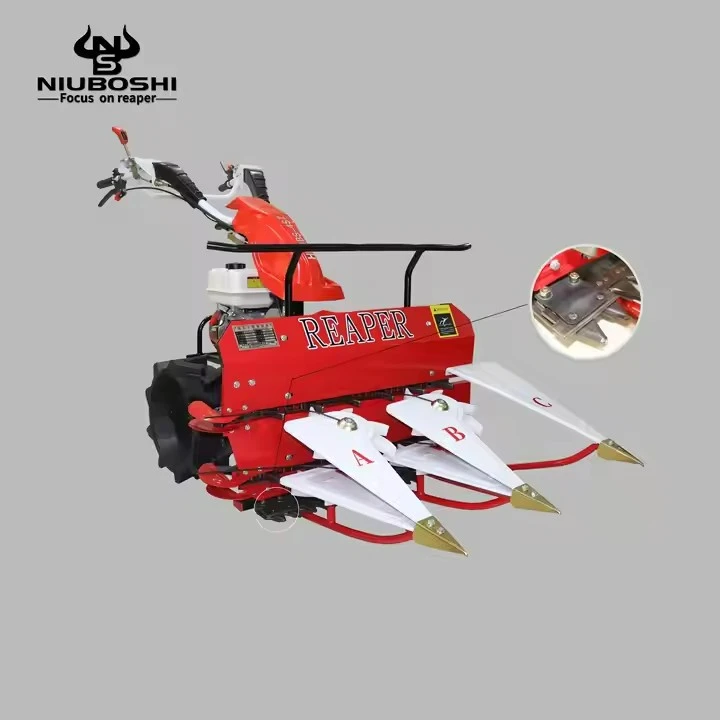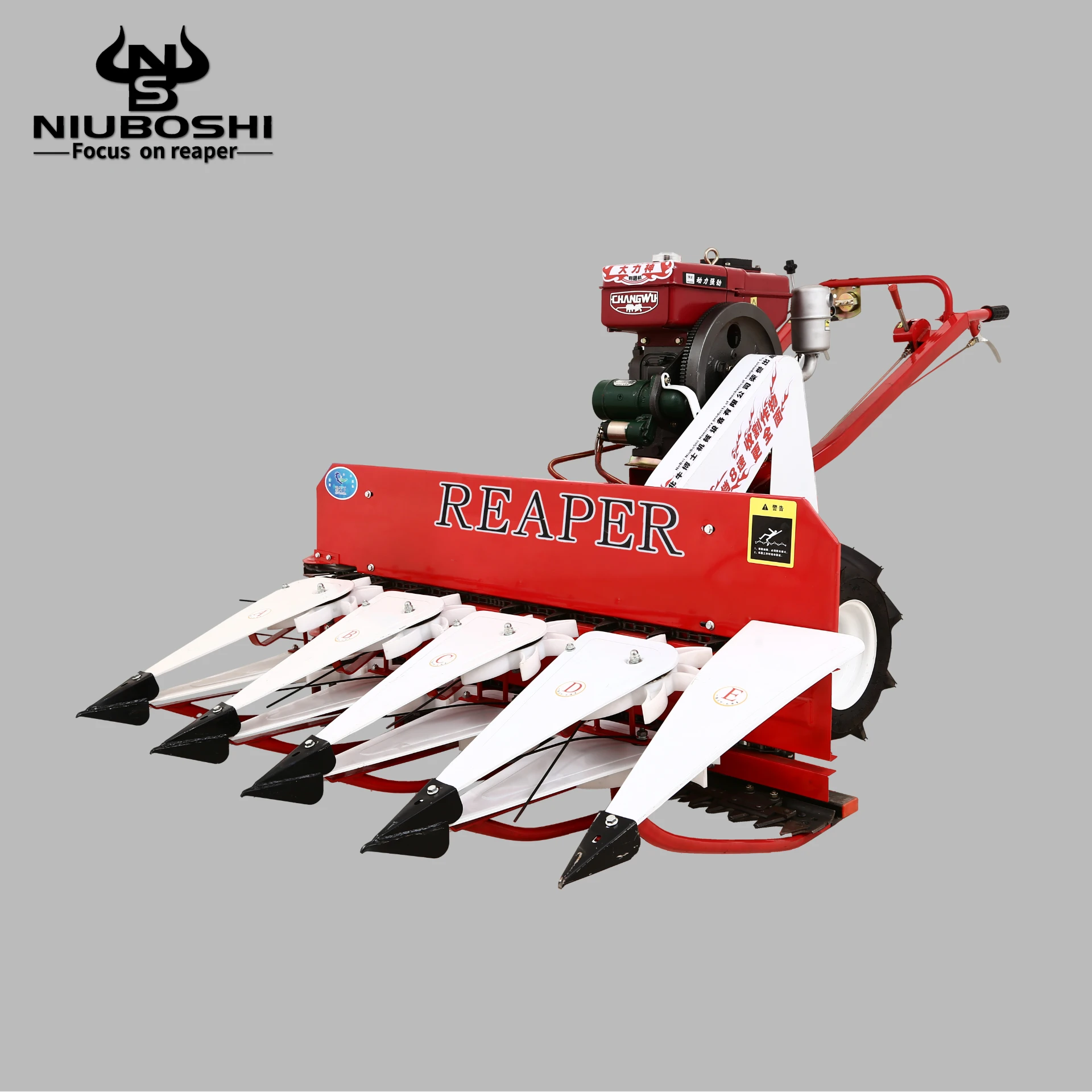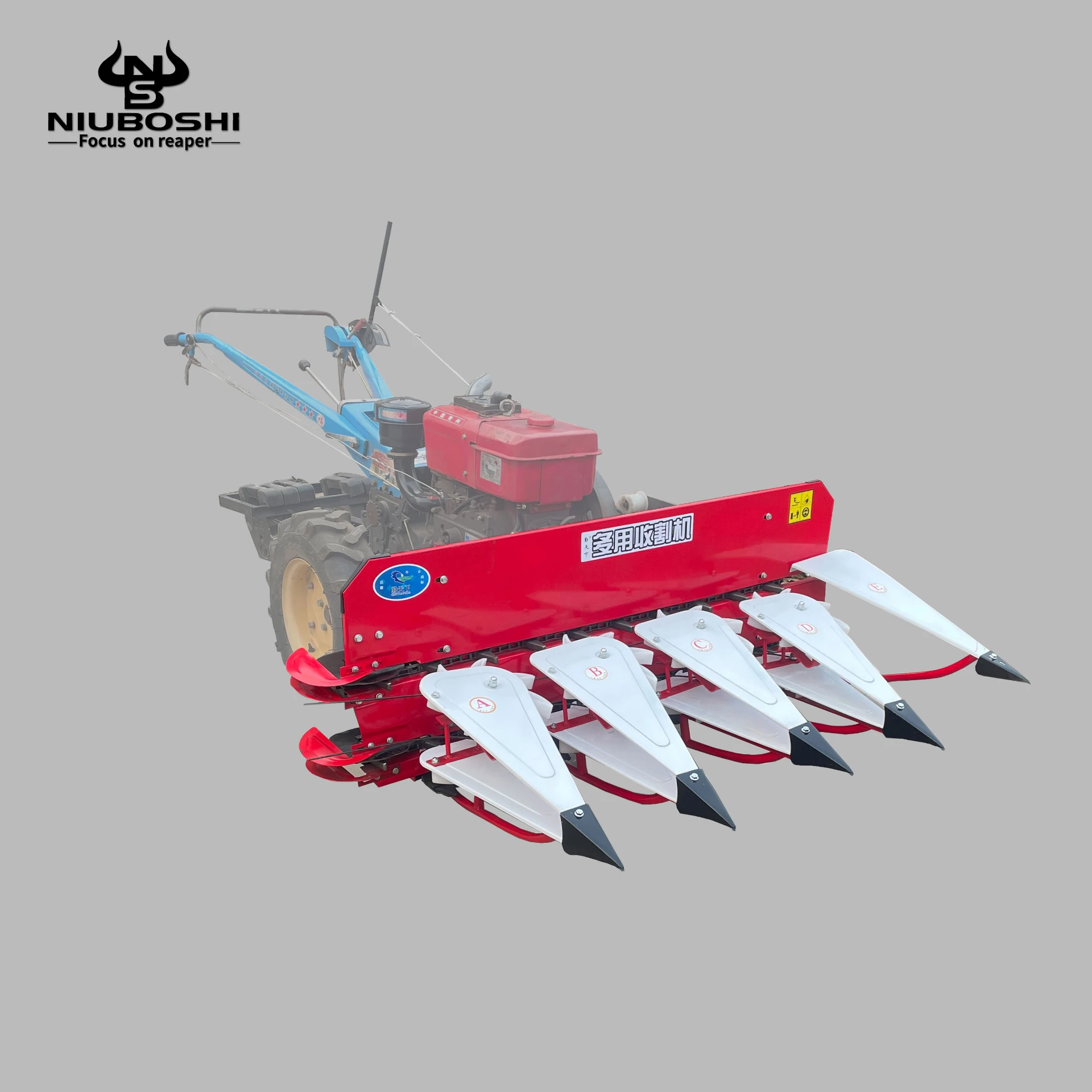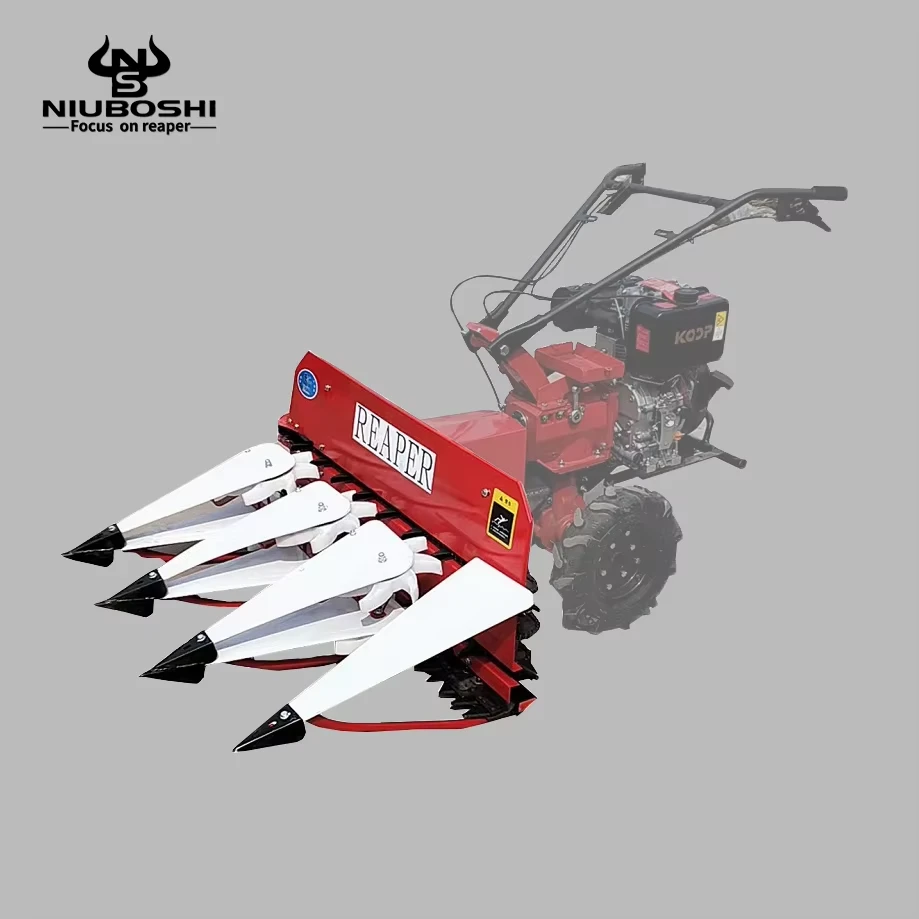
Choosing the Right Small Farm Combine Harvester for Efficient Harvesting
Choosing the Right Small Farm Combine Harvester: A Comprehensive Guide
Investing in a small farm combine harvester can significantly boost efficiency and yield on your agricultural operation. But with various models available, selecting the right machine requires careful consideration. This guide will walk you through the essential factors, benefits, and considerations when choosing a combine harvester perfectly suited to the scale and needs of your small farm. From understanding the different types to evaluating features and costs, we’ll provide you with the knowledge to make an informed decision. Ultimately, a well-chosen combine will streamline your harvesting process and contribute to a more profitable farming business.
Understanding Different Types of Small Farm Combine Harvesters
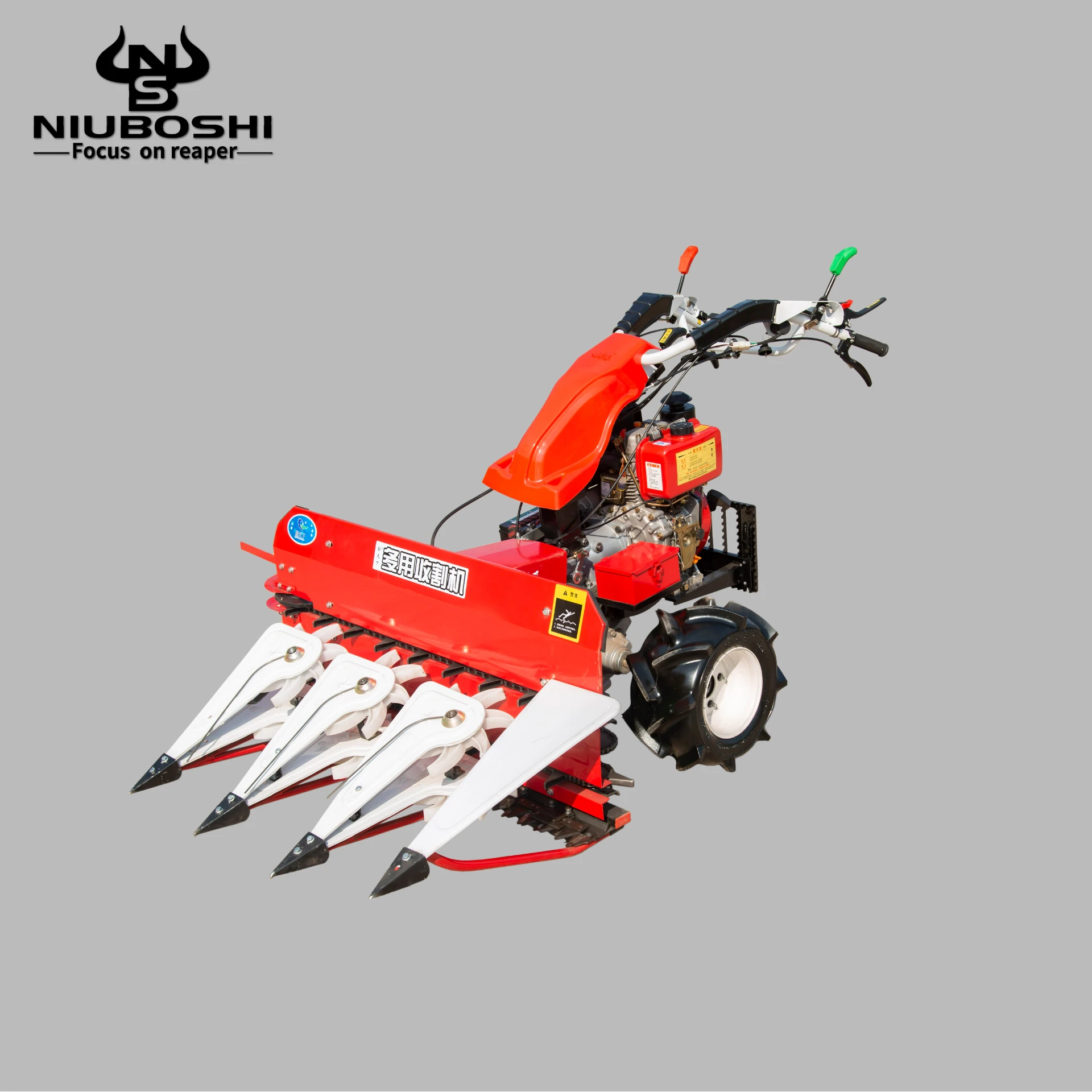
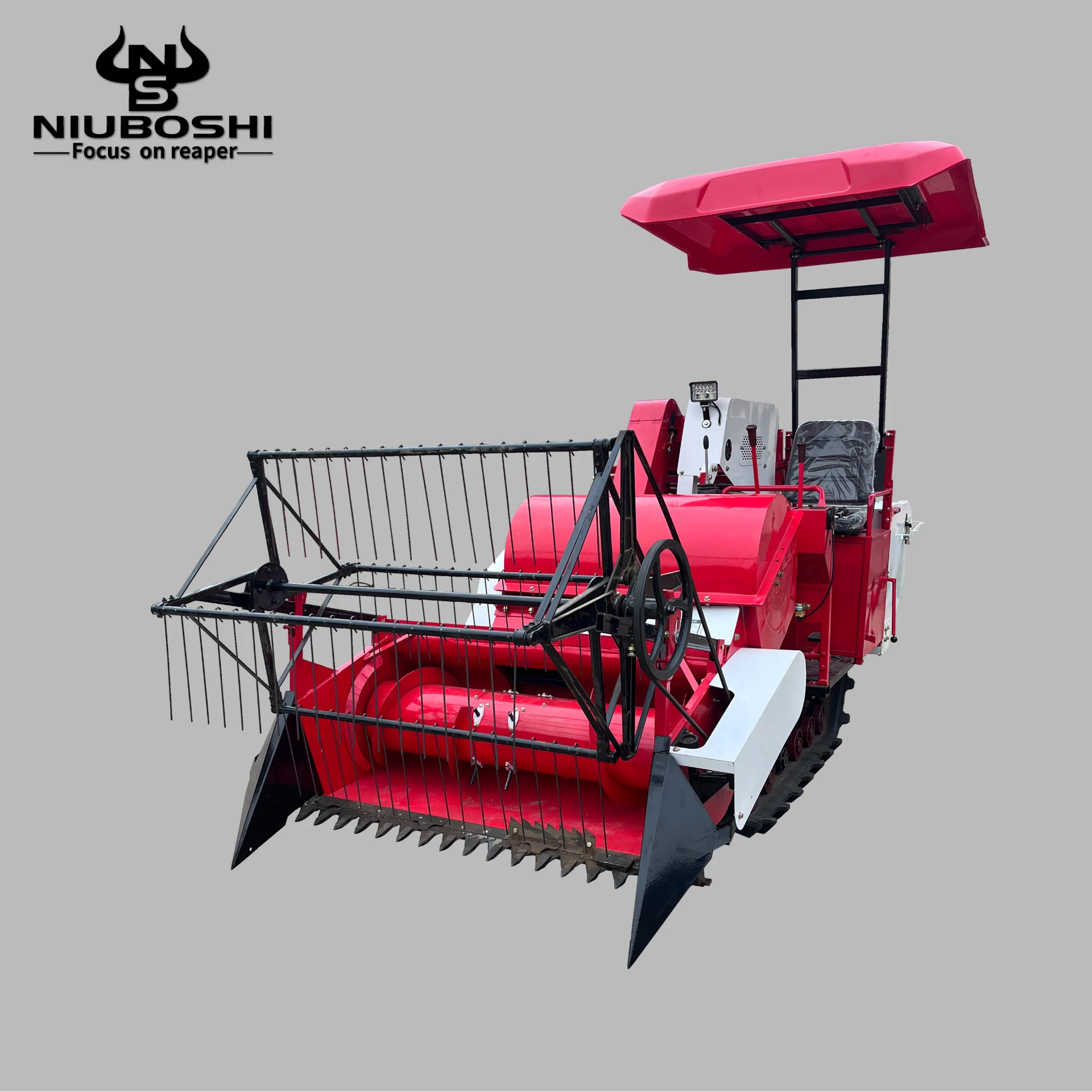
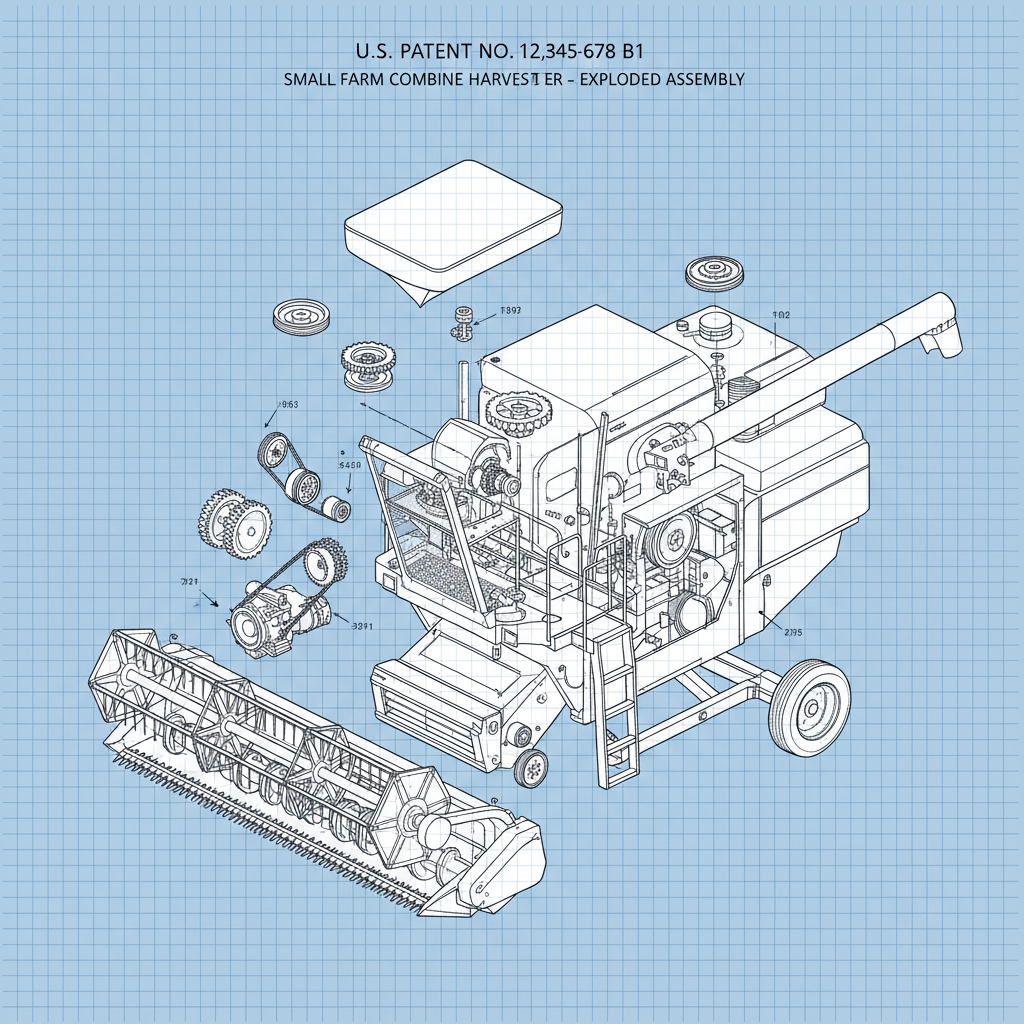
Combine harvesters come in various sizes and configurations. For small farms, self-propelled models are often the most practical choice, offering maneuverability and efficiency. However, pull-type combine harvesters can be a more cost-effective option, particularly for farms with existing tractors. The key difference lies in the power source and overall size. Self-propelled machines have their own engine and drive system, while pull-type models rely on a tractor for power. Consider the acreage you need to harvest, the terrain of your fields, and your budget when determining the most suitable type. NiuBoshi offers a range of options tailored for diverse small farm requirements.
Key Considerations: Choose based on acreage, terrain, budget, and existing equipment. Self-propelled offer greater independence, while pull-type models are generally more affordable.
Essential Features to Look for in a Small Farm Combine Harvester
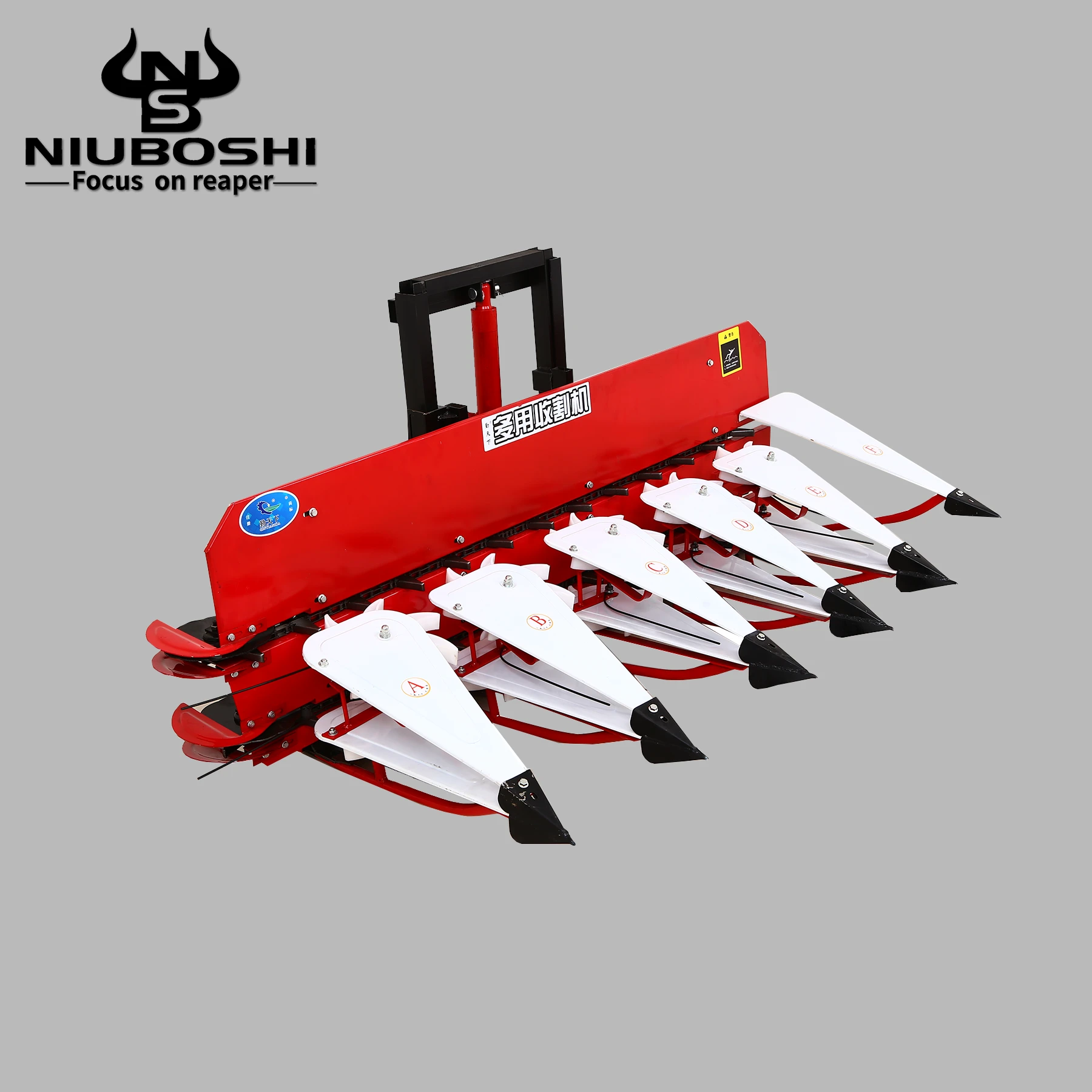
When evaluating potential combine harvesters, several key features can significantly impact performance and efficiency. Grain tank capacity is crucial—larger tanks reduce downtime for unloading. Header width determines the amount of crop harvested per pass, while engine horsepower influences the machine’s ability to handle challenging conditions. Pay attention to the quality of the threshing and separation systems, as these directly affect grain loss. Modern combines often incorporate advanced technologies like automatic leveling and yield monitoring systems, further enhancing productivity.
Key Features for Optimal Harvesting:
• Large Grain Tank Capacity
• Appropriate Header Width for Field Size
• Powerful and Reliable Engine
• Efficient Threshing and Separation System
Comparing Popular Small Farm Combine Harvester Models
Choosing between different models can be overwhelming. Here’s a comparative overview of some popular options, highlighting their strengths and weaknesses. This information will help you narrow down your choices based on your specific requirements. Consider factors like price, warranty, availability of parts, and local dealer support when making your final decision. NiuBoshi's range includes models designed to excel in diverse farming conditions.
Maintenance and Longevity of Your Combine Harvester
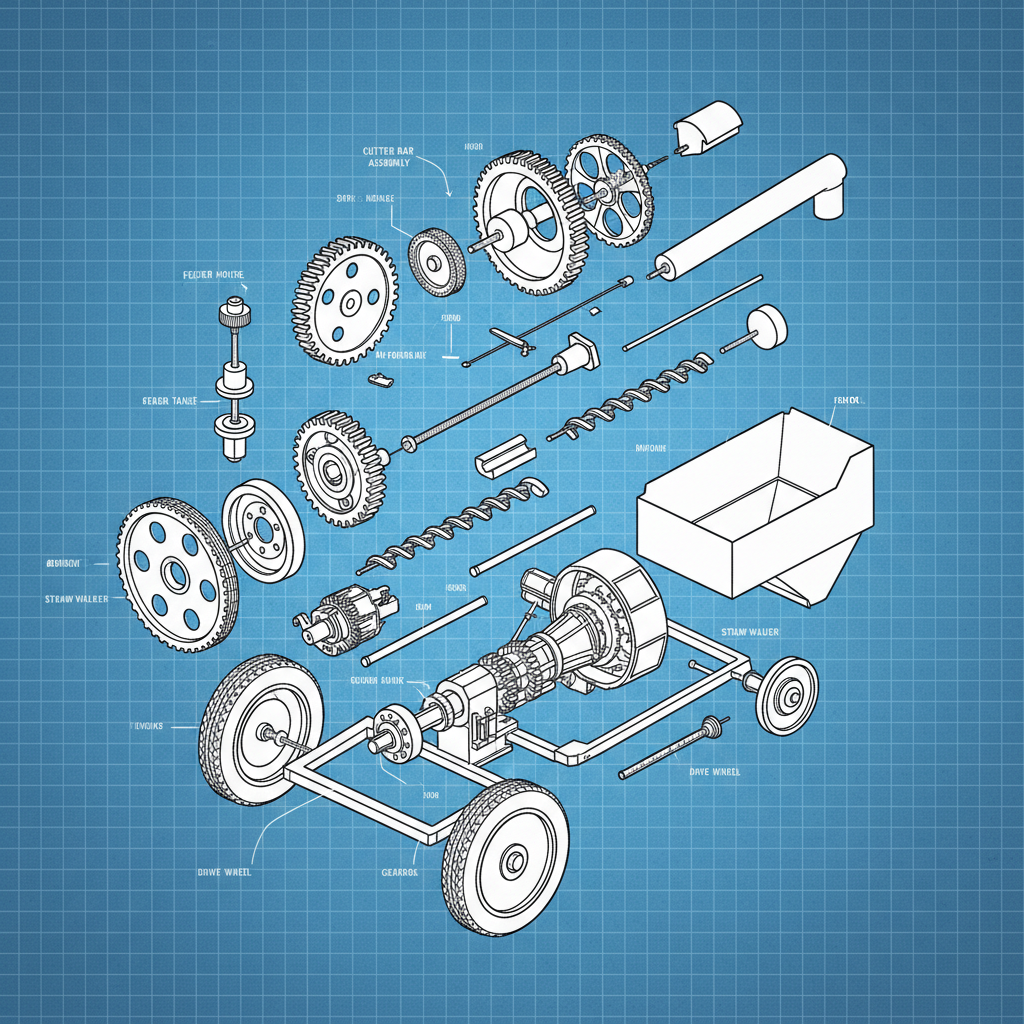
Proper maintenance is crucial for ensuring the longevity and reliable performance of your combine harvester. Regular servicing, including oil changes, filter replacements, and lubrication, will prevent breakdowns and extend the machine’s lifespan. Pay close attention to the condition of belts, chains, and bearings, and replace them as needed. Store the combine in a dry, sheltered location during the off-season to protect it from the elements. Following the manufacturer's recommended maintenance schedule is essential.
Cost Considerations: Beyond the Purchase Price
The purchase price is only one aspect of the total cost of ownership. Factor in ongoing expenses such as fuel, maintenance, repairs, and insurance. Consider the cost of replacement parts and the availability of local service support. Also, evaluate the potential for increased efficiency and yield, which can offset the initial investment over time. NiuBoshi provides comprehensive support and competitive pricing to ensure a smart investment for your farm.
Conclusion: Maximizing Your Harvest with the Right Combine
Selecting the right small farm combine harvester is a critical decision that can significantly impact your farm's productivity and profitability. By carefully considering your needs, evaluating available models, and prioritizing proper maintenance, you can ensure a successful harvest for years to come. Don’t hesitate to reach out to the experts at NiuBoshi for guidance and support in finding the perfect machine for your operation.
Frequently Asked Questions (FAQs)
What size grain tank is appropriate for a small farm?
For a small farm, typically ranging from 50 to 500 acres, a grain tank capacity of 150-200 bushels is often sufficient. This size strikes a balance between reducing unloading frequency and maintaining a manageable machine size. Smaller farms may be able to operate effectively with a slightly smaller tank, while larger small farms might benefit from a larger capacity to minimize downtime. Ultimately, the best size depends on your harvesting speed, field size, and proximity to grain storage facilities.
What is the typical lifespan of a combine harvester?
With proper maintenance and care, a combine harvester can last for 10,000+ hours, equating to 15-20 years or more. However, several factors influence lifespan, including the quality of construction, the intensity of use, and the environment in which it operates. Regular servicing, timely repairs, and careful storage are crucial for maximizing the machine’s longevity. Investing in a well-maintained used combine can also be a cost-effective option.
What safety features should I look for in a combine harvester?
Safety is paramount when operating a combine harvester. Essential safety features include a rollover protection structure (ROPS), seatbelts, emergency shut-off switches, and adequate lighting. Additionally, look for features like dust extraction systems to protect operator health, and clear visibility for safe maneuvering. Regularly inspect and maintain all safety features to ensure they are functioning correctly. NiuBoshi prioritizes safety in its combine harvester designs.
Latest news
-
Maximize Harvest Efficiency with the Agro Reaper Binder MachineNewsApr.16,2026
-
Boost Harvest Efficiency with the Best Agriculture Reaper MachineNewsApr.09,2026
-
Revolutionizing Agriculture with the Efficient Agriculture Power ReaperNewsApr.07,2026
-
Comprehensive Guide to the 4 Wheel Reaper Binder for Efficient HarvestingNewsApr.04,2026
-
Comprehensive Guide to Reaperbinder Technology for Efficient Hay and Crop HarvestingNewsMar.31,2026
-
Mastering the Art of Reaper Cutting for Enhanced Agricultural EfficiencyNewsMar.28,2026