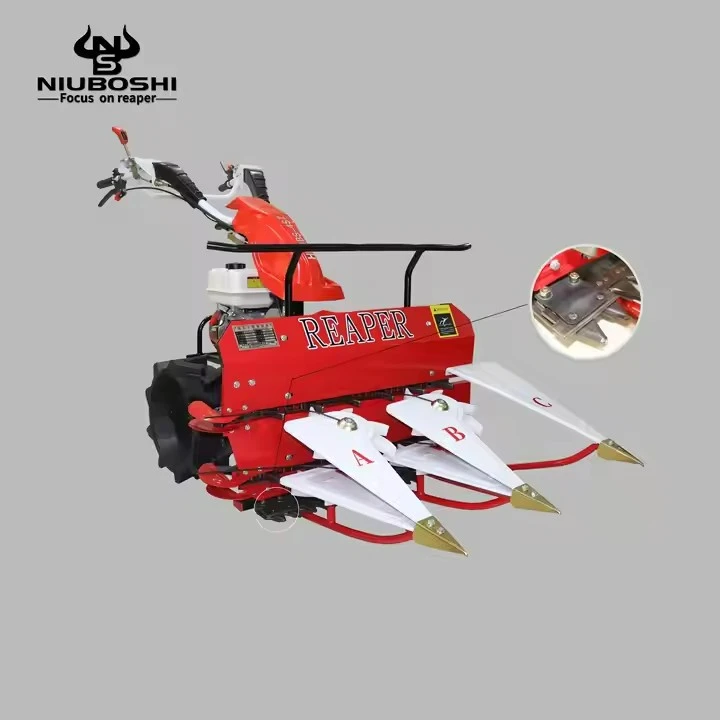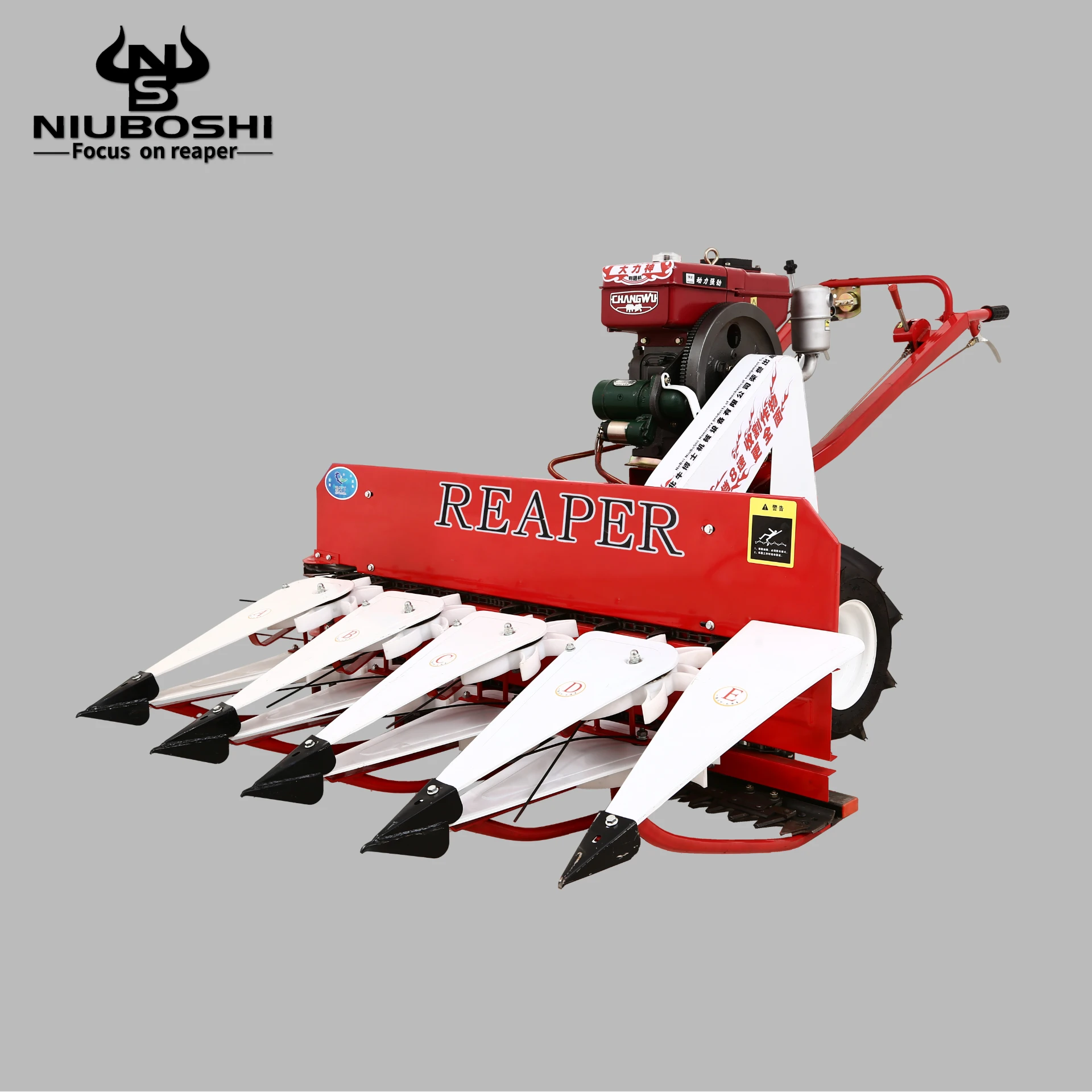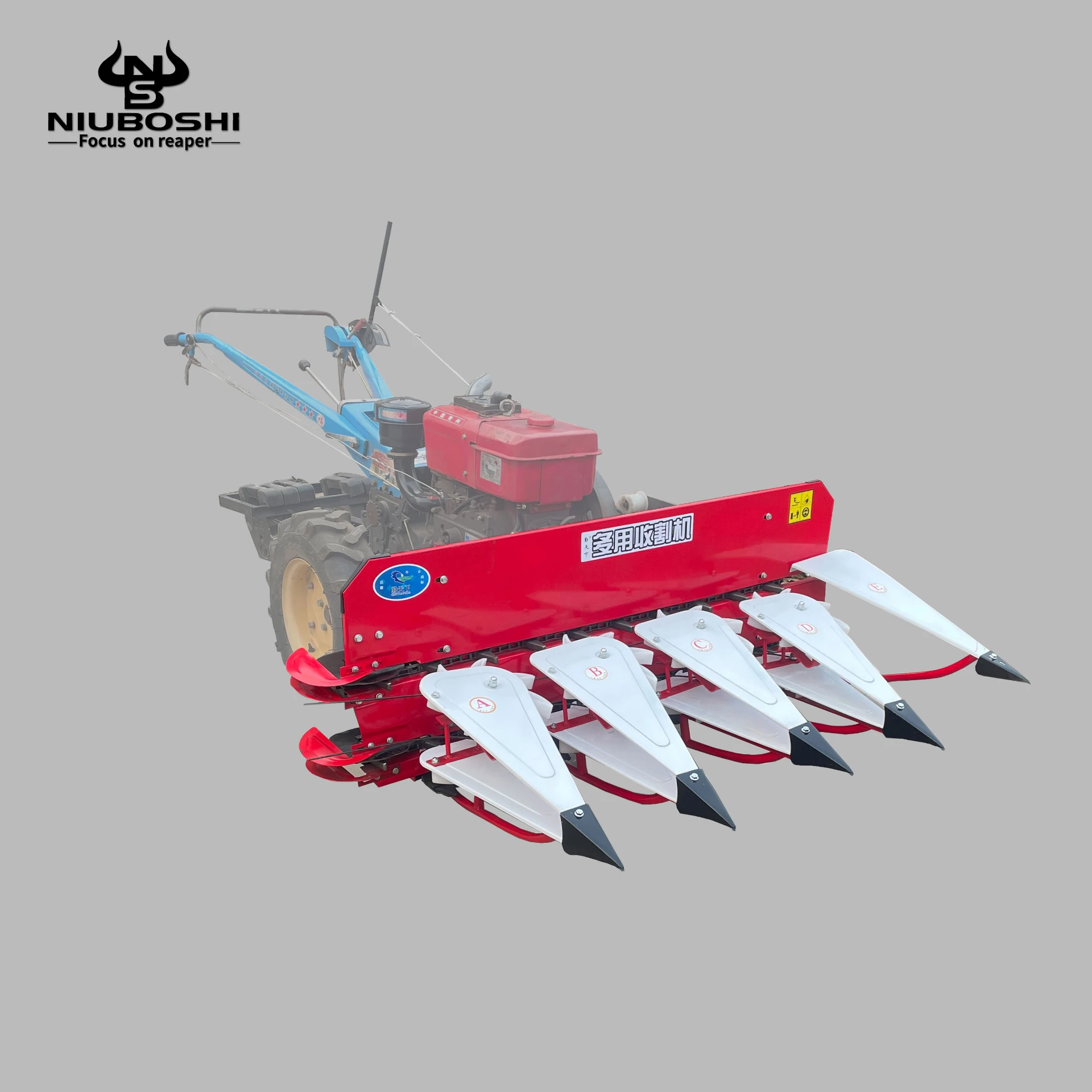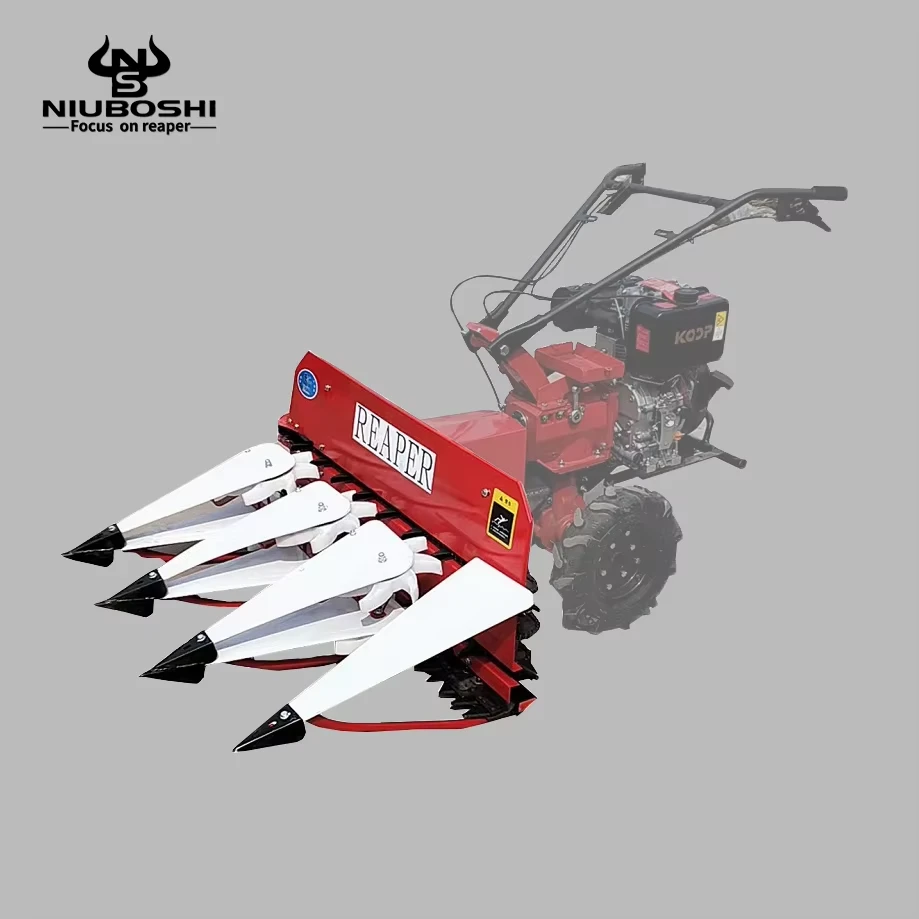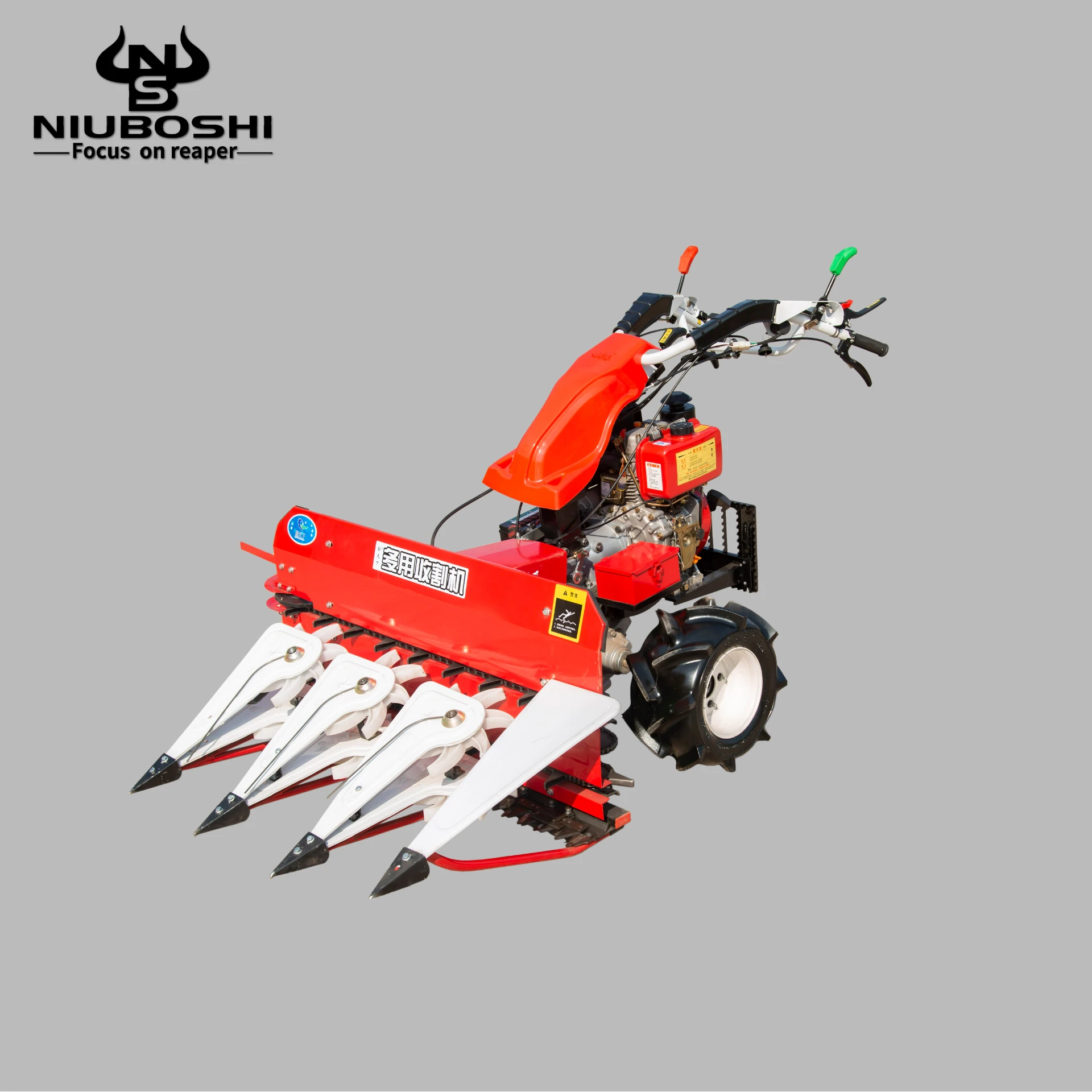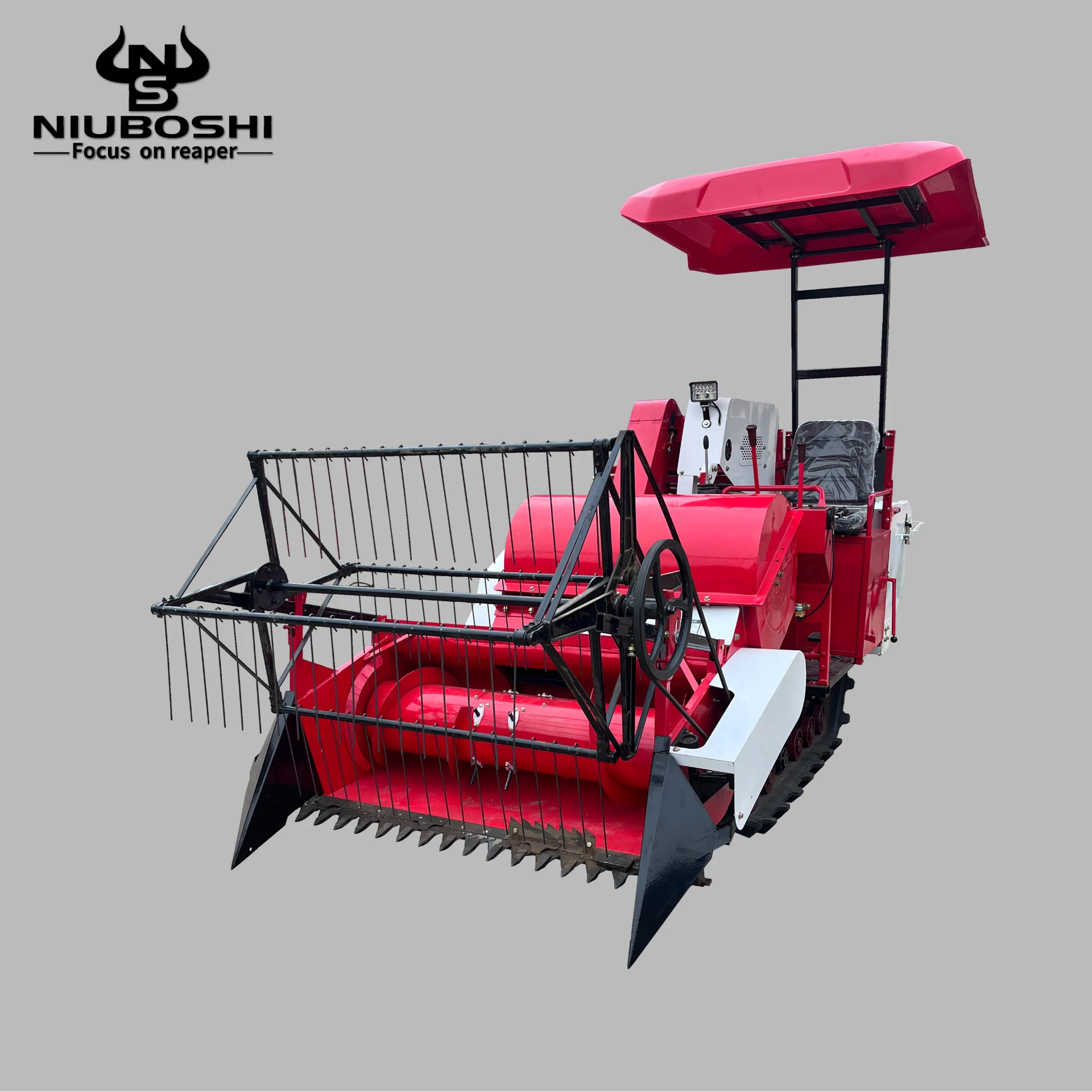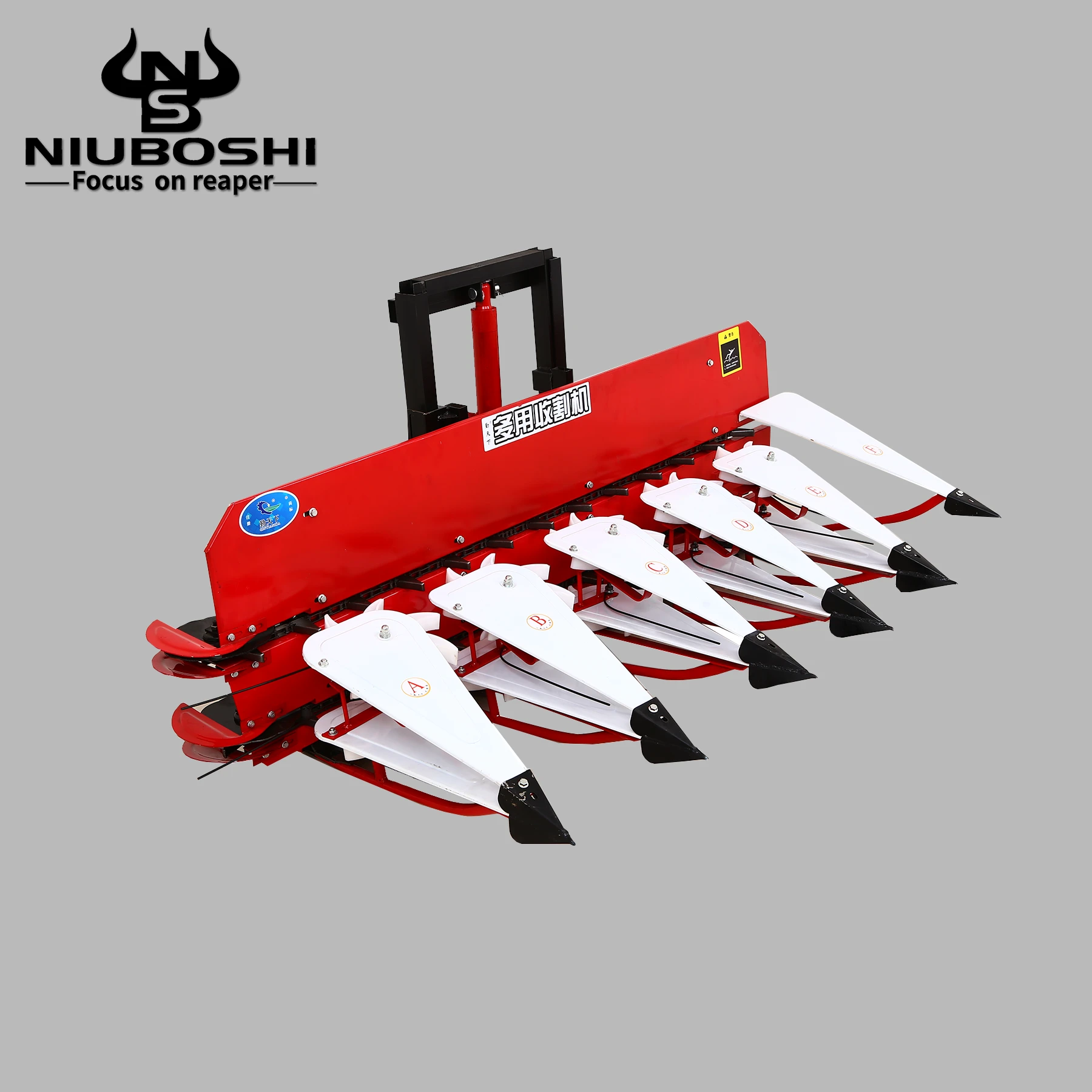
Mini Harvester with Tractor – Compact Forestry Equipment for Versatile Operations
The Mini Harvester with Tractor: A Compact Powerhouse in Industrial Forestry
Having spent a good chunk of my career around industrial forestry equipment, I’ve seen a fair share of machines—from the bulky giants that roam endless forests to the nimble tools designed for smaller operations. Mini harvester with tractor setups, frankly, have always fascinated me. They strike this curious balance between power and compactness, which, if you ask me, makes them real workhorses for operations that need flexibility without compromising on productivity.
What makes these machines interesting is how they've evolved alongside industry demands. Back in the day, the idea of a small harvester paired with a tractor meant limited functionality and speed. But today, thanks to advancements in engineering and control systems, they can tackle a wide range of forestry tasks that before required much larger equipment.
Design and Engineering: Compact Doesn’t Mean Compromised
One of the things I’ve noticed after inspecting several models from different vendors is how tightly packed yet robust their design is. The frames typically use high-strength steel alloys, offering durability without adding unnecessary weight. You can tell that many engineers put a lot of thought into balancing the machine’s agility with its load capacity.
| Specification | Detail |
|---|---|
| Engine Power | 70-110 HP |
| Operating Weight | 4,000 - 5,500 kg |
| Harvesting Head Reach | 5.5 - 7 meters |
| Fuel Tank Capacity | 100-150 liters |
| Track Options | Rubber Tracks or Steel Tracks |
| Control System | Electronic Joysticks with Touchscreen |
Even the ergonomics inside the operator cabin have come a long way. Many machines now come with climate control and improved visibility—which might sound like a luxury, but after 10-plus hours in the field, your comfort definitely impacts your focus and safety.
Why Opt for a Mini Harvester with Tractor?
In real terms, mini harvesters paired with tractors shine on smaller or more sensitive terrain. I remember one client—an owner of a forest management business who had to repeatedly deal with narrow logging roads and steep slopes. The agility of the mini harvester allowed them to access spots big machines couldn’t approach without causing damage. Also, because of their size, transport logistics are simpler and often cheaper.
Plus, many models today allow for customization, from interchangeable harvesting heads to different track options depending on soil or weather. This adaptability doesn’t just add versatility; it extends the machine’s life and usability through seasons and jobs.
| Vendor | Typical Engine Power (HP) | Customization Options | Warranty (Years) | Price Range (USD) |
|---|---|---|---|---|
| NiuBoshi | 90-110 | Multiple harvesting heads, track types | 3 | 45,000 - 60,000 |
| TimberTech | 75-100 | Limited head options | 2 | 40,000 - 55,000 |
| Greenline Equip | 80-105 | Tracking and cabin upgrades | 3 | 48,000 - 62,000 |
Oddly enough, despite all the tech packed into these machines, maintenance tends to be straightforward. I guess when people who know forestry build machines for forestry, it shows. The components are usually easy to access, and filters and fluids are arranged in ways that make periodic checks faster, helping reduce downtime.
That said, it’s still important to trust a vendor who stands behind their product — and NiuBoshi's reputation in this space really makes them a serious contender, especially for customers valuing reliability and modern features.
In the end, if your forestry operation can benefit from a blend of compact footprint and decent horsepower, investing in a mini harvester with tractor setup can be a game changer. It’s not just about the specs or price—it’s about how the machine fits into your workflow, how easy it is to service, and how comfortable the operator feels. After all, at the end of a long day, that matters more than any horsepower figure.
A personal note: I once saw a team harvest an entire small forest tract with one of these minis, and the precision with which it handled tricky terrain was impressive. It reminded me that sometimes, less truly is more.
References:
1. Forestry Equipment Journal, 2023
2. Manufacturer specs from NiuBoshi and industry brochures
3. Personal experience from forestry sites, 2018–2023
Latest news
-
Maximize Harvest Efficiency with the Agro Reaper Binder MachineNewsApr.16,2026
-
Boost Harvest Efficiency with the Best Agriculture Reaper MachineNewsApr.09,2026
-
Revolutionizing Agriculture with the Efficient Agriculture Power ReaperNewsApr.07,2026
-
Comprehensive Guide to the 4 Wheel Reaper Binder for Efficient HarvestingNewsApr.04,2026
-
Comprehensive Guide to Reaperbinder Technology for Efficient Hay and Crop HarvestingNewsMar.31,2026
-
Mastering the Art of Reaper Cutting for Enhanced Agricultural EfficiencyNewsMar.28,2026