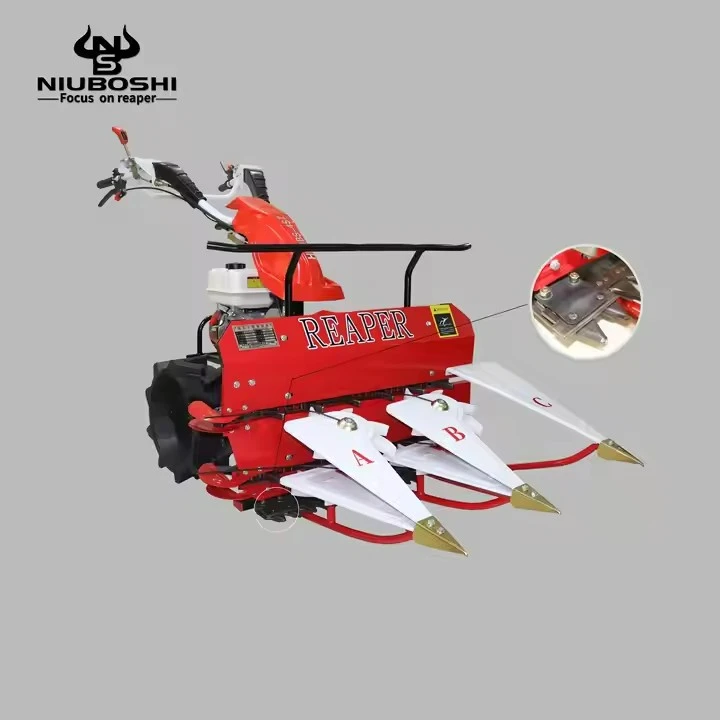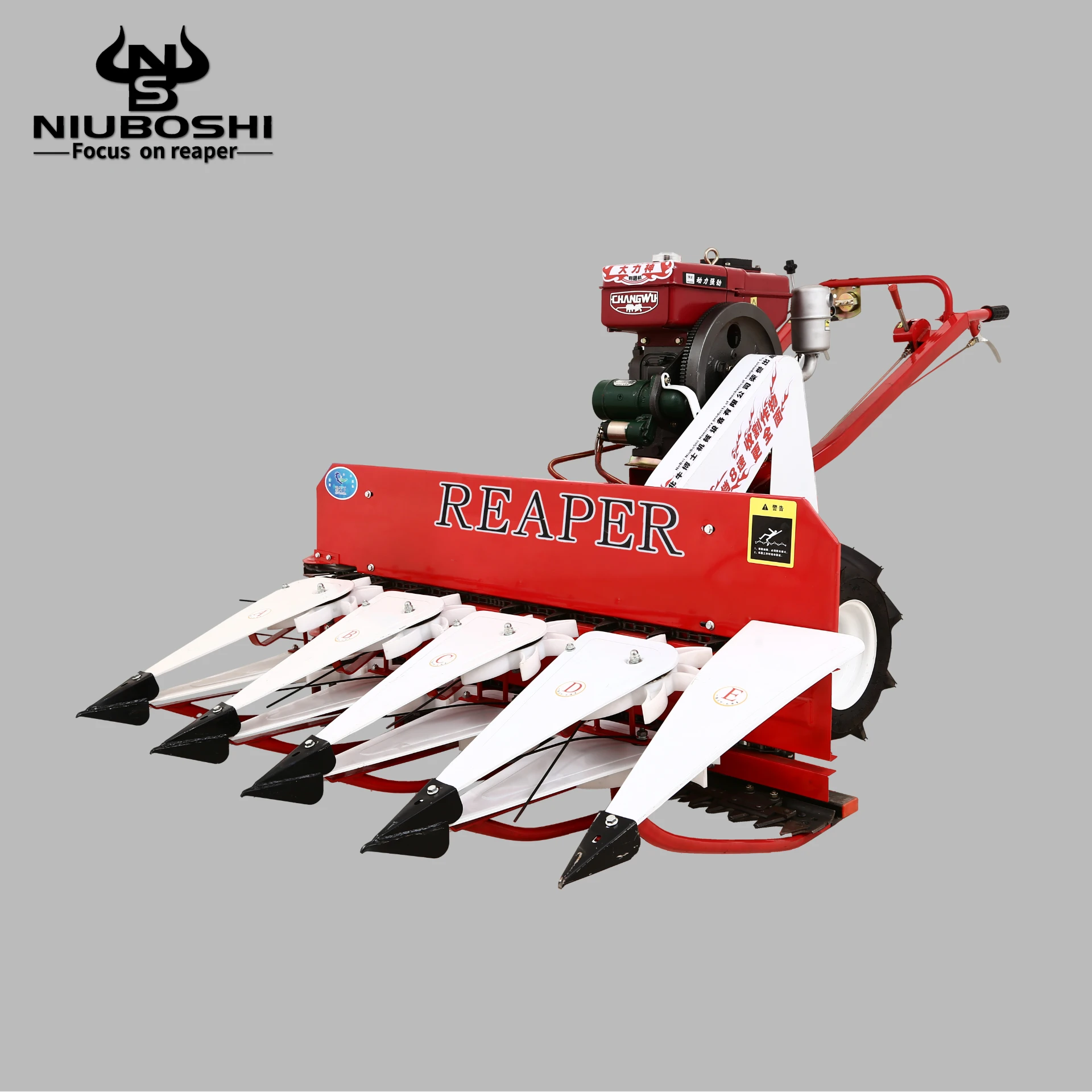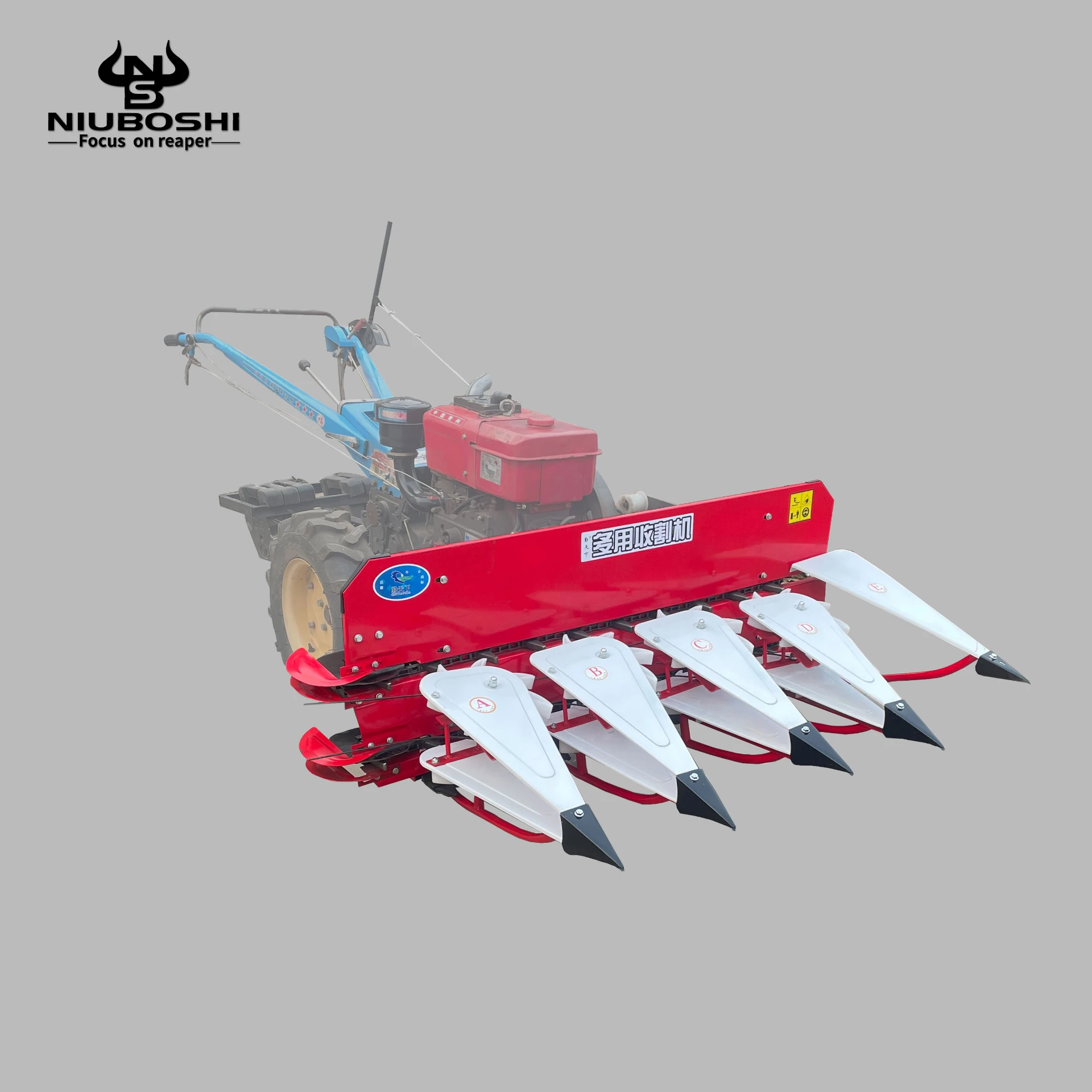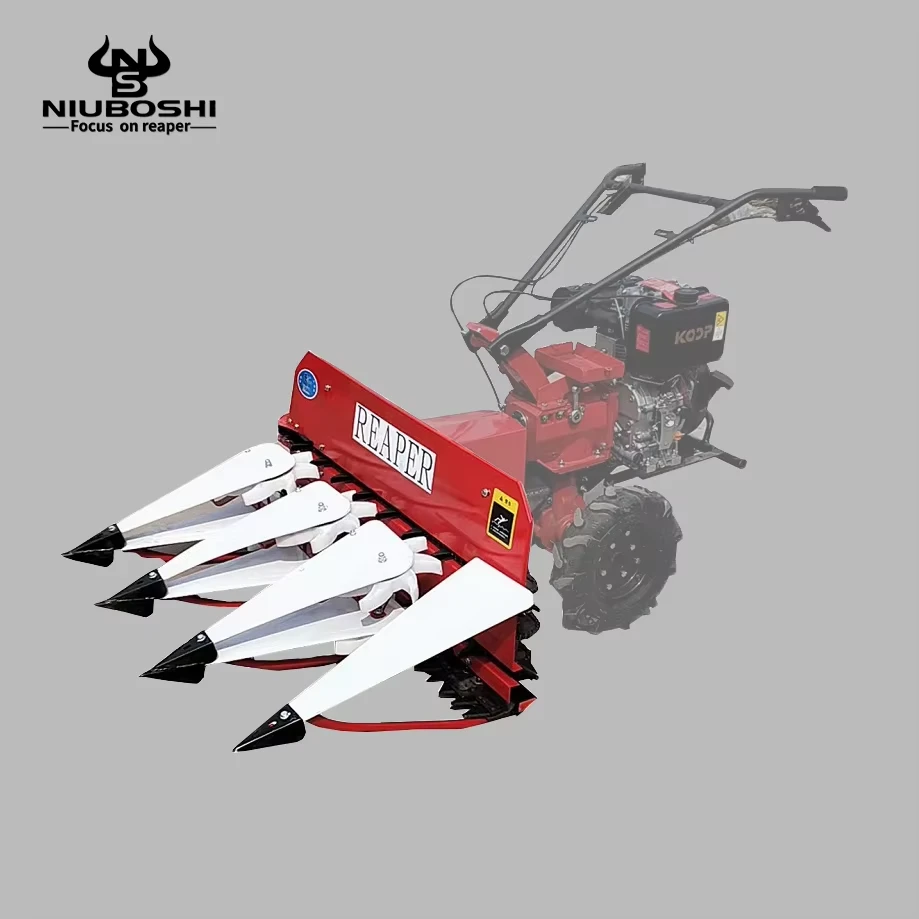
Mini Harvester Tractor Combine – Compact Power for Efficient Harvesting
Mini Harvester Tractor Combine: A Compact Powerhouse for Modern Farming
Having spent over a decade navigating the nuances of the industrial equipment world, I can tell you one thing: small doesn't mean insignificant, especially when it comes to agricultural machinery. The mini harvester tractor combine is a perfect example of that – a compact, nimble powerhouse that’s steadily becoming a favorite in smaller farms or areas with tricky terrain.
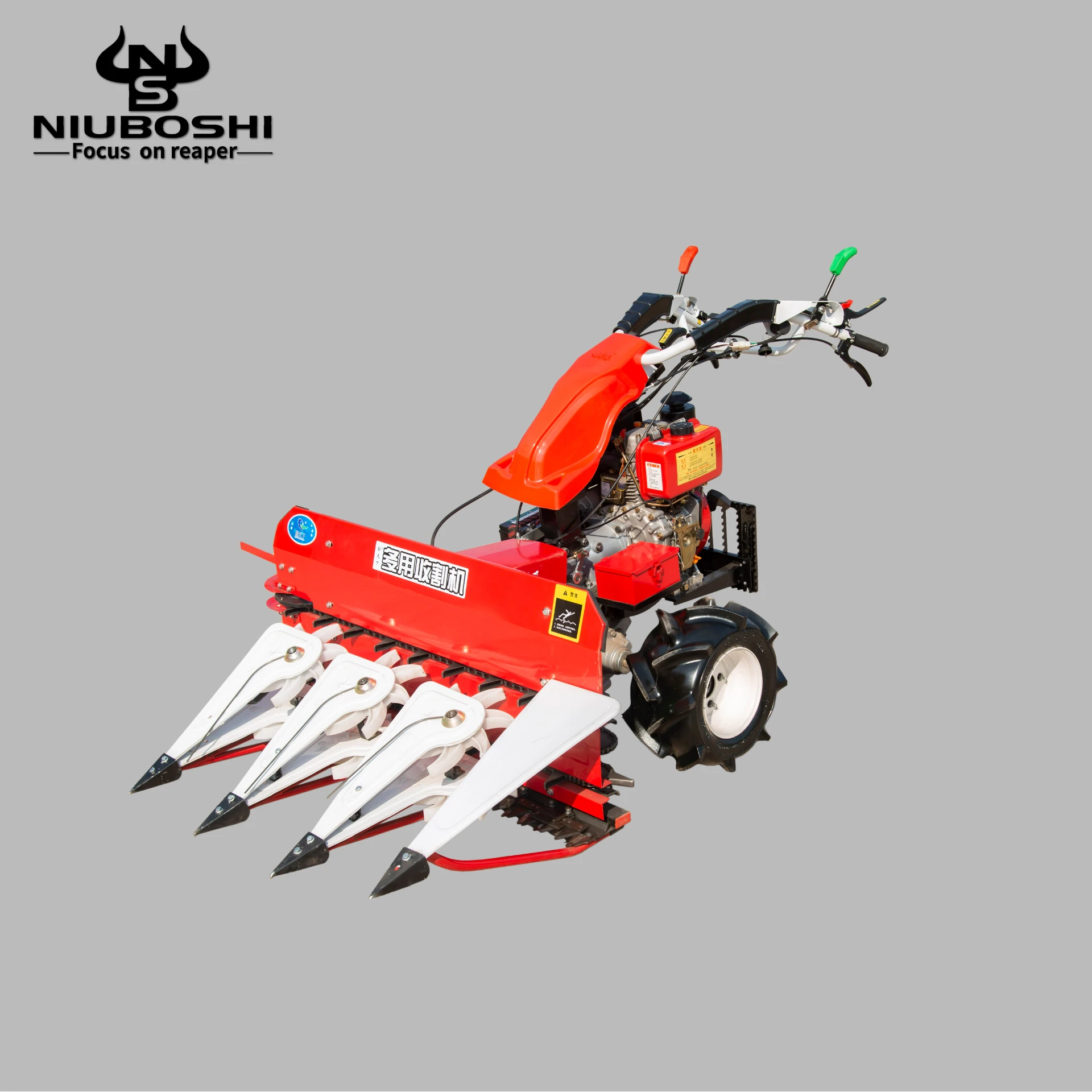
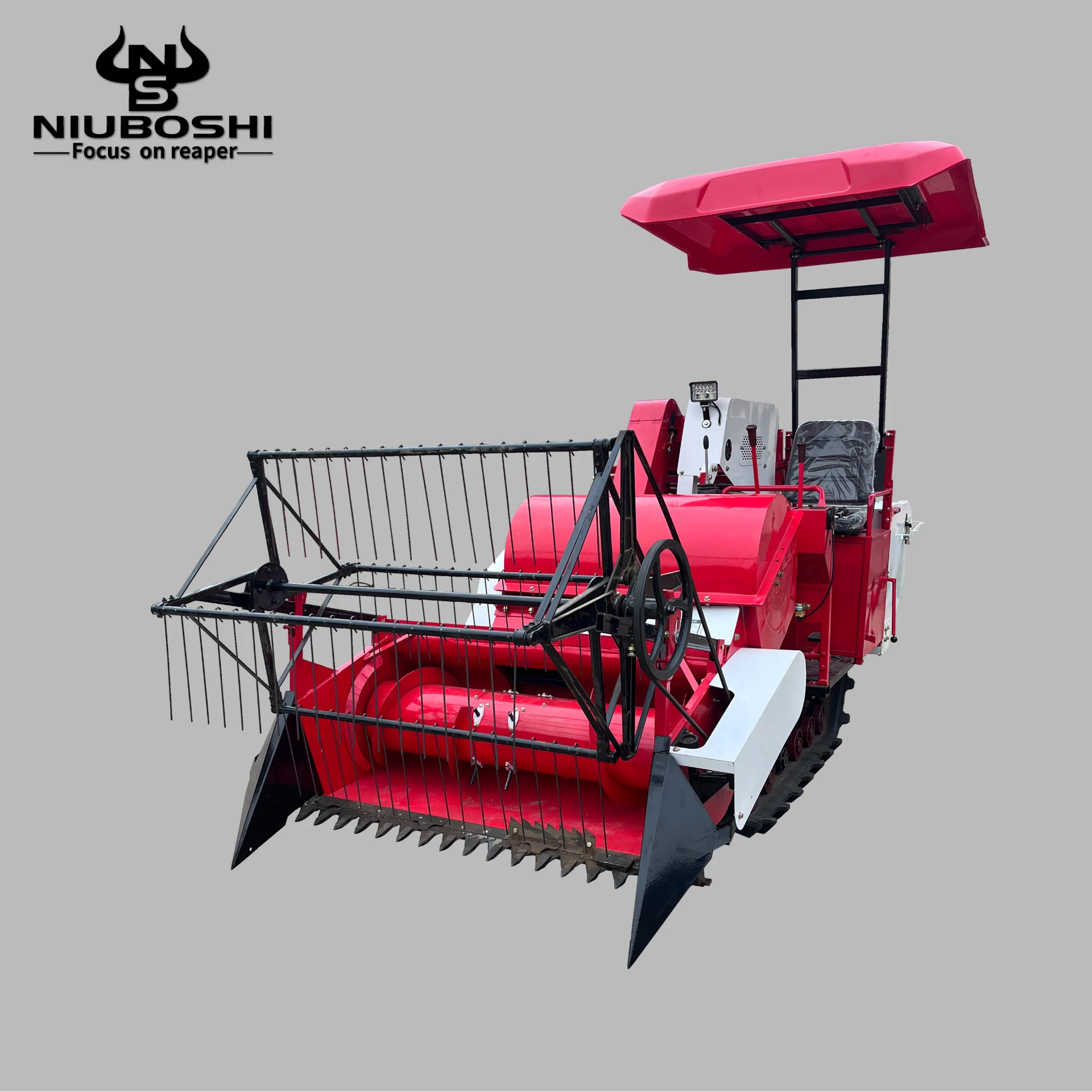
These machines, typically designed to be lightweight yet robust, bridge the gap between traditional, bulky combines and smaller-scale tractors. The idea is simple: combine the ability to harvest efficiently with the maneuverability of a mini tractor. And frankly, this is not just a theoretical exercise; I’ve seen farmers switch over from renting large combines to investing in these mini units. It's about cost-efficiency, ease of maintenance, and versatility all rolled into one.
Now, the design of these mini combines is worth highlighting. Most come with a well-built steel frame, often powder-coated to withstand the harshest of conditions without rusting — which is crucial, you know, because these creatures take a beating in the wet fields or dusty plains. The engine options typically range from 25 to 45 horsepower, enough to handle grains like wheat, rice, soybeans, and even some legumes without breaking a sweat.
I remember talking to a smallholder in the Midwest who was initially skeptical about switching to such a compact harvester. After a season, though, he told me it changed how he approached his cropping strategy. “It feels like I have a partner that’s as agile as I am on this land,” he said. No doubt, it speaks volumes about how impactful these machines can be.
Here’s a quick look at what a typical mini harvester tractor combine might offer:
| Specification | Typical Value |
|---|---|
| Engine Power | 25-45 HP Diesel |
| Weight | 800 - 1200 kg |
| Harvesting Width | 1.2 - 1.8 meters |
| Fuel Tank Capacity | 30 - 50 liters |
| Threshing System | Cylinder and Concave |
| Cargo Capacity | 300 - 600 kg |
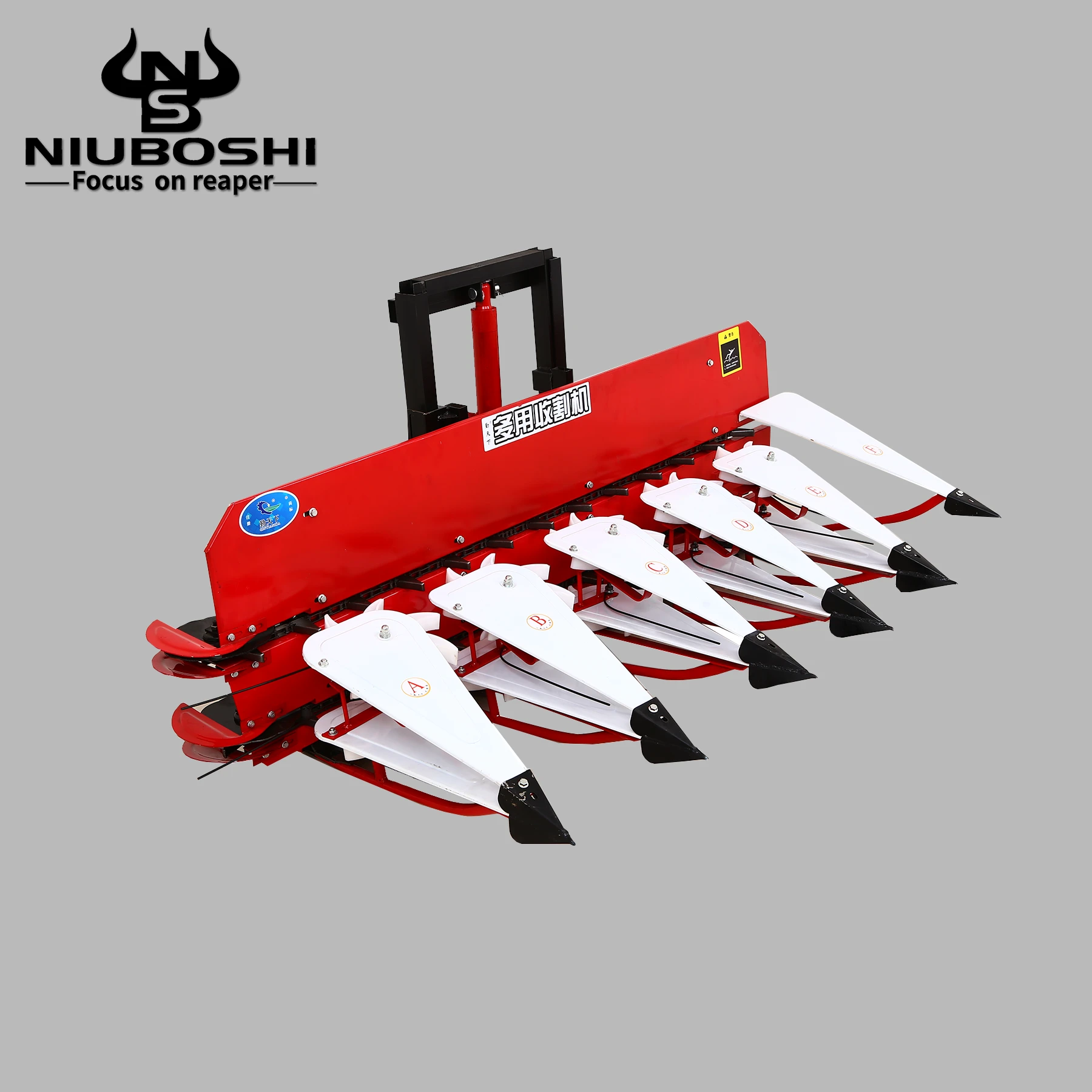
One thing I’ve always found interesting is the emphasis manufacturers put on customization. After all, nobody’s land is exactly alike. These mini combines often allow easy adjustments to the cutting height, threshing tension, and even the grain cleaning system. That flexibility is literally what turns a simple tractor into a true field companion.
Oddly enough, despite the compact format, many of these units boast quite advanced testing and quality certifications — ISO, CE, and sometimes even emissions compliances that must be met. That reassures you that, although smaller, the machines are rugged and built for the long haul. Reliability in farming equipment is not optional, after all.
To give you a broader snapshot, here's a vendor comparison covering popular mini harvester tractor combine options on the market today:
| Vendor | Engine Power (HP) | Harvest Width (m) | Weight (kg) | Estimated Price (USD) |
|---|---|---|---|---|
| HB Niuboshi | 30-40 | 1.5 | 950 | 6,500 - 7,500 |
| AgriMini | 25-35 | 1.2 | 900 | 5,800 - 6,700 |
| FarmTech Lite | 35-45 | 1.7 | 1,100 | 7,200 - 8,000 |
The truth is, in real terms, the choice boils down to your land size, crop type, and budget. I've witnessed many farmers choose the HB Niuboshi models because of their balance between power and portability. Plus, the after-sales technical support often makes a noticeable difference in the long run.
Final thoughts? If you’re starting small or managing challenging plots, investing in a mini harvester tractor combine might just be the upgrade your workflow deserves. Compact, efficient, and surprisingly powerful — these machines help you wrap up harvests faster without the fuss and gigantic footprint of larger equipment.
And honestly, after all these years, seeing how much a smaller machine can accomplish still amazes me.
References:
- Farm Industry Reports, 2023, “Trends in Compact Agricultural Machinery”
- HB Niuboshi Official Product Documentation, 2024
- Personal Interviews with Regional Farmers, 2022-2023
Latest news
-
Maximize Harvest Efficiency with the Agro Reaper Binder MachineNewsApr.16,2026
-
Boost Harvest Efficiency with the Best Agriculture Reaper MachineNewsApr.09,2026
-
Revolutionizing Agriculture with the Efficient Agriculture Power ReaperNewsApr.07,2026
-
Comprehensive Guide to the 4 Wheel Reaper Binder for Efficient HarvestingNewsApr.04,2026
-
Comprehensive Guide to Reaperbinder Technology for Efficient Hay and Crop HarvestingNewsMar.31,2026
-
Mastering the Art of Reaper Cutting for Enhanced Agricultural EfficiencyNewsMar.28,2026