Comprehensive Guide to Mini Harvester Tractors: Features, Benefits, and Global Impact
Understanding the Mini Harvester Tractor and Its Global Impact
The mini harvester tractor might not be a term everyone tosses around daily, yet it’s a quietly revolutionary piece of agricultural technology. Globally, with the world population edging towards 8 billion, mechanization in farming increasingly underpins food security. These compact machines do more than just till soil; they are catalysts in enhancing efficiency, reducing labor demands, and addressing unique environmental constraints. Whether in sprawling fields or terraced hillsides, grasping the nuances of mini harvester tractors means understanding a vital tool shaping modern agriculture’s future.
Global Context: Why Mini Harvester Tractors Matter
Around 40% of the world’s population relies on agriculture for livelihood, according to the Food and Agriculture Organization (FAO). Yet small and marginal farmers face persistent challenges — limited access to large machinery, labor shortages, and increasing costs. This is exactly where the mini harvester tractor enters the scene. Compact, versatile, and affordable, these machines help bridge the gap between traditional manual labor and high-tech mechanization.
Intriguingly, in countries with fragmented landholdings, such as India or parts of Southeast Asia, they make mechanized farming accessible, improving harvest times and crop yields without the footprint or expense of full-sized harvesters. As the UN has emphasized in multiple reports, boosting agricultural productivity sustainably is essential to meet the food security demands of a growing population while tackling climate change. Hence, mini harvester tractors are a practical and scalable response to pressing global agricultural challenges.
What Is a Mini Harvester Tractor?
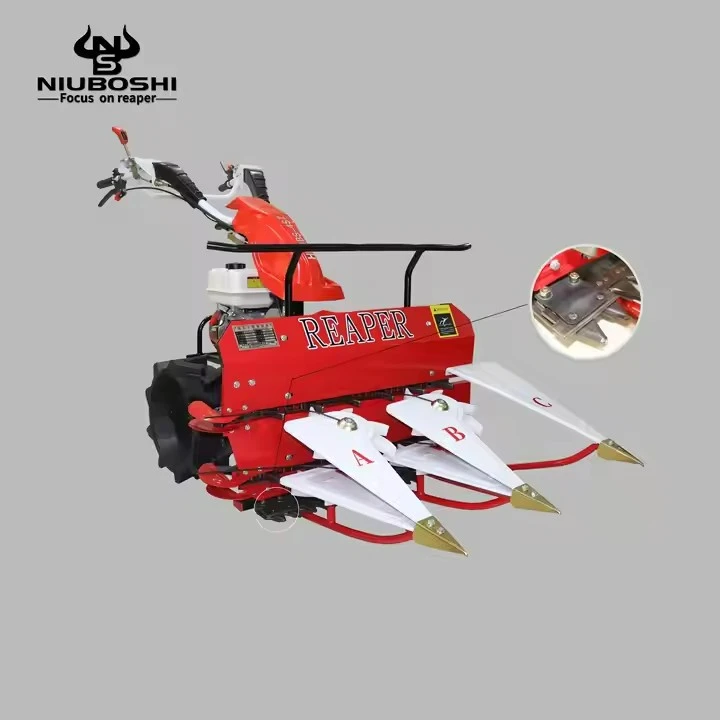
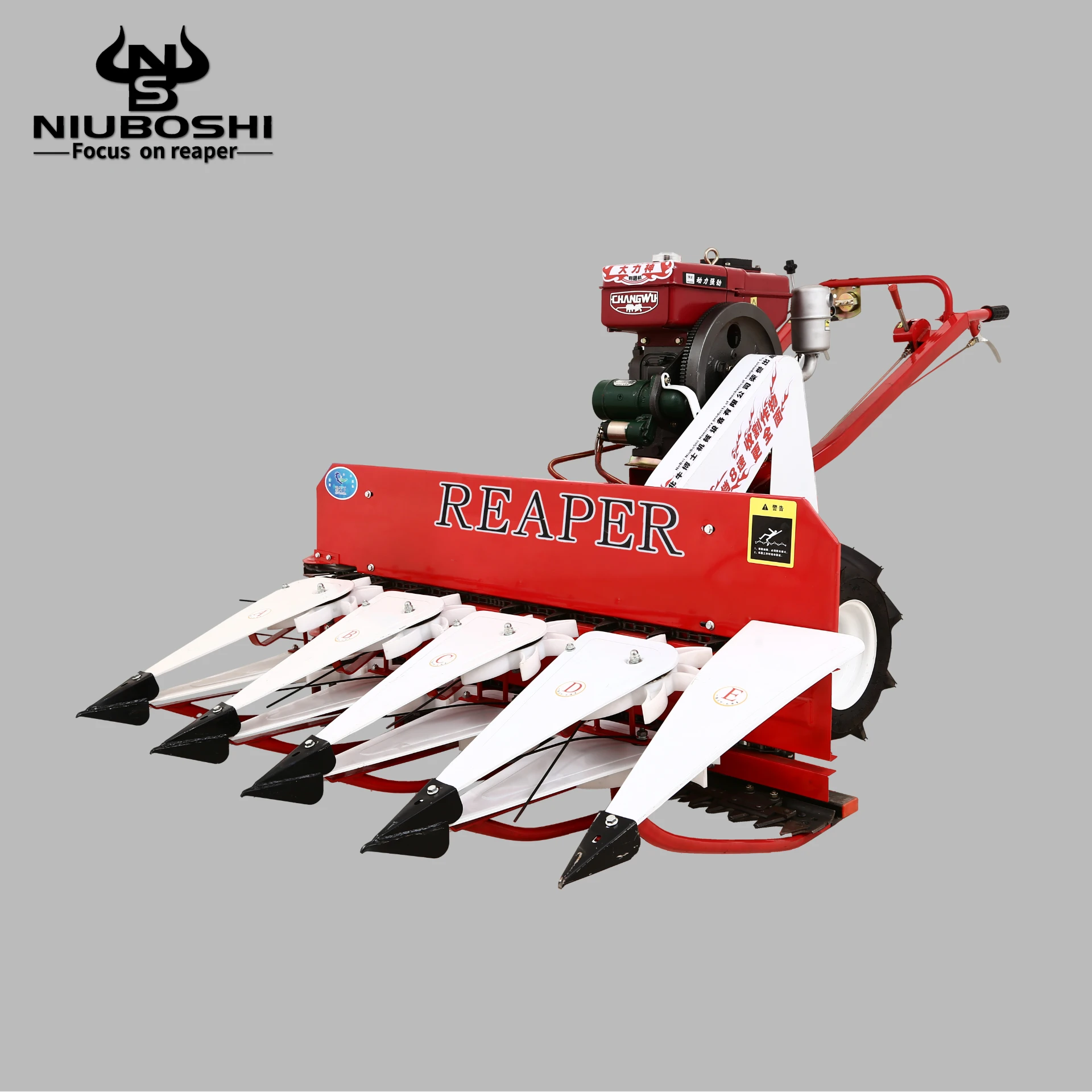
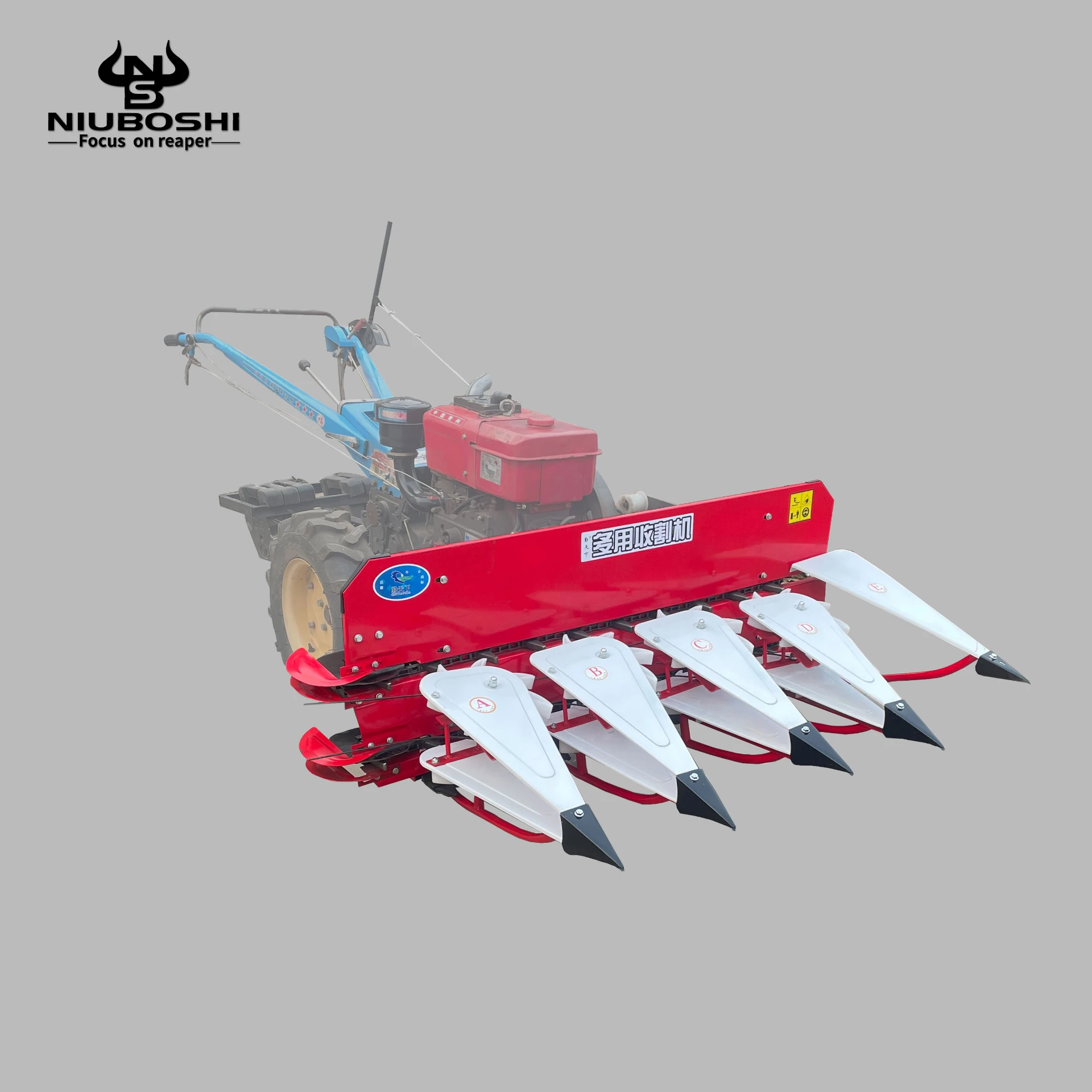
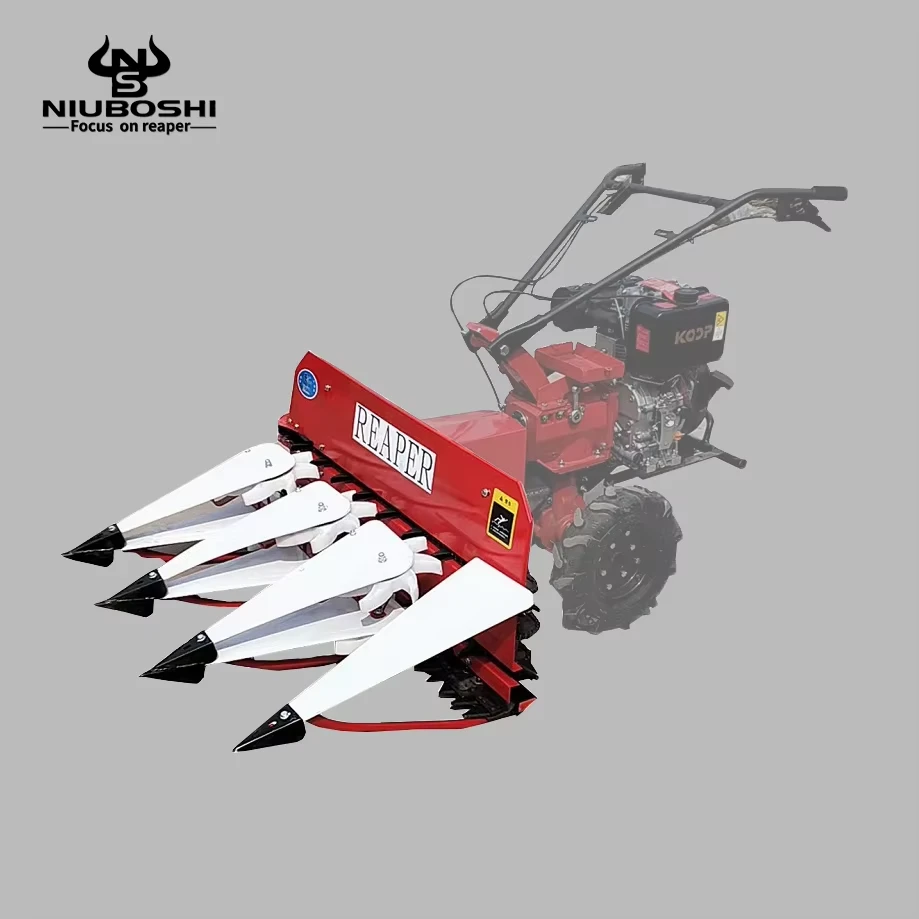
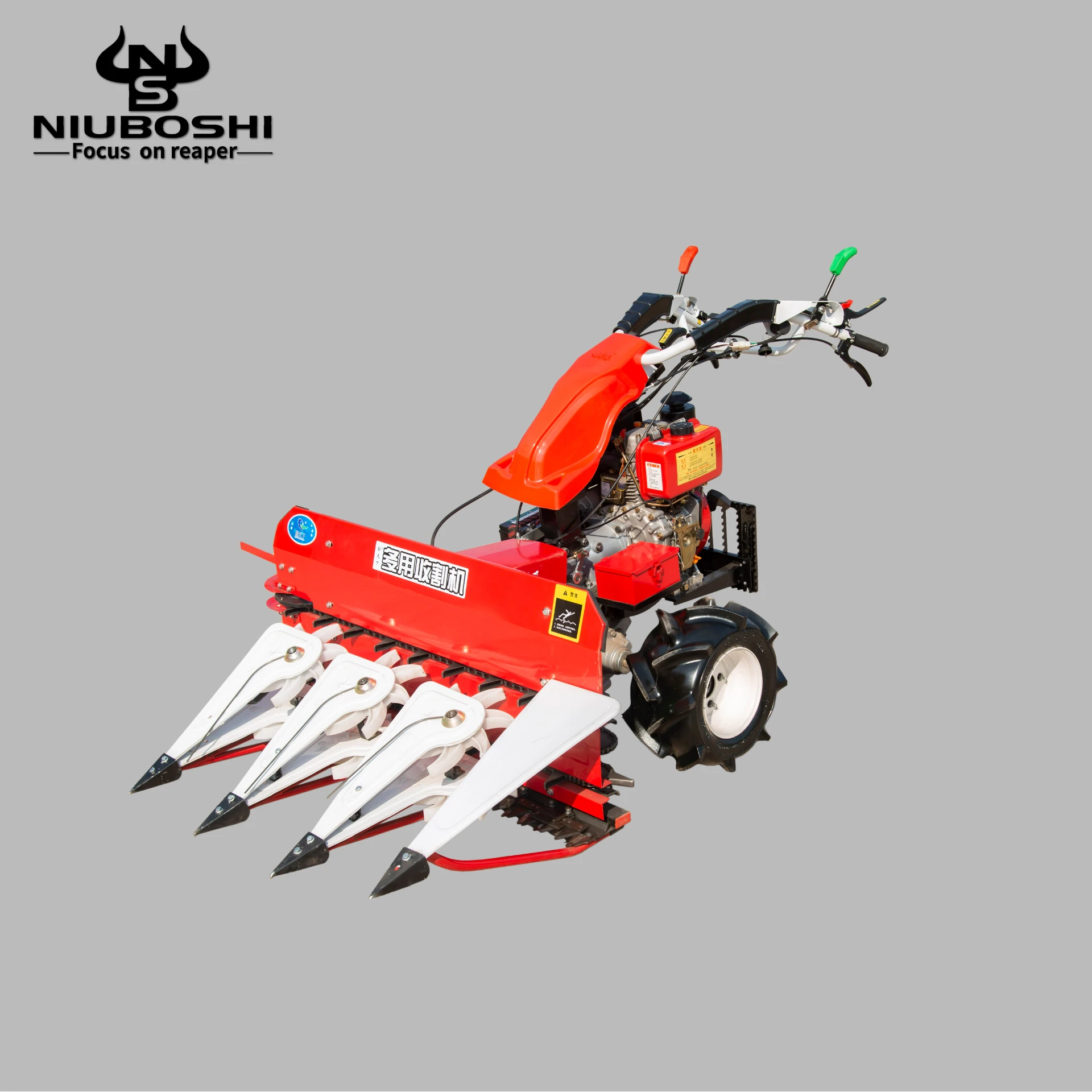
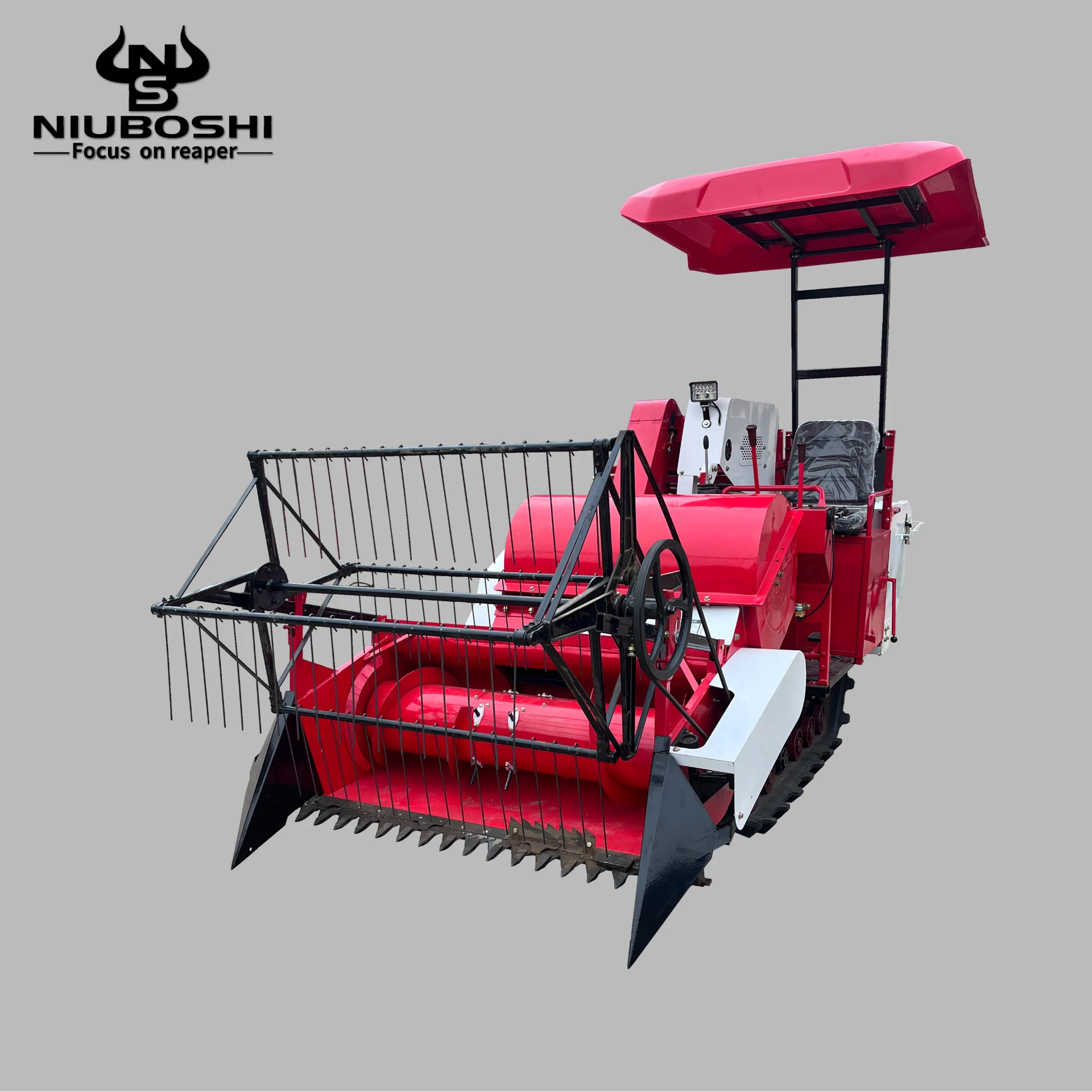
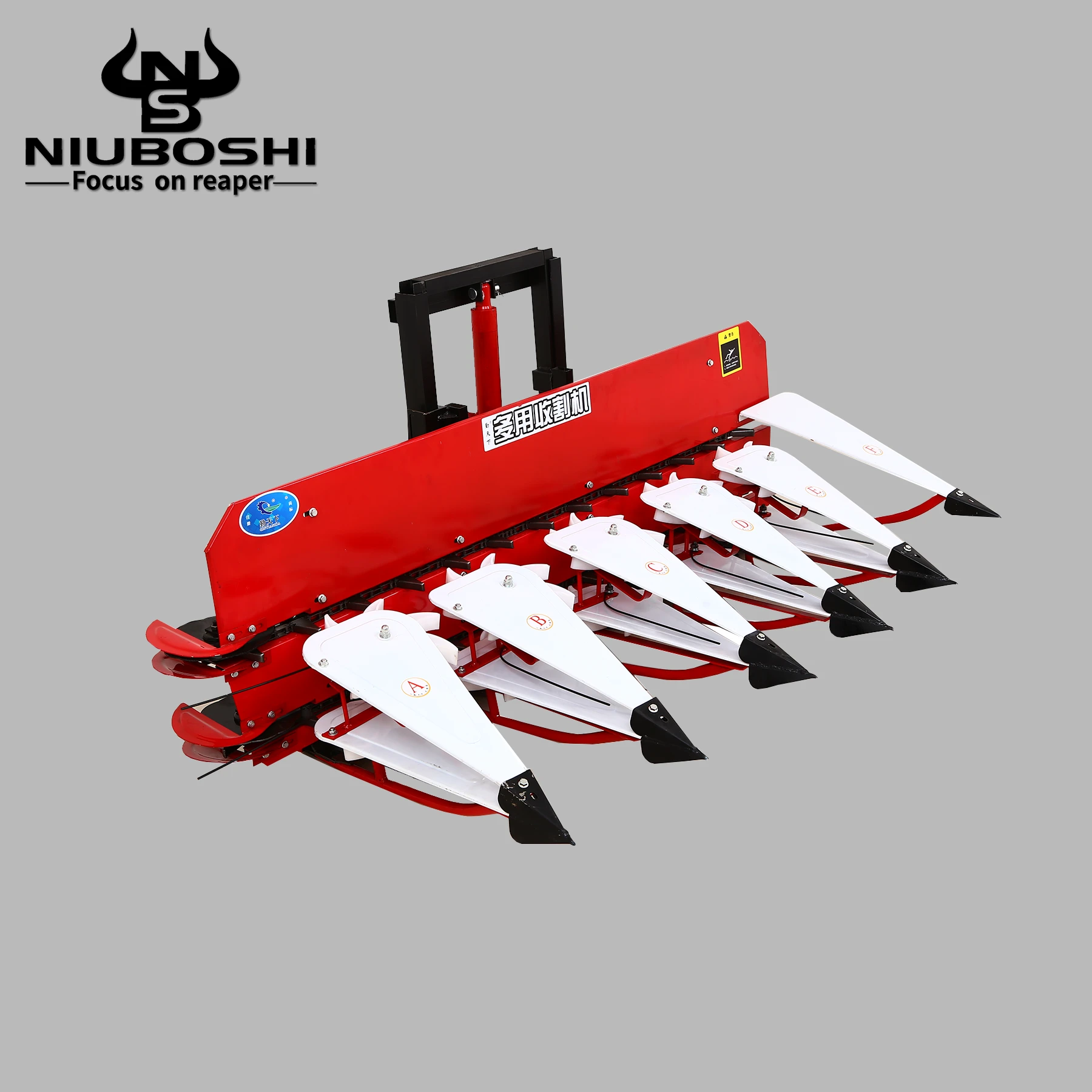
Simply put, a mini harvester tractor is a smaller, lighter version of the classical harvester vehicle designed specifically to optimize crop harvesting processes. While traditional harvesters can be bulky and resource-intensive, mini harvesters are engineered for maneuverability on small farms, hilly terrain, or fields with restricted access.
These machines combine multiple functionalities: harvesting, cutting, threshing, and sometimes even basic transportation — all within a compact frame. This not only speeds up farm work but also reduces manual labor intensity, linking strongly to modern agricultural efficiency goals. In many instances, the mini harvester contributes directly to humanitarian needs by enabling farmers to reliably harvest their crops during short seasons or critical weather windows.
Core Components and Key Factors of Mini Harvester Tractors
1. Durability and Build Quality
Mini harvester tractors must endure tough environmental conditions and prolonged use. Manufacturers focus on robust materials and reinforced components to ensure longevity, especially in regions with rough terrain or unpredictable weather. It’s not uncommon for these compact machines to be the hard-working heart of farms, season after season.
2. Scalability and Versatility
One of the great advantages is the ability of mini harvesters to adapt to various crop types and sizes of land. From rice paddies to maize fields, the right adjustments make these machines versatile tools for multiple harvest cycles, extending their utility beyond a single crop.
3. Cost Efficiency
Compared to full-sized harvesters, mini versions are far more affordable to purchase and maintain. Their lower fuel consumption and reduced spare parts cost make them appealing investments, especially for smallholder farmers and cooperatives.
4. Ease of Operation
Many mini harvester tractors come with simplified controls, requiring less technical skill and training. This democratizes farming tech, allowing more people to embrace mechanization without steep learning curves.
5. Environmental Impact
Thanks to their smaller engines and reduced fuel consumption, these tractors are slowly contributing to lowering carbon emissions in agriculture. Some vendors are even experimenting with hybrid or electric models, a nod toward sustainability and regulatory compliance.
Mini Harvester Tractor Product Specification Table
| Feature | Specification |
|---|---|
| Engine Power | 20-40 HP |
| Operating Weight | 800-1500 kg |
| Cutting Width | 1.2 - 1.8 meters |
| Fuel Type | Diesel / Hybrid options |
| Terrain Compatibility | Flat and hilly terrain |
| Operator Required | 1 person |
Global Applications and Use Cases
Mini harvester tractors have found their niche all over the world. In Asia, countries like Vietnam and Bangladesh deploy these machines extensively for rice harvesting, where fields are small and waterlogged. Sub-Saharan Africa benefits from these tractors to improve maize and sorghum harvests, aiding food security and mechanization efforts supported by organizations like the FAO.
In Latin America, smallholder farmers use mini harvesters to navigate mountainous terrain impractical for larger equipment. Post-disaster relief agencies also report using mini harvester tractors to quickly restore cropping in devastated zones by speeding up replanting and harvesting efforts.
Oddly enough, even some European organic farms have embraced these machines since their compact size aligns well with sustainable farming methods, reducing soil compaction and fossil fuel consumption.
Vendor Comparison Table
| Vendor | Engine Type | Starting Price (USD) | Warranty | Unique Feature |
|---|---|---|---|---|
| AgriTech Mini | Diesel | $7,500 | 2 years | Modular attachments |
| CropEase | Hybrid | $9,200 | 3 years | Electric-assisted drive |
| FarmMaster | Diesel | $6,800 | 1.5 years | Lightweight frame |
Advantages and Long-Term Value
- Cost Savings: Less investment upfront and lower operating costs than full-sized machines.
- Increased Productivity: Faster harvests mean less crop loss and more reliable food supply.
- Sustainability: Reduced fuel use and soil disturbance support eco-friendly farming.
- Empowerment: Smallholder farmers can access mechanization without depending heavily on external rental or labor markets.
- Safety and Comfort: Easier operation reduces worker strain and risk.
Overall, mini harvester tractors improve resilience for farming communities, which is critical in the face of climate unpredictability. They promote dignity through empowering farmers with technology, not replacing them — an important emotional and ethical dimension.
Future Trends and Innovations
The mini harvester tractor is evolving fast. With growing awareness of climate change, manufacturers are focusing on electric or hybrid engines to cut emissions. Precision agriculture is also creeping in, with GPS-enabled mini harvesters that optimize routes and reduce fuel consumption.
Moreover, integration of IoT (Internet of Things) sensors is making machine maintenance predictive rather than reactive, saving costs and downtime. Policy-wise, governments and NGOs increasingly subsidize such eco-conscious mechanization, bridging tech access gaps.
Challenges and Practical Solutions
Not everything’s perfect. Mini harvester tractors sometimes struggle in extremely rugged or waterlogged fields. Maintenance can be challenging in remote areas without reliable service networks, and upfront costs remain a barrier despite their “mini” size.
Experts advocate better training programs, local assembly lines to reduce costs, and modular designs allowing easier repairs. Collaborations between manufacturers and local communities enhance customization and acceptance.
Frequently Asked Questions About Mini Harvester Tractors
- Q1: How does a mini harvester tractor differ from a traditional harvester?
- A1: Mini harvesters are smaller, lighter, and more maneuverable, designed primarily for small-scale farms or difficult terrains where full-sized machines can’t operate effectively.
- Q2: Are mini harvester tractors suitable for all crop types?
- A2: While they’re versatile, mini harvesters work best with grains like rice, wheat, and maize. Some models are adaptable to other crops with the right attachments.
- Q3: What is the typical lifespan of a mini harvester tractor?
- A3: With proper maintenance, these tractors can last 8-12 years, depending on use intensity and environmental conditions.
- Q4: How do I choose the best mini harvester tractor for my farm?
- A4: Consider your terrain, crop types, budget, and dealer support. Visiting mini harvester tractor vendors can provide tailored advice and test drives.
- Q5: Are there financing options available for purchasing these machines?
- A5: Many regions offer governmental subsidies or micro-loans supporting agricultural machinery purchases; it’s worth checking with local agricultural agencies.
Conclusion
In the end, embracing the mini harvester tractor is about more than just upgrading machinery. It’s a stride toward sustainable, inclusive, and efficient agriculture. These compact powerhouses open doors for smallholder farmers globally to increase yields, reduce drudgery, and adapt to evolving challenges. If you’re curious to explore options or see how such mechanization could transform your farming operations, don’t hesitate to visit us at https://www.hbniuboshi.com. Your farm’s future might just be a mini step away.
Mini takeaway: A mini harvester tractor may be small, but its outsized impact in improving agricultural efficiency and sustainability is undeniably significant.
References
Latest news
-
Maximize Harvest Efficiency with the Agro Reaper Binder MachineNewsApr.16,2026
-
Boost Harvest Efficiency with the Best Agriculture Reaper MachineNewsApr.09,2026
-
Revolutionizing Agriculture with the Efficient Agriculture Power ReaperNewsApr.07,2026
-
Comprehensive Guide to the 4 Wheel Reaper Binder for Efficient HarvestingNewsApr.04,2026
-
Comprehensive Guide to Reaperbinder Technology for Efficient Hay and Crop HarvestingNewsMar.31,2026
-
Mastering the Art of Reaper Cutting for Enhanced Agricultural EfficiencyNewsMar.28,2026