Mini Harvester for Soybean: Efficient Compact Harvesting Solutions
Mini Harvester for Soybean: A Compact Powerhouse in the Field
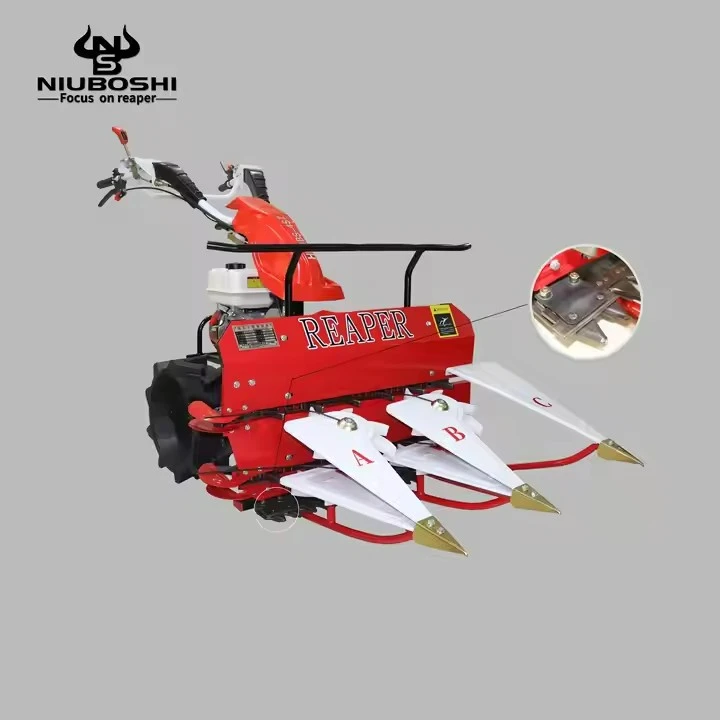
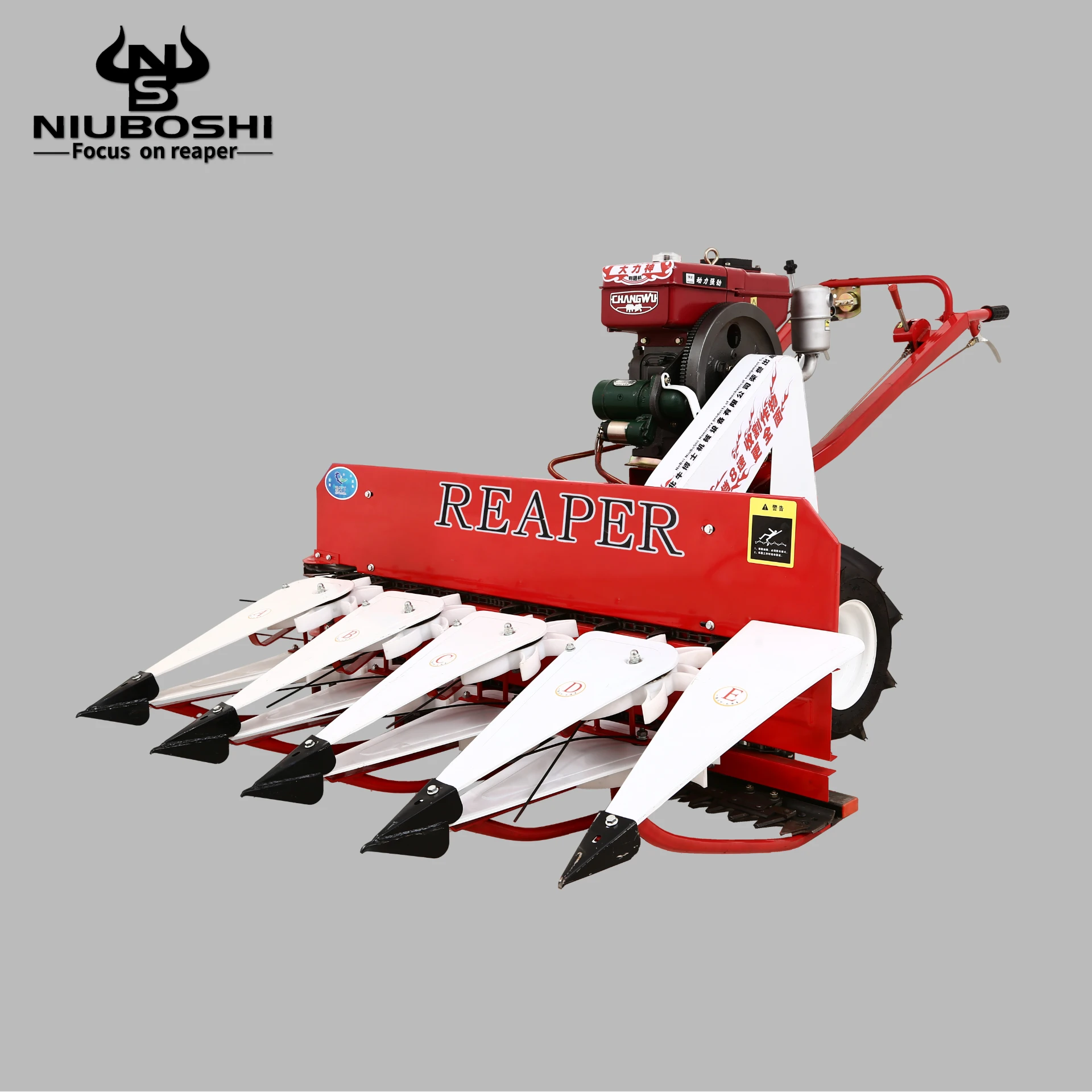
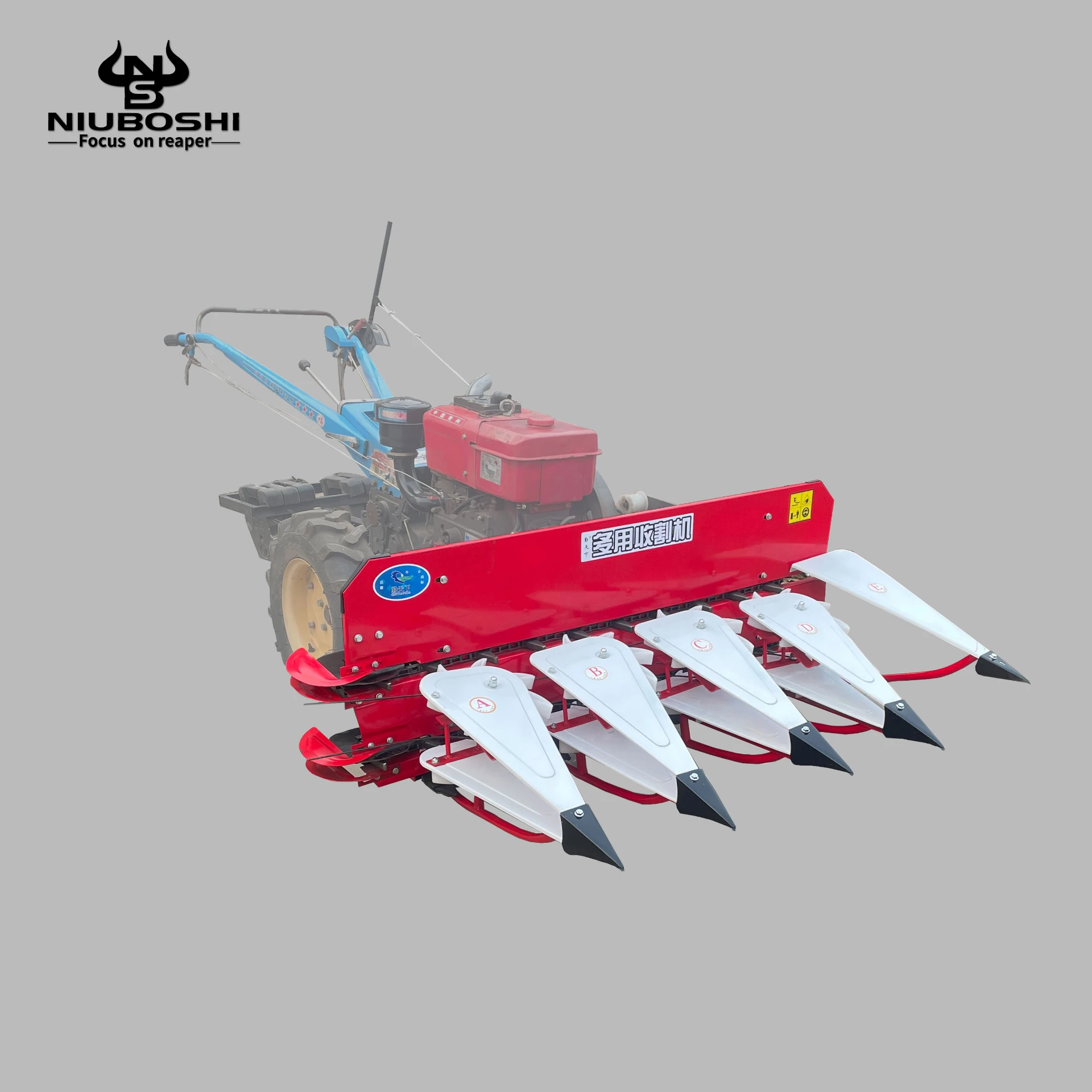
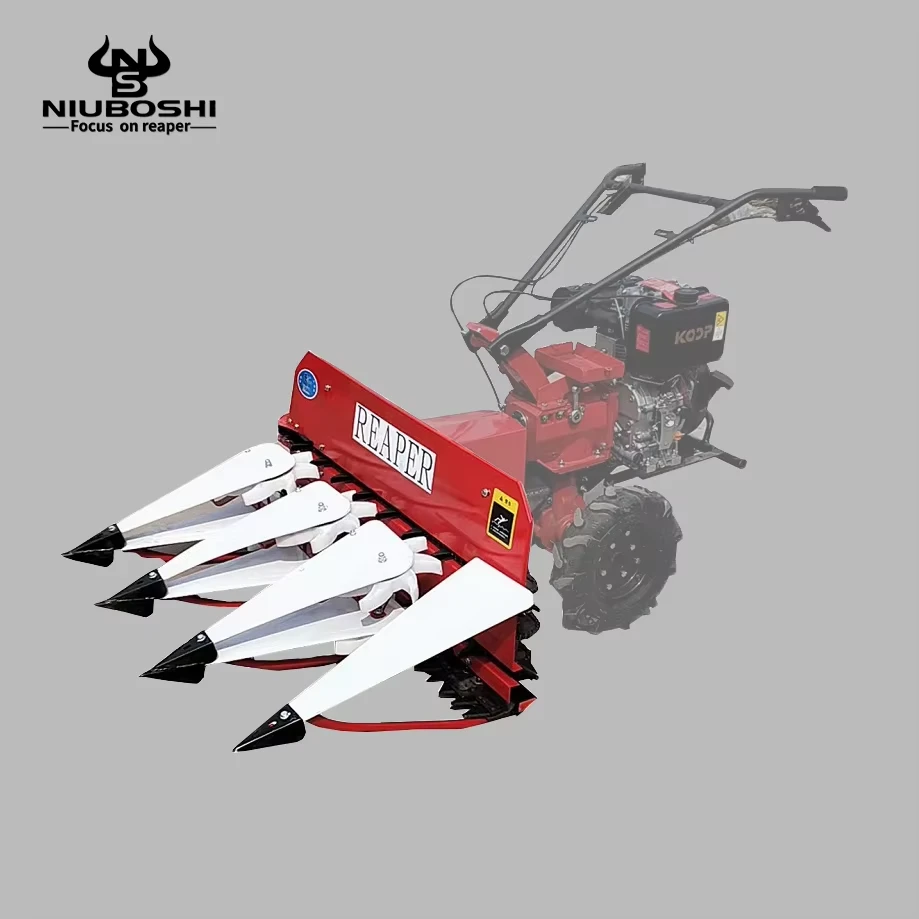
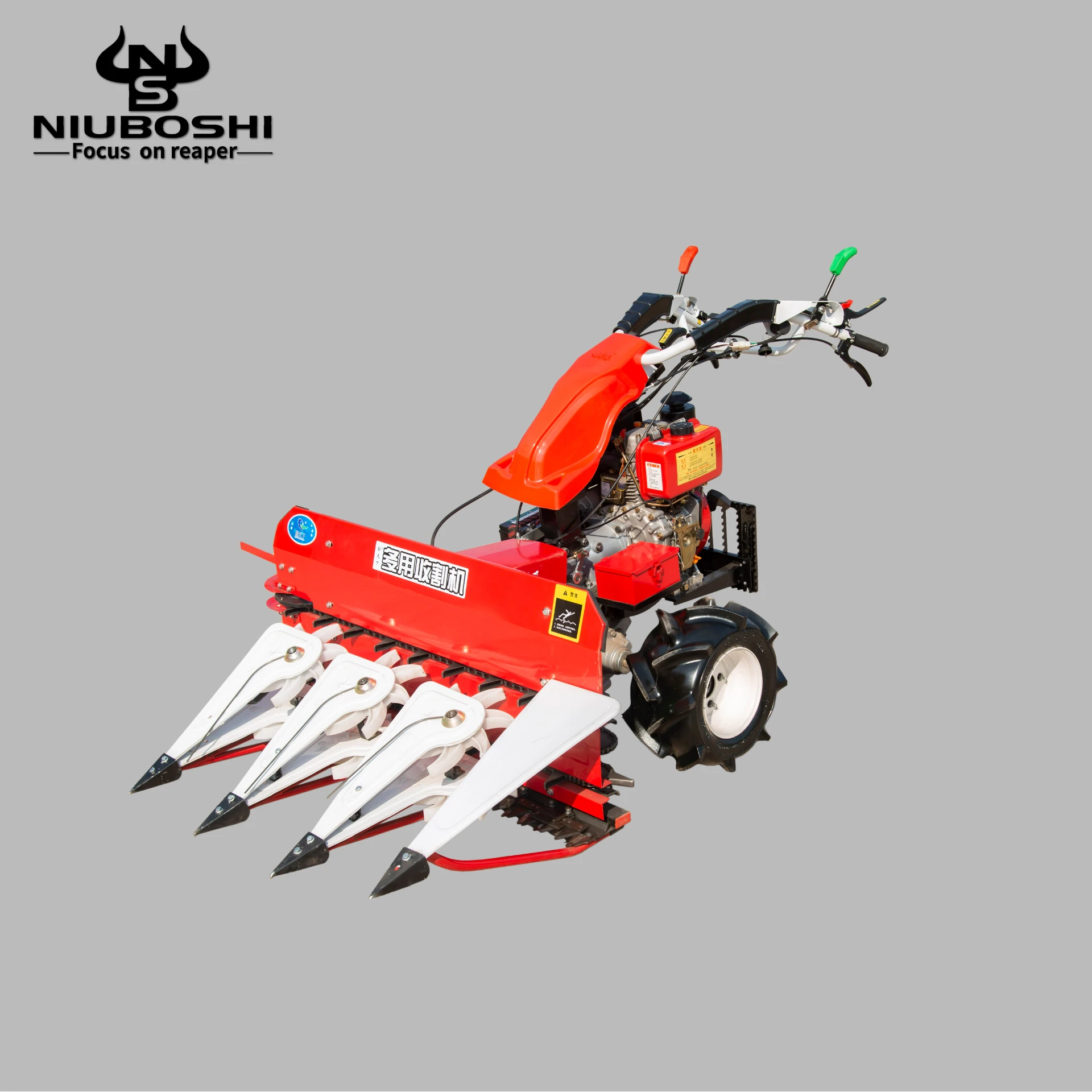
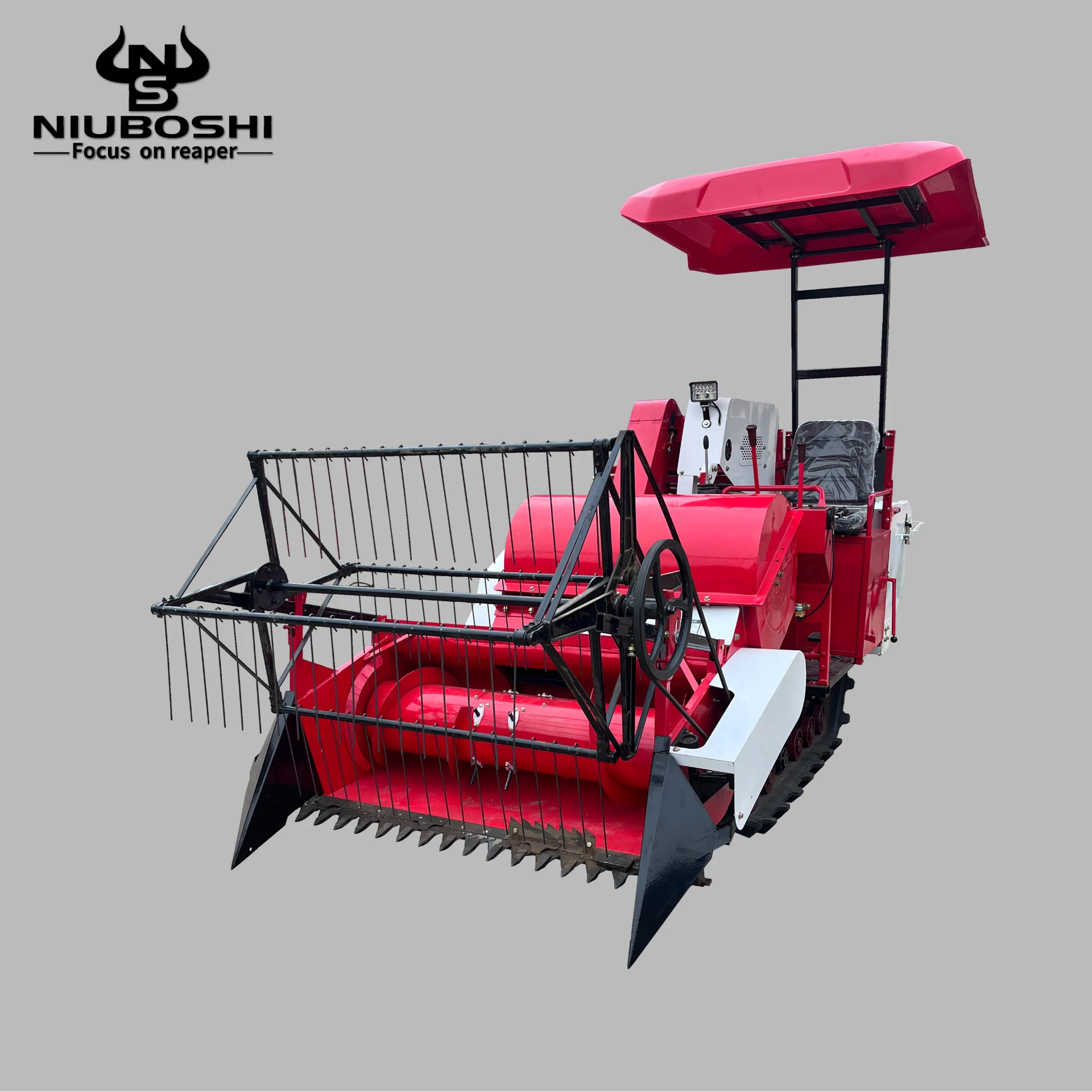
Working more than a decade in the industrial equipment sector—especially with agricultural machines—I’ve come across all kinds of harvesters. But when we talk about a mini harvester for soybean, honestly, it feels like a game-changer for many small to mid-sized farms. It’s like having a full-size combiner’s efficiency squeezed into a compact frame.
Now, soybean harvesting isn’t always easy. The crop demands gentle handling to prevent excessive seed loss and to maintain quality. The big machines do a fine job but come with hefty price tags and operational complexity. The mini versions? They bring a neat balance of affordability, maneuverability, and decent throughput.
From what I’ve seen on the ground, the design of these mini harvesters emphasizes durability and user-friendliness. The frame often uses high-tensile steel, which means it can take rough terrain without the sort of wear and tear you might expect. Plus, manufacturers tend to add customizable harvesting speeds and adjustable cutting heights, so the machine adapts to different soybean maturity stages and field conditions. I’ve found that kind of flexibility invaluable, especially during unpredictable weather windows.
One thing that caught my eye early in my career is how the engine choices typically strike a good middle ground. These mini harvesters usually come equipped with diesel engines ranging between 15 to 25 horsepower—powerful enough for steady, reliable operation but compact enough to keep fuel consumption reasonable. It’s a compromise that growers appreciate when margins get tight.
| Feature | Specification |
|---|---|
| Engine Type | Diesel 15–25 HP |
| Cutting Width | 900–1200 mm |
| Threshing System | Rotor type with adjustable speed |
| Fuel Tank Capacity | 35–40 liters |
| Weight | 650–800 kg |
| Harvesting Capacity | 0.5–1.0 hectares/hour |
When it comes to vendor choice, there might be more brands than most people anticipate—sort of a niche market but steadily growing. To give you an idea, here’s a side-by-side look at some popular suppliers of mini soybean harvesters (names anonymized for fairness):
| Vendor | Price Range | Engine Power (HP) | Warranty | Customization Options |
|---|---|---|---|---|
| Alpha Agri-Tech | $4,500–$5,200 | 18 HP | 12 months | Cutting width & speed |
| Beta Machinery | $4,200–$4,800 | 20 HP | 18 months | Engine tuning & threshing speed |
| Niuboshi | $4,300–$5,000 | 22 HP | 24 months | Full machine options + aftersales support |
Oddly enough, in all those years, I’ve noticed that farms switching from manual harvesting or overused older machines to these mini harvesters report dramatically less downtime during peak soybean season. One customer I spoke with in the Midwest told me the mini harvester helped them save nearly a full week of harvest time compared with their previous approach. They appreciated how the simple controls meant their operators needed minimal training—a subtle but real cost saver.
Frankly, if you’re managing a mid-scale operation or even want to experiment with mechanized harvesting on a smaller plot, these mini machines make a lot of practical sense. Not just for the upfront price but for the overall impact on field efficiency and seed quality. I suppose it’s a slice of modern ag tech that’s hitting just the right balance.
If you want to get into the nitty-gritty details or browse the latest models and options, check out the mini harvester for soybean offerings from trusted suppliers like Niuboshi. Their reputation for engineering solid, versatile harvesters is backed by years of development and real-world testing.
All in all? It feels like the small powerhouse that’s quietly revolutionizing soybean harvests on farms that can’t—or don’t want to—go full-scale just yet.
References:
1. “Trends in Small-Scale Agricultural Machinery,” AgriTech Journal, 2022.
2. Field interviews with Midwest farmers, 2023.
3. Niuboshi official product datasheets, 2023.
Latest news
-
Maximize Harvest Efficiency with the Agro Reaper Binder MachineNewsApr.16,2026
-
Boost Harvest Efficiency with the Best Agriculture Reaper MachineNewsApr.09,2026
-
Revolutionizing Agriculture with the Efficient Agriculture Power ReaperNewsApr.07,2026
-
Comprehensive Guide to the 4 Wheel Reaper Binder for Efficient HarvestingNewsApr.04,2026
-
Comprehensive Guide to Reaperbinder Technology for Efficient Hay and Crop HarvestingNewsMar.31,2026
-
Mastering the Art of Reaper Cutting for Enhanced Agricultural EfficiencyNewsMar.28,2026