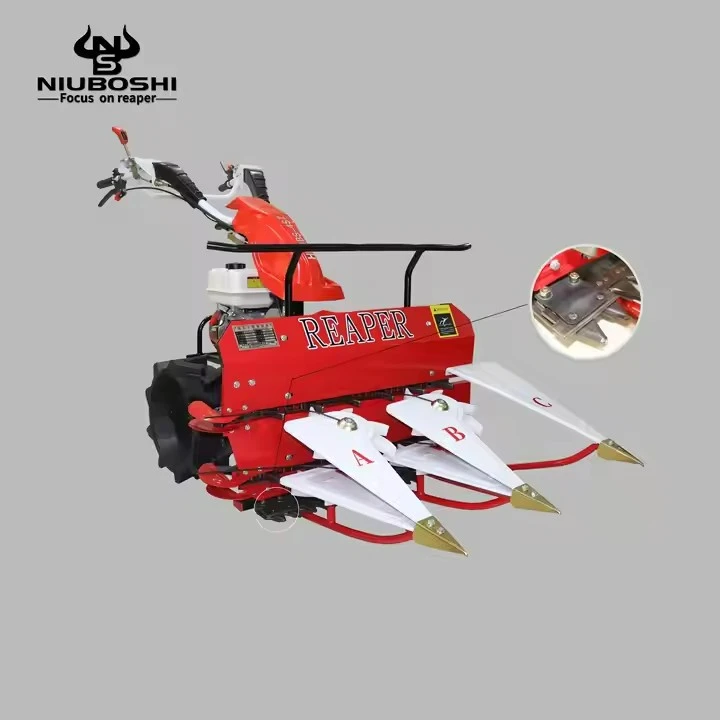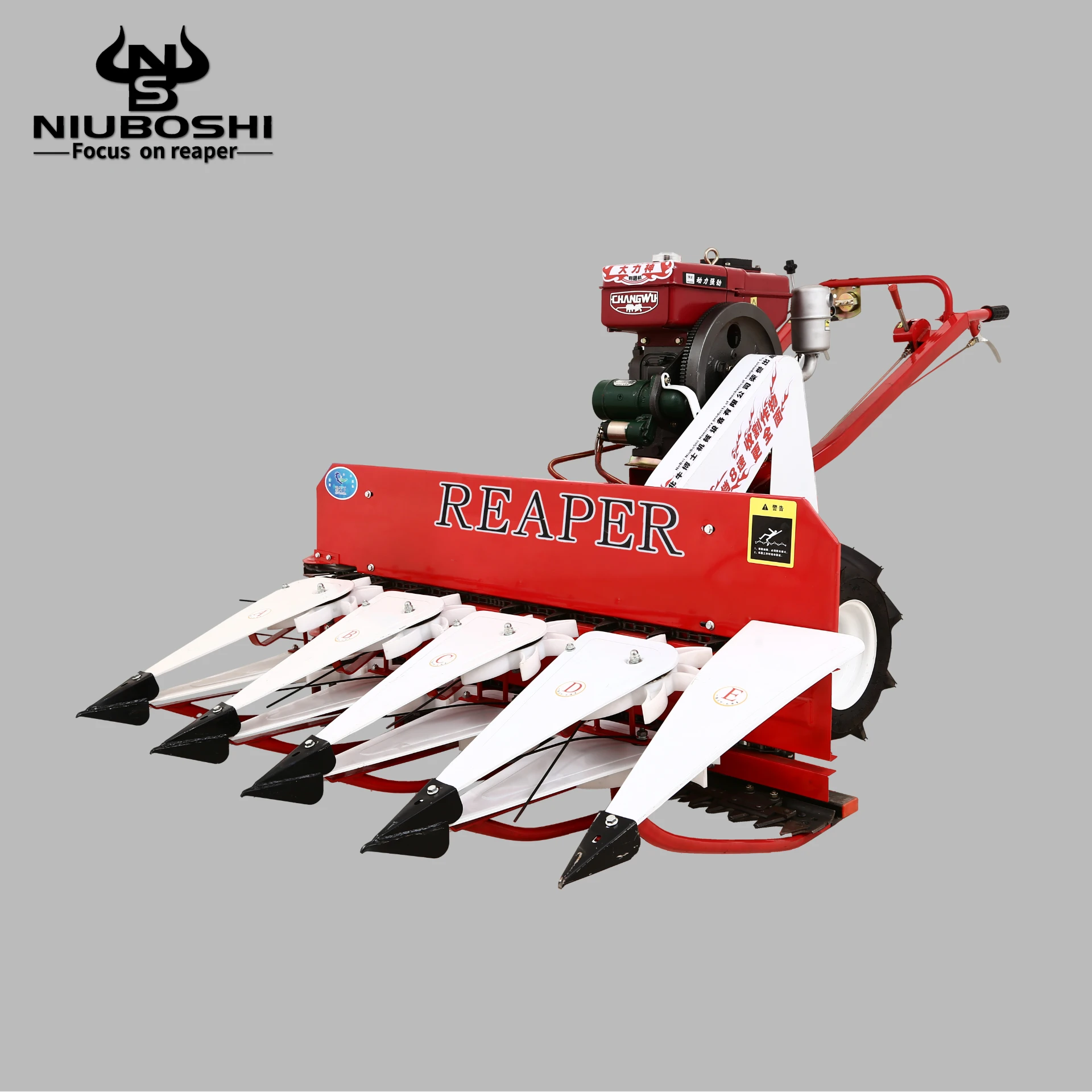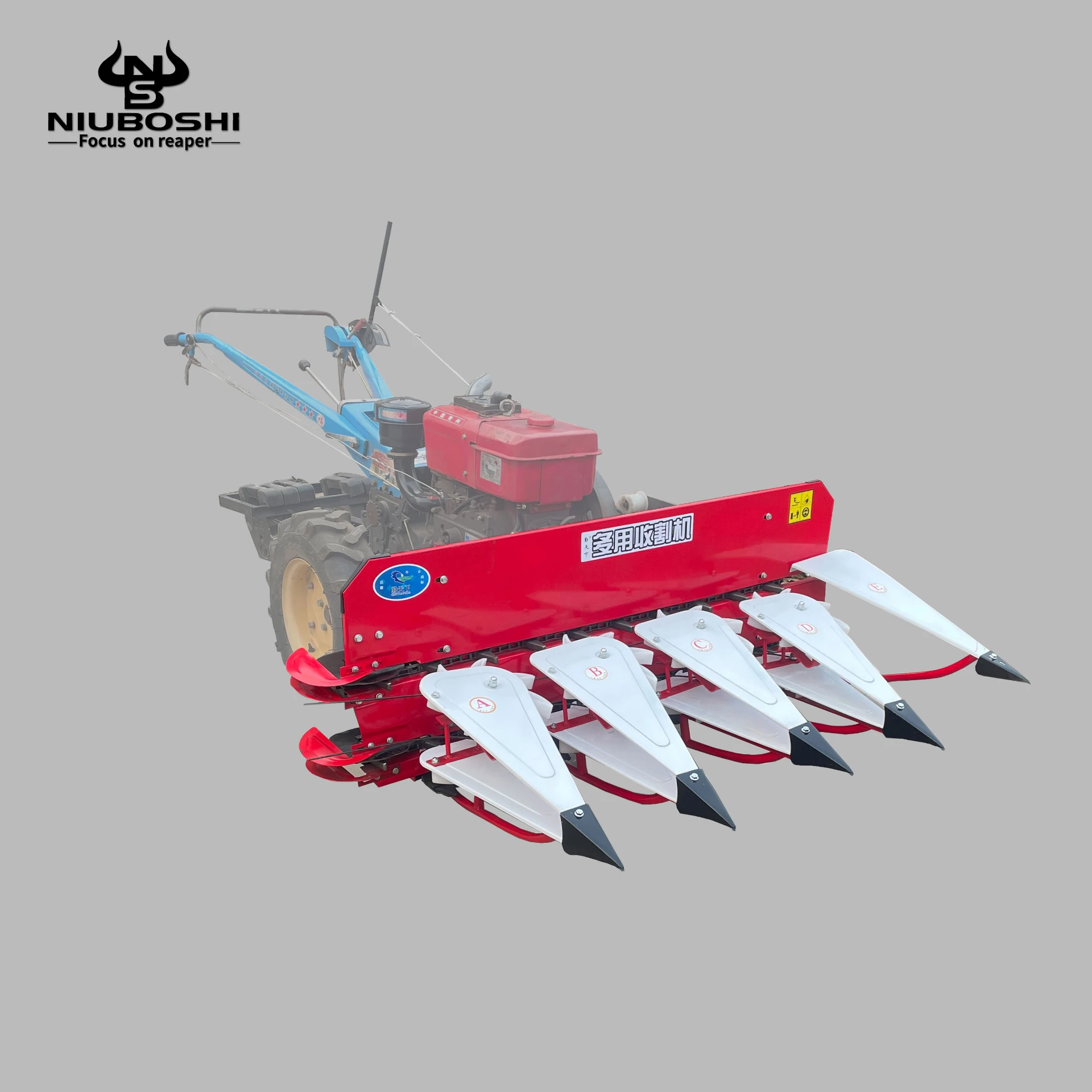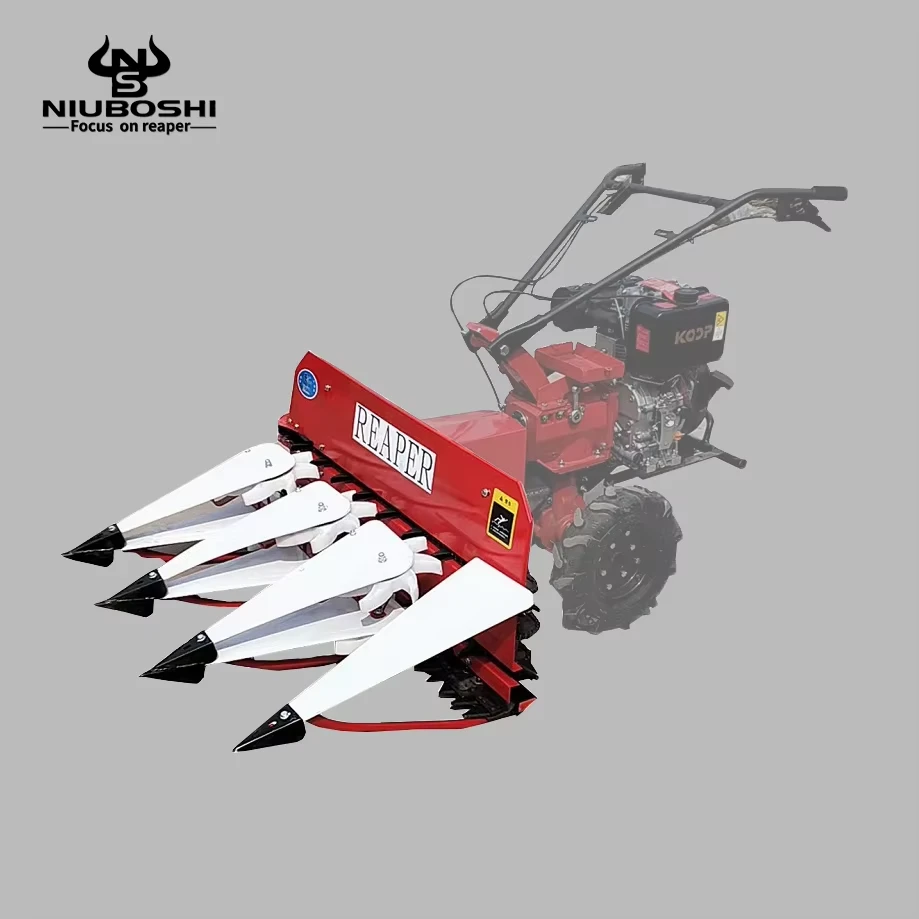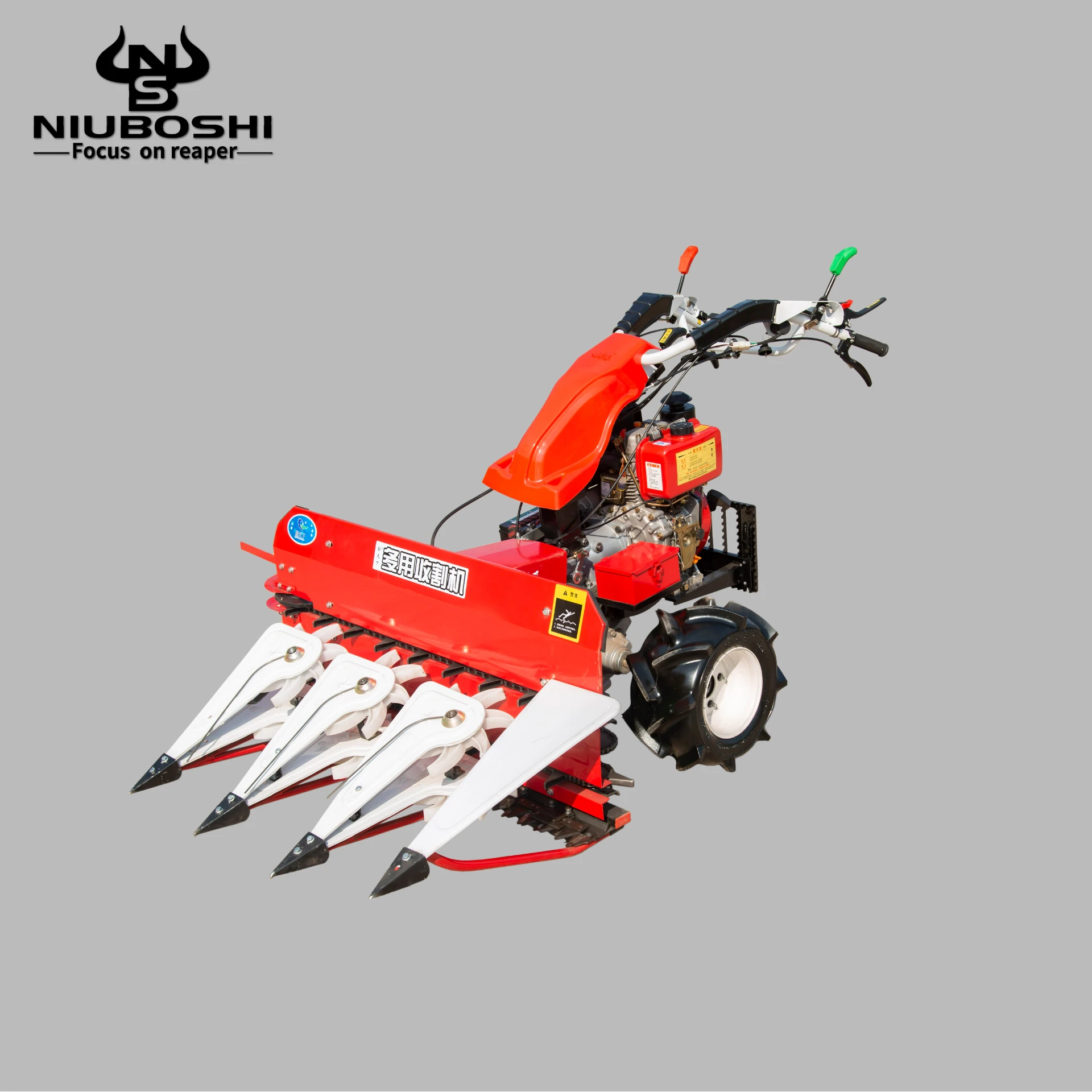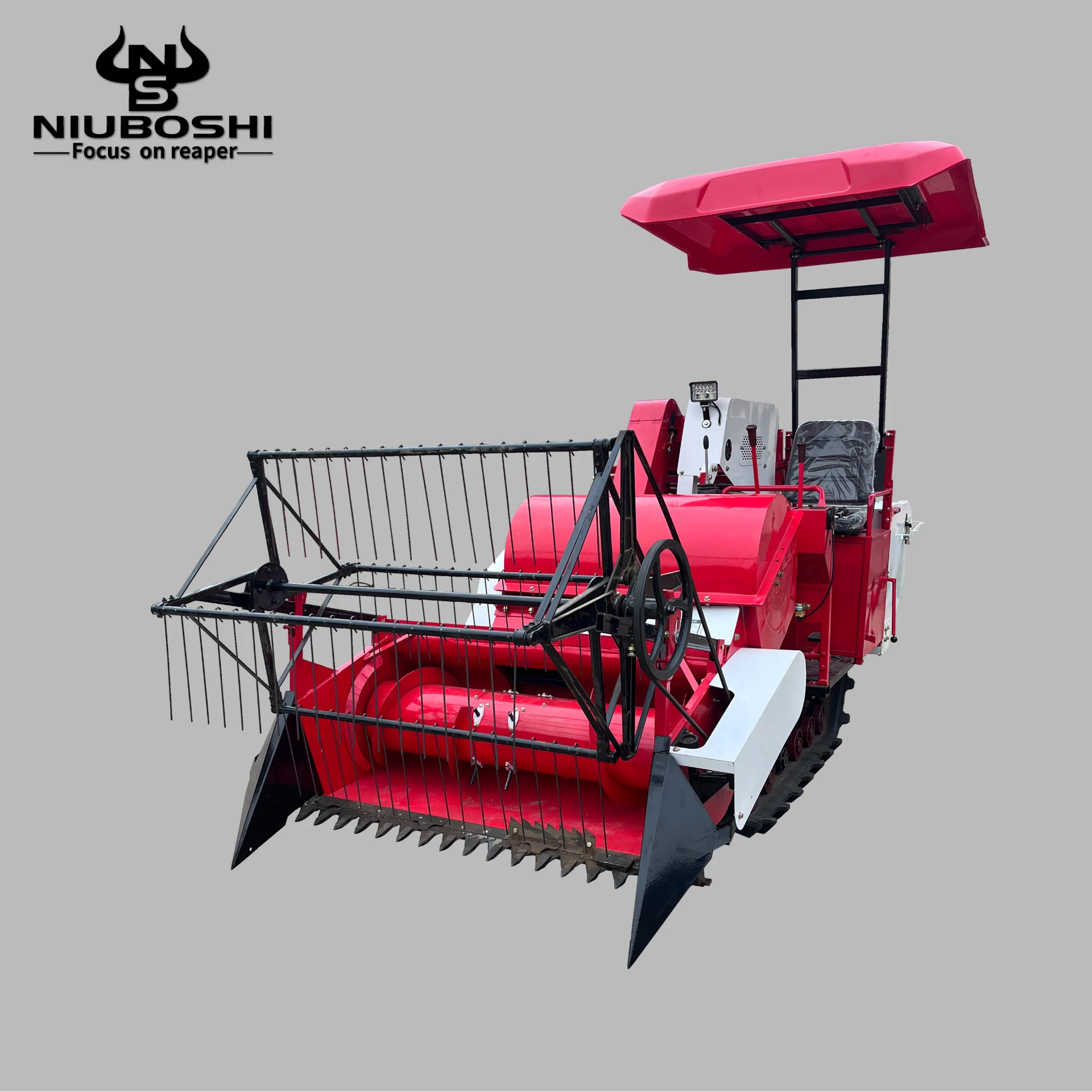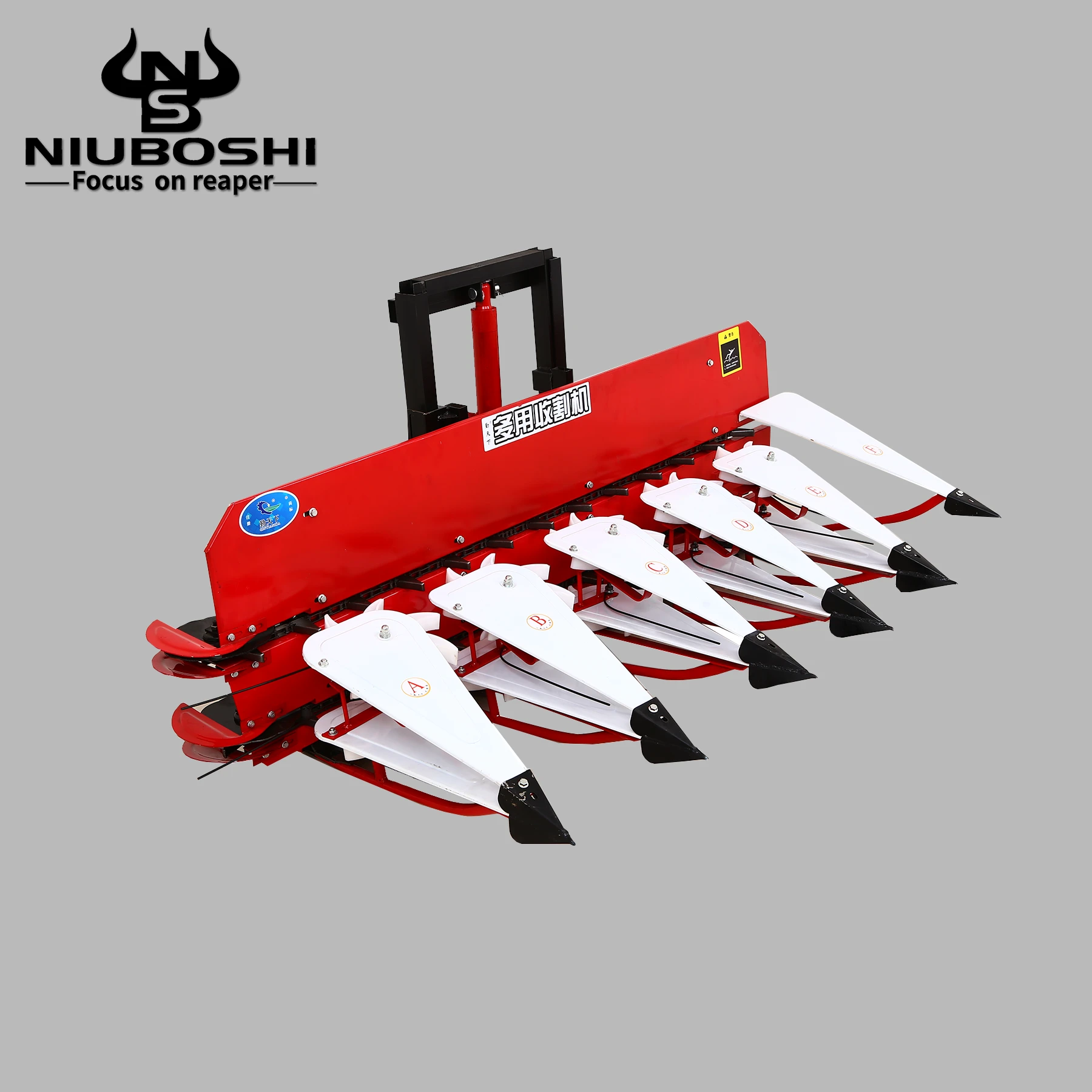
Mini Harvester Combine Machine – Compact & Efficient Agricultural Equipment
Mini Harvester Combine Machine: Compact Power on the Field
If you’ve worked in agriculture or industrial equipment like I have, you quickly realize that size isn’t everything — efficiency matters just as much. The mini harvester combine machine is a classic example. These compact giants pack surprisingly robust functionality, designed to tackle smaller fields or specialized crops where bigger machines would be overkill. I’ve seen them in action many times, and frankly, they often steal the show for those hard-to-manage plots.
Now, there’s a reason these mini harvesters caught on. For starters, their size means less soil compaction—a big deal if you care about maintaining soil health. The maneuverability is ideal for hilly or irregular terrain, where standard combines just can’t get the job done without significant setup. Oddly enough, despite being “mini,” these machines don’t skimp on power or sophistication.
One of the models I often recommend is from HBNiuboshi—they’ve crafted a machine that feels like it truly understands farmers’ needs. It’s built not just for rice and wheat but adaptable for a mix of crops depending on the attachments. The chassis is robust steel, paired with a high-performance engine that balances fuel economy and power output with surprising grace. Speaking with some engineers recently, many noted how these machines are easy to maintain in the field — an underrated feature that saves hours during peak harvest season.
| Specification | Detail |
|---|---|
| Engine Power | 35 HP Diesel Engine |
| Weight | 1200 Kg |
| Cutting Width | 1.2 Meters |
| Fuel Tank Capacity | 25 Liters |
| Grain Tank Capacity | 400 Kg |
| Turning Radius | 2.5 Meters |
Let me pause and mention a farmer I met last season up in the hilly parts of Yunnan province. He said the mini combine changed how he approaches his fields. “Before,” he told me, “I had to hire bigger contractors or do manual harvests, which are slow and expensive. But this machine saves me days and gives me a much cleaner cut.” These machines often come with customizable headers and threshers—a flexibility feature often overlooked but crucial for mixed-use farming.
Of course, no machine is perfect. These mini combines tend to have limited grain tank capacity compared to their larger cousins, meaning they require more frequent unloading. But frankly, when your fields aren’t massive, that’s a reasonable tradeoff for the increased agility and lower fuel consumption. Plus, HBNiuboshi offers excellent support and spare parts availability — an essential factor for anyone relying on uptime during the harvest rush.
| Vendor | Engine Power (HP) | Starting Price (USD) | Warranty | Spare Part Availability |
|---|---|---|---|---|
| HBNiuboshi | 35 | $7,200 | 2 Years | Excellent |
| GreenField Agro | 30 | $6,800 | 1.5 Years | Good |
| AgriMax Co. | 40 | $8,000 | 2 Years | Moderate |
In real terms, picking the right mini harvester combine machine boils down to your operation size, crops, and budget. If you lean towards a trusted, well-supported brand, HBNiuboshi strikes a neat balance. The machines are proven performers backed by solid testing and user feedback I found quite reassuring. It’s not just another “small harvester” — it’s something that can seriously change your day-to-day work on the field.
To wrap it up, these compact combines might look simple at first glance, but they represent a smart blend of engineering and practicality. If you’re managing smaller or challenging plots and haven’t considered a mini harvester yet, it’s worth a good look. As I’ve learned over the years, sometimes less really is more.
References:
1. Agricultural Machinery Reports – Industry Trends 2023
2. Interviews with Field Engineers – Private Collection
3. Manufacturer Specifications from HBNiuboshi Official Site
Latest news
-
Maximize Harvest Efficiency with the Agro Reaper Binder MachineNewsApr.16,2026
-
Boost Harvest Efficiency with the Best Agriculture Reaper MachineNewsApr.09,2026
-
Revolutionizing Agriculture with the Efficient Agriculture Power ReaperNewsApr.07,2026
-
Comprehensive Guide to the 4 Wheel Reaper Binder for Efficient HarvestingNewsApr.04,2026
-
Comprehensive Guide to Reaperbinder Technology for Efficient Hay and Crop HarvestingNewsMar.31,2026
-
Mastering the Art of Reaper Cutting for Enhanced Agricultural EfficiencyNewsMar.28,2026