Look, I’ve been running around construction sites all year, getting my hands dirty with materials and talking shop with the engineers. Honestly, the whole industry’s buzzing about automation right now. Everyone wants a grass reaper machine that can basically run itself, minimizing labor costs and maximizing efficiency. It's not just about saving money, though; finding reliable workers is getting harder and harder, you know?
And it's funny, you’d think designing a simple grass reaper machine would be straightforward, but it's full of traps. People get too caught up in fancy features and forget the basics. Like, I saw one design last month with a self-cleaning system… completely overkill. Just made it heavier and more prone to breaking down. Simplicity, that's what matters.
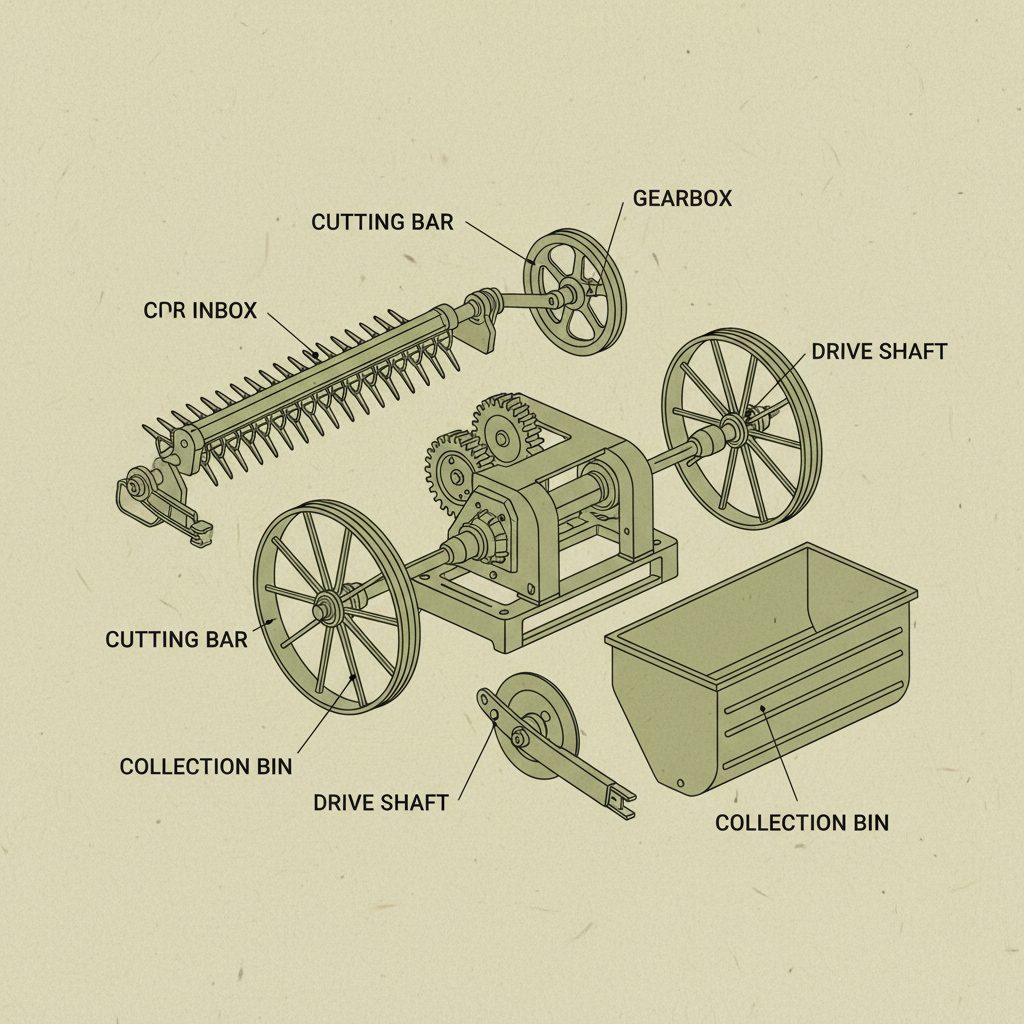
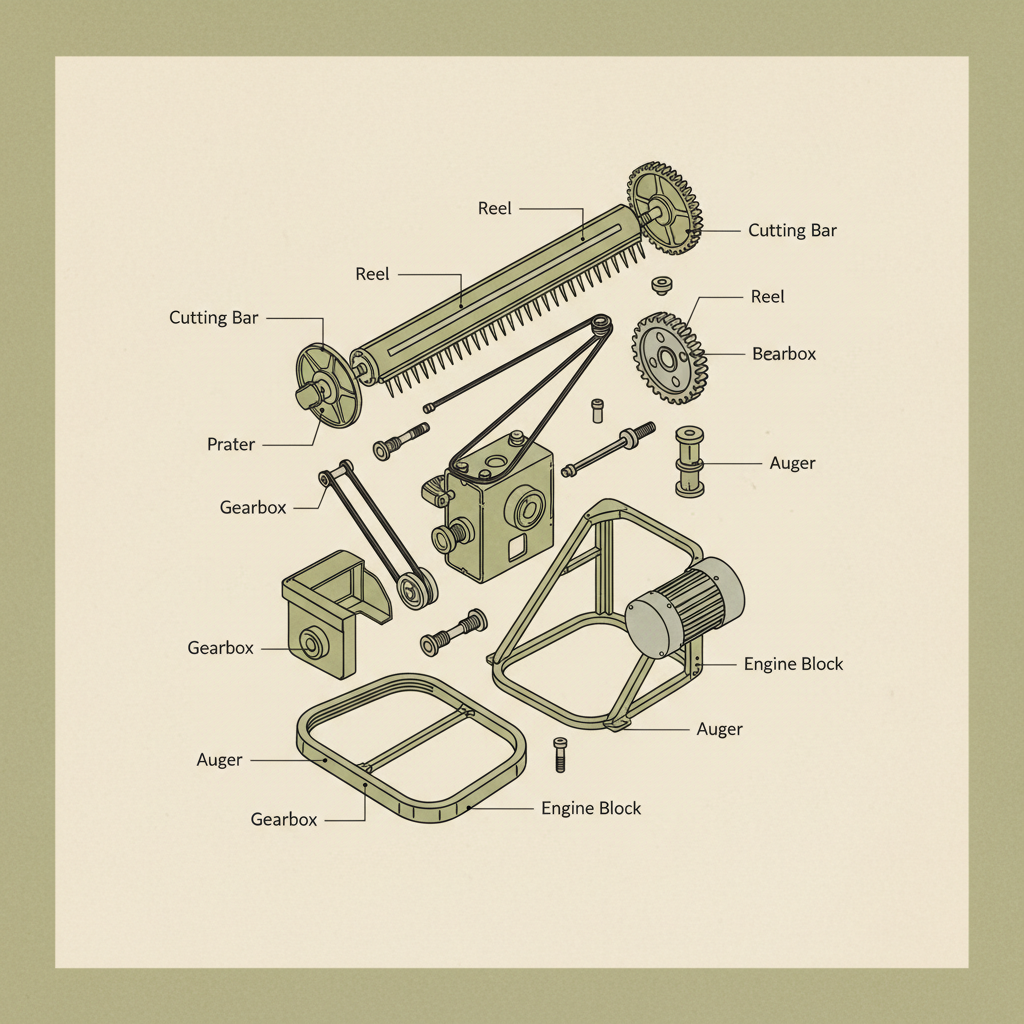
We’re mainly using high-strength steel for the chassis – the kind that smells faintly of oil and metal shavings when you cut it. You can tell a good piece of steel just by the weight. Then, for the blades, it's hardened manganese steel. That stuff is tough, but it needs constant sharpening, or it'll just tear at the grass instead of cutting it cleanly. It’s rough on the hands, though. You gotta wear gloves.
The Latest Trends in Grass Reaper Machine Technology
To be honest, the biggest thing right now is battery power. Everyone’s trying to get rid of the gas engines, for environmental reasons and because they’re just a pain to maintain. But getting enough power and runtime is a challenge. And then there's the whole remote control aspect, letting operators manage the grass reaper machine from a safe distance. It sounds good on paper, but I’ve seen it cause problems with responsiveness. There's always a lag.
Have you noticed how everyone’s talking about sensors too? They want to know everything – grass height, blade wear, even soil conditions. It's a bit much, if you ask me. Most farmers just need something that cuts the grass, not a full agricultural analysis. But I guess data is king these days…
Common Design Pitfalls in Grass Reaper Machine Development
Strangely, a lot of designers forget about accessibility. They make these things complex, with tiny buttons and hard-to-reach adjustments. I encountered this at a factory in Jiangsu province last time - the maintenance guys were complaining for hours about how they couldn’t easily access the oil filter. It’s the little things, you know? And weight distribution is crucial. A poorly balanced grass reaper machine is going to be a nightmare to operate on uneven terrain. It's all about ergonomics.
Another big mistake is using cheap components. You save a few bucks upfront, but then you're dealing with constant breakdowns and repairs. It's always cheaper in the long run to invest in quality. We had a client who went with the cheapest blades he could find. Lasted about a week. A week!
And the biggest issue, I think, is designing for the lab instead of the field. They run these tests in perfect conditions, with perfectly manicured lawns. Real-world grass is thick, wet, and full of rocks. Totally different ball game.
Key Materials Used in Grass Reaper Machine Construction
Like I said, high-strength steel is the backbone. The smell of it when you weld, that’s a comforting smell. It tells you it's solid. And for the moving parts, we use a lot of cast iron – it’s durable and dampens vibrations. You can feel the weight of it.
The bearings… those are critical. We use sealed ball bearings, but even those need regular greasing. I've seen bearings seize up from lack of lubrication. Makes a terrible screeching sound. The rubber tires – those are surprisingly important too. You need a good tread pattern for traction, and they need to be resistant to punctures. We tested a set from a supplier a while back, and they were splitting after only a few days.
And don’t forget the polymers. We use a lot of high-density polyethylene for the housings and guards. It's lightweight, impact-resistant, and doesn't rust. Though, it does get brittle in really cold weather. Anyway, I think material selection is half the battle.
Rigorous Testing Procedures for Grass Reaper Machines
We don't rely on lab tests alone, oh no. We take these grass reaper machines out into the field, and we abuse them. We run them through overgrown fields, rocky terrain, wet grass, everything we can throw at them. We measure blade wear, engine temperature, vibration levels… the works.
We also have a "torture test" where we intentionally overload the machine and see how long it lasts. It’s not pretty, but it gives us a good idea of its breaking point. And we get feedback from the operators, too. They're the ones who are actually using the machines day in and day out, so their input is invaluable.
Grass Reaper Machine Performance Metrics
Real-World Applications and User Behavior with Grass Reaper Machines
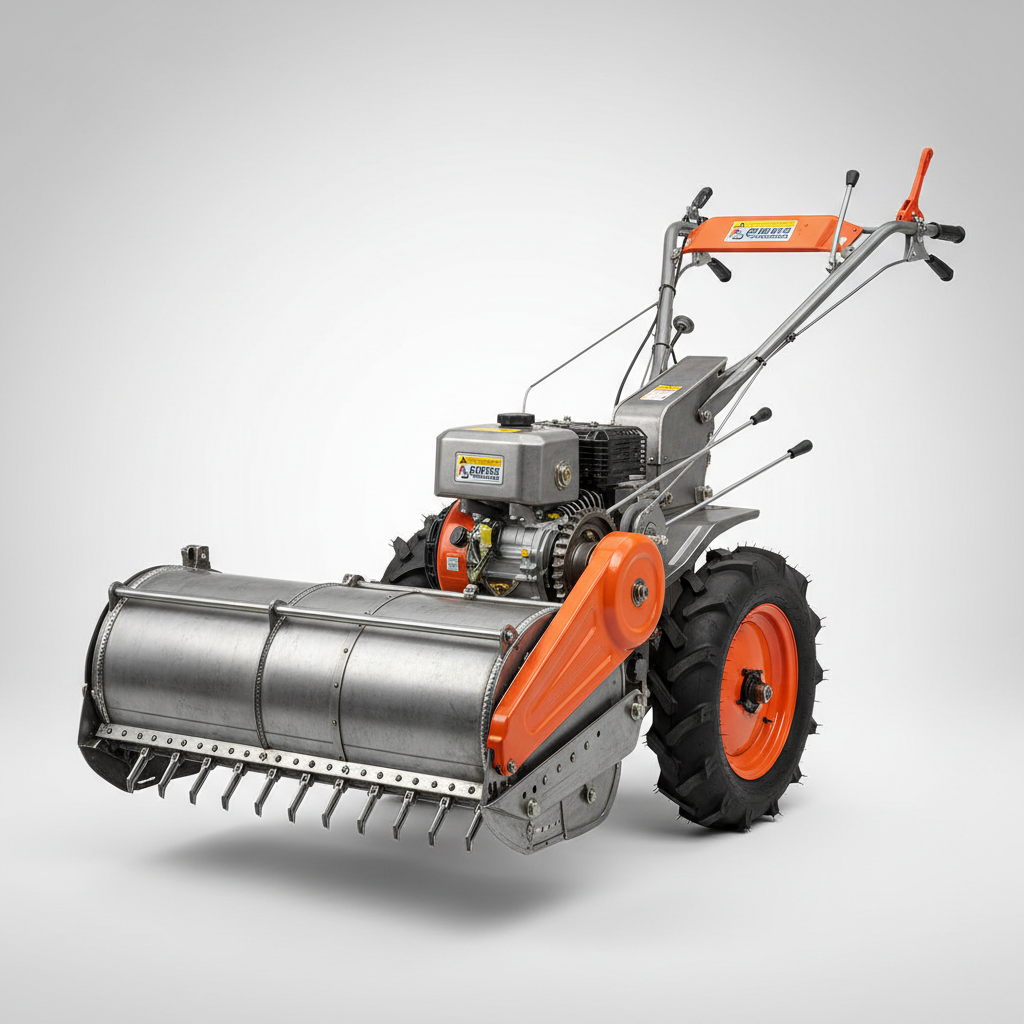
I've seen these grass reaper machines used in everything from small family farms to large-scale agricultural operations. They’re especially popular in areas with a lot of steep terrain, where traditional mowers just can’t handle it. But what's interesting is how people actually use them.
A lot of guys don't bother with the recommended maintenance schedule. They just run them until they break, and then they call us. We try to educate them, but… well, you know how it is. And surprisingly, a lot of people use them for more than just cutting grass. Some use them to clear brush, others to harvest small grains. It’s a versatile tool, but it's not always used for what it was intended.
Advantages and Limitations of Grass Reaper Machines
The biggest advantage, obviously, is efficiency. A good grass reaper machine can cut a lot of grass in a short amount of time. It also reduces the need for manual labor, which is a big plus these days. They’re also relatively easy to operate, even for inexperienced users.
But they’re not perfect. They can be expensive to buy and maintain. They're also not very maneuverable in tight spaces. And, as I mentioned before, they can be prone to breakdowns if you don't take care of them. Later...Forget it, I won't mention the noise.
Honestly, the main limitation is that it’s still a machine. It can't adapt to changing conditions like a human operator can.
Customization Options and Considerations for Grass Reaper Machines
We offer a lot of customization options. Blade types, engine sizes, tire treads… you name it. But one of the most popular requests is for a different interface.
Last month, that small boss in Shenzhen who makes smart home devices insisted on changing the interface to . Said it was "more modern." I tried to explain to him that it wasn’t practical, that a standard threaded connector was much more reliable in a dusty, outdoor environment. He wouldn’t listen. He wanted . The result? He had to carry around a special adapter and it failed within a week. It's a lesson in knowing your priorities.
But seriously, customization can be helpful. For example, we had a farmer who needed a machine that could operate on extremely steep slopes. We modified the chassis and added a wider wheelbase to improve stability. That worked out great.
Table Summarizing Grass Reaper Machine Performance Across Different Terrain Types
| Terrain Type |
Average Cutting Speed (m/hr) |
Machine Stability (1-10) |
Operator Effort (1-10) |
| Flat, Even Grassland |
1500 |
9 |
2 |
| Gentle Slopes (Up to 15°) |
1200 |
7 |
4 |
| Steep Slopes (15-30°) |
800 |
5 |
7 |
| Rough, Uneven Terrain |
600 |
4 |
8 |
| Wet, Muddy Conditions |
500 |
3 |
9 |
| Dense Brush/Weeds |
300 |
2 |
10 |
FAQS
That really depends on how well it's maintained and how hard it's used. But a decent one, with regular servicing, should last you at least 5-7 years. I’ve seen some go ten, but those are usually taken care of religiously. The engine is usually the first thing to go. Parts are available, but they’re not always cheap.
Most of the older models use gasoline, and you want to make sure it's a good quality fuel to prevent issues with the carburetor. Newer models are increasingly battery powered, which is a nice change. You just need to make sure you have enough battery capacity for the job, and a reliable charging system. It's a bit more expensive upfront, but it saves on fuel costs and maintenance in the long run.
Oh, plenty. You gotta sharpen the blades regularly, check the oil levels, grease the bearings, clean the air filter, and inspect the tires. And don’t forget to tighten all the bolts. They tend to loosen up with vibration. Honestly, it's more than most people realize. It’s a commitment.
They can be safe, but you gotta be careful. The blades are sharp, and the machines can be powerful. Always wear appropriate safety gear – gloves, eye protection, and sturdy boots. And never, ever operate a grass reaper machine if you’re tired or distracted. Common sense, really.
Drain the fuel, or add a fuel stabilizer. Clean it thoroughly, remove any debris. And store it in a dry, sheltered location. Cover it up to protect it from the elements. And, if possible, disconnect the battery. It’s just good practice.
It depends. Some models are designed for steep slopes, but others aren't. You need to check the manufacturer’s specifications. And even then, be extremely careful. Always operate across the slope, not up and down. And be aware of the risk of tipping over. It’s dangerous.
Conclusion
So, there you have it. The grass reaper machine market is changing, with a lot of focus on automation and efficiency. But the fundamentals remain the same: build it tough, keep it simple, and make it reliable. Don’t overcomplicate things. A good machine needs to be durable, easy to maintain, and safe to operate.
Ultimately, whether this thing works or not, the worker will know the moment he tightens the screw. If it feels solid, if it cuts clean, and if it doesn’t break down after an hour, then it’s a good machine. And that's what really matters. Visit our website at www.hbniuboshi.com to learn more.