Optimizing Forage Production with a High Performance Clover Harvester
The Ultimate Guide to the Clover Harvester
The demand for efficient forage harvesting is ever-increasing, and the clover harvester plays a vital role in meeting that need. This comprehensive guide will delve into the functionality, benefits, applications, and key features of clover harvesters, helping you understand how they can optimize your agricultural operations. A reliable clover harvester can dramatically increase yield and reduce labor costs, making it an indispensable asset for modern farming. We will explore the different types of harvesters available and guide you toward finding the best solution for your specific requirements.
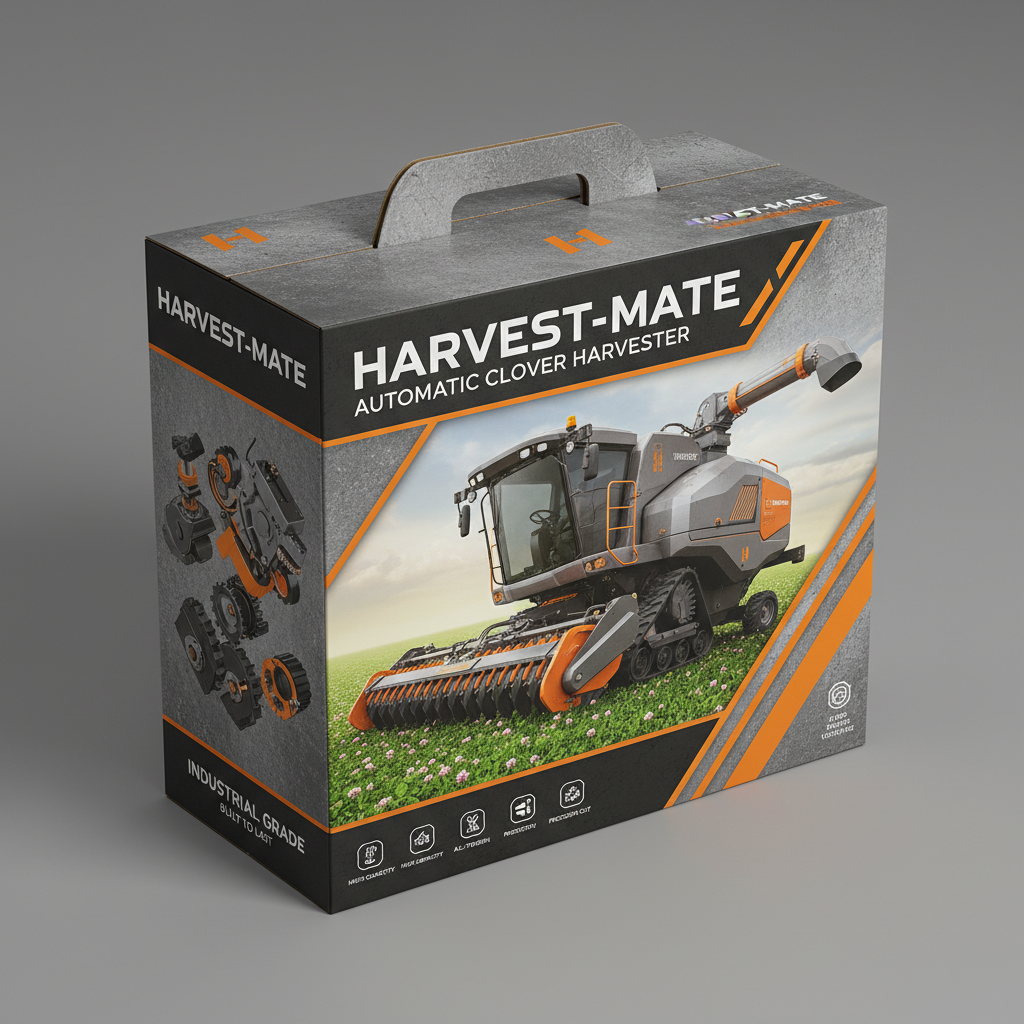
Understanding the Clover Harvester: A Comprehensive Overview
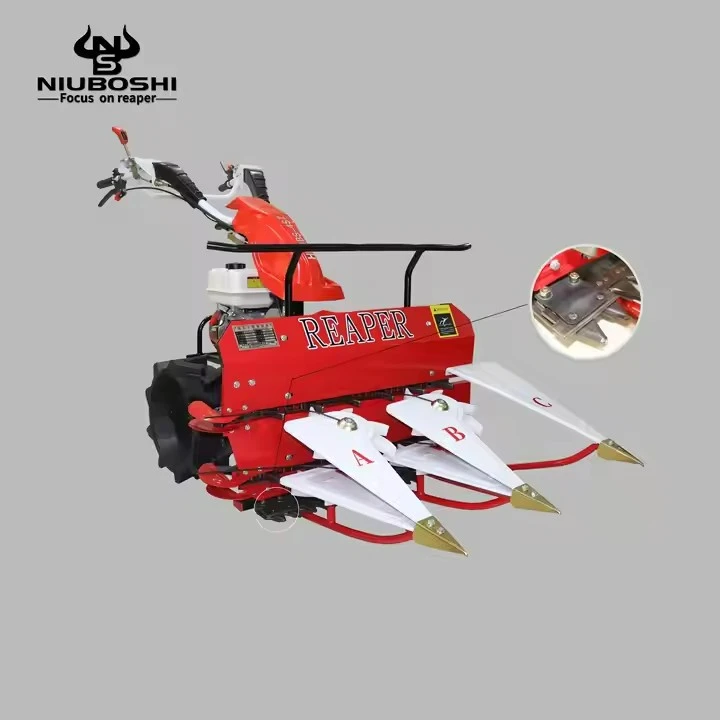
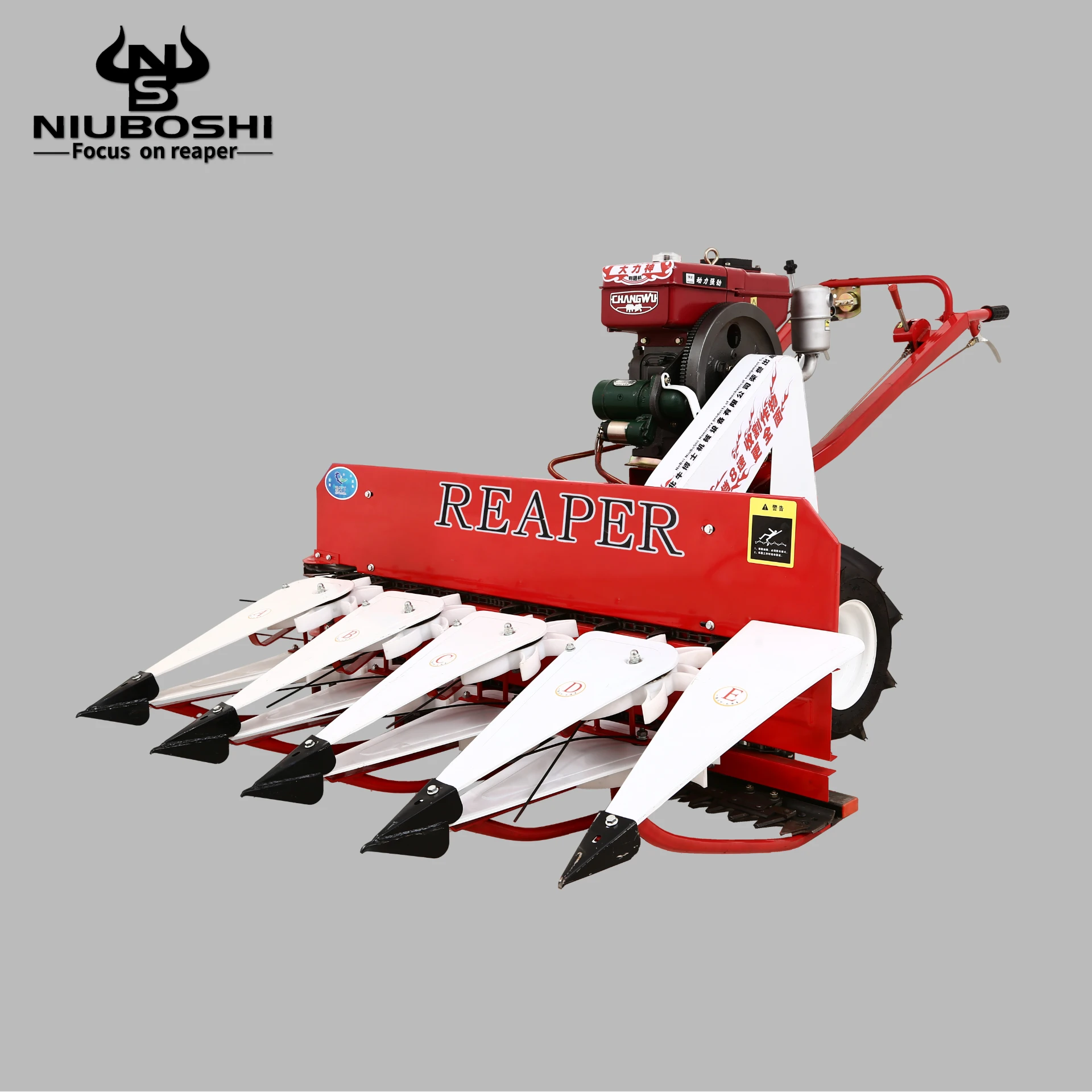
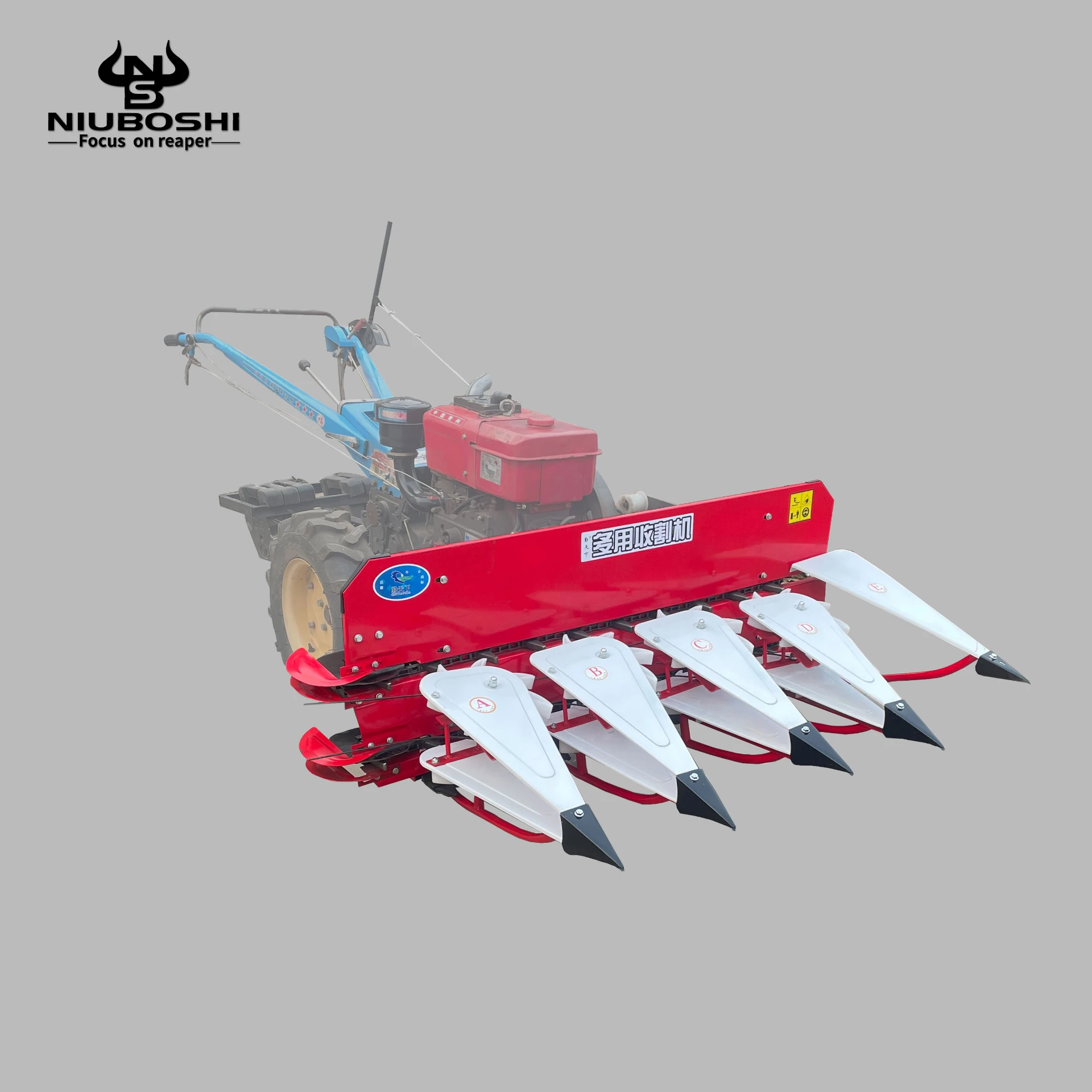
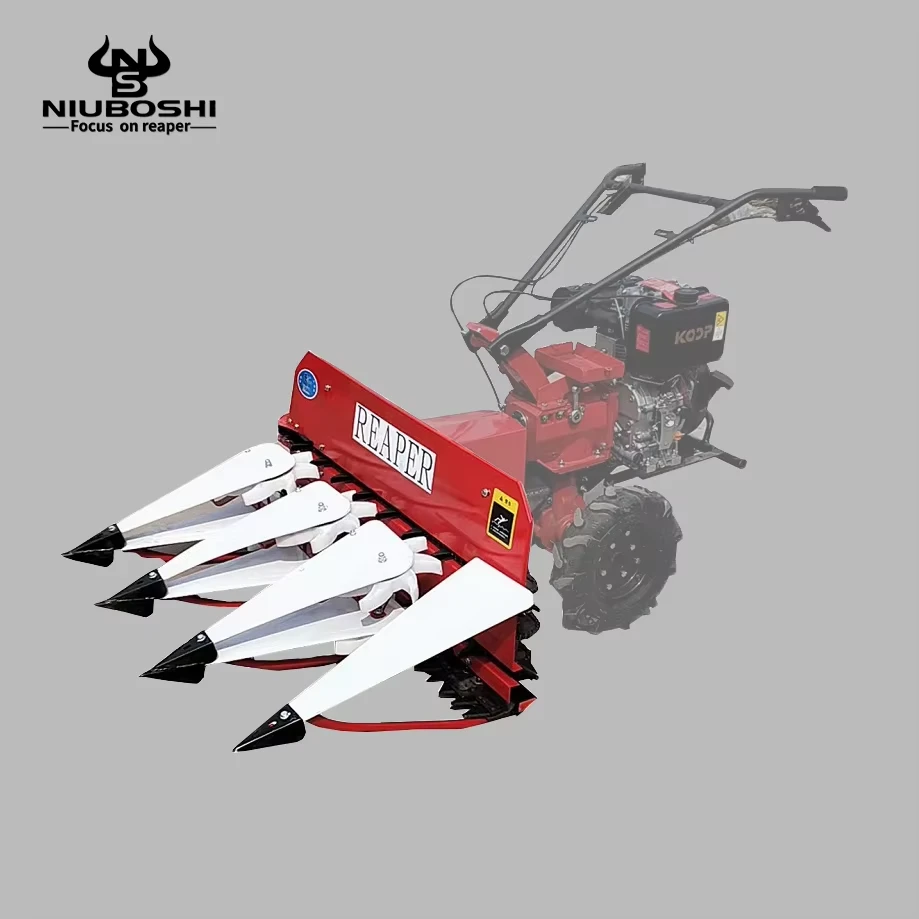
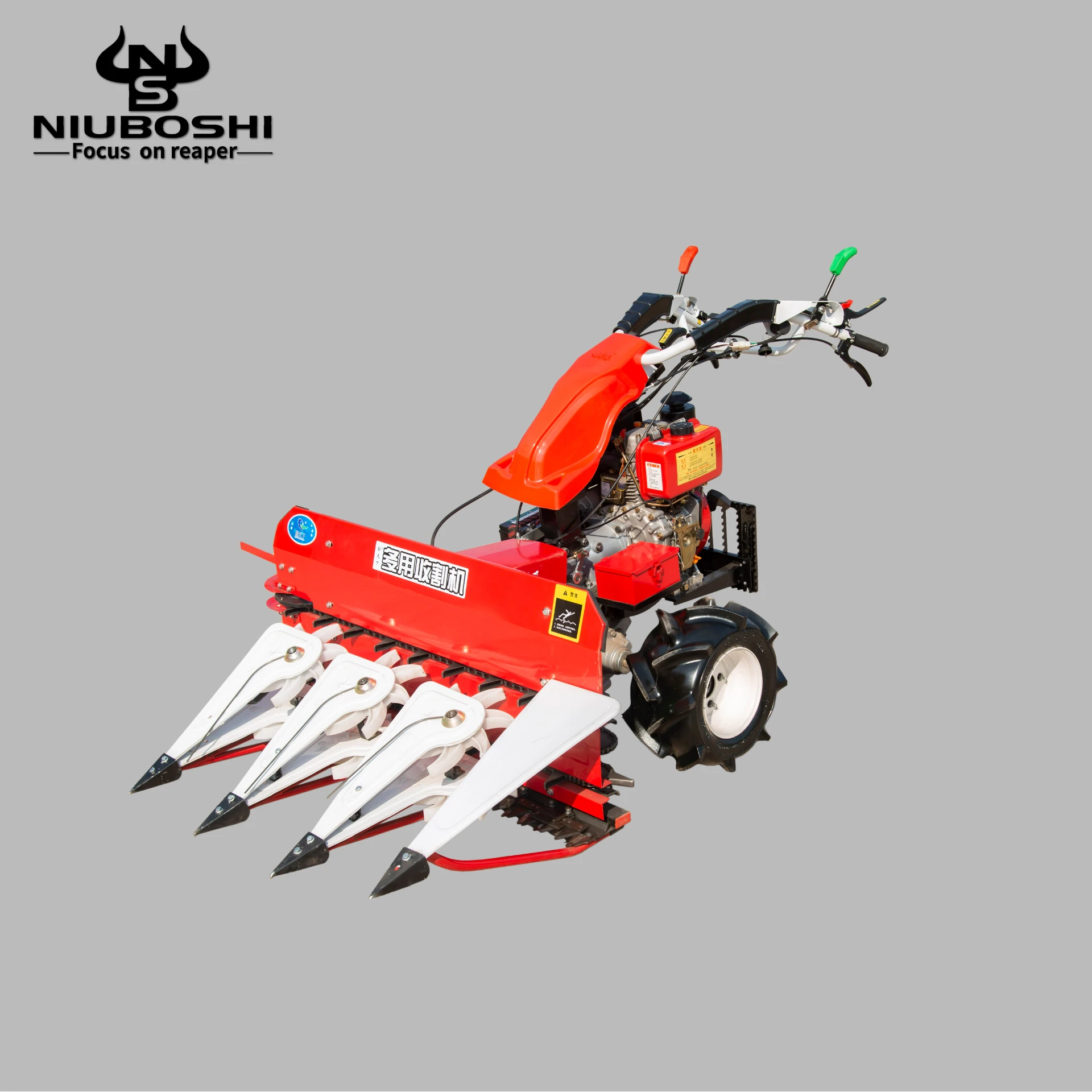
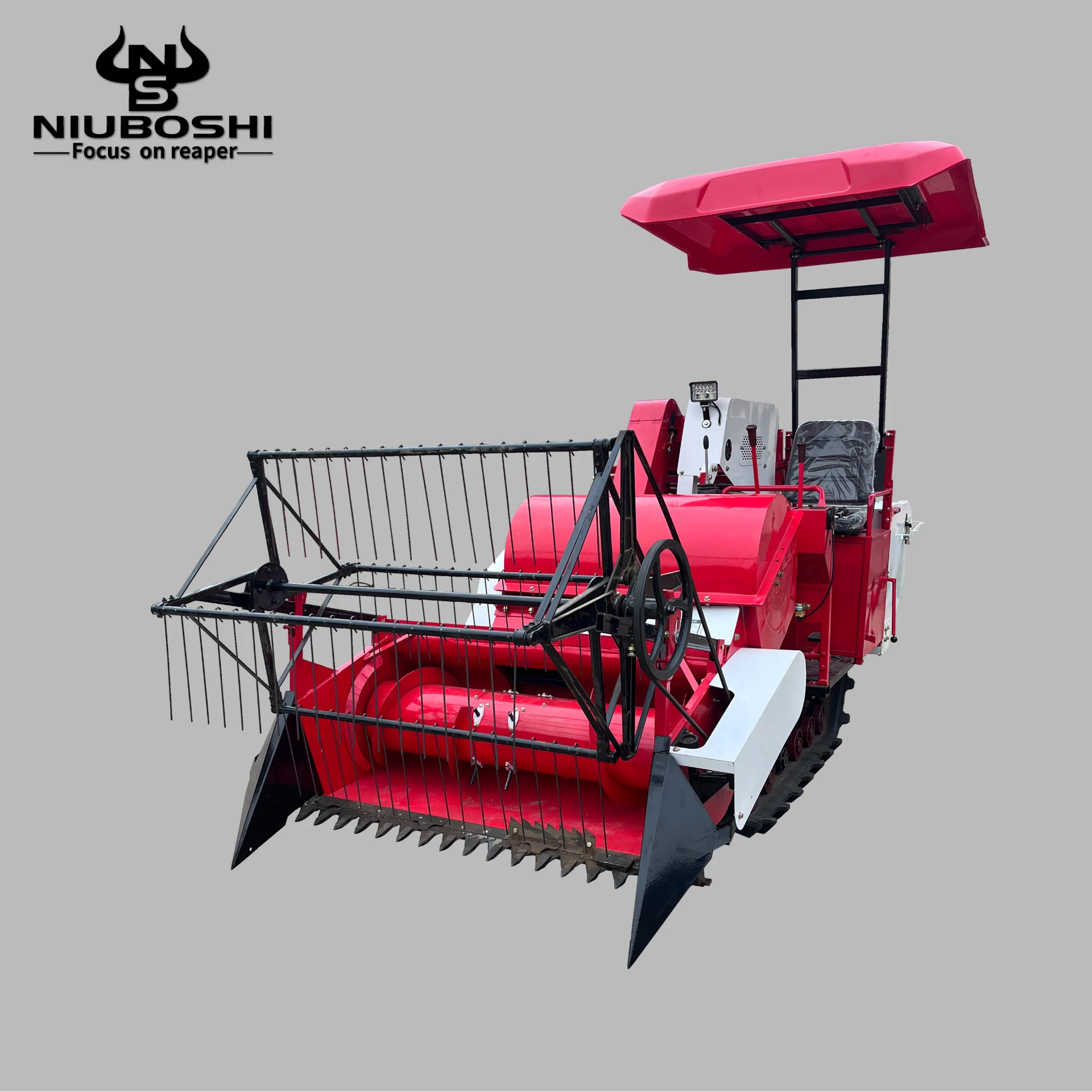
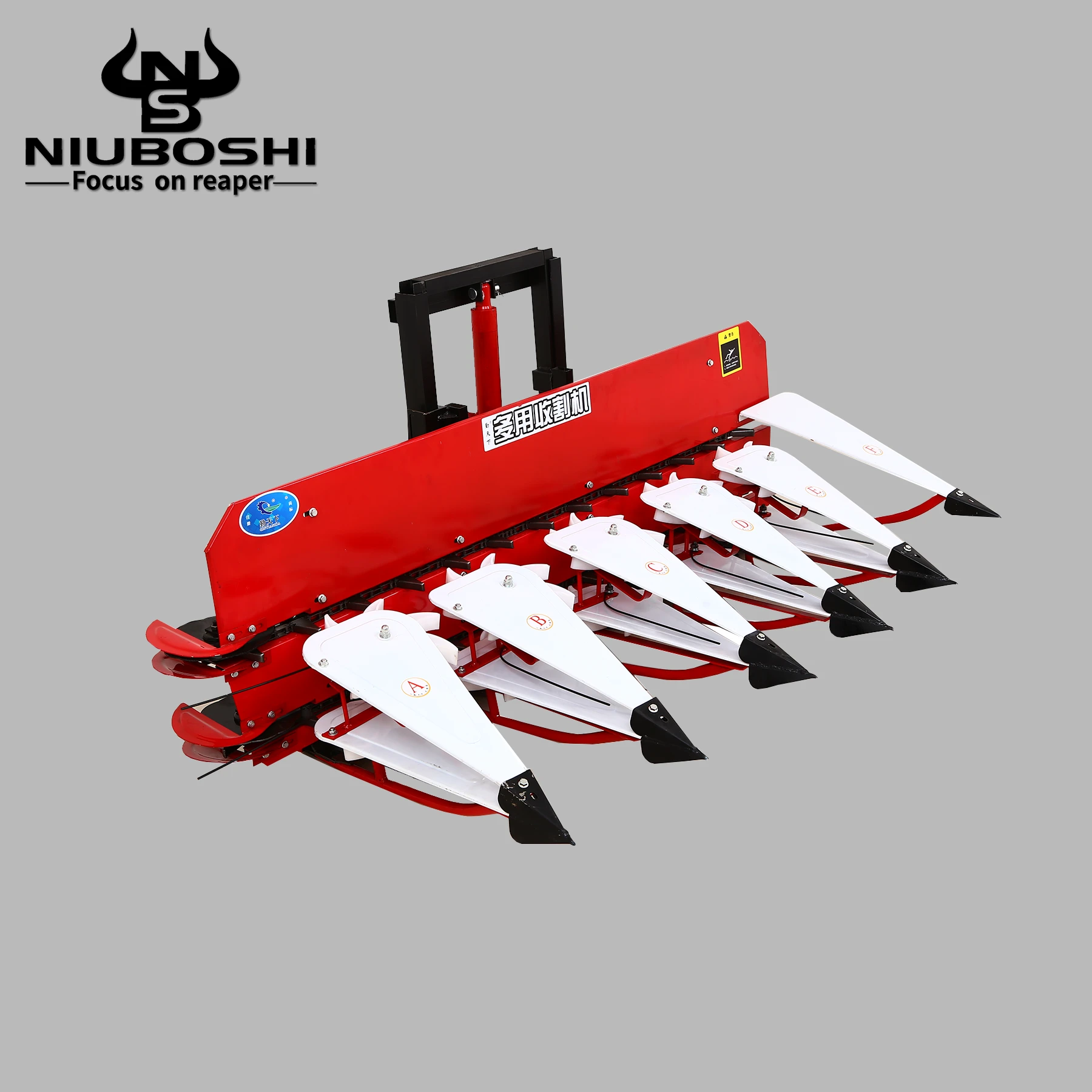
A clover harvester is specialized agricultural machinery designed for efficiently cutting, conditioning, and collecting clover for various purposes, including haymaking, silage production, and direct grazing. Unlike conventional mowers, clover harvesters are equipped with features specifically designed to handle the unique characteristics of clover – its low growth habit and tendency to tangle. These machines are crucial for maximizing forage yields and ensuring high-quality feed for livestock. They typically incorporate features like rotating drums, crimpers, and conveying systems to minimize leaf loss and promote rapid drying.
Key Benefits: Increased forage yield, reduced labor costs, improved forage quality, and faster harvesting times.
Types of Clover Harvesters: Finding the Right Fit
Several types of clover harvesters cater to different farm sizes and operational needs. These include self-propelled harvesters, pull-type harvesters, and flail-type harvesters. Self-propelled machines offer high capacity and maneuverability, making them suitable for large-scale operations. Pull-type harvesters are more affordable and can be used with existing tractors. Flail-type harvesters are ideal for smaller fields and irregularly shaped areas. Selecting the appropriate type depends on factors such as acreage, budget, and desired harvesting speed. NiuBoshi offers a range of clover harvesting solutions to meet diverse agricultural demands.
Harvester Type Comparison:
• Self-Propelled: High capacity, high cost.
• Pull-Type: Versatile, moderate cost.
• Flail-Type: Compact, ideal for small areas.
Key Features of a Modern Clover Harvester
Modern clover harvesters are equipped with advanced features to enhance efficiency and forage quality. These include adjustable cutting heights, conditioning systems to accelerate drying, and precise conveying systems to minimize leaf loss. Many models also incorporate automated steering and yield monitoring technologies. A robust frame and durable components ensure long-term reliability. Furthermore, some harvesters feature integrated baling systems, streamlining the entire harvesting process.
Choosing the Right Clover Harvester: Key Considerations
Selecting the right clover harvester requires careful consideration of your specific needs. Factors such as farm size, clover variety, desired production capacity, and budget all play a crucial role. Assess the terrain of your fields – hilly or flat – as this will influence the type of harvester suitable. Consider the availability of maintenance and spare parts in your region. Finally, prioritize safety features and ensure the harvester meets relevant safety standards. NiuBoshi's expert team can provide personalized guidance to help you choose the ideal clover harvester for your operation.
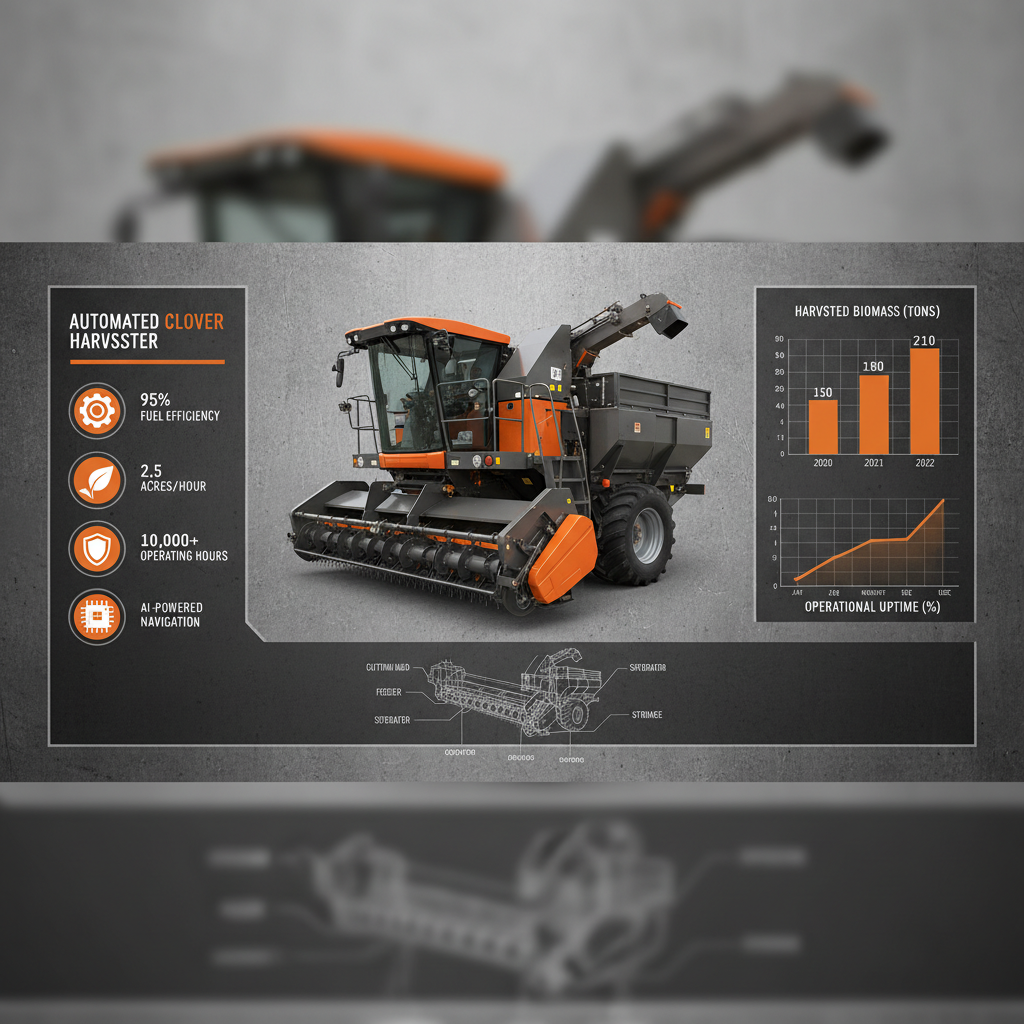
Maintenance and Longevity of Your Clover Harvester
Proper maintenance is essential for maximizing the lifespan and performance of your clover harvester. Regularly inspect and lubricate moving parts, check blade sharpness, and replace worn components promptly. Follow the manufacturer's recommended maintenance schedule and store the harvester in a dry, sheltered location during the off-season. Cleaning the machine after each use prevents the buildup of debris that can cause corrosion and mechanical issues. Investing in preventative maintenance will save you time and money in the long run.
Conclusion: Maximize Your Forage Production with a Clover Harvester
Investing in a clover harvester is a strategic move for any agricultural operation focused on forage production. From increasing yields to improving forage quality, the benefits are substantial. By carefully considering your needs and selecting a machine from a reputable manufacturer like NiuBoshi, you can ensure a long-term return on investment. Don't let outdated harvesting methods limit your potential – embrace the efficiency and productivity of a modern clover harvester.
Frequently Asked Questions (FAQs)
What safety precautions should I take when operating a clover harvester?
Safety is paramount when operating a clover harvester. Always read and understand the operator’s manual before use. Wear appropriate personal protective equipment (PPE), including safety glasses, gloves, and sturdy footwear. Ensure all guards and safety devices are in place and functioning correctly. Be aware of your surroundings and avoid operating the harvester near obstacles or other personnel. Never attempt to clear a clogged machine while it’s running. Regularly inspect the machine for any safety hazards and address them immediately.
How often should I sharpen the blades on my clover harvester?
Blade sharpness is crucial for clean cutting and efficient harvesting. The frequency of sharpening depends on the type of clover, soil conditions, and the amount of use. As a general guideline, inspect the blades every 8-10 hours of operation and sharpen them when they show signs of dullness. Dull blades can tear the clover, resulting in increased leaf loss and slower drying times. Using a high-quality sharpening tool and following the manufacturer's recommendations is essential.
What is the best way to store a clover harvester during the off-season?
Proper storage is essential for preserving the longevity of your clover harvester. Park the machine in a dry, sheltered location, such as a barn or shed. Clean all debris and vegetation from the machine before storing it. Lubricate all moving parts to prevent corrosion. Cover the harvester with a waterproof tarp to protect it from the elements. Disconnect the battery to prevent discharge. Following these steps will ensure your harvester is ready for use when the next harvesting season arrives.
What type of clover is best suited for mechanical harvesting?
Different clover varieties have varying characteristics that affect their suitability for mechanical harvesting. Red clover generally lends itself well to harvesting due to its upright growth habit and relatively long stems. White clover, while nutritious, can be more challenging due to its lower growth and tendency to mat. Modern harvesters with effective conditioning systems are better equipped to handle white clover. It's crucial to select a clover variety that is adapted to your local climate and soil conditions for optimal yields and harvesting efficiency.
Latest news
-
Maximize Harvest Efficiency with the Agro Reaper Binder MachineNewsApr.16,2026
-
Boost Harvest Efficiency with the Best Agriculture Reaper MachineNewsApr.09,2026
-
Revolutionizing Agriculture with the Efficient Agriculture Power ReaperNewsApr.07,2026
-
Comprehensive Guide to the 4 Wheel Reaper Binder for Efficient HarvestingNewsApr.04,2026
-
Comprehensive Guide to Reaperbinder Technology for Efficient Hay and Crop HarvestingNewsMar.31,2026
-
Mastering the Art of Reaper Cutting for Enhanced Agricultural EfficiencyNewsMar.28,2026