Find Your Ideal Wheat Harvester for Sale and Maximize Your Harvest Yields
Wheat Harvester for Sale: A Comprehensive Guide
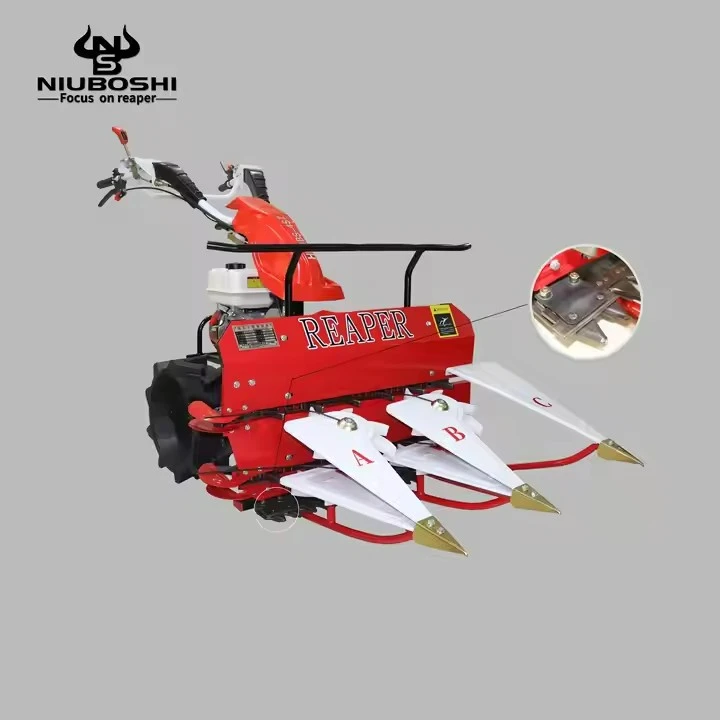
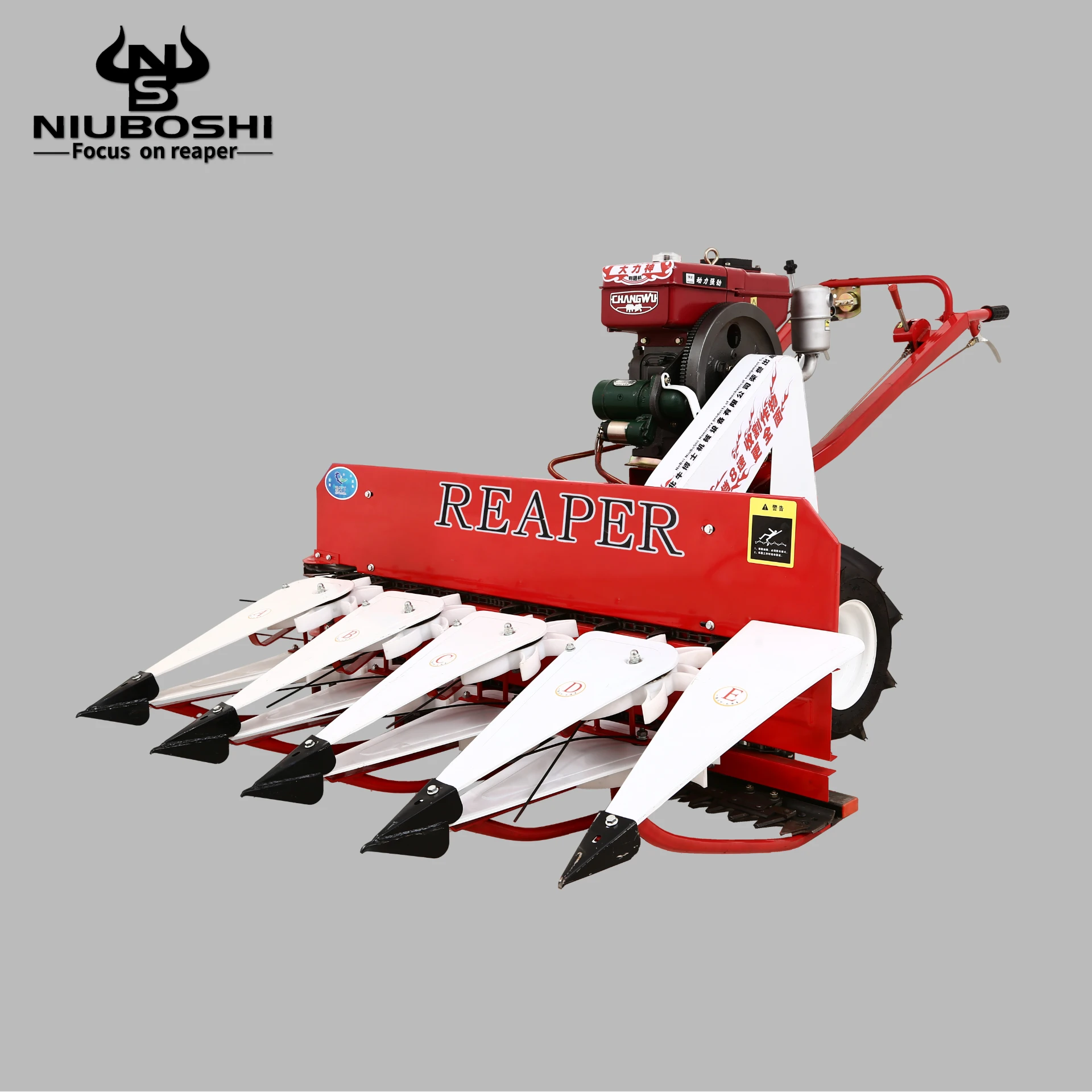
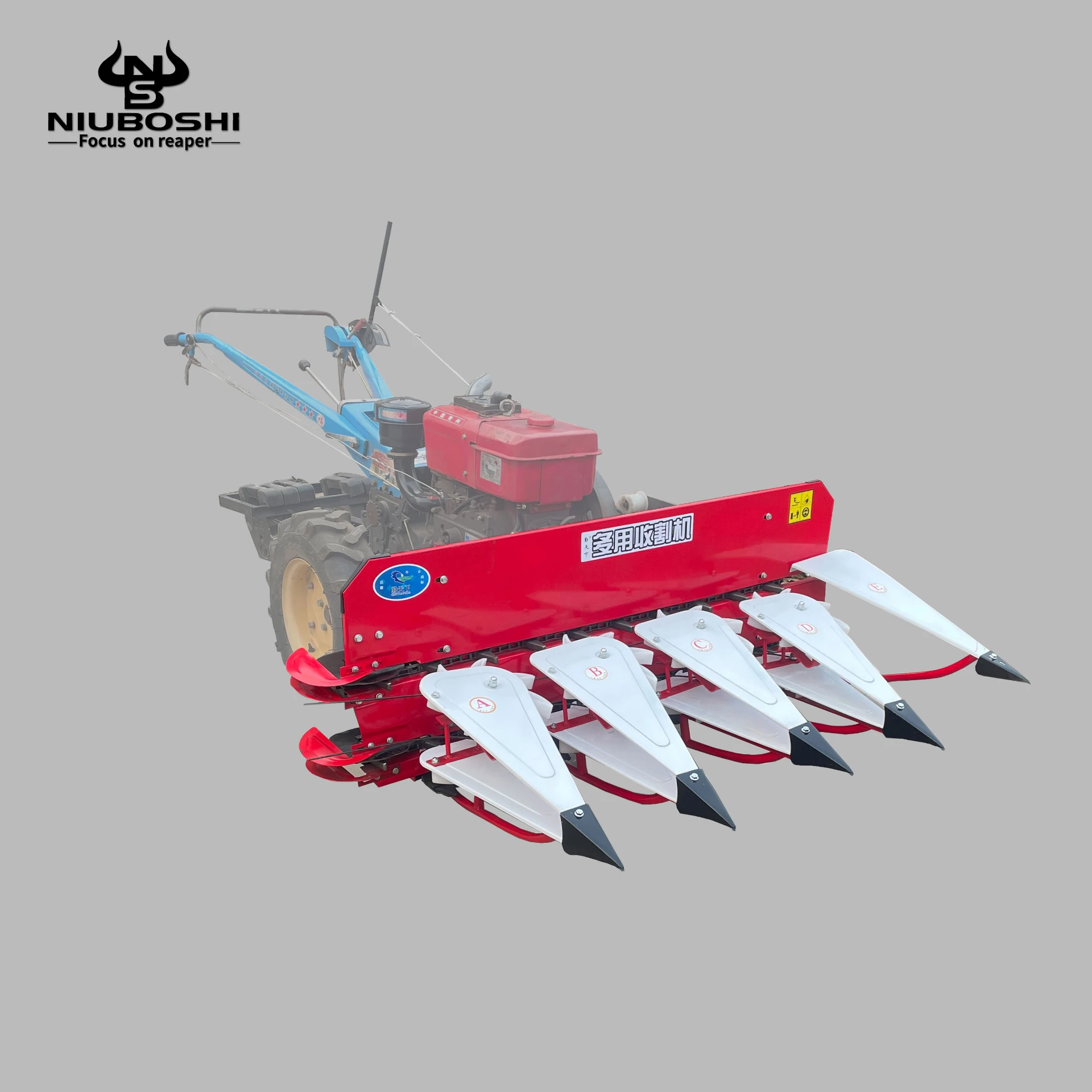
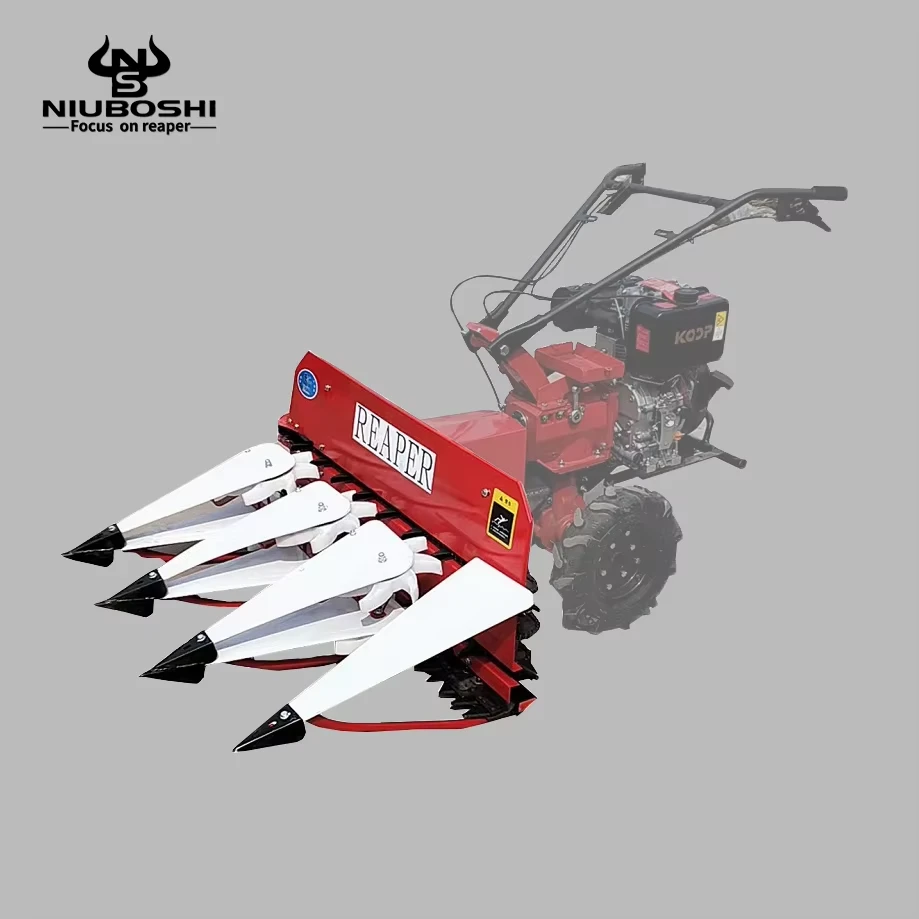
Investing in a wheat harvester is a significant decision for any agricultural business. A reliable and efficient machine can drastically improve harvest yields and reduce labor costs. This article provides a detailed overview of wheat harvesters, focusing on key considerations when buying, popular models, maintenance, and where to find quality machines. We will explore the features that differentiate various harvesters and help you make an informed purchasing decision. Explore our range of wheat harvesters for sale at HB NiuBoshi.
Understanding Different Types of Wheat Harvesters
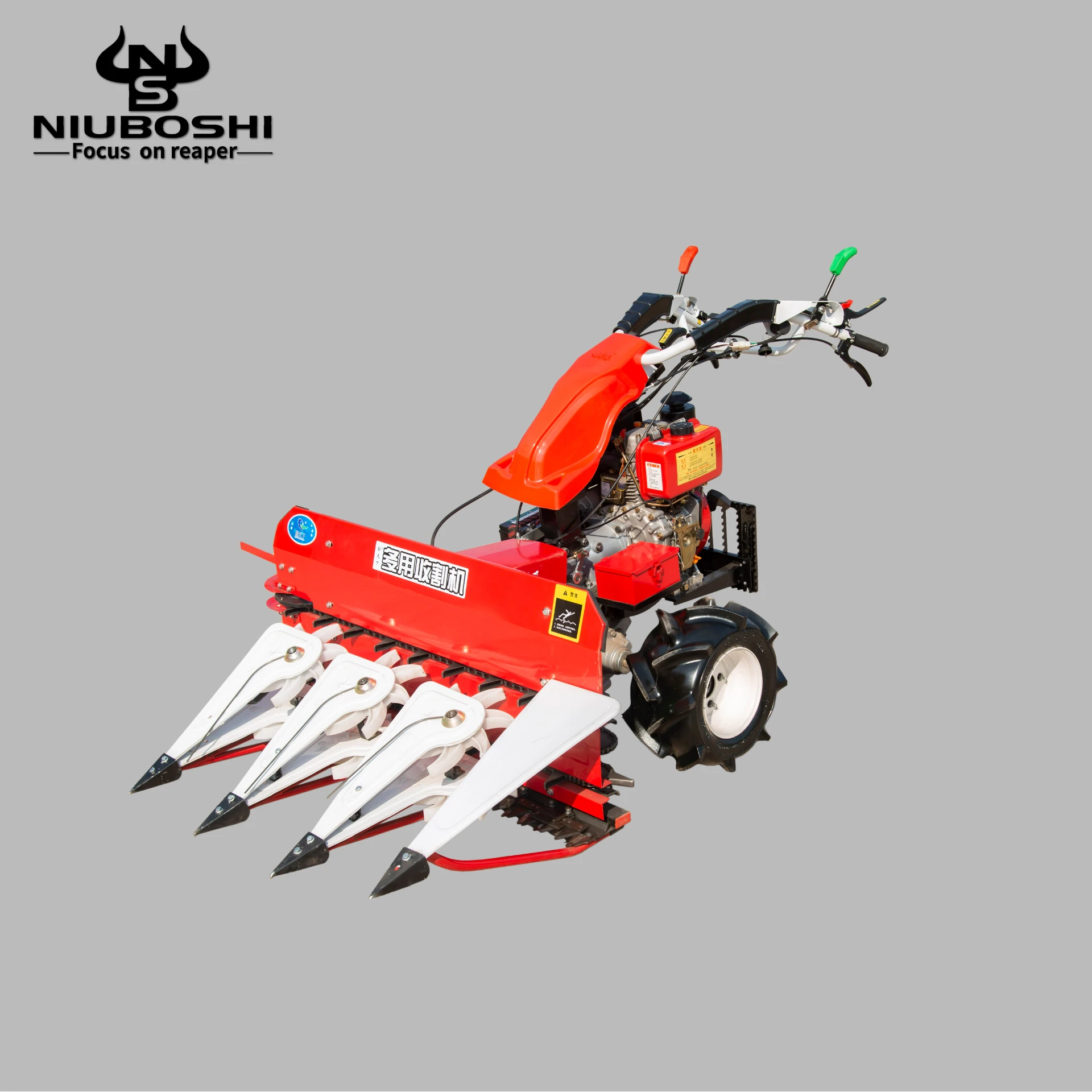
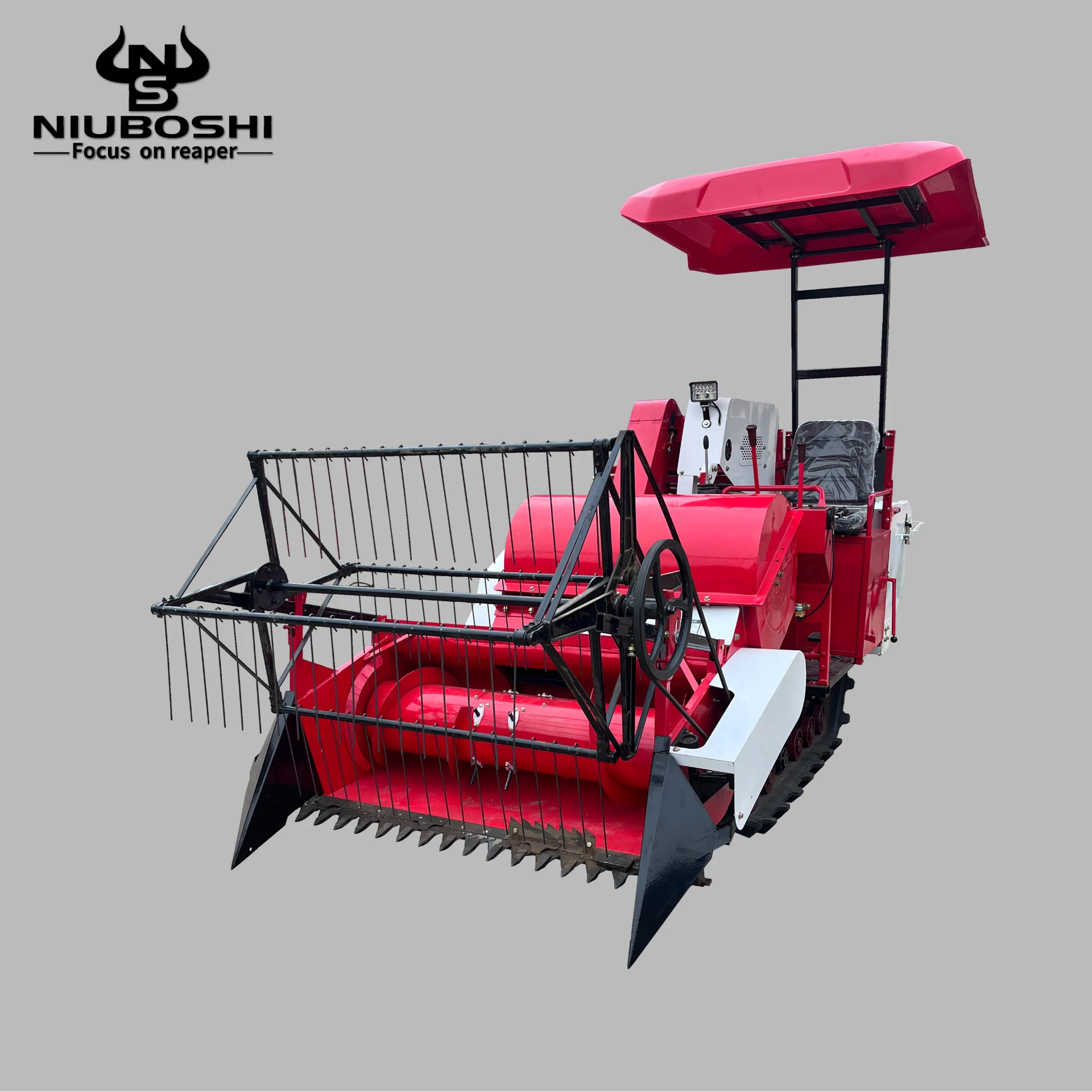
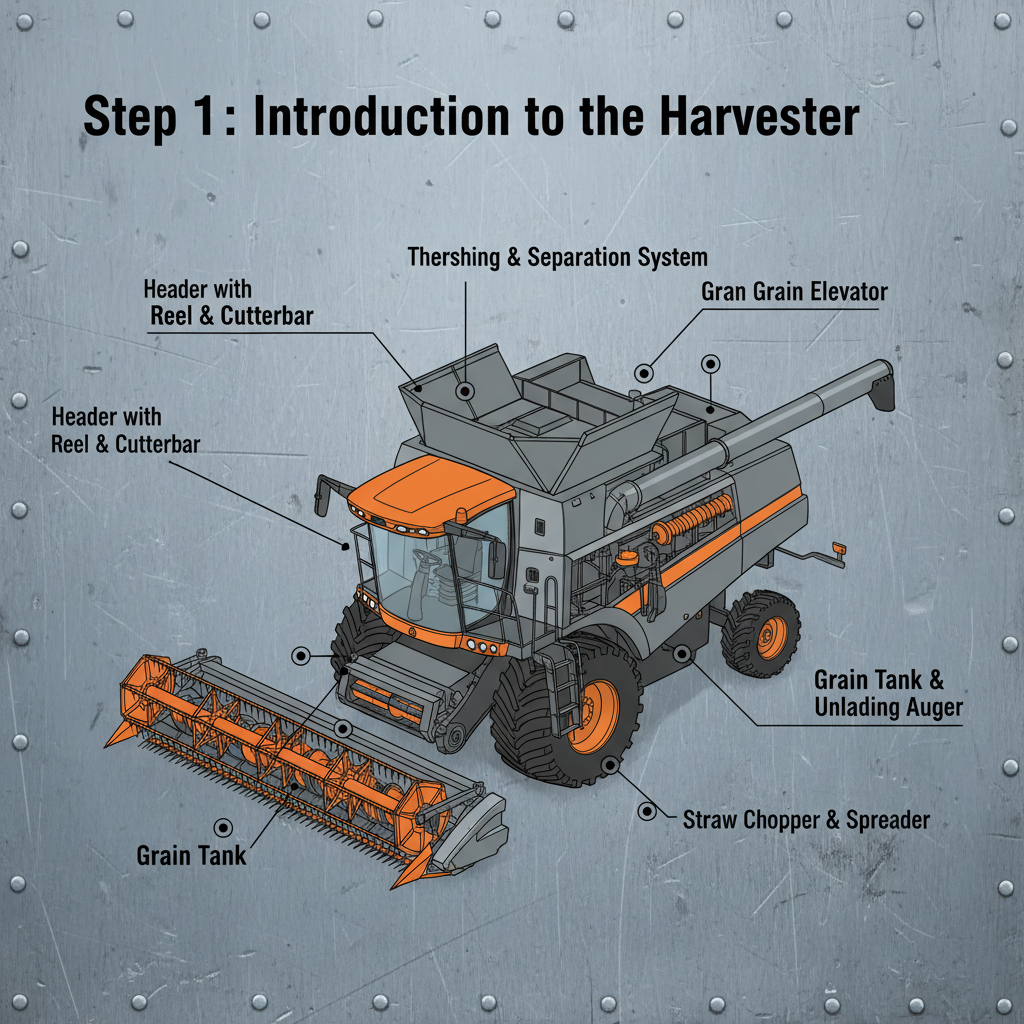
Wheat harvesters come in several types, each suited for different farm sizes and needs. The most common types include self-propelled harvesters, which are highly efficient for large-scale operations, and pull-type harvesters, which are more affordable and suitable for smaller farms. There are also combine harvesters, which perform multiple operations – reaping, threshing, gathering, and winnowing – in a single process. Choosing the right type depends on factors like acreage, budget, and desired level of automation. Considering these factors will ensure you select a machine that aligns with your operational requirements. At HB NiuBoshi, we offer a wide selection of each type to meet diverse farming needs.
Key Considerations: Choosing between self-propelled, pull-type, and combine harvesters depends on farm size, budget, and automation needs. Proper assessment of these factors is crucial for maximizing harvest efficiency.
Key Features to Look for in a Wheat Harvester
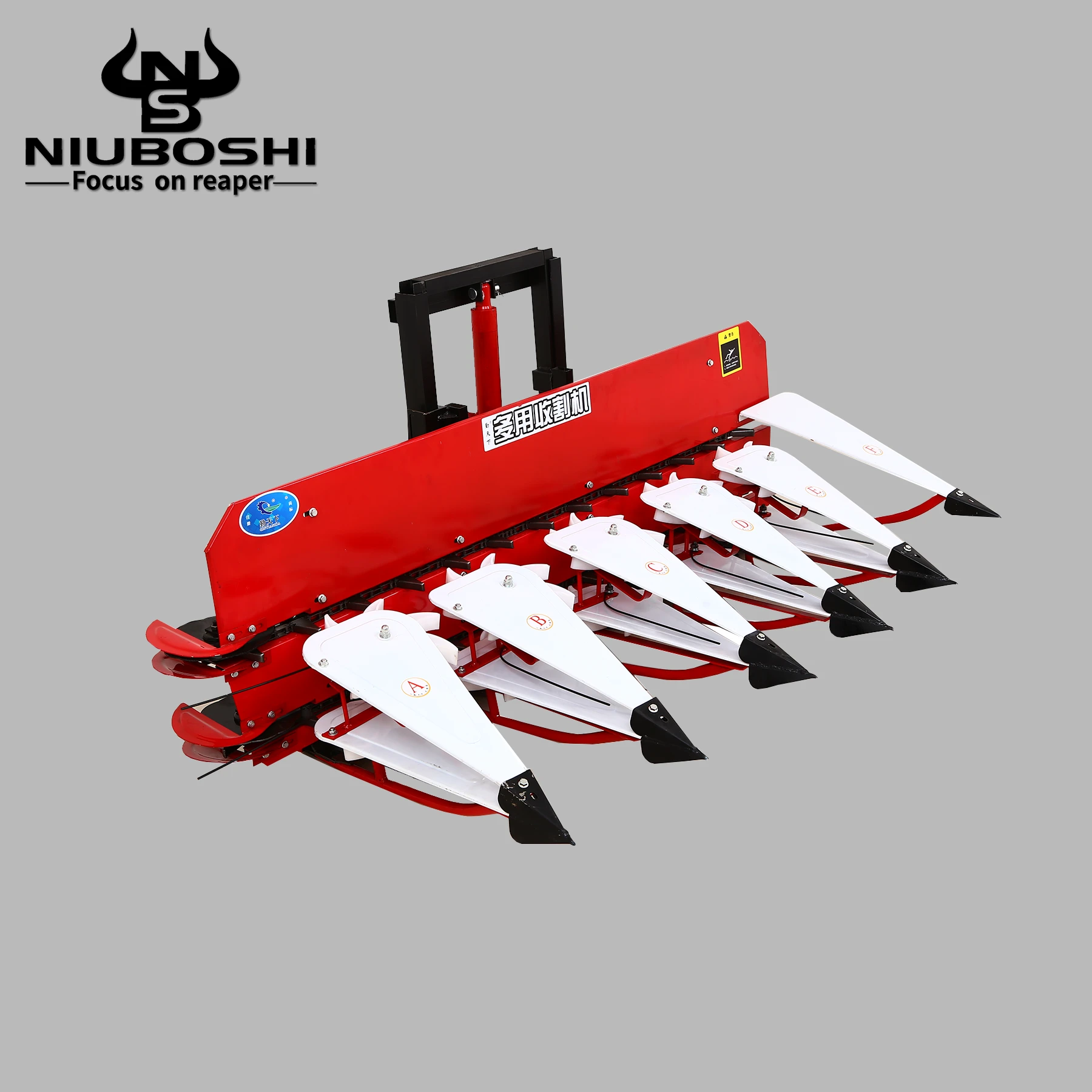
When evaluating wheat harvesters, several key features should be prioritized. Cutting width determines the area harvested per pass. Grain tank capacity affects the frequency of unloading. Engine power impacts performance on hilly or challenging terrains. Threshing system efficiency directly correlates to grain loss reduction. Furthermore, look for harvesters with advanced monitoring systems that provide real-time data on performance and maintenance needs. These features contribute to increased productivity and reduced downtime. HB NiuBoshi's wheat harvesters are equipped with these advanced features for optimal performance.
Essential Features:
• Cutting width for efficient harvesting
• Grain tank capacity for reduced unloading frequency
• Engine power for diverse terrains
• Efficient threshing system to minimize grain loss
Wheat Harvester for Sale: Comparing Popular Models
The market offers a wide range of wheat harvester models. Here's a comparison of some popular options, highlighting their strengths and weaknesses:
Maintenance and Longevity of Your Wheat Harvester
Regular maintenance is crucial for maximizing the lifespan and efficiency of your wheat harvester. This includes daily inspections, lubrication of moving parts, filter replacements, and timely repairs. Adhering to the manufacturer's recommended maintenance schedule is essential. Proper storage during the off-season, protecting the machine from the elements, also contributes to its longevity. Investing in preventative maintenance can save significant costs in the long run by preventing major breakdowns. HB NiuBoshi provides comprehensive maintenance support and spare parts for all our wheat harvesters.
Finding the Right Wheat Harvester for Your Needs
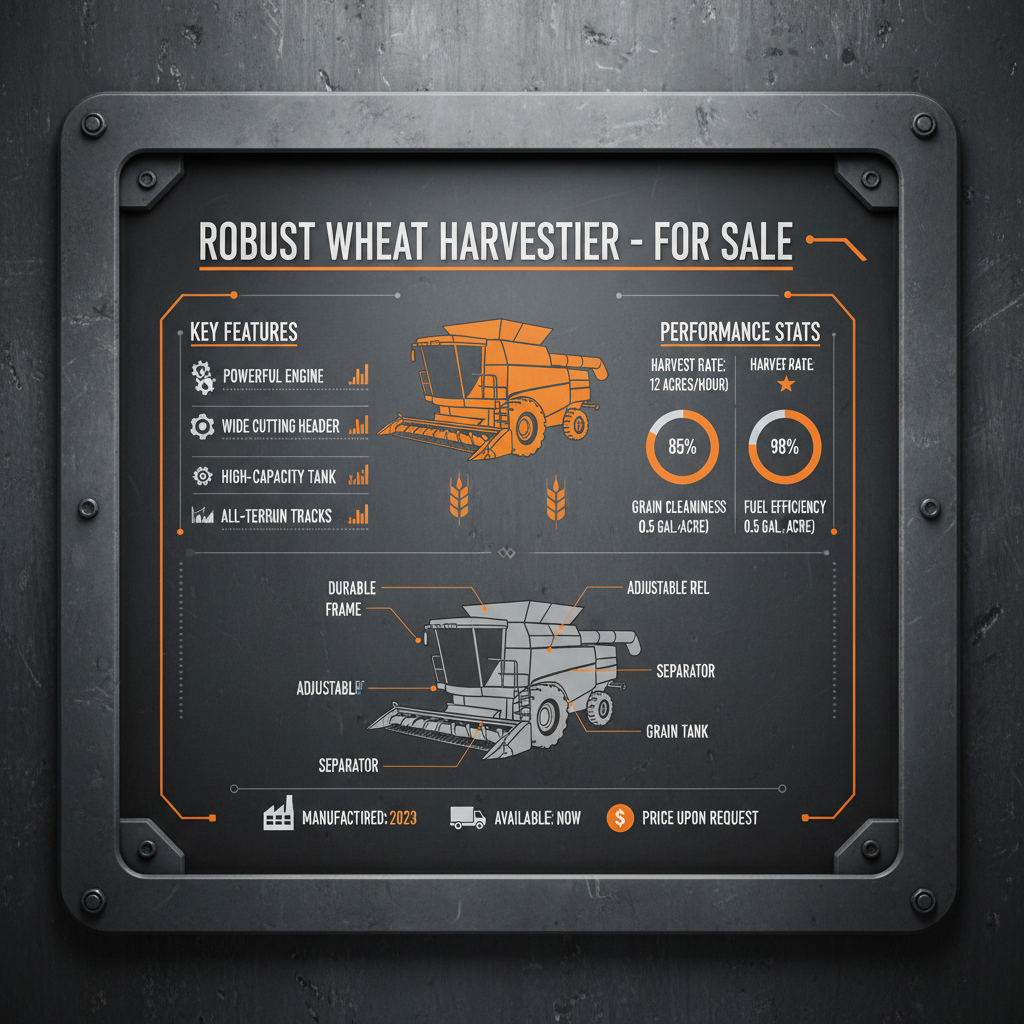
Choosing the right wheat harvester requires careful consideration of your farm's size, budget, and specific harvesting requirements. Consider factors like terrain, wheat variety, and desired level of automation. Researching different models and comparing features is essential. Working with a reputable dealer, like HB NiuBoshi, can provide valuable guidance and support throughout the purchasing process. We offer a diverse range of wheat harvesters to meet your specific needs and budget.
Conclusion: Investing in Efficient Wheat Harvesting
A well-chosen wheat harvester is a cornerstone of successful agricultural operations. By understanding the different types, key features, and maintenance requirements, you can make an informed investment that will enhance your productivity and profitability. Browse our selection of wheat harvesters for sale at HB NiuBoshi today!
Frequently Asked Questions (FAQs)
What factors should I consider when choosing a wheat harvester?
Several factors are crucial. Farm size is a primary consideration; larger farms generally require self-propelled harvesters, while smaller farms may find pull-type harvesters sufficient. Budget is also important, as prices vary significantly between models. Terrain plays a role; hilly or uneven terrain requires a harvester with sufficient engine power and stability. The type of wheat you grow and your desired level of automation should also influence your decision. Consider future expansion plans and potential changes in your farming practices when selecting a machine.
What is the typical lifespan of a wheat harvester?
With proper maintenance, a wheat harvester can last for 10-15 years or even longer. However, several factors influence its lifespan, including usage intensity, operating conditions, and the quality of maintenance. Regular servicing, timely repairs, and proper storage during the off-season are essential for maximizing longevity. Replacing worn parts promptly and following the manufacturer’s recommendations will also contribute to a longer lifespan.
What maintenance tasks should I perform regularly?
Regular maintenance includes daily inspections for leaks, damage, and loose parts. Lubricate all moving parts as recommended by the manufacturer. Check and replace filters (air, oil, fuel) at specified intervals. Inspect and adjust belts and chains. Monitor tire pressure. Perform a thorough inspection and servicing at the end of each harvest season. Maintaining detailed records of all maintenance activities is also highly recommended.
Where can I find spare parts for my wheat harvester?
HB NiuBoshi offers a comprehensive range of spare parts for all our wheat harvesters. We maintain a large inventory of commonly used parts and can source specific components quickly. You can also find spare parts through authorized dealers and online retailers. It is crucial to use genuine parts to ensure optimal performance and prevent damage to your harvester. Using non-genuine parts may void your warranty and could compromise the machine's reliability.
Latest news
-
Maximize Harvest Efficiency with the Agro Reaper Binder MachineNewsApr.16,2026
-
Boost Harvest Efficiency with the Best Agriculture Reaper MachineNewsApr.09,2026
-
Revolutionizing Agriculture with the Efficient Agriculture Power ReaperNewsApr.07,2026
-
Comprehensive Guide to the 4 Wheel Reaper Binder for Efficient HarvestingNewsApr.04,2026
-
Comprehensive Guide to Reaperbinder Technology for Efficient Hay and Crop HarvestingNewsMar.31,2026
-
Mastering the Art of Reaper Cutting for Enhanced Agricultural EfficiencyNewsMar.28,2026