Wheat Reaper Tractors: Boosting Efficiency in Grain Harvesting
Understanding the Modern Wheat Reaper Tractor
Wheat Reaper Tractor technology has come a long way. It's not your grandfather’s combine anymore, frankly. We're seeing a real shift towards efficiency, precision, and, increasingly, sustainability in agricultural machinery. This isn’t just about bigger yields; it’s about doing more with less – less fuel, less labor, and less environmental impact. HB NiuBoshi, you know, has been at the forefront of that change, and they really focus on building durable, high-performance equipment for the modern farmer.
Table of Contents
- What is a Wheat Reaper Tractor?
- Applications & Benefits
- Cost, Maintenance, and User Experience
- Future Trends & Sustainability
What is a Wheat Reaper Tractor?
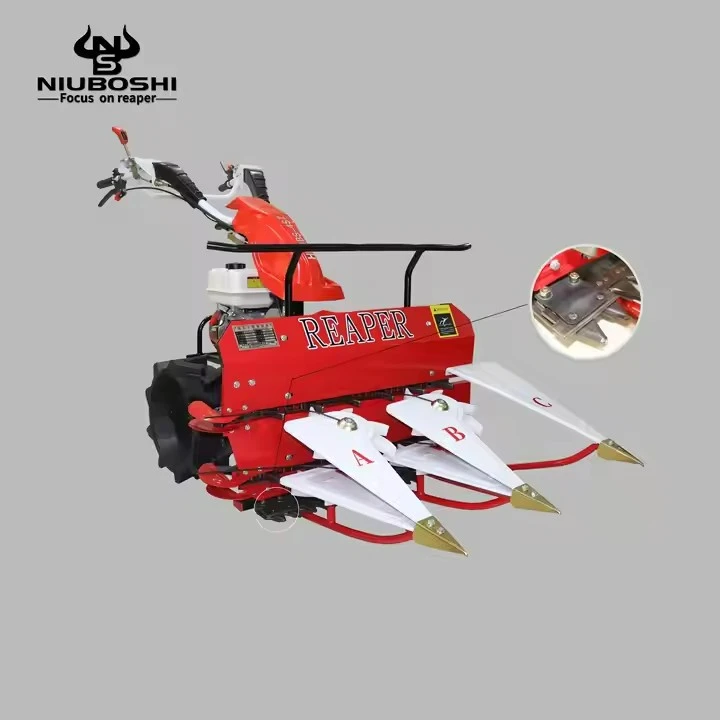
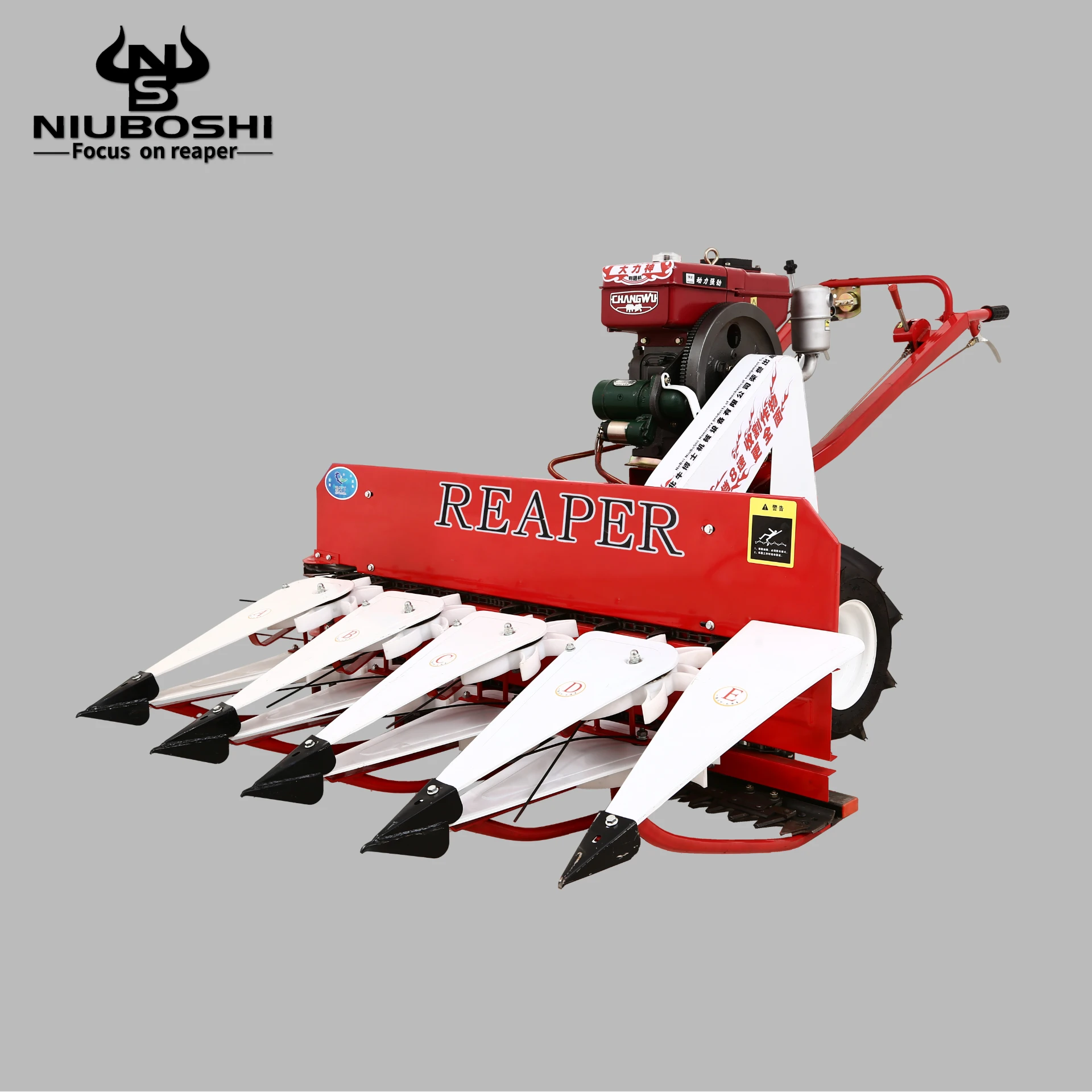
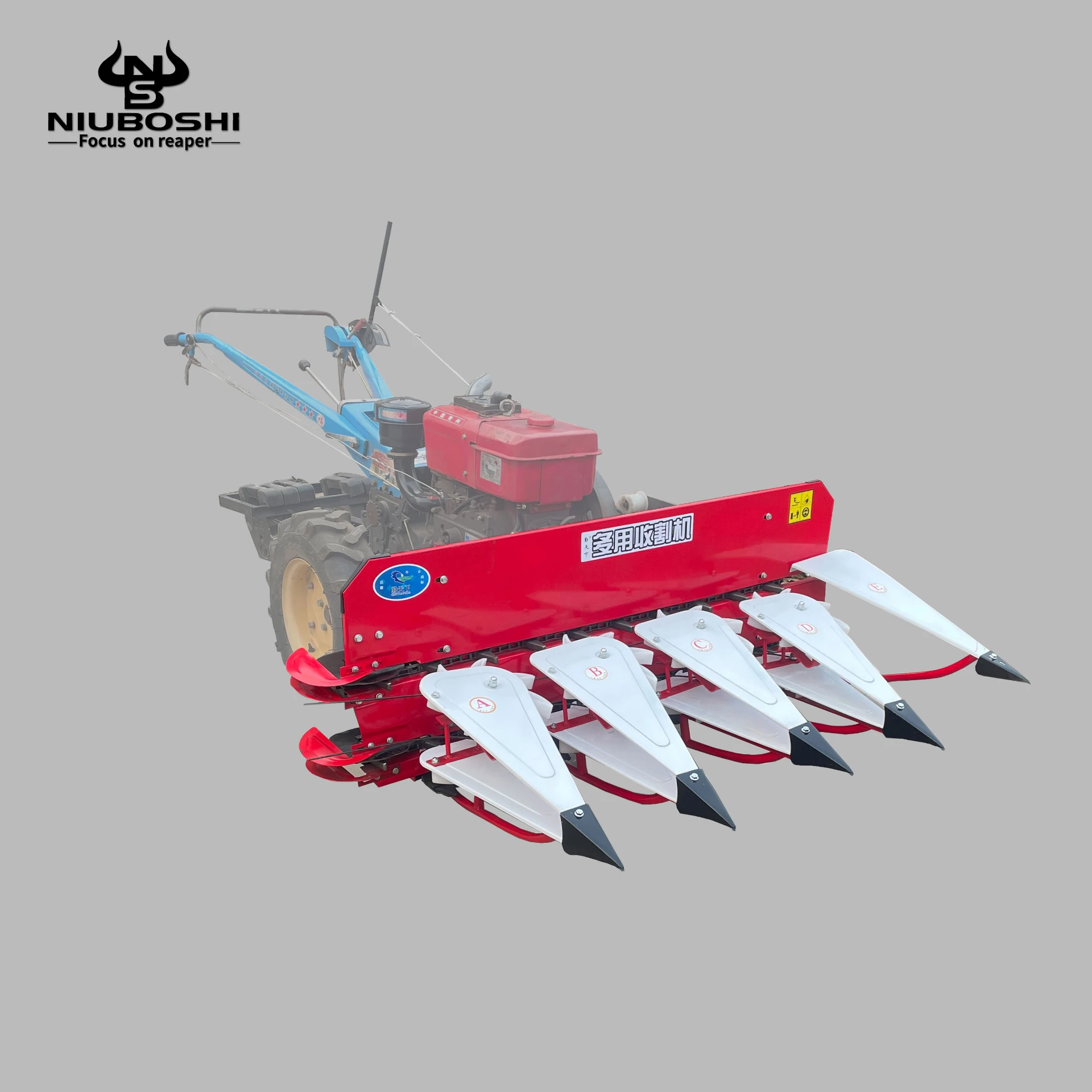
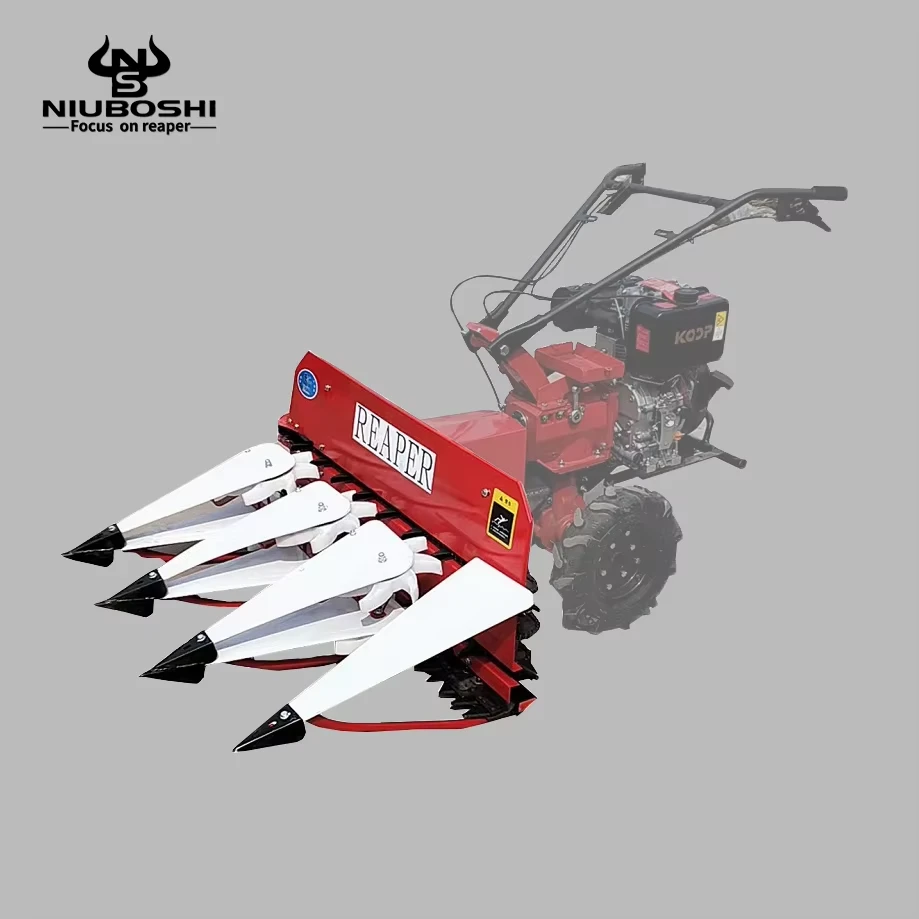
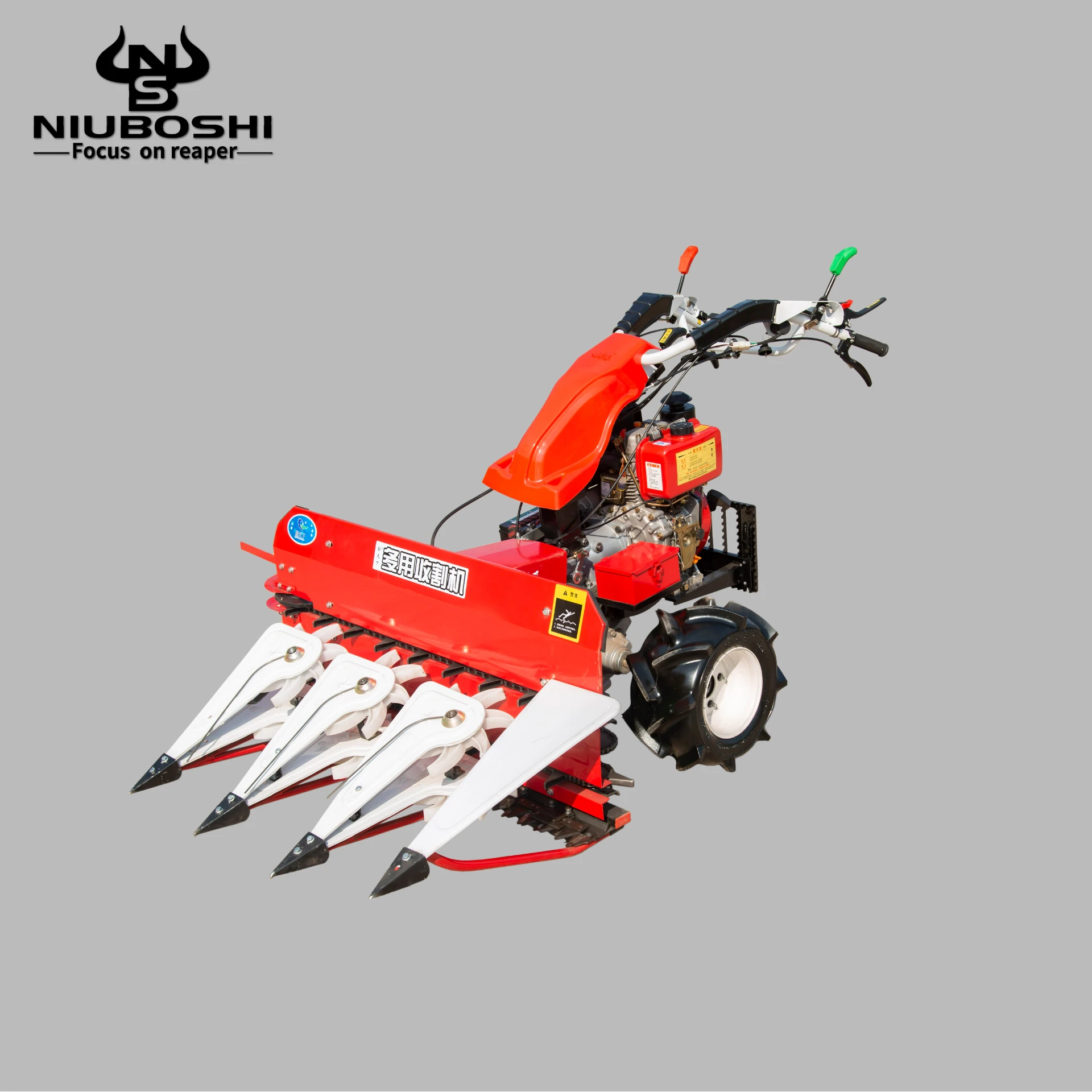
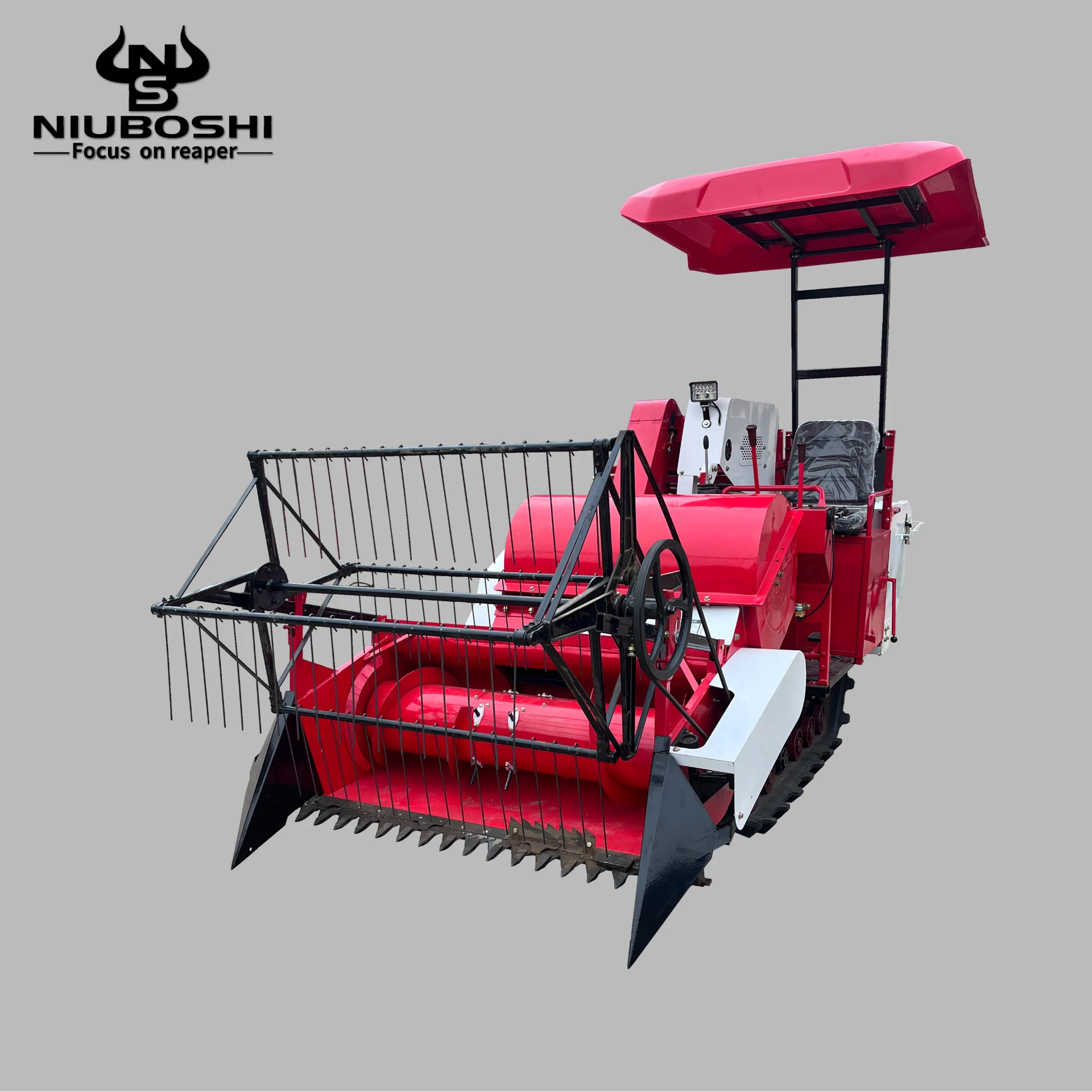
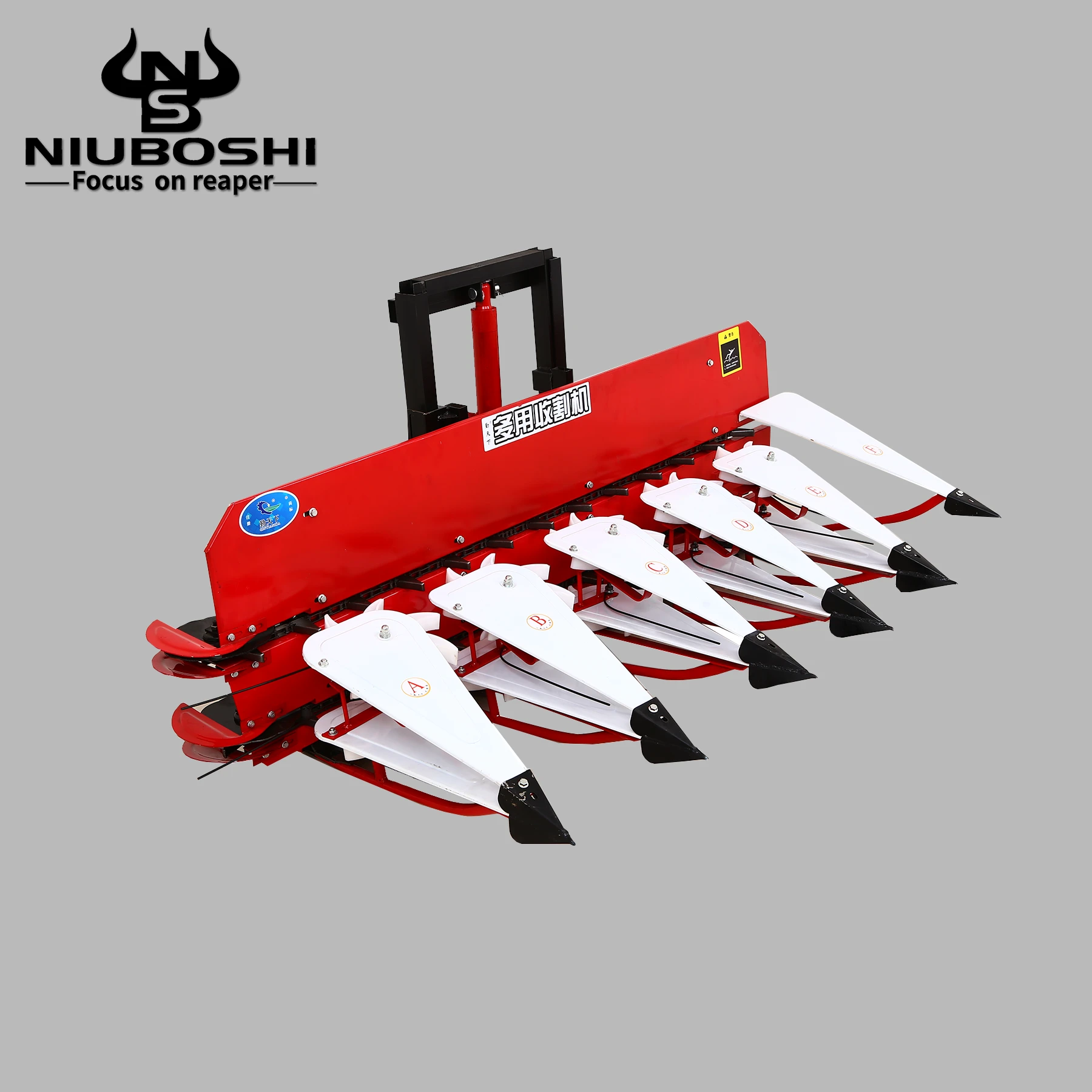
A wheat reaper tractor, at its core, is a self-propelled machine designed to harvest wheat. But it’s evolved significantly. Modern machines aren’t just reaping – they’re threshing, cleaning, and even separating the grain from the chaff, all in one operation. The HB NiuBoshi models I’ve seen utilize a rotary separation system which, frankly, seems to reduce grain loss compared to older conventional designs. They often feature adjustable headers to accommodate different crop heights and conditions. Here's a quick breakdown of the specs. It feels like they’ve really focused on ease of use, too – which is huge for operators.
| Specification | Value | Notes |
|---|---|---|
| Engine Power | 180-300 hp | Diesel |
| Grain Tank Capacity | 8-12 m³ | Dependent on model |
| Header Width | 3-6 m | Adjustable |
Applications & Benefits
The applications are fairly obvious – harvesting wheat, primarily. But these tractors are versatile. Many farmers are using them for other grain crops like barley, oats, and even soybeans. The key benefits, I suppose, come down to efficiency and reduced labor costs. These machines can cover a lot of ground quickly, and with fewer operators needed compared to older methods. HB NiuBoshi machines, particularly, seem to excel in challenging terrain. I spoke to a farmer in Montana who said the four-wheel drive system really helped him navigate some pretty steep hills. Plus, the automated features – like header height control – significantly improve grain quality and reduce losses.
Cost, Maintenance, and User Experience
Okay, let's talk money. Initial investment is significant, no question. But you need to look at the total cost of ownership. The durability of HB NiuBoshi machines seems to be a major plus – fewer breakdowns mean less downtime and lower repair bills. Many engineers say their use of high-strength steel in critical components contributes to this. Maintenance is relatively straightforward, but regular checks of filters, belts, and fluids are essential. Compared to other options, the price point is competitive, though you can see a range depending on features.
| Vendor | Price Range (USD) | Warranty | Key Features |
|---|---|---|---|
| HB NiuBoshi | $250,000 - $400,000 | 2 years/2000 hrs | Rotary separation, 4WD, Auto-leveling |
| Case IH | $300,000 - $500,000+ | 3 years/3000 hrs | Advanced Precision Farming Tech |
| John Deere | $280,000 - $450,000 | 2 years/2500 hrs | Harvest Smart™ System |
Future Trends & Sustainability
The industry is really pushing towards more sustainable practices, and that includes reducing emissions and minimizing fuel consumption. Precision agriculture technologies, like GPS-guided steering and variable-rate application, are becoming increasingly important. Oddly enough, we’re seeing a lot of interest in electric and hybrid combine harvesters. HB NiuBoshi is investing in research and development in these areas, which is encouraging. The trend towards larger farms and increased demand for food production will undoubtedly drive continued innovation in this sector.
Frequently Asked Questions about Wheat Reaper Tractor
- What is a Wheat Reaper Tractor and how does it work?
- A Wheat Reaper Tractor combines reaping, threshing, and cleaning of wheat in a single process. It cuts the crop, separates the grain from the stalk, and collects the grain in a tank. Modern tractors utilize rotary or conventional separation systems for efficient grain extraction.
- What are the main benefits of using Wheat Reaper Tractor in industrial applications?
- The main benefits include increased efficiency, reduced labor costs, improved grain quality, and the ability to harvest large areas quickly. They’re also adaptable to various grain types and challenging terrains.
- How does Wheat Reaper Tractor compare to traditional alternatives?
- Compared to manual harvesting or older combine harvesters, Wheat Reaper Tractors offer significantly higher productivity, reduced grain loss, and improved operational efficiency. They're also easier to operate and maintain, despite the initial investment.
- What industries can benefit most from Wheat Reaper Tractor implementation?
- Primarily, large-scale wheat farming operations benefit the most. But they're also valuable for farmers growing barley, oats, rye, and soybeans. Any operation handling significant grain volumes can see substantial returns on investment.
Conclusion
The Wheat Reaper Tractor is undeniably a game-changer for modern agriculture, offering a powerful combination of efficiency, durability, and versatility. Choosing the right model requires careful consideration of your specific needs and operating conditions.
- - "Visit our website: https://www.hbniuboshi.com"
Latest news
-
Maximize Harvest Efficiency with the Agro Reaper Binder MachineNewsApr.16,2026
-
Boost Harvest Efficiency with the Best Agriculture Reaper MachineNewsApr.09,2026
-
Revolutionizing Agriculture with the Efficient Agriculture Power ReaperNewsApr.07,2026
-
Comprehensive Guide to the 4 Wheel Reaper Binder for Efficient HarvestingNewsApr.04,2026
-
Comprehensive Guide to Reaperbinder Technology for Efficient Hay and Crop HarvestingNewsMar.31,2026
-
Mastering the Art of Reaper Cutting for Enhanced Agricultural EfficiencyNewsMar.28,2026