The Revolutionary Impact of the Reaper Harvester on Modern Agriculture
Understanding the Power of the Reaper Harvester
In the realm of agricultural efficiency, the reaper harvester stands as a pivotal machine. It's a tool that has revolutionized farming practices, significantly increasing yield and reducing labor costs. This article delves into the intricacies of reaper harvesters, exploring their benefits, types, applications, and considerations for choosing the right model. For those seeking to enhance their agricultural operations, understanding this technology is crucial. We'll cover everything from basic functionality to advanced features, providing a comprehensive overview for farmers and agricultural professionals.
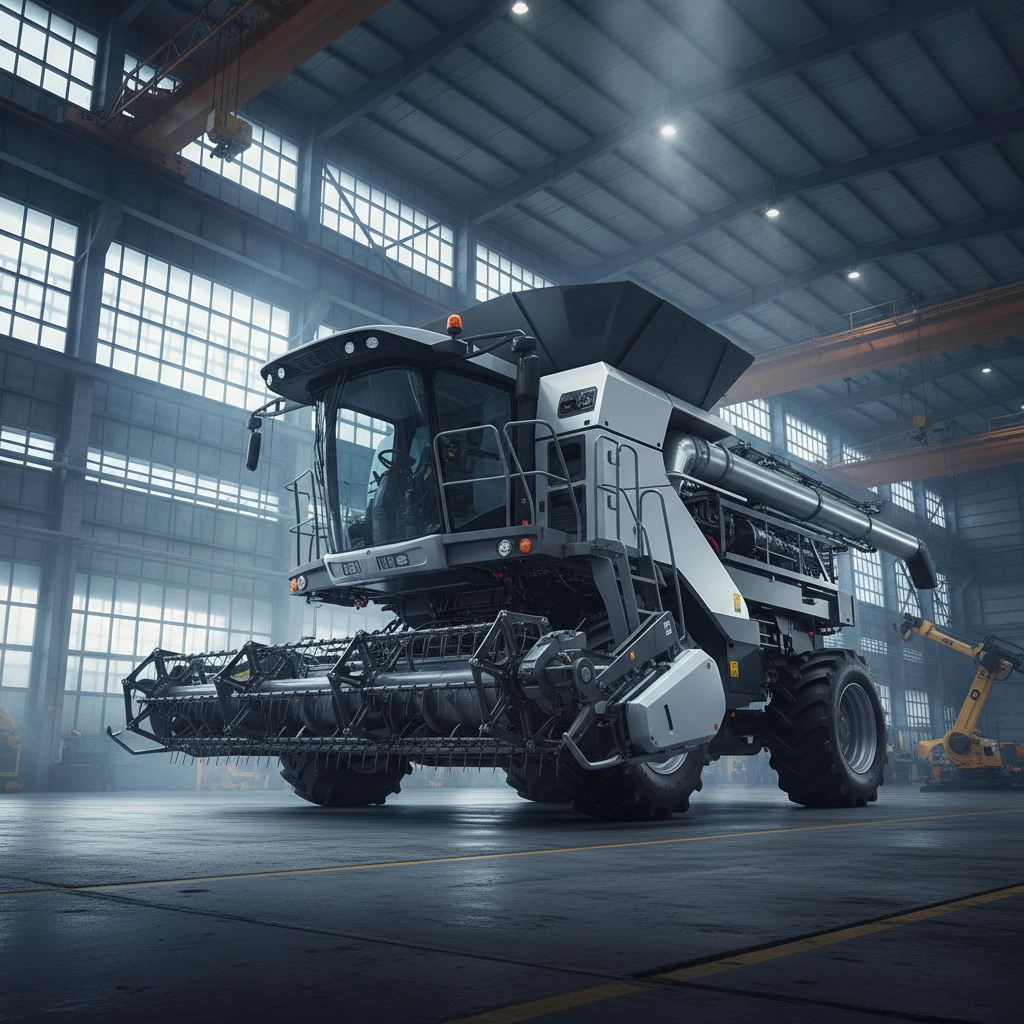
What is a Reaper Harvester?
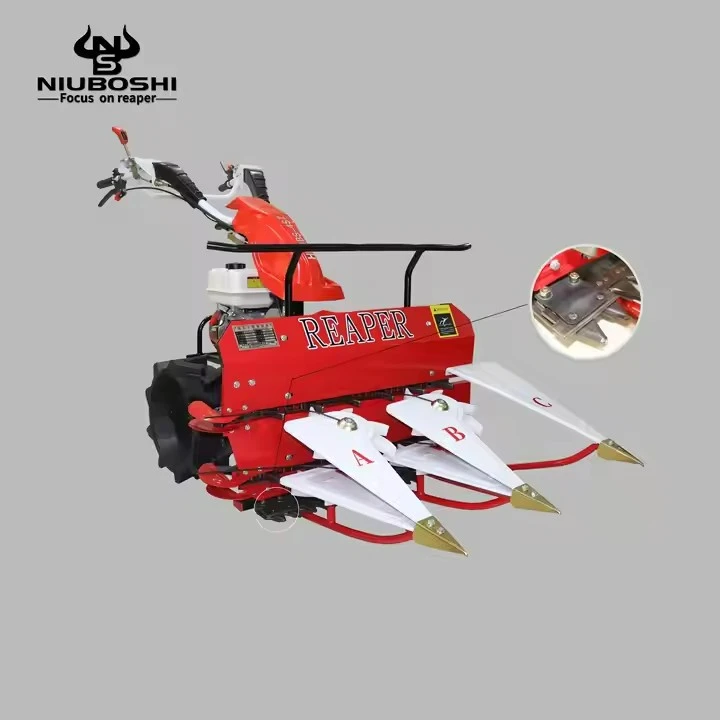
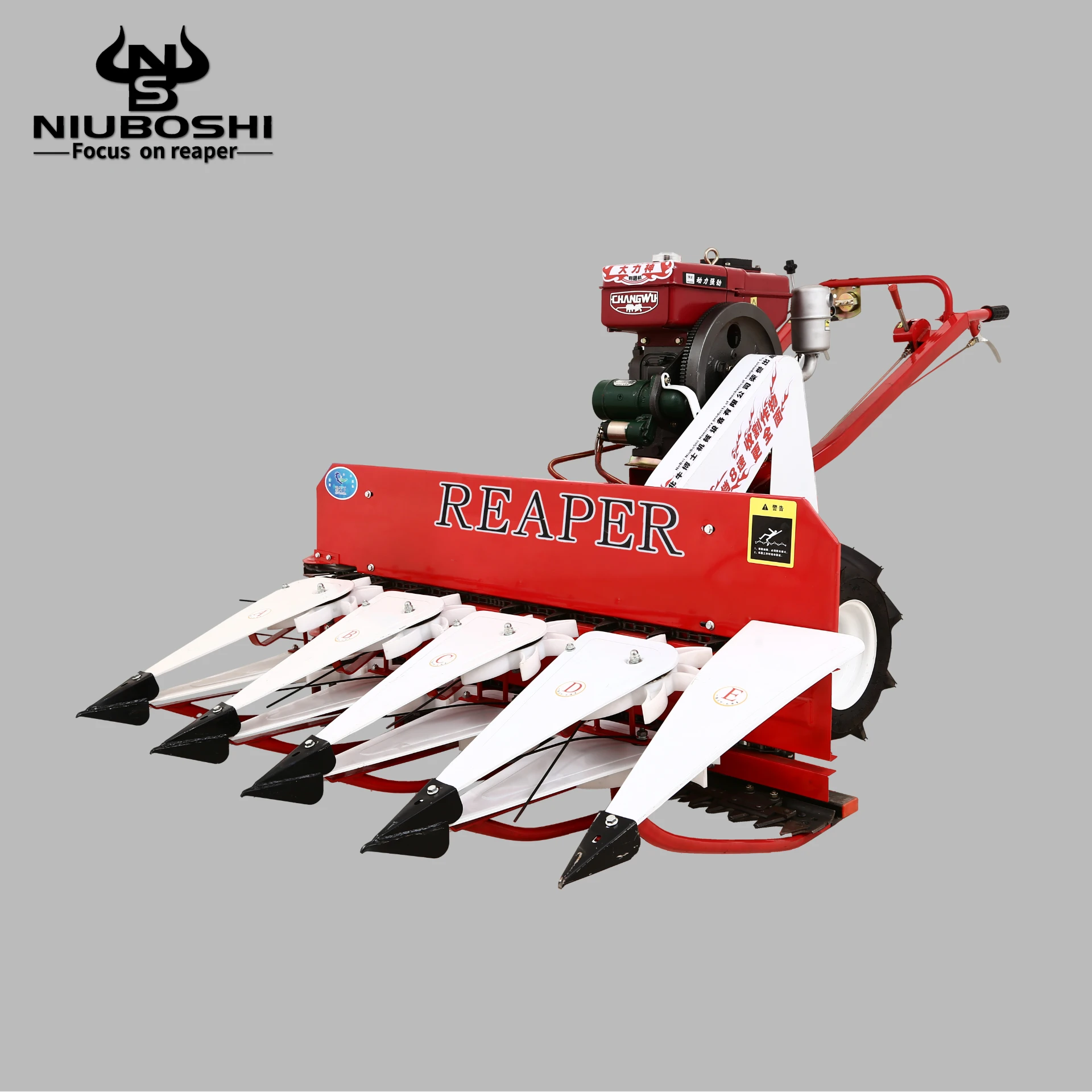
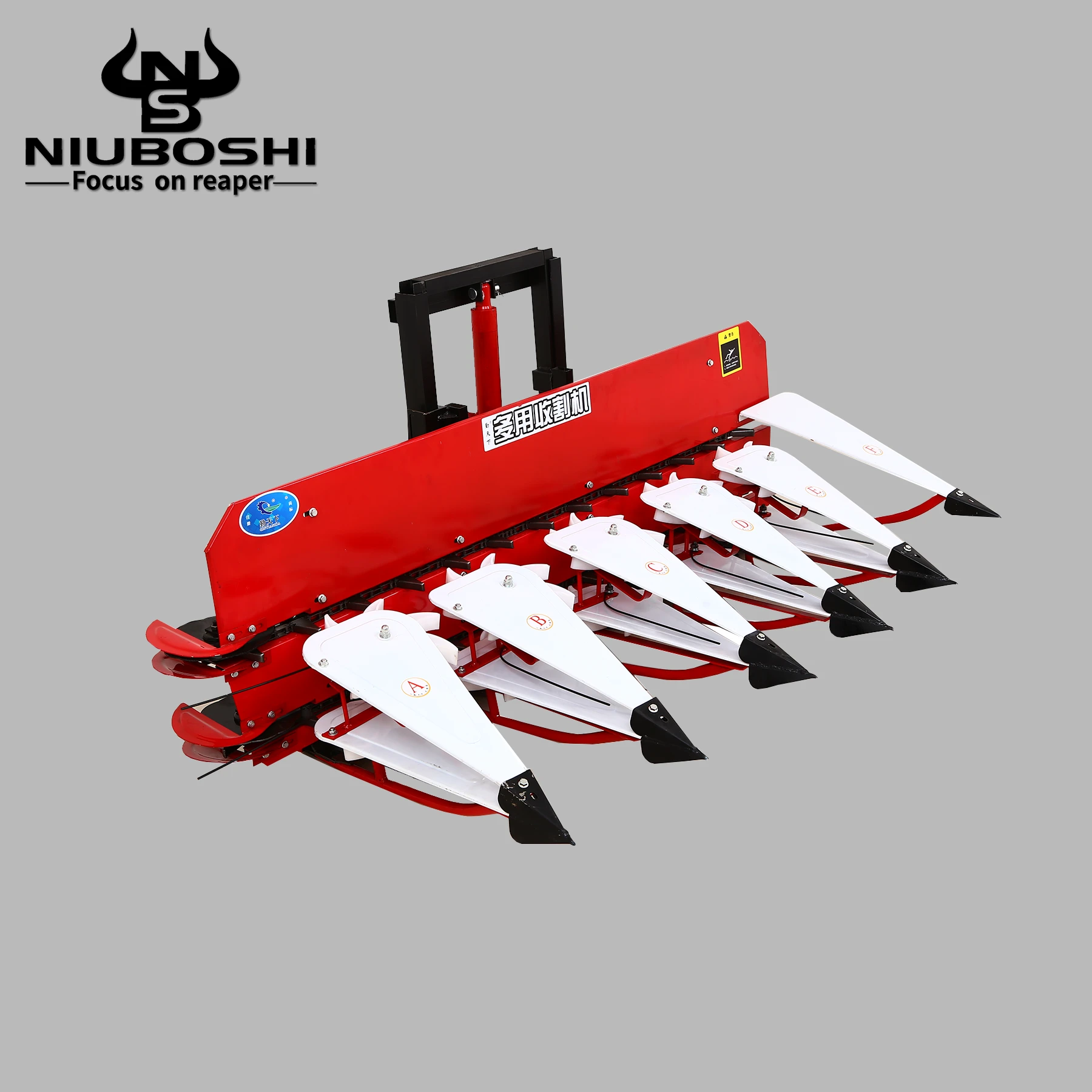
A reaper harvester is an agricultural machine designed to efficiently harvest crops. Historically, these tasks were incredibly labor-intensive, relying on manual scything and gathering. The reaper harvester combines the functions of reaping (cutting), gathering, and sometimes threshing (separating grain from stalk) into a single operation. This leads to faster harvest times, reduced crop losses, and lower overall costs. Modern reaper harvesters are sophisticated machines, often incorporating GPS technology, automated adjustments, and advanced monitoring systems. The Niuboshi reaper harvester exemplifies this technological advancement.
Key Benefits: Reduced labor costs, Faster harvesting, Minimized crop loss, Improved efficiency, Increased yield potential.
Types of Reaper Harvesters
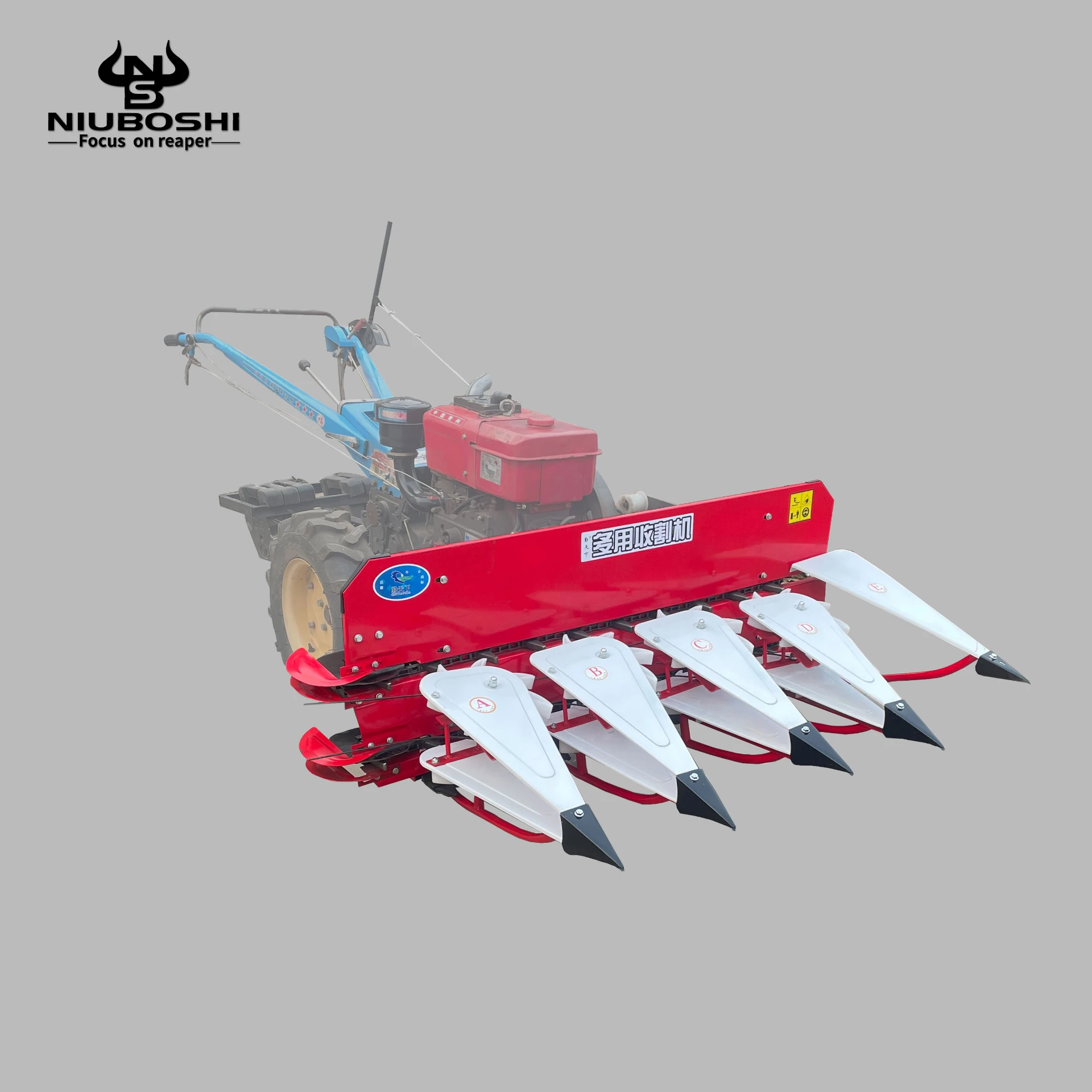
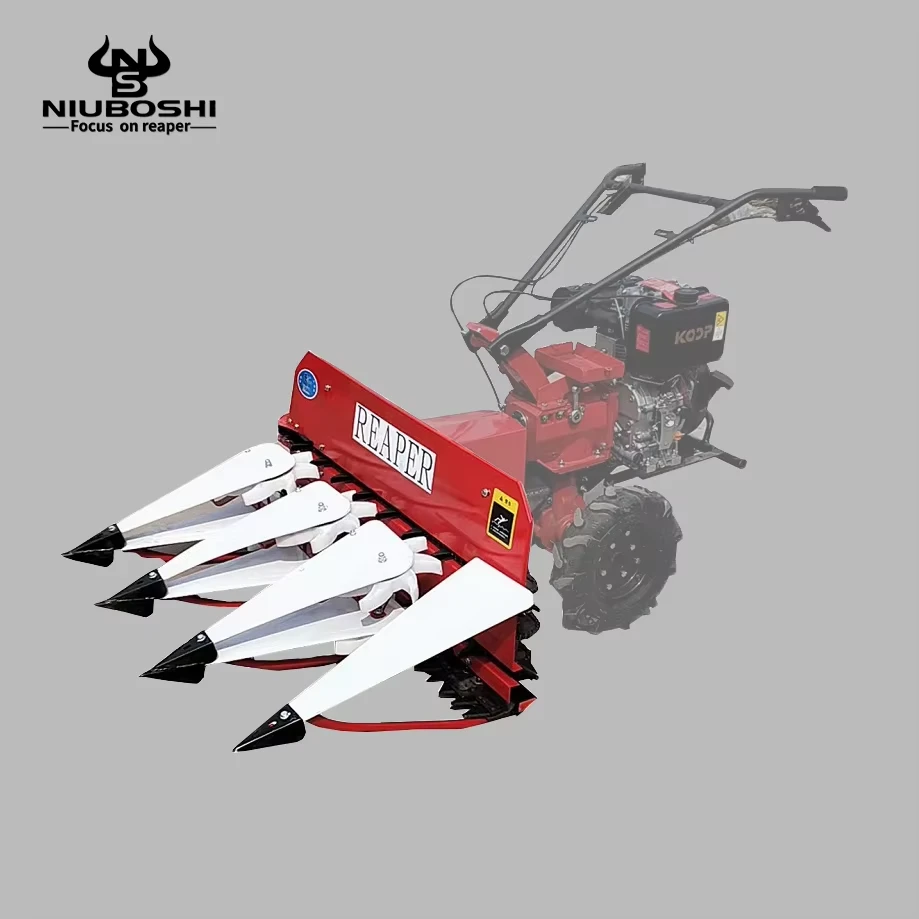
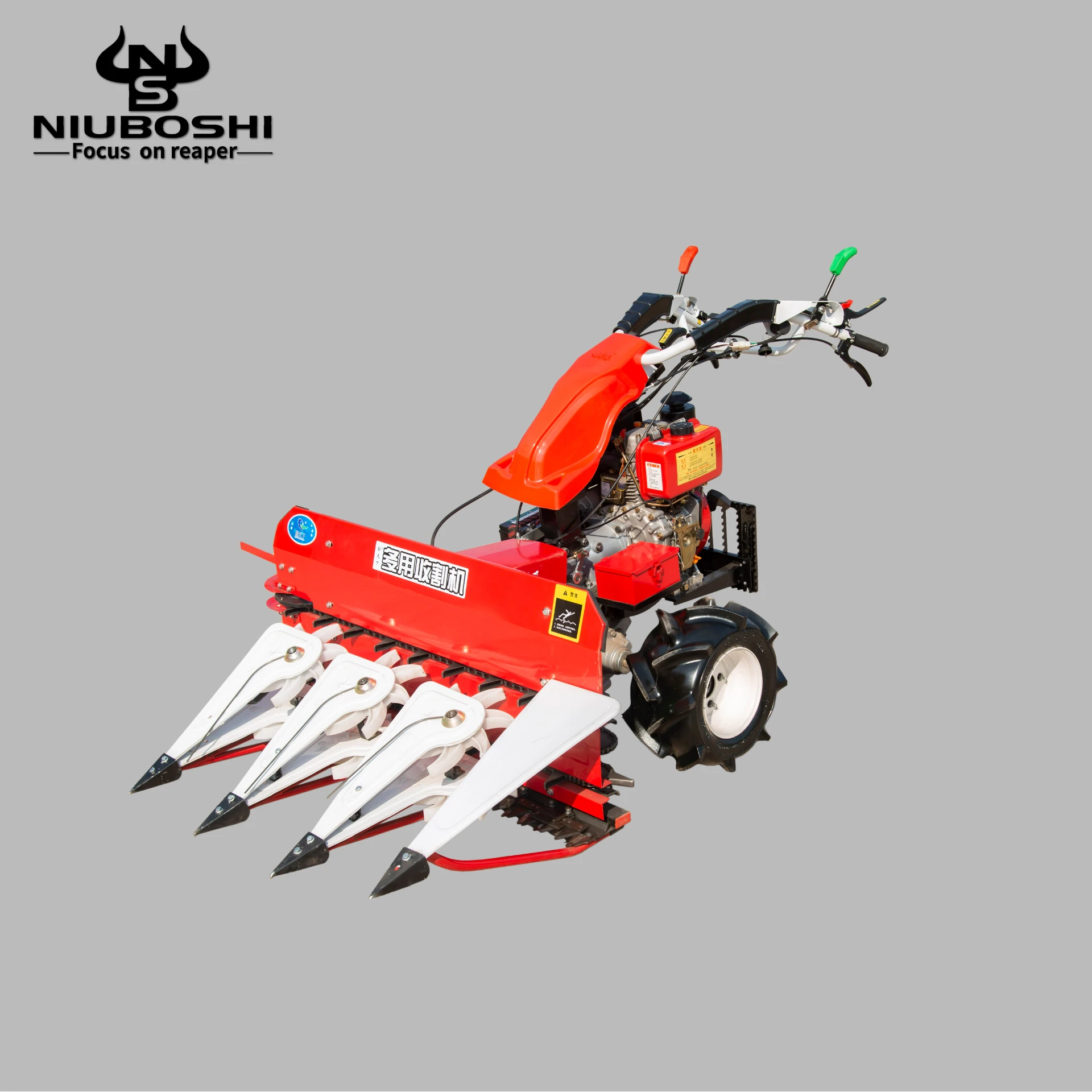
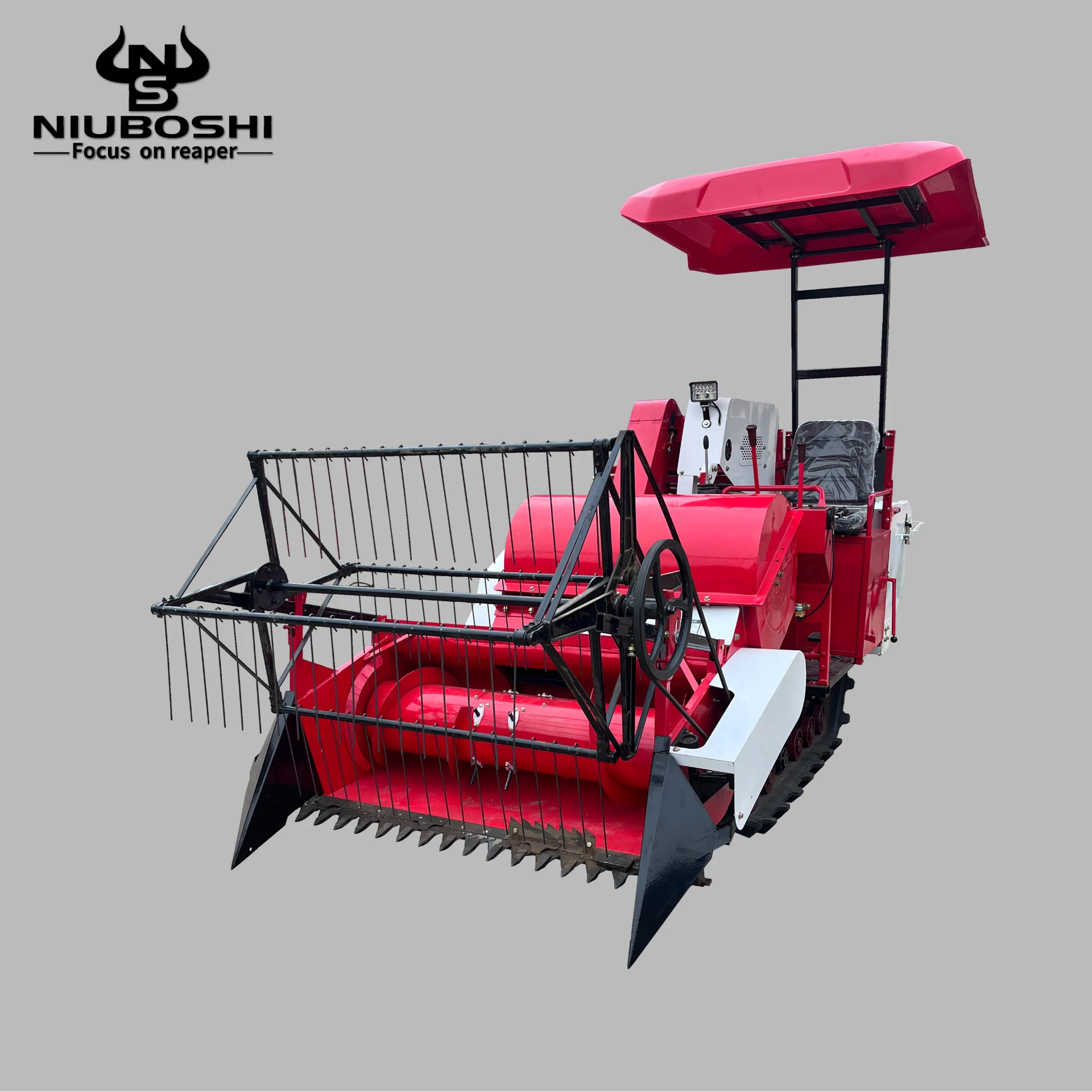
Reaper harvesters come in various forms, each suited for different crops and farming conditions. The main categories include self-propelled harvesters, pull-type harvesters, and small-scale hand-tractor mounted harvesters. Self-propelled models offer high capacity and versatility but come with a higher price tag. Pull-type harvesters are more affordable and require a tractor for operation. Hand-tractor mounted harvesters are ideal for smaller farms and offer a cost-effective solution. Understanding these distinctions is vital when selecting the optimal machine for your specific needs. Niuboshi offers a range of reaper harvesters tailored to diverse agricultural settings.
Key Reaper Harvester Types:
• Self-Propelled Harvesters: High capacity, versatile, expensive.
• Pull-Type Harvesters: Affordable, requires a tractor, good for medium-sized farms.
• Hand-Tractor Mounted Harvesters: Cost-effective, suitable for small farms.
Reaper Harvester Applications: Crops and Regions
Reaper harvesters are adaptable to a wide range of crops, including wheat, rice, barley, soybeans, corn, and many others. The specific design of the harvesting head is often tailored to the crop being harvested. For instance, a rice reaper harvester will have a different cutting mechanism than a wheat reaper harvester. These machines are utilized globally, with significant adoption in regions with large-scale agricultural production, such as the United States, Canada, Europe, and Asia. The demand for efficient harvesting solutions continues to drive innovation and expansion of the reaper harvester market. Niuboshi reaper harvesters are engineered for optimal performance in diverse climates and terrains.
Choosing the Right Reaper Harvester
Selecting the right reaper harvester involves careful consideration of several factors. These include the type of crops you'll be harvesting, the size of your farm, the terrain of your land, your budget, and your long-term agricultural goals. It’s essential to assess your specific needs and choose a model that offers the optimal balance of performance, reliability, and affordability. Consider factors like fuel efficiency, maintenance requirements, and availability of spare parts. The Niuboshi team can provide expert guidance to help you make an informed decision.
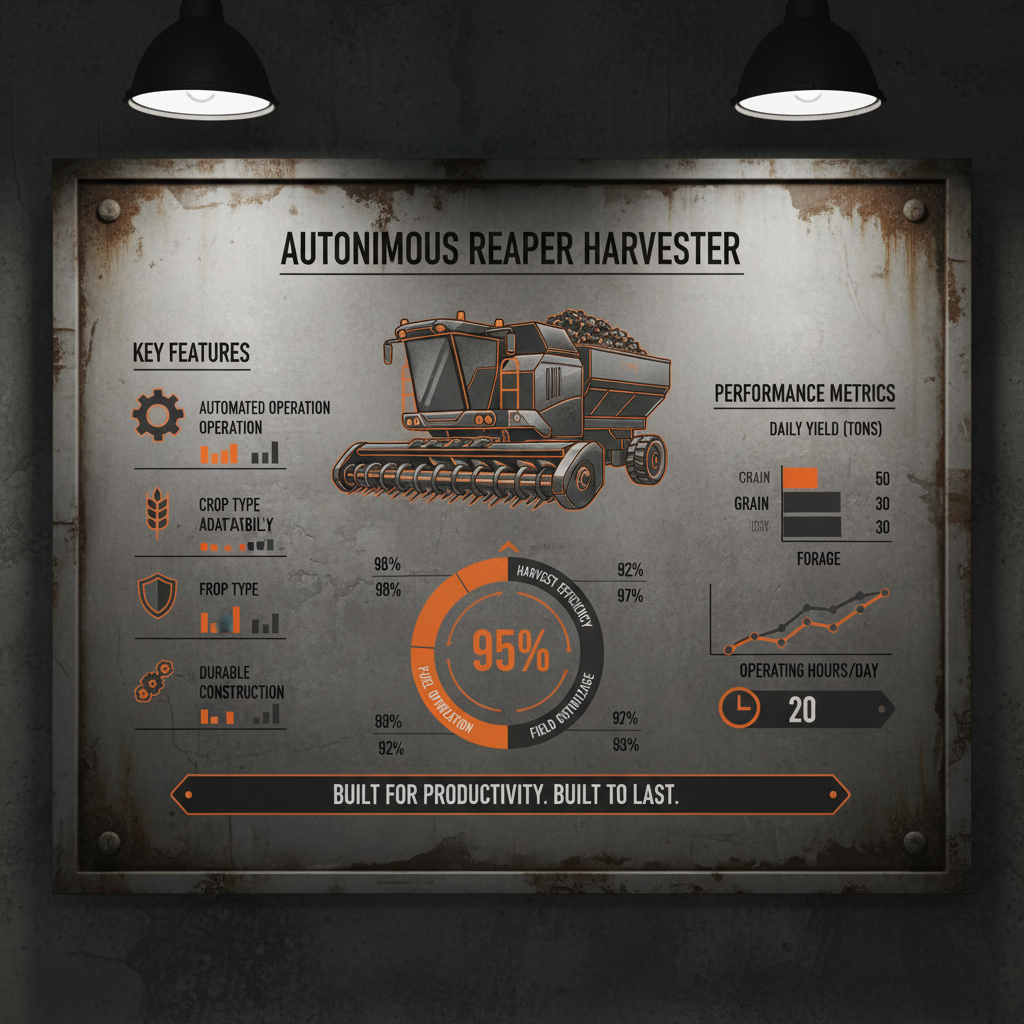
Future Trends in Reaper Harvester Technology
The reaper harvester industry is continuously evolving. Future trends include increased automation through the use of artificial intelligence (AI) and machine learning, precision agriculture techniques utilizing GPS and sensor technology, and the development of more sustainable harvesting practices. Expect to see machines that can automatically adjust to varying crop conditions, optimize harvesting routes, and minimize environmental impact. Niuboshi is committed to staying at the forefront of these innovations, developing cutting-edge reaper harvesters that empower farmers to maximize their productivity and profitability.
Conclusion: Investing in Efficiency with a Reaper Harvester
Investing in a reaper harvester is a strategic move for any farmer looking to improve efficiency, reduce costs, and increase yields. By carefully considering your needs and selecting the right model, you can unlock significant benefits for your agricultural operation. Niuboshi offers a comprehensive range of reaper harvesters designed to meet the demands of modern farming. Don't delay – embrace the future of harvesting today.
Frequently Asked Questions (FAQs)
What maintenance is required for a reaper harvester?
Regular maintenance is crucial for extending the life and ensuring the optimal performance of your reaper harvester. This includes daily checks of oil levels, coolant, and hydraulic fluids, as well as regular lubrication of moving parts. Periodic inspections of the cutting blades, belts, and chains are essential. Annual servicing by a qualified technician is also recommended. Following the manufacturer's maintenance schedule will help prevent costly repairs and downtime. Niuboshi provides comprehensive maintenance guides and support for all our machines.
What safety precautions should be taken when operating a reaper harvester?
Safety should always be a top priority when operating a reaper harvester. Always wear appropriate personal protective equipment (PPE), including safety glasses, gloves, and sturdy footwear. Ensure the area around the machine is clear of obstacles and personnel before starting. Never attempt to repair or adjust the machine while it is running. Familiarize yourself with the emergency stop procedures. Always follow the manufacturer's safety guidelines.
How long does it typically take to harvest an acre of land with a reaper harvester?
The time it takes to harvest an acre of land with a reaper harvester varies depending on several factors, including the crop type, the field size and shape, the terrain, and the harvester's speed and efficiency. On average, a modern self-propelled reaper harvester can harvest between 10 to 20 acres per day. Smaller hand-tractor mounted harvesters will typically cover a smaller area. Niuboshi harvesters are designed for maximum efficiency and can significantly reduce harvest times.
What is the typical cost of a reaper harvester?
The cost of a reaper harvester varies greatly depending on its type, size, features, and brand. Hand-tractor mounted harvesters can range from $2,000 to $10,000, while pull-type harvesters typically cost between $15,000 and $40,000. Self-propelled harvesters are the most expensive, with prices ranging from $50,000 to $300,000 or more. Niuboshi offers a range of reaper harvesters to fit different budgets, with financing options available.
Latest news
-
Maximize Harvest Efficiency with the Agro Reaper Binder MachineNewsApr.16,2026
-
Boost Harvest Efficiency with the Best Agriculture Reaper MachineNewsApr.09,2026
-
Revolutionizing Agriculture with the Efficient Agriculture Power ReaperNewsApr.07,2026
-
Comprehensive Guide to the 4 Wheel Reaper Binder for Efficient HarvestingNewsApr.04,2026
-
Comprehensive Guide to Reaperbinder Technology for Efficient Hay and Crop HarvestingNewsMar.31,2026
-
Mastering the Art of Reaper Cutting for Enhanced Agricultural EfficiencyNewsMar.28,2026