Comprehensive Guide to Reaperbinder Technology for Efficient Hay and Crop Harvesting
Reaperbinder: The Ultimate Guide to Versatile Binding Solutions
In the world of agriculture and hay production, efficiency and quality are paramount. A crucial component of these operations is the ability to effectively bind hay bales, preserving nutrients and ensuring easy handling. The reaperbinder, a specialized agricultural machine, plays a vital role in this process. This article will delve into the functionality, benefits, applications, and considerations when choosing a reaperbinder, providing a comprehensive overview for farmers and agricultural professionals. Understanding this technology is essential for maximizing yield and minimizing waste.
What is a Reaperbinder and How Does it Work?
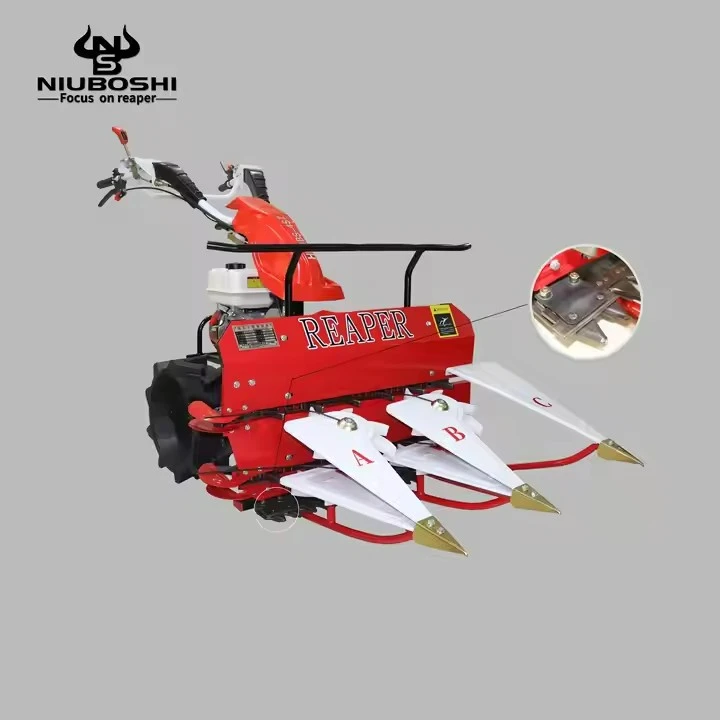
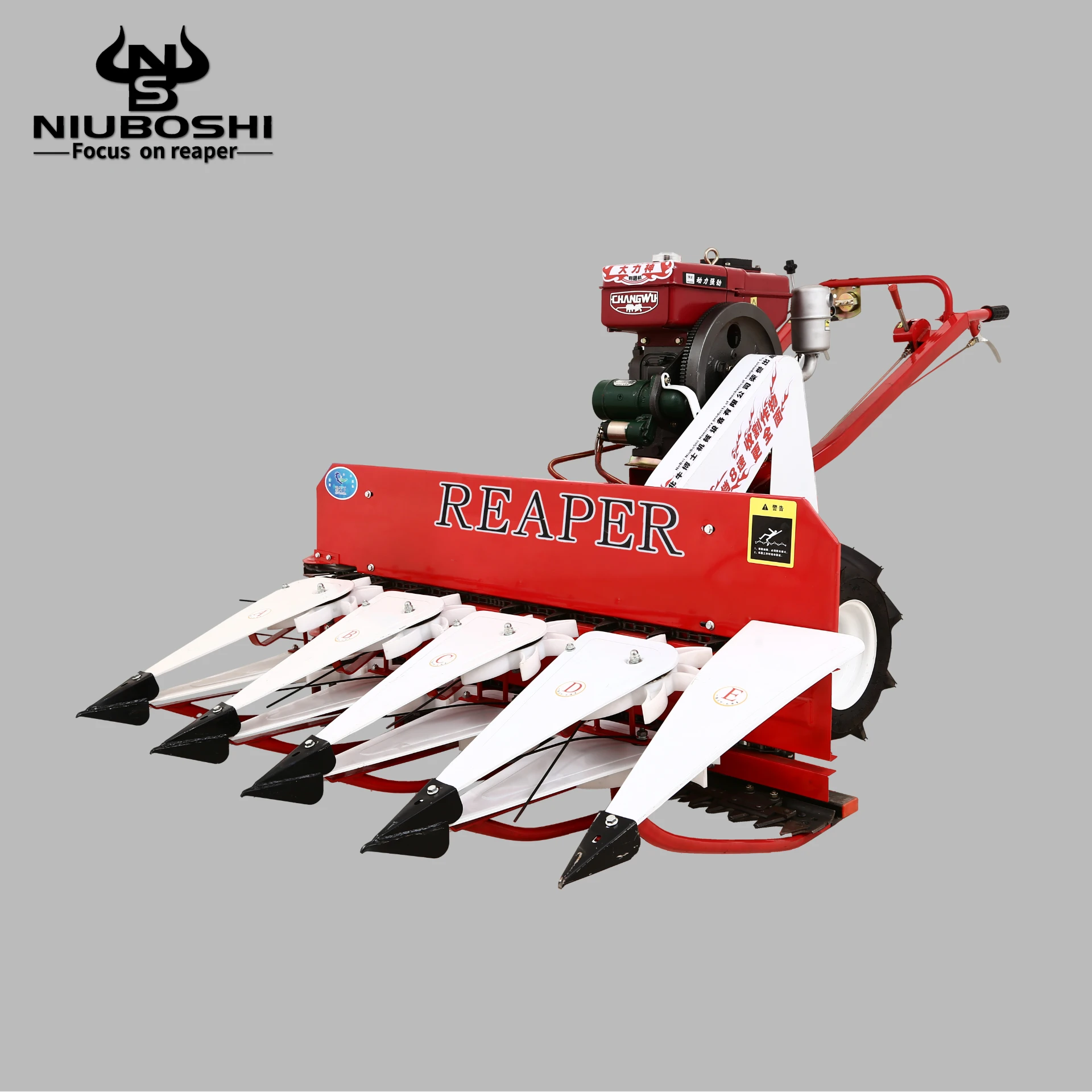
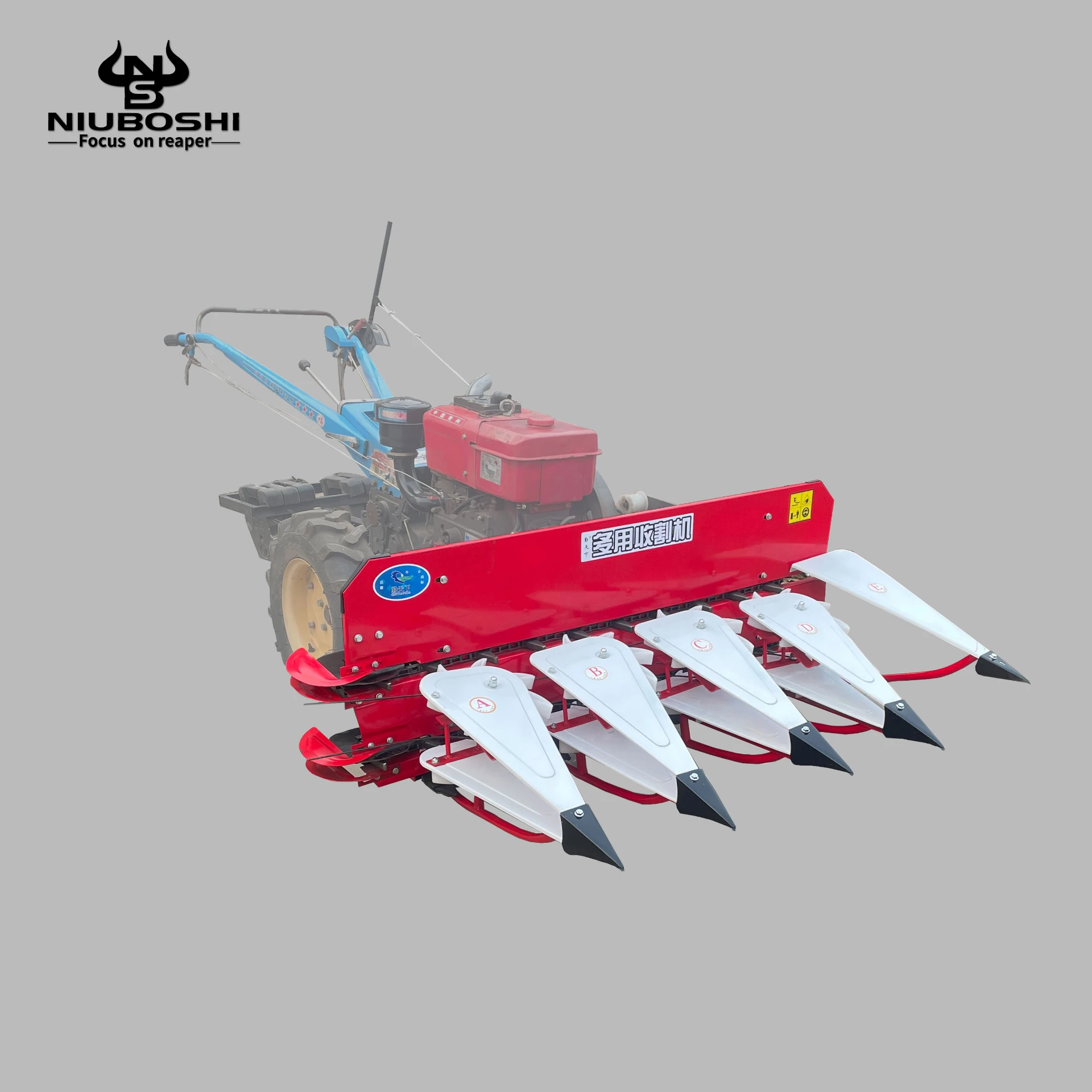
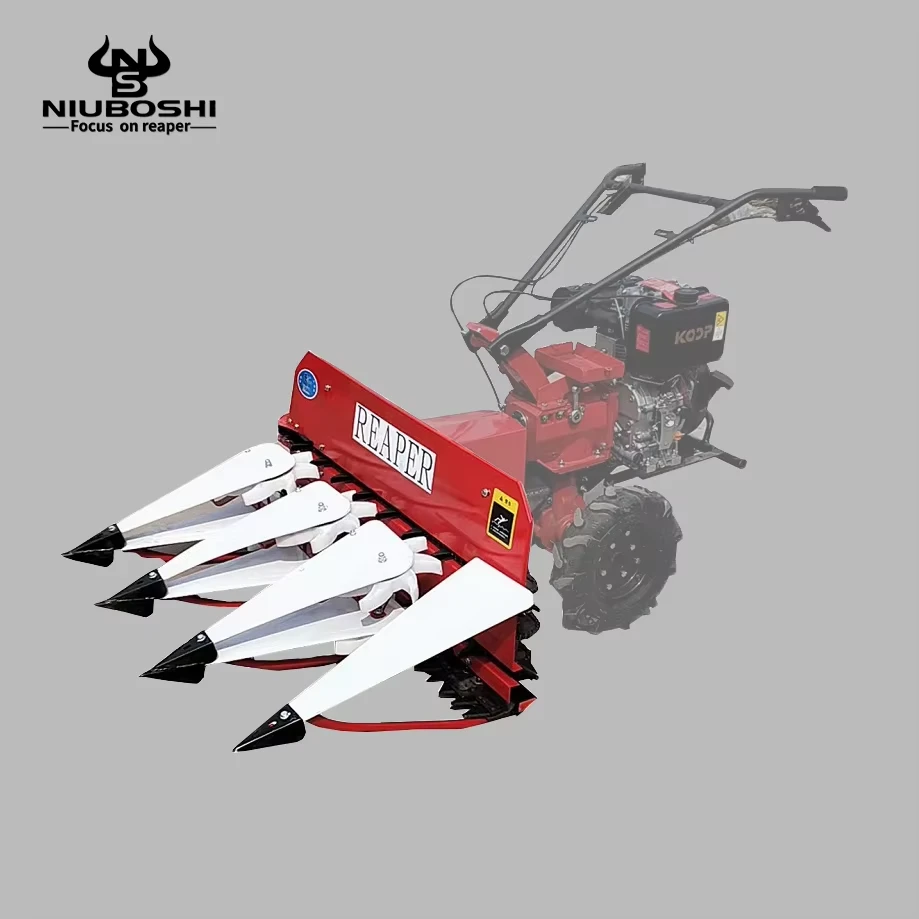
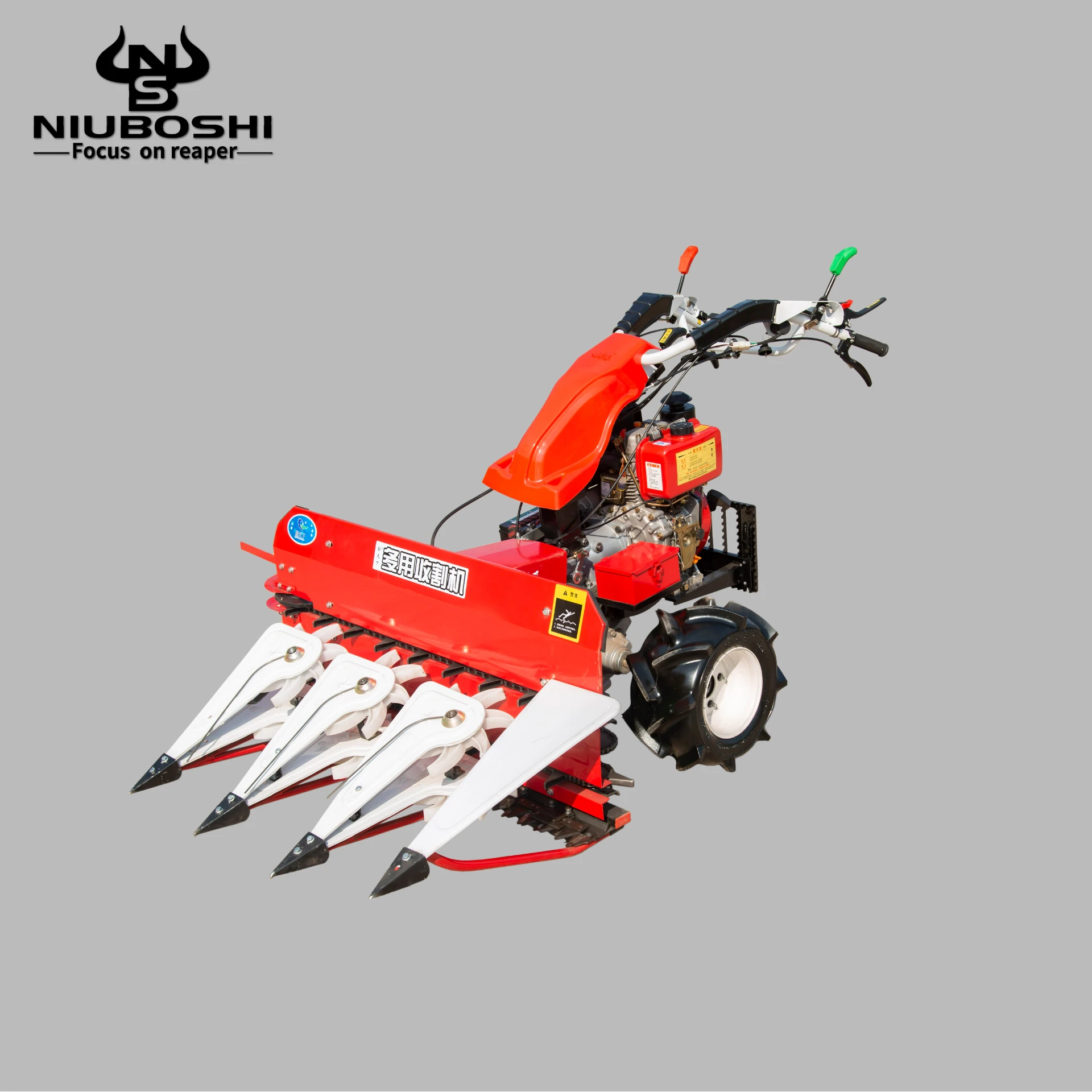
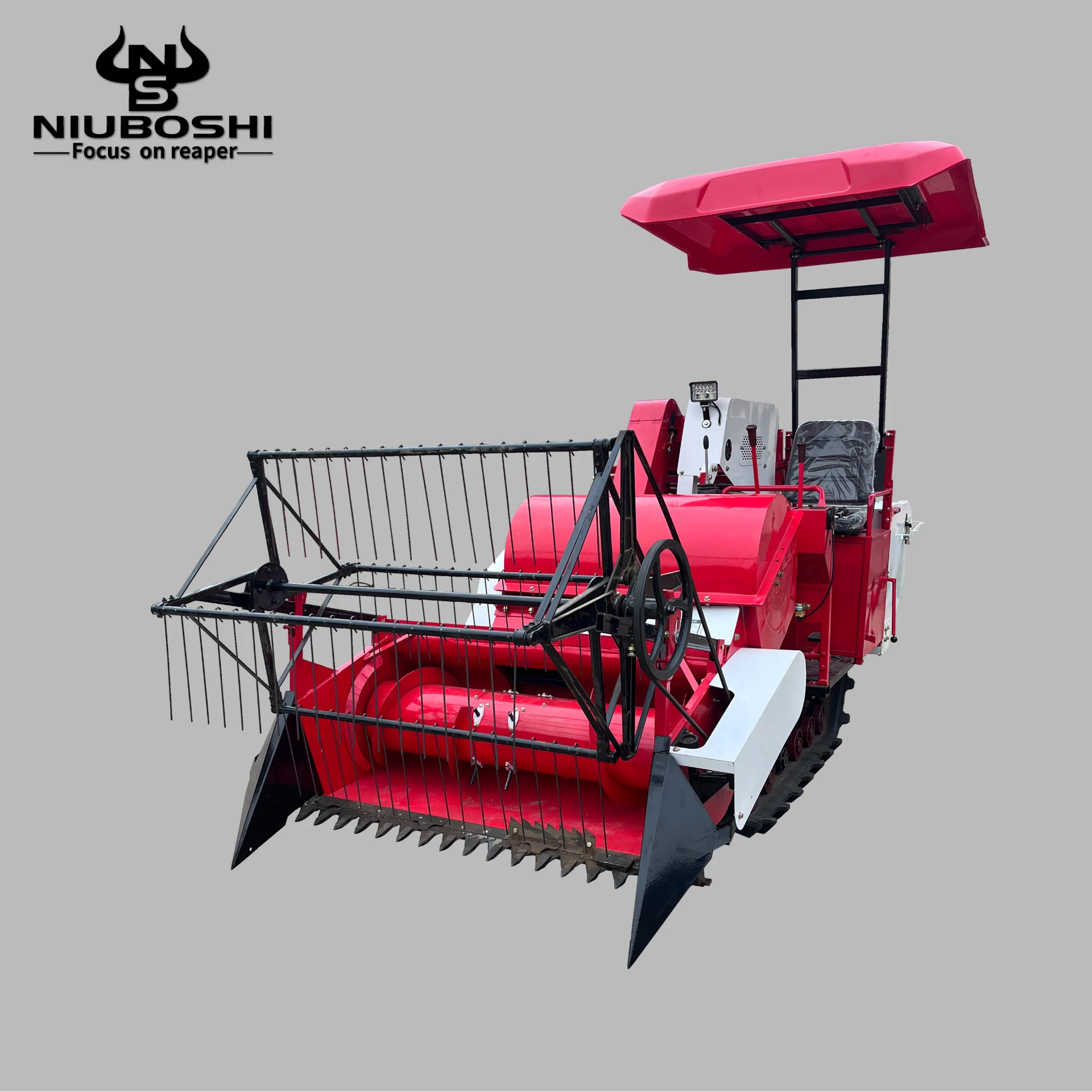
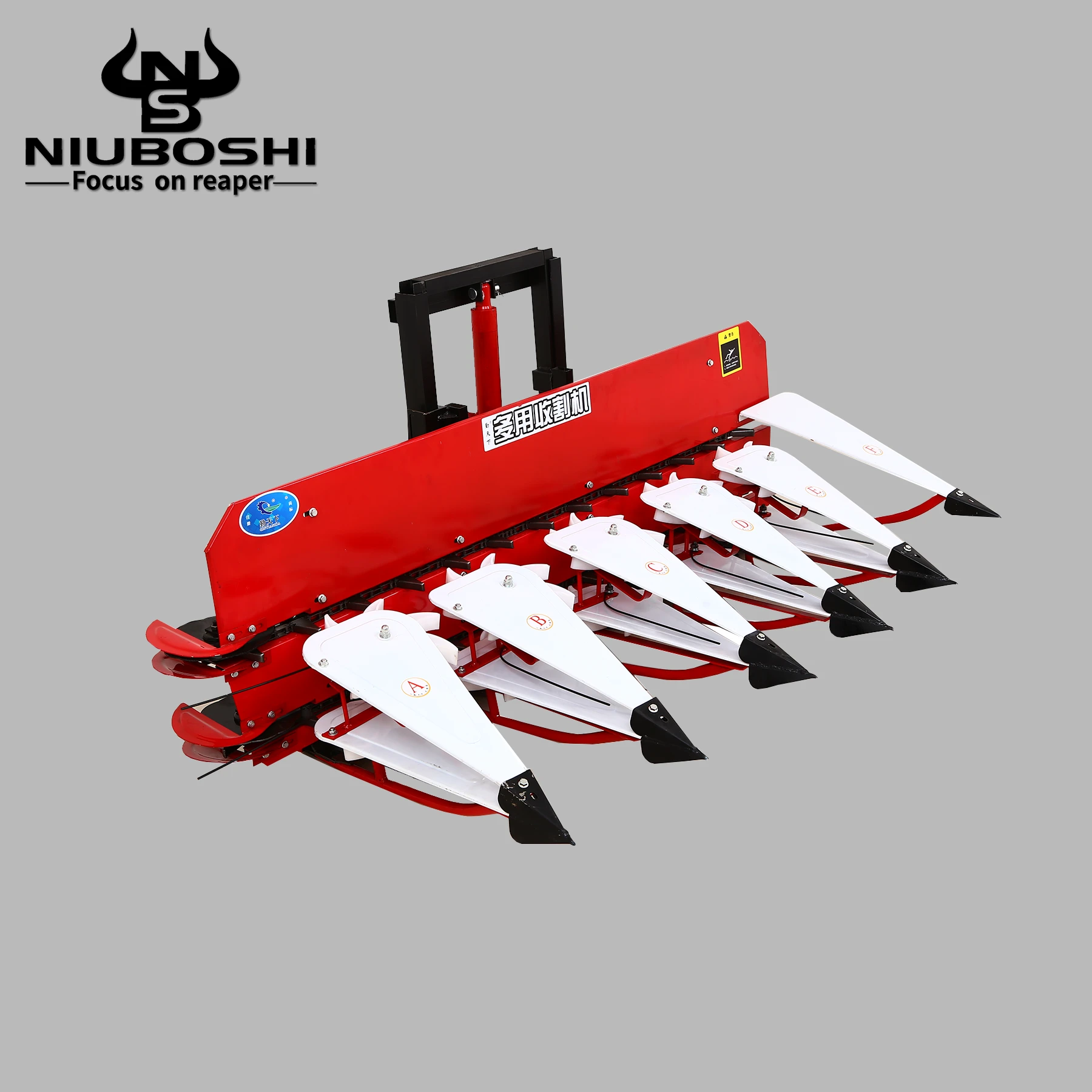
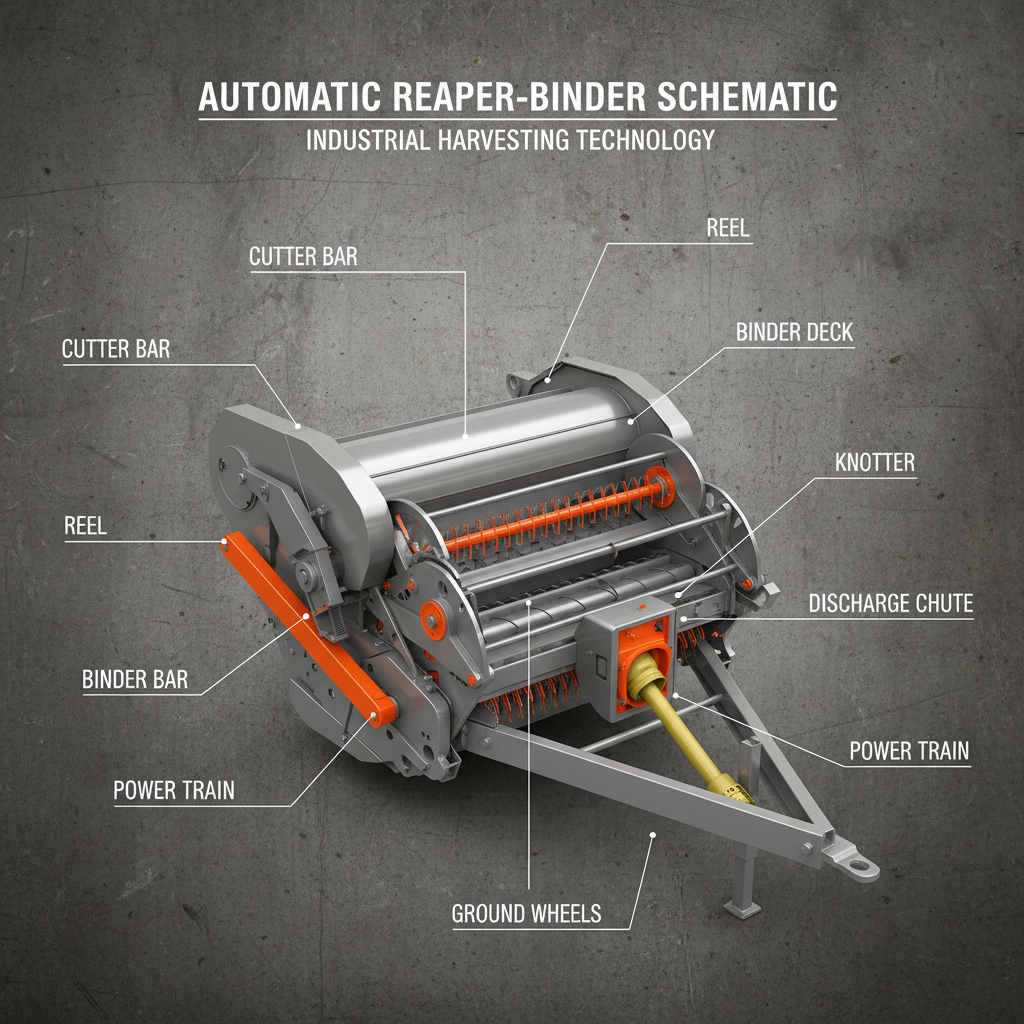
A reaperbinder is a sophisticated agricultural machine that combines the functions of reaping (cutting) and binding (tying) crops, traditionally hay, wheat, or similar materials. The machine travels through the field, cutting the crop with a reciprocating knife. Simultaneously, it gathers the cut crop into windrows and then uses a binding mechanism – typically twine – to tie the crop into manageable bundles or bales. This automated process significantly reduces labor requirements and speeds up harvesting. Modern reaperbinders often incorporate features like adjustable cutting heights, automatic twine tensioning, and bale counters for increased efficiency. The NiuBoshi reaperbinder models are renowned for their robust construction and reliable performance.
Key Features: Automated cutting and binding, adjustable settings, reduced labor costs, increased harvesting speed, and improved bale consistency.
The Benefits of Utilizing a Reaperbinder
Employing a reaperbinder offers numerous advantages over traditional manual harvesting methods. Perhaps the most significant benefit is a substantial reduction in labor costs, as a single operator can manage a much larger area than with manual tools. Furthermore, reaperbinders drastically increase harvesting speed, allowing farmers to gather their crops more quickly and efficiently, especially important during critical weather windows. The consistent bale size and density produced by a reaperbinder also simplify storage and transportation. Reduced crop losses due to weather damage and improved hay quality are additional benefits. This ultimately translates to higher yields and increased profitability.
Key Benefits:
• Reduced Labor Costs
• Increased Harvesting Speed
• Consistent Bale Size & Density
• Improved Hay Quality
Reaperbinder Features: Comparing Models and Specifications
When selecting a reaperbinder, it’s crucial to consider your specific needs and the characteristics of your farm. Different models offer varying features, such as cutting width, bale size capabilities, engine power, and automation levels. NiuBoshi offers a range of reaperbinder models to suit diverse agricultural operations. The table below outlines the key specifications of some popular models:
Choosing the Right Reaperbinder: Key Considerations
Selecting the optimal reaperbinder requires careful consideration of several factors. The size of your farm and the acreage you need to harvest are primary concerns. The type of crop you're growing will also influence your choice. Consider the terrain of your fields – hilly or uneven terrain may necessitate a model with enhanced maneuverability. Budget is, of course, another crucial factor. It’s also essential to factor in maintenance requirements and the availability of spare parts. A reputable manufacturer like NiuBoshi provides excellent after-sales support and readily available components.
Maintenance and Longevity of Your Reaperbinder
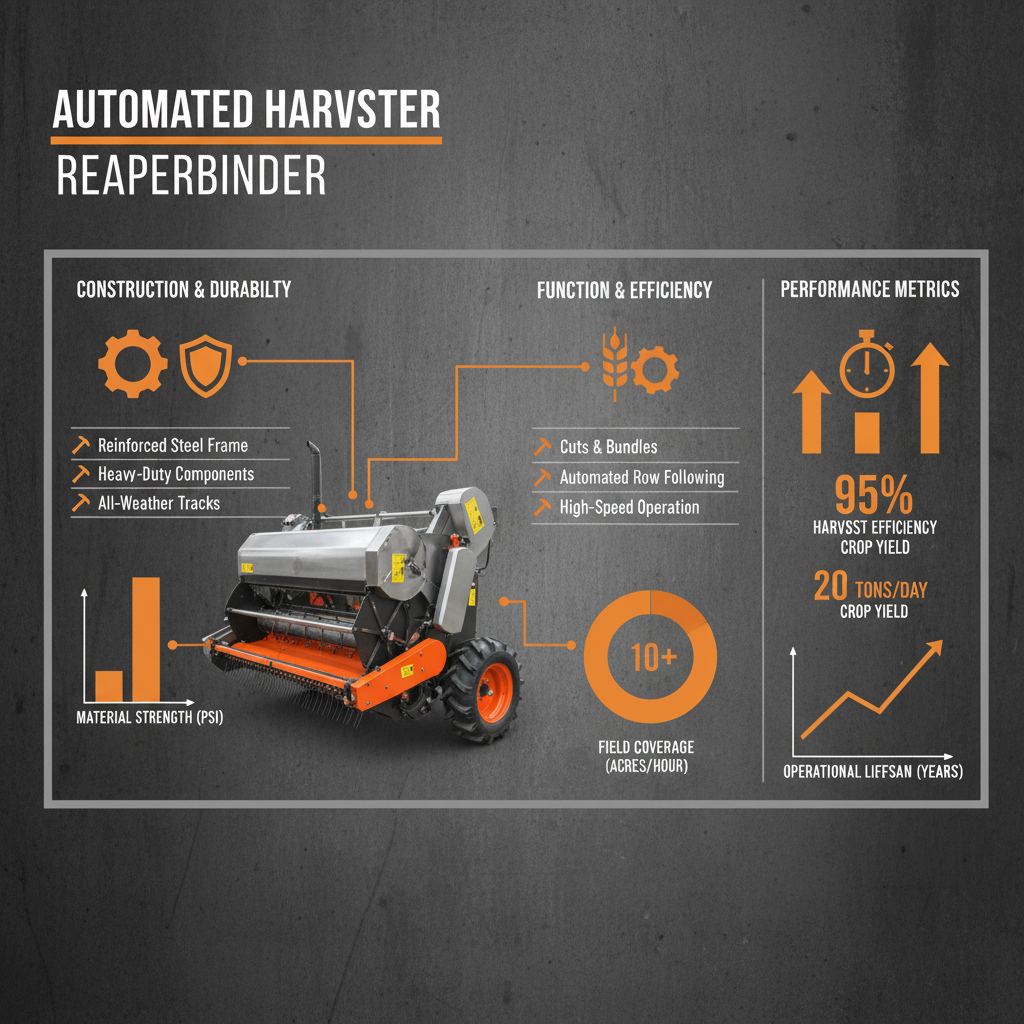
Proper maintenance is crucial for ensuring the longevity and efficient operation of your reaperbinder. Regular lubrication of moving parts, tightening of bolts, and inspection of the cutting mechanism are essential. Keeping the machine clean and free of debris prevents wear and tear. Storing the reaperbinder in a dry, sheltered location during the off-season protects it from the elements. Following the manufacturer’s recommended maintenance schedule is vital. Investing in preventative maintenance saves time and money in the long run by avoiding costly repairs. NiuBoshi provides comprehensive maintenance guides and support to help you keep your reaperbinder in optimal condition.
Conclusion: Elevating Your Harvest with the Right Reaperbinder
Investing in a reaperbinder from a trusted manufacturer like NiuBoshi can significantly improve the efficiency, productivity, and profitability of your agricultural operations. By carefully considering your specific needs and implementing a robust maintenance plan, you can ensure years of reliable performance and maximize your return on investment. Don't let outdated harvesting methods hold you back – embrace the power of modern reaperbinder technology.
Frequently Asked Questions (FAQs)
What type of fuel does a reaperbinder typically use?
Most reaperbinders utilize diesel fuel due to its efficiency and reliability. Diesel engines provide the necessary power and torque for demanding agricultural operations. However, some smaller models may operate on gasoline. Always refer to the manufacturer’s specifications for the correct fuel type for your specific model. Using the wrong fuel can damage the engine and void the warranty. Regularly checking the fuel filter and ensuring a clean fuel supply are also vital for optimal performance.
What safety precautions should I take when operating a reaperbinder?
Safety should always be a top priority when operating a reaperbinder. Before starting the machine, ensure the area is clear of people and obstacles. Always wear appropriate personal protective equipment (PPE), including safety glasses, hearing protection, and sturdy footwear. Never attempt to clear a jammed machine while the engine is running. Be aware of your surroundings and avoid operating the reaperbinder on steep slopes or in adverse weather conditions. Thoroughly read and understand the operator’s manual before operating the machine.
How often should I replace the twine on my reaperbinder?
The frequency of twine replacement depends on the type of twine used and the density of the crop. Regularly inspect the twine for wear and tear, fraying, or breakage. Replacing the twine before it breaks prevents disruptions to the harvesting process and ensures consistent bale quality. A good rule of thumb is to replace the twine after each harvesting session, or more frequently if you are working with particularly tough or abrasive crops. Using high-quality twine specifically designed for reaperbinders will extend its lifespan and reduce the risk of breakage.
Latest news
-
Maximize Harvest Efficiency with the Agro Reaper Binder MachineNewsApr.16,2026
-
Boost Harvest Efficiency with the Best Agriculture Reaper MachineNewsApr.09,2026
-
Revolutionizing Agriculture with the Efficient Agriculture Power ReaperNewsApr.07,2026
-
Comprehensive Guide to the 4 Wheel Reaper Binder for Efficient HarvestingNewsApr.04,2026
-
Mastering the Art of Reaper Cutting for Enhanced Agricultural EfficiencyNewsMar.28,2026