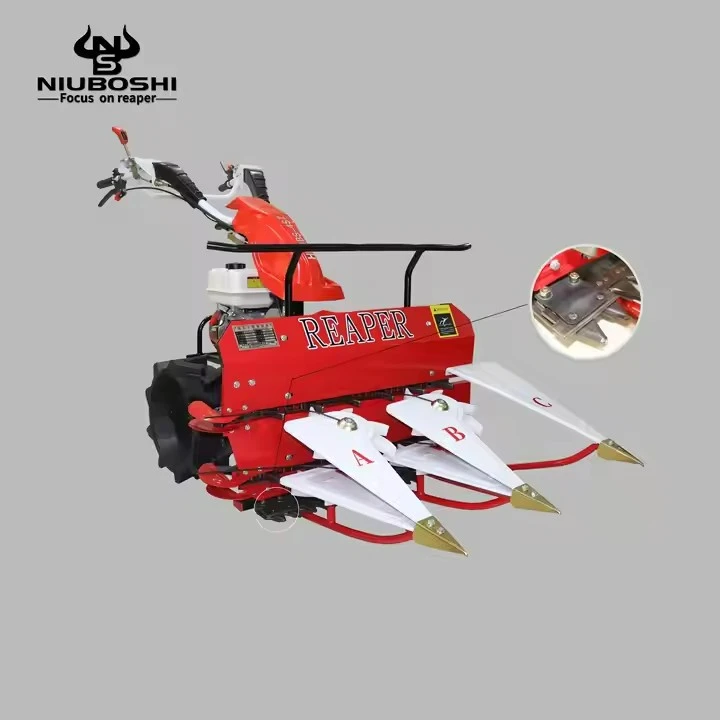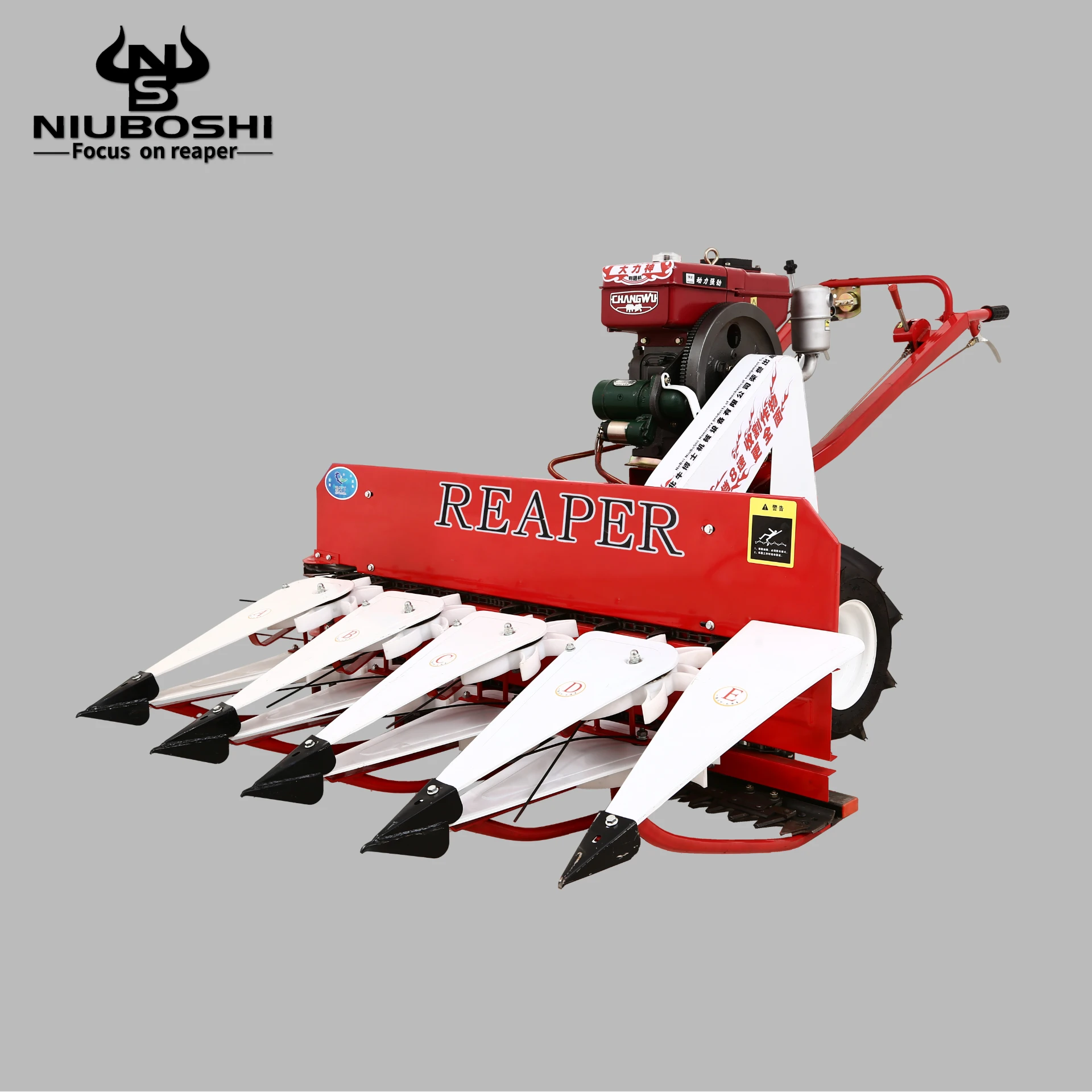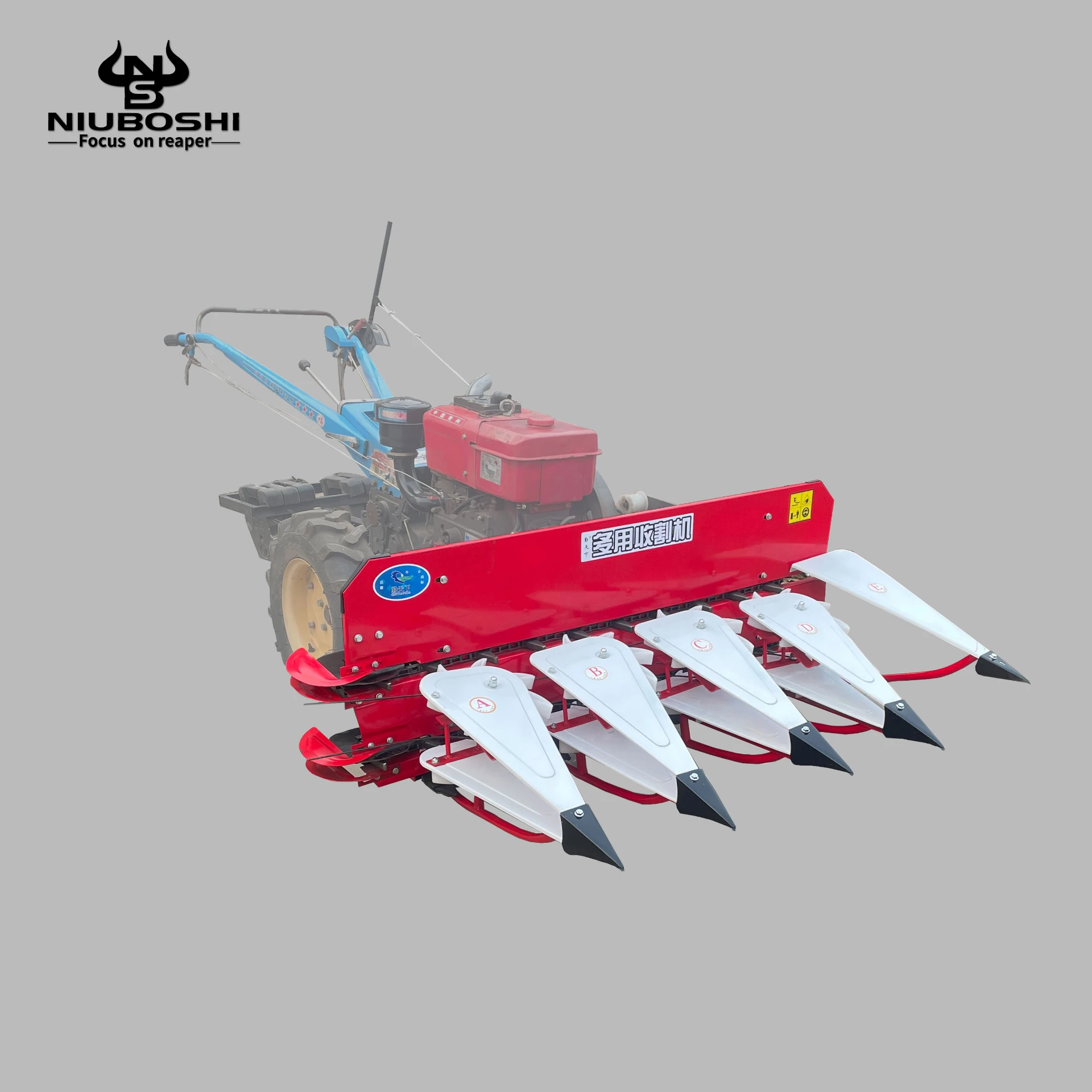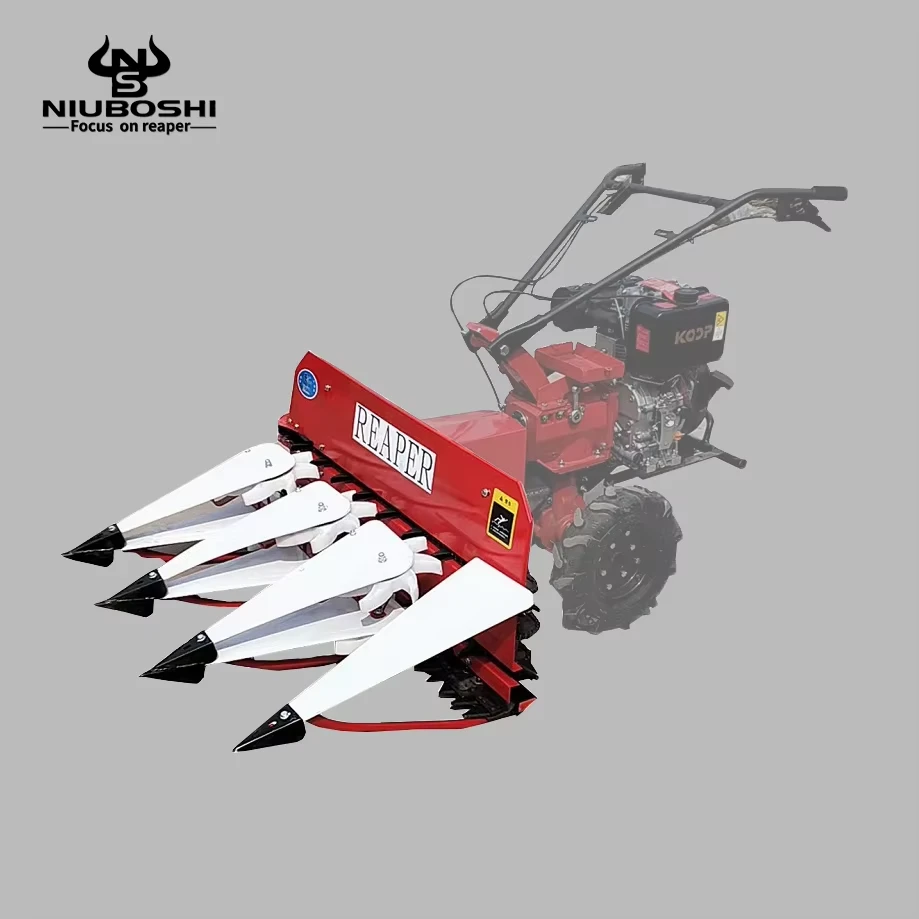
Mini Combine Harvester for Paddy: Compact & Efficient Rice Harvesting Solutions
The Mini Combine Harvester for Paddy: Compact Power Meets Global Farming Needs
Understanding the role of mini combine harvesters for paddy is crucial in today’s agricultural landscape — especially as global food demands become ever more pressing. These machines aren’t just shiny gadgets; they’re practical solutions that tackle labor shortages, boost harvesting efficiency, and ultimately support food security worldwide.
Introduction: Why the Mini Combine Harvester for Paddy Matters Globally
The global rice industry feeds more than half the world’s population. According to the Food and Agriculture Organization (FAO), rice provides sustenance to over 3.5 billion people. Yet, rice farming is intensely labor-dependent, especially in Asia and parts of Africa. Labor shortages paired with fragmented landholdings have made harvesting a bottleneck. This is where the mini combine harvester for paddy shines — offering a compact, affordable, and efficient solution to extract grain with less manpower.
Oddly enough, while big commercial combine harvesters get headlines, the smaller models quietly revolutionize small-to-medium scale paddy fields in developing countries. They help farmers meet the timing challenges of harvesting before rain or pests damage crops — a critical issue in monsoonal climates.
What Is a Mini Combine Harvester for Paddy?
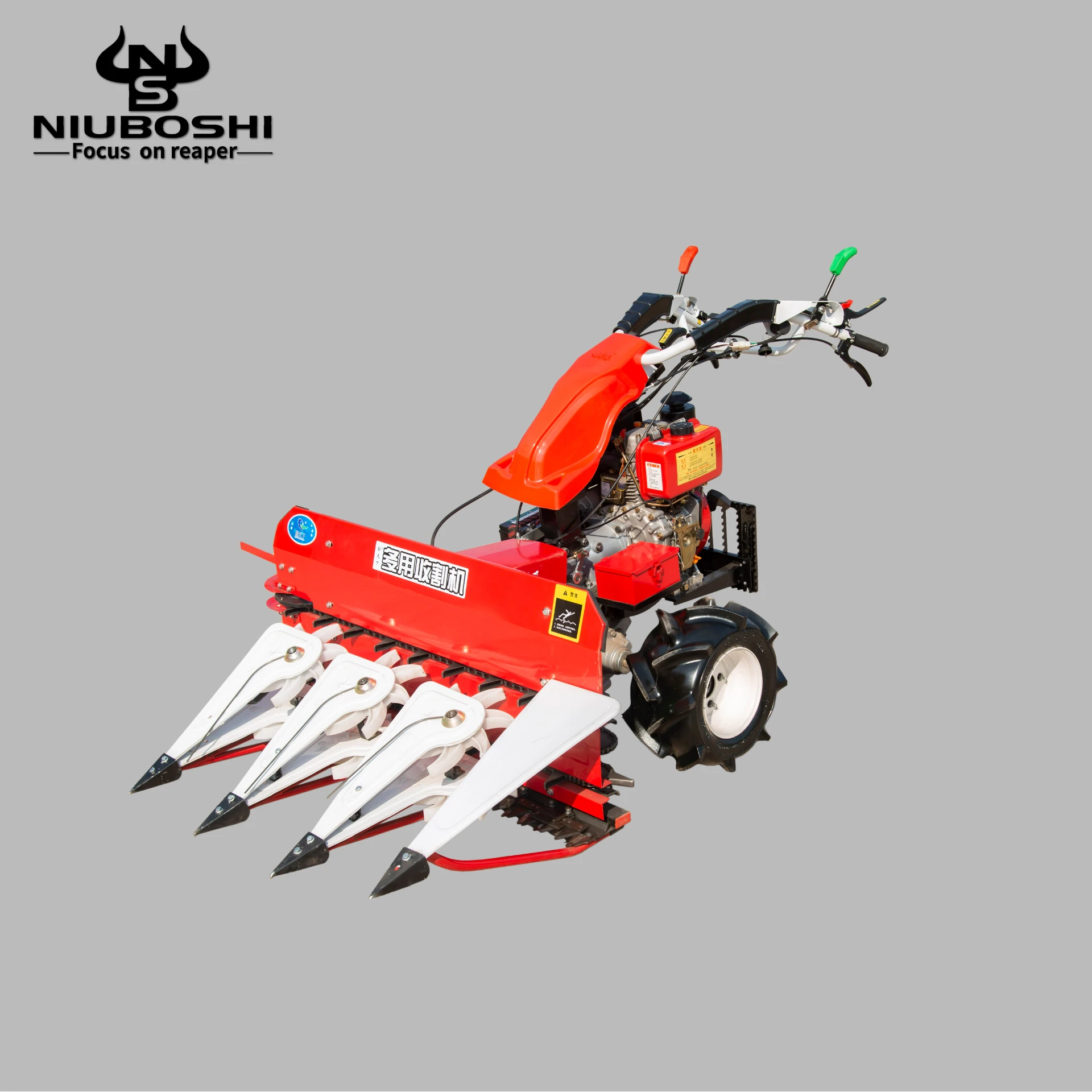
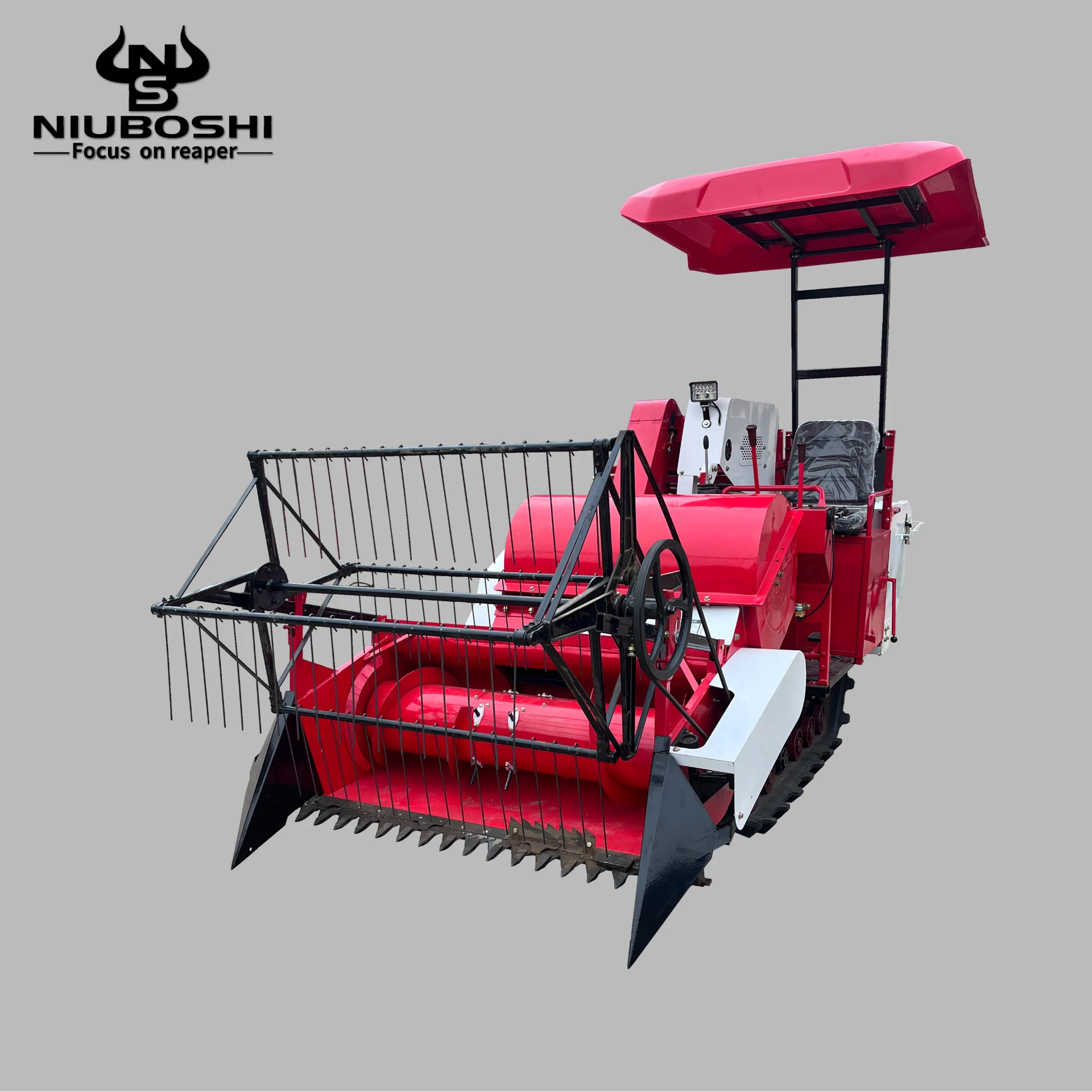
Put simply, a mini combine harvester for paddy is a scaled-down version of the larger combine harvesters you might see on giant industrial farms. It combines three key techniques: reaping (cutting the stalk), threshing (separating grain from stalk), and winnowing (cleaning grain). The “mini” label refers primarily to its smaller size and engine power, suitable for tight fields and smaller budgets.
These machines suit mechanized rice farming’s modern push, especially for regions transitioning from manual labor to semi-automation. They help reduce drudgery, improve efficiency, and support rural livelihoods — which ties directly into humanitarian goals of sustaining farm income and food independence.
Key Factors Defining Mini Combine Harvesters for Paddy
1. Compact Design
Size matters here. Mini harvesters typically weigh under 1,000 kg and have a narrow chassis, allowing them to navigate small, uneven fields where larger combines simply can’t go.
2. Cost Efficiency
Affordability is vital. These machines cost a fraction of their full-size counterparts and demand less fuel, making them accessible for smallholder farmers or cooperatives.
3. Durability and Maintenance
Rugged construction and user-friendly maintenance are essentials — many machines incorporate simple mechanical parts allowing local technicians to perform repairs without importing costly components.
4. Versatility Across Crop Varieties
Different paddy strains and field conditions require flexible threshing and cutting mechanisms. Many mini combines offer adjustable settings to optimize yield quality.
5. Ease of Operation
Given the often limited technical training available, ease of use is prioritized, with straightforward controls that don’t overwhelm farmers unfamiliar with machinery.
Quick Summary
- Mini combine harvesters are the “great equalizers” in paddy harvesting, fitting smaller plots and budgets.
- Durability and ease of use ensure long-term value.
- Precision in design targets the complex needs of varied rice-growing environments.
Global Applications and Real-World Use Cases
These machines have found homes across Asia – from the terraced paddies in Vietnam to the expansive fields in India and Bangladesh. They’re essential for regions like sub-Saharan Africa, where rice cultivation is on the rise but mechanization is still nascent.
In post-disaster relief scenarios — say, after floods damage crops — NGOs often deploy mini combine harvesters to quickly salvage mature rice, preventing food shortage crises. Similarly, industrial zones distant from major equipment dealerships benefit from these smaller machines’ portability and simplicity.
For those interested, mini combine harvester for paddy options are increasingly visible from reliable suppliers focusing on emerging markets.
Advantages and Long-Term Value
Practically, mini combine harvesters reduce harvest time by roughly 50-70% compared to manual methods, trimming labor needs while improving grain quality. This isn’t merely an economic win — there's also a social dimension: farmers gain dignity from managing mechanized tools; families spend less time under grueling manual work during harvest peaks.
Environmentally, these machines typically consume less fuel, contributing to sustainability goals aligned with ISO 14001 environmental standards. They also help limit post-harvest losses — a crucial factor in feeding the world’s growing population.
Mini Combine Harvester for Paddy Specifications at a Glance
| Specification | Typical Value |
|---|---|
| Engine Power | 15–25 HP |
| Weight | 700–900 kg |
| Cutting Width | 1.2–1.5 meters |
| Fuel Consumption | 3–4 L/hour |
| Operational Speed | 2–4 km/h |
| Threshing Rate | 90–95% |
Vendor Comparison of Popular Mini Combine Harvesters
| Feature | Brand A | Brand B | Brand C |
|---|---|---|---|
| Engine Power (HP) | 18 | 22 | 20 |
| Fuel Efficiency | 3.8 L/h | 4.1 L/h | 3.5 L/h |
| Weight (kg) | 850 | 900 | 880 |
| Price (USD) | $8,500 | $9,200 | $7,900 |
| Warranty | 2 years | 1.5 years | 2 years |
The Future: Innovations in Mini Combine Harvester Technology
Looking ahead, the trend leans strongly toward smarter machines. IoT sensors can track operational metrics in real-time, enabling predictive maintenance and smoother workflows. Moreover, some models now experiment with hybrid or fully electric powertrains, aligning with environmental commitments.
Automation is another frontier — while full autonomy might be years away for small machines, assisted steering and automated threshing adjustments are becoming reality. This will help farmers with aging populations or where technical literacy is limited.
Finally, modular components and locally sourced biodegradable parts are being tested to reduce the ecological footprint of manufacturing and disposal.
Challenges & Solutions in Using Mini Combine Harvesters
Despite the perks, challenges remain. One big hurdle for users is upfront investment, even if smaller than full-sized combines. Financing schemes and cooperative ownership models provide pathways to access.
Also, terrain issues like flooded or terraced fields can limit use. Here, innovation in adjustable chassis height and amphibious track systems show promise.
FAQ: Mini Combine Harvester for Paddy
- Q: What size field is ideal for using a mini combine harvester?
A: Generally, fields between 1 and 5 hectares benefit most, since mini combines maneuver well in smaller plots and reduce reliance on manual labor effectively. - Q: How often does a mini combine harvester require maintenance?
A: Basic servicing should be done every 50-100 hours of operation, focusing on engine oil, belts, and threshing components to ensure peak performance. - Q: Can a mini combine harvester handle wet paddy fields?
A: Most models cope with some moisture, but fully flooded paddies require specific track designs or adjustable clearance; check vendor specs carefully. - Q: Is training required to operate a mini combine harvester?
A: Yes, but manufacturers typically provide simple manuals and hands-on tutorials. The design emphasizes user-friendliness, reducing the learning curve. - Q: Where can small-scale farmers buy reliable mini combine harvesters?
A: Trusted suppliers with after-sales support, such as those linked at mini combine harvester for paddy, are recommended.
Conclusion: Mechanizing Paddy Harvesting for a Sustainable Future
Frankly, the mini combine harvester for paddy might seem modest compared to massive industrial machines, but its impact is broad and vital. It bridges traditional farming with modern efficiency, empowering smallholder farmers and enhancing food security in vulnerable regions.
As these machines grow smarter, cleaner, and easier to use, their global footprint will only expand. Interested in exploring the best models and support? Visit our website: mini combine harvester for paddy — your gateway to practical farming innovation.
Sometimes, the smallest tools make the grandest difference.
References
Latest news
-
Maximize Harvest Efficiency with the Agro Reaper Binder MachineNewsApr.16,2026
-
Boost Harvest Efficiency with the Best Agriculture Reaper MachineNewsApr.09,2026
-
Revolutionizing Agriculture with the Efficient Agriculture Power ReaperNewsApr.07,2026
-
Comprehensive Guide to the 4 Wheel Reaper Binder for Efficient HarvestingNewsApr.04,2026
-
Comprehensive Guide to Reaperbinder Technology for Efficient Hay and Crop HarvestingNewsMar.31,2026
-
Mastering the Art of Reaper Cutting for Enhanced Agricultural EfficiencyNewsMar.28,2026