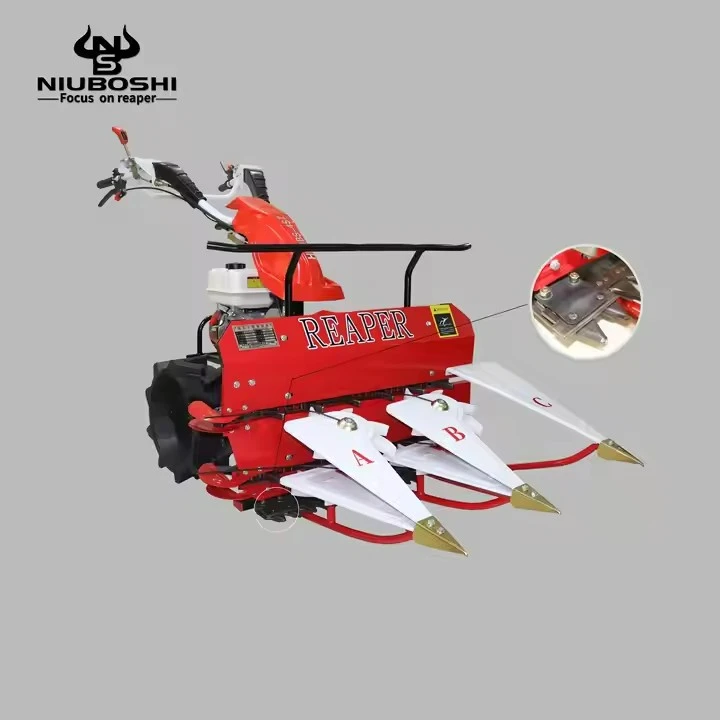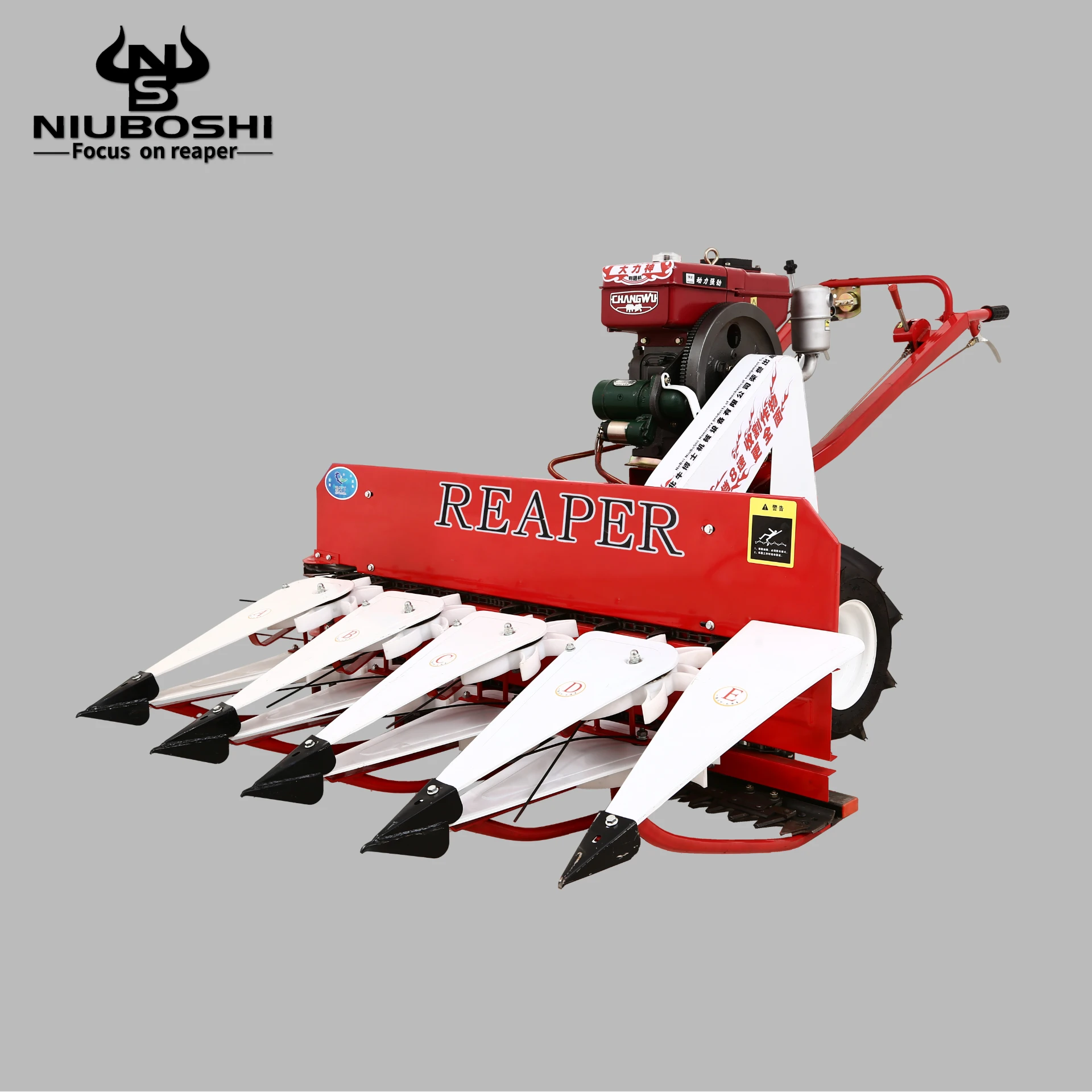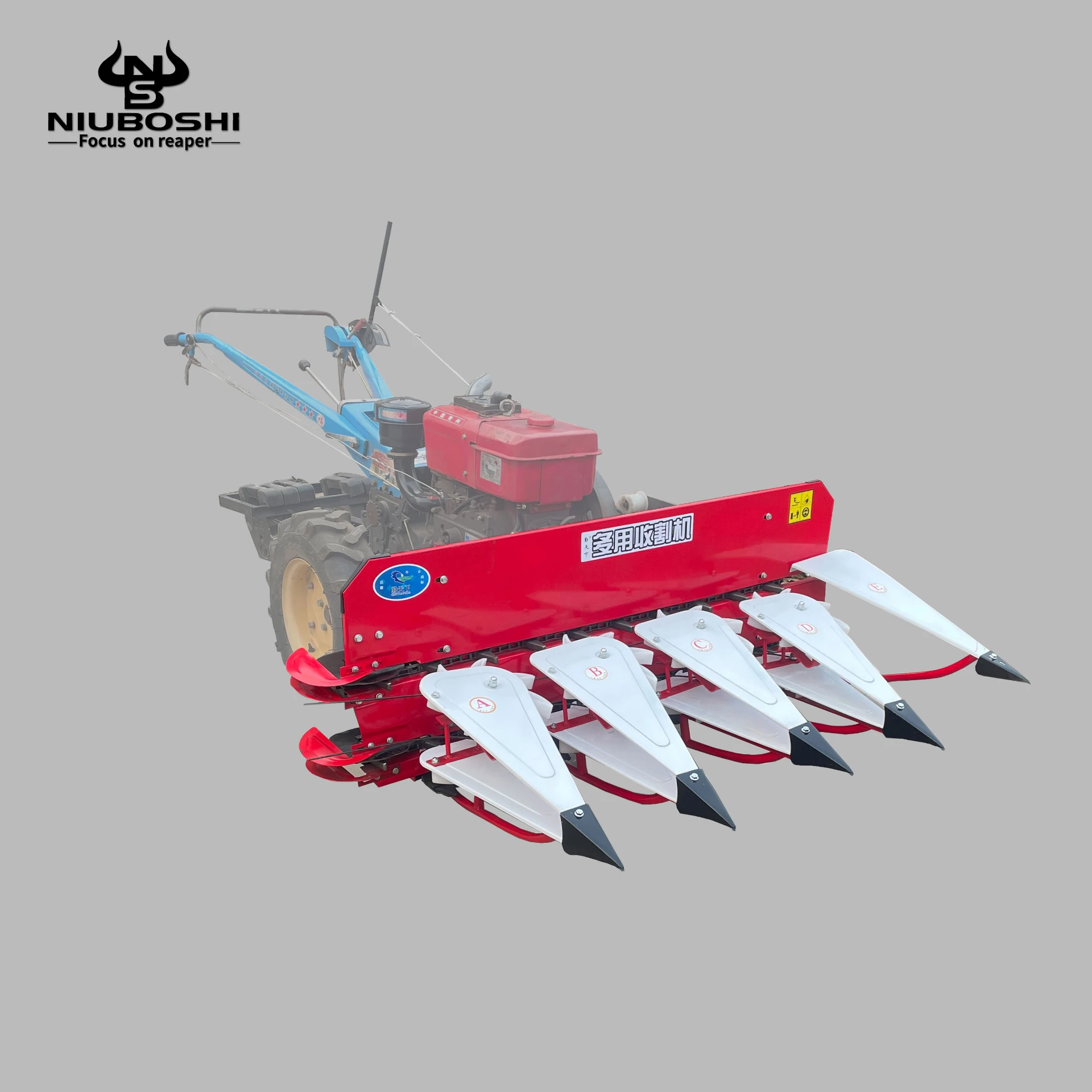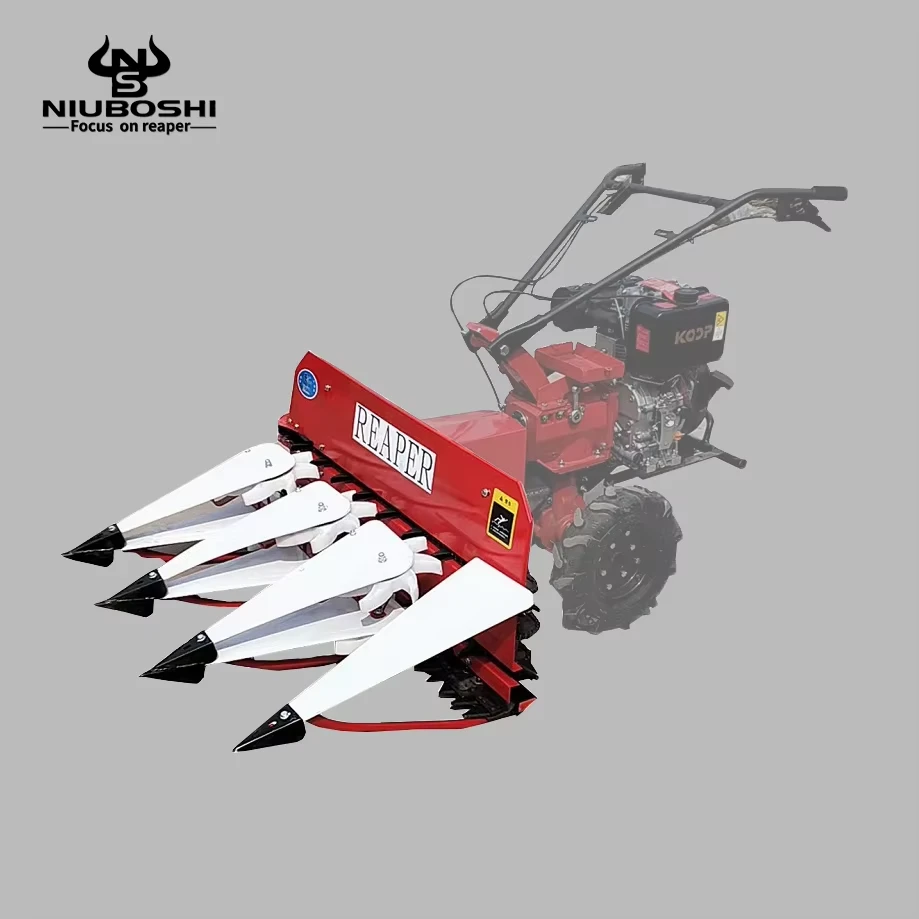
Harvester Machine Mini: The Compact Solution Revolutionizing Small-Scale Harvesting
Unlocking Efficiency with Harvester Machine Mini: Small Size, Big Impact
In the vast world of agriculture and industry, the harvester machine mini has carved out a surprisingly significant niche. It might sound like just a “smaller version” of a traditional harvester, but its importance — frankly — can’t be overstated. In a global context where efficient land use, affordability, and adaptability are vital, understanding these compact machines matters greatly. They aren’t just equipment; they’re solutions addressing challenges from smallholder farmers to large agro-industries globally.
Why The Mini Harvester Matters Globally
According to the UN Food and Agriculture Organization, small-scale farms account for roughly 84% of all farms worldwide, yet they face barriers accessing mechanized tools designed for large-scale operations. That’s a massive mismatch, leading to inefficiencies and higher labor costs. Enter the harvester machine mini: designed to bridge this gap by providing power, precision, and convenience without the footprint or price tag of traditional harvesters.
Moreover, as climate change pressures land and resources, and labor shortages hit rural communities in various regions, demand for smaller, more adaptable machines has risen. They promise to reduce post-harvest losses, improve yields, and support sustainable rural livelihoods. The benefits ripple out — increased food security, reduced poverty, and improved environmental outcomes.
So, What Exactly Is a Harvester Machine Mini?
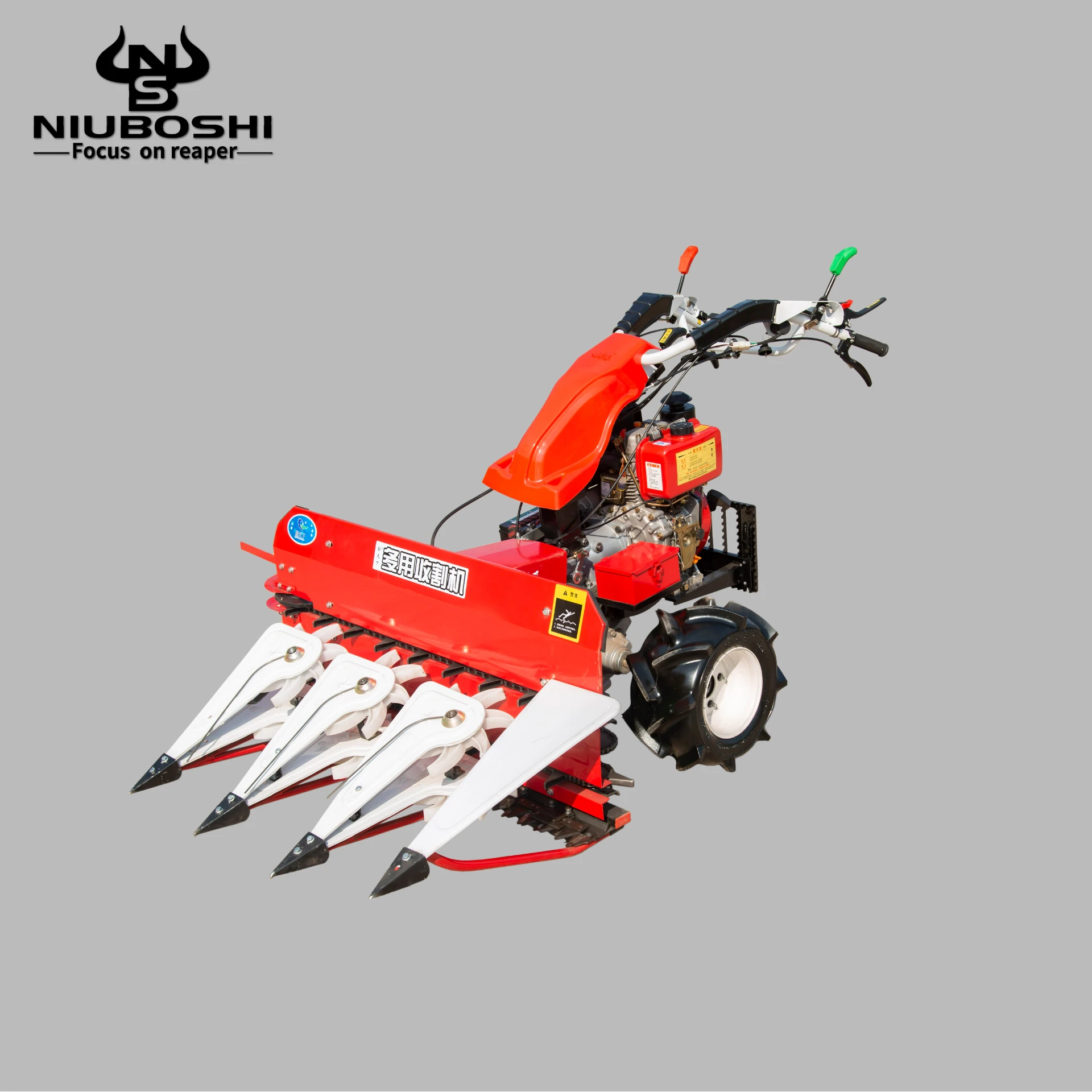
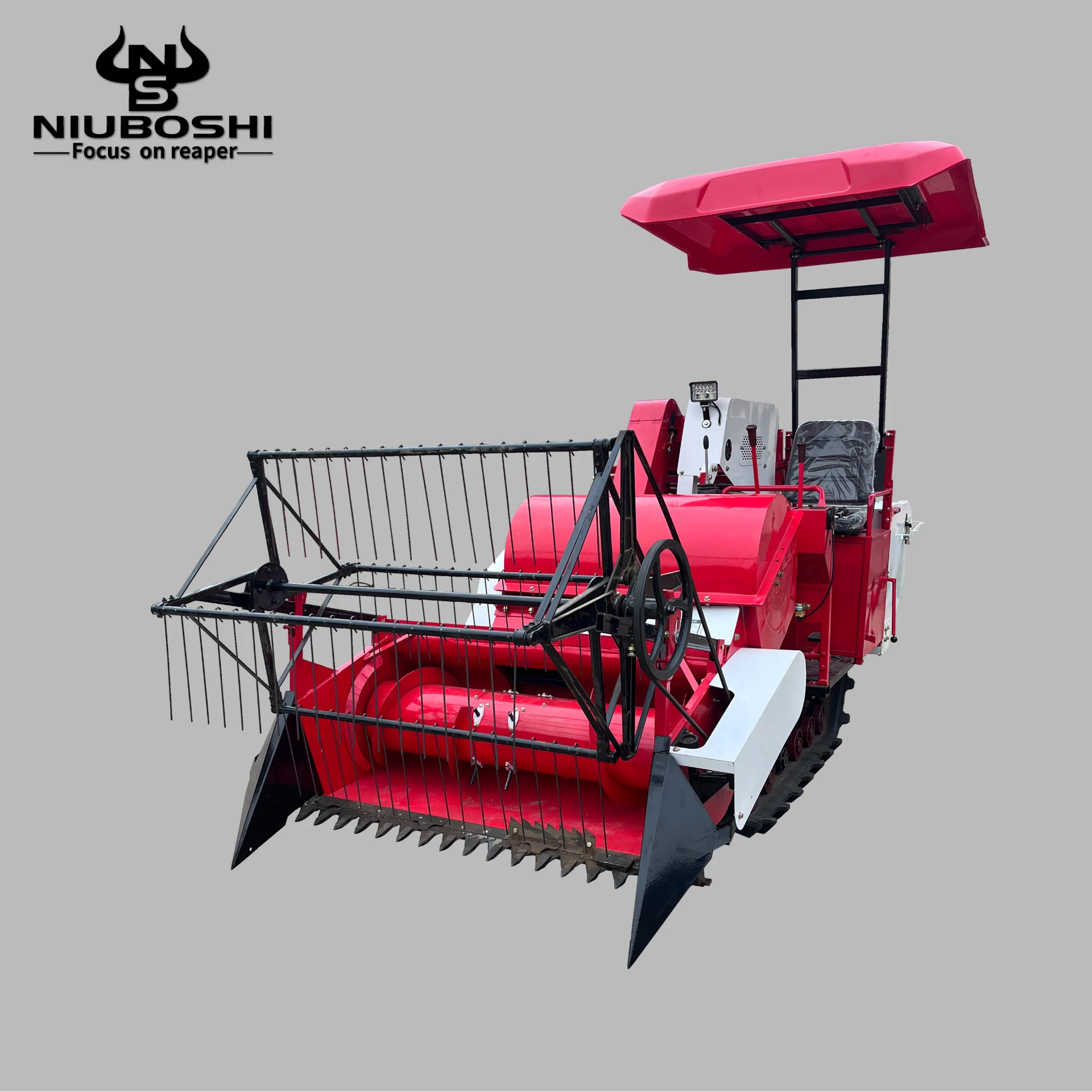
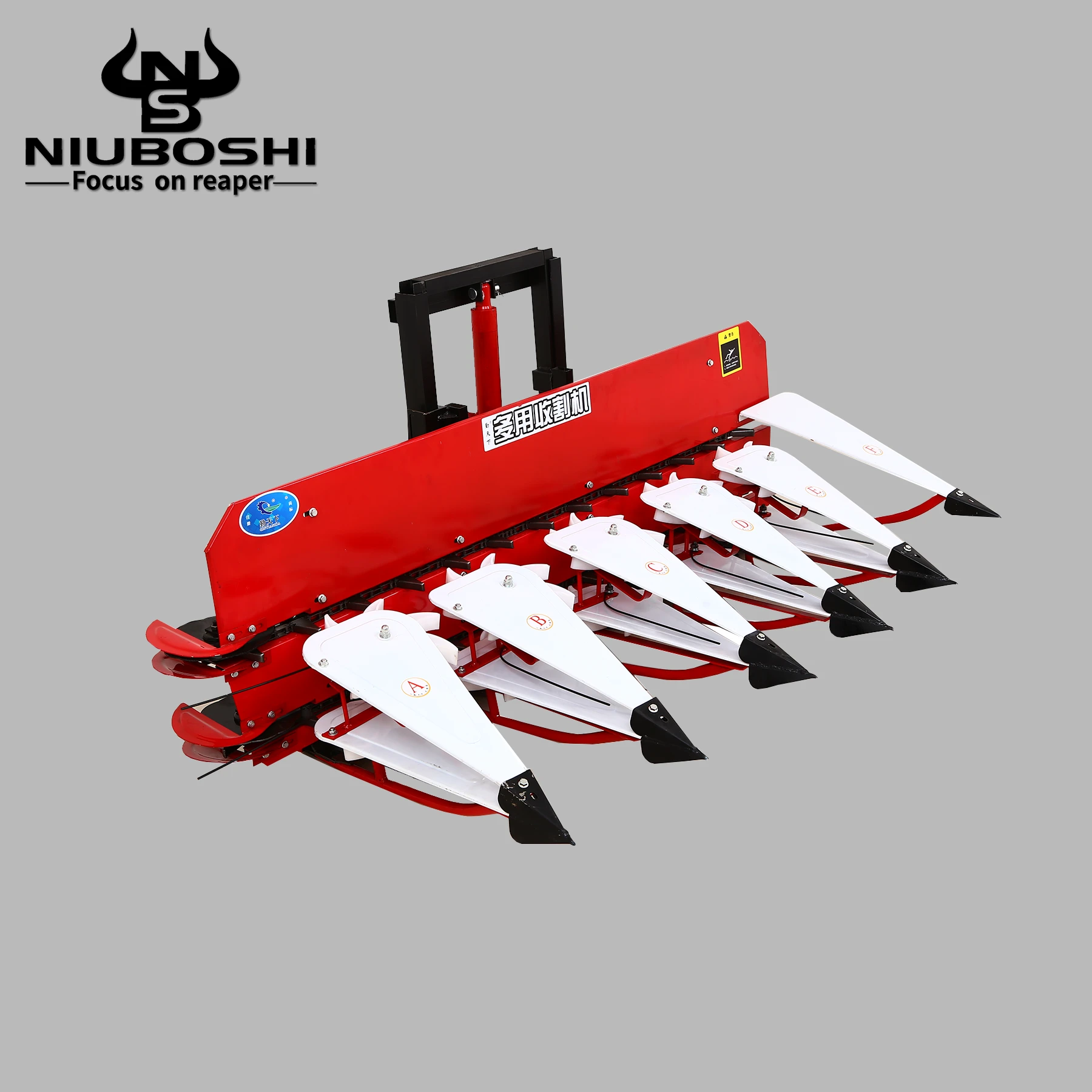
Put simply: it’s a downsized, efficient harvesting machine intended for small to medium scale agriculture. Unlike the giant, expensive, and fuel-hungry combines used on massive farms, the mini harvester is compact, maneuverable, and tailored for diverse crops and varied terrain.
These machines automate the cutting, threshing, and collection processes, enabling farmers to harvest quicker and with less manual labor. You might see them on rice paddies in Southeast Asia, millet fields in Africa, or even experimental urban vertical farms. Their adaptability makes them essential not just economically but also as a tool aligned with humanitarian needs — such as rapid deployment in disaster recovery zones or supporting marginalized farming communities.
Core Components That Define The Harvester Machine Mini
1. Compact Durability
Smaller doesn’t mean fragile. High-grade steel frames, rust-resistant parts, and modular builds make these machines rugged enough for tough environments, yet light enough for easy transport.
2. Efficient Power Systems
Often gasoline or diesel-fueled, newer models are experimenting with electric or hybrid systems, enhancing sustainability and reducing operational costs — something we’ll touch on a bit later.
3. Versatility in Crop Handling
From wheat and rice to legumes and vegetables, mini harvesters come with adjustable settings for cut height and processing speed to accommodate diverse harvests.
4. Ease of Operation and Maintenance
Simple controls enable even novice users to operate them after minimal training. Plus, spare parts are increasingly standardized, making upkeep manageable in remote regions.
5. Cost-Effectiveness
Lower upfront investment and operational costs allow smallholders to adopt machinery that would otherwise be out of reach.
Mini Takeaway:
The harvester machine mini isn’t just a smaller farm tool. It fuses durability, affordability, and versatility — key ingredients for empowering small-scale farming worldwide.
Global Applications: Real-World Impact of Mini Harvesters
Oddly enough, these machines pop up in some of the most unexpected places:
- Asia’s Rice Belt: Small, fragmented paddies are perfect for mini harvesters that can weave through tight plots.
- Africa’s Drylands: Lightweight design allows transport across rough roads to remote villages, enhancing food production.
- Latin America’s Coffee & Corn Farms: Used during harvest to reduce labor bottlenecks and minimize post-harvest spoilage.
- Post-Disaster Zones: When humanitarian aid needs to bolster food production quickly, mini harvesters serve as rapid-deployment tools.
This adaptability creates a strong case for development programs and NGOs to integrate such machines into their outreach efforts. See also harvester machine mini for latest solutions designed for these applications.
Advantages and Long-Term Value of the Harvester Machine Mini
When you think about cost, sustainability, and social impact, these machines punch above their weight.
- Cost Savings: Less need to hire seasonal labor, fewer losses from late harvesting, and fuel efficiency add up financially.
- Sustainability: By enabling better crop timing and reduced waste, these machines align with sustainable agricultural practices recommended by the ISO 14000 environmental standards.
- Social Impact: Empowerment of women and youth in agriculture increases as machine operation becomes more accessible.
- Reliability: Robust build minimizes downtime — critical in narrow harvesting windows.
Honestly, the emotional comfort of knowing your harvest won’t rot in the field due to labor shortages is something many farmers treasure deeply.
Harvester Machine Mini: Key Product Specifications
| Specification | Typical Range | Notes |
|---|---|---|
| Weight | 300–700 kg | Light enough for manual transport over short distances |
| Engine Power | 8–15 HP | Suitable for diverse crops |
| Cutting Width | 0.8–1.2 meters | Balances maneuverability and efficiency |
| Fuel Consumption | 1.5–3 liters/hour | Variable based on terrain & workload |
| Operating Speed | 1.5–4 km/h | Optimized for careful harvesting |
Vendor Comparison: What to Consider When Choosing Your Mini Harvester
| Vendor | Price Range | Warranty | After-Sales Support | Special Features |
|---|---|---|---|---|
| AgriTech Minis | $2,000–$3,500 | 2 years | Global online support, regional service centers | Electric hybrid models available |
| MiniHarvest Co. | $1,800–$3,000 | 18 months | Phone support, parts kits | Adjustable cutting system |
| EcoFarm Solutions | $2,200–$3,800 | 3 years | On-site training & maintenance | Solar-charging options |
Looking Ahead: Future Trends & Innovations
In real terms, the future of the harvester machine mini looks quite green — literally and figuratively. Several trends stand out:
- Electrification & Renewables: As battery tech improves, expect emission-free mini harvesters that are quieter and cheaper to run over the long haul.
- Automation & AI: Simple GPS integration and AI-guided cutting systems are already on the horizon, promising even more precise harvesting with less waste.
- Modular Design: For easier transport and part replacement, enabling wider access especially in developing regions.
- IoT & Data Analytics: Basic sensors feeding crop yield info back to farmers or cooperatives to optimize planting and harvesting cycles.
Overcoming Challenges: Practical Solutions
The mini harvester isn’t perfect. Common obstacles include:
- Limited Terrain Access: Steep or very wet fields still pose problems, though tracked versions are emerging to mitigate this.
- Spare Parts Availability: Local supply chains can be patchy, so vendors offering parts kits and training improve uptime.
- Operator Training: While simpler than big machines, some training is essential — many manufacturers now offer free online tutorials.
In short, combining appropriate technology with local knowledge and support networks is key to successful deployment.
FAQ: Frequently Asked Questions About Harvester Machine Mini
- Q: How does a harvester machine mini differ from a full-size combine?
- A: Mini harvesters are specifically designed for small plots and light soils. They weigh less, are more maneuverable, consume less fuel, and usually cost a fraction of full-size machines. This makes them ideal for small to medium farmers who can’t justify large capital investments.
- Q: Can these machines be used for multiple types of crops?
- A: Yes, many mini harvesters come with adjustable settings to harvest grain crops like wheat, rice, barley, and sometimes even legumes or vegetables with similar harvesting needs.
- Q: Are mini harvesters suitable for hilly or uneven terrain?
- A: It depends on the model. Wheeled versions may struggle on steep slopes, but tracked mini harvesters can handle rough terrain better. Selecting the right model based on field conditions is crucial.
- Q: How accessible is maintenance support in developing countries?
- A: Many manufacturers now provide online tutorials, parts kits, and regional service centers to close this gap. It's advisable to verify support availability before purchase.
- Q: Are there environmentally friendly mini harvesters available?
- A: Increasingly so. Some vendors offer electric or solar hybrid models reducing emissions, aligning with global sustainability goals.
Conclusion: Why Choosing a Harvester Machine Mini is a Smart Investment
Stepping back, the harvester machine mini represents a thoughtful balance of innovation and practicality. It’s a tool that acknowledges the diversity of farming scales worldwide and helps to level the playing field. Reduced crop loss, lower costs, and greener energy options shape a promising horizon for farmers and industries alike.
For those curious to explore the latest models and solutions, don’t hesitate to visit harvester machine mini — a reliable resource full of expert info and up-to-date offerings.
Here’s hoping the world’s tiny harvesters keep growing in impact.
Final Reflection
Personally, I find it fascinating how such “mini” machines can catalyze big change on the ground. They are a reminder that sometimes, scaling down is exactly the right move in a world that too often favors bigger-is-better.
References:
Latest news
-
Maximize Harvest Efficiency with the Agro Reaper Binder MachineNewsApr.16,2026
-
Boost Harvest Efficiency with the Best Agriculture Reaper MachineNewsApr.09,2026
-
Revolutionizing Agriculture with the Efficient Agriculture Power ReaperNewsApr.07,2026
-
Comprehensive Guide to the 4 Wheel Reaper Binder for Efficient HarvestingNewsApr.04,2026
-
Comprehensive Guide to Reaperbinder Technology for Efficient Hay and Crop HarvestingNewsMar.31,2026
-
Mastering the Art of Reaper Cutting for Enhanced Agricultural EfficiencyNewsMar.28,2026