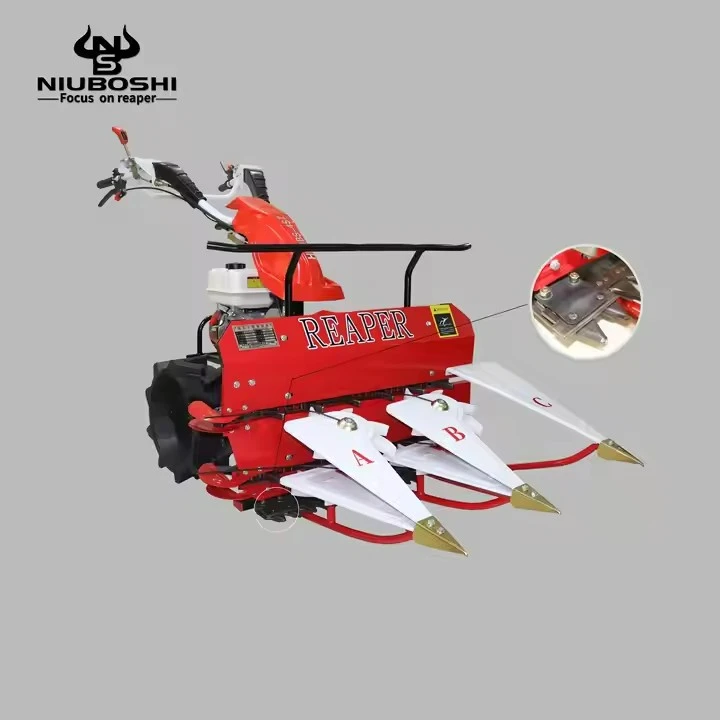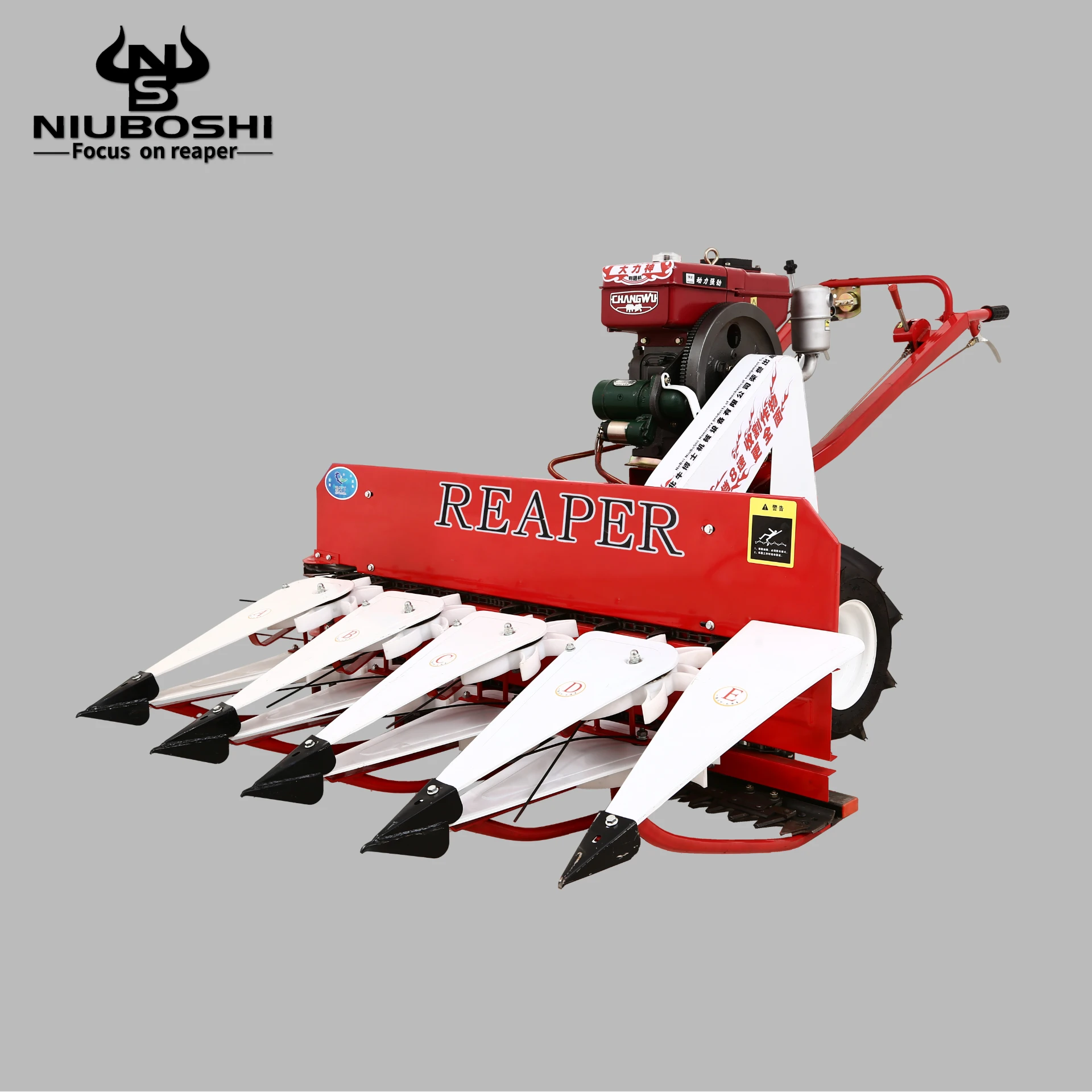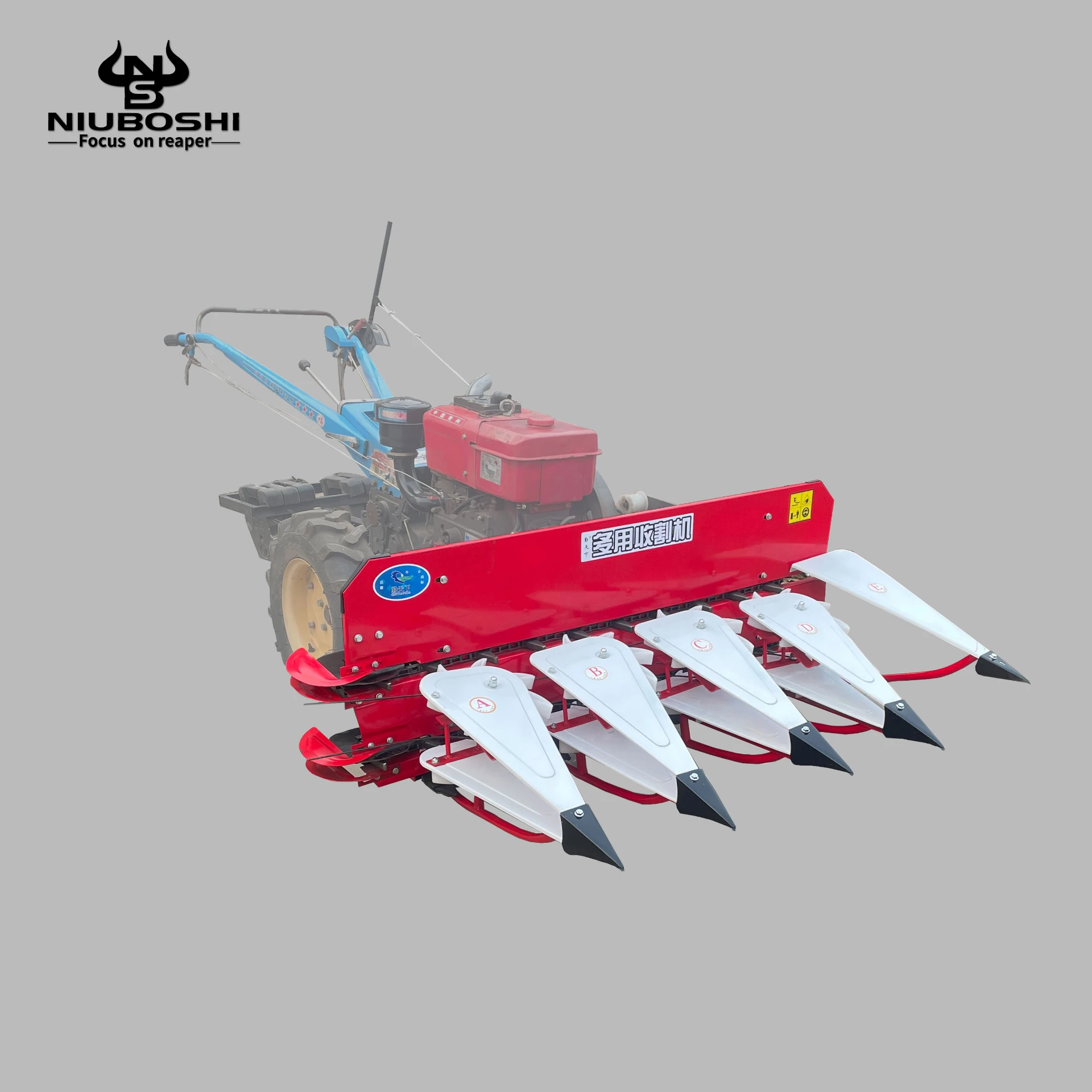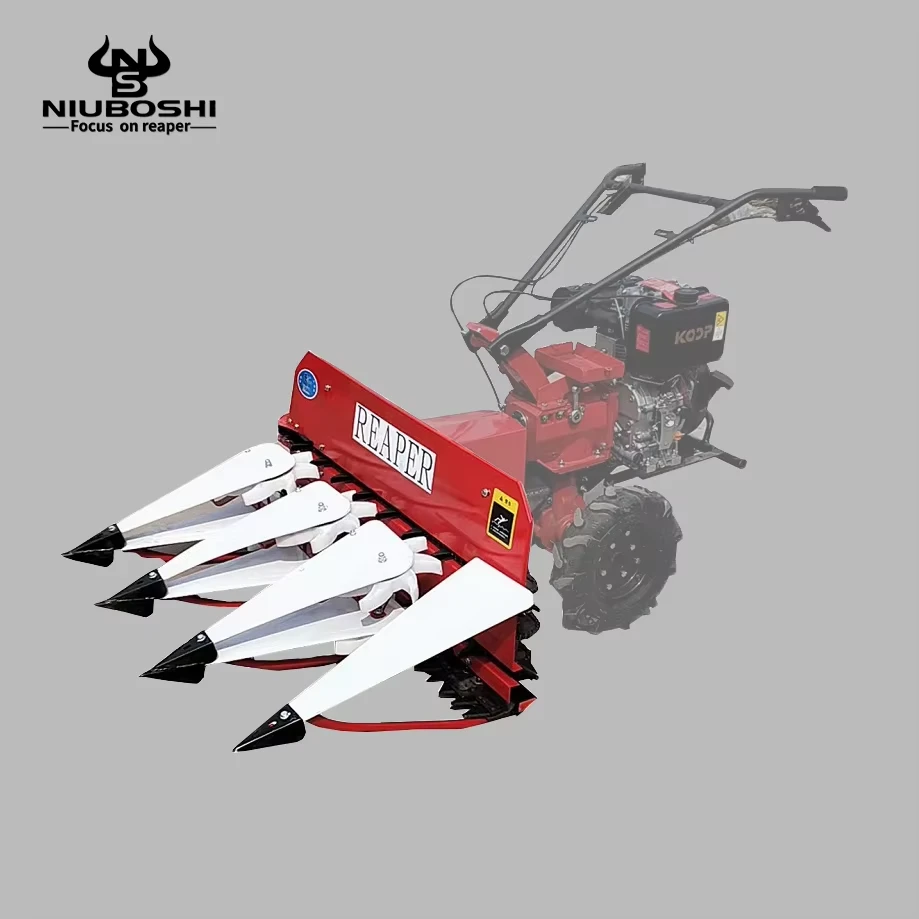
Small Rice Combine Harvester: Compact Power for Efficient Rice Farming
Understanding the Small Rice Combine Harvester: A Mini Powerhouse in Agriculture
A small rice combine harvester might not grab your attention like a giant tractor, but don’t let its size fool you. This compact machine is quietly reshaping rice farming worldwide, especially for smallholders and regions where space, resources, and budgets limit the use of oversized equipment. Globally, rice is a staple food for more than half the population — ensuring efficient harvests impacts food security, farmer livelihoods, and economic stability. Understanding these small harvesters is essential if we want smarter, sustainable agriculture that’s accessible to all.
The Global Context: Why Small Rice Combine Harvesters Matter
Did you know that the Food and Agriculture Organization (FAO) estimates rice feeds over 3.5 billion people globally? Not surprisingly, rice cultivation occupies almost 11% of the world’s arable land. Yet, many rice farmers operate on smaller plots — mainly in Asia, Africa, and parts of Latin America — where large, expensive machinery is neither practical nor affordable.
According to the United Nations’ 2021 report on sustainable farming, mechanization tailored for small-scale farmers can increase productivity by up to 45%, cutting losses during harvest substantially. The challenge, frankly, is that traditional combine harvesters just aren’t designed with these small, often fragmented fields in mind. That’s where the small rice combine harvester steps in, bridging the gap between big tech and local realities.
What Exactly Is a Small Rice Combine Harvester?
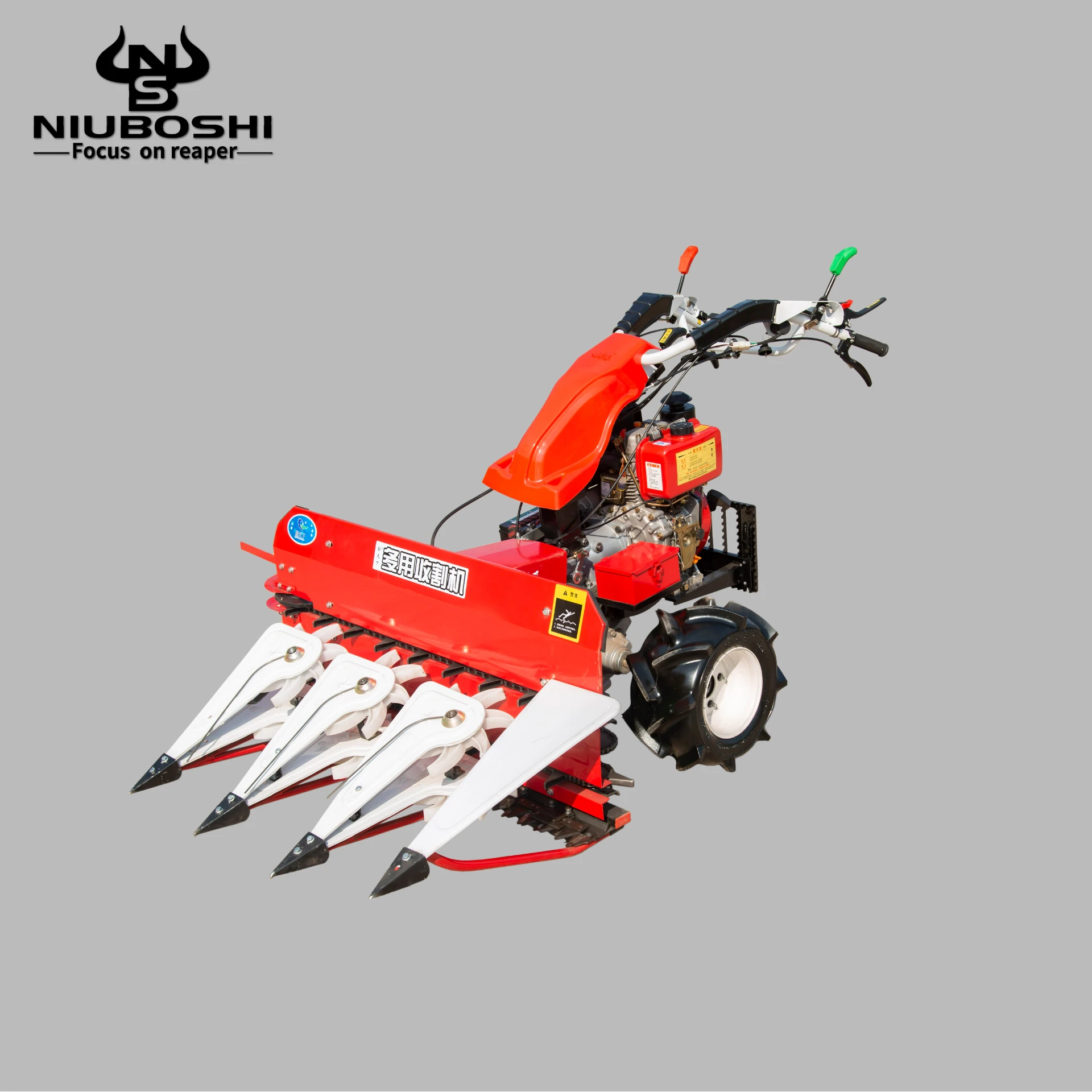
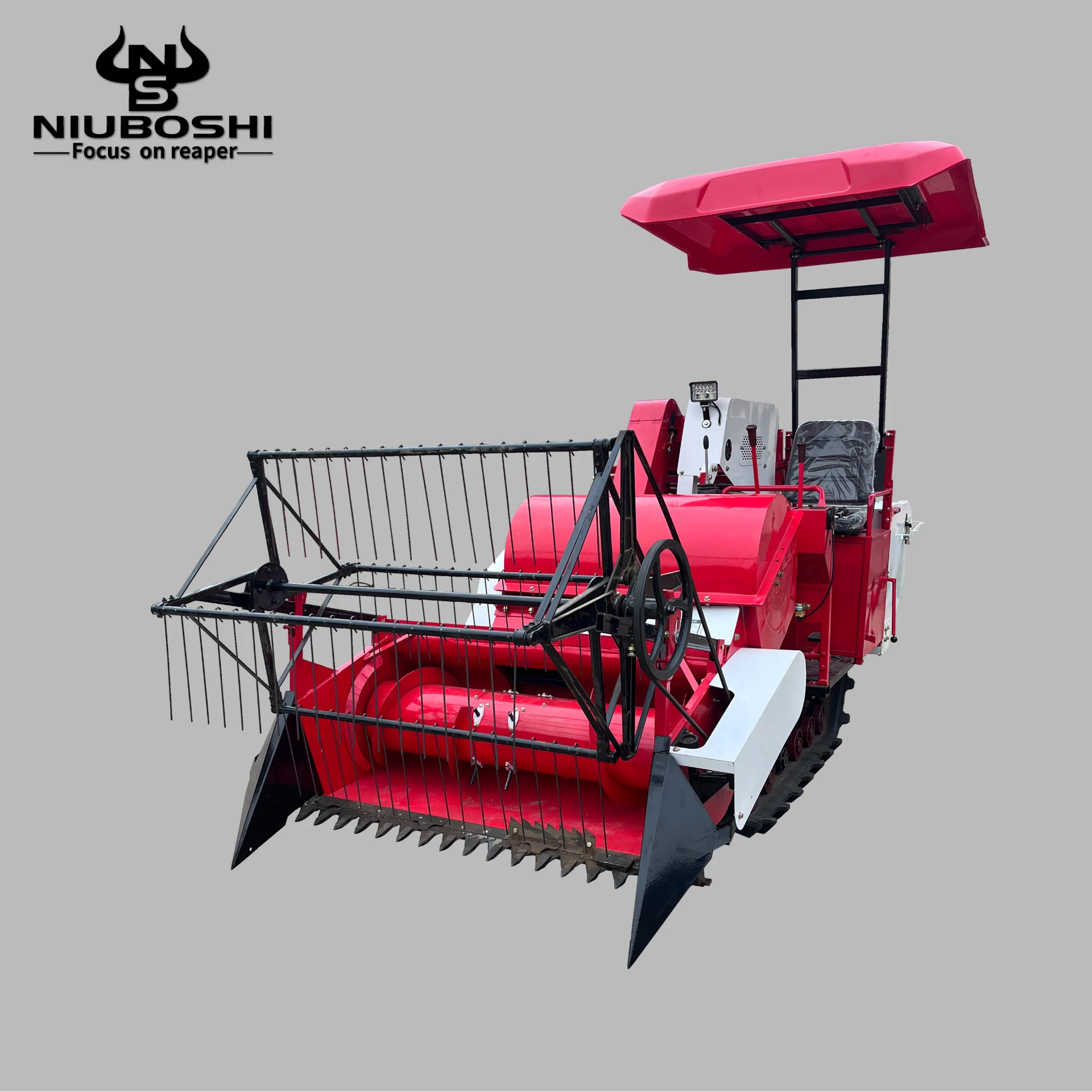
In essence, a small rice combine harvester is a compact agricultural machine designed to harvest, thresh, and clean rice crops efficiently on smaller plots or terraces. Think of it as a nimble version of the large combine harvesters you see on expansive farms. It ties mechanical efficiency with ease of use, making modern farming technology accessible to farmers who otherwise rely on manual labor or animal traction.
Aside from saving time and effort, these machines respond to humanitarian needs, too. For instance, in regions recovering from natural disasters, they help restore food production quickly — which is critical for food security and rebuilding communities.
Key Features That Define Small Rice Combine Harvesters
1. Compact Size and Maneuverability
Designed to navigate small, uneven, or terraced fields, these harvesters can fit where big machinery can’t. Their compact footprint reduces soil compaction and damage to the crop — something larger machines often overlook.
2. Cost Efficiency for Smallholders
Price isn’t just about initial purchase — operational costs like fuel, maintenance, and spare parts matter. Small rice combine harvesters generally consume less fuel and are easier to maintain, reducing the total cost of ownership.
3. Durability and Build Quality
Farmers need machines that endure tough field conditions — humidity, mud, uneven terrain, and frequent use. Manufacturers often use rust-resistant materials and a robust frame that can withstand these challenges.
4. Ease of Use and Maintenance
Many small-scale farmers have limited technical training, so simple controls, easy repair, and accessible parts are vital. Some models even come with modular parts for quick replacement in the field.
5. Versatility and Adaptability
Aside from rice, certain models can harvest other grains or be adjusted to different crop heights and densities. This versatility makes the machine a cost-effective investment across seasons.
Mini Takeaway:
The small rice combine harvester blends compactness, affordability, and durability to unlock mechanization for farmers who cannot depend on large-scale machines. It’s a true game-changer in agricultural equipment design.
How Small Rice Combine Harvesters are Changing Farming Around the World
From the terraced paddies of Vietnam to the smallholder farms in Nigeria, small rice combine harvesters are helping farmers improve yields and reduce harvest time dramatically. A fascinating example is in Bangladesh, where NGOs introduced these machines to flood-affected zones; farmers saw a 30% increase in crop recovery and reduced physical strain.
In Japan, where specialized mini-harvesters have been used for decades, the focus is on precision and energy efficiency, representing high-tech meets tradition. Meanwhile, in Latin America, small rice combine harvesters are carving a niche by addressing the localized needs of diverse climates and terrains.
Organizations such as the International Rice Research Institute (IRRI) are partnering with manufacturers to promote these machines, emphasizing sustainability and food security under climate change pressures.
The Many Benefits: Why Invest in a Small Rice Combine Harvester?
- Cost Savings: Lower fuel and labor costs translate immediately into better margins for farmers.
- Sustainability: Reduced soil disturbance and tailored harvesting reduce waste and environmental impact.
- Social Impact: Mechanization reduces exhausting manual labor, preserving farmer health and dignity.
- Reliability: Good maintenance and thoughtful design mean fewer breakdowns during critical harvest periods.
- Innovation Accessibility: Smallholders gain access to technologies previously reserved for large-scale farms — leveling agricultural opportunities.
Looking Ahead: Trends Shaping the Future of Small Rice Combine Harvesters
Automation and smart farming aren’t just buzzwords. Smaller harvesters are increasingly integrated with GPS guidance and IoT sensors that monitor yield and machine health in real time. Some brands are experimenting with electric or hybrid engines to reduce emissions and fuel dependency.
Material sciences bring lightweight, stronger alloys — making machines more efficient without sacrificing durability. And policy-wise, governments in Asia and Africa are rolling out subsidies and training programs to encourage adoption.
Challenges Farmers Face and How Innovations Are Tackling Them
Despite all the benefits, hurdles remain. Accessibility and affordability are still limits for the very poorest farmers. Spare parts and local service are sometimes scarce, stranding machinery after a minor breakdown. But here, community cooperatives and mobile service units emerge as practical solutions, sharing costs and providing expertise.
Also, adapting machines to very diverse field conditions — from steep hillsides to very small plots — remains tricky. Manufacturers are responding with modular designs and adjustable parts that can be customized or retrofitted.
Product Specifications of a Typical Small Rice Combine Harvester
| Specification | Details |
|---|---|
| Engine Type | Diesel / Petrol, 8-12 HP |
| Operational Width | 900 - 1200 mm |
| Threshing System | Rotary / Tangential |
| Weight | 200 - 350 kg |
| Fuel Consumption | ~1.2 - 2.0 L/hr |
| Grain Tank Capacity | 30 - 50 kg |
Comparing Leading Small Rice Combine Harvester Vendors
| Vendor | Price Range (USD) | Fuel Type | Regional Presence | Warranty (Years) |
|---|---|---|---|---|
| AgriTech Solutions | $1,800 - $2,300 | Diesel | Asia, Africa | 2 |
| RiceMaster Co. | $2,000 - $2,800 | Petrol & Diesel Options | Global | 3 |
| HarvestEase | $1,500 - $2,000 | Diesel | Asia, South America | 1.5 |
Frequently Asked Questions about Small Rice Combine Harvesters
- Q1: How much land can a small rice combine harvester efficiently cover in a day?
- A typical small combine can harvest approximately 1 to 1.5 hectares per day, depending on terrain and crop conditions. While this is less than larger machines, the maneuverability in small fields compensates significantly.
- Q2: Is training required to operate these machines, and how complex is maintenance?
- Most small rice combine harvesters are designed to be user-friendly. Basic training—often provided by vendors or extension programs—covers operation and routine maintenance. Repairs usually involve simple tools, with many parts designed for easy replacement.
- Q3: Can these harvesters operate in wet paddy fields?
- Absolutely, that’s one of their strengths. Some models feature tracked wheels or specialized tires to minimize soil compaction and maintain traction in muddy, wet conditions common in rice paddies.
- Q4: What is the approximate lifespan of a small rice combine harvester?
- With proper maintenance, these machines can last 8 to 12 years. Regular service and using quality parts extend machine longevity significantly.
- Q5: Are there financing options available for smallholder farmers interested in purchasing these machines?
- Financing varies regionally, but increasingly local governments, NGOs, and agricultural cooperatives offer microloans or leasing options to make these machines more affordable.
Bringing It All Together
The small rice combine harvester is more than just a tool—it's a catalyst for empowerment in rice-growing communities across the globe. It blends technological know-how with practical realities, allowing farmers to boost productivity, reduce strain, and foster sustainable practices.
If you’re a stakeholder in agriculture, development, or simply curious about cutting-edge farming tech, exploring these harvesters is worth your time. For more detailed options and the latest on these machines, visit our website and discover how you can make mechanized harvesting a reality in your region.
References & Further Reading
Latest news
-
Maximize Harvest Efficiency with the Agro Reaper Binder MachineNewsApr.16,2026
-
Boost Harvest Efficiency with the Best Agriculture Reaper MachineNewsApr.09,2026
-
Revolutionizing Agriculture with the Efficient Agriculture Power ReaperNewsApr.07,2026
-
Comprehensive Guide to the 4 Wheel Reaper Binder for Efficient HarvestingNewsApr.04,2026
-
Comprehensive Guide to Reaperbinder Technology for Efficient Hay and Crop HarvestingNewsMar.31,2026
-
Mastering the Art of Reaper Cutting for Enhanced Agricultural EfficiencyNewsMar.28,2026