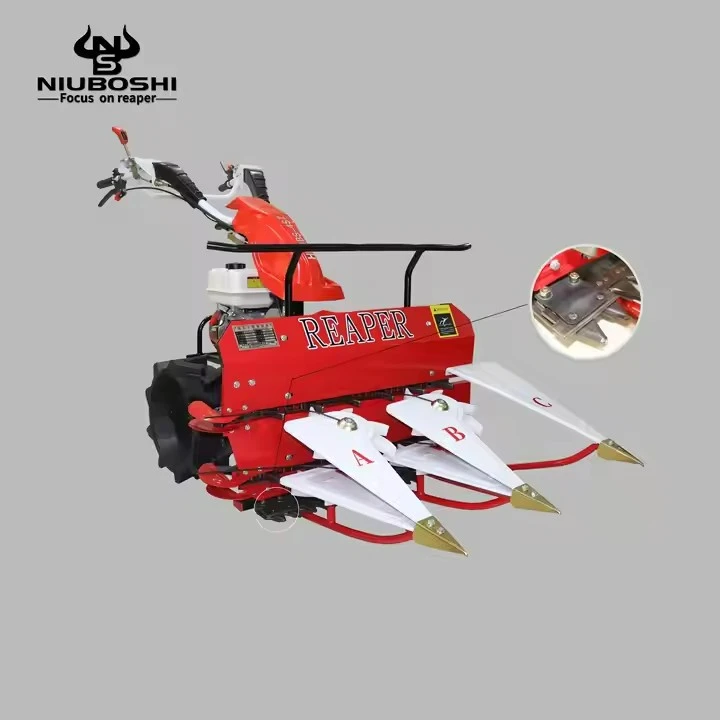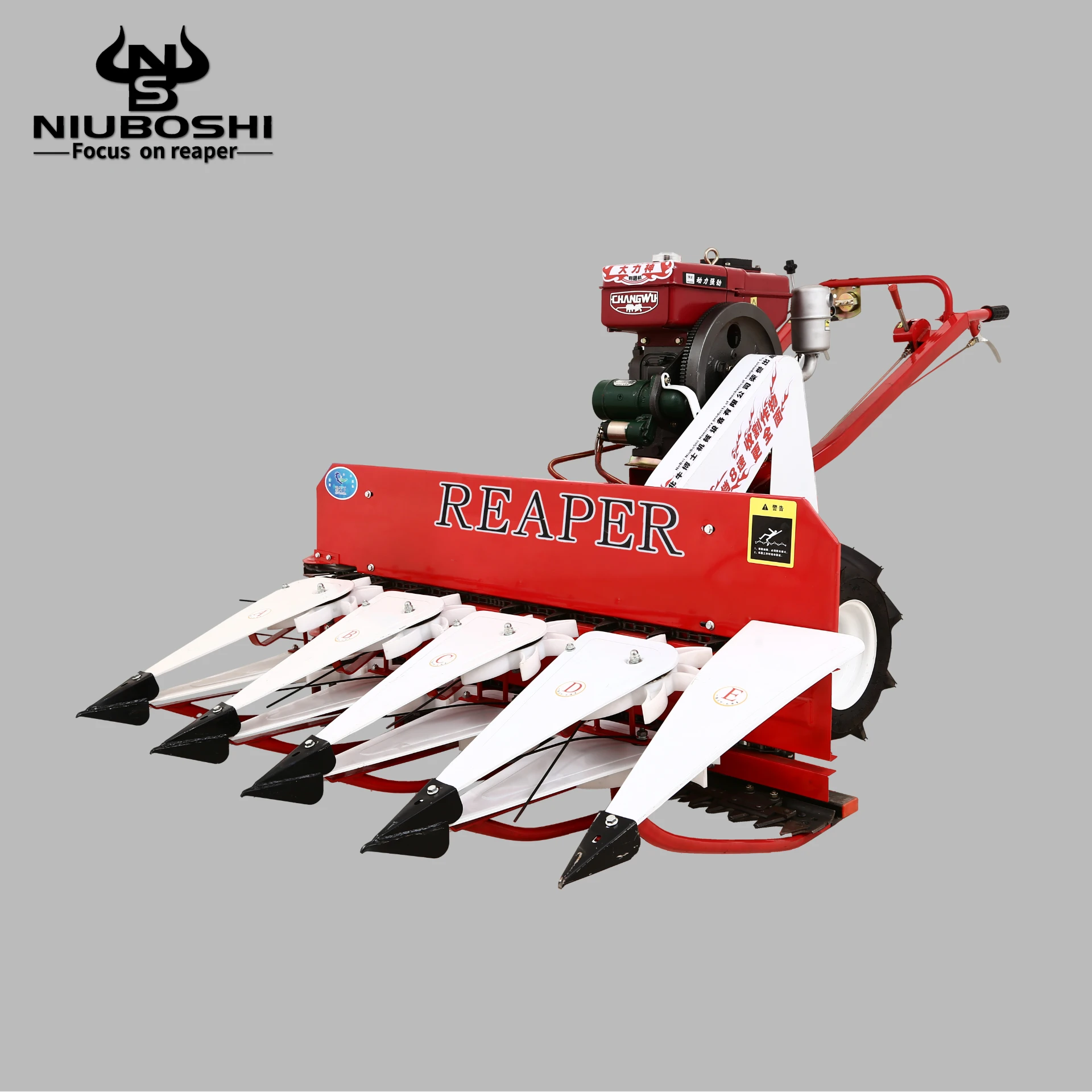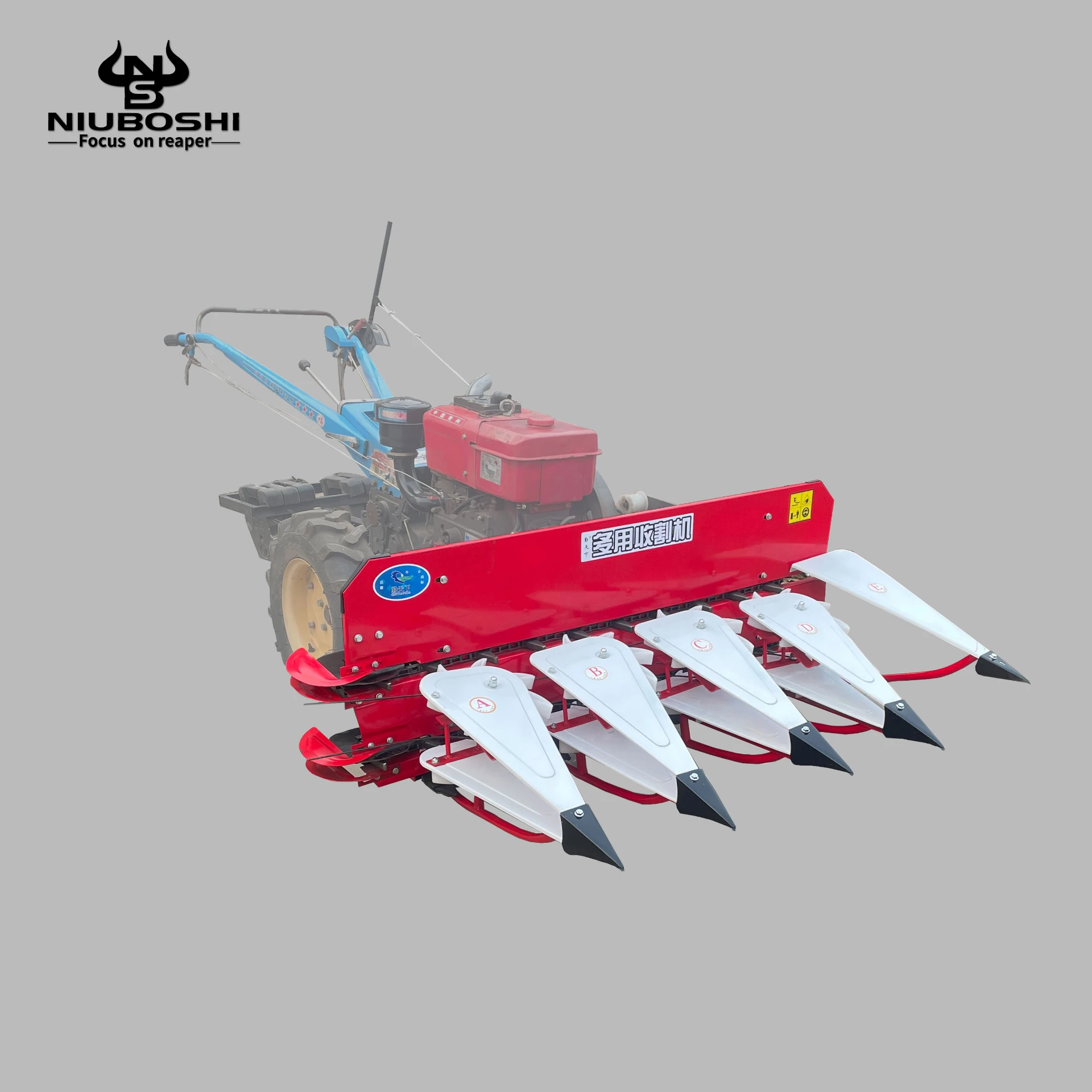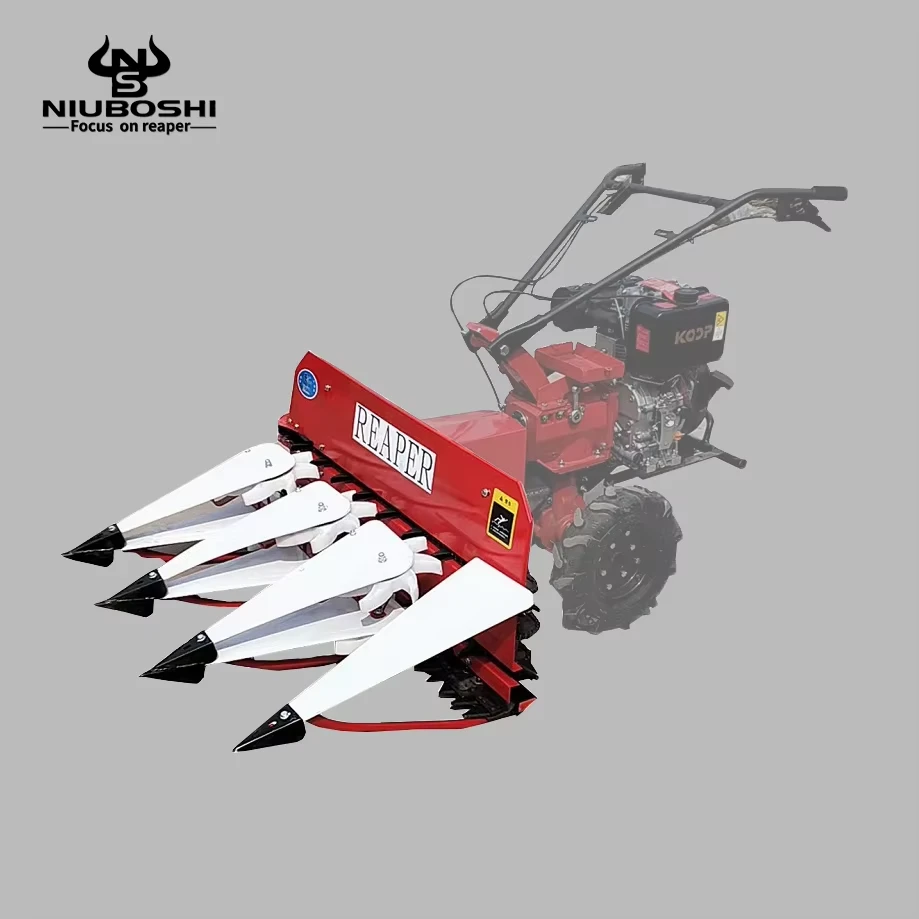
Mini Combine Rice Harvester – Efficient Harvesting Solutions for Small Farms
Mini Combine Rice Harvester: A Small Machine with Global Impact
Rice farming is the backbone of food security for billions worldwide. Yet, harvesting rice efficiently on small or uneven plots remains a challenge in regions with limited resources. Enter the mini combine rice harvester — a compact, versatile machine that has transformed how smallholder farmers approach their most labor-intensive season.
Understanding these machines is not just about farming technology — it’s about connecting agriculture to economic growth, sustainability, and even humanitarian relief in some cases. Let’s unpack why this tiny harvester matters so much on the global stage.
Global Context: Why Mini Combine Harvesters Are More Relevant Than Ever
Rice accounts for nearly 20% of the calories consumed by people worldwide, supplying food to over half of the global population according to the FAO. Yet, rice farming can be intensely laborious, especially in Asia and parts of Africa where small, fragmented farms prevail. Mechanization often remains out of reach due to cost or terrain constraints.
Roughly 75% of rice farms globally are under 2 hectares — making large combine harvesters impractical. Here, mini combine rice harvesters fill the gap: they’re affordable, nimble, and tailored to smaller plots. They tackle challenges like post-harvest losses, labor shortages, and time sensitivity during harvest season, particularly as climate change increases weather unpredictability.
Frankly, many governments and aid organizations see these machines as a way to boost food security while helping smallholder farmers keep pace with growing demand.
Mini Summary:
- Rice feeds billions, with small farms dominating global supply.
- Mini combine harvesters lower barriers to mechanization in small-scale farming.
- They help reduce labor strain and improve harvest efficiency.
What Is a Mini Combine Rice Harvester?
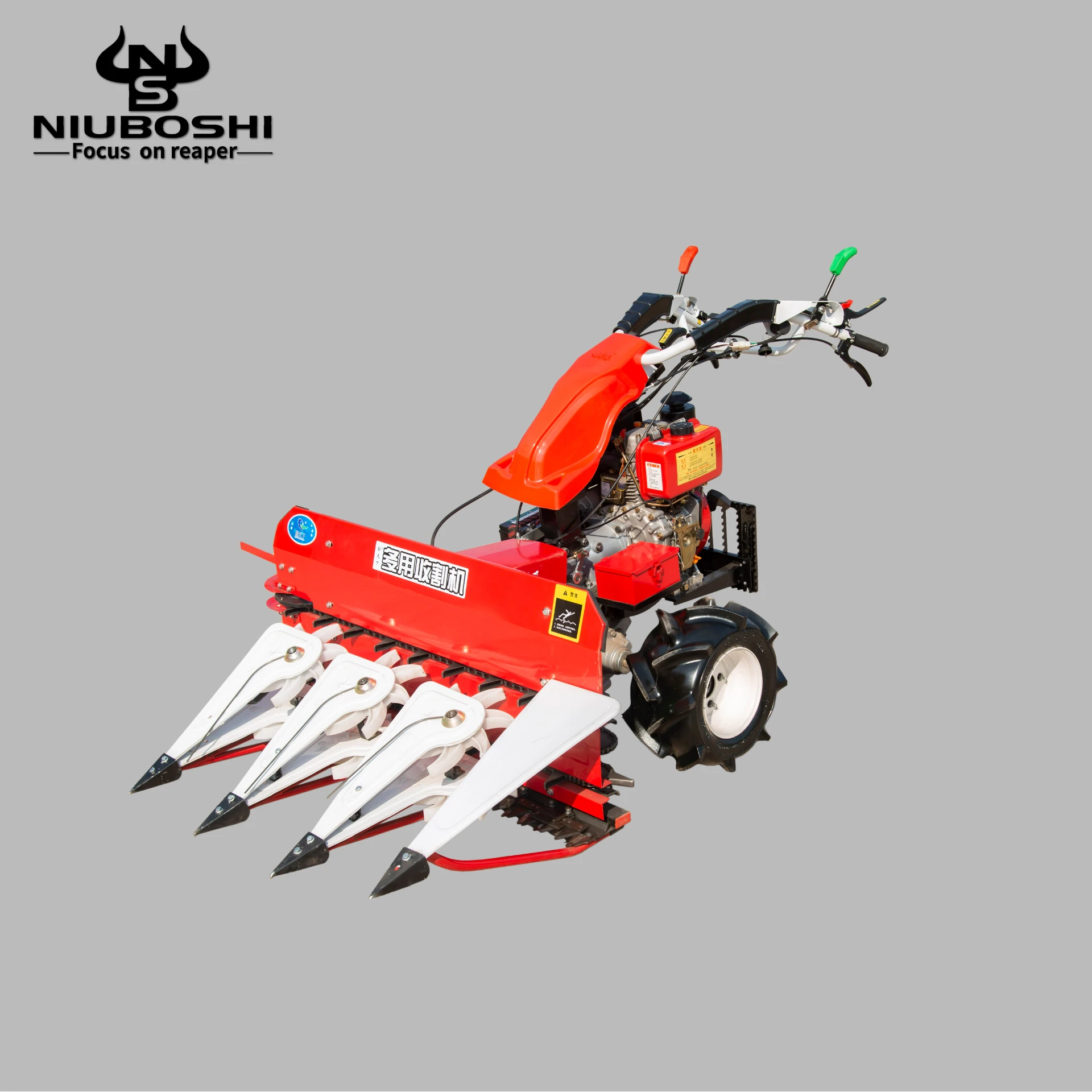
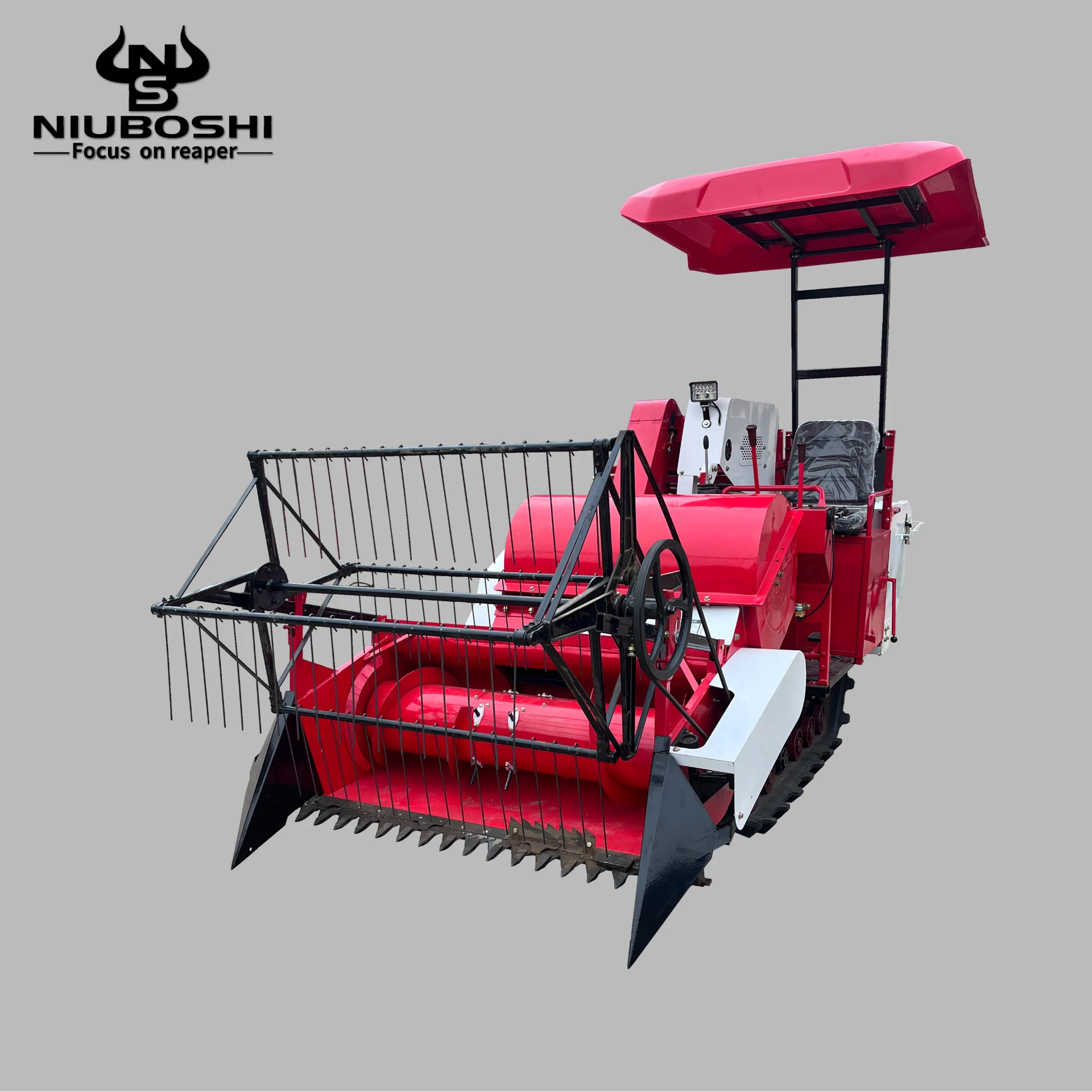
Simply put, a mini combine rice harvester is a downsized version of the traditional combine harvester, designed specifically for paddy rice fields that are small, irregular, or difficult to access. It combines cutting, threshing, and separating grain in one machine — but it’s designed to be lighter, more compact, and easier to operate.
This machine plays a subtle yet vital role in modern agriculture, especially where mechanized farming is still emerging. In humanitarian contexts, mini harvesters can be deployed post-disaster to help affected farming communities rebuild their livelihoods quickly.
Core Components and Key Features of Mini Combine Rice Harvesters
1. Durability and Build Quality
Most mini harvesters are built from rust-resistant steel and durable polymers. This ensures they withstand wet field conditions and rough handling—an absolute must since rice paddies can be tricky terrain. Many manufacturers test their machines heavily to match or exceed industry standards (ISO 4254-1).
2. Engine Power and Fuel Efficiency
Mini combines often feature small diesel or gasoline engines in the range of 8 to 15 horsepower. Many engineers say that fuel consumption ratios are improving steadily, reducing costs for farmers who face fluctuating fuel prices. Economical engines also mean less environmental impact.
3. Scalability and Versatility
Despite the “mini” label, these harvesters can work on plots ranging from a few tenths of a hectare to over a hectare. Some models effortlessly switch between crops like wheat and maize — making them especially appealing for diversified farming systems.
4. Ease of Operation and Maintenance
Simple controls, minimal maintenance requirements, and lightweight design make them accessible to farmers with minimal training. It’s common for NGOs to run workshops helping beneficiaries learn to operate these machines.
5. Cost Efficiency
The price point — usually between $3,000 and $10,000 — makes mini combines affordable for cooperatives or individual farmers when compared to full-sized harvesters. Some governments offer subsidies to encourage adoption.
Product Specification Table
| Specification | Typical Values |
|---|---|
| Engine Type | Diesel, 10-15 HP |
| Cutting Width | 0.8 to 1.2 meters |
| Weight | 300–500 kg |
| Grain Tank Capacity | 50–100 kg |
| Fuel Consumption | ~1.5 liters/hr |
| Operating Speed | 2–4 km/h |
Mini Takeaway:
Mini combine rice harvesters balance power, agility, and cost — making them a practical choice for small farms and diverse crop needs.
Where Are Mini Combine Rice Harvesters Making a Difference?
These machines have found homes across Asia’s rice belt—from the terraces of the Philippines to the wetlands of Bangladesh—as well as increasingly in parts of Africa like Nigeria and Tanzania. Their impact ranges widely:
- Smallholder farms: Helping families and cooperatives reduce manual labor and accelerate harvest.
- Relief and development projects: NGOs distribute mini combines to disaster-affected areas, enabling faster replanting and food production.
- Rural industries: Small-scale millers and seed producers rely on improved post-harvest handling facilitated by mini combines.
For example, in Nepal, a recent initiative trained farmers to use mini combines, resulting in 30% less grain loss and significantly improved livelihoods in hilly farming communities.
Vendor Options: A Quick Comparison
| Brand | Price Range | Engine Type | Support & Training |
|---|---|---|---|
| HarvestPro Mini | $3,200 - $4,500 | Diesel 10HP | Online manuals + in-field training |
| AgriLite 150 | $5,000 - $7,000 | Gasoline 12HP | Dealer network support + workshops |
| FarmTech MiniHarv | $6,000 - $9,000 | Diesel 15HP | Comprehensive training + 24/7 hotline |
Why Embrace Mini Combine Rice Harvesters? Advantages That Matter
It’s not just about speed. The blend of affordability, reliability, and low labor demand means many farmers can reallocate their time and resources to improve overall farm management or diversify their income streams.
Moreover, from a sustainability angle, using the right size machine can reduce the fuel footprint compared to oversized equipment taxing small fields. This also aligns with growing interest in carbon-conscious farming practices.
Emotionally, these machines offer dignity and empowerment: rather than relying solely on backbreaking manual work or hired laborers, farmers can take direct control over their harvests. It feels like a step toward modernization without sacrificing tradition.
Looking Into the Future: Innovations on the Horizon
The future looks bright, with innovators testing electric mini combine harvesters to nix fuel concerns altogether. Automation features, such as GPS-assisted steering and real-time yield monitoring, are trickling down from larger commercial machines to mini harvester models.
Integration into digital farming platforms will open doors for precision agriculture even on tiny plots, supporting better decision-making and resource use. Sustainability is a major driver here — lighter machines powered by clean energy will likely dominate the next generation.
What Are the Challenges? And How Can We Solve Them?
Despite the obvious benefits, challenges remain. Mini combines can struggle with very wet or uneven terrain, which necessitates innovations in wheel and track design. Training availability can be patchy, limiting optimal use. Affordability, while improved, is still an issue in the poorest regions.
Some organizations are tackling these problems by developing custom financing schemes, modular training via mobile apps, and hybrid powertrains adaptable to different conditions. Local manufacturing partnerships also reduce costs and improve parts availability.
FAQ: Practical Questions About Mini Combine Rice Harvesters
Q1: What size farm is suitable for a mini combine rice harvester?
A1: Typically, mini combine rice harvesters perform best on farms from 0.5 to 3 hectares. They excel in small, irregular, or terraced fields where large machines can’t operate efficiently.
Q2: How difficult is it to maintain a mini combine rice harvester?
A2: Maintenance is relatively simple, often requiring basic mechanical skills such as cleaning, oil changes, and checking belts. Many models come with user manuals and some may include training from dealers.
Q3: Are mini combine rice harvesters suitable for multiple crops?
A3: Yes, many mini combines are designed to handle crops like wheat, barley, and maize, though the threshing mechanisms might need adjustment for each specific crop.
Q4: How does one get parts or repair support in remote areas?
A4: The best approach is to buy from vendors with local dealer networks. Some companies offer parts kits and remote troubleshooting. NGOs sometimes assist with repairs in hard-to-reach locations.
Q5: Can mini combine rice harvesters help during humanitarian relief efforts?
A5: Absolutely. By accelerating harvest recovery post-disaster, they can reduce food insecurity and help rebuild local agricultural incomes swiftly.
In Closing: Why the Mini Combine Rice Harvester Is a Game Changer
It's clear that these modest machines quietly reshape rice farming. They bring mechanization within reach for smallholders, boost efficiency, and open doors to sustainable practices and innovation.
For anyone involved in rice production or agricultural development, exploring mini combine rice harvesters is an investment in resiliency — economical, social, and environmental. Ready to learn more or see options? Visit our website at mini combine rice harvester and discover your next step toward smarter harvesting.
Final Mini Takeaway
Small machines, big impact — that’s the story of mini combine rice harvesters. They’re not just tools, but partners helping farmers thrive in a changing world.
References
Latest news
-
Maximize Harvest Efficiency with the Agro Reaper Binder MachineNewsApr.16,2026
-
Boost Harvest Efficiency with the Best Agriculture Reaper MachineNewsApr.09,2026
-
Revolutionizing Agriculture with the Efficient Agriculture Power ReaperNewsApr.07,2026
-
Comprehensive Guide to the 4 Wheel Reaper Binder for Efficient HarvestingNewsApr.04,2026
-
Comprehensive Guide to Reaperbinder Technology for Efficient Hay and Crop HarvestingNewsMar.31,2026
-
Mastering the Art of Reaper Cutting for Enhanced Agricultural EfficiencyNewsMar.28,2026