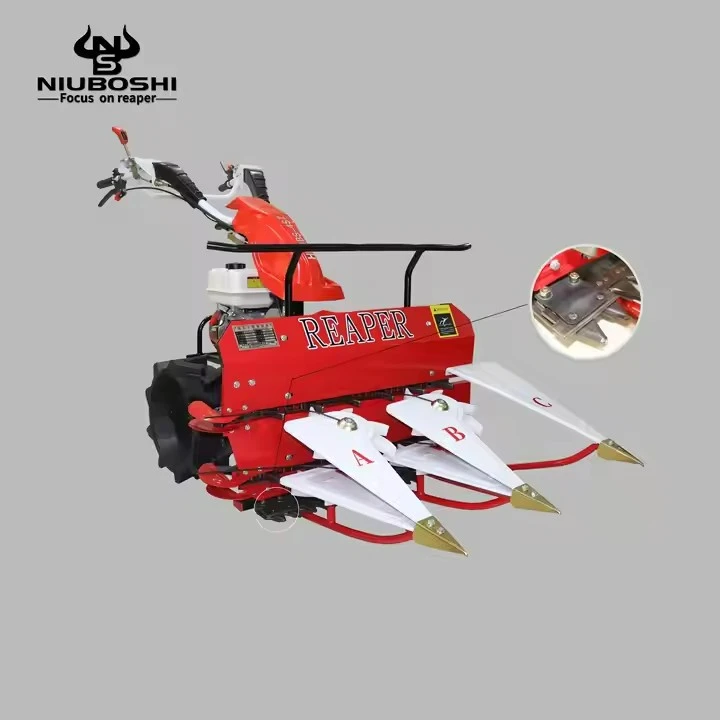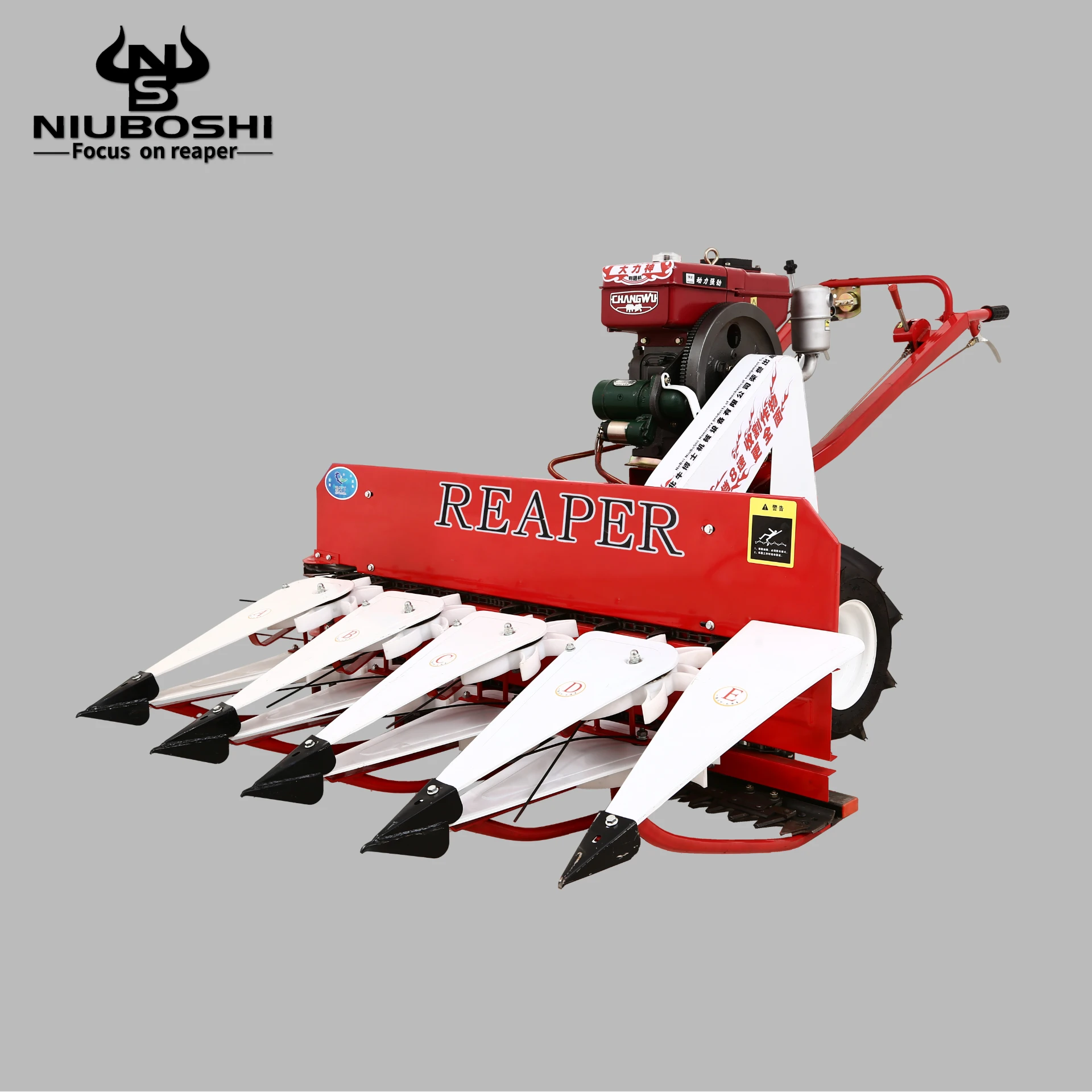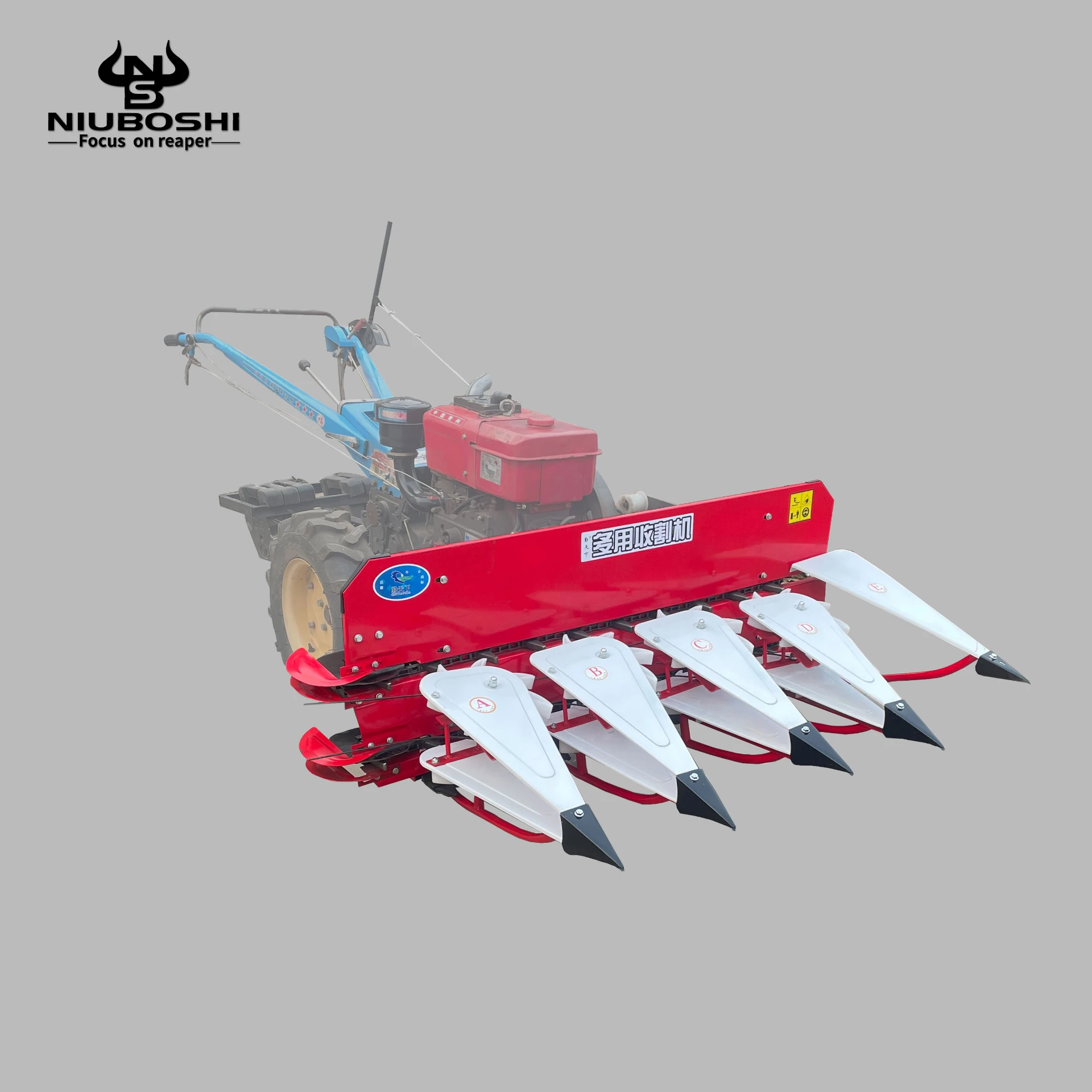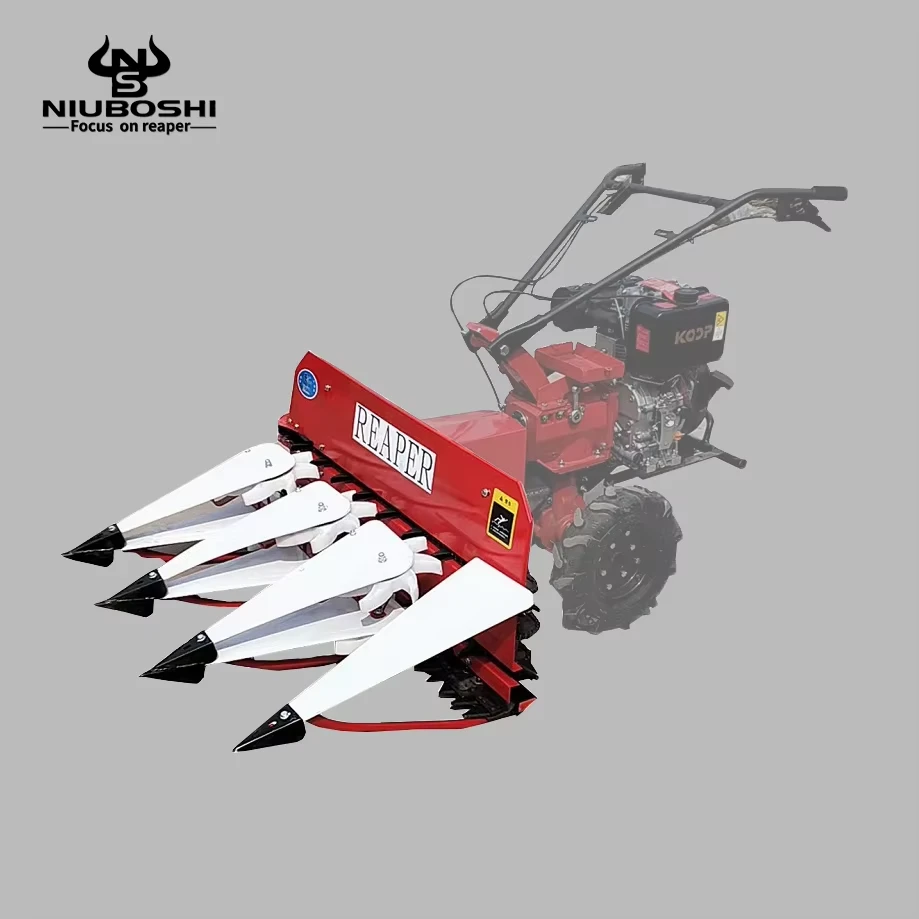
Hand Held Rice Harvester: Compact, Durable, and Efficient
The Hand Held Rice Harvester: A Small Machine Making Big Changes
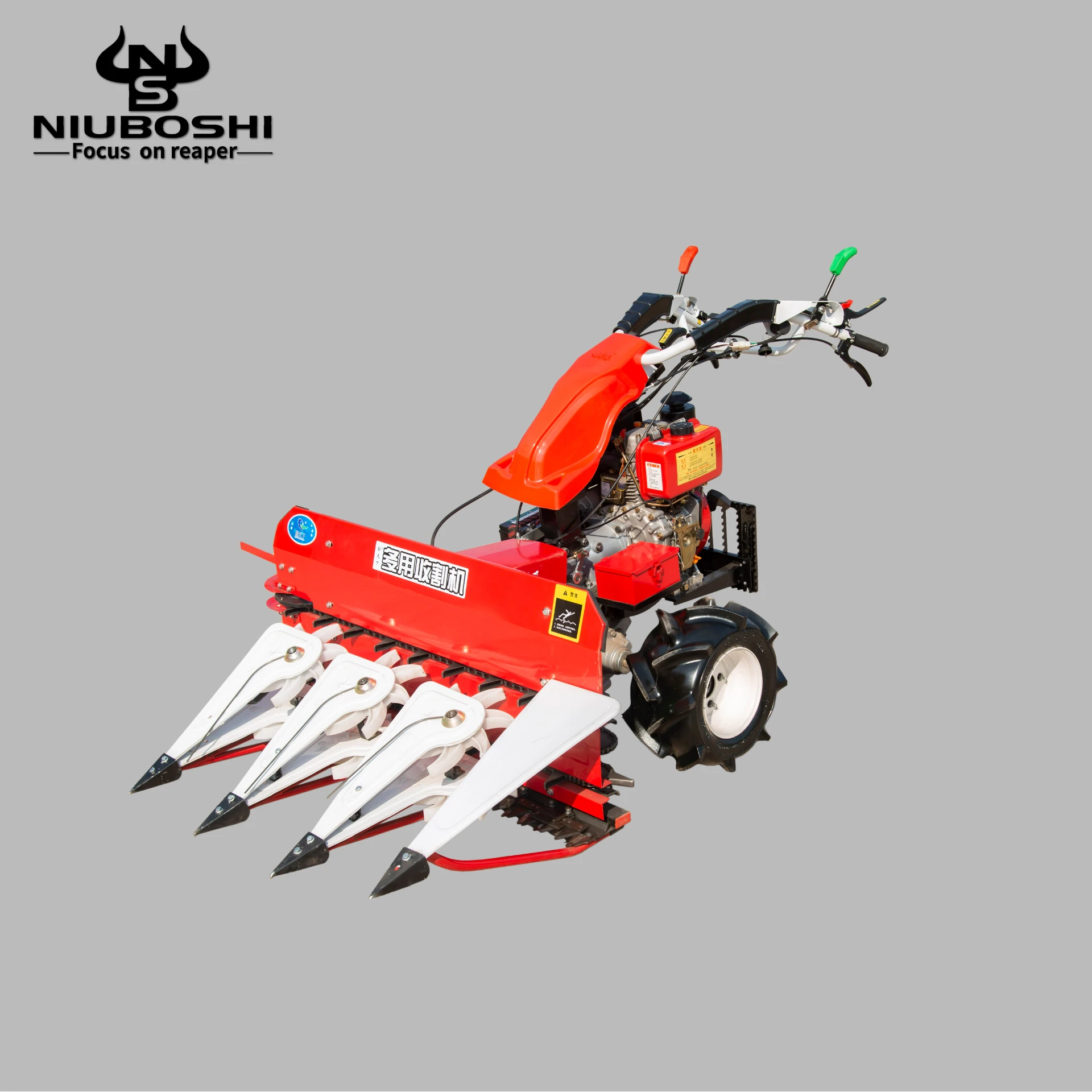
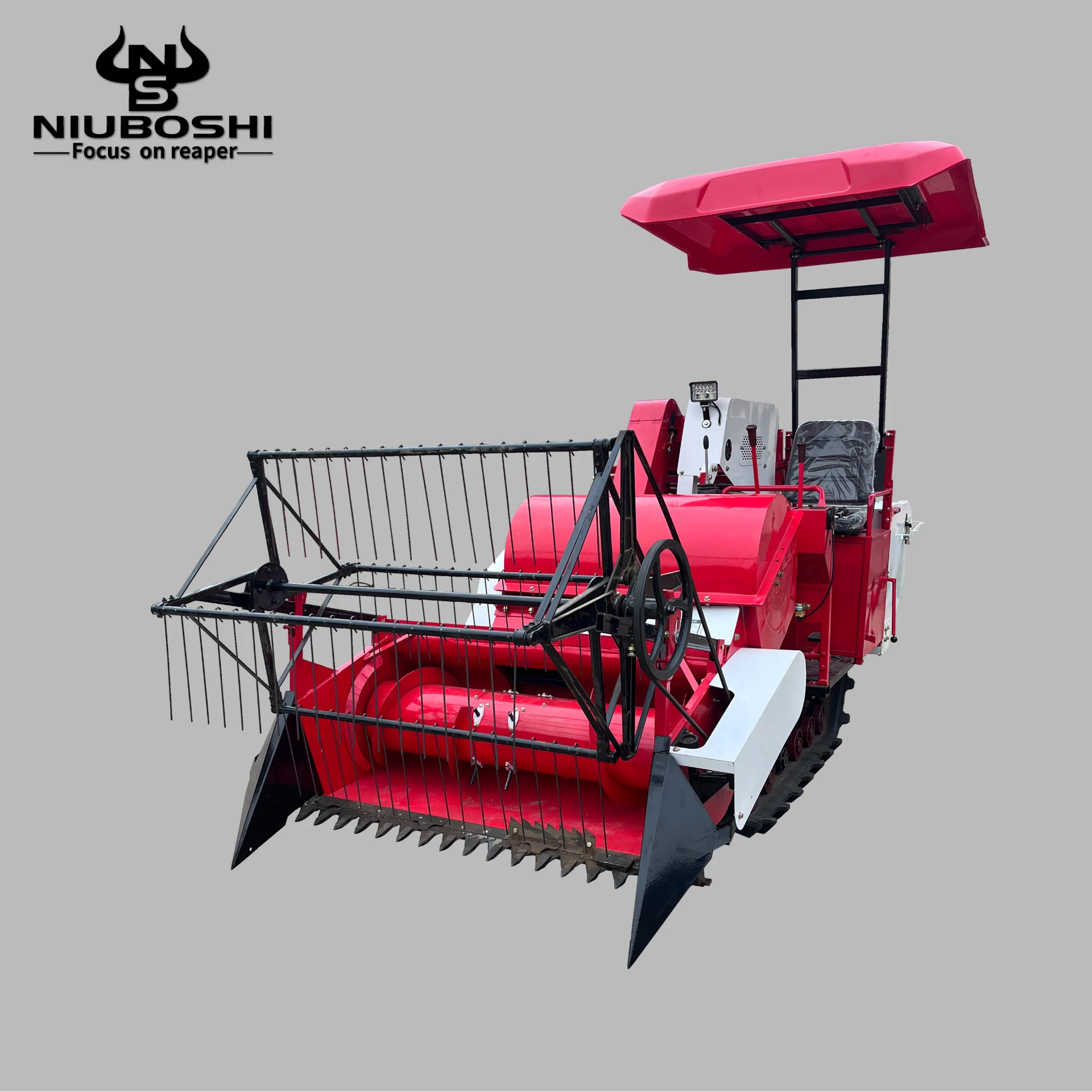
Having been in the industrial equipment sector for over a decade, I've come across countless machines designed for heavy-duty agriculture. But when it comes to rice harvesting, especially in smaller or uneven plots, the hand held rice harvester really stands out. It's not flashy, but it’s a clever little solution that’s been quietly making farmers’ lives easier in regions where large combines just can't cut it — literally and figuratively.
Let me explain. Oddly enough, small-scale rice producers often get overlooked in the push toward mechanization. Big machines with fancy tech are great, but not practical or affordable for everyone. This is where the hand held harvester comes in. It's light, portable, and straightforward — no steep learning curve, which frankly means a lot when training time is limited.
From my experience visiting multiple rice farms, these harvesters are quite resilient. Most are built with high-strength alloy steel for the blade, paired with durable plastic handles that reduce slippage, even with sweaty hands. You can feel the quality the moment you pick it up — balanced, not too heavy, yet substantial enough to handle thick stalks.
Testing is crucial, of course. Many manufacturers do extensive field trials, sometimes over different crop cycles, to ensure consistent cutting and threshing performance. I saw this firsthand a few seasons ago — a machine worked well on one variety of rice, but struggled on another. This led to product tweaks like sharper blades and adjustable cutting angles, which made a big difference.
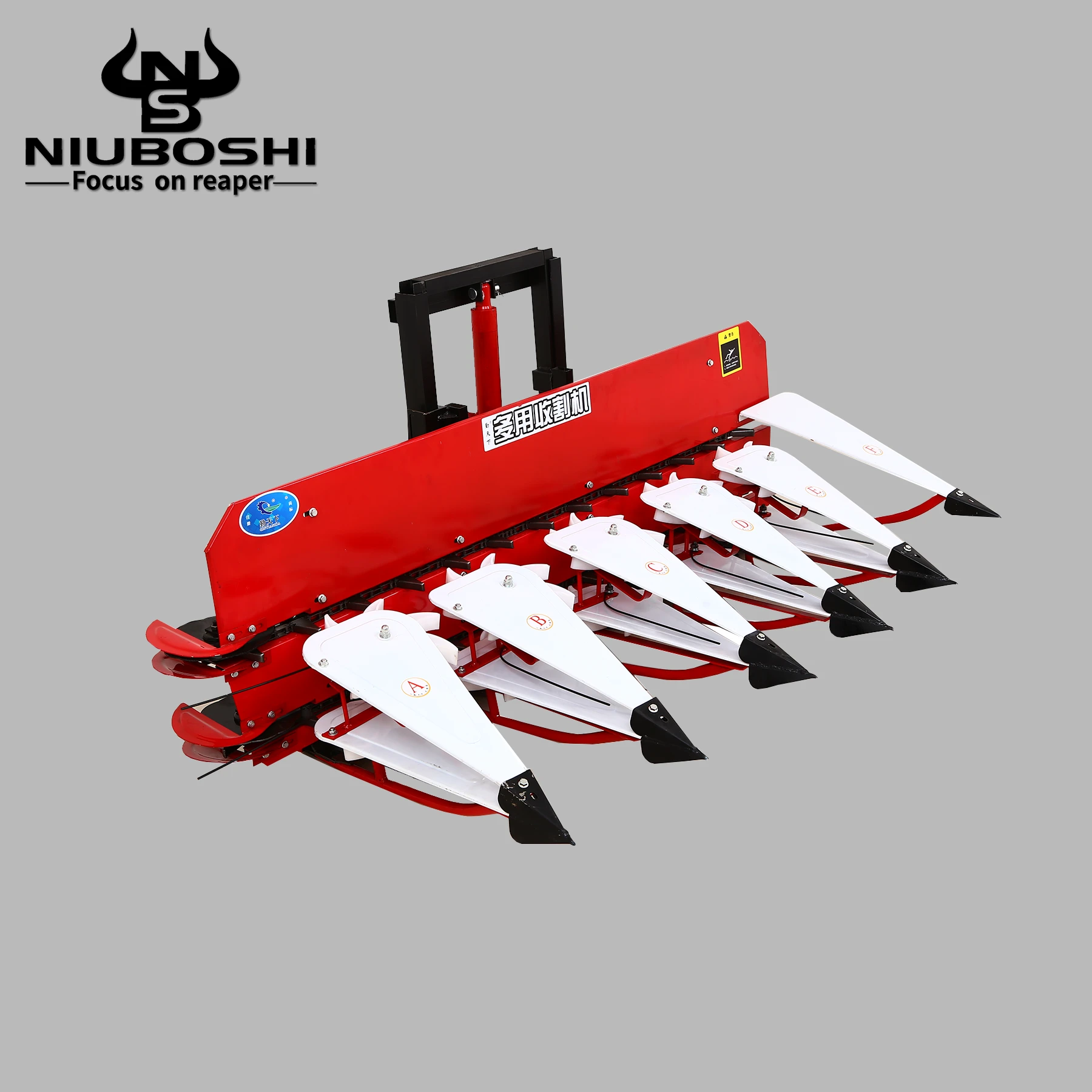
There's also a neat customization trend emerging. Some vendors offer interchangeable heads for the harvester — from simple cutting blades to small threshers — making the tool multifunctional without adding bulk. For the farmer juggling both harvesting and light processing, it’s convenient and cost-effective.
In real terms, using a hand held rice harvester can cut harvesting time by nearly half in smaller fields compared to manual sickling. This isn’t just about saving labor hours, but reducing physical strain too. I recall speaking to a farmer in Vietnam who called his harvester “a back-saver.” The handheld design meant less stooping and bending, which, come harvest time, is invaluable.
While several brands exist, not all are created equal. Here’s a quick spec breakdown of a typical mid-range model I’ve handled:
| Feature | Specification |
|---|---|
| Cutting Width | 35 cm |
| Blade Material | High carbon steel, heat-treated |
| Weight | 3.2 kg |
| Power Source | Electric (Cordless Battery) |
| Battery Life | Up to 4 hours continuous use |
| Handle Type | Ergonomic non-slip grip |
So, how do these machines stack up against each other? Here’s a brief vendor comparison chart highlighting three popular brands I’ve tested or researched extensively:
| Brand A | Brand B | Brand C | |
|---|---|---|---|
| Cutting Width | 35 cm | 30 cm | 40 cm |
| Weight | 3.2 kg | 2.8 kg | 3.5 kg |
| Battery Life | 4 hrs | 3 hrs | 5 hrs |
| Price Range | $$ | $ | $$$ |
| Additional Features | Interchangeable heads | Lightweight frame | Extended warranty |
Honestly, buying the right hand held rice harvester boils down to what you prioritize — lighter weight, longer battery, or price. But given the pace of agricultural mechanization in smallholder rice farms, investing in a reliable machine is often worth the upfront cost. I noticed many engineers emphasize ease of maintenance as well — since downtime during harvest can be costly.
And here’s a quick aside from a real user: a farmer in Thailand told me his hand held harvester saved him from hiring extra seasonal workers, slashing costs and speeding up delivery to his buyer. That, in the end, says a lot about the practical value of these machines beyond specs and reviews.
If you’re curious about the nitty-gritty or want a trusted source, I’d recommend checking out the products at hand held rice harvester. They’ve been in the game for years, and frankly, their gear feels built for farmers, not just engineers.
So yeah, while these machines aren’t headline-grabbers, in the fields, they quietly transform the way rice gets harvested — smaller, smarter, simpler. And sometimes, that’s exactly what counts.
References:
- Field observations from multiple Southeast Asia rice farms, 2018-2023.
- Manufacturer technical briefs and product testing reports, 2022.
- User interviews conducted with smallholder farmers in Vietnam and Thailand, 2021.
Latest news
-
Maximize Harvest Efficiency with the Agro Reaper Binder MachineNewsApr.16,2026
-
Boost Harvest Efficiency with the Best Agriculture Reaper MachineNewsApr.09,2026
-
Revolutionizing Agriculture with the Efficient Agriculture Power ReaperNewsApr.07,2026
-
Comprehensive Guide to the 4 Wheel Reaper Binder for Efficient HarvestingNewsApr.04,2026
-
Comprehensive Guide to Reaperbinder Technology for Efficient Hay and Crop HarvestingNewsMar.31,2026
-
Mastering the Art of Reaper Cutting for Enhanced Agricultural EfficiencyNewsMar.28,2026