Efficient Mini Harvester for Soybean – Affordable & Durable Solutions for Small Farms
The Rising Importance of Mini Harvester for Soybean in Today’s Agriculture
When you think about soybeans, you might immediately picture tofu, veggie burgers, or even biodiesel fuel — all globally relevant products. But behind every soybean on your plate or in your engine, there’s a whole cascade of agricultural practices, including harvesting. Mini harvester for soybean machines, small but mighty, play a key role in making soybean farming accessible, especially on smallholder farms or in regions where large equipment simply can’t roll through.
Why does this matter worldwide? Well, soybeans are one of the most essential crops for food security, animal feed, and industrial uses, accounting for nearly 350 million tons annually (FAO, 2022). Yet, many farmers face losses due to inefficient harvesting technologies or lack of access to mechanized tools. Mini soybean harvesters help bridge that gap by providing affordable, manageable solutions that can increase yields and improve livelihoods — it’s a practical answer to real challenges.
Mini takeaway: Understanding mini harvesters means grasping how agricultural mechanization adapts to diverse farming realities globally — from small family plots to remote areas with tricky terrains.
Global Context: The Demand for Mini Harvesters in the Soybean Industry
The soybean market is booming, projected to rise by about 4% annually through 2026 (World Bank, 2023). But the puzzle is this: Many developing regions produce significant soybean volumes with mostly manual or outdated methods. Large, expensive harvesters aren’t financially or logistically feasible there.
This is where mini harvesters step in. They address critical bottlenecks — labor shortages, crop losses during harvest, and time inefficiencies. For example, in parts of South America, Asia, and Africa, farmers wrestle with small, fragmented fields. Using compact machines cuts down harvesting time by nearly 50%, ensuring beans get off the field before bad weather or pests strike.
However, the challenge isn’t just size; it’s about combining affordability, durability, and versatility all into one package.
So, What Exactly Is a Mini Harvester for Soybean?
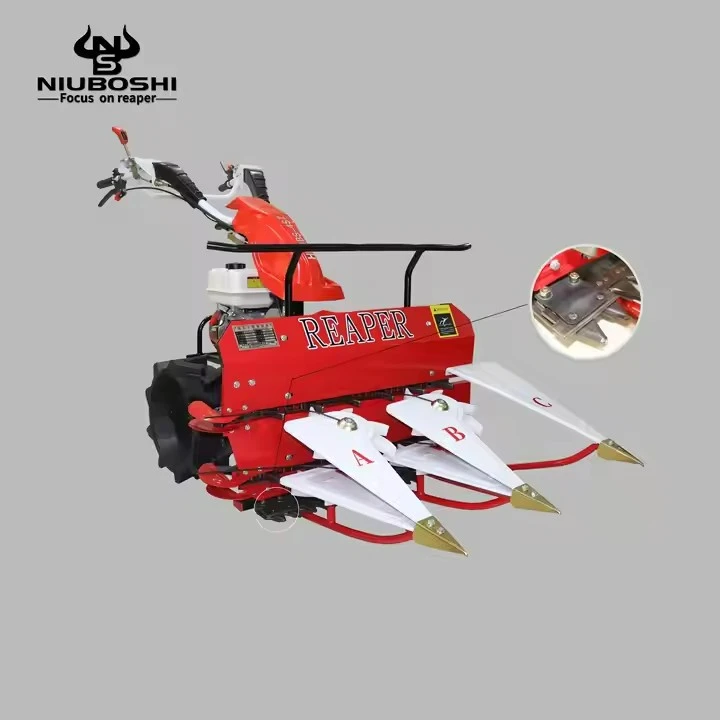
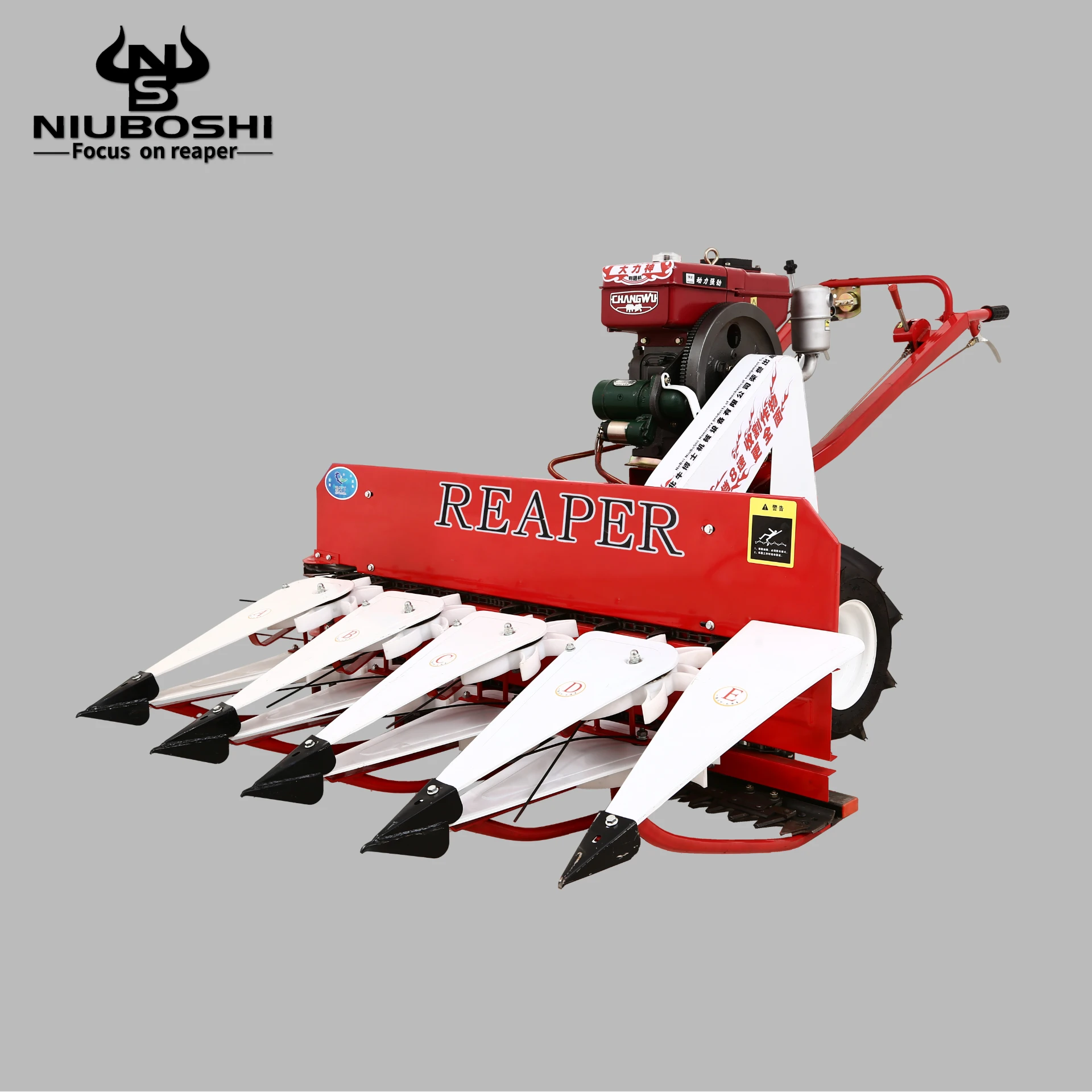
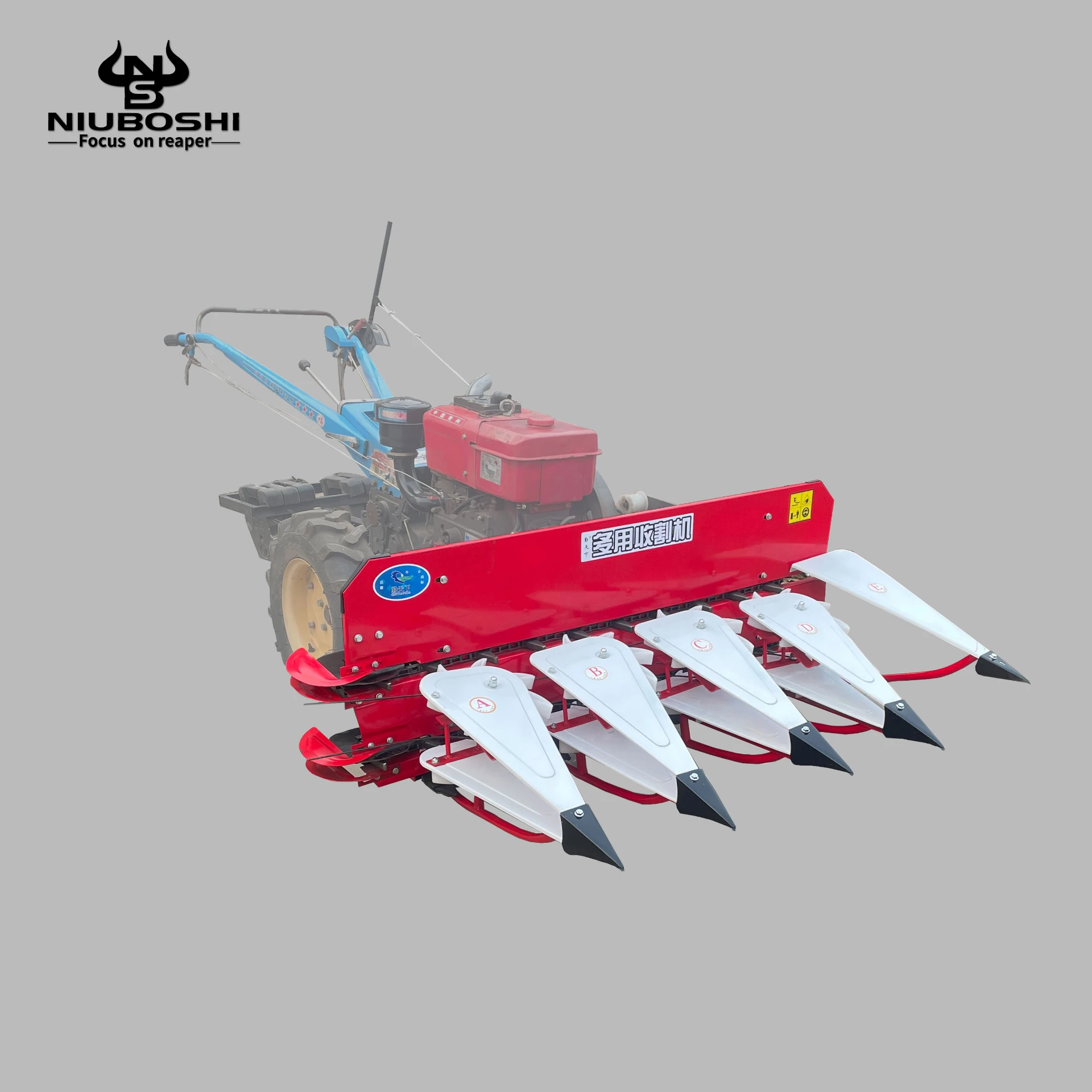
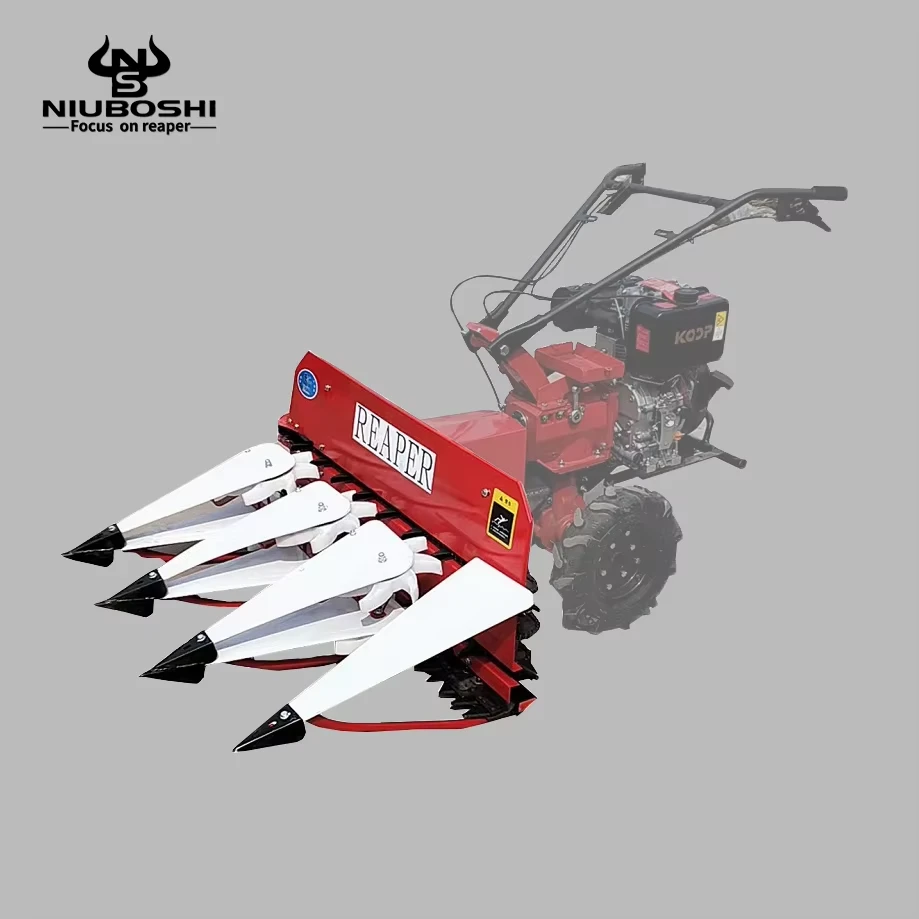
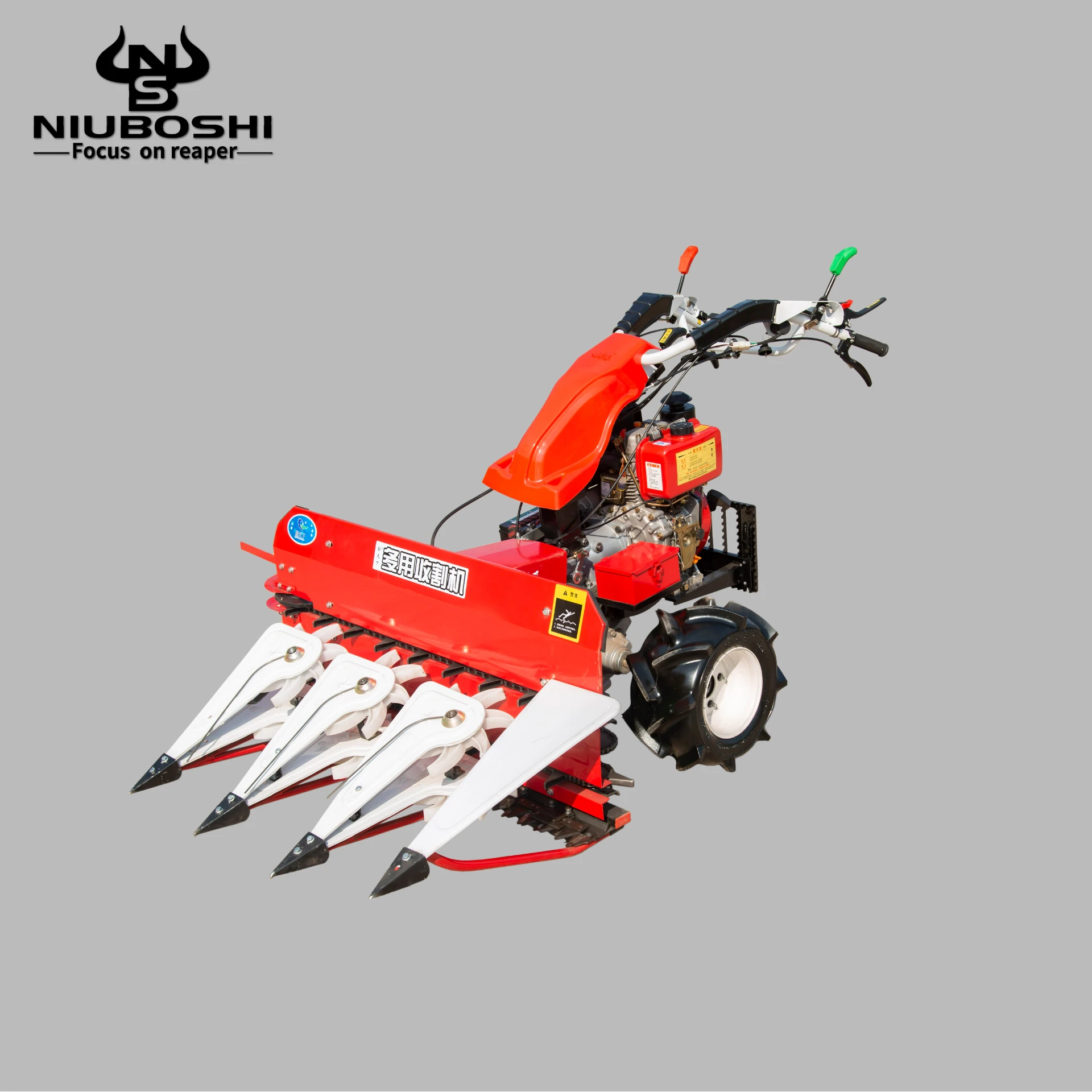
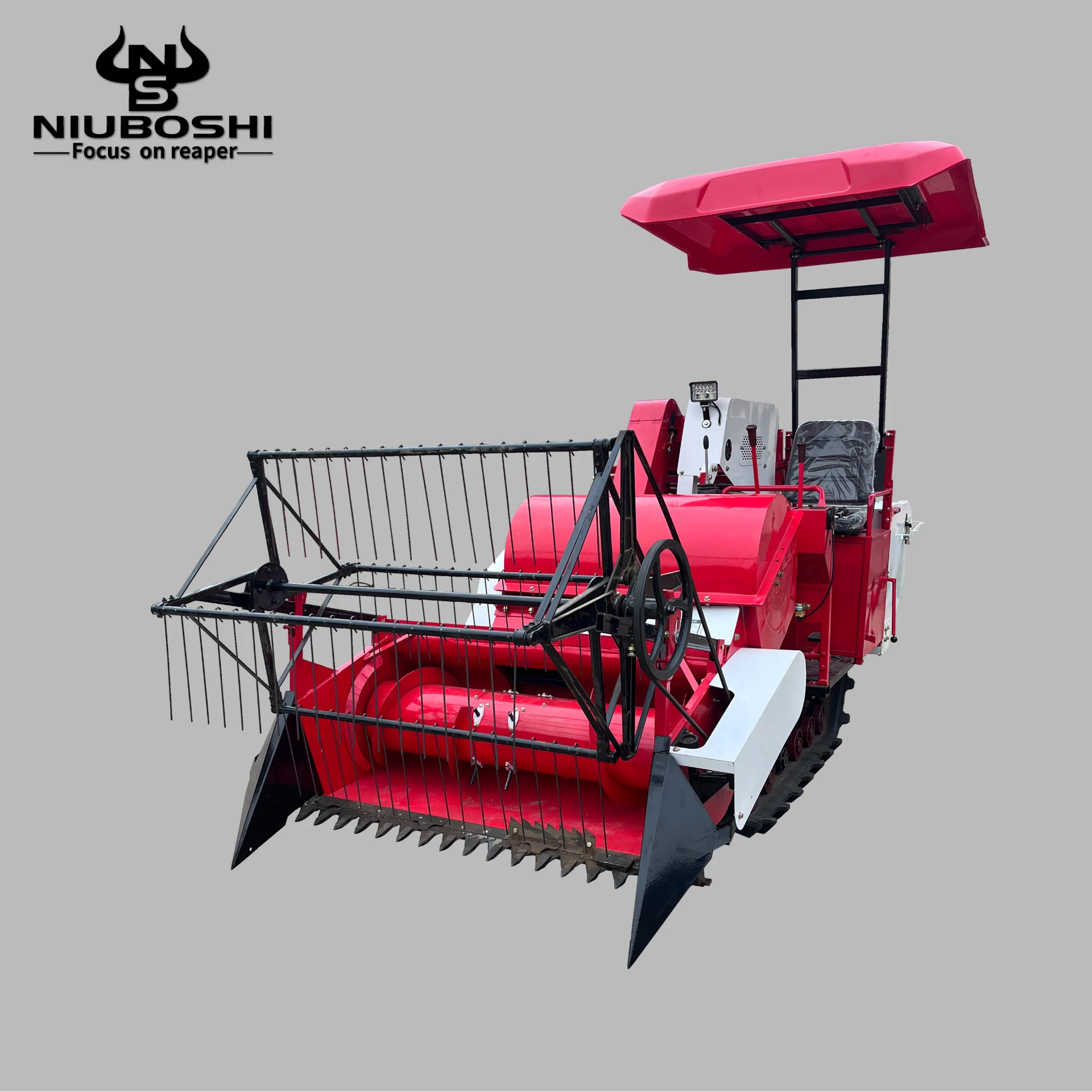
Put simply, a mini harvester for soybean is a compact agricultural machine designed to efficiently cut, thresh, and collect soybeans in small to medium-sized fields. Think of it as an all-in-one combine, just scaled down. These machines often weigh less than 1,000kg, can be operated by a single person, and navigate narrower paths than full-sized combines.
They’re a technological answer to smaller farms and limited resource zones, providing mechanization in places where it was previously impossible or impractical. This isn’t just about farming efficiency — it connects to food security, rural empowerment, and sustainable development goals (UNDP, 2023).
Key Features That Define a Good Mini Harvester for Soybean
1. Durability
A mini harvester needs to stand up to rough and varied terrain — sometimes rocky, sometimes muddy fields. Strong steel frames and corrosion-resistant parts ensure these machines don’t break down mid-season, which can be devastating for smallholder farmers.
2. Cost Efficiency
Price matters a lot in this market segment. Mini harvesters often cost a fraction of full-sized combines, but the return on investment is equally critical. Fuel consumption, maintenance expenses, and spare parts availability all factor into affordability.
3. Scalability
While small now, many farmers look to expand acreage or share machinery cooperatively. Modular parts or adaptable attachments help mini harvesters grow in utility and productivity, offering more bang for the buck.
4. Ease of Use
Not every operator is a mechanically trained technician, so simple controls, less manual calibration, and ergonomic design make a huge difference in adoption and efficient use.
5. Harvest Quality
At the end of the day, it’s about beans intact, minimal losses, and clean threshing. A good mini harvester balances speed with care.
| Specification | Typical Value | Comments |
|---|---|---|
| Weight | 800-1200 kg | Light enough for small farms |
| Engine Power | 12-20 HP | Fuel efficient diesel or gasoline engines |
| Harvest Rate | 0.5-1 hectare/hour | Varies with bean density & operator skill |
| Threshing Efficiency | 90-95% | Minimal bean damage, low residue |
| Turning Radius | Great for narrow rows and terraces |
How Mini Harvesters Transform Soybean Farming Globally
In places like Brazil’s Mato Grosso or India’s Madhya Pradesh, mini harvesters have become game-changers. Farmers who once relied solely on manual labor or rented expensive large combines now enjoy faster harvests with less physical strain. In post-disaster relief operations, where speed and flexibility are crucial, deploying these machines means food crops aren’t lost and local economies rebound faster.
Remote industrial zones, too, benefit from these machines — soybeans are often grown in challenging climatic zones where topography and infrastructure limit mechanization options. Mini harvesters enable local collection and processing at scale.
For many NGOs promoting sustainable agriculture, these machines represent affordable entry points to modernize farms while improving yields and reducing drudgery.
Mini takeaway: The versatility of mini harvesters means they fit both commercial and humanitarian needs, proving their worth beyond just farming.
Advantages that Matter: Beyond the Buzzwords
- Cost Savings: Less fuel, fewer workers, and quicker harvesting mean a direct impact on the bottom line.
- Sustainability: Smaller engines and precise harvesting reduce emissions and soil compaction.
- Social Impact: Empowering smallholders with mechanization promotes dignity and self-reliance.
- Reliability: Many operators report fewer breakdowns and easy maintenance, key for regions with limited support services.
- Innovation: Integration with GPS or smart sensors is beginning to crop up, enhancing precision farming even in mini harvester models.
Emerging Trends in Mini Harvester Technologies for Soybeans
Frankly, the field is evolving fast. There's an increasing push towards green energy-powered harvesters — some prototype electric mini harvesters are already being tested, aiming to cut carbon footprints further. Digital transformations are on the horizon: IoT-based performance tracking, AI-driven crop analysis coupled with harvesting decisions, even automated steering systems.
Material science innovations allow for lighter but tougher frames and parts, improving durability without adding cost. Policies encouraging mechanization subsidies and import support in emerging markets are also accelerating adoption.
Common Challenges and How Industry Leaders Are Tackling Them
Of course, no technology is flawless. Mini harvesters sometimes struggle with wet or sticky conditions that cause clogging. Parts availability remains patchy in some remote areas. Operator training can be inconsistent, leading to suboptimal use or accelerated wear.
Industry leaders focus on modular design for easier repairs, remote diagnostics capabilities, and localized training programs. Some even implement shared ownership models to spread costs and encourage maintenance diligence.
| Vendor | Price Range | Warranty | Specialty |
|---|---|---|---|
| HarvestTech Co. | $8,000-$12,000 | 2 years standard | Fuel efficient diesel engines |
| AgriMini Solutions | $6,500-$10,000 | 18 months | Lightweight frame, easy parts availability |
| SoyHarv Inc. | $7,500-$11,500 | 2 years + extension options | Smart sensor integration for yield monitoring |
FAQs: Practical Questions About Mini Harvester for Soybean
- Q: What size farm is a mini harvester for soybean best suited for?
- A: Mini harvesters typically excel on farms ranging from 1 to 10 hectares, where maneuverability and cost efficiency outweigh sheer volume capacity. They handle smaller plots much faster than manual harvesting.
- Q: How does maintenance compare to full-sized combines?
- A: Maintenance is generally simpler and less frequent, partly due to fewer complex systems. Parts are cheaper, and many owners can perform basic repairs themselves, greatly reducing downtime.
- Q: Are mini harvesters environmentally friendly?
- A: Compared to large combines, mini harvesters have smaller engines with lower emissions and consume less fuel, which contributes to reduced carbon footprints and less soil compaction.
- Q: Can mini harvesters be used for other crops?
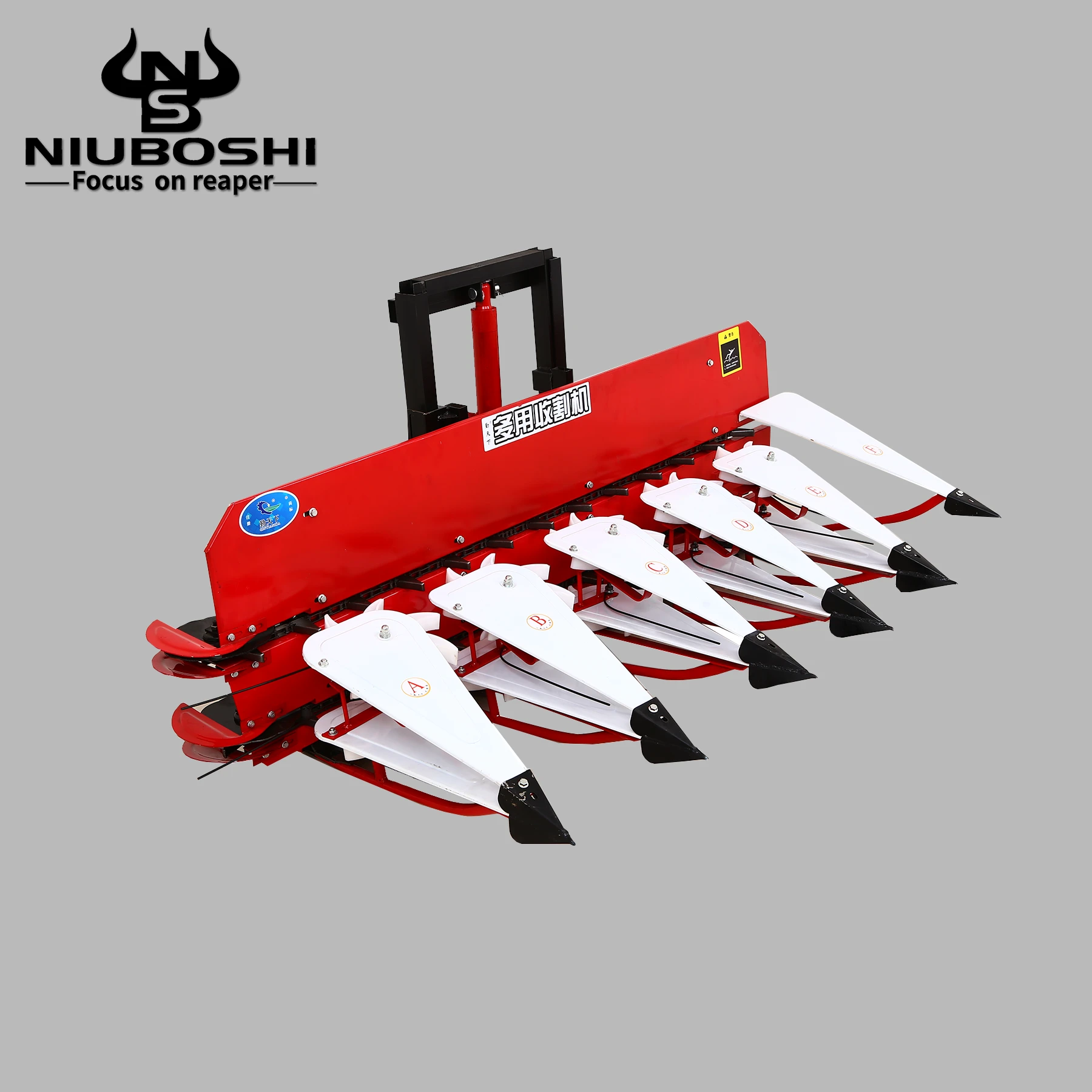
- A: Yes, many models offer interchangeable heads or attachments for harvesting crops like rice, wheat, and corn, increasing their versatility and ROI.
- Q: How can I learn to operate a mini harvester effectively?
- A: Most manufacturers provide training materials or partner with local agricultural extension services for hands-on instruction. It’s crucial to invest time in learning proper operation to maximize machine lifespan and harvesting quality.
Wrapping It Up: Why Mini Harvester for Soybean Will Shape Farming Futures
The leap toward mechanization isn’t reserved for giant agribusiness anymore. Mini harvesters for soybean bring a smart, sustainable solution to small farms and challenging environments, balancing cost, durability, and performance. They’re more than machines; they’re tools empowering farmers worldwide to harvest smarter, safer, and faster.
If you’re intrigued to explore your options or boost your farm’s productivity, why not check out our mini harvester for soybean page? You might find the perfect match for your land’s unique needs.
References:
Latest news
-
Maximize Harvest Efficiency with the Agro Reaper Binder MachineNewsApr.16,2026
-
Boost Harvest Efficiency with the Best Agriculture Reaper MachineNewsApr.09,2026
-
Revolutionizing Agriculture with the Efficient Agriculture Power ReaperNewsApr.07,2026
-
Comprehensive Guide to the 4 Wheel Reaper Binder for Efficient HarvestingNewsApr.04,2026
-
Comprehensive Guide to Reaperbinder Technology for Efficient Hay and Crop HarvestingNewsMar.31,2026
-
Mastering the Art of Reaper Cutting for Enhanced Agricultural EfficiencyNewsMar.28,2026