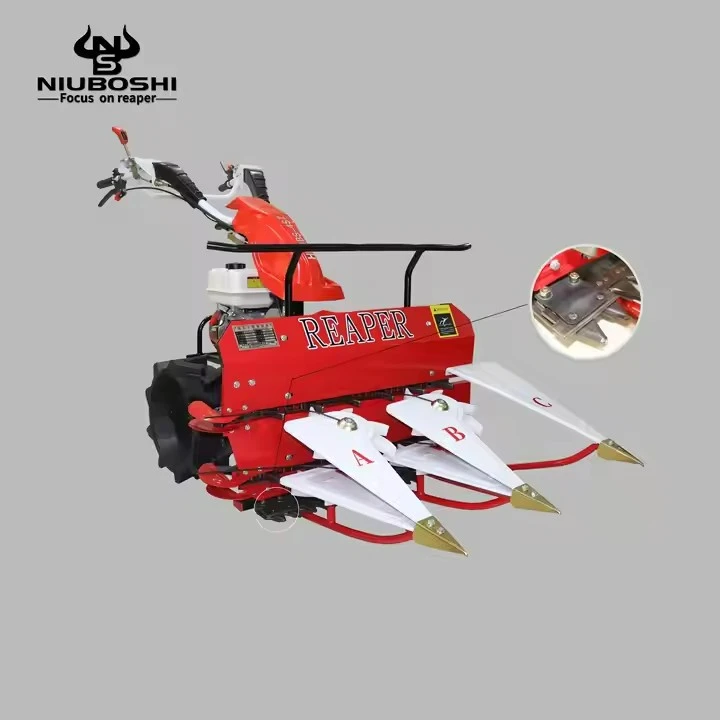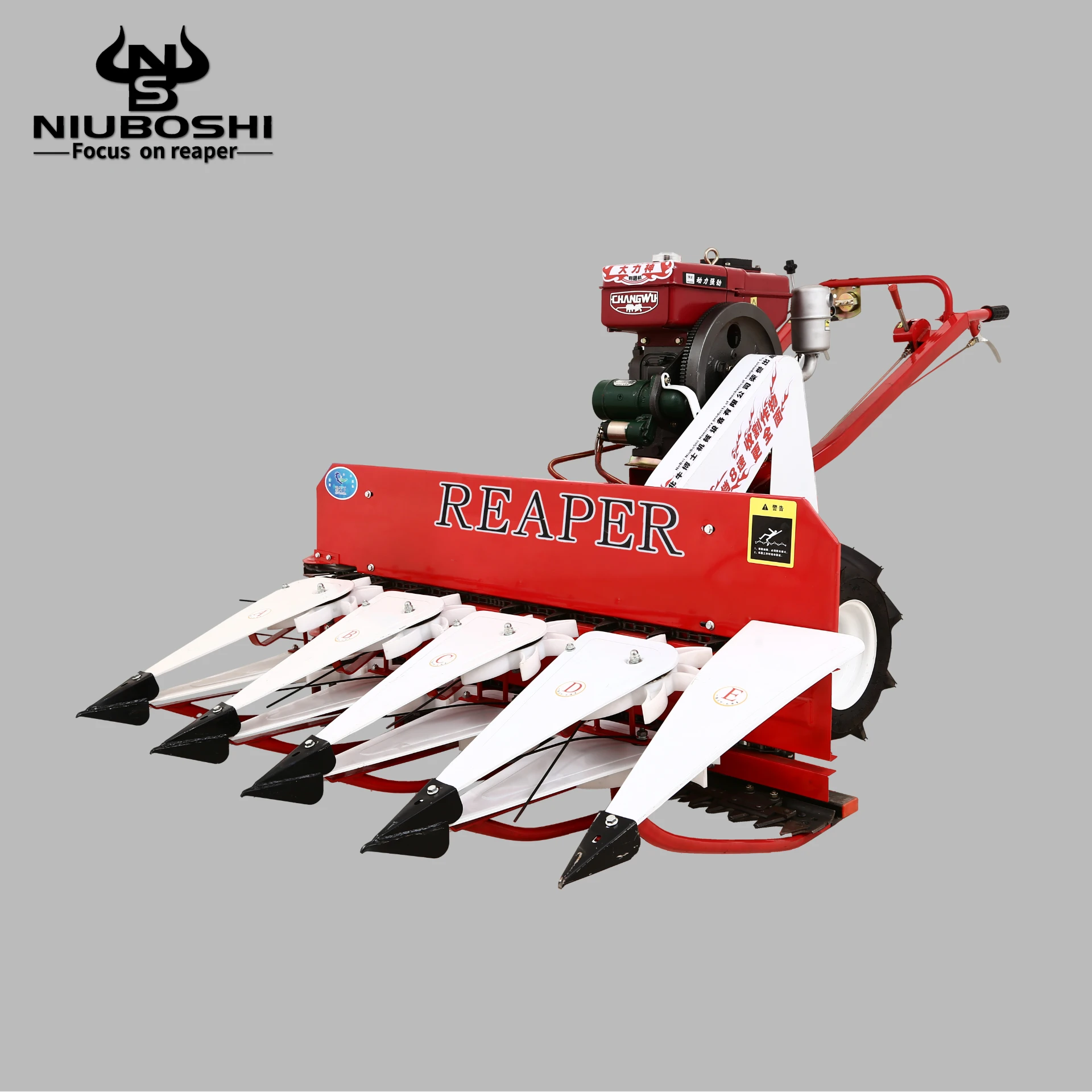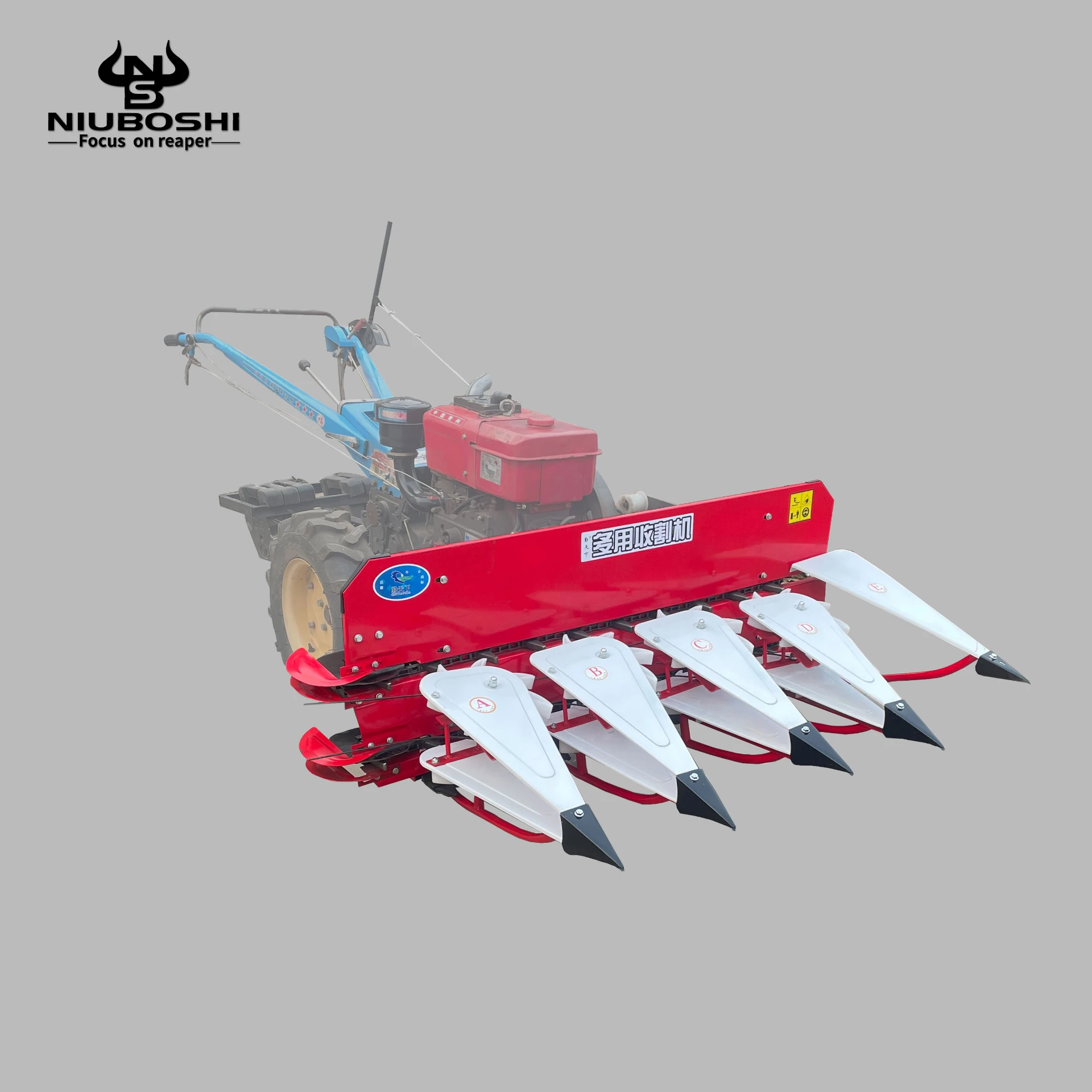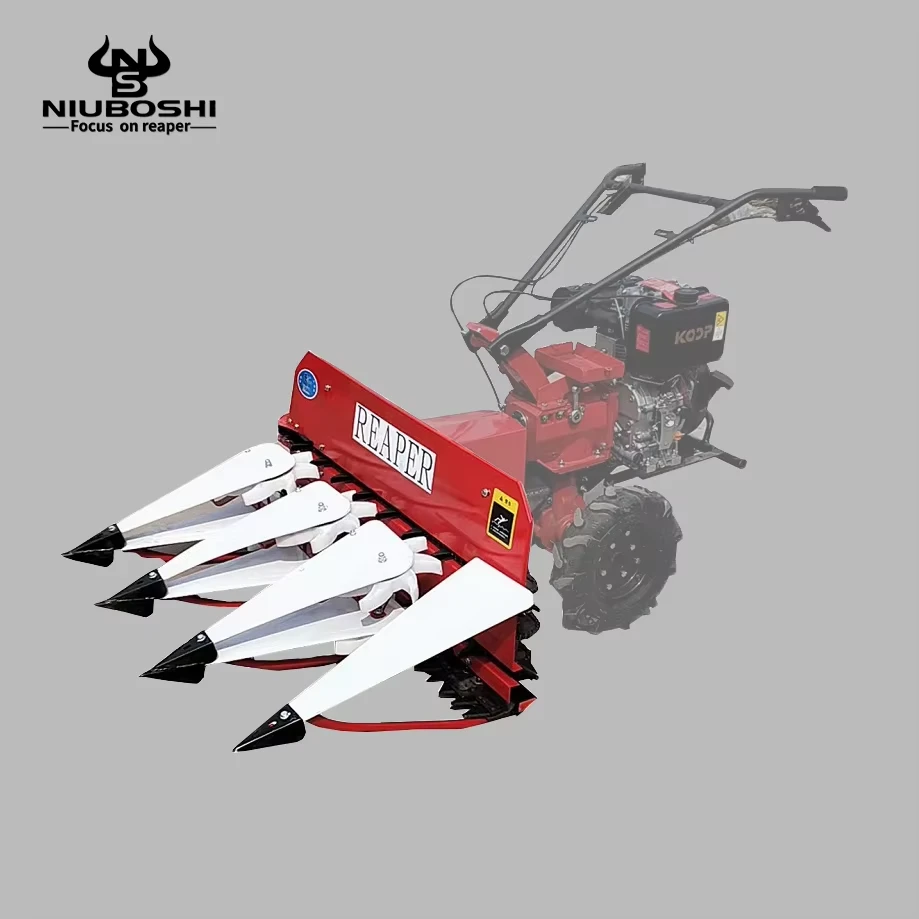
Mini Harvester Machine - Efficient, Compact Crop Harvesting Solutions
Why Mini Harvester Machines Matter More Than Ever
If you’ve ever walked through a sprawling wheat field or seen huge swaths of rice paddies being harvested by gigantic combines, you might think that only big machines dominate agricultural work. But the humble mini harvester machine is quietly changing things worldwide, and not just on small farms. These compact wonders play a key role in boosting efficiency, reducing costs, and supporting food production — especially in tricky terrains and regions where big equipment just won’t fit or can't be economically justified.
Globally, efficient crop harvesting is critical. According to the Food and Agriculture Organization (FAO), about one-third of food produced for human consumption — roughly 1.3 billion tons — is lost or wasted annually. Part of remedying this loss is speeding up and improving harvesting efficiency, where mini harvesters often step in to fill the gaps traditional machines leave out.
In essence, understanding the potential and the practicality of mini harvester machines is vital for agriculture, especially in emerging economies and smallholder farming contexts. Plus, they offer environmental benefits, accessibility advantages, and even open doors for innovative farming approaches that large machinery can't match.
Quick takeaway: Mini harvester machines offer a practical, efficient solution tailored for small to medium farms and challenging environments, directly addressing a global need for reducing crop loss and increasing farming productivity.
The Global Context: Why Mini Harvester Machines Are Gaining Ground
Agriculture isn’t just about feeding people — it’s a backbone of economies, culture, and social stability worldwide. But farming also faces rising demands from rapidly increasing populations, changing climate conditions, and land scarcity. According to recent World Bank data, over 500 million smallholder farms operate globally, often on less than two hectares each.
Now, here’s the rub: traditional large-scale combines designed for vast farms aren’t suited for these smaller plots — they’re expensive, heavy, and sometimes downright impractical. Mini harvester machines fill that need gap by offering versatility, mobility, and cost-effectiveness. These machines are revolutionizing access to mechanized harvesting, especially in Asia, Africa, and parts of Latin America, where the majority of agricultural work is on small parcels.
It’s worth noting that mini harvesters also tackle the problem of deteriorating rural manpower. Younger generations increasingly migrate to cities, leaving labor shortages. Compact harvesters ease the manual work burden and keep food production steady. It’s a quiet revolution but one that’s definitely picking up steam.
Defining the Mini Harvester Machine
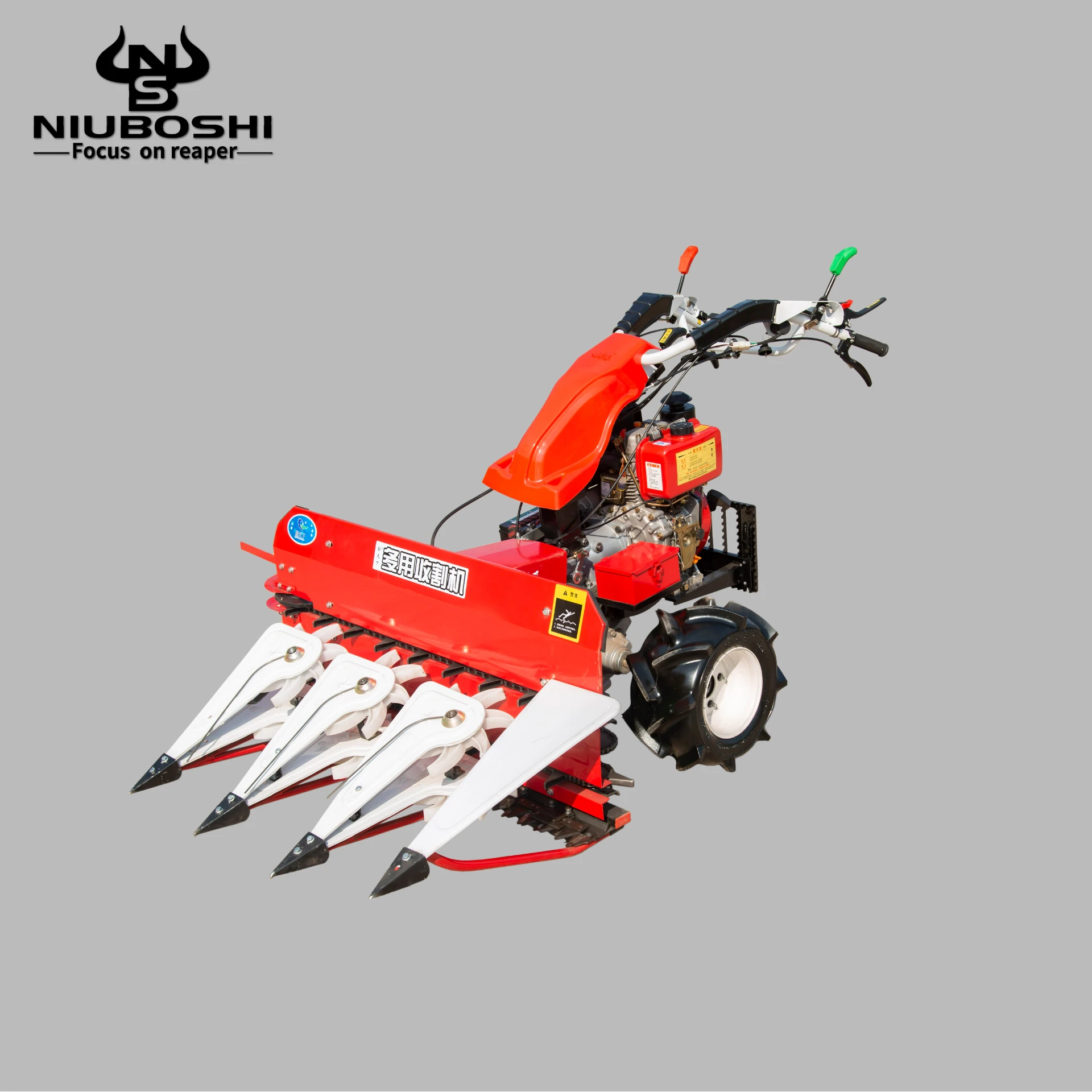
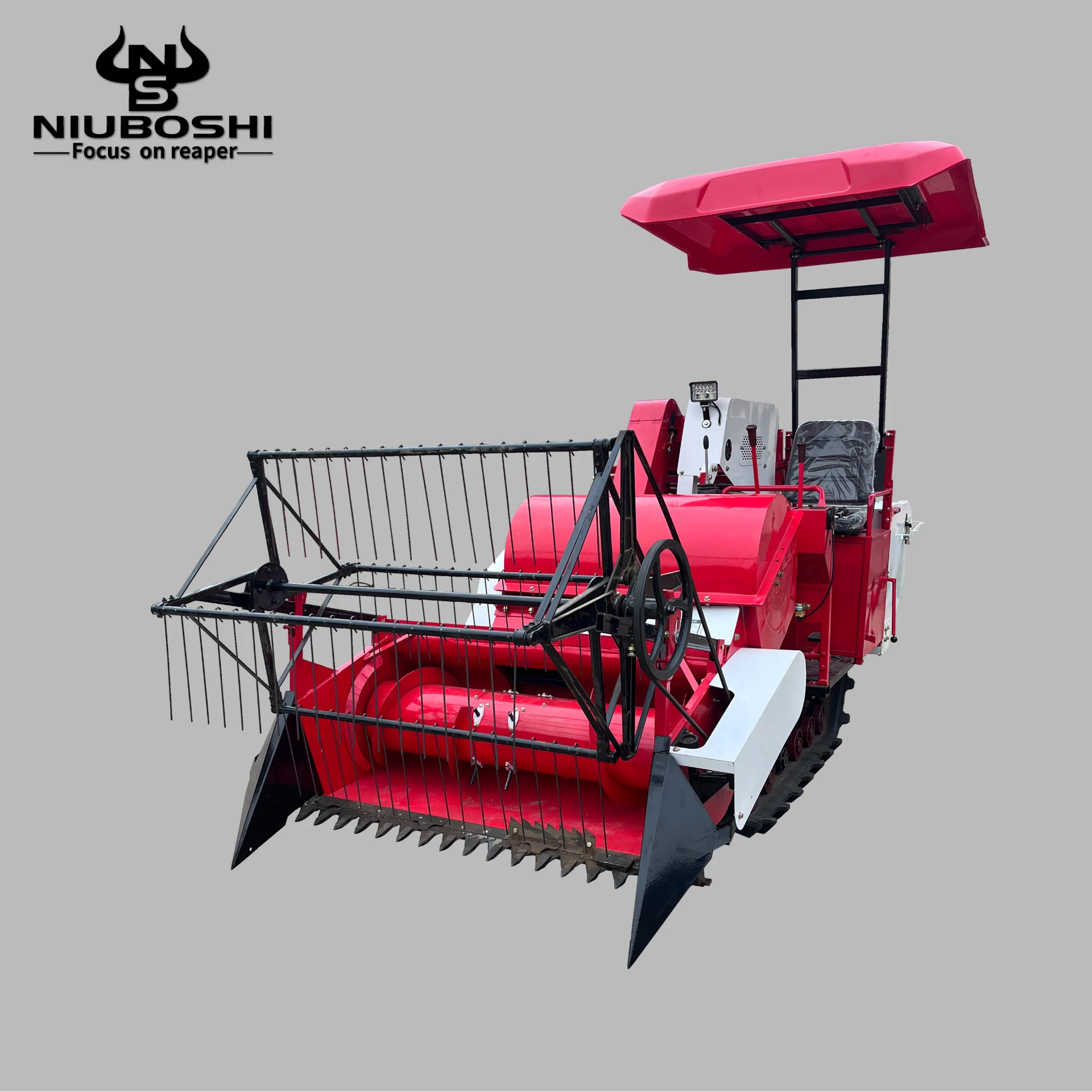
So, what exactly is a mini harvester machine? Simply put, it’s a smaller, more agile version of conventional combine harvesters, designed to efficiently cut, thresh, and separate grain crops on smaller farms or in difficult terrains.
Unlike their bulky cousins that might weigh several tons, these mini versions generally range from 300 to 800 kilograms in weight and can often be operated by a single farmer. They’re built to harvest crops like rice, wheat, barley, and maize without the need for large tracts or heavy machinery infrastructure.
Beyond just farming, these machines also have humanitarian applications — for example, in post-disaster zones where timely harvesting is crucial to maintain food supplies or in regions recovering from conflict and infrastructure loss.
Core Features to Know About Mini Harvester Machines
1. Compact Size and Maneuverability
The standout feature is size. Mini harvesters glide through narrow rows and uneven plots, which would choke larger equipment. This agility means less soil compaction and more accessible farming on hillside areas and wetlands.
2. Cost Efficiency
Lower purchase price, reduced fuel consumption, and simpler maintenance make mini harvesters an affordable entry point for small-scale farmers. They turn mechanical harvesting into a viable option where it was once a costly luxury.
3. Multi-crop Adaptability
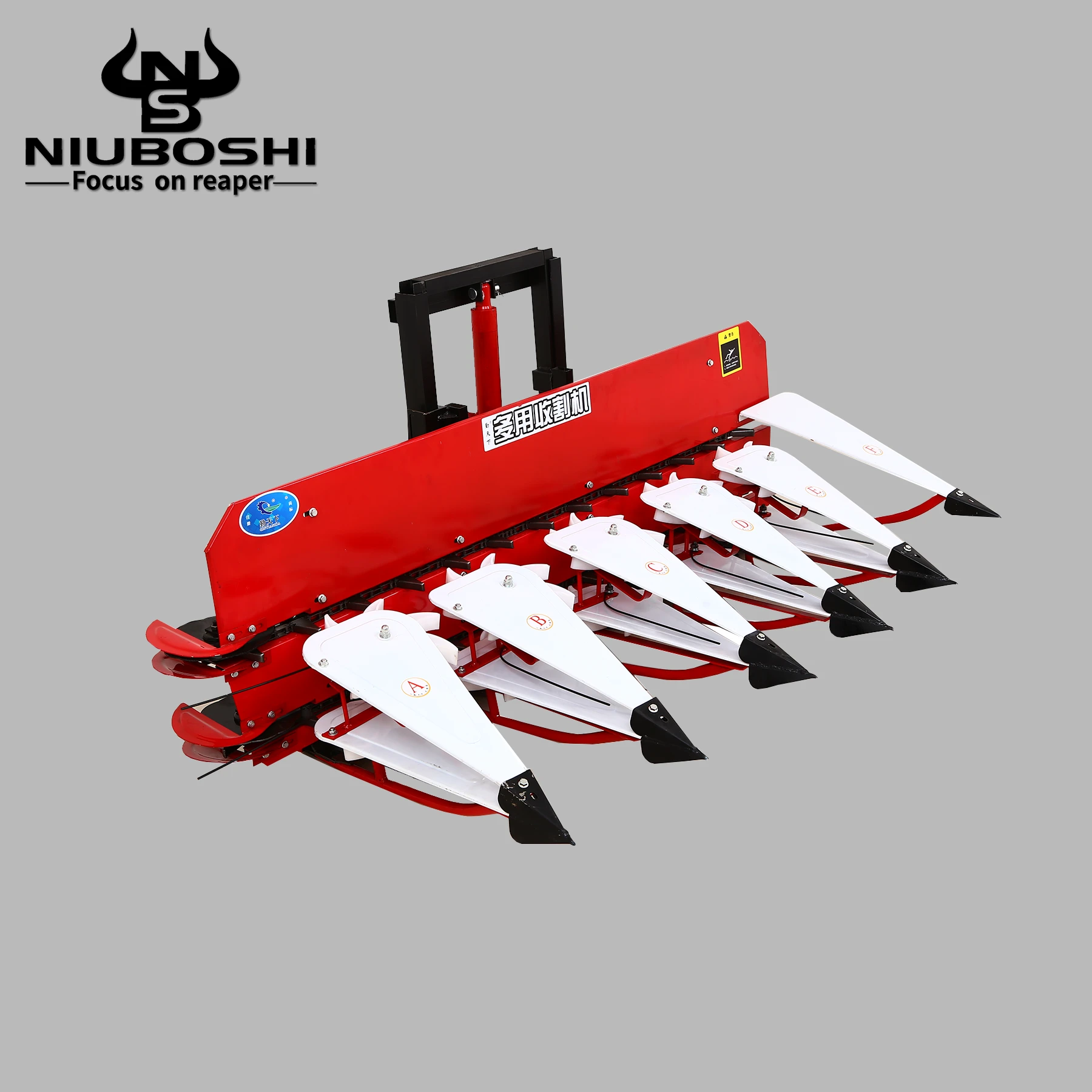
Many mini harvesters come with adjustable cutting widths or interchangeable headers, making them flexible enough to handle various grains and even some beans or pulses.
4. User-friendly Operation
Designed for minimal training, these machines avoid complicated electronics or hydraulics, so farmers can get started without lengthy learning curves.
5. Durability
Despite being smaller and lighter, quality mini harvesters are engineered for tough, dusty, and humid environments — often with corrosion-resistant metal and sealed motors.
6. Scalability
Some manufacturers offer modular designs that can be upgraded or combined with small trailers and storage units, allowing growth that matches farming scale.
Key point: The magic lies in mini harvesters’ blend of mobility, user-friendliness, and economic feasibility, making mechanized harvesting accessible beyond large commercial farms.
Mini Harvester Machine: Specifications at a Glance
| Specification | Typical Range / Example |
|---|---|
| Weight | 300 – 800 kg |
| Engine Power | 8 – 15 HP (diesel/petrol) |
| Cutting Width | 80 – 120 cm |
| Fuel Consumption | 1.2 – 2.5 L/h |
| Threshing Capacity | 0.3 – 0.8 tons/hour |
| Dimensions (L×W×H) | 1.7m × 0.9m × 1.1m |
Who’s Using Mini Harvesters? Real World Applications
Mini harvester machines find homes in a variety of settings:
- Smallholder farmers: Especially in Southeast Asia and Africa, where average farm sizes are under 1.5 hectares, mini harvesters reduce the drudgery of manual labor during intense harvesting seasons.
- Hilly Terrain Farmers: In countries like Nepal, parts of China, and Indonesia, steep slopes and narrow terraces make full-sized combines impossible to operate.
- NGOs and Aid Organizations: They deploy mini harvesters in disaster zones or recovery areas to speed up urgent food collection and prevent post-harvest loss.
- Urban and Peri-Urban Farming: Growing urban agriculture movements use mini harvesters to keep scale manageable but mechanized.
For instance, a cooperative in Vietnam boosted rice harvest speeds by 40% after switching from manual methods to mini harvesters — a significant change for both yields and labor dynamics.
Benefits: Why Invest in a Mini Harvester Machine?
Beyond function, it’s that emotional and social weight the machines carry that’s interesting. Mini harvesters don’t just cut crop — they cut down on fatigue, stress, and time away from families during harvest crunch. Here’s why they stand out:
- Cost-Effective: Affordable purchase and maintenance keep farming economically viable.
- Environmentally Friendly: Smaller engines and precise harvesting reduce fuel use and soil compaction.
- Social Impact: Help keep rural populations employed and reduce migration pressures.
- Reliability: Designed for harsh conditions with simple, durable parts.
Where Innovation is Taking Mini Harvester Machines
Technology isn’t standing still, either. The integration of electric and hybrid powertrains, lightweight composite materials, and even IoT connectivity for remote monitoring is on the horizon. Some manufacturers experiment with solar-powered charging stations for off-grid farms, hinting at a greener future.
Additionally, automation and AI-enabled navigation systems could turn mini harvesters into semi-autonomous helpers — reducing operator strain even further. It feels a bit like science fiction, but this transition is happening bit by bit.
Facing Challenges Head-On
That said, mini harvester machines face hurdles. Access to spare parts, initial training for operators, and mechanical limitations under certain crop conditions can be problematic. But many vendors now offer robust after-sales support, localized training workshops, and modular designs to simplify repairs.
Moreover, partnerships between governments, NGOs, and private companies are critical to pushing affordability and distribution, especially for remote farmers.
Mini Harvester Machine Vendors Compared
| Vendor | Country | Power Output | Price Range | Special Features |
|---|---|---|---|---|
| Niuboshi Mini Machines | China | 10-12 HP | $4,000 - $6,500 | Modular parts, easy maintenance |
| Kubota Compact Harvesters | Japan | 8-14 HP | $5,500 - $7,200 | Advanced threshing system |
| Yanmar Small Combines | Japan | 9-15 HP | $5,000 - $6,800 | Fuel efficient and compact |
FAQ: Your Mini Harvester Machine Questions Answered
Q1: How much training is needed to operate a mini harvester machine?
Most mini harvesters are designed for minimal training. Typically, a 1-2 day hands-on session is enough for someone familiar with engines and farming. Vendors often provide manuals and local workshops to ease the learning curve.
Q2: Can a mini harvester handle different crops apart from rice or wheat?
Yes, many mini harvesters can be adjusted or fitted with different headers to harvest crops like barley, oats, and certain legumes. However, extremely tall or irregular plants might require specialized machines.
Q3: What is the typical maintenance cost for a mini harvester?
Maintenance is often affordable, roughly 5-10% of the purchase price annually. Costs cover oil changes, cleaning, blade sharpening, and occasional part replacement. Accessibility to parts is improving globally.
Q4: Are mini harvesters environmentally friendly?
Compared to larger harvesters, mini machines consume less fuel, cause less soil compaction, and reduce emissions, making them a greener option for small-scale farms. Hybrid and electric versions are under development to further reduce footprint.
Q5: How can small farms finance mini harvester machines?
Many regions offer subsidies, microloans, or cooperative purchasing options to make mini harvesters affordable. NGOs and government agencies often assist with financing and training programs to boost adoption.
Wrapping Up: Why Mini Harvesters Are A Game-Changer
In closing, mini harvester machines are quietly but steadily transforming agriculture for millions. They marry convenience with technology, affordability with productivity, and empowerment with sustainability. If your farm or cooperative is looking toward the next big step in mechanization — or you’re simply curious about the tools shaping small-scale farming — exploring the benefits of these machines is a must.
Interested? Check out mini harvester machine options and see which model fits your land and needs best. Sometimes, the smaller machines make the biggest difference.
References
Latest news
-
Maximize Harvest Efficiency with the Agro Reaper Binder MachineNewsApr.16,2026
-
Boost Harvest Efficiency with the Best Agriculture Reaper MachineNewsApr.09,2026
-
Revolutionizing Agriculture with the Efficient Agriculture Power ReaperNewsApr.07,2026
-
Comprehensive Guide to the 4 Wheel Reaper Binder for Efficient HarvestingNewsApr.04,2026
-
Comprehensive Guide to Reaperbinder Technology for Efficient Hay and Crop HarvestingNewsMar.31,2026
-
Mastering the Art of Reaper Cutting for Enhanced Agricultural EfficiencyNewsMar.28,2026